Skip to content
Artwork for Cybersecurity Tech Brief By HackerNoon
Cybersecurity Tech Brief By HackerNoon · Friday · 9 min

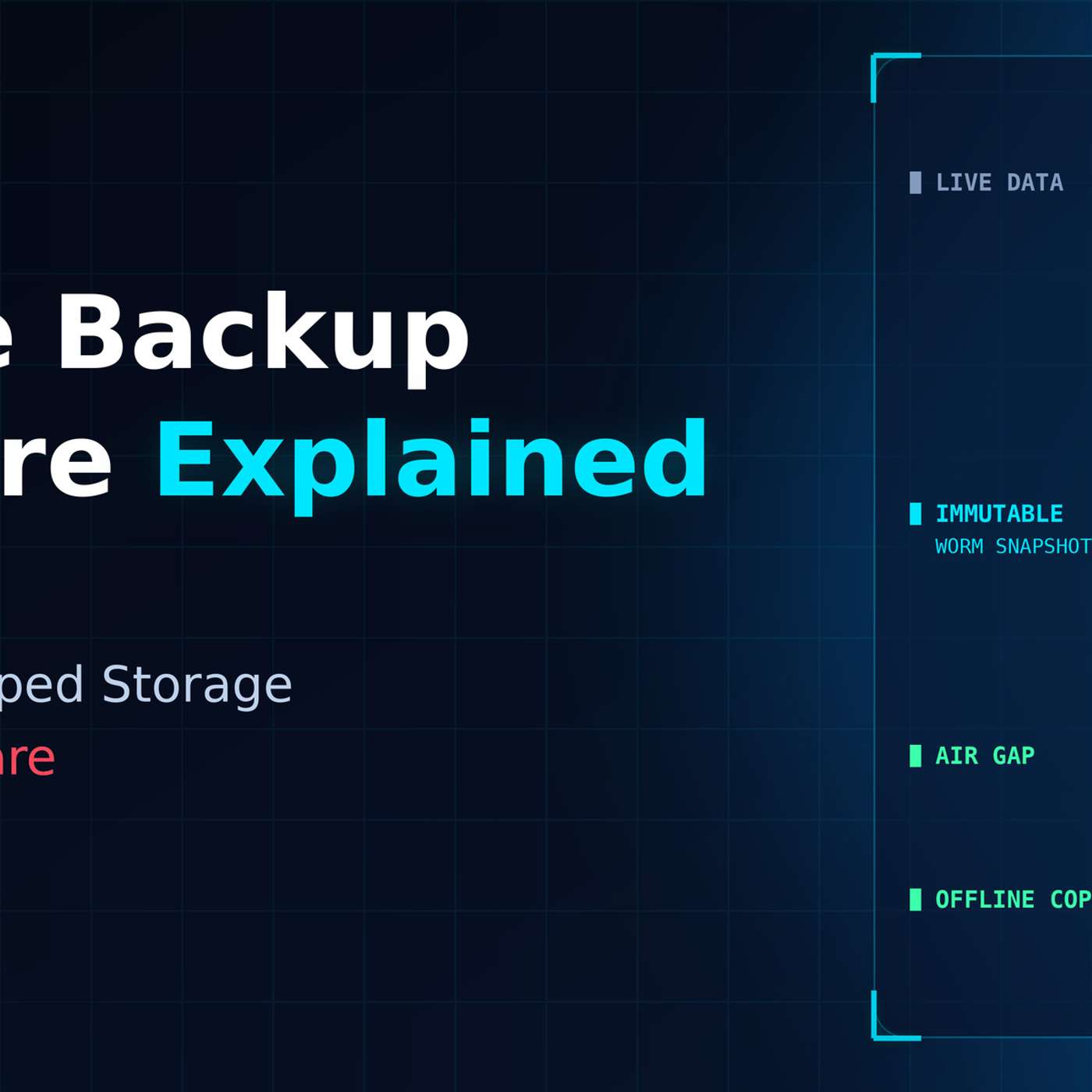
Immutable Backup Architecture Explained: How WORM and Air-Gapped Storage Actually Stop Ransomware

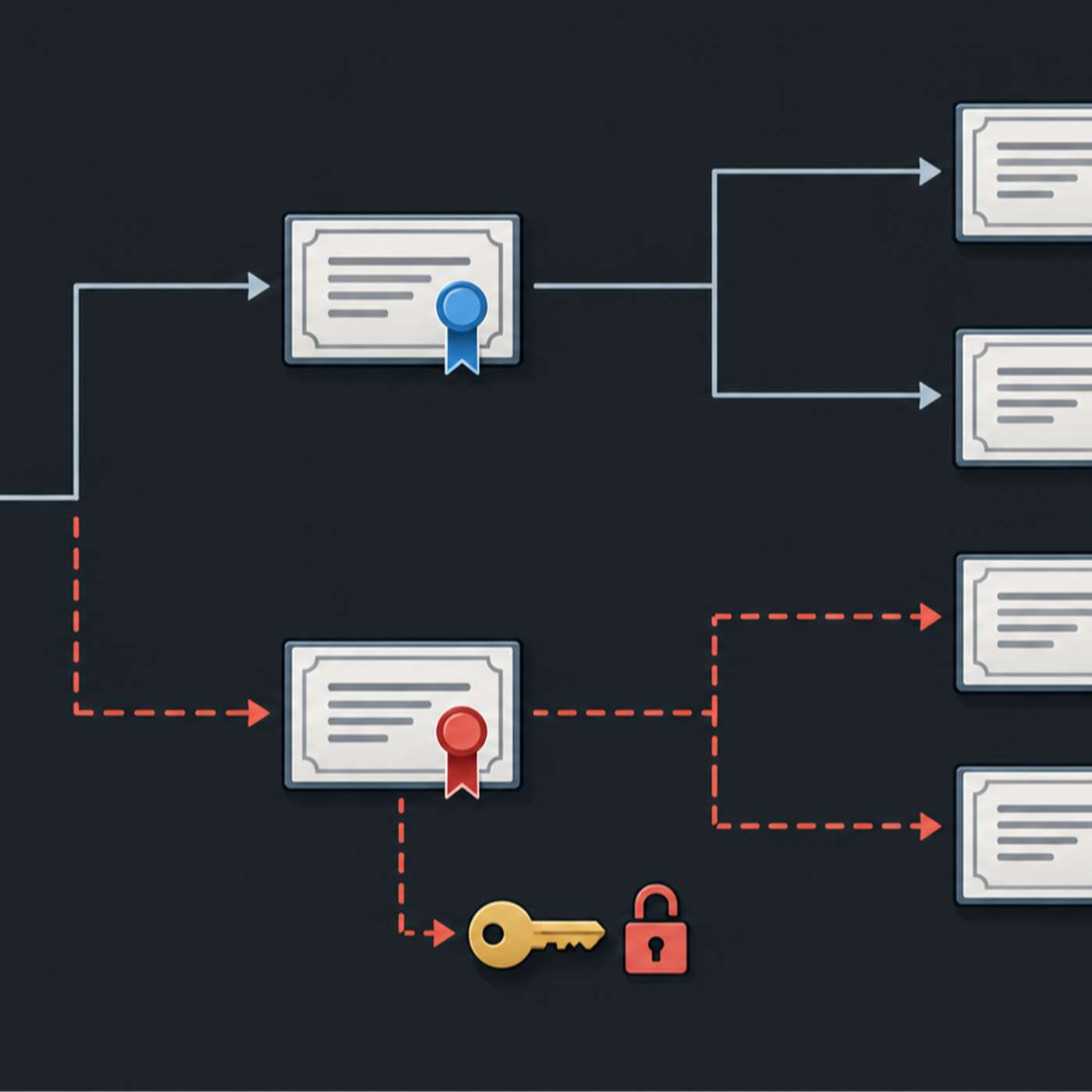
This story was originally published on HackerNoon at: https://hackernoon.com/immutable-backup-architecture-explained-how-worm-and-air-gapped-storage-actually-stop-ransomware. Immutable storage blocks deletion, but a stolen admin identity can still do damage. Follow one credential through WORM, air gaps and quorum approval. Check more stories related to cybersecurity at: https://hackernoon.com/c/cybersecurity. You can also check exclusive content about #ransomware, #immutable-backups, #backup-and-recovery-testing, #cybersecurity, #identity-and-access-management, #disaster-recovery, #aws-s3, #security-architecture, and more. This story was written by: @pallavirani. Learn more about this writer by checking @pallavirani's about page, and for more stories, please visit hackernoon.com. Ransomware crews go after your backups first, because a working backup means you don’t have to pay. Immutable storage can block deletion, but it only helps if a stolen login also can’t control the backup console, approve its own deletions or reconnect the offline copy. This piece follows one stolen credential through each layer to show where it stops. A simple restore test then shows whether the surviving copy can actually run your application.


0:00-9:27

transcript

No transcript — this publisher did not publish one.

show notes

This story was originally published on HackerNoon at: https://hackernoon.com/immutable-backup-architecture-explained-how-worm-and-air-gapped-storage-actually-stop-ransomware.
Immutable storage blocks deletion, but a stolen admin identity can still do damage. Follow one credential through WORM, air gaps and quorum approval.
Check more stories related to cybersecurity at: https://hackernoon.com/c/cybersecurity. You can also check exclusive content about #ransomware, #immutable-backups, #backup-and-recovery-testing, #cybersecurity, #identity-and-access-management, #disaster-recovery, #aws-s3, #security-architecture, and more.

This story was written by: @pallavirani. Learn more about this writer by checking @pallavirani's about page, and for more stories, please visit hackernoon.com.

Ransomware crews go after your backups first, because a working backup means you don’t have to pay. Immutable storage can block deletion, but it only helps if a stolen login also can’t control the backup console, approve its own deletions or reconnect the offline copy. This piece follows one stolen credential through each layer to show where it stops. A simple restore test then shows whether the surviving copy can actually run your application.
links13