CyberSecurity Summary is your go-to podcast for concise and insightful summaries of the latest and most influential books in the field of cybersecurity. Each episode delves into the core concepts, key takeaways, and practical applications of these books, providing you with the knowledge you need to stay ahead in the ever-evolving world of cybersecurity. Whether you’re a seasoned professional or just starting out, CyberSecurity Summary offers valuable insights and discussions to enhance your understanding and keep you informed.
A comprehensive pedagogical framework for integrating mathematics and computer programming into the creative design process. Rather than focusing on specific software that may soon become obsolete, the authors prioritize foundational concepts such as...
Introduces the Haskell language by emphasizing functional programming over the traditional instruction-based approach of the von Neumann architecture. The text focuses on the mathematical foundations of code, defining functions as transparent mappings...
An introduction and guide to F#, a mature, functional-first programming language that operates on the .NET platform. Author Isaac Abraham emphasizes that F# enables developers to write more succinct and maintainable code by leveraging immutability,...
A hands-on introduction to coding for beginners using the JS Bin online sandbox. The text utilizes a continuous project called The Crypt, a text-based adventure game, to demonstrate how specific programming concepts build a complex application. Part 1...
A comprehensive guide for building server-side applications using the Go programming language. The material highlights why Go is an ideal choice for modern web development, specifically noting its efficiency, scalability, and built-in support for...
A comprehensive guide to understanding recursion as both a computational strategy and a mathematical concept. The book explores how complex problems can be solved by breaking them down into smaller, self-similar instances, utilizing a step-by-step...
A comprehensive college-level textbook designed to teach foundational computer science concepts through the Scala language. Written by Mark C. Lewis and Lisa L. Lacher, the text covers a wide spectrum of topics ranging from hardware basics and...
Focuses on the intersection of blockchain technology and modern cybersecurity, framing decentralized systems as a solution to an increasingly volatile threat landscape. The material begins by detailing prevalent risks such as ransomware, DDoS attacks,...
A technical guide authored by Nikhil Buduma and Nicholas Locascio for designing machine intelligence algorithms. It establishes the field by contrasting traditional computer programming, which relies on rigid instructions, with machine learning, which...
A comprehensive look at the technical frameworks and professional roles within the video game industry. The material defines a game engine as a reusable, data-driven software suite that serves as the foundation for various titles, distinguishing it...
A technical guide to managing simultaneous tasks and parallel programming within the Java ecosystem. The text introduces foundational concepts such as the Thread class and Runnable interface, explaining how to initialize, identify, and prioritize...
A comprehensive framework for designing and managing RESTful web services that prioritize the developer experience. The text guides readers through the entire lifecycle of an API, from establishing business value and metrics to creating schema models...
A foundational guide to iOS 12 development using Swift 4.2, Xcode 10, and the Cocoa framework. Author Matt Neuburg introduces Swift as a modern, object-oriented language where every entity functions as an object across three primary types: classes,...
A technical guide introduces the labeled property graph model, a versatile structure consisting of nodes, relationships, and properties used to represent complex datasets. The authors explain that while relational and NoSQL databases often struggle...
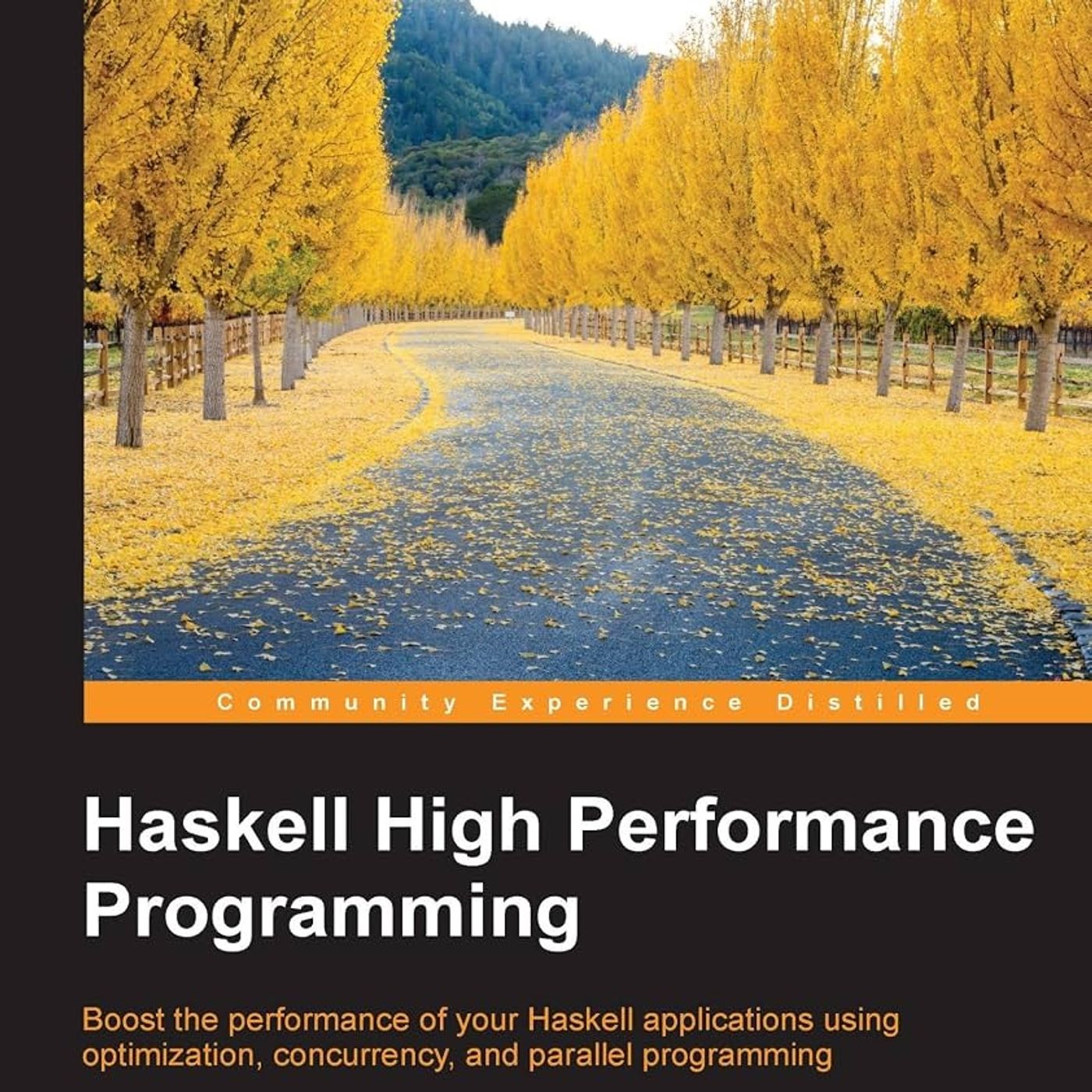
A technical guide dedicated to optimizing the speed and resource efficiency of functional applications. The text explores the nuances of lazy evaluation, providing strategies to identify and fix common bottlenecks like space leaks and unintended...
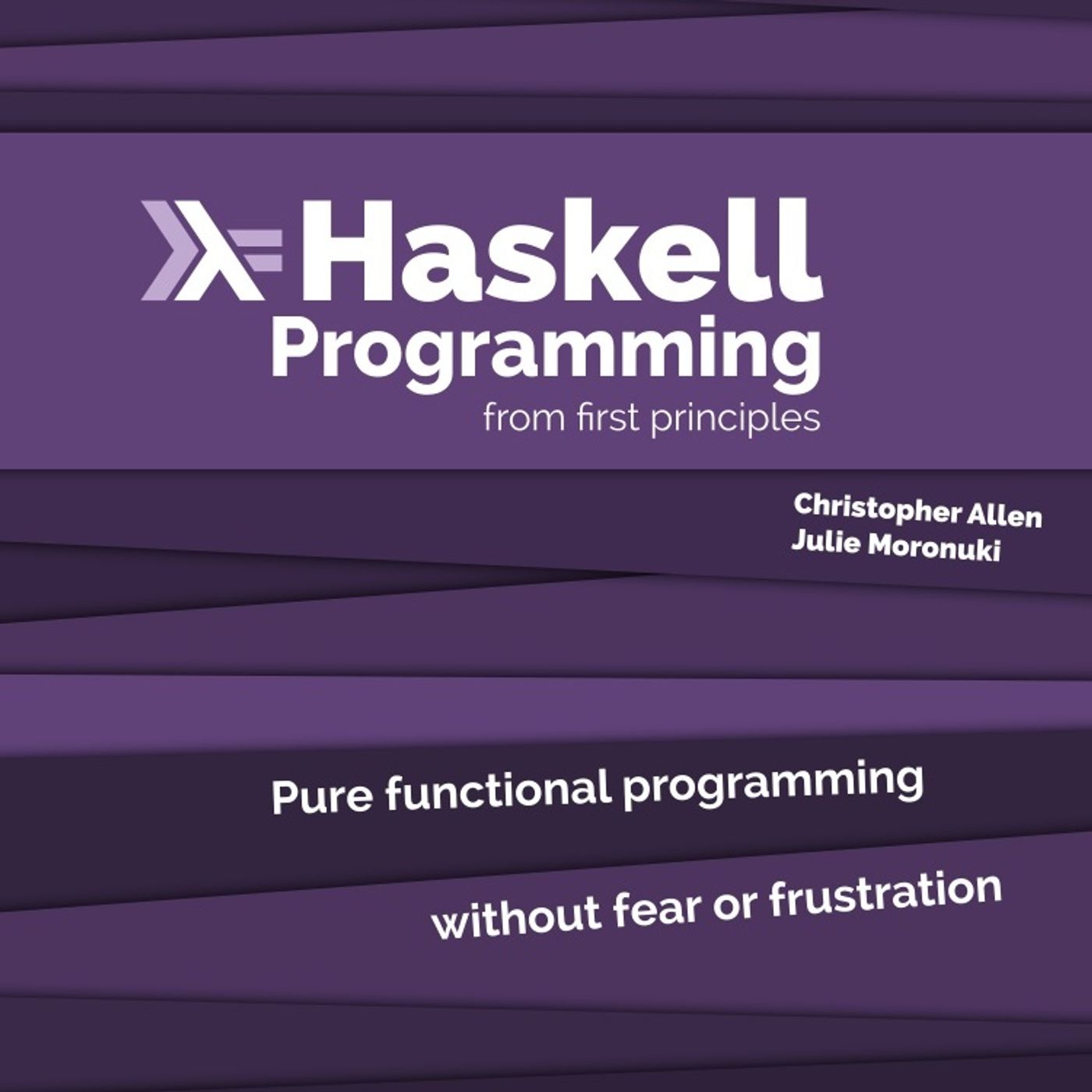
Designed to teach functional programming to both novices and experienced developers. The text emphasizes that Haskell is a pure, general-purpose language that helps programmers write more reliable code by offloading complex metadata tracking to a...
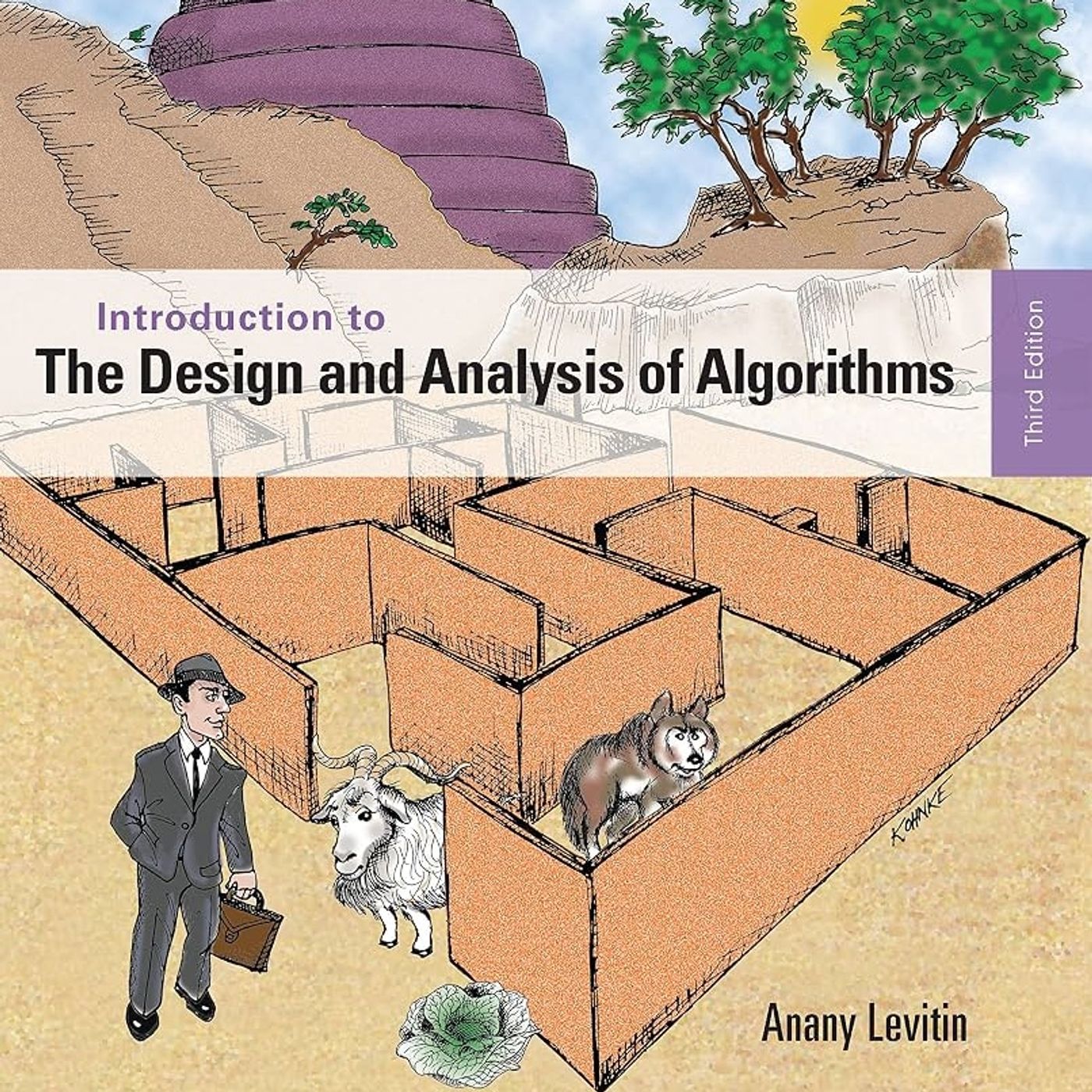
Focuses on a taxonomy of algorithm design techniques, organizing the study of algorithms by their underlying strategies rather than just by problem types. The material introduces fundamental concepts such as algorithmic problem solving, efficiency...
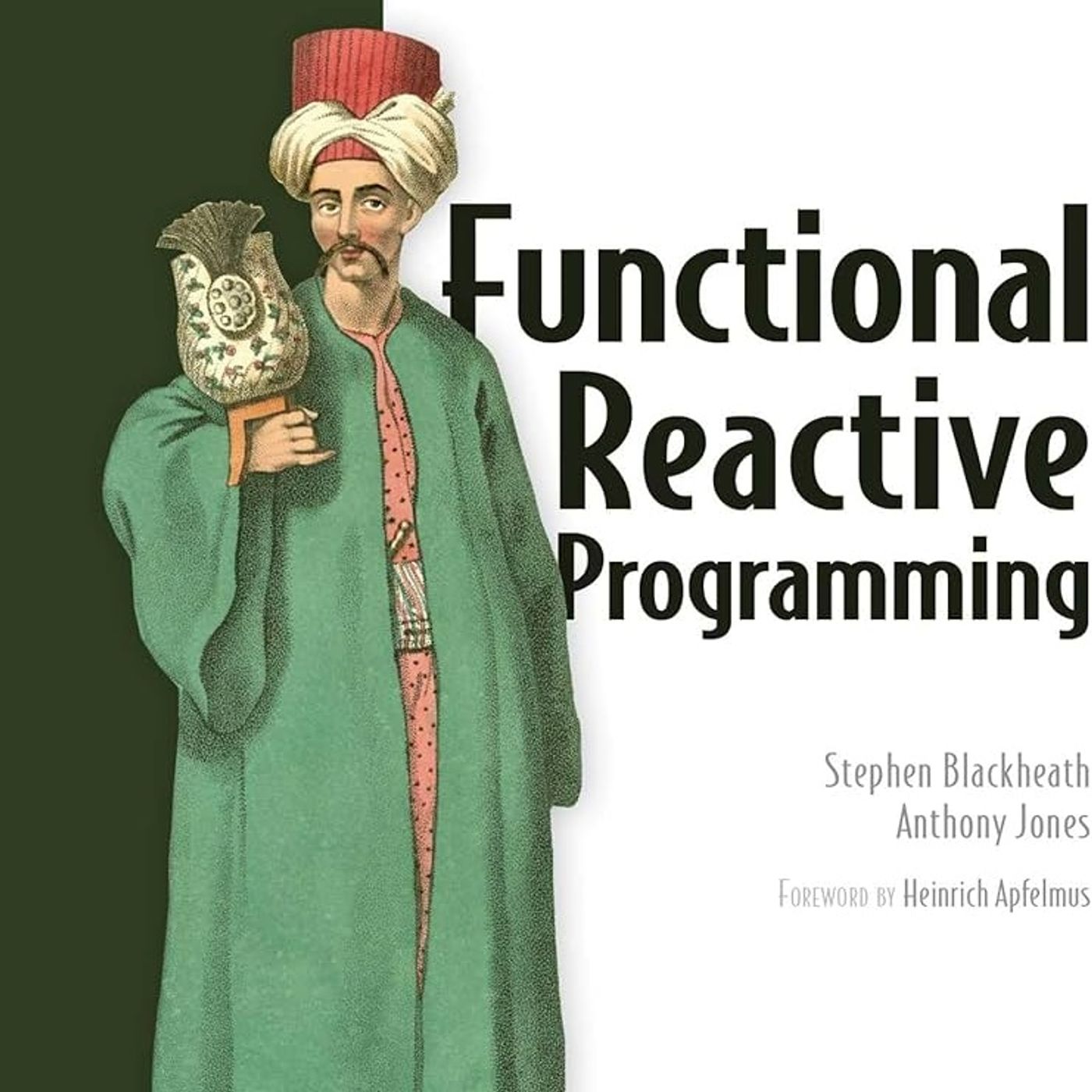
A comprehensive introduction to Functional Reactive Programming (FRP), focusing on its ability to manage software complexity by replacing traditional observer patterns and listeners. The authors introduce Sodium, a practical FRP library, to...
A comprehensive system designed to accurately estimate software size and development effort. Published by IEEE Press and Wiley, the manual addresses deficiencies in existing measurement standards by analyzing all major software components rather than...
A modern architectural approach that leverages Elixir's concurrency to build stateful web applications instead of traditional stateless ones. The author introduces the "Islands" game as a primary project to demonstrate how to layer domain logic using...