Skip to content
Artwork for Curious Conversations

Curious Conversations

Virginia Tech

Curious Conversations is a series of free-flowing conversations with Virginia Tech researchers that take place at the intersection of world-class research and everyday life. Produced and hosted by Virginia Tech Assistant Director of Marketing and Communications Travis Williams, university researchers share their expertise and motivations, as well as the practical applications of their work in a format that more closely resembles chats at a cookout than classroom lectures.

Play
  • 20 episodes
  • weekly
  • Avg 22 min
  • English
  • S4 · E3
    Yesterday · 29 min

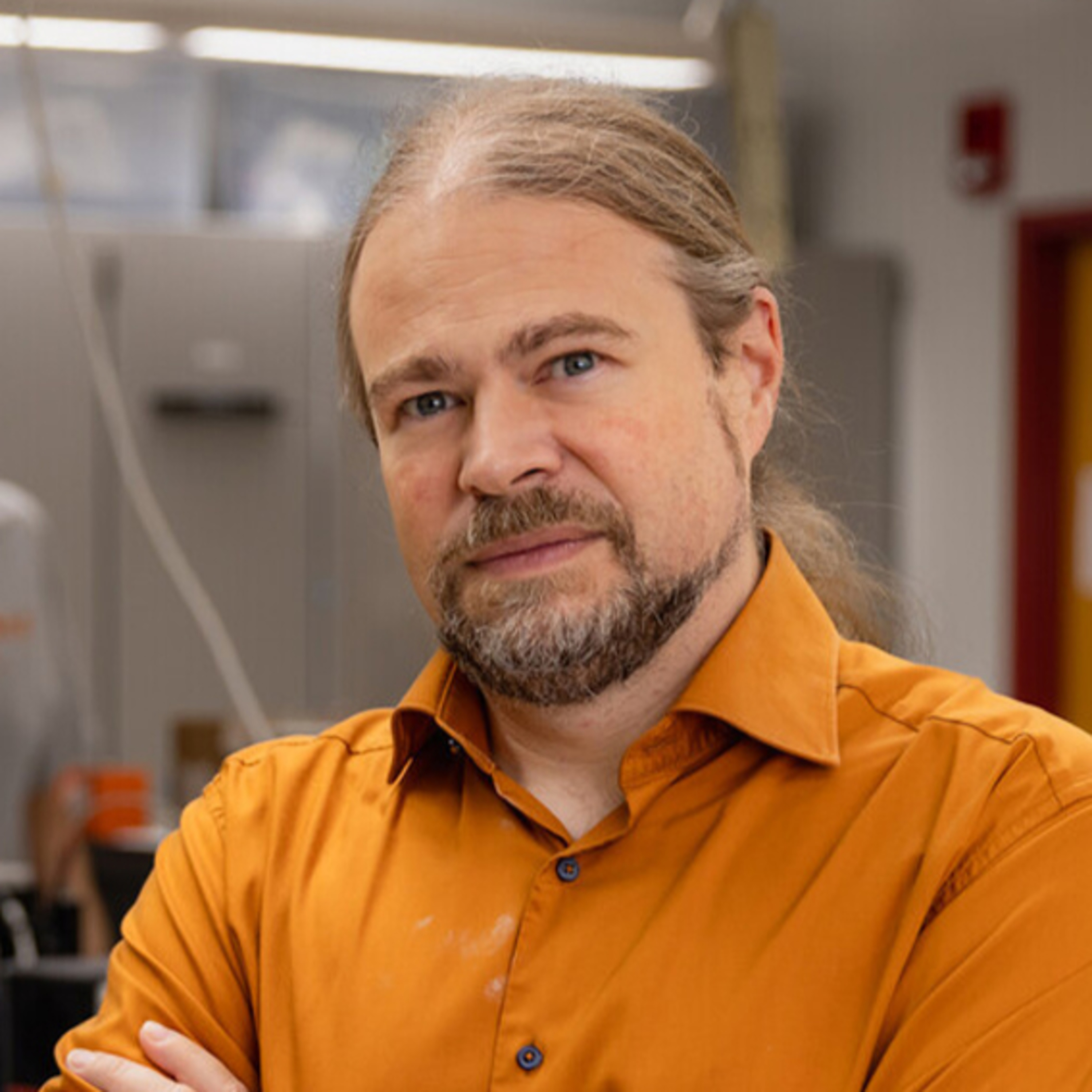
    S4 E3: The reality of sports economics with Jadrian Wooten

    Jadrian Wooten joined Virginia Tech’s “Curious Conversations” to talk about the realities of economics and professional sports. Wooten shared his insights about the economic philosophies of many team owners, ticket prices, and new arenas, as well as the impact teams have on their communities. 0:00 — Professional Sports and Local Economies1:14 — Why Sports Make Economic Sense3:23 — Why Team Values Keep Rising7:41 — The Economics of New Stadiums13:41 — Do Sports Teams Help Local Communities?18:00 — Why Ticket Prices Keep Climbing21:18 — Economics Happy Hour and the Newsletter23:43 — The Stadium Quest: Favorites and TraditionsWooten is a collegiate associate professor with the Virginia Tech Department of Economics. His research focuses primarily on educational methodologies and the economics of sports and labor. Wooten’s weekly blog, Monday Morning Economist, tackles economic issues in pop culture and current events

  • S4 · E2
    September 21 · 22 min

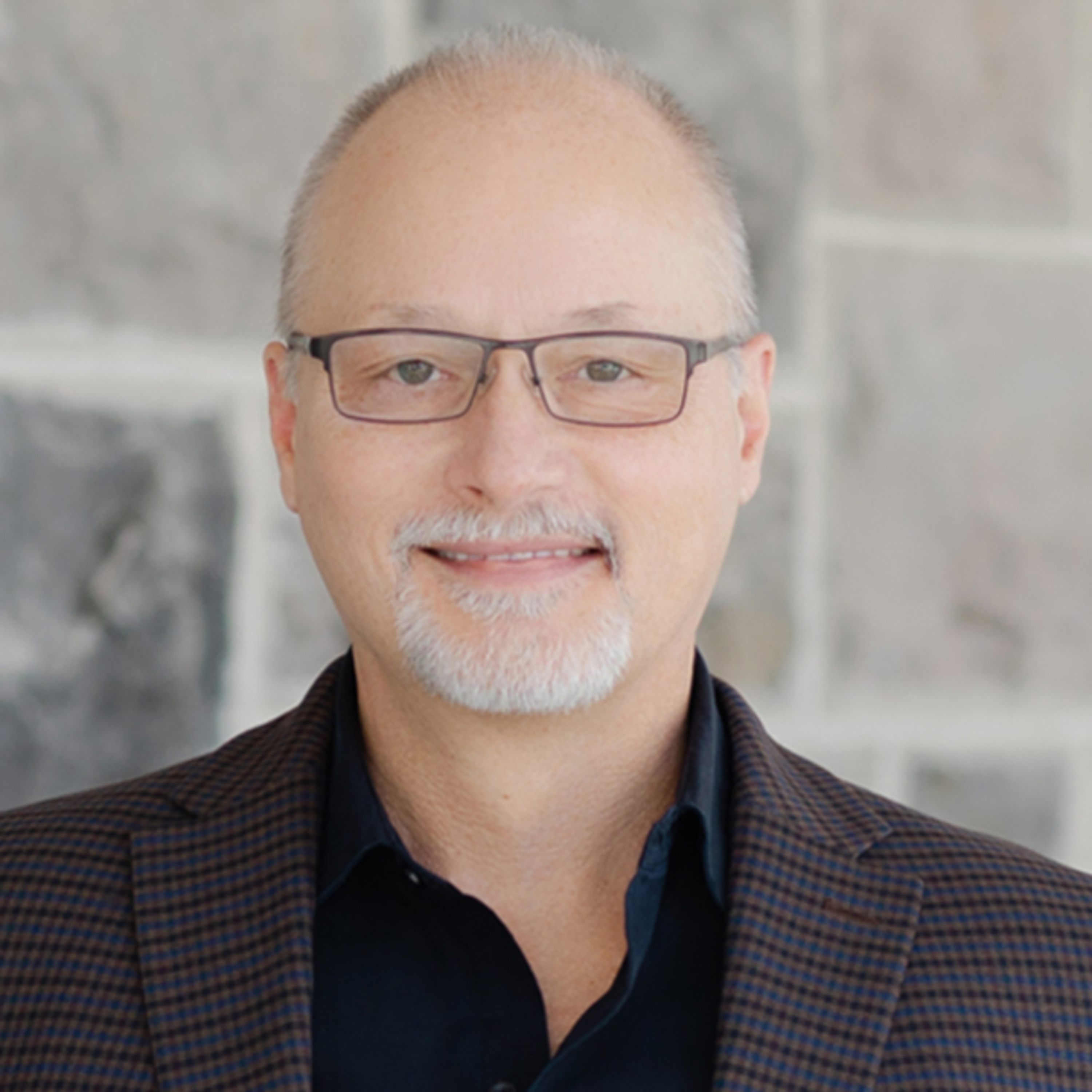
    S4 E2: How can we defend against drone attacks?

    Austin Phoenix joined Virginia Tech’s “Curious Conversations” to talk about unmanned aerial systems, commonly called drones, the challenges they present to the defense sector, and the work university researchers are doing to help better understand and mitigate any potential threats.“Curious Conversations” is available on YouTube, Spotify, and Apple.1:32 — Drones in Defense5:22 — Autonomy and Emerging Risks7:12 — The Cost of Drone Defense9:15 — Counter-Drone Strategies12:59 — Inside the Counter-UAS Center17:48 — Testing Real-World Conditions19:19 — Students, Partners, and ImpactPhoenix is an associate research professor and the director of the Mission Systems Division at the Virginia Tech National Security Institute. He is also one of the leaders of the university’s new Counter-UAS Testing and Research Center, which is a partnership between Virginia Tech’s Mid-Atlantic Aviation Partnership, the Virginia Tech National Security Institute, and the U.S. Army. His research interests include multifunctional structures, adaptive structures, advanced thermal management, structural dynamics, spacecraft design, and first-order analysis of complex systems. Curious Conversations is a series of free-flowing conversations with Virginia Tech researchers that take place at the intersection of world-class research and everyday life. Produced and hosted by Virginia Tech Assistant Director of Marketing and Communications Travis Williams, university researchers share their expertise and motivations, as well as the practical applications of their work in a format that more closely resembles chats at a cookout than classroom lectures.

  • S4 · E1
    September 14 · 15 min

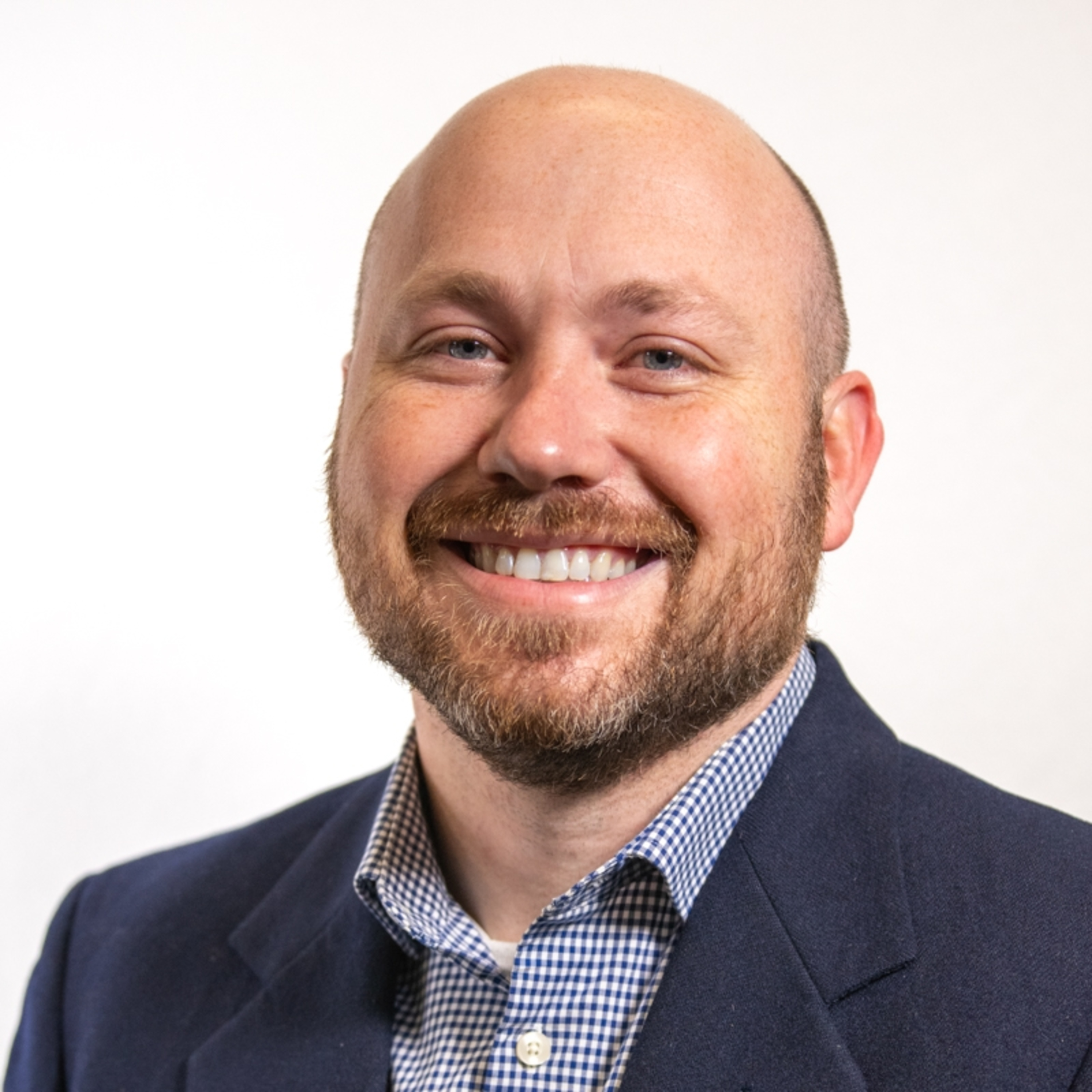
    S4 E1: How can we best survive back-to-school season stress?

    Paul Springer joined Virginia Tech’s “Curious Conversations” to talk about how the transition from summer to fall can impact family dynamics and provide advice on navigating potential challenges. About Springer Paul Springer is a professor and the head of the Department of Human Development and Family Sciences at Virginia Tech. He is also a licensed marriage and family therapist who specializes in working with individuals, couples, and families who have experienced loss and trauma.

  • S3 · E31
    May 11 · 20 min

    Lifestyle choices and brain health with Ben Katz

    Ben Katz joined Virginia Tech’s “Curious Conversations” to talk about the impact of lifestyle choices on brain health and cognition. He shared insights about how cardiovascular exercise, spending time in nature, and maintaining a healthy diet can enhance cognitive function. He also talked about the importance of sleep and benefits of social interactions, as well as what changes he has made to best support his own cognition.Ben Katz is an associate professor of adult development and aging within the Department of Human Development and Family Science at Virginia Tech. His research focuses on interventions to improve executive function capacities, including non-invasive brain stimulation, cognitive training, and lifestyle change.

  • S3 · E30
    May 4 · 25 min

    Cycling safety and infrastructure with Laura Hamm

    Laura Hamm joined Virginia Tech’s “Curious Conversations” to talk about cycling safety, infrastructure, and the behaviors of both riders and vehicle operators. She explained the challenges to getting accurate information about bicycle-vehicle collisions and what conditions make riding safer. She also talked about a project she’s working on that will help the Virginia Department of Transportation better assess traffic stress, connectivity, and accessibility of bike and pedestrian routes and her own experience as an avid cyclist. Hamm is a senior research associate in the Division of Vehicle, Driver, and System Safety at the Virginia Tech Transportation Institute. Her research focuses on the safety and mobility of vulnerable road users, including cyclists and pedestrians. She is currently leading a pilot program to collect and analyze naturalistic data from cyclists aimed to better understand bicycle-vehicle interactions and cyclist behavior under diverse environmental contexts. She is also leading a project in Virginia to incorporate new data sources into the calculation of level of traffic stress for pedestrians and cyclists.

  • S3 · E29
    April 27 · 13 min

    Fertilizer and the Iran war with Rory Maguire

    Rory Maguire joined Virginia Tech’s “Curious Conversations” to talk about fertilizer and its connection to the Iran war. He explained what nutrients make up most fertilizers, which of those are most impacted by the conflict, and how they behave differently in soil. He also shared some practical advice that could be applied to both large-scale farms and small gardens. Maguire is a professor and extension specialist in the Virginia Tech in the School of Plant and Environmental Sciences. He is also the supervisor of the Soil Testing Laboratory at Virginia Tech. His research aims to improve the efficiency of fertilizer and manure nutrient management, using innovative approaches to protect the environment while enhancing the profitability and sustainability of farming systems. #virginiatech #fertilizer #iranwar #soil #farming

  • S3 · E28
    April 20 · 23 min

    The connection between renting and education with Tom Mayock

    Tom Mayock joined Virginia Tech’s “Curious Conversations” to talk about recent research that shows a relationship between single-family rental housing and educational outcomes. He explained the historic and evolving landscape of rental markets and the work he and his colleagues did that point to a rise in student achievement when units are located in thebounds of high-achieving school districts. Mayock is the Michael G. Miller Professor of Real Estate in the Blackwood Department of Real Estate. His research interests include real estate, urban economics, public economics, and credit risk.

  • S3 · E27
    April 13 · 26 min

    Food facts with Melissa Wright

    Melissa Wright joined Virginia Tech’s “Curious Conversations” to talk about navigating topics related to food, food ingredients, and nutrition. She explained how people should interpret labels and the complexities of topics like raw milk, protein, and color additives. Wright also offered practical advice for consumers and producers to make informed decisions about food safety and nutrition.Wright is director of the Food Producer Technical Assistance Network at Virginia Tech, which supports food entrepreneurs by assisting with nutrition label content, food safety analysis, and pertinent food regulations. The program’s goal is to help Virginia’s food-processing industry produce high-quality, safe, and innovative food products.#virginiatech #food #foodlabels #fooddyes #protein #milk #nutrition #foodsafety

  • April 6 · 22 min

    Fungi and cloud seeding with Boris Vinatzer

    Boris Vinatzer joined Virginia Tech’s “Curious Conversations” to talk about fungi and their potential to influence weather through ice nucleation. Vinatzer shared insights gained through some recent research that revealed a fungi protein that helps water freeze at a higher temperature than would otherwise be possible. He explained how ice is actually formed and the potential for this discovery to be used in cloud seeding and for a host of industrial applications. Vinatzer is a professor in the School of Plant and Environmental Sciences. His research includes molecular plant-microbe interactions, molecular evolution, and taxonomy of plant pathogenic bacteria. He is interested in investigating environmental microbes that may play a role in the formation of precipitation.

  • S3 · E25
    March 30 · 25 min

    Scams and cybercrime with Katalin Parti

    Katalin Parti joined Virginia Tech’s 'Curious Conversations’ to talk about how emerging technologies such as artificial intelligence (AI) are turbocharging social engineering scams and what individuals can do to protect themselves. She shared the common techniques scammers use, what could make a person more vulnerable to scams, and the red flags that can help mitigate such threats. Parti also talked about a new project she’s working on with residents of a retirement community to develop real-time tools to assist them in thwarting threats. Parti is an assistant professor with the Department of Sociology in the College of Liberal Arts and Human Sciences at Virginia Tech. Her research focuses on both the offender and victim sides of cybercrime, sexual violence, and online manipulative scams targeting older people. Parti is a certified mediator and holds a European Certificate in Cybercrime and Electronic Evidence. She is also a co-author and co-editor of "Juvenile Justice and Schools: Policing, Processing, and Programming."#VirginiaTech #cybersecurity #ScamAwareness #AI #FraudPrevention

  • S3 · E24
    March 22 · 33 min

    The Chesapeake Bay's blue catfish problem with Michael Schwarz

    Michael Schwarz joined Virginia Tech’s “Curious Conversations” to talk about the rapid invasion of blue catfish in the Chesapeake Bay, its ecological and economic impacts, and the promising potential for turning this challenge into an opportunity. He explained what makes the fish so problematic, the challenge of standing up sustainable fishing, processing, and marketing of the fish, and its unique taste and nutritional profile. Michael Schwarz is director of the Virginia Seafood Agricultural Research and Extension Center of Virginia Tech in Hampton, Virginia. His research includes land-based and offshore aquaculture production system design and optimization, environmental optimization and identification of environmental production limits for aquaculture species, and the development of production protocols for new and emerging species.#BlueCatfish #ChesapeakeBay #SustainableSeafood #VirginiaTech #Aquaculture #fishing #seafood #angler #seafoodindustry

  • S3 · E23
    March 16 · 18 min

    Airborne pathogen detection and mitigation with Linsey Marr

    Linsey Marr joined Virginia Tech’s “Curious Conversations” to talk about the complexities of airborne pathogens, their impact on health, and a project she’s leading aimed at developing a smart air quality management system. She broke down the challenges of pathogen detection, the importance of collaborative research across different institutions for her current project, and shared some practical advice for improving indoor air quality.Linsey Marr is a University Distinguished Professor in the Department of Civil and Environmental Engineering at Virginia Tech. She leads the Applied Interdisciplinary Research in Air Laboratory, which applies an interdisciplinary approach to study pollutants in indoor and outdoor air. She is especially interested in emerging or non-traditional aerosols such as microorganisms and engineered nanomaterials and how they are transformed in the environment. This research was funded in part by the Advanced Research Projects Agency for Health. The views and conclusions contained in this document are those of the authors and should not be interpreted as representing the official policies, either expressed or implied, of the United States Government. #VirginiaTech #AirbornePathogens #HealthPodcast #Microbes #Wellness #CleanAir #ScienceTalk #InfectiousDisease

  • S3 · E22
    March 9 · 21 min

    A new way to treat kidney stones with Adam Maxwell

    Adam Maxwell joined Virginia Tech’s “Curious Conversations” to talk about lithotripsy, a medical procedure to break apart kidney stones, and a new procedure for which his research team just received FDA approval. Maxwell explained the most common current techniques used to treat kidney stones and their challenges. He then introduced the harmonic ultrasound technique he and his colleagues have pioneered and explained its potential benefits to patients and physicians. Maxwell is a research associate professor in the Department of Biomedical Engineering. His research interests include the bioeffects of ultrasound, elastic waves in biomaterials, ultrasound and laser lithotripsy, and veterinary applications of ultrasounds.

  • S3 · E21
    March 2 · 19 min

    Antarctic Bottom Water with Brian Romans

    Brian Romans joined Virginia Tech’s “Curious Conversations” to talk about Antarctic Bottom Water and its significance for global ocean circulation and climate science. He explained the processes involved in studying ocean currents, the geological records that provide insights into past ocean conditions, and the impact of environmental shifts on these dynamics. Romans also shared his personal journey into oceanography and highlights the importance of international collaboration in addressing climate-related challenges. Romans is a professor of sedimentary geoscience in Virginia Tech’s College of Science. His research interests include the study of ancient and modern sedimentary systems using outcrop, subsurface, and Earth-surface data to better understand past and predict future geologic problems related to tectonic or shifts in the environment.

  • S3 · E20
    February 23 · 29 min

    The mysteries of microplastics with Austin Gray

    Austin Gray joined Virginia Tech’s “Curious Conversations” to talk about microplastics and the growing body of research about their impact on human and environmental health. He shared insights related to the public perception of plastic pollution, the history of microplastics, and the direction of future research. Gray also emphasizes the importance of approaching research as public service and the need for effective science communication.Gray is an assistant professor of biological sciences and an affiliate of Virginia Tech’s Global Change Center. His research focuses on addressing questions related to environmental toxicology. He primarily uses physiological and ecological approaches to examine the impacts of legacy and emerging contaminants (microplastics, nanoplastics, and pharmaceuticals) resulting from human influence and assessing their risk to a variety of freshwater and marine organisms.

  • S3 · E19
    February 16 · 23 min

    The unknowns of sharks with Francesco Ferretti

    Francesco Ferretti joined Virginia Tech’s “Curious Conversations” to talk about the state of shark populations worldwide and the knowledge gaps that challenge conservation strategies. Ferretti explained the role of sharks in the larger marine ecosystem, the challenges of gathering data on shark populations, and the role citizen scientists can play in overcoming that challenge. Ferretti is an assistant professor in the Department of Fish and Wildlife Conservation. His research interests include characterizing the history of human impact in the ocean to better understand how this has altered marine ecosystems and develop solutions for a sustainable use of marine resources. His research spans from macro-ecology to applied management and conservation with a special focus on sharks and their relatives.

  • S3 · E18
    February 9 · 18 min

    Data centers and water with Landon Marston

    Landon Marston joined Virginia Tech’s “Curious Conversations” to talk about the relationship between data centers and water usage. Marston explained the amount of water used by data centers, what they’re doing with it, and the reality of national and local impacts. He also shared aspects localities might consider before welcoming a new center.Marston is an associate professor in Virginia Tech’s Charles E. Via, Jr. Department of Civil and Environmental Engineering, where he specializes in water resources engineering. His research focuses on the sustainability of water systems and the complex interconnections between water, energy, food, and infrastructure.#virginiatech #datacenter #waterusage #waterquality #techexplained #environmentalimpact

  • S3 · E17
    February 2 · 29 min

    Detecting dark matter with Patrick Huber

    Patrick Huber joined ⁠Virginia Tech’s “Curious Conversations”⁠ to talk about world of neutrino physics and its implications for understanding dark matter. He explained the significance of neutrinos in the universe, the methods used to detect dark matter, and emphasized the interdisciplinary nature of the research. Huber is the William E. Hassinger, Jr. Senior Faculty Fellow in the ⁠College of Science⁠, a professor of physics, and director of the Center for Neutrino Physics. His research focuses on neutrino physics and he has helped build an internationally recognized program that has implications for basic science and applications to global and national security.

  • S3 · E16
    January 26 · 19 min

    Smart mobility and the future of transportation with Mike Mollenhauer

    Mike Mollenhauer joined Virginia Tech’s “Curious Conversations” to talk about how smart mobility and infrastructure are influencing the future of transportation. He explained the use of real-time data, adaptive speed control, and automated driving systems to enhance transportation safety and efficiency. He also shared the work he and his colleagues are doing related to real-time traffic management, variable speed limits, and the integration of automated vehicles with smart infrastructure.Mollenhauer is the Director of the Center for Technology Implementation at the Virginia Tech Transportation Institute. He oversees the center's aspects of business and product development, including management of product development teams, leading business and product roadmap development activity, project management for commercial and government contracts, as well as evaluating in-vehicle technologies and quantifying driver safety behaviors.#virginiatech #transportation #RoadSafety #SmartMobility #TrafficTechnology #TrafficInnovation #AI #DataDriven #RoadSafety #SmartCities #futureoftransportation

  • Dec 15, 2025 · 5 min

    Highlights from 2025!

    In 2025, Virginia Tech’s “Curious Conversations” featured more than 30 researchers sharing their expertise. We learned about everything from the future of airspace, mitigating online threats, and curing cancer with air bubbles to the neuroscienceof dancing, the importance of ghost stories, the history of Christmas music, and much more. We’re so thankful each one took the time to chat with us, and excited for even more "Curious Conversations" coming in 2026!

Showing 1–20 of 20 episodes