
Skip to content
Artwork for Crime at Bedtime

Crime at Bedtime

Jack Laurence

Crime at bedtime is a show dedicated to those who love all things crime stories, even as you drift off to sleep at night.


So relax take a minute, unwind and let me tell you some fascinating stories.


Crime at Bedtime is written and hosted by Jack Laurence.


tickets to LIVE show here


Hosted on Acast. See acast.com/privacy for more information.

Play
  • 25 episodes
  • Avg 29 min
  • English
Counted on this page — what you have heard stays on this device, so it is not something the list can be paged by.
  • S1 · E203
    Today · 24 min

    The Murder of Kim Wall: The Submarine Killing That Shocked the World

    The murder of Kim Wall in August 2017 was one of the most shocking crimes in modern Scandinavian history, and it began with an interview. Kim Wall was a brilliant and fearless 30-year-old journalist, a Swedish reporter who had filed award-winning stories from North Korea, Cuba, Haiti, and the nuclear-scarred atolls of the Pacific. On the evening of the 10th of August 2017, she boarded a homemade submarine in Copenhagen harbour to interview its inventor, a celebrated Danish engineer named Peter Madsen. She sent her boyfriend a photograph of herself smiling aboard the vessel. It is very probably the last photograph ever taken of her. The submarine did not return that night, and what followed was a case that gripped the world: a sunken submarine, a shifting series of lies, and one of the most painstaking forensic recoveries in Danish history. In this episode of Crime at Bedtime, we tell the full story of the murder of Kim Wall: who she was and the extraordinary journalism she left behind, the inventor who lured her aboard, the three contradictory stories he told as the evidence closed in, the trial that saw through every one of them, the confession he finally gave three years later, and the memorial fund her family created so that her voice would not be silenced after all. Settle in, get comfortable, and let us tell you the story of the last assignment of Kim Wall. Become a Patreon or Apple + subscriber now for ealry and ad free access from as little as $1.69 a week. All the details here Subscribe to Crime at Bedtimes Youtube channel HERE Hosted on Acast. See acast.com/privacy for more information.
  • S1 · E202
    Wednesday · 24 min

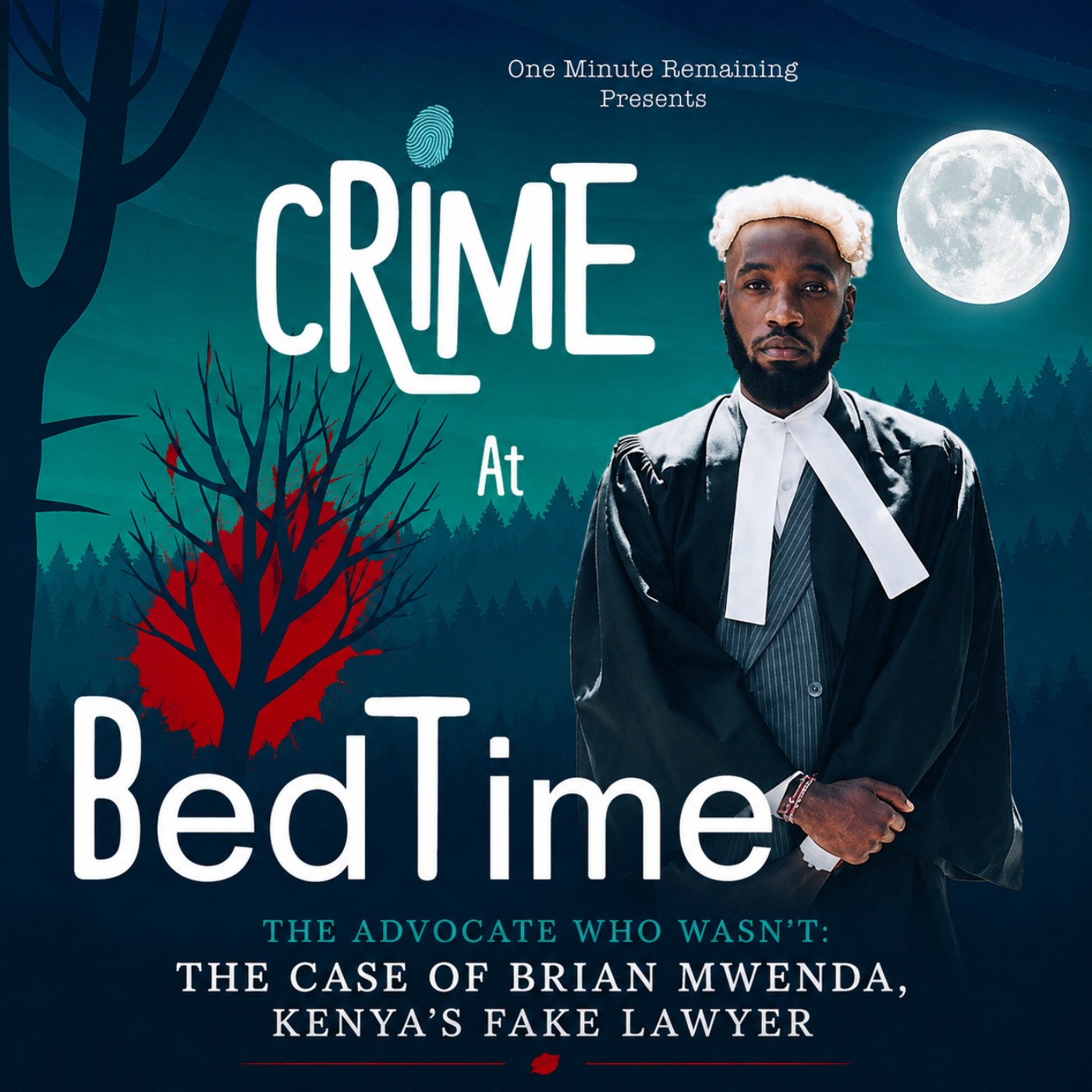
    The Advocate Who Wasn't: The Case of Brian Mwenda, Kenya's Fake Lawyer

    The case of Brian Mwenda captivated Kenya and much of the world in 2023: the story of a confident young man in a well-cut suit who stood up in the High Court of Kenya, argued cases against trained lawyers, and, according to the viral legend, won every one, despite, the Law Society of Kenya alleges, never having been a lawyer at all. It is a story of two men with almost the same name. One, Brian Mwenda Ntwiga, was a genuine, fully qualified advocate whose professional identity sat dormant in an online database. The other, Brian Mwenda Njagi, allegedly hijacked that identity, took over the account, and walked into the highest courts in the land. When the Law Society of Kenya publicly declared him a masquerader, the nation split in two: lawyers were outraged, but much of the public celebrated him as a folk hero who had exposed the emptiness of professional gatekeeping. In this episode of Crime at Bedtime, we tell the full story of the Brian Mwenda case: the alleged scheme, the viral claim of twenty-six courtroom victories that the Law Society itself disputed, the real lawyer whose identity was stolen, the arrest, the not-guilty plea, and the genuinely uncomfortable questions the whole affair raised about credentials, competence, and who really gets to call themselves a professional. This is a case that, at the time of recording, remains unresolved, and we have told it as fairly as we can. Settle in, get comfortable, and let us tell you the story of the advocate who wasn't. Become a Patreon or Apple + subscriber now for ealry and ad free access from as little as $1.69 a week. All the details here Subscribe to Crime at Bedtimes Youtube channel HERE Hosted on Acast. See acast.com/privacy for more information.
  • S2 · E72
    Tuesday · 26 min

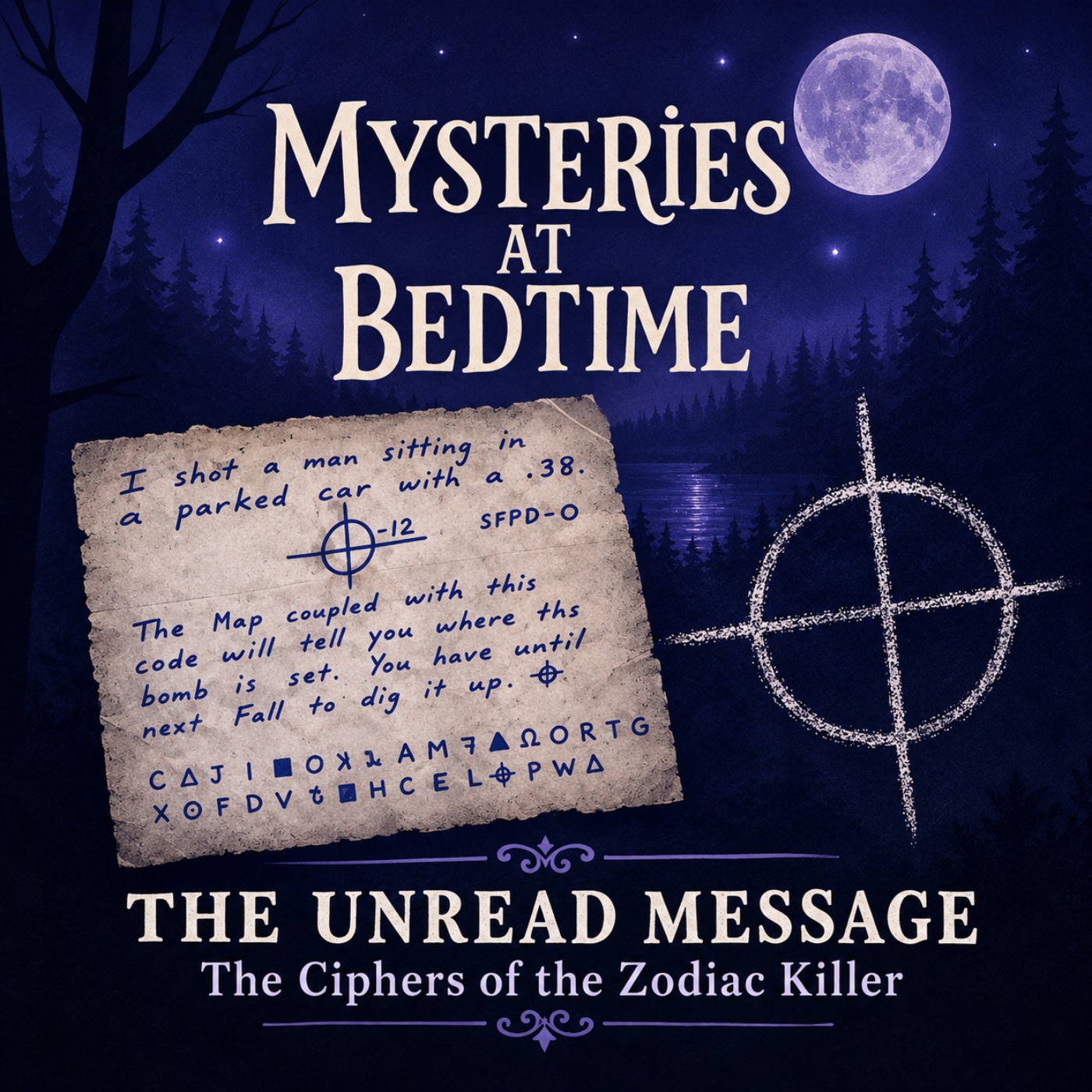
    The Unread Message: The Ciphers of the Zodiac Killer

    The Zodiac Killer ciphers are among the most famous unsolved codes in the world, and after more than fifty years, two of them have still never been cracked. Between 1969 and 1970, the unidentified serial killer who called himself the Zodiac sent four coded messages to San Francisco newspapers, each a block of strange symbols mixing letters, numbers, and astrological signs. He promised that his codes would reveal his identity. The first cipher, 408 characters long, was solved in about a week by a schoolteacher and his wife at their kitchen table, but it revealed only a chilling boast, not a name. The second, known as Z340, defeated the FBI, the NSA, and the world's best codebreakers for 51 years, until an international team of three amateurs finally cracked it in December 2020, one of them working through Melbourne's COVID lockdown on the far side of the world. And two ciphers remain unsolved to this day, including a 13-character message that the Zodiac introduced with the words "My name is". In this episode of Mysteries at Bedtime, we tell the full story of the Zodiac ciphers: how the codes worked, who solved them, why the last two may be impossible to crack, and the genuinely haunting possibility that the name of a killer who was never caught has been sitting in plain sight, printed on a newspaper page, for more than half a century, in a code that no one has ever been able to read. Settle in, get comfortable, and let us tell you the story of the unread message. Become a Patreon or Apple + subscriber now for ealry and ad free access from as little as $1.69 a week. All the details here Subscribe to Crime at Bedtimes Youtube channel HERE Hosted on Acast. See acast.com/privacy for more information.
  • S1 · E201
    August 23 · 28 min

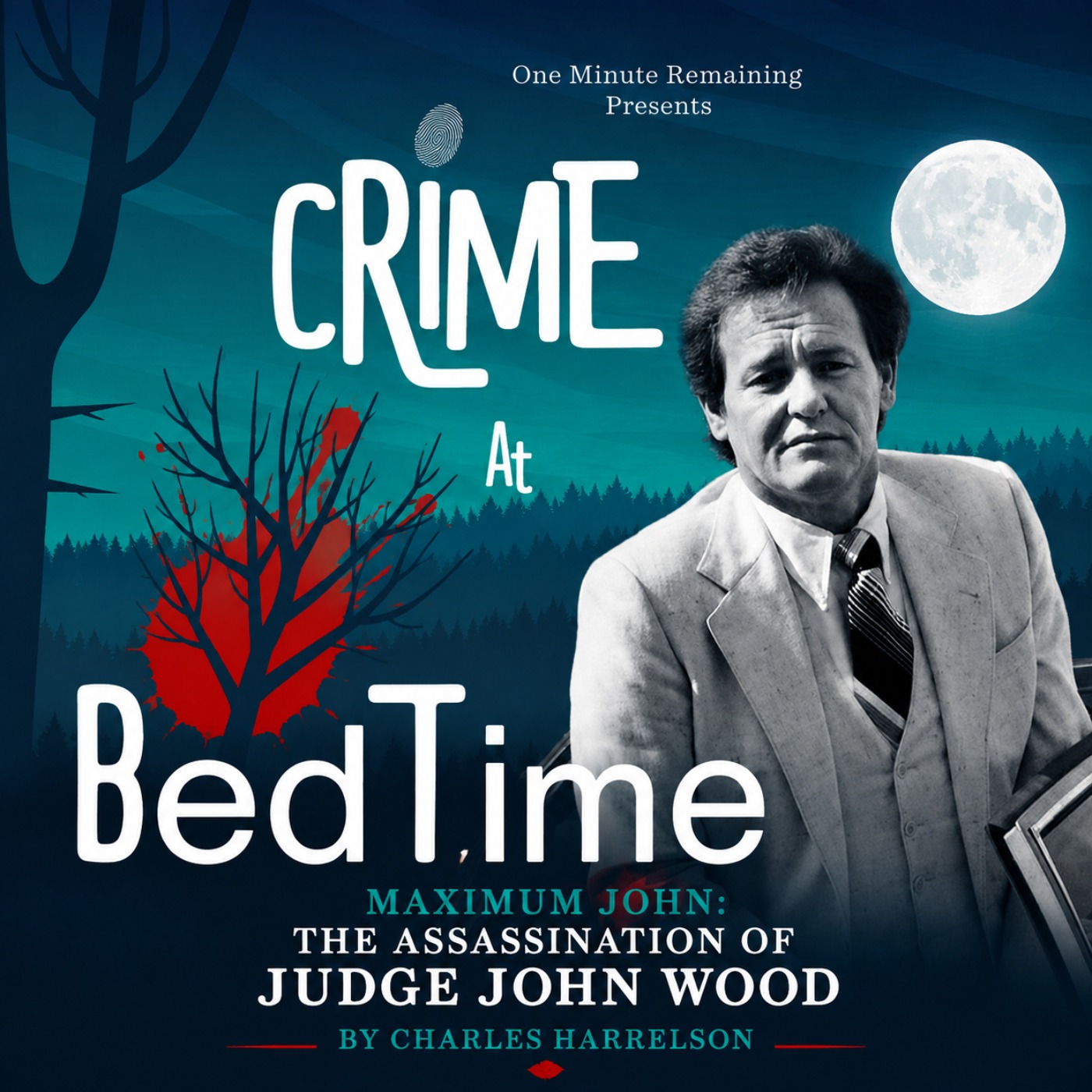
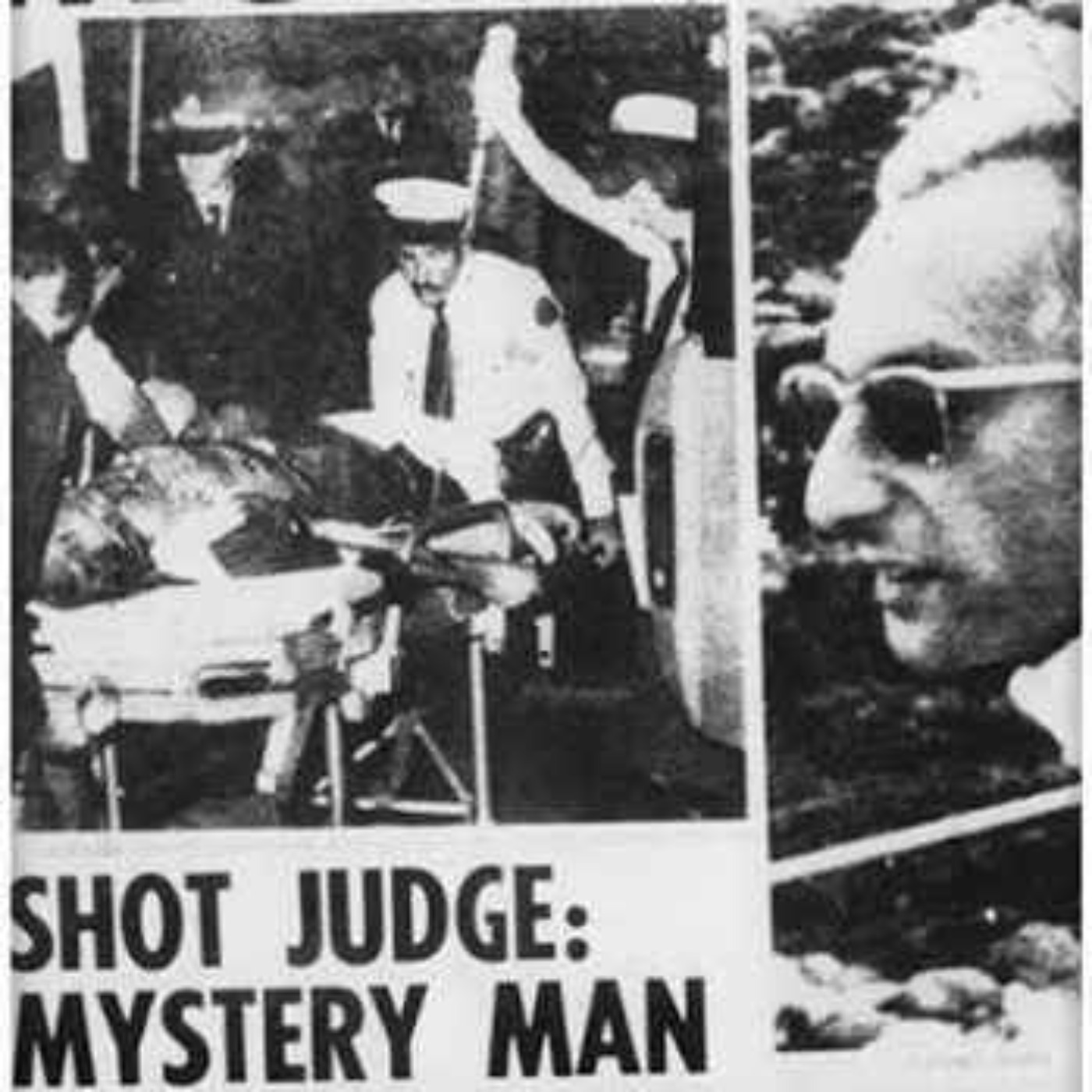
    Maximum John: The Assassination of Judge John Wood by Charles Harrelson

    The assassination of Judge John Wood on the 29th of May 1979 was the first killing of a sitting United States federal judge in the 20th century, and the man who pulled the trigger was a Texas contract killer named Charles Harrelson. On that spring morning in San Antonio, Texas, the 63-year-old federal judge known to defence lawyers as "Maximum John", for the harsh sentences he handed drug traffickers, walked out of his home to drive to work and was shot once in the back with a high-powered rifle. Behind the killing was a quarter-of-a-million-dollar contract, paid by an El Paso drug kingpin named Jamiel Chagra who was about to be tried in Judge Wood's courtroom. And behind the trigger was Charles Harrelson, a charming, remorseless hitman who had already killed before, and who would, during a cocaine-fuelled six-hour highway standoff a year later, confess not only to killing the judge but to the assassination of President John F. Kennedy, a claim he later retracted and which the FBI dismissed entirely. In this episode of Crime at Bedtime, we tell the full story of the Charles Harrelson case: the murder of Judge John Wood, the three-year FBI investigation, the drug kingpin who ordered the hit, the wild false confession, and the strange twist that the killer's own son, Woody Harrelson, would grow up to become one of the most famous actors in Hollywood while his father spent the rest of his life in a Supermax cell. Settle in, get comfortable, and let us tell you the story of Maximum John. Become a Patreon or Apple + subscriber now for ealry and ad free access from as little as $1.69 a week. All the details here Subscribe to Crime at Bedtimes Youtube channel HERE Hosted on Acast. See acast.com/privacy for more information.
  • S1 · E200
    August 19 · 35 min

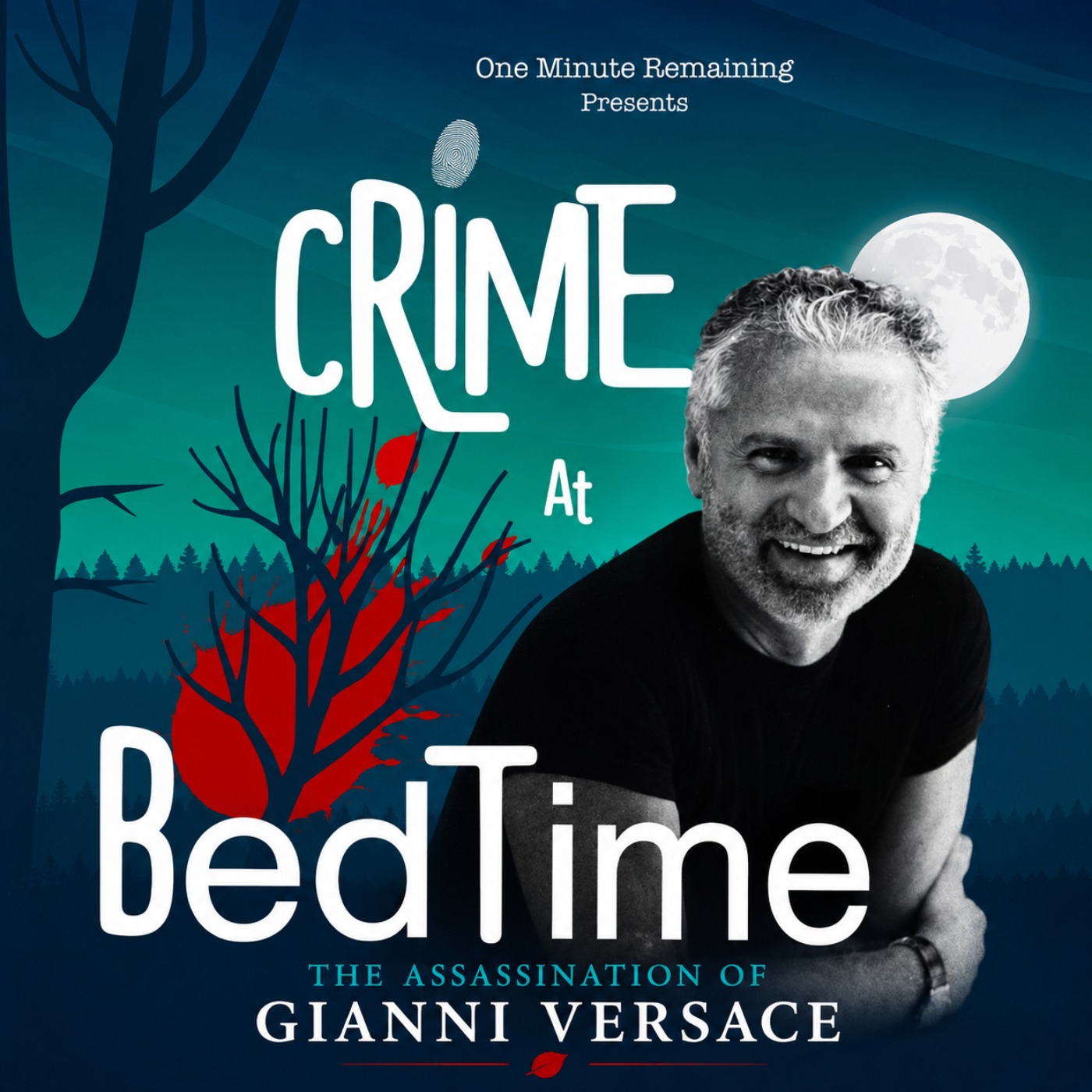
    The Assassination of Gianni Versace: Andrew Cunanan's Killing Spree

    The assassination of Gianni Versace on the 15th of July 1997 was the shocking end of one of the deadliest killing sprees in modern American history. On that summer morning, the world-famous Italian fashion designer walked home from a café to his Miami Beach mansion, Casa Casuarina, and was shot dead on his own front steps by a 27-year-old man named Andrew Cunanan. But Gianni Versace was not Andrew Cunanan's first victim. He was his fifth. Over the previous three months, Cunanan had murdered four other people across four American states: Jeffrey Trail, a decorated Navy veteran; David Madson, an interior designer and Cunanan's former boyfriend; Lee Miglin, a 72-year-old Chicago real estate tycoon; and William Reese, a New Jersey cemetery caretaker killed for nothing more than his pickup truck. By the time Cunanan killed Versace, he had already been on the FBI's Ten Most Wanted list for over a month, and he had been hiding in plain sight in Miami Beach, just four miles from the designer's mansion. In this episode of Crime at Bedtime, we tell the complete story of the Versace murder and the Andrew Cunanan spree: the five victims, the nationwide manhunt, the funeral in Milan attended by Princess Diana and Elton John, the houseboat where the manhunt finally ended eight days later, and the questions about Cunanan's motive that have never been answered. This episode honours all five of the people who died, not only the most famous of them. Settle in, get comfortable, and let us tell you the story of the steps of Casa Casuarina. Become a Patreon or Apple + subscriber now for ealry and ad free access from as little as $1.69 a week. All the details here Subscribe to Crime at Bedtimes Youtube channel HERE Hosted on Acast. See acast.com/privacy for more information.
  • S1 · E199
    August 16 · 31 min

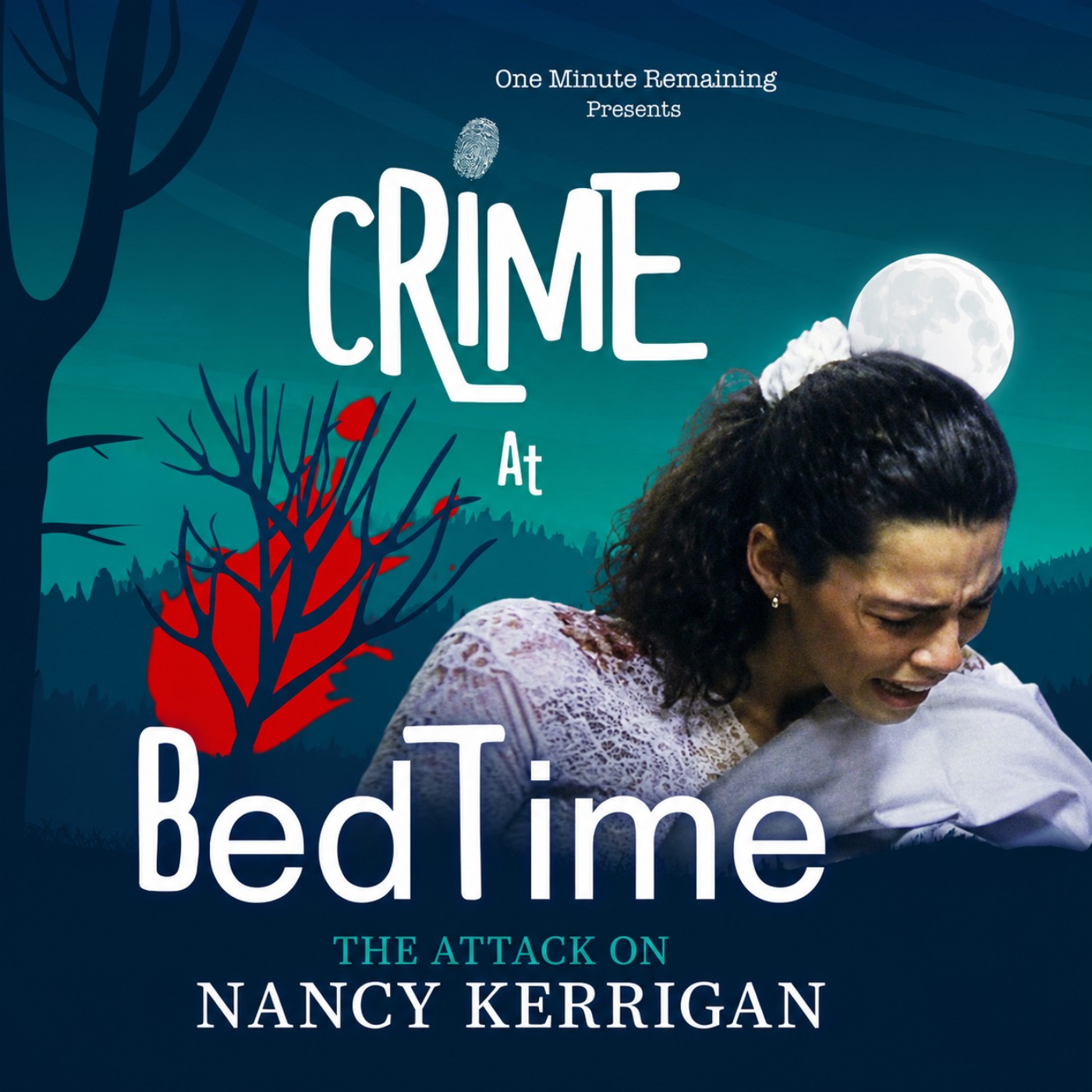
    The Attack on Nancy Kerrigan: The Tonya Harding Olympic Scandal

    The attack on Nancy Kerrigan on the 6th of January 1994 became one of the most notorious scandals in the history of the Olympic Games, and it involved one of the most famous rivalries in sport: Nancy Kerrigan and Tonya Harding. On that afternoon, at the United States Figure Skating Championships in Detroit, the reigning American champion Nancy Kerrigan finished a practice session and walked down a corridor toward her dressing room. A man stepped out from behind a television cameraman, swung a police baton at her right knee, and ran. The footage of Kerrigan sitting on the floor, clutching her leg and crying "Why? Why? Why me?", was broadcast around the world and has never been forgotten. Within days, the FBI had uncovered an extraordinary conspiracy. The attack had been planned and paid for by the ex-husband of Kerrigan's rival, the figure skater Tonya Harding, in an attempt to eliminate Kerrigan from the competition and clear Harding's path to the 1994 Winter Olympics. In this episode of Crime at Bedtime, we tell the full story of the Nancy Kerrigan attack and the Tonya Harding scandal: the four men who carried it out, the FBI investigation, the astonishing Olympic showdown at Lillehammer watched by 110 million Americans, the broken shoelace, the guilty pleas, the lifetime ban, and what became of both women in the decades since. Settle in, get comfortable, and let us tell you the story of the whack heard round the world. Become a Patreon or Apple + subscriber now for ealry and ad free access from as little as $1.69 a week. All the details here Subscribe to Crime at Bedtimes Youtube channel HERE Hosted on Acast. See acast.com/privacy for more information.
  • S1 · E198
    August 12 · 34 min

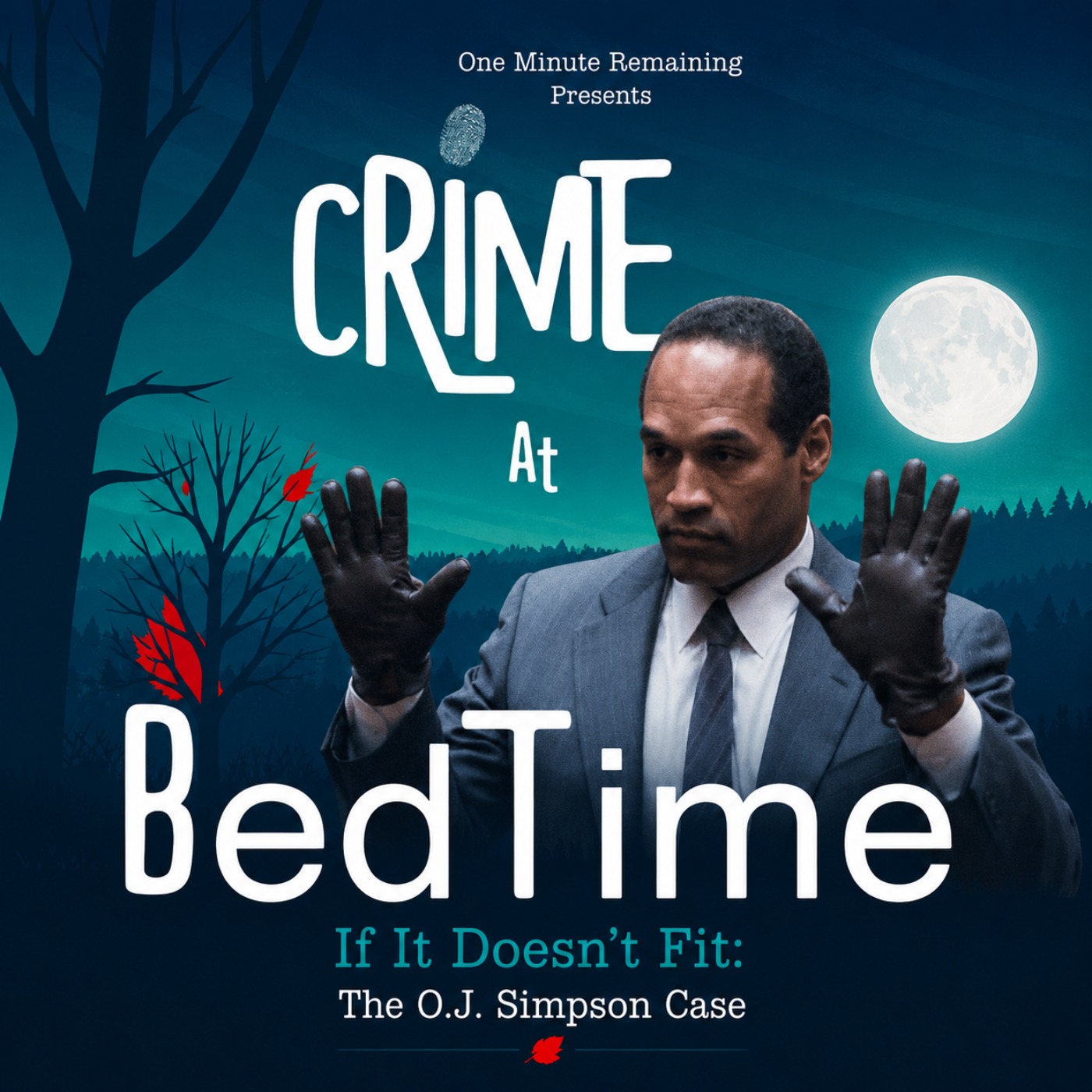
    If It Doesn't Fit: The O.J. Simpson Case

    At approximately 12 minutes past midnight on the morning of Monday the 13th of June 1994, in the leafy Los Angeles neighbourhood of Brentwood, a group of residents on South Bundy Drive were woken by the barking of a distressed Akita dog. The dog was wandering the street. It had blood on its paws. It had blood on its coat. The dog belonged, as the neighbours knew, to a 35-year-old woman named Nicole Brown Simpson. She lived, with her two young children, in a Mediterranean-style condominium at 875 South Bundy Drive. She was the ex-wife of one of the most famous men in the United States: the retired football player and Hertz rental car spokesperson Orenthal James Simpson, known to everyone in America as O.J. The neighbours followed the dog back to Nicole Brown Simpson's home. What they found in the small, gated walkway leading up to her front door has become, in the 32 years since it was discovered, one of the most examined crime scenes in modern American history. Nicole Brown Simpson lay face down and barefoot at the bottom of the stone stairs leading to her front door. She had been stabbed multiple times. Her throat had been cut with such force that she had been very nearly decapitated. Approximately 15 feet away from her, in the small ornamental garden by the walkway's gate, lay the body of a second person. He was young, athletic, dark-haired. He was wearing jeans, boots, and a white shirt. He had been stabbed more than 30 times. His arms and hands bore extensive defensive wounds. He had, in the last minutes of his life, fought his attacker. His name was Ronald Lyle Goldman. He was 25 years old. He was a waiter at Mezzaluna, a nearby Brentwood restaurant where Nicole had eaten dinner with her family a few hours earlier. He had come to her door that evening to return a pair of eyeglasses her mother had left at the restaurant. He was, by every account of the people who had known him, an ordinary young man from an ordinary American family. He had made, on the last evening of his life, an ordinary kind gesture. The story of the trial that followed, watched by hundreds of millions of people around the world. Of the civil verdict that came two years later, which found what the criminal jury had not. Of the book, published in 2007, that is widely regarded as an effective confession. And of the death, in April 2024, of the man who had been at the centre of the case, without his ever having been criminally convicted of the killings. Become a Patreon or Apple + subscriber now for ealry and ad free access from as little as $1.69 a week. All the details here Subscribe to Crime at Bedtimes Youtube channel HERE Hosted on Acast. See acast.com/privacy for more information.
  • S2 · E70
    August 11 · 30 min

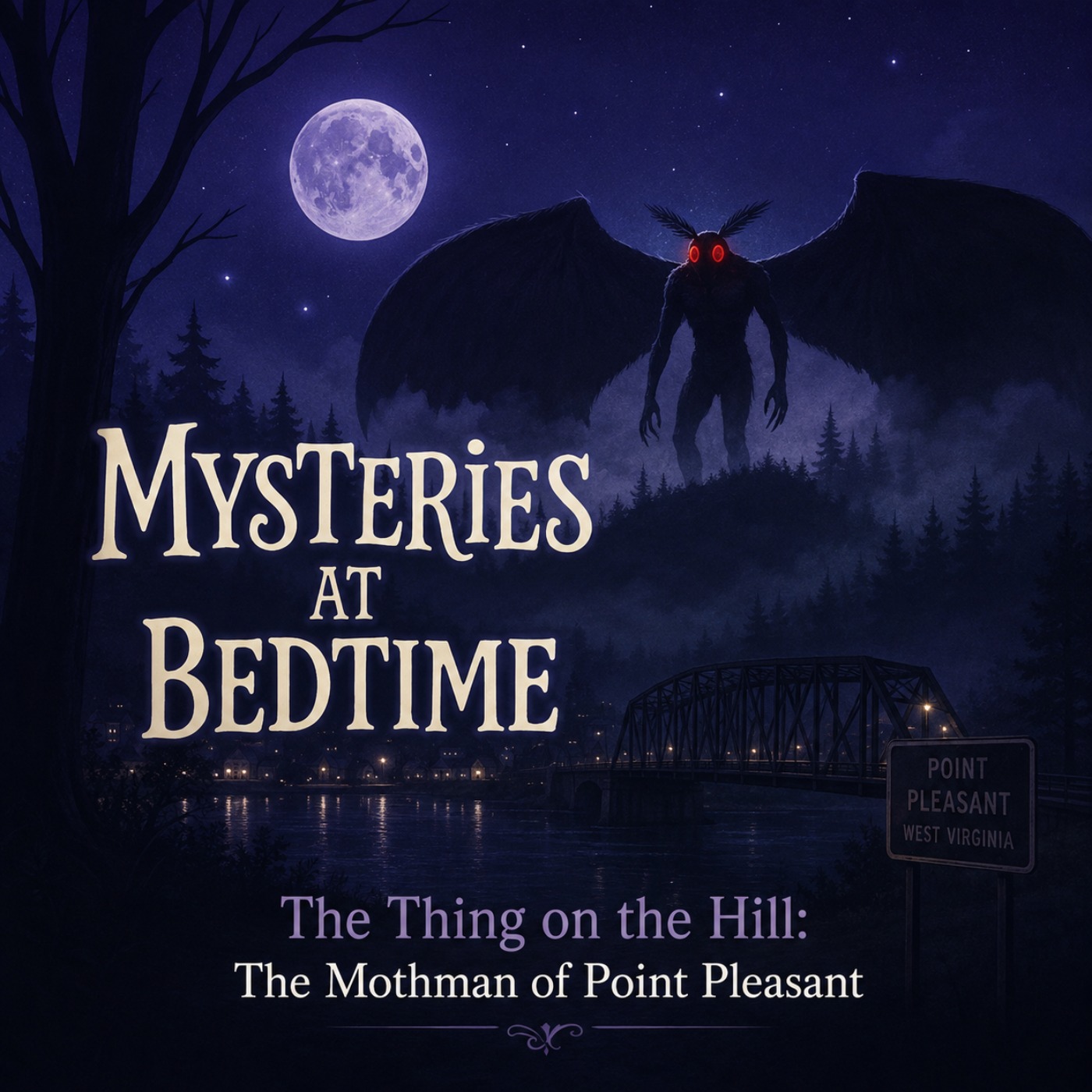
    The Thing on the Hill: The Mothman of Point Pleasant

    Shortly after midnight on the morning of Tuesday the 15th of November 1966, in the small Ohio River town of Point Pleasant, West Virginia, in the county of Mason, two young married couples in a black 1957 Chevrolet drove out along State Route 62 to see what there was to see at the abandoned munitions plant seven miles north of town. The plant had been decommissioned since the end of the Second World War. It was known, to everyone in Mason County, as the TNT Area. It consisted of several hundred acres of overgrown vegetation, crumbling concrete storage bunkers, and an abandoned power plant building. The four young people in the car were Roger Scarberry and his wife Linda, and Steve Mallette and his wife Mary. Roger was driving. It was a Monday night rolling over into a Tuesday morning. They had been out. On the drive back into town, they had decided to take the long way home, past the TNT Area. As they approached the abandoned power plant building at approximately five minutes past midnight, their headlights fell on what appeared to be two red points of light standing beside the road. Roger slowed the car. The four of them looked out through the windscreen. The two red points of light, they realised as they got closer, were not lights. They were eyes. The eyes belonged to a figure that was standing perfectly still at the side of the road, watching them. The figure was, in Roger Scarberry's later description to police, shaped like a man, but bigger. Approximately six or seven feet tall. It was covered in a dark grey substance that might have been feathers, or might have been skin, or might have been something else entirely. Behind its back, folded, were what appeared to be a pair of very large wings. For a moment, the four young people in the car sat and looked at it. Then the figure moved. The story of the 13 months that followed, in which more than 100 people across Mason County reported sightings of the same creature. Of the extraordinary investigation conducted by American paranormal researcher John Keel. Of the disturbing dreams that spread through Point Pleasant in the autumn of 1967. And of the terrible event that occurred, in the darkness of the early evening of Friday the 15th of December 1967, exactly 13 months and one day after the first sighting, that killed 46 people and, in a strange coincidence that has never been explained, ended the Mothman sightings entirely. Become a Patreon or Apple + subscriber now for ealry and ad free access from as little as $1.69 a week. All the details here Subscribe to Crime at Bedtimes Youtube channel HERE Hosted on Acast. See acast.com/privacy for more information.
  • S1 · E197
    August 9 · 33 min

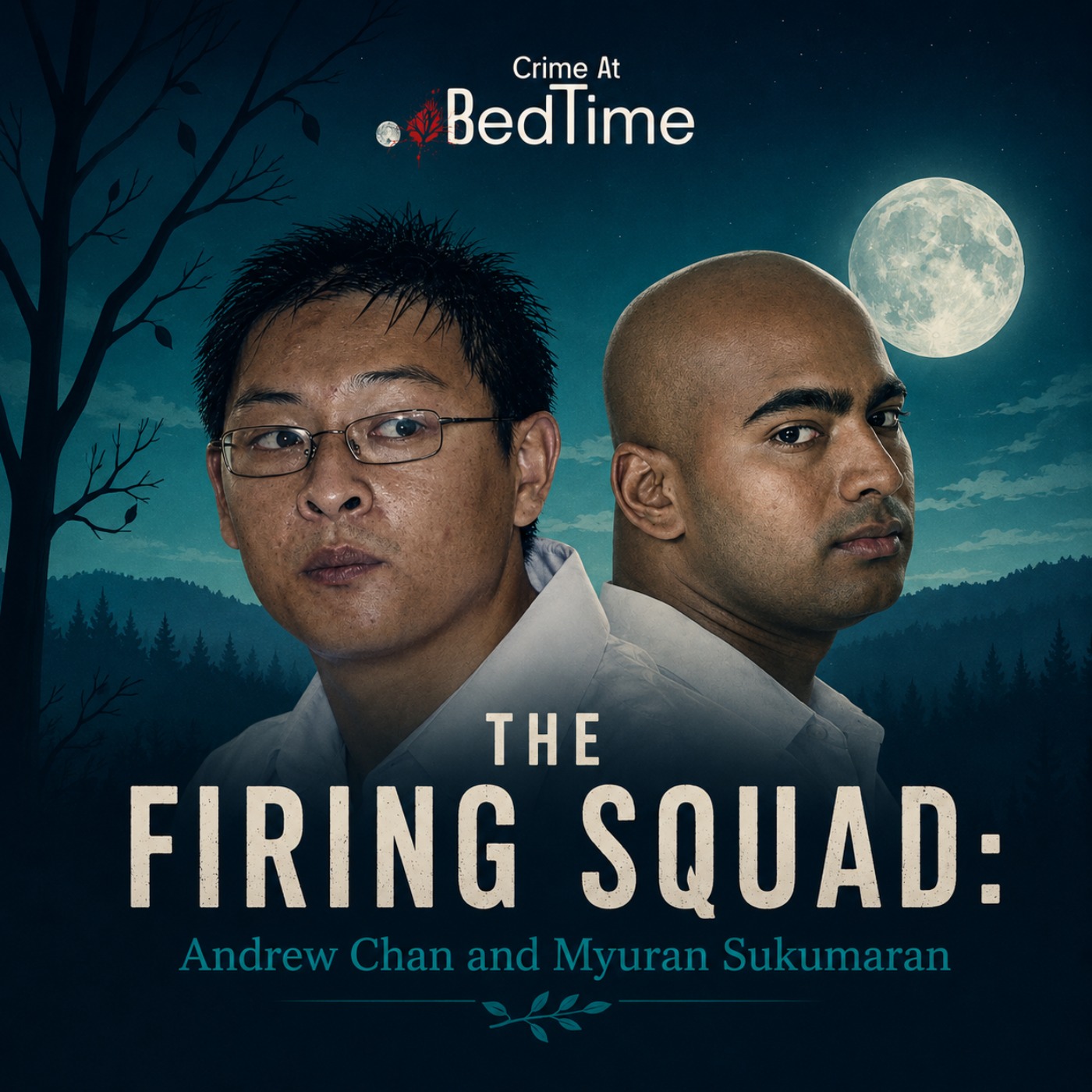
    Listen in app The Firing Squad: Andrew Chan and Myuran Sukumaran

    At approximately 12:35 in the morning on Wednesday the 29th of April 2015, in a small clearing in the jungle of a prison island called Nusa Kambangan, off the southern coast of Central Java in Indonesia, a group of eight men and one woman stood in a line, facing a 13-member firing squad. Two of them were Australians. The younger of the two was 31 years old. His name was Andrew Chan. He had been born in Sydney to Chinese immigrant parents. He had, ten years earlier, at the age of 21, been the ringleader of an operation to smuggle 8.3 kilograms of heroin from the Indonesian island of Bali into Australia. The older was 34. His name was Myuran Sukumaran. He had been born in London to Sri Lankan Tamil refugees and had moved to Australia as a young child. He had, ten years earlier, at the age of 24, been Chan's co-ringleader in the same operation. He had, in a peculiar and unhappy coincidence of dates, been arrested on his 24th birthday. Twelve days after his 34th birthday, he was going to die. What no one who met them in the early days of their imprisonment could have predicted was what the two men would become in the ten years between their conviction and their execution. Andrew Chan would find Christianity, become a prison pastor, and lead the English-language church congregation of Kerobokan Prison in Bali. He would marry his fiancee in the prison chapel on the last night of his life. Myuran Sukumaran, under the mentorship of one of Australia's most celebrated contemporary artists, would become an accomplished painter, producing more than 100 works during his years in prison, and completing his final canvas, a painting of the Indonesian flag with red paint dripping down the canvas like blood, in the hours before he walked out to the firing squad. The story of two young Australians whose serious crime was, in the end, met with a punishment their country considered barbaric, of the seven other Australians who were arrested with them and who spent between 14 and 19 years in Indonesian prisons, of the Australian Federal Police's controversial decision to tip off Indonesian authorities knowing what the consequences would be, and of the extraordinary hymn that eight condemned prisoners sang together in the darkness of a jungle clearing at 12:35 in the morning on the 29th of April 2015. Become a Patreon or Apple + subscriber now for ealry and ad free access from as little as $1.69 a week. All the details here Subscribe to Crime at Bedtimes Youtube channel HERE Hosted on Acast. See acast.com/privacy for more information.
  • S1 · E196
    August 5 · 29 min

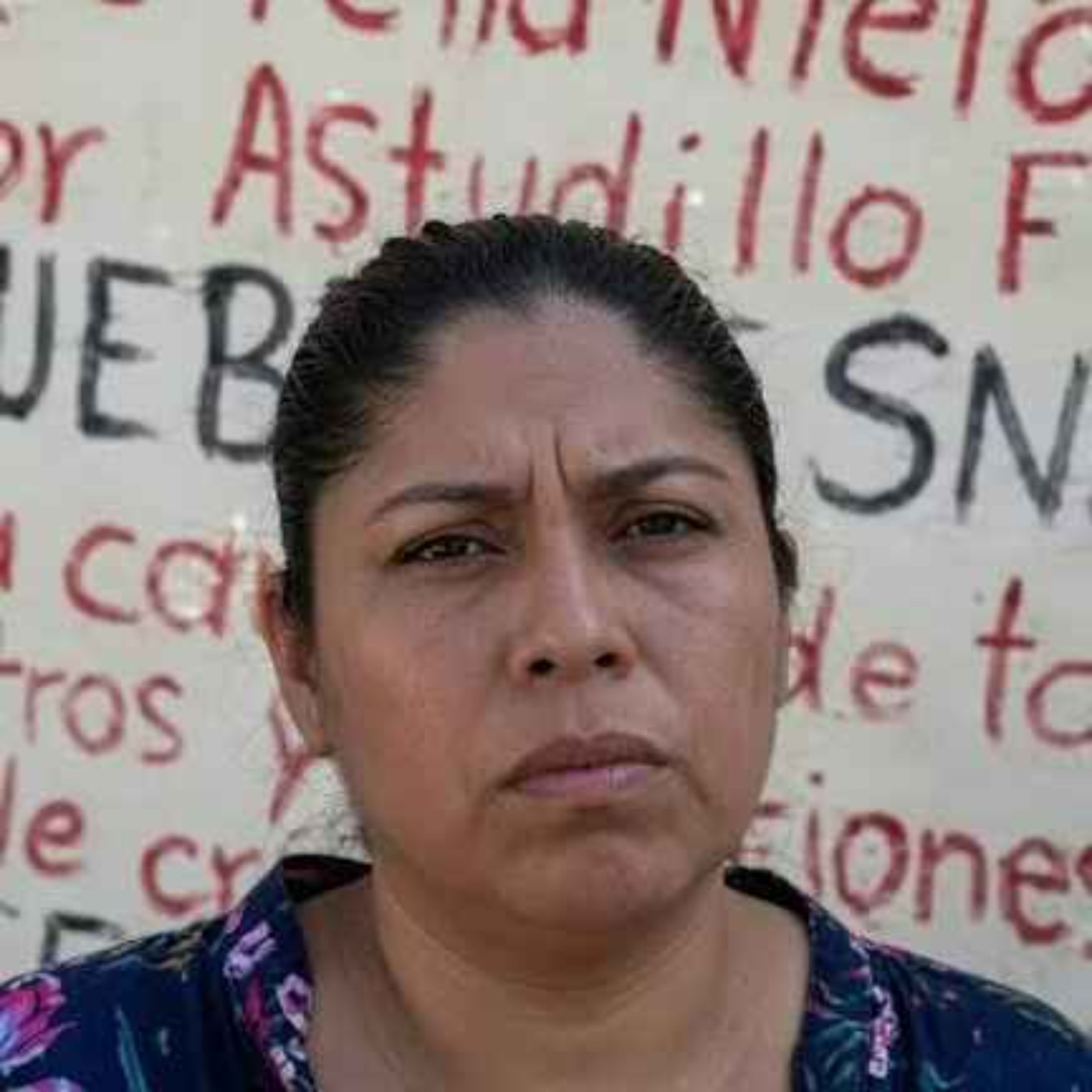
    The Woman Who Took the Cartel's Mother: Yadira Guillermo García

    On the morning of Tuesday the 13th of December 2016, a video began to circulate on Mexican social media that would, within 48 hours, be seen by millions of people around the world. It had been recorded in the small town of San Miguel Totolapan, in the state of Guerrero, in the Tierra Caliente region of south-western Mexico. It showed a middle-aged woman speaking directly into the camera, in Spanish, with a controlled and quiet fury that no one who watched the video would ever forget. Her name was Yadira Guillermo García. Two days earlier, her husband, a local engineer named Isauro de Paz Duque, had been kidnapped by a cartel known as Los Tequileros, led by a man known as El Tequilero, the Tequila Drinker. The gang had terrorised the town for years. They had killed her neighbours. They had kidnapped her friends. They had ransomed her fellow citizens for money the community did not have. Yadira Guillermo García had not, in the two days that followed her husband's kidnapping, gone to the police. She had not gone to the state government. She had not gone to the federal authorities. She had, instead, done something no one in Guerrero had ever seen a kidnap victim's wife do before. She had raised the townspeople. She had led them into the streets. And with them, on the Monday morning after her husband was taken, she had helped detain approximately 20 people believed to be members and allies of Los Tequileros. Among them was El Tequilero's own mother. And when Yadira Guillermo García sat down in front of the camera the following morning and looked into the lens, she said to the cartel boss who had taken her husband: I have your mother here. I want an exchange. The story of one woman's extraordinary act of defiance against one of the most feared criminal organisations in southern Mexico, of the town that armed itself to fight back, and of the terrible price the community would eventually pay for its moment of resistance when the cartel returned, six years later, and slaughtered 20 people including the mayor. Become a Patreon or Apple + subscriber now for ealry and ad free access from as little as $1.69 a week. All the details here Subscribe to Crime at Bedtimes Youtube channel HERE Hosted on Acast. See acast.com/privacy for more information.

  • S2 · E69
    August 4 · 31 min

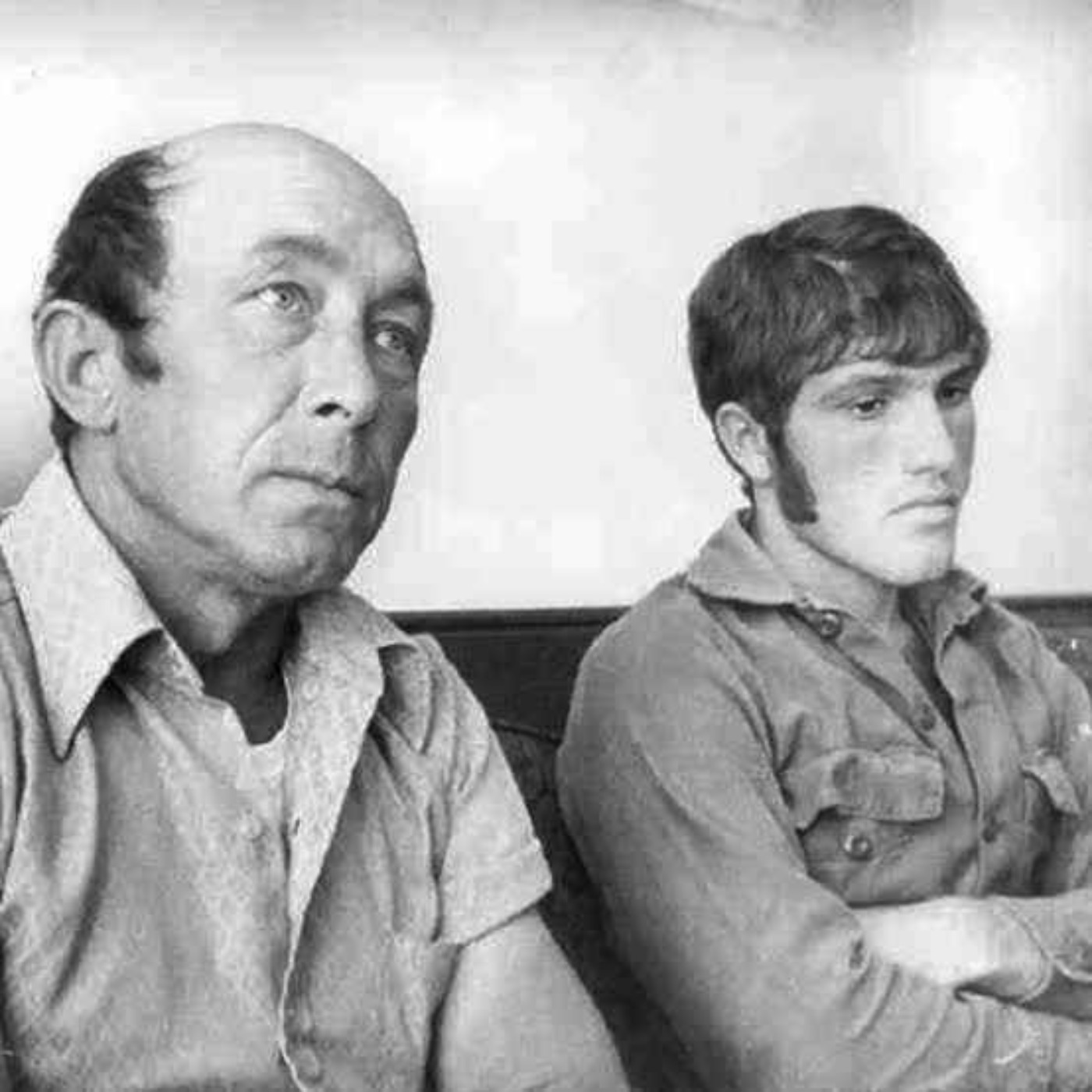
    The Fishermen and the Craft: The Pascagoula Abduction

    At approximately 11 o'clock on the evening of Thursday the 11th of October 1973, two men walked into the Jackson County Sheriff's Office in the small Gulf Coast city of Pascagoula, Mississippi, and told the sheriff on duty that a few hours earlier, on the west bank of the Pascagoula River, they had been abducted by aliens. The older of the two men was Charles Hickson. He was 42 years old. He was a former military man. He was a shipyard fitter at the local Walker Shipyard. The younger was Calvin Parker. He was 19 years old. He was Hickson's co-worker. Neither of them, prior to that Thursday evening, had ever given a moment's thought to flying saucers. They had brought with them, to the sheriff's office, two catfish. They had, they explained, been fishing on the river when it happened. They had brought the catfish as evidence that the fishing part of their story, at least, was true. The sheriff, a man named Fred Diamond, listened to them describe a piercing sound in the air, blue lights on the water, an oval-shaped craft hovering silently at the edge of the river, and three creatures with grey folded skin, no visible eyes, and pincer-like claws for hands, who had paralysed them, floated them aboard the craft, and subjected them to a medical examination before returning them to the pier. Sheriff Diamond assumed, as any sheriff in Mississippi in 1973 would have assumed, that it was a hoax. He then, in the way that experienced law enforcement officers deal with suspected hoaxes, decided to test it. He put both men in an interview room. He ran a hidden tape recorder. He left them alone, expecting to catch them laughing. What he captured, on that tape, was two men, believing themselves to be unobserved, still absolutely terrified. Fifty-three years later, that tape has been recovered from a lost archive, listened to by researchers, and analysed alongside polygraph results, radiation testing, multiple corroborating witnesses, and the testimony of an American astronomer who had spent his career debunking UFO claims and who described this one, in careful language, as credible and deeply puzzling. The story of a night on the Pascagoula River in October 1973, of two ordinary men who reported an extraordinary experience, and of a mystery that has, in the 52 years since it happened, never been explained. Become a Patreon or Apple + subscriber now for ealry and ad free access from as little as $1.69 a week. All the details here Subscribe to Crime at Bedtimes Youtube channel HERE Hosted on Acast. See acast.com/privacy for more information.
  • S1 · E195
    August 2 · 31 min

    The Elf Cleric: The Menhaz Zaman Murders

    At approximately 10 o'clock on the evening of Saturday the 27th of July 2019, a 23-year-old man in the Toronto suburb of Markham, Ontario, logged in to a private chat server on the messaging app Discord and began, in real time, to type a message that would be seen, over the course of the following 18 hours, by dozens of video gamers scattered across the world. His name was Menhaz Zaman. His username was Menhaz. His avatar, in the online video game he had played for years, was an elf cleric. The message he began to type read, in the plain lowercase style he typically used: "I killed mom and granny so far, waiting for sister in 5 minutes and dad in 1 hour." The other players initially assumed it was a joke. Then he sent a photograph. Over the following 18 hours, he would post a running commentary of a quadruple homicide, along with an explanation of why he was doing it. For three years, he had been telling his parents he was studying mechanical engineering at York University. He was not. He had dropped out of a lesser college after two semesters. He had told them his graduation was scheduled for Sunday the 28th of July 2019. As the deadline approached, and the lie became impossible to sustain, he decided instead to kill his mother, his grandmother, his 21-year-old sister, and his 59-year-old taxi-driving father, so that they would never have to discover the truth about who their son had become. The story of a three-year deception, a quadruple homicide committed over nine hours, an extraordinary international manhunt conducted by video gamers on a Discord server, and a Tunisian stranger who picked up the phone to Toronto Police to try to save two lives. Become a Patreon or Apple + subscriber now for ealry and ad free access from as little as $1.69 a week. All the details here Subscribe to Crime at Bedtimes Youtube channel HERE Hosted on Acast. See acast.com/privacy for more information.
  • S1 · E194
    July 29 · 31 min

    The Family Court Bomber: Leonard Warwick

    On the morning of Wednesday the 29th of July 2015, New South Wales Police homicide detectives arrested a 68-year-old retired firefighter at his home in the south-western Sydney suburb of Campbelltown. His name was Leonard John Warwick. The charges laid against him ran to 32 offences, including four counts of murder, one count of attempted murder, and thirteen counts of causing bodily harm or property damage with an explosive substance. The offences dated back to a five-year period between February 1980 and July 1985. For 35 years, the state of New South Wales had known who it thought was responsible for one of the most sustained campaigns of politically motivated violence in modern Australian history. For 35 years, it had not been able to prove it. Over those five years in the early 1980s, a sitting judge of the newly established Family Court of Australia had been shot to death at his own front door. A judge's wife had been killed by a bomb on the doorstep of her home. A Jehovah's Witness minister had been killed, along with thirteen others injured, by a bomb detonated at a Kingdom Hall in south-western Sydney. And a young Family Court judge, along with his wife and two children, had narrowly survived a bomb that exploded outside their bedroom in the middle of the night. At the centre of every one of the incidents, in police files as thick as any built on a single individual outside the organised crime bureau, was the same name. A firefighter. An aggrieved former husband. A man who had been given visitation rights instead of custody of his infant daughter by a Family Court judge in 1979, and who had spent the following five years answering the court's decisions with bombs. The story of how one man's disappointment in a Sydney courtroom on a summer afternoon in 1979 led to the deaths of four people, the injury of dozens, and a 35-year manhunt that finally ended with three life sentences and the last decade of his life spent in prison. Become a Patreon or Apple + subscriber now for ealry and ad free access from as little as $1.69 a week. All the details here Subscribe to Crime at Bedtimes Youtube channel HERE Hosted on Acast. See acast.com/privacy for more information.
  • S2 · E68
    July 28 · 25 min

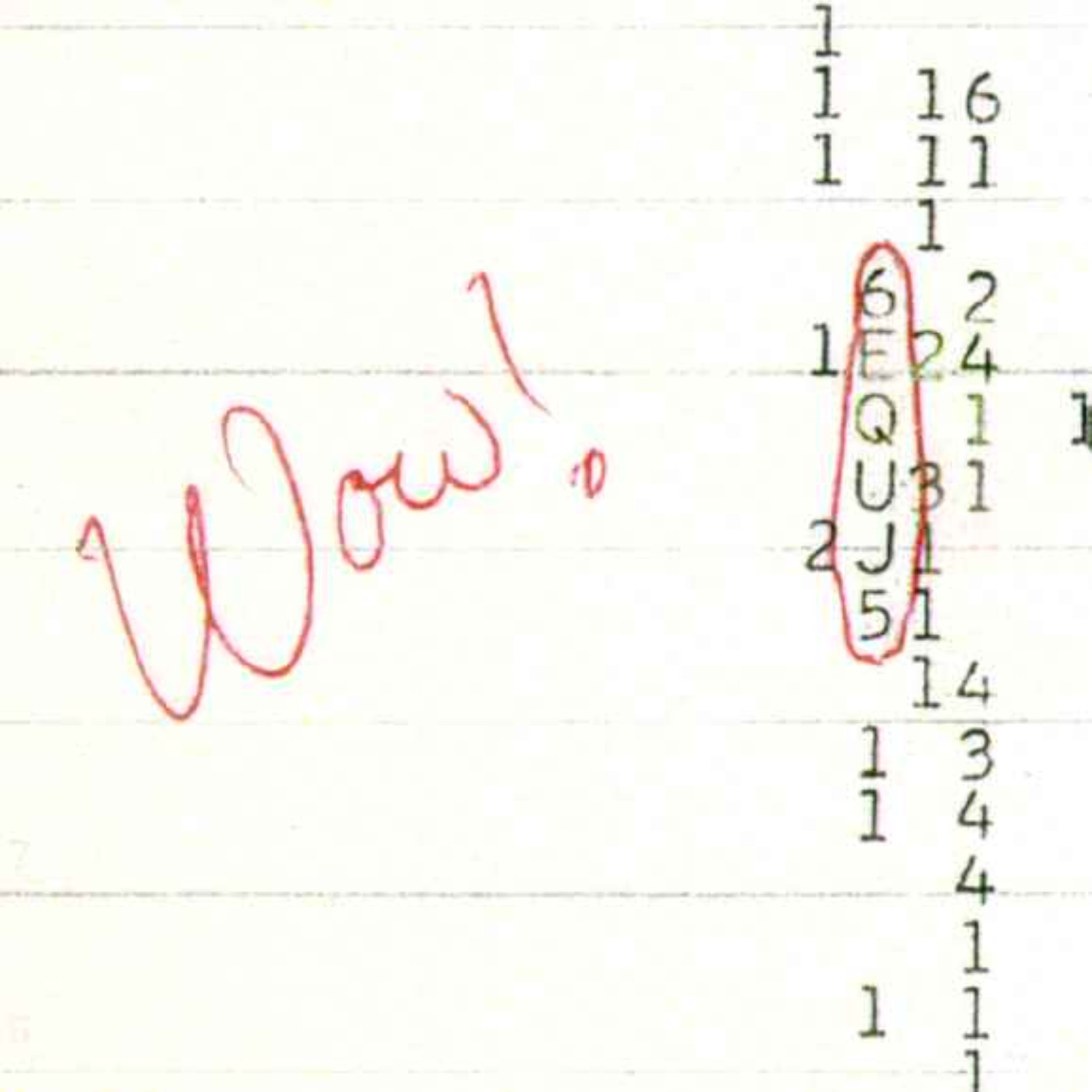
    Wow!: The Signal from Sagittarius

    On the evening of Monday the 15th of August 1977, in a field outside the small town of Delaware, Ohio, a radio telescope the size of three football fields was listening to the sky. There were no astronomers present. The telescope could not be steered. It sat on the ground, pointed straight up, and let the rotation of the Earth do its work for it. As the planet turned, patches of the night sky drifted, slowly, across its stationary field of view. At approximately 22:16 that evening, the telescope was scanning a patch of sky in the constellation Sagittarius. At that moment, a signal reached it. It was narrow. It was strong. It was almost exactly at 1420 megahertz, which is the natural emission frequency of neutral hydrogen. The hydrogen line. The frequency that in 1959, two physicists at Cornell University had predicted, in the pages of the journal Nature, would be the exact frequency that any alien civilisation trying to contact humanity would logically choose. The signal rose in intensity over 36 seconds. It peaked at approximately 30 times the background noise of the surrounding cosmos. Then it fell in intensity over the following 36 seconds. And then, at 22:17, it was gone. Three days later, a former physics professor named Jerry Ehman, working at the observatory as an unpaid volunteer, sat down at his desk to review the printouts. He found a vertical column of numbers and letters that made him take his red ballpoint pen, circle the sequence, and write, in the margin, a single word. Wow! It is, as of 2026, the closest thing that any radio telescope on Earth has ever recorded to the exact kind of signal that scientists have, since 1959, expected an alien civilisation to send. It has never, in the 48 years since it was detected, been observed again. Become a Patreon or Apple + subscriber now for ealry and ad free access from as little as $1.69 a week. All the details here Subscribe to Crime at Bedtimes Youtube channel HERE Hosted on Acast. See acast.com/privacy for more information.
  • S1 · E193
    July 26 · 23 min

    The Boot on the Beach: The Killing of Antonio Neill

    On the afternoon of Tuesday the 1st of January 2019, a group of beachcombers walking along Jetty Island, a small sandy island in the estuary off Everett, Washington, found a black Timberland work boot half-buried in the sand. It had been in the water for some time. The leather was waterlogged, the laces crusted with silt. Inside the boot was a human foot. Within days, DNA testing had matched the foot to a 22-year-old man from Everett who had been missing for exactly 25 months. His name was Antonio Jordan Neill. On the evening of the 12th of December 2016, Antonio had been picked up from his mother's house by a friend, and taken to an address in the 2400 block of Cedar Street. His mother, Jenny, watched him leave. It was the last time she would ever see him alive. According to the friend, there had been a physical altercation. According to the friend, Antonio had fled the house. Investigators later found blood in multiple locations in the friend's bedroom - on the carpet, on a wall, on the mattress, on the window sill. The blood, when it was tested, did not match Antonio. The friend passed a polygraph. No charges were ever filed. And for two years, until the boot washed ashore on New Year's Day 2019, no one knew what had happened to Antonio Neill. The story of a young man who left his mother's house one December evening in Everett, Washington, and never came home. Of the two years his mother spent putting his face on fliers, on billboards, and in front of any reporter who would listen. And of the black Timberland boot that washed up on a beach on New Year's Day 2019, and finally gave her the terrible answer she had been waiting for. Become a Patreon or Apple + subscriber now for ealry and ad free access from as little as $1.69 a week. All the details here Subscribe to Crime at Bedtimes Youtube channel HERE Hosted on Acast. See acast.com/privacy for more information.
  • S1 · E192
    July 22 · 28 min

    Missing: Madeleine McCann

    On the evening of Thursday the 3rd of May 2007, a British couple on holiday in the resort of Praia da Luz on Portugal's Algarve coast finished dinner with friends at a tapas restaurant, roughly 50 metres from the ground-floor apartment where their three children were sleeping. Kate and Gerry McCann had, over the course of the evening, taken turns checking on the children at approximately half-hour intervals. Their eldest daughter, three-year-old Madeleine, was in the front bedroom with her two-year-old twin siblings. At approximately 10:00 pm, Kate McCann returned to Apartment 5A of the Ocean Club resort for her turn to check. She walked through the unlocked patio door. She looked into the children's bedroom. The twins were still asleep. Madeleine's bed was empty. The window in the room was open. Nineteen years later, Madeleine McCann has never been found. Portuguese police initially treated the case as an abduction, then as a homicide, then closed it, then reopened it. Kate and Gerry McCann were themselves named as formal suspects, then cleared. Multiple men have been investigated over the years, including a German convicted paedophile named Christian Brueckner, who remains the primary suspect of German prosecutors. The case has generated more media coverage than any missing child case in modern European history. The story of the little girl who vanished from Apartment 5A, of the parents whose lives were destroyed by the search for her, and of a mystery that, at the time of this recording, has still never been solved. Become a Patreon or Apple + subscriber now for ealry and ad free access from as little as $1.69 a week. All the details here Subscribe to Crime at Bedtimes Youtube channel HERE Hosted on Acast. See acast.com/privacy for more information.

  • S2 · E67
    July 21 · 28 min

    The Thing on the Hill: The Flatwoods Monster

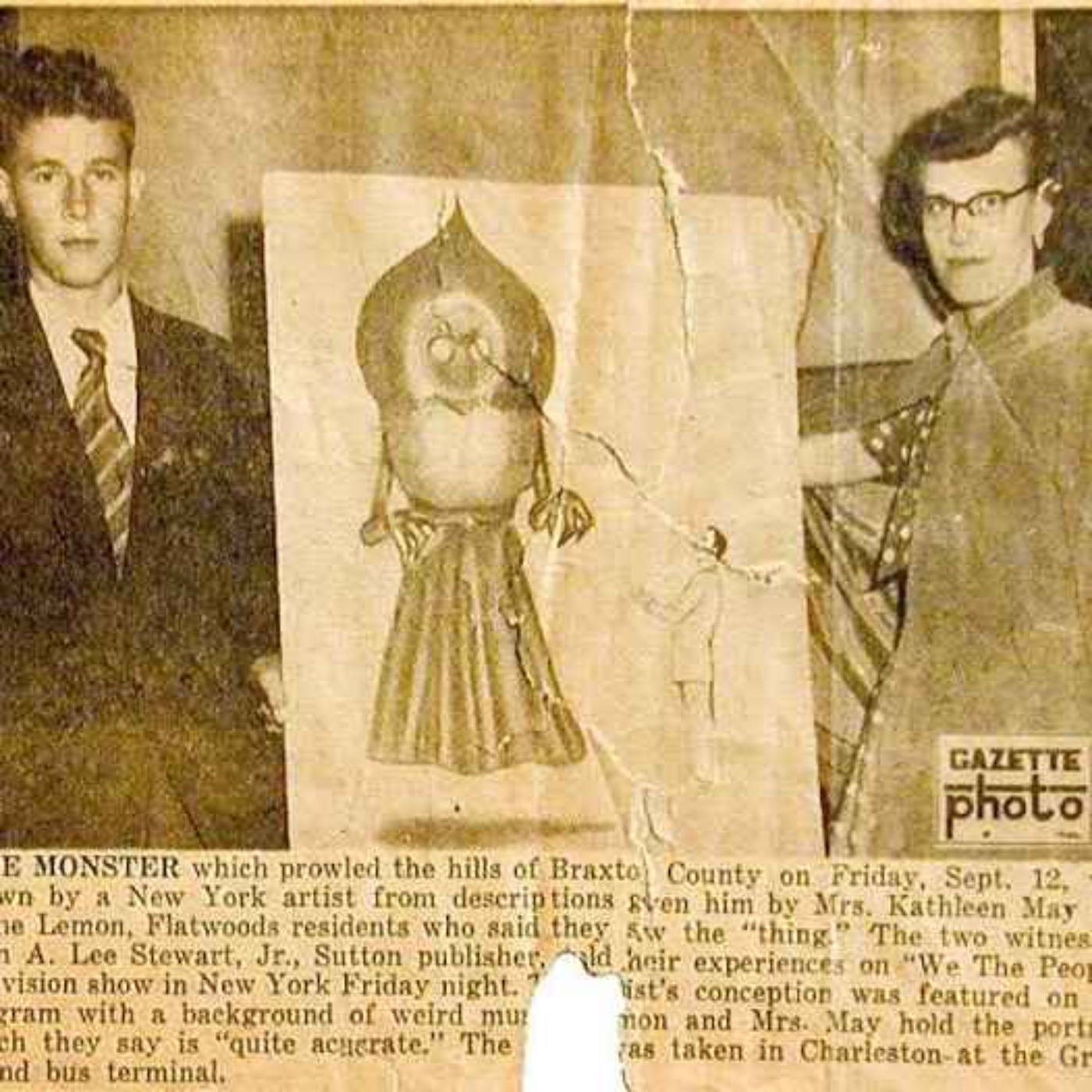
    At approximately 7:15 in the evening on Friday the 12th of September 1952, three young boys were playing in the schoolyard of Flatwoods Elementary School, in the small Appalachian town of Flatwoods, West Virginia. It was almost fully dark. One of them looked up. A bright, pulsating object was streaking across the sky. It appeared to descend and crash on a nearby hillside, on the property of a local farmer. The boys ran home to tell their mother, 27-year-old Kathleen May. Kathleen called on her 17-year-old cousin, a National Guardsman named Eugene Lemon. Two other local boys joined the group. The family dog, Rickie, came along. Seven of them altogether. Six boys, one mother, one dog. What they said they found in a clearing at the top of the hill has become one of the most persistently unsettling paranormal encounters in American history. They said they saw a creature. They said it was ten feet tall. They said its head was shaped like an ace of spades, glowing red and orange in the dark. They said it emitted a foul, sulphurous mist that burned their throats and eyes. They said it did not walk. It glided toward them. By the time they got back to the May family home, six of the seven witnesses were vomiting. Their eyes were red. Their throats were swollen. The dog was cowering. The local sheriff came. The local newspaper editor came, with a shotgun. Multiple neighbours reported strange lights that night. Nothing physical was ever found at the site. But for the rest of their lives, all seven witnesses would stand by exactly what they had seen. And nearly 74 years later, no one has ever definitively explained what it was. Become a Patreon or Apple + subscriber now for ealry and ad free access from as little as $1.69 a week. All the details here Subscribe to Crime at Bedtimes Youtube channel HERE Hosted on Acast. See acast.com/privacy for more information.
  • S1 · E191
    July 19 · 36 min

    The Biggest Lie: Bernie Madoff

    On the morning of Thursday the 11th of December 2008, two FBI agents knocked on the door of a penthouse apartment on Manhattan's Upper East Side. The man who answered the door was 70 years old, silver-haired, and one of the most respected figures on Wall Street. His name was Bernard Lawrence Madoff. He had served as chairman of the NASDAQ stock exchange. He had advised the Securities and Exchange Commission on trading regulation. He ran an investment firm that managed money for celebrities, royalty, universities, and Holocaust survivors' foundations. When the FBI agents asked whether there was an innocent explanation for what he was about to be asked, Madoff replied: there is no innocent explanation. Over the previous 17 years, and possibly longer, he had operated the largest Ponzi scheme in the history of the world. It had defrauded his clients of approximately $65 billion. It had wiped out charities. It had bankrupted pension funds. It had led to at least two of his victims taking their own lives, and it would eventually lead to the death of his own son. The story of how one man, sitting behind a desk on the 17th floor of a Manhattan office block, fabricated 17 years of financial statements from nothing, and how the entire American financial regulatory system failed to catch him despite being told, in writing, exactly what he was doing. Become a Patreon or Apple + subscriber now for ealry and ad free access from as little as $1.69 a week. All the details here Subscribe to Crime at Bedtimes Youtube channel HERE Hosted on Acast. See acast.com/privacy for more information.
  • S1 · E190
    July 15 · 28 min

    The Taxi Driver: Sian O'Callaghan and Becky Godden

    At just before three in the morning on Saturday the 19th of March 2011, a 22-year-old woman named Sian O'Callaghan left a nightclub in the centre of Swindon, Wiltshire, and began the 800-metre walk home to the flat she shared with her boyfriend. She never arrived. Within days, Detective Superintendent Steve Fulcher of Wiltshire Police had identified a suspect. Within a week, he had made a decision that would save one family from years of wondering, deliver another family a second set of remains that had been missing for eight years, and destroy his own career in the process. Fulcher took the suspect, a local taxi driver named Christopher Halliwell, to an Iron Age hill fort north of Swindon. He deliberately broke the Police and Criminal Evidence Act to interrogate him. And there, without a solicitor present, Halliwell led him first to Sian O'Callaghan's shallow grave in an Oxfordshire field, and then, on the drive back to the police station, offered him a second body. This is the story of two young women who died eight years apart, the detective who broke the rules to find them, and the spade in a Swindon shed that eventually put their killer behind bars for the rest of his life. Become a Patreon or Apple + subscriber now for ealry and ad free access from as little as $1.69 a week. All the details here Subscribe to Crime at Bedtimes Youtube channel HERE Hosted on Acast. See acast.com/privacy for more information.

  • S2 · E66
    July 14 · 27 min

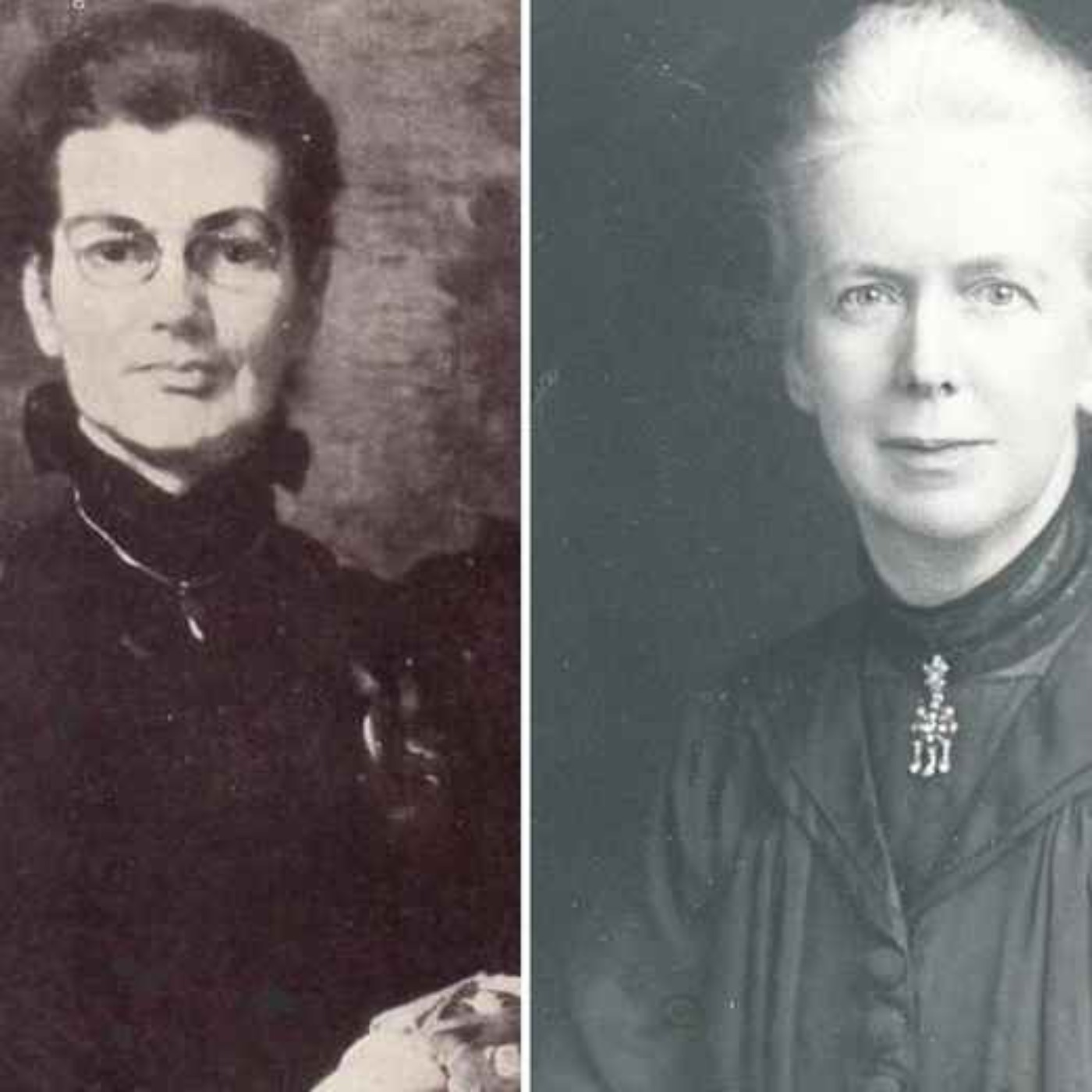
    An Adventure: The Versailles Time Slip

    On the afternoon of Saturday the 10th of August 1901, two English women stepped off a train at Versailles, near Paris, on holiday together. One was 55-year-old Charlotte Anne Moberly, the first Principal of St Hugh's College, Oxford. The other was 38-year-old Eleanor Jourdain, her incoming Vice Principal. They toured the palace. They found it uninspiring. They opened their guidebook and decided to walk to the smaller chateau at the end of the grounds, the Petit Trianon, which had once been the private retreat of Marie Antoinette. They took a wrong turn at an unmarked lane. And over the following 30 minutes, in the gardens of Versailles, they would claim to have seen palace bodyguards in green-grey coats and three-cornered hats, an old plough beside a farmhouse that had long since been demolished, and a woman sitting on a terrace sketching, in an old-fashioned summer dress and a shady white hat. Moberly would come to believe that the woman was Marie Antoinette herself. Neither of them knew, at the time, that the date they had chosen was the 109th anniversary of the fall of the French monarchy. Sixty years of research followed. A book was published in 1911. It became one of the most famous ghost stories in the English language. And to this day, no one has ever been able to prove or disprove what the two women said they had seen. Become a Patreon or Apple + subscriber now for ealry and ad free access from as little as $1.69 a week. All the details here Subscribe to Crime at Bedtimes Youtube channel HERE Hosted on Acast. See acast.com/privacy for more information.

Showing 1–20 of 25 episodes