Skip to content
Artwork for Continuing Studies: Higher Ed Podcasting
EducationBusinessMarketing

Continuing Studies: Higher Ed Podcasting

Jennifer-Lee Gunson & Neil McPhedran. HigherEdPods.com. Podium Podcast Co.

We explore the intersection of higher education and podcasting. Each episode of Continuing Studies features insights from seasoned university podcasters who share tips, best practices, and stories from their podcasting journeys. Hosted by Jennifer-Lee Gunson and Neil McPhedran, this series covers everything from the technical aspects of podcasting to the art of storytelling and conducting interviews.

Continuing Studies is more than just a podcast; it's a community. Connect with fellow higher ed podcasters, share your experiences, and continue your podcasting education on HigherEdPods.com.

We're also on a journey to infuse Podcasting 2.0 best practices into our show. Our goal is to try every feature to determine the best suited for higher education podcasting. We'll be sharing our learnings and reviewing new podcasting apps and hosting services embracing Podcasting 2.0.

Show Website: https://www.continuingstudiespodcast.com/
Show LinkedIn Page: https://www.linkedin.com/showcase/continuing-studies-podcast/

Play
  • 20 episodes
  • fortnightly
  • Avg 31 min
  • English
  • #85
    Tuesday · 30 min

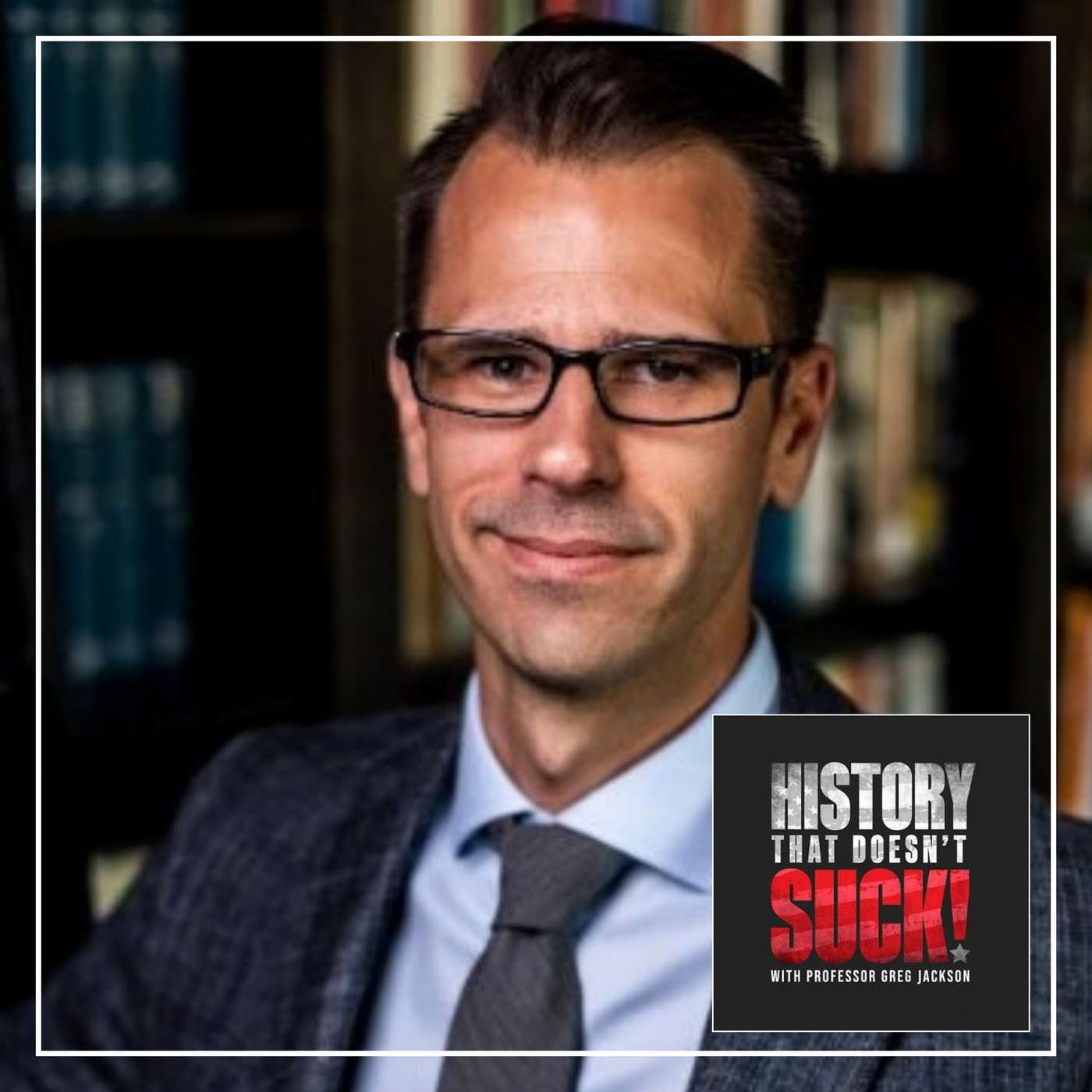
    History is for Everyone: Inside History That Doesn’t Suck

    An academic history podcast becoming a massive hit sounds unlikely. But Dr. Greg Jackson’s success shows that depth, consistency, and craft can find a huge audience. In this episode of Continuing Studies, Neil and Jen talk with Dr. Greg Jackson, creator and host of History That Doesn’t Suck, about taking history beyond the ivory tower without sacrificing rigour. Greg shares how storytelling, consistency, and a clear sense of purpose shape his long-form, deeply researched approach. They also get into the work behind the show, resisting podcast trends, and why making knowledge more accessible doesn’t have to mean making it less substantial. Episode Links: Listen to History That Doesn't Suck Connect with Greg Jackson Buy Greg's Book: Been There, Done That: How Our History Shows What We Can Overcome Connect with Us: Share Feedback & Ask Questions: hello@continuingstudiespodcast.com Learn More: Continuing Studies Podcast Follow: Continuing Studies LinkedIn Page Join LinkedIn Group: University Podcasters Network Connect w/ Jen: LinkedIn or jpodcreations@gmail.com Connect w/ Neil: LinkedIn or neil@podiumpodcastco.com Twitter: @namcphedran / @podiumpodcastco Youtube HigherEdPods Chapters:

    • Transcript
  • #84
    September 22 · 29 min

    What Makes a University Podcast Studio Successful?

    Build the studio, and they’ll come… right? Not necessarily. A successful podcast studio starts with solving a real need and giving people the support to actually use the space. In this episode of Continuing Studies, Neil and Jen talk with Emily Sikora from Penn State about how she built the Podcast Lounge by starting with the user experience, not the technology. Emily shares how simple onboarding, hands-on support, and thoughtful planning help students and faculty feel confident creating, keeps them coming back, and is building podcasting culture across Penn State. Episode Links: Learn more about the Podcast Lounge Connect with Emily Connect with Us: Share Feedback & Ask Questions: hello@continuingstudiespodcast.com Learn More: Continuing Studies Podcast Follow: Continuing Studies LinkedIn Page Join LinkedIn Group: University Podcasters Network Connect w/ Jen: LinkedIn or jpodcreations@gmail.com Connect w/ Neil: LinkedIn or neil@podiumpodcastco.com Twitter: @namcphedran / @podiumpodcastco Youtube HigherEdPods Chapters: (00:00) - Introduction (03:32) - Empowering students to record (04:34) - Inside Penn State’s Podcast Lounge (08:41) - Building the studio around a problem (11:25) - Getting people through the door (12:21) - Why they keep coming back (15:18) - Designing for confidence and independence (19:35) - Supporting editing and production (21:21) - Building a campus podcasting ecosystem (23:15) - A Podcast Lounge success story (25:58) - Conclusion

    • Transcript
    • Chapters
  • #83
    September 8 · 27 min

    MIT's One Billion Learners: Where Podcasting Fits In

    How does podcasting fit into MIT’s goal of reaching one billion learners? In this episode of Continuing Studies, Neil and Jen talk with Mary Ellen Wiltrout from MIT about MIT Learn, open learning, and how podcasts can make world-class expertise feel more accessible and human. Mary Ellen shares how MIT is experimenting with podcasts, short videos, and other formats to reach learners beyond traditional courses, and why audio can help audiences connect with the people behind the research. They also discuss Beyond Biology, storytelling in science, measuring impact beyond downloads, and how podcasting can spark curiosity, open doors, and remind listeners that even MIT experts are real people with unexpected paths. Episode Links: Learn more about MIT DELTA Connect with Mary Ellen Wiltrout Listen to Beyond Biology Listen to our episode with Brett Paci of MIT OpenCourseWare Connect with Us: Share Feedback & Ask Questions: hello@continuingstudiespodcast.com Learn More: Continuing Studies Podcast Follow: Continuing Studies LinkedIn Page Join LinkedIn Group: University Podcasters Network Connect w/ Jen: LinkedIn or jpodcreations@gmail.com Connect w/ Neil: LinkedIn or neil@podiumpodcastco.com Twitter: @namcphedran / @podiumpodcastco Youtube HigherEdPods Chapters: (00:00) - Introduction (02:35) - Meet Mary Ellen Wiltrout (02:58) - From biology to online learning (08:21) - What is MIT DELTA? (10:12) - MIT’s one billion learners goal (12:39) - Where podcasting fits in (14:04) - Making MIT feel more human (16:20) - Building the MIT Learn Podcast Network (18:51) - Beyond Biology (21:23) - Measuring impact beyond downloads (24:41) - Conclusion

    • Transcript
    • Chapters
  • #82
    August 24 · 36 min

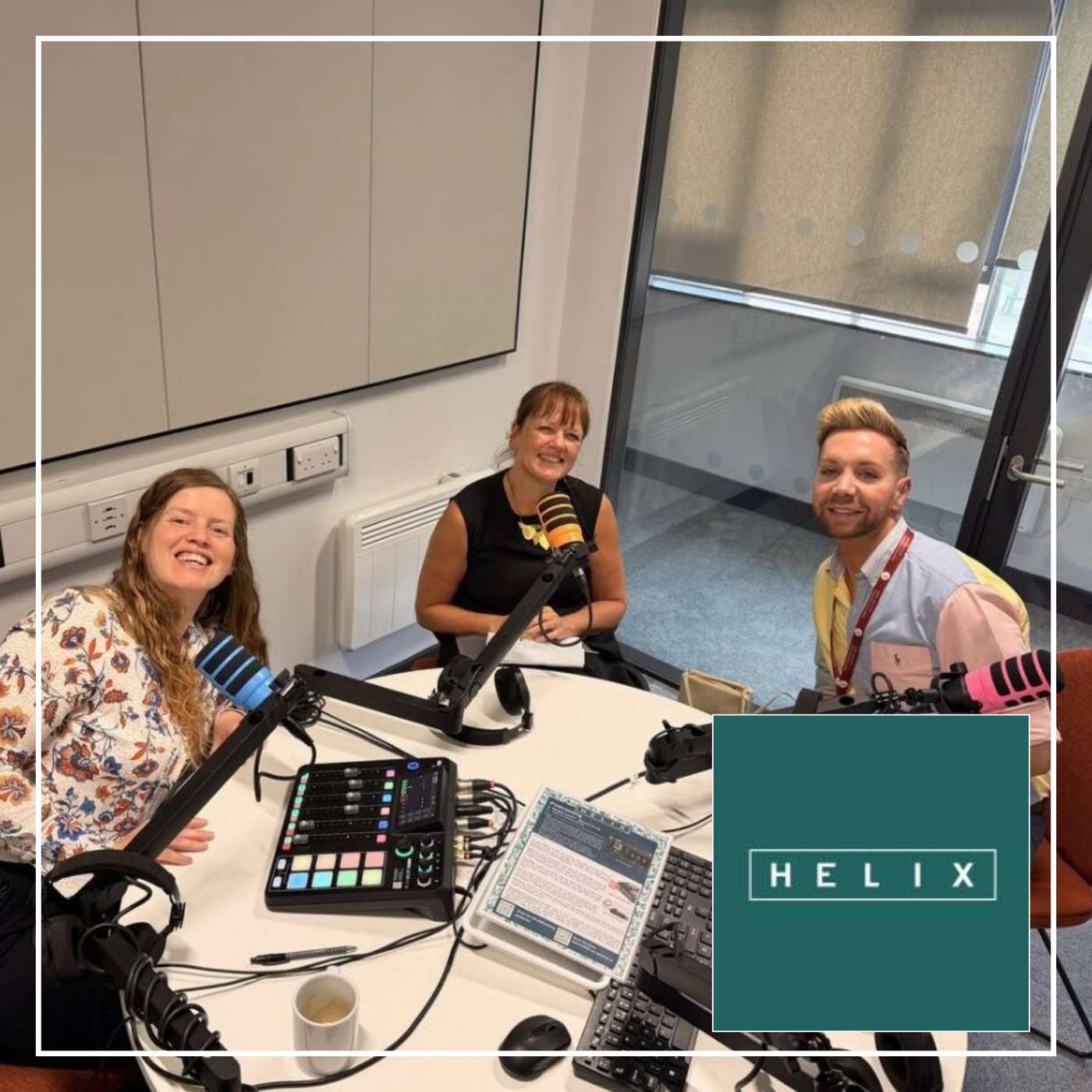
    How Podcast Spaces Support Research, Teaching, and Community

    How do you build a podcasting culture in higher ed? Don’t start with the equipment. In this episode of Continuing Studies, Neil records live from Helix at the University of Leeds with Abigail Harrison Moore, Krissie Glover, and Kerr Hunter for the final conversation in our three-part series on research podcasting. After exploring participatory research with Abigail and production support with Krissie, in this episode they share how Helix supported and helped shape the Whose Power? project, and what makes a university podcast studio truly welcoming, useful, and accessible. The big takeaway: the best podcast spaces aren’t defined by the gear. They’re built through trust, safety, support, and people who help others feel like they belong Episode Links: Learn more about Helix at the University of Leeds Connect with Kerr, Abigail or Krissie Listen to Part 1 with Abigail Harrison Moore Listen to Part 2 with Krissie Brighty-Glover Listen to the Whose Power Podcast Connect with Us: Share Feedback & Ask Questions: hello@continuingstudiespodcast.com Learn More: Continuing Studies Podcast Follow: Continuing Studies LinkedIn Page Join LinkedIn Group: University Podcasters Network Connect w/ Jen: LinkedIn or jpodcreations@gmail.com Connect w/ Neil: LinkedIn or neil@podiumpodcastco.com Twitter: @namcphedran / @podiumpodcastco Youtube HigherEdPods Chapters: (00:00) - Opening the door to the university (00:58) - Introduction (04:24) - Recording live from Helix (04:49) - What is Helix? (05:46) - Building a programmed podcasting space (06:39) - Podcasting as assessment and experiential learning (07:57) - Making campus feel welcoming (10:35) - Helix as a gateway to the university (12:04) - Co-creation, flexibility, and shared ownership (14:51) - Podcasting, access, and institutional trust (16:46) - Podcasting as research output (19:04) - Bringing participant voices to the front (21:56) - Building trust, safety, and community (25:57) - Transcripts, reflection, and the limits of the written word (28:36) - Start with people, not equipment (33:46) - Closing reflections (35:19) - Conclusion

    • Transcript
    • Chapters
  • #81
    August 11 · 28 min

    How Podcasting Can Change the Classroom Dynamic: Live from Higher Ed PodCon 2026

    Can podcasting make teaching more human, more connected, and more effective? In the second live episode from Higher Ed PodCon, Neil and Jen sit down with Rudy Salo, a lawyer, law professor, public transportation geek, and co-host of Good Is in the Details. Rudy explains how a philosophy podcast about everyday life, dialogue, and critical thinking found its way into the syllabus and how it's helping students see the person behind the professor, and why that human connection changes what happens in the classroom. They also get into Socrates, student trust, law school, and why Rudy says, Better Call Saul is the most accurate legal show. Episode Links: Connect with Rudy Good is in the Details Connect with Us: Share Feedback & Ask Questions: hello@continuingstudiespodcast.com Learn More: Continuing Studies Podcast Follow: Continuing Studies LinkedIn Page Join LinkedIn Group: University Podcasters Network Connect w/ Jen: LinkedIn or jpodcreations@gmail.com Connect w/ Neil: LinkedIn or neil@podiumpodcastco.com Twitter: @namcphedran / @podiumpodcastco Youtube HigherEdPods Chapters: (00:00) - Introduction (01:43) - Meet Rudy Salo (01:50) - A philosophy podcast about everyday life (03:34) - Using dialogue to think better (06:44) - Curiosity, humility, and critical thinking (07:50) - What “podcasting as pedagogy” means (08:31) - Turning conversations into course material (10:30) - Bringing audio into law school (13:45) - How podcasts humanize professors (17:15) - Building connection beyond the classroom (19:30) - Using episodes to clarify hard concepts (21:03) - Letting teaching uses emerge organically (22:15) - When a podcast becomes a course idea (24:12) - What legal dramas get wrong (26:30) - Conclusion

    • Transcript
    • Chapters
  • #80
    July 28 · 32 min

    The Art of Hosting: Live from Higher Ed PodCon 2026

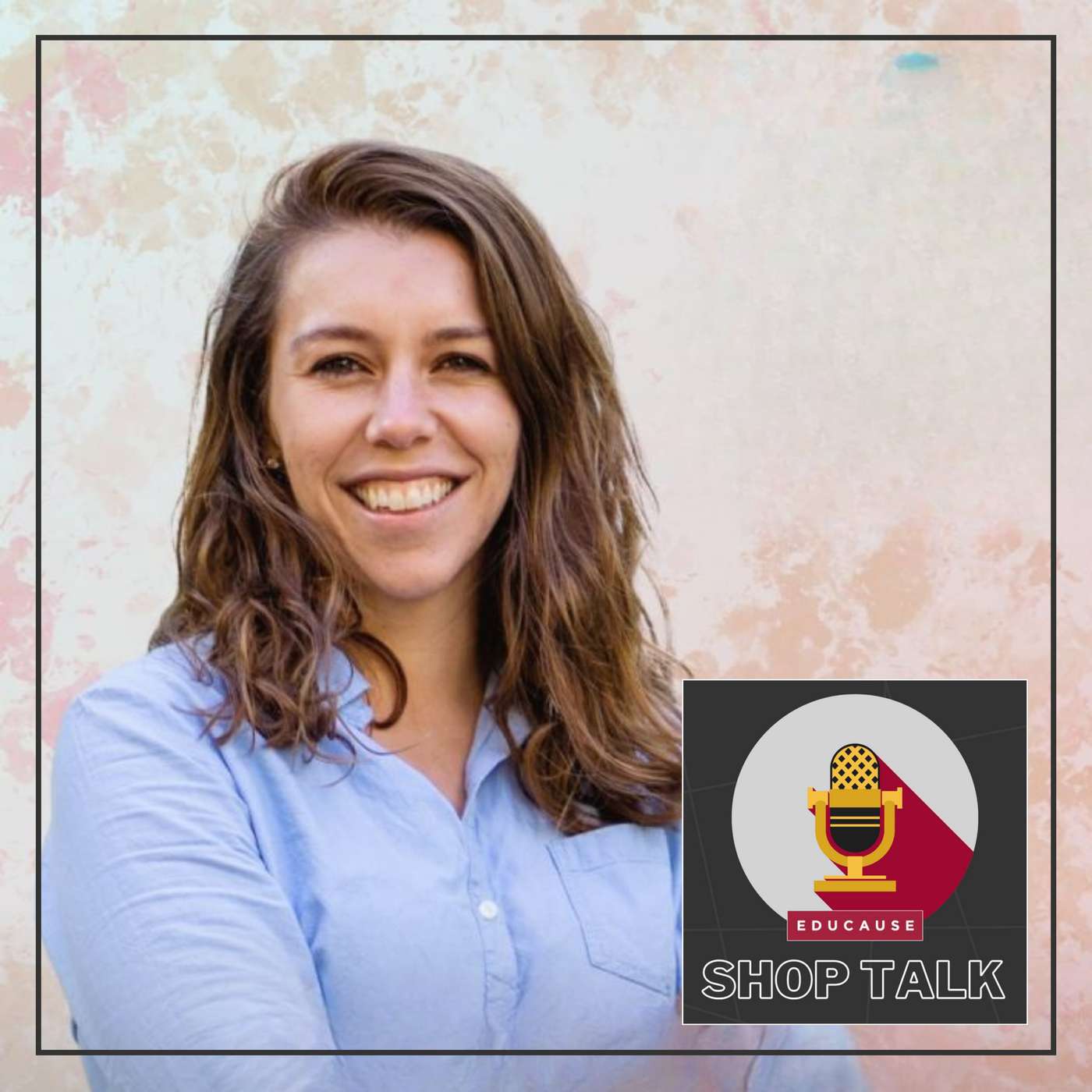
    How do great hosts create conversations that feel purposeful, natural, and worth staying with? In this episode of Continuing Studies, Neil and Jen sit down with Sophie White from EDUCAUSE live at Higher Ed PodCon to talk about the art of hosting. Drawing from her work on EDUCAUSE Shop Talk, Sophie shares how purpose can shape everything from guest selection to audience focus, and how hosts can create the conditions for more thoughtful, candid conversations. They also discuss co-host chemistry, managing multiple guests, balancing rigor with fun, helping nervous guests feel at ease, and why podcasts can be a powerful way for higher education organizations to add context, personality, and connection to their work. Episode Links: Listen to EDUCAUSE ShopTalk Connect with Sophie White Connect with Us: Share Feedback, Suggestions, & Ask Questions: hello@continuingstudiespodcast.com Learn More: Continuing Studies Podcast Follow: Continuing Studies LinkedIn Page Join LinkedIn Group: University Podcasters Network Connect w/ Jen: LinkedIn or jpodcreations@gmail.com Connect w/ Neil: LinkedIn or neil@podiumpodcastco.com Twitter: @namcphedran / @podiumpodcastco Youtube HigherEdPods Chapters: (00:00) - Introduction (02:13) - Meet Sophie White (02:34) - EDUCAUSE Shop Talk (04:24) - Topics and guests (07:30) - Purposeful hosting (10:18) - Co-host chemistry (14:21) - Trust and communication (16:34) - Rigor and fun (19:05) - Managing multiple guests (23:18) - Tricky guest dynamics (24:21) - Helping guests relax (26:40) - Being human on mic (27:32) - Podcasts as engagement (30:42) - Conclusion

    • Transcript
    • Chapters
  • #79
    July 13 · 30 min

    Helping Academics Bring Research Podcasts to Life: Funding, Training, and Production Support

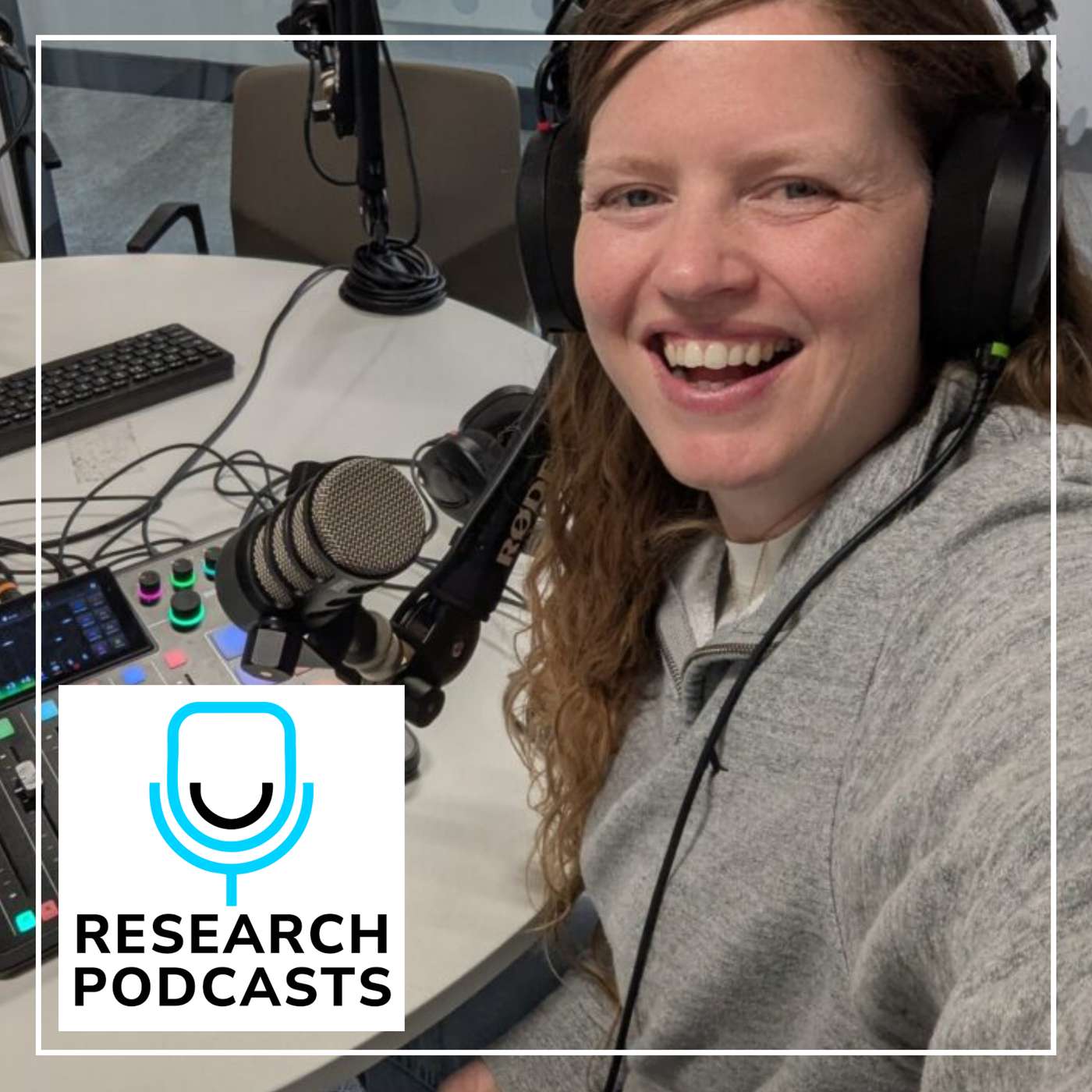
    How do you turn a research idea into a podcast that is clear, credible, and actually doable? In part two of our three-part series on how collaborative research podcasts get made, Neil and Jen talk with Krissie Brighty-Glover from Research Podcasts about the process they use to bring academic audio to life. Part one explored a real research podcast from the academic’s perspective; this episode looks at the production side, from shaping the initial idea to supporting funding applications, training researchers, booking guests, editing, distribution, and accessibility. They also get into the “beauty and the beast” of podcasting, why good support can help researchers focus on their expertise, and how collaborative podcasting can elevate voices, create impact, and make research more accessible beyond traditional academic outputs. Episode Links: Research Podcasts Connect with Krissie Brighty-Glover Listen to Part 1 with Abigail Harrison Moore Connect with Us: Share Feedback & Ask Questions: hello@continuingstudiespodcast.com Learn More: Continuing Studies Podcast Follow: Continuing Studies LinkedIn Page Join LinkedIn Group: University Podcasters Network Connect w/ Jen: LinkedIn or jpodcreations@gmail.com Connect w/ Neil: LinkedIn or neil@podiumpodcastco.com Twitter: @namcphedran / @podiumpodcastco Youtube HigherEdPods Chapters: (00:00) - Introduction (03:37) - Research Podcasts’ model (06:12) - Funding and impact (08:00) - Training researchers (10:23) - Production support (12:10) - The Editing Process (13:53) - Podcast literacy for researchers (15:27) - Co-creation in research (17:35) - Podcasts as research outputs (18:26) - Rethinking impact (20:14) - Centralizing university podcasts (24:33) - Networks and discoverability (25:38) - Advice for researchers (27:49) - Conclusion

    • Transcript
    • Chapters
  • #78
    June 29 · 28 min

    Beyond the Interview: Using a Book Club Podcast to Bring Academic Expertise to the Public

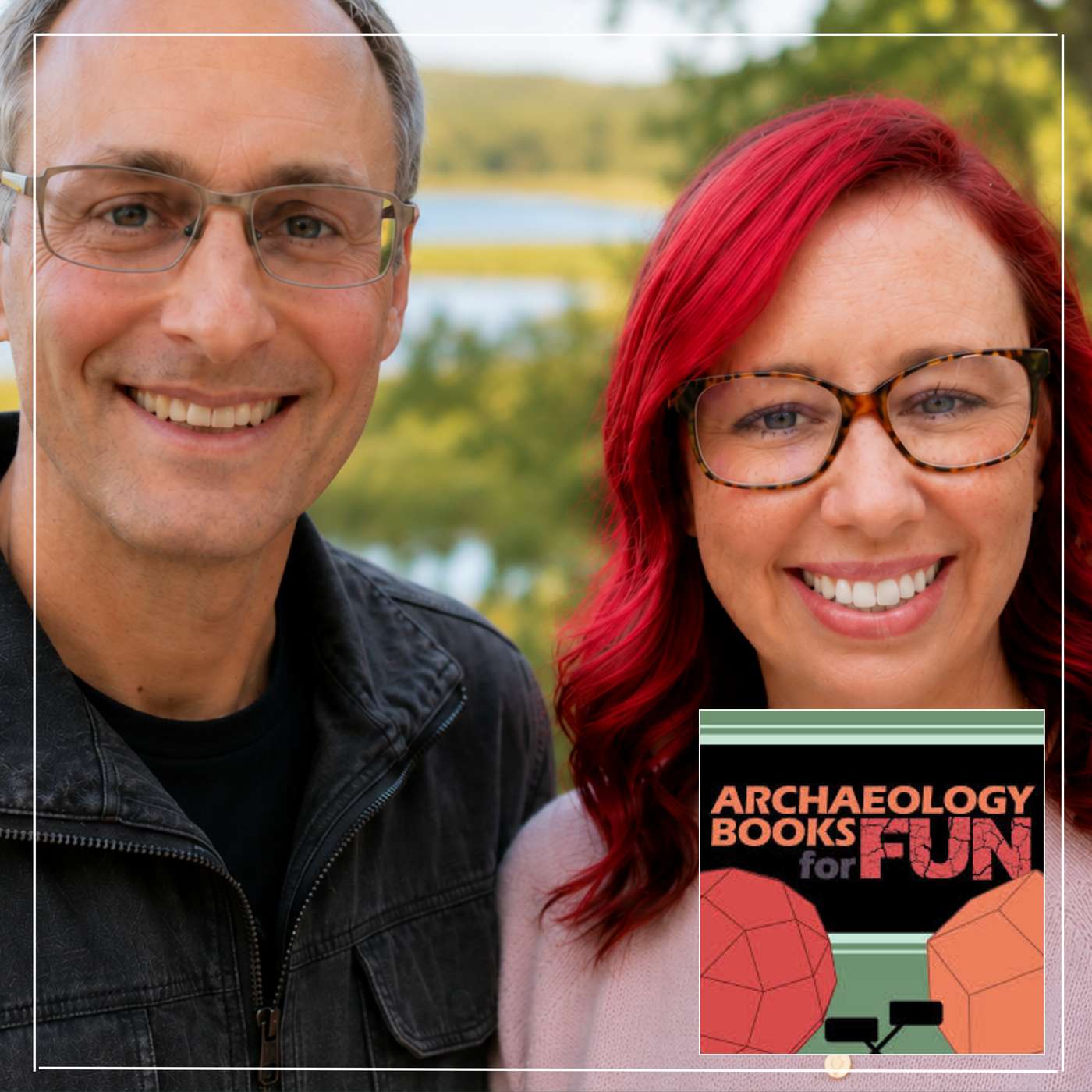
    How can academics make their ideas easier to find, more engaging, and harder to misrepresent? In this episode of Continuing Studies, Neil and Jen dig into the podcast, Archaeology Books for Fun with hosts Tristan Harrenstein and Barbara Clark. Barbara and Tristan excavate the ways they've used their podcast to reach an audience segment they were missing in their other public education programs, using a book club format, non-academic texts, playful branding, and eye-catching artwork. Take a listen to unearth practical tips on building a niche podcast, making expert knowledge approachable, and giving academics a clearer voice in the public conversation. Episode Links: Listen to Archaeology Books Are Fun Follow Archaeology Books Are Fun Connect with Barbara Connect with Tristan Connect with Us: Share Feedback & Ask Questions: hello@continuingstudiespodcast.com Learn More: Continuing Studies Podcast Follow: Continuing Studies LinkedIn Page Join LinkedIn Group: University Podcasters Network Connect w/ Jen: LinkedIn or jpodcreations@gmail.com Connect w/ Neil: LinkedIn or neil@podiumpodcastco.com Twitter: @namcphedran / @podiumpodcastco Youtube HigherEdPods Chapters: (00:00) - Introduction (02:35) - Meet Barbara Clark and Tristan Harrenstein (03:04) - How Archaeology Books for Fun got started (05:28) - Finding the audience public outreach often misses (06:37) - Why archaeologists need a seat at the media table (07:48) - Making a “dry” subject feel inviting (08:51) - Turning non-academic books into podcast conversations (11:00) - A different path beyond guest interviews (13:30) - Reading with a critical archaeological lens (14:08) - What strong branding does for a niche show (18:13) - Small changes that helped the show grow (21:01) - Letting audience data guide the next dig (23:38) - Podcasting as long-term public education (26:37) - Conclusion

    • Transcript
    • Chapters
  • #77
    June 15 · 33 min

    Why Great Interviews Start with Not Knowing Everything

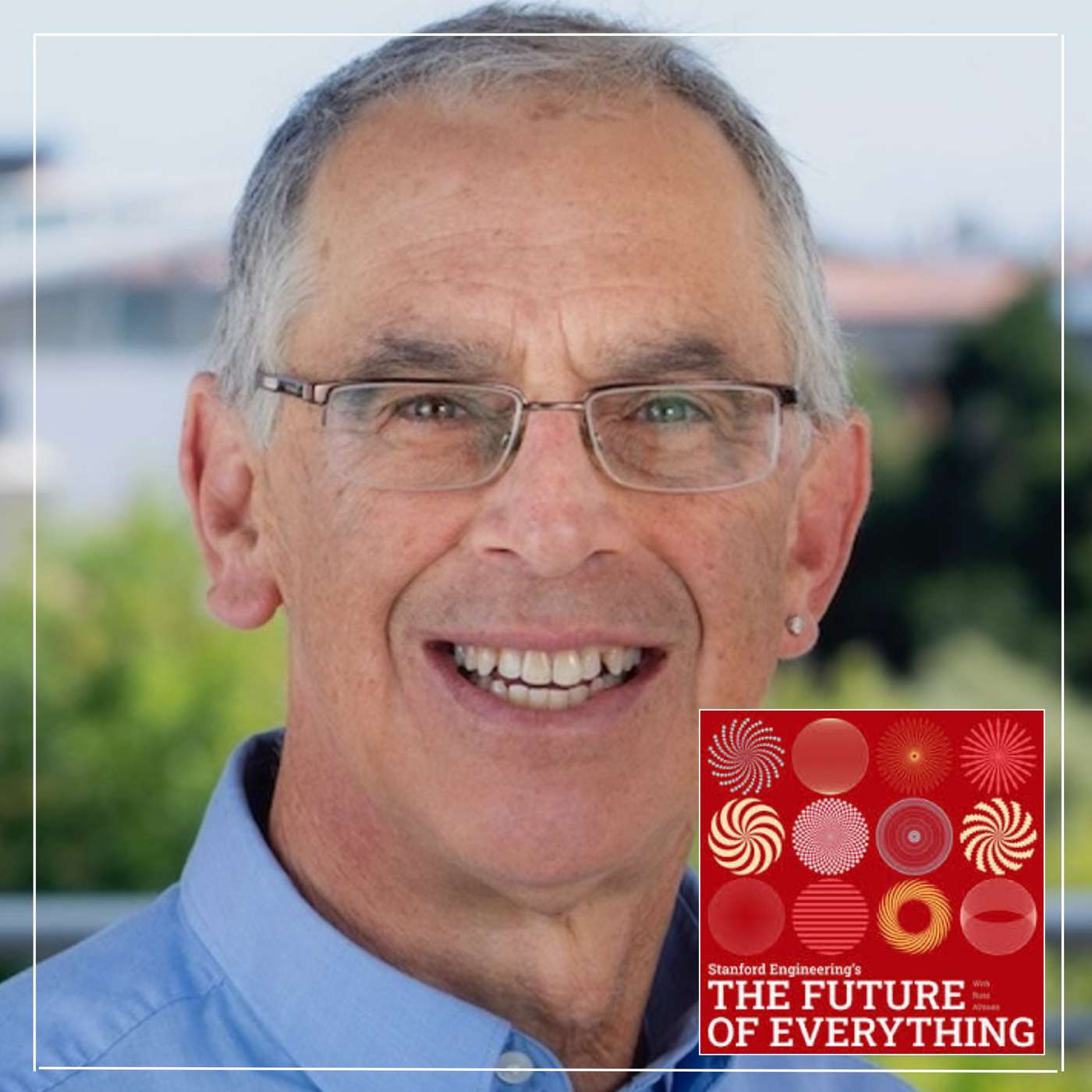
    After 300+ interviews with Stanford experts, Russ Altman knows how to turn complex ideas into conversations people actually want to follow. In this episode of Continuing Studies, Neil and Jen talk with Russ, host of The Future of Everything, about the craft behind engaging expert interviews. Russ shares how he keeps highly technical conversations clear and fun, why he sees himself as the “jargon police,” and how curiosity can be more useful than trying to know everything in the room. They also get into his practical interview strategies, from preparing “emergency topics”, to using a mid-interview break to refocus, check in with the guest, and steer the episode toward a strong ending. A smart, fun, and practical listen for anyone trying to make expert knowledge more accessible. Episode Links: Connect with Russ The Future of Everything Connect with Us: Share Feedback & Ask Questions: hello@continuingstudiespodcast.com Learn More: Continuing Studies Podcast Follow: Continuing Studies LinkedIn Page Join LinkedIn Group: University Podcasters Network Connect w/ Jen: LinkedIn or jpodcreations@gmail.com Connect w/ Neil: LinkedIn or neil@podiumpodcastco.com Twitter: @namcphedran / @podiumpodcastco Youtube HigherEdPods Chapters: (00:00) - Introduction (03:33) - From SiriusXM to podcasting (05:02) - Returning to the show’s original purpose (07:20) - Making science relatable (08:47) - Interviewing beyond your expertise (11:38) - Why not knowing everything can help (14:17) - The no pre-interview rule (17:43) - Emergency topics and interview prep (19:21) - The mid-interview break (24:59) - Video, shorts, and audience reach (28:31) - Advice after 300+ episodes (31:06) - Conclusion

    • Transcript
    • Chapters
  • #76
    June 1 · 30 min

    How to Use Podcasting for Participatory Research

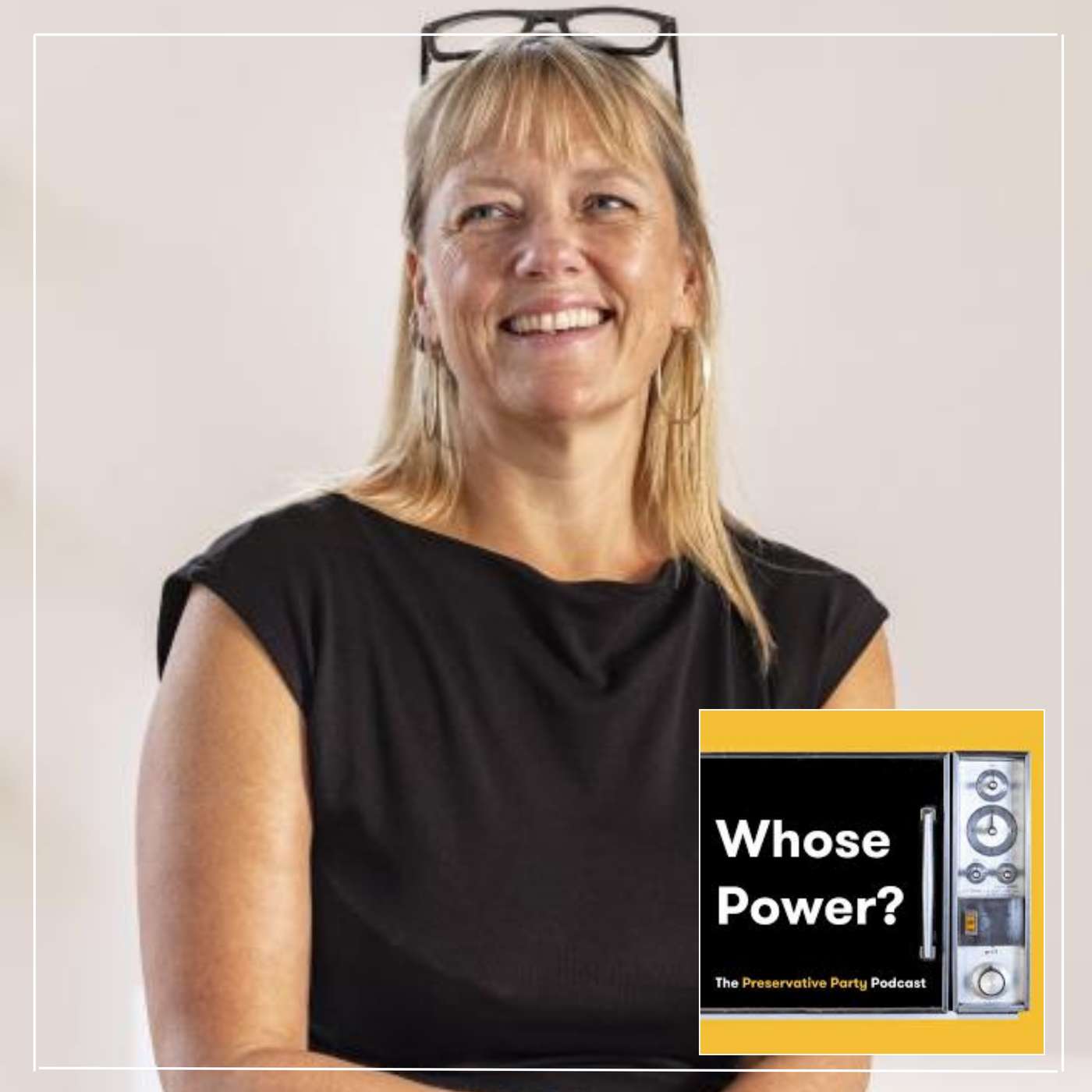
    How can podcasting become more than a way to share research—and actually become part of the research itself? In this episode of Continuing Studies, Neil and Jen talk with Abigail Harrison Moore from the University of Leeds about Whose Power, a podcast project created with the Preservative Party, a group of young curators at Leeds City Museum. Abigail shares how the project uses podcasting as a participatory research space—one built around trust, consent, listening, and shared authorship. The conversation explores how podcasting can help break down gatekeeping in museums and academia, why audio can capture things that written research often misses, and what it takes to create a safe space where young people can lead the conversation. Abigail also explains why the project is staying audio-only, how voice, accents, pauses, and emotion became part of the research, and why participatory work requires much more preparation than simply turning on the mics. It’s a thoughtful look at how podcasting can open doors, shift power, and help researchers learn with communities—not just speak about them. Episode Links: Listen to Whose Power? Professor Abigail Harrison Moore Learn more about The Preservative Party Research Podcasts Connect with Us: Share Feedback & Ask Questions: hello@continuingstudiespodcast.com Learn More: Continuing Studies Podcast Follow: Continuing Studies LinkedIn Page Join LinkedIn Group: University Podcasters Network Connect w/ Jen: LinkedIn or jpodcreations@gmail.com Connect w/ Neil: LinkedIn or neil@podiumpodcastco.com Twitter: @namcphedran / @podiumpodcastco Youtube HigherEdPods Chapters: (00:00) - Introduction (02:01) - Abigail Harrison Moore and Whose Power (03:04) - The origins of Whose Power (06:14) - Gatekeeping, museums, and youth voice (08:16) - Why podcasting became part of the project (10:00) - Podcasting as participatory research (10:58) - The podcast studio as a participatory space (12:37) - Trust, safety, and preparing the space (14:11) - Accents, pauses, and what audio reveals (15:38) - The emotional work of participatory research (17:05) - Why this project stays audio-only (19:08) - Non-negotiables before recording (21:49) - History, power, and who gets represented (24:18) - Podcasting as a research method (26:31) - What’s next: Research Podcasts and EPOD (27:23) - Conclusion

    • Transcript
    • Chapters
  • #75
    May 18 · 32 min

    Using Academic Research to Make Sense of the News Cycle

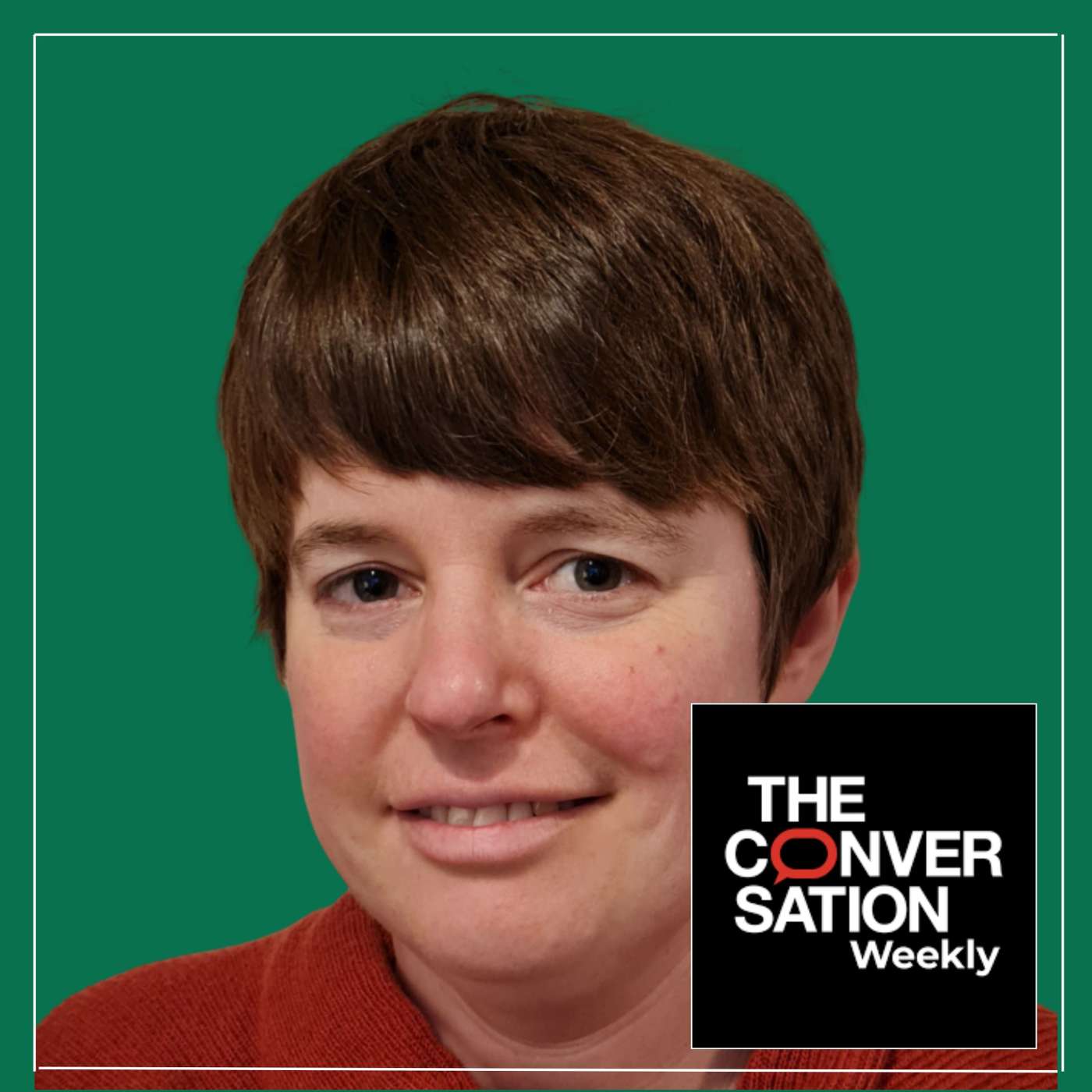
    How can a podcast use academic research to help us make sense of today’s news? Neil and Jen talk with Gemma Ware, head of audio at The Conversation UK and host/co-producer of The Conversation Weekly, about how the show brings academic expertise into the news cycle through narrative-produced audio. Gemma shares how The Conversation pairs academic rigour with journalistic flair, helping researchers explain complex ideas in a way that’s clear, accessible, and useful for a general audience. The conversation also digs into the craft behind the show: structuring episodes around the question “How did we get here?”, working with academics on mic, sustaining a weekly production schedule, and thinking strategically about multimedia, video, and discoverability. It’s a thoughtful look at how higher ed podcasters can translate expertise into stories that help listeners better understand the world around them. Episode Links: The Conversation Weekly The Conversation Gemma Ware Profile Connect with Us: Share Feedback & Ask Questions: hello@continuingstudiespodcast.com Learn More: Continuing Studies Podcast Follow: Continuing Studies LinkedIn Page Join LinkedIn Group: University Podcasters Network Connect w/ Jen: LinkedIn or jpodcreations@gmail.com Connect w/ Neil: LinkedIn or neil@podiumpodcastco.com Twitter: @namcphedran / @podiumpodcastco Youtube HigherEdPods Chapters: (00:00) - Introduction (02:59) - What is The Conversation? (04:45) - The Editing Process (06:07) - From The Anthill to The Conversation Weekly (10:08) - The “How did we get here?” structure (12:21) - Turning current affairs into academic storytelling (14:12) - Sustaining a weekly podcast (15:37) - Helping academics communicate clearly (18:58) - Building a global audio network (21:12) - Podcasting, multimedia, and discoverability (27:19) - Leaning into niche expertise (29:56) - How long should the story be? (30:45) - Closing reflections (31:33) - Conclusion

    • Transcript
    • Chapters
  • #74
    May 4 · 31 min

    How MIT Turns Teaching into Podcasts, Video, and Reach

    25 years ago, MIT made a bold choice: share our knowledge with the world, free of charge. Eventually, out of this, Chalk Radio was born as one tool of MIT's OpenCourseWare to deliver that knowledge. In this episode, Neil and Jen talk with Brett Paci, producer of the Chalk Radio podcast and Assistant Director of Media Production at MIT OpenCourseWare, about how that mission has evolved over 20+ years. From static course materials, to YouTube lectures, to short-form clips, to narrative audio, and now to full podcast and video formats. What makes their approach stand out is that it’s never been about chasing formats; it’s about following the audience. Brett shares how the team experiments constantly, and adapts based on how people actually consume content, whether that’s a 30-second clip, a full lecture, or a long-form conversation. It’s a practical look at how one of the world’s most recognizable institutions continues to evolve, not by sticking to one format, but by constantly adapting to meet learners where they are. Episode Links: Contact Brett Paci on LinkedIn MIT OpenCourseWare Chalk Radio Podcast MIT OpenCourseWare on YouTube Where in the World are Jen & Neil: Higher Ed Pod Con The Podcast Show (London) EPOD Conference Connect with Us: Share Feedback & Ask Questions: hello@continuingstudiespodcast.com Learn More: Continuing Studies Podcast Follow: Continuing Studies LinkedIn Page Join LinkedIn Group: University Podcasters Network Connect w/ Jen: LinkedIn or jpodcreations@gmail.com Connect w/ Neil: LinkedIn or neil@podiumpodcastco.com Twitter: @namcphedran / @podiumpodcastco Youtube HigherEdPods Chapters: (00:00) - Who is OpenCourseWare For? (01:06) - Introduction (03:49) - Brett Paci and The Origins of OpenCourseWare (06:56) - From Course Materials to YouTube Growth (07:14) - Expanding Beyond What to Teach to How to Teach (08:26) - From Short Clips to Full Podcast Conversations (09:29) - Building an Audience Before Launching a Podcast (10:57) - Why Format Should Follow the Audience (13:19) - From Narrative Production to Conversational Podcasting (18:09) - Returning to Video and Experimenting with Format (21:24) - Testing Content: Full Episodes, Clips, and What Performs (26:00) - Treating Video as a Pilot and Learning What Works (30:10) - Conclusion

    • Transcript
    • Chapters
  • #73
    April 20 · 35 min

    How To Be a Better Podcast Host (or Co-host)

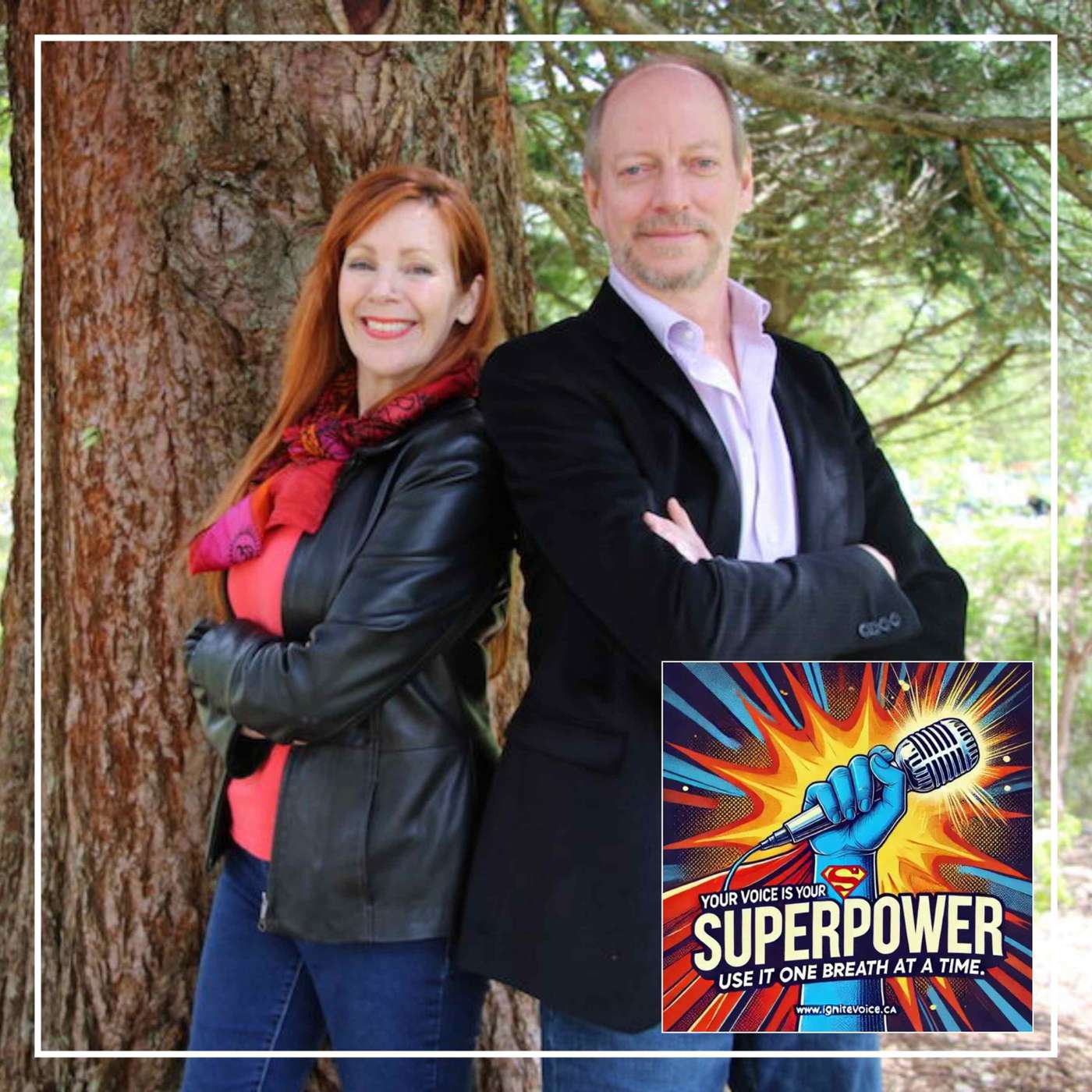
    What are the core skills that make a great podcast host? Before podcasting, there was broadcasting, and there’s still a lot to learn from it. This week, Neil and Jen go back to school, well, Jen's school that is. They head to BCIT’s broadcasting studios to host Jen’s former instructors, Kathryn Stewart and Kevin Ribble, now co-hosts of Ignite My Voice. Kat and Kevin share what podcast hosts can learn from broadcast training, using your breath to manage nerves on the mic, how to keep an audience engaged, storytelling & listening, and letting go of imposter syndrome. They also explore co-host dynamics, writing for audio, and how podcasting blends the discipline of radio with the freedom of conversation. It’s a fun, practical, behind-the-scenes look at the core skills that make for better podcasting—and why your voice is your most powerful tool. Episode Links: Ignite My Voice Listen to the Ignite my Voice Podcast Contact Kevin | Kat BCIT's Broadcasting Program Connect with Us: Share Feedback & Ask Questions: hello@continuingstudiespodcast.com Learn More: Continuing Studies Podcast Follow: Continuing Studies LinkedIn Page Join LinkedIn Group: University Podcasters Network Connect w/ Jen: LinkedIn or jpodcreations@gmail.com Connect w/ Neil: LinkedIn or neil@podiumpodcastco.com Twitter: @namcphedran / @podiumpodcastco Youtube HigherEdPods Chapters: (00:00) - Introduction (04:25) - Introducing Kat, Kevin, and the BCIT Program (06:18) - Ignite My Voice & Podcast Freedom (10:02) - Keeping Listeners Engaged and Telling Better Stories (12:06) - Conversation Flow & "Story-Listening" (14:52) - Managing Nerves, Confidence, and Imposter Syndrome (18:21) - The “One Listener” Mindset and Audience Connection (20:19) - Voice, Breath, and the Mind-Body Approach to Hosting (24:21) - Co-Hosting, Scripts, and Finding Your Natural Style (28:37) - Conversation vs. Interview (30:11) - Letting Go of Fear (32:53) - Conclusion

    • Transcript
    • Chapters
  • #72
    April 6 · 34 min

    How Science Vs. Turns Research Into Stories: Jokes, Citations, and a Lot of Editing

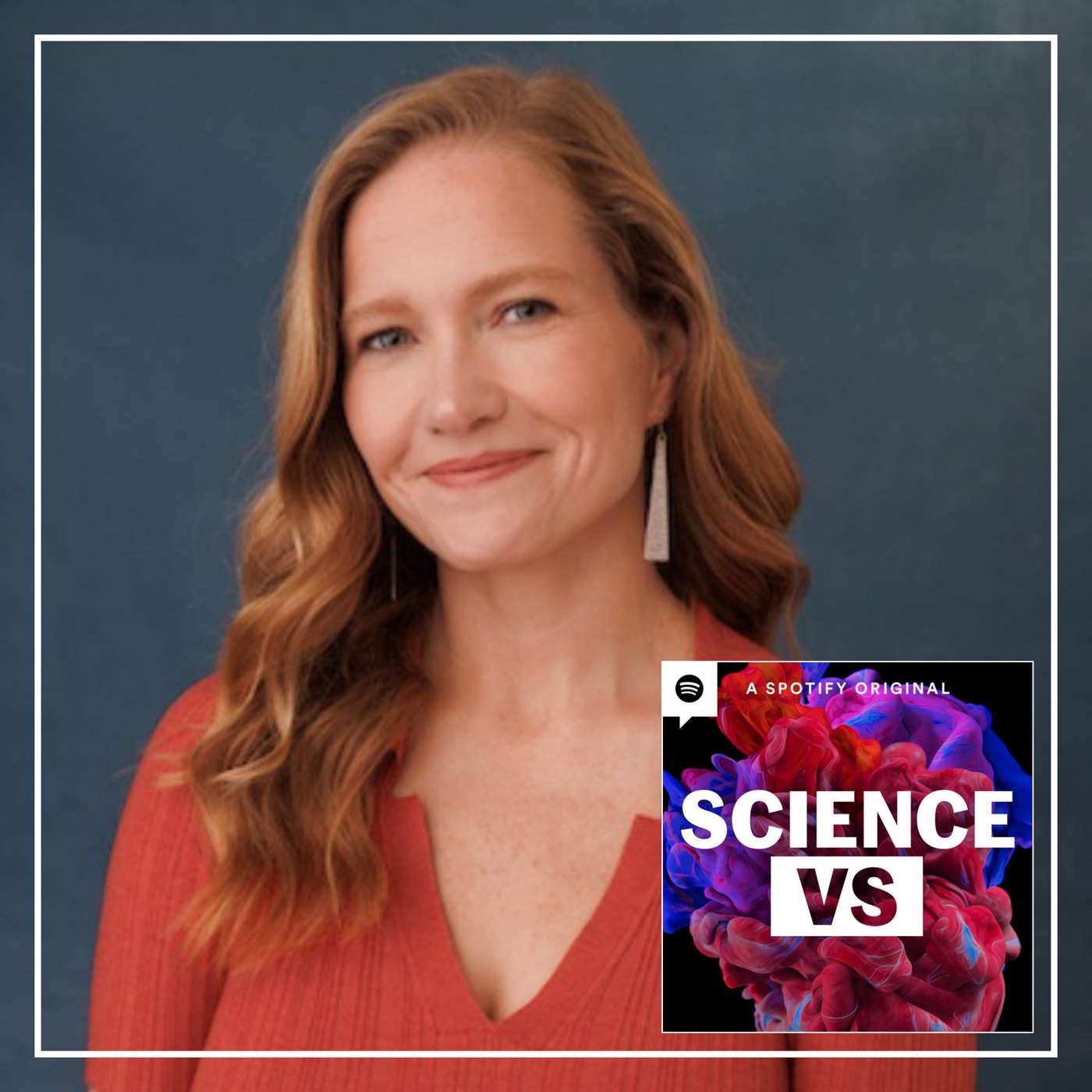
    What does it take to turn rigorous scientific research into stories millions of people actually want to listen to? This week, Neil and Jen sit down with Blythe Terrell, executive editor of Science Vs., to learn how one of the world’s most popular science podcasts blends deep research, narrative storytelling, and a bit of humour to reach millions of listeners. Science Vs. certainly doesn't opt for the path of least resistance, Blythe walks Jen & Neil through the realities of making a weekly narrative show and their extensive fact-checking and citation practices. The conversation also explores what higher education podcasters can learn from Science Vs.: how to build trust with audiences, how to story-tell your research, and why showing your work through transcripts and citations matters more than ever. Along the way, Blythe shares insights from teaching podcasting at NYU, working with scientists to communicate beyond academic jargon, and even collaborating on peer-reviewed research sparked by podcast episodes. It’s a thoughtful look at how podcasting can expand the reach and impact of scientific research, while having a whole lot of fun. Episode Links: Listen to Science Vs. Contact Blythe NYU's Science, Health & Environmental Reporting Program Queen's University Sexual Health Research Lab | Blue Balls & Sexual Coersion | The Orgasm Gap Connect with Us: Share Feedback & Ask Questions: hello@continuingstudiespodcast.com Learn More: Continuing Studies Podcast Follow: Continuing Studies LinkedIn Page Join LinkedIn Group: University Podcasters Network Connect w/ Jen: LinkedIn or jpodcreations@gmail.com Connect w/ Neil: LinkedIn or neil@podiumpodcastco.com Twitter: @namcphedran / @podiumpodcastco Youtube HigherEdPods Chapters: (00:00) - Introduction (02:53) - What Is Science Vs. and How the Show Works (04:19) - Inside the Narrative Production Process (08:31) - Treating Episodes Like Research (09:20) - Handling Feedback, Criticism, and Listener Trust (12:38) - Why Show Notes, Citations, and Transcripts Matter (16:31) - Teaching Podcasting and Science Communication at NYU (22:29) - Science Vs. & Queen's University's Published Research (30:38) - The Future of Podcasting in Higher Education (32:37) - Conclusion

    • Transcript
    • Chapters
  • #71
    March 23 · 33 min

    Opening Doors for Academic Voices

    How can podcasting bring diverse voices and forms of academic work to a larger audience? Neil and Jen sit down with Will Brehm, creator of FreshEd, to talk about how a decade of academic podcasting has evolved from a simple interview show into a broader platform for research, storytelling, and new voices. Will shares how FreshEd grew into a multi-show network, why moving beyond English-language content matters, and what he’s learned experimenting with formats like narrative series and audio journals. The conversation digs into bigger questions, too: what it would take for podcasting to be recognized as legitimate scholarly output, how institutions can start to value non-traditional research, and why building an audience is just as important as creating the work itself. It’s a thoughtful look at where academic podcasting is today and where it needs to go. Episode Links: Connect with Will | Bio |LinkedIn FreshEd Connect with Us Share Feedback & Ask Questions: hello@continuingstudiespodcast.com Learn More: Continuing Studies Podcast Follow: Continuing Studies LinkedIn Page Join LinkedIn Group: University Podcasters Network Connect w/ Jen: LinkedIn or jpodcreations@gmail.com Connect w/ Neil: LinkedIn or neil@podiumpodcastco.com Twitter: @namcphedran / @podiumpodcastco Youtube HigherEdPods Higher Ed Pod Con Chapters: (00:00) - Introduction (03:21) - Fresh Ed’s Mission and Making Research Accessible (07:05) - Will & Fresh Ed’s Journey (13:32) - Flux and Putting Students at the Center (13:46) - The Thinking Ear and the Idea of an Audio Journal (18:03) - Funding, Open Access, and Staying Ad-Free (21:12) - Advice for Recognizing Podcasting as Research Output (24:34) - Lessons Learned After 10 Years of Podcasting (26:41) - What Needs to Change for Podcasting in Academia (31:35) - Conclusion

    • Transcript
    • Chapters
  • #70
    March 9 · 32 min

    From the Classroom to Industry Jobs: Inside a Master’s Program in Podcasting

    Can you actually study podcasting at university—and does it lead to a career? Neil and Jen talk with Chloe Sackur and Max’ed Aadan, recent graduates of the MA in Podcasting program at City St. George’s, University of London, about what it’s really like to learn podcasting in a university setting. They share how the program blends technical training, storytelling, pitching, and industry placements—and how that hands-on approach helped them move directly into podcasting careers. From a Spotify scholarship to producing a UN podcast series and industry roles after, Chloe and Max walk through the opportunities that came from the program and what surprised them most along the way. The conversation also touches on where podcasting as an industry is heading, why practical experience matters so much, and what advice they’d give anyone considering studying podcasting or trying to break into the field. Episode Links: Connect with Chloe | LinkedIn | Chloe’s Podcast Connect with Max’ed Women’s World Equity by Design MA Podcasting - Master's degree • City St George's, University of London Continuing Studies Ep 53: Class is in Session: Building the Future of Podcasting Through Education with Brett Spencer Connect with Us Share Feedback & Ask Questions: hello@continuingstudiespodcast.com Learn More: Continuing Studies Podcast Follow: Continuing Studies LinkedIn Page Join LinkedIn Group: University Podcasters Network Connect w/ Jen: LinkedIn or jpodcreations@gmail.com Connect w/ Neil: LinkedIn or neil@podiumpodcastco.com Twitter: @namcphedran / @podiumpodcastco Youtube HigherEdPods Higher Ed Pod Con Chapters: (00:00) - Introduction (03:26) - What the MA in Podcasting Program Teaches (04:44) - Chloe and Max’ed’s Backgrounds (08:08) - Why Podcasting? (09:41) - Hands-On Learning and Industry Placements (11:02) - Roles After Graduation (14:41) - Producing a Podcast Series with the United Nations (19:35) - Where Podcasting Is Heading as an Industry (23:58) - Advice for Students Considering Podcasting Programs (29:32) - Networking and Building a Portfolio After Graduation (31:22) - Conclusion

    • Transcript
    • Chapters
  • #69
    February 23 · 24 min

    Innovation Fuel 2.0: The Evolution of Podcasting in Case-Study Learning

    What happens when a classroom podcast turns into peer-reviewed scholarship, an AI teaching tool, and its own academic platform? When Dave Keighron and Dr. Gelareh Farhadian first launched Innovation Fuel, the goal was simple: bring real entrepreneurial stories into the business classroom. Five years later, that idea has grown into something much bigger. In this episode, Neil and Jen catch up with Dave and Gelareh to talk about how their podcast evolved into published peer-reviewed podcast episodes and papers, and now an AI-powered classroom tool called Innovation Fuel Studio. They share how they’re turning podcast episodes into scholarly outputs, getting them into academic journals and libraries, and building a system that lets students role-play directly with AI versions of founders and CEOs. It’s a wide-ranging conversation about case-based learning, ethical AI use, peer review, and what happens when podcasting becomes part of the academic infrastructure itself. If you’ve ever wondered how a higher ed podcast can grow beyond marketing and become part of teaching, research, and innovation, this one’s worth a listen. Connect: Share Feedback & Ask Questions: hello@continuingstudiespodcast.com Learn More: Continuing Studies Podcast Follow: Continuing Studies LinkedIn Page Join LinkedIn Group: www.linkedin.com/groups/14115712/ Connect w/ Jen: LinkedIn / jpodcreations@gmail.com Connect w/ Neil: LinkedIn / neil@podiumpodcastco.com Twitter: @namcphedran / @podiumpodcastco Youtube HigherEdPods Links: Innovation Fuel Podcast Innovation Fuel Studio Contact Dave & Gelareh Marketing Corner Talks Podcast Douglas College Library Chapters: (00:00) - Introduction (03:09) - How Innovation Fuel Started and Where it is Now (07:40) - Podcasting as Scholarly Output and Peer Review (10:49) - Expanding the Research and Educational Impact (12:27) - Keeping Case Study Content Current for Students (15:41) - Bringing Cases Back Into the Classroom With AI (16:52) - Entrepreneurs, Students, and the Broader Ecosystem (17:35) - AI Chatbots and New Tools in Development (20:20) - Academic Libraries, Indexing, and Visibility (22:22) - Reflecting on Innovation and What’s Ahead (24:01) - Outro

    • Transcript
    • Chapters
  • #68
    February 9 · 30 min

    "University 3.0 and the Podcast Revolution: Who Owns Knowledge Now?"

    As universities face pressure to evolve, podcasting is emerging as an unexpected catalyst and channel for change. Carola Boehm first caught Neil’s attention with her EPOD abstract suggesting the ivory tower might be starting to crack — a bold (and maybe slightly controversial) take that kicked off this conversation about how podcasting is reshaping the way knowledge gets created and shared in higher education. So this week, Carola “schools” Neil and Jen on her “University 3.0” idea — universities losing their place as the sole gatekeepers of knowledge toward more open, collaborative learning spaces — and what podcasting has to do with that shift. The conversation also touches on the EPOD conference, pressures facing universities right now, and why even small podcasts can play a meaningful role in connecting people, ideas, and communities. Episode Links: Carola Boehm | LinkedIn EPOD Conference Carla's 2026 EPOD Abstract Embedding Culture 3.0 and University 3.0 in Leadership Development Programmes for Heritage Organisations and Heritage Sites (2025) Why Podcasting Needs to Lean into Culture 3.0 Connect with Us Share Feedback & Ask Questions: hello@continuingstudiespodcast.com Learn More: Continuing Studies Podcast Follow: Continuing Studies LinkedIn Page Join LinkedIn Group: University Podcasters Network Connect w/ Jen: LinkedIn or jpodcreations@gmail.com Connect w/ Neil: LinkedIn or neil@podiumpodcastco.com Twitter: @namcphedran / @podiumpodcastco Youtube HigherEdPods Chapters: (00:00) - Introduction (01:31) - Introducing Carola Boem and the EPOD Conference (02:40) - Podcast Reach, Audience, and Global Communities (04:25) - Culture 3.0, Co-Creation, and Podcasting’s Role (06:00) - Carola’s Background and Creative Industries Research (08:38) - University 3.0 and Podcasting as a Knowledge Shift (09:22) - What EPOD Is and Why It Matters (11:33) - Universities Under Pressure and New Learning Models (13:30) - Gatekeeping, Broadcasting, and Academic Structures (14:16) - University 1.0 to 3.0 Explained (18:06) - How Podcasting Challenges Academic Gatekeeping (22:09) - Governance, AI, and Quality in Podcasting (25:56) - How Universities Can Start Moving Toward University 3.0 (27:30) - Podcasting as a Co-Created Learning Space (28:42) - Conclusion

    • Transcript
    • Chapters
  • #67
    January 26 · 32 min

    Do Podcasts Count? Journals, Peer Review, and the Future of Academic Work in Audio

    A thoughtful look at how podcasting is expanding the ways academic work is created and shared. Jim Ambuske, historian and producer, is back to share his thoughts on where audio is going in the academic world and what it’s going to take to have it recognized as a scholarly medium. Jim gets into his new work on the In Pursuit project, what he’s seeing in the world of digital archives and oral history, and why he believes audio and video are important ways to share academic work beyond the page. They also dig into the real challenges facing higher education right now—from funding pressures to tenure expectations—and why, even with all of that, Jim is still optimistic about what creators and institutions can build next. Episode Links: Jim Ambuske Jim Ambuske | LinkedIn In Pursuit Jim Previous Episode: Making History Heard: Bringing the Past to Life Through Podcasts Connect with Us Share Feedback & Ask Questions: hello@continuingstudiespodcast.com Learn More: Continuing Studies Podcast Follow: Continuing Studies LinkedIn Page Join LinkedIn Group: University Podcasters Network Connect w/ Jen: LinkedIn or jpodcreations@gmail.com Connect w/ Neil: LinkedIn or neil@podiumpodcastco.com Twitter: @namcphedran / @podiumpodcastco Youtube HigherEdPods Chapters: (00:00) - Introduction (03:32) - Jim’s New Role and the In Pursuit Project (05:40) - Podcasting & Funding Cuts to the Humanities & Higher Ed (08:11) - How to Keep Doing the Work in a Difficult Environment (09:55) - The Digital Archives in the Commonwealth Conference (13:18) - The Growth of Multimedia and Academic Storytelling (14:57) - Why the Monograph Still Dominates Academia (17:44) - What Would It Take for Podcasts to Count? (20:02) - University Presses & Journals in an Audio World (21:49) - Conferences & Accreditation for Podcasting (24:01) - How Institutions Can Support Podcasting Without Breaking It (26:59) - The Future of Higher Ed Podcasting (30:52) - Conclusion

    • Transcript
    • Chapters
  • #66
    January 12 · 27 min

    Higher Ed Podcaster Predictions For 2026

    Start your 2026 inspired and ready for what’s next in higher ed podcasting—straight from the people building it. What’s ahead for higher ed podcasting in 2026? This episode rounds up predictions from creators and educators around the world, spotlighting the trends shaping the year ahead. Hear why podcasting may gain more academic credibility, how universities could lean on audio as a PR and outreach channel, and why short mini-series and binge-drop formats are on the rise. The conversation also explores a major shift toward research storytelling that highlights process (not just results), the growing role of podcasting across the entire student lifecycle, and the ethical questions AI is bringing into production. A forward-looking listen for anyone creating podcasts in higher education. Connect: Share Feedback & Ask Questions: hello@continuingstudiespodcast.com Learn More: Continuing Studies Podcast Follow: Continuing Studies LinkedIn Page Join LinkedIn Group: www.linkedin.com/groups/14115712/ Connect w/ Jen: LinkedIn / jpodcreations@gmail.com Connect w/ Neil: LinkedIn / neil@podiumpodcastco.com Twitter: @namcphedran / @podiumpodcastco Youtube HigherEdPods Episode Links: Carl Hartley’s Episode: Podcasting and Journalism: Balancing Innovation and Integrity Jenna Spinelle’s Episode: The Democracy Group: The Power of a Podcast Network Kate Young’s Episodes: Continuing Studies: Higher Ed Podcasting | Purdue: Effectively Engaging Alumni / Clips, Strategy, and Search: How This Is Purdue Scales Its Reach Brett Spencer’s Episode: Class is in Session: Building the Future of Podcasting Through Education Marta Perrotta’s Episode: Broadcasting Without Borders: How Podcasting is Changing Journalism Jim Ambuske’s Episode: Making History Heard: Bringing the Past to Life Through Podcasts John Boccacino’s Episode: Syracuse University: Podcasting the Voice of a University Chapters: (00:00) - Introduction (01:52) - Carl Hartley: Podcasting Becoming Academic Currency (05:22) - Jenna Spinelle: Podcasting as University PR (07:31) - Kate Young: Short Series & Binge Drops (09:58) - Brett Spencer: More Podcast Courses & “Fun” Content (12:39) - Marta Perrotta: Research Process, Not Just Results (15:49) - Elvin Freytes: Podcasting Across the Student Lifecycle (18:57) - Jim Amuske: AI Ethics in Podcast Production (20:47) - John Boccacino: Longform Still Wins (With Engagement) (24:34) - Conclusion

    • Transcript
    • Chapters
Showing 1–20 of 20 episodes