Yesterday · 10 min

NPR
Goes straight to the publisher. podnod takes nothing.

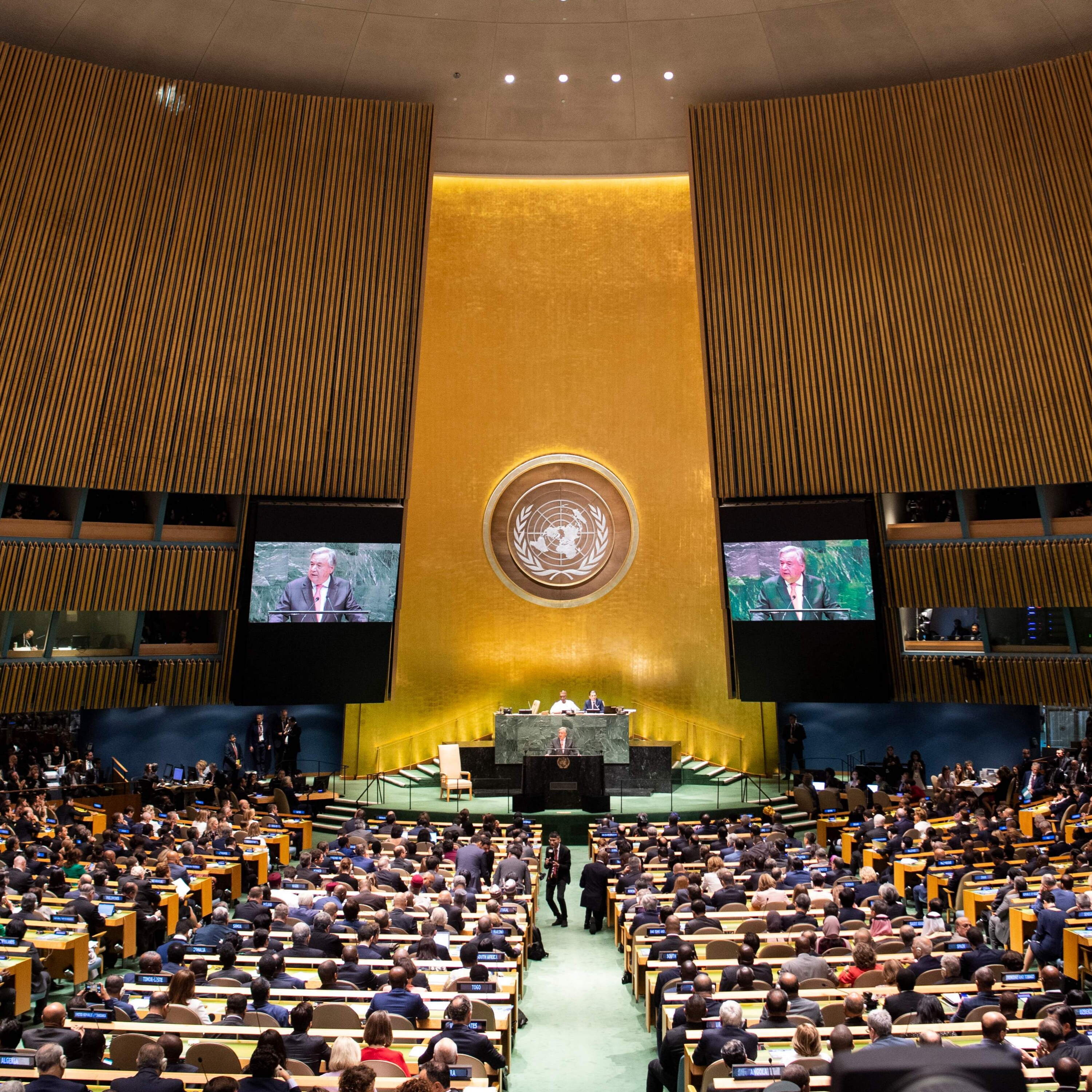
Despite being instrumental in the founding of the United Nations, in recent years, the U.S. has marginalized the organization. For this week's Reporter's Notebook we hear from NPR Diplomacy Correspondent Michele Kelemen about the high stakes drama she has seen play out at the UN General Assembly over the past two decades. See pcm.adswizz.com for information about our collection and use of personal data for sponsorship and to manage your podcast sponsorship preferences. NPR Privacy Policy
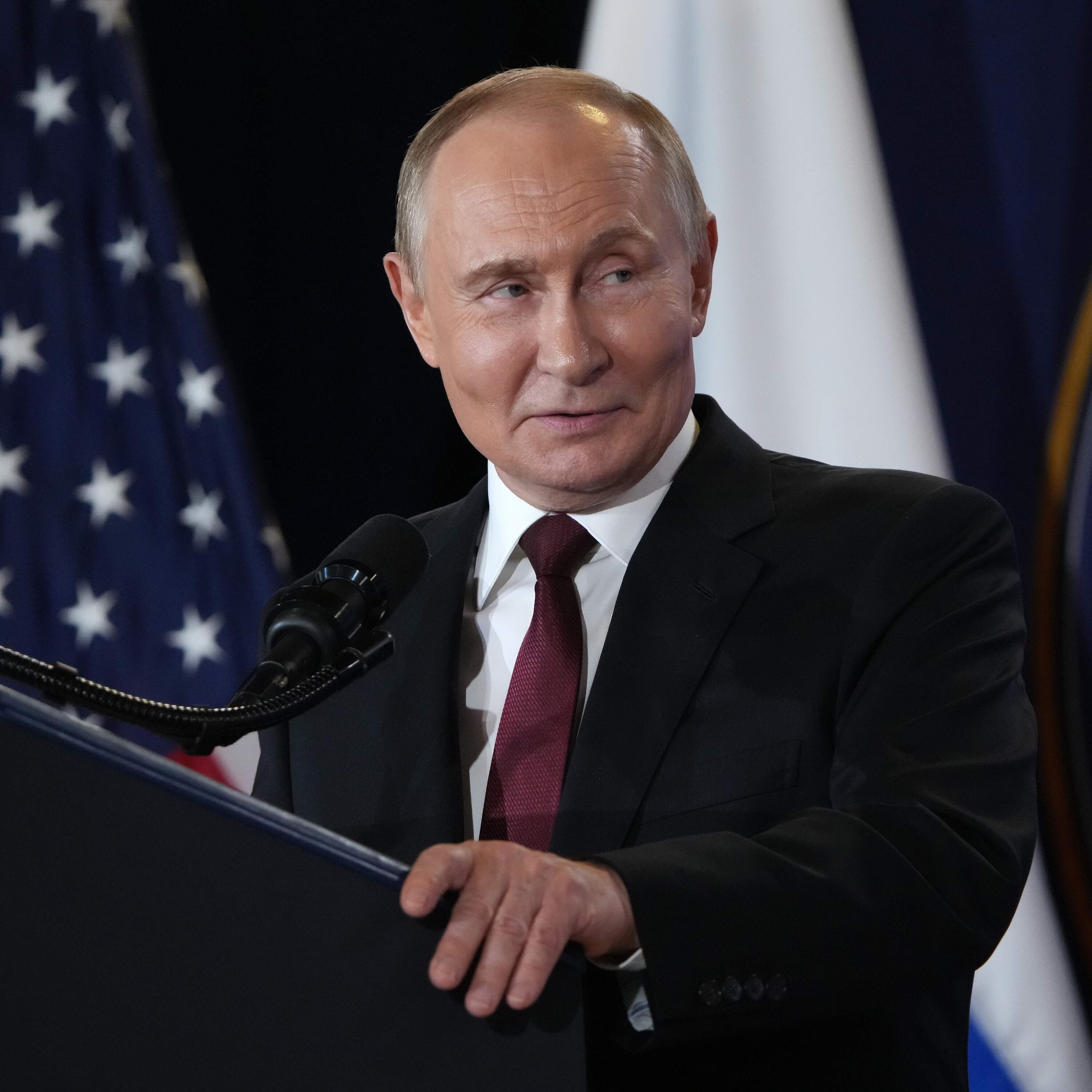
A number of European leaders have signaled that Russia is provoking nearby NATO countries. NATO’s article 5 is clear: an attack on one is an attack on all. But what counts as an attack? And how will NATO respond? This episode was produced by Tyler Bartlam and Connor Donevan, with audio engineering by Tiffany Vera Castro. Our director is Jonas Adams. It was edited by Christopher Intagliata and Tinbete Ermyas. Our interim executive producer is Courtney Dorning. Support public media with NPR+ and enjoy perks for over 25 podcasts like this one. This show’s perks include bonus episodes and sponsor-free listening. Learn more at plus.npr.org. See pcm.adswizz.com for information about our collection and use of personal data for sponsorship and to manage your podcast sponsorship preferences. NPR Privacy Policy
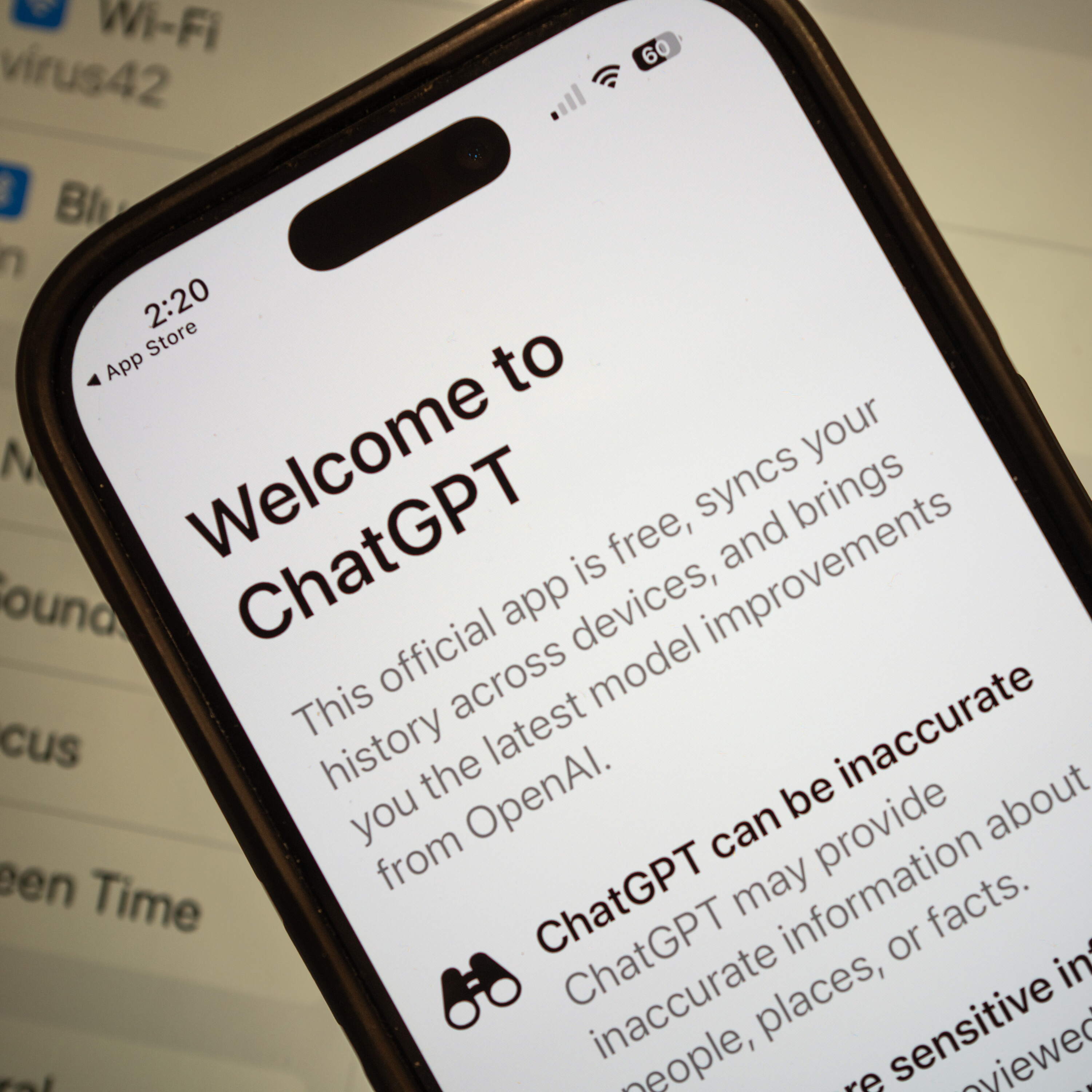
Earlier this year, OpenAI launched a new optional feature on ChatGPT called Trusted Contact. It's meant to help individuals at risk of suicide connect with someone they love and trust for support. But navigating its setup may prove challenging to someone in crisis. This episode was produced by Alejandra Marquez Janse and Kai McNamee, with audio engineering by Eowyn Fain and Hannah Gluvna. Our director is Jonas Adams. It was edited by Gisele Grayson, Diane Webber, Justine Kenin, AND Tinbete Ermyas. Our interim executive producer is Courtney Dorning. Support public media with NPR+ and enjoy perks for over 25 podcasts like this one. This show’s perks include bonus episodes and sponsor-free listening. Learn more at plus.npr.org. See pcm.adswizz.com for information about our collection and use of personal data for sponsorship and to manage your podcast sponsorship preferences. NPR Privacy Policy
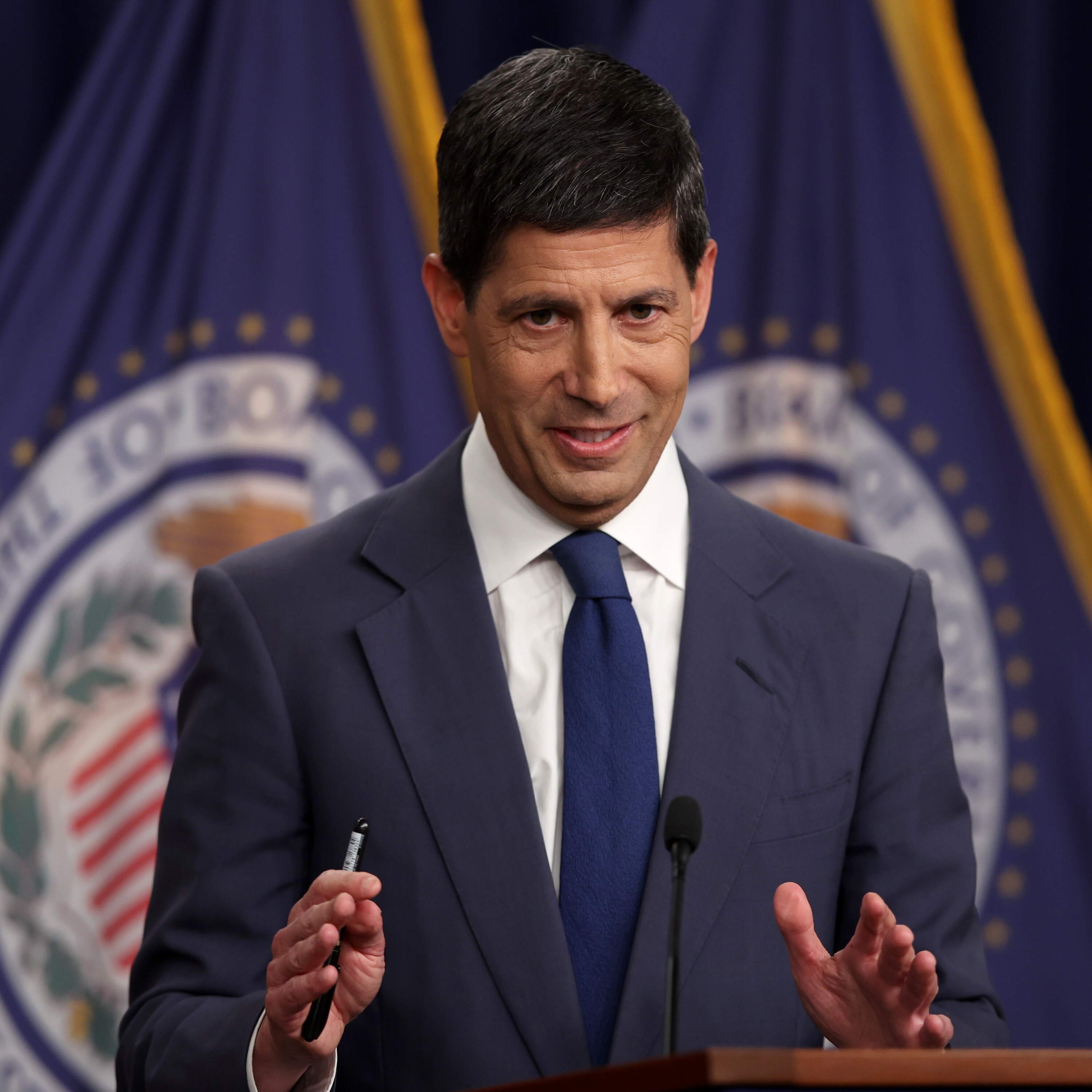
The Federal Reserve voted to raise its benchmark interest rate for the first time in three years. That means it will cost more to borrow money - at a time when many people are feeling squeezed by high prices. How could the Fed's decision affect people's finances and the midterms? This episode was produced by Gurjit Kaur and Karen Zamora, with audio engineering by Tiffany Vera Castro. Our director is Jonas Adams. It was edited by Rafael Nam, Kelsey Snell, Patrick Jarenwattananon and Tinbete Ermyas. Our interim executive producer is Courtney Dorning. Support public media with NPR+ and enjoy perks for over 25 podcasts like this one. This show’s perks include bonus episodes and sponsor-free listening. Learn more at plus.npr.org. See pcm.adswizz.com for information about our collection and use of personal data for sponsorship and to manage your podcast sponsorship preferences. NPR Privacy Policy
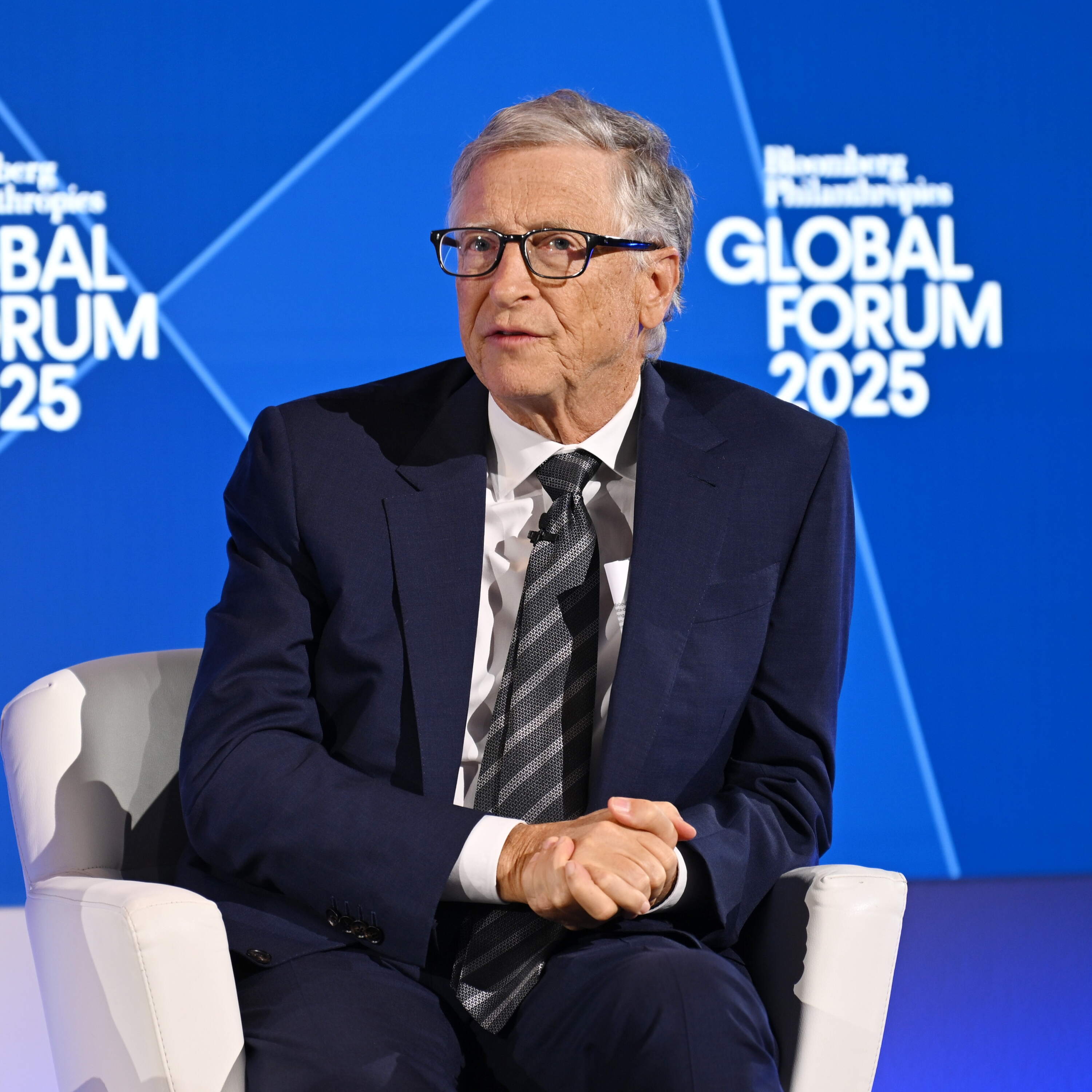
AI leaders are warning about the threats posed by further advances of the technology and actively asking it to be regulated. What does Bill Gates, the co-founder of Microsoft, think about the future of AI and where it should go? This episode was produced by Connor Donevan and Erika Ryan with audio engineering by Valentina Rodríguez Sanchez. Our director is Jonas Adams. It was edited by Patrick Jarenwattananon and Tinbete Ermyas. Our interim executive producer is Courtney Dorning. Support public media with NPR+ and enjoy perks for over 25 podcasts like this one. This show’s perks include bonus episodes and sponsor-free listening. Learn more at plus.npr.org. See pcm.adswizz.com for information about our collection and use of personal data for sponsorship and to manage your podcast sponsorship preferences. NPR Privacy Policy

In recent days, warnings and risks surrounding AI have taken an existential turn. A former Anthropic employee stated that "the people building AI earnestly believe that it could kill us all by the end of the decade." And Anthropic's CEO urged AI companies to "pace the frontier" in developing new technologies. But is there political will to make that happen? This episode was produced by Sophia Paliza-Carre and Karen Zamora, with audio engineering by Tiffany Vera Castro. Our director is Jonas Adams. It was edited by Kara Platoni, Brett Neely, Rebekah Metzler, Sarah Handel and Tinbete Ermyas. Our interim executive producer is Courtney Dorning. Support public media with NPR+ and enjoy perks for over 25 podcasts like this one. This show’s perks include bonus episodes and sponsor-free listening. Learn more at plus.npr.org. See pcm.adswizz.com for information about our collection and use of personal data for sponsorship and to manage your podcast sponsorship preferences. NPR Privacy Policy
Top U.S. lawmakers are calling for talks to begin on Capitol Hill about a regulatory framework for artificial intelligence, after the heads of some of the most prominent tech companies called for a slowdown of their own industry’s development of AI. Support public media with NPR+ and enjoy perks for over 25 podcasts like this one. This show’s perks include bonus episodes and sponsor-free listening. Learn more at plus.npr.org. This episode was produced by Daniel Ofman. It was edited by Brett Neely, Michael Levitt and Sarah Robbins. Our director is Jordan-Marie Smith. And our interim executive producer is Courtney Dorning. See pcm.adswizz.com for information about our collection and use of personal data for sponsorship and to manage your podcast sponsorship preferences. NPR Privacy Policy

The 9/11 attacks resulted in thousands of deaths -- and US response was massive, including new wars and surveillance programs. But what about the trial? More than two decades after the attacks, it's still stuck in limbo. Why? This episode was produced by Connor Donevan, Michelle Aslam and Karen Zamora, with audio engineering by Hannah Gluvna and Eowyn Fain. Our director is Jonas Adams. It was edited by Sarah Handel and Tinbete Ermyas. Our interim executive producer is Courtney Dorning. Support public media with NPR+ and enjoy perks for over 25 podcasts like this one. This show’s perks include bonus episodes and sponsor-free listening. Learn more at plus.npr.org. See pcm.adswizz.com for information about our collection and use of personal data for sponsorship and to manage your podcast sponsorship preferences. NPR Privacy Policy

The warning in former Anthropic researcher Jacob Coxon’s resignation announcement is stark. “The people building AI earnestly believe that it could kill us all by the end of the decade,” he writes. “No other human activity poses this level of danger.” Coxon is urging Anthropic and other big artificial intelligence companies to slow their development of super intelligent agents. He says the current race dynamic could threaten human existence. Coxon talks with NPR's Scott Detrow about why he’s worried and what he hopes will change. This episode was produced by Connor Donevan and Jeffrey Pierre, with audio engineering by Hannah Gluvna. Our director is Jonas Adams. It was edited by Patrick Jarenwattananon Tinbete Ermyas. Our interim executive producer is Courtney Dorning. Support public media with NPR+ and enjoy perks for over 25 podcasts like this one. This show’s perks include bonus episodes and sponsor-free listening. Learn more at plus.npr.org. See pcm.adswizz.com for information about our collection and use of personal data for sponsorship and to manage your podcast sponsorship preferences. NPR Privacy Policy

The Lindsay Clancy case ended in a mistrial last week. Clancy was on trial for killing her three children in 2023. Neither Clancy nor her attorneys deny that she killed her children – but they argued she was experiencing postpartum psychosis. And while the jury couldn't reach a unanimous decision on a charge, the jurors now have to live with the facts of the case and the graphic evidence they witnessed. What kind of support exists for jurors after experiencing a difficult trial? This episode was produced by Michelle Aslam and Mia Venkat. With additional reporting in from Deborah Becker. It was edited by Matt Ozug and Tinbete Ermyas. Our interim executive producer is Courtney Dorning. Support public media with NPR+ and enjoy perks for over 25 podcasts like this one. This show’s perks include bonus episodes and sponsor-free listening. Learn more at plus.npr.org. See pcm.adswizz.com for information about our collection and use of personal data for sponsorship and to manage your podcast sponsorship preferences. NPR Privacy Policy
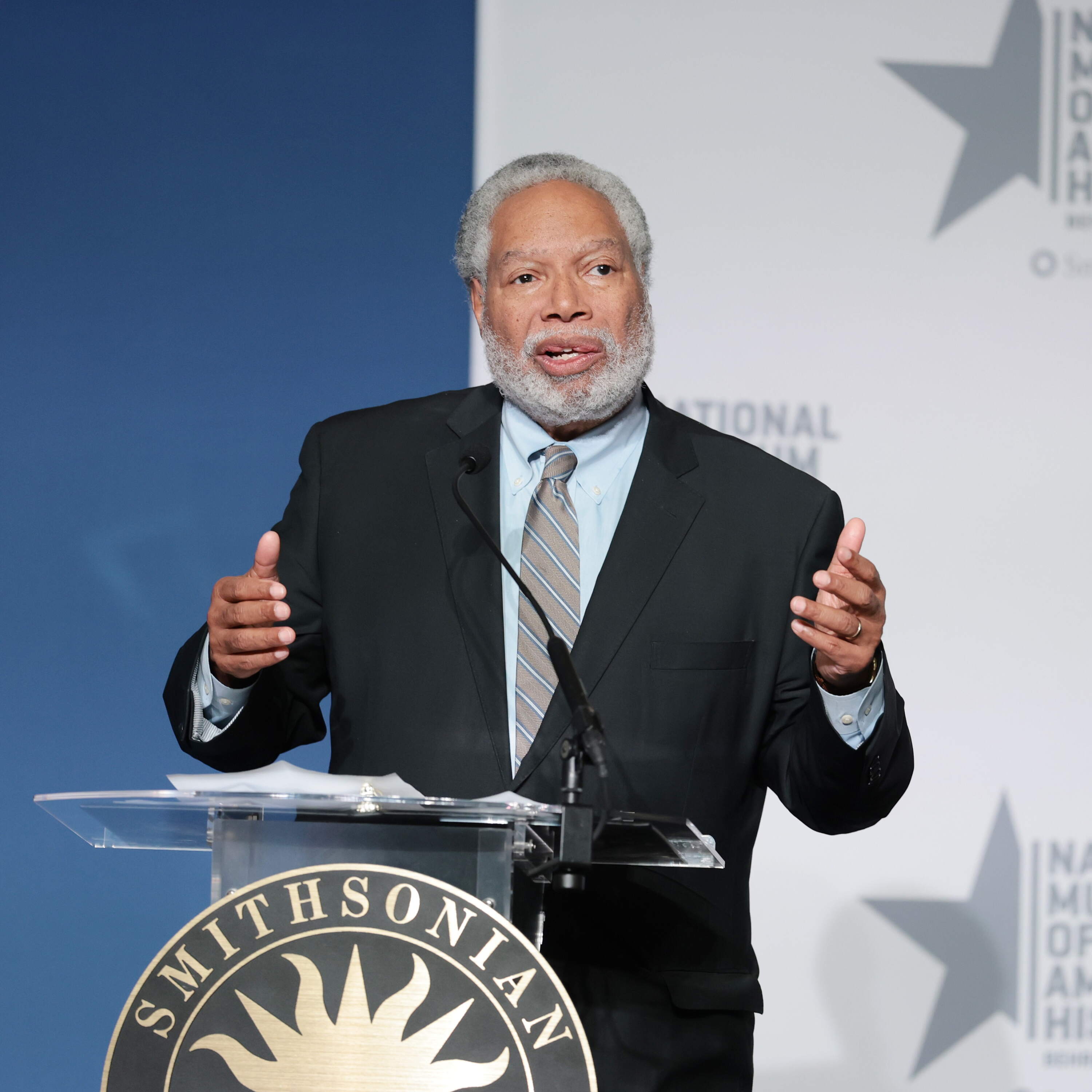
Lonnie G. Bunch III, secretary of the Smithsonian Institution, is stepping down from his post at the end of the year. The Smithsonian, which includes museums, libraries and a zoo, has been a frequent target of criticism by President Trump. How might the leadership change affect the revered Institution? This episode was produced by Jeff Pierre and Elena Burnett, with audio engineering by Hannah Gluvna and Damian Herring. Our director is Jonas Adams. It was edited by Matt Ozug and Tinbete Ermyas. Our interim executive producer is Courtney Dorning. Support public media with NPR+ and enjoy perks for over 25 podcasts like this one. This show’s perks include bonus episodes and sponsor-free listening. Learn more at plus.npr.org. See pcm.adswizz.com for information about our collection and use of personal data for sponsorship and to manage your podcast sponsorship preferences. NPR Privacy Policy

Labor Day marks the unofficial end of summer and the beginning of a new school year. Across the country, more than 54 million students have returned to the classrooms. NPR spoke with students and teachers in different parts of the country to hear how they're feeling as the school year begins. This episode features reporting by Elizabeth Miller of Oregon Public Broadcasting, Beth Wallis of KOSU, and NPR's Jonaki Mehta. VPM’s Megan Pauly also contributed reporting to this episode. This episode was produced by Lauren Migaki and Karen Zamora, with audio engineering by Ted Mebane. Our director is Marc Rivers. It was edited by Nirvi Shah, Steven Drummond and Tinbete Ermyas. Our interim executive producer is Courtney Dorning. Support public media with NPR+ and enjoy perks for over 25 podcasts like this one. This show’s perks include bonus episodes and sponsor-free listening. Learn more at plus.npr.org. See pcm.adswizz.com for information about our collection and use of personal data for sponsorship and to manage your podcast sponsorship preferences. NPR Privacy Policy

After the September 11th attacks, both Russia and China saw an opportunity to forge a closer relationship with the United States. Then, the U.S. fought wars in Iraq and Afghanistan and weathered the financial crisis of 2008. What did Russia and China learn about the United States along the way? This episode was produced by Daniel Ofman and Kathryn Fink. It was edited by Janaya Williams and Sarah Robbins. Our director is Alejandra Marquez Janse. And our interim executive producer is Courtney Dorning. Support public media with NPR+ and enjoy perks for over 25 podcasts like this one. This show’s perks include bonus episodes and sponsor-free listening. Learn more at plus.npr.org. See pcm.adswizz.com for information about our collection and use of personal data for sponsorship and to manage your podcast sponsorship preferences. NPR Privacy Policy

This week, the popular prediction market known as Kalshi banned former Congressman George Santos for life and fined him more than 70-thousand dollars — after he engaged in insider trading on the site. That came as no shock to NPR technology correspondent Bobby Allyn. Earlier this year, Allyn broke the story that Santos was under investigation by the Justice Department for manipulating the market about whether he would or would not attend this year’s State of the Union address. For Reporter’s Notebook, Allyn talks about how he broke the story and the fallout from it. This episode was produced by Gabriel Sanchez. Our director is Alejandra Marquez Janse. It was edited by Adam Raney. Our interim executive producer is Courtney Dorning. Support public media with NPR+ and enjoy perks for over 25 podcasts like this one. This show’s perks include bonus episodes and sponsor-free listening. Learn more at plus.npr.org. See pcm.adswizz.com for information about our collection and use of personal data for sponsorship and to manage your podcast sponsorship preferences. NPR Privacy Policy

A judge has declared a mistrial in the trial of Lindsay Clancy, who faced murder charges for killing her three children in 2023. The deliberations took nearly seven days - and revealed tension among the jury. What does the mistrial reveal about where this case may be headed? This episode was produced by Sophia Paliza-Carre and Elena Burnett, with audio engineering by Eowyn Fain. Our director is Alejandra Marquez Janse. It was edited by Carmel Wroth, Sarah Handel and Tinbete Ermyas. Our interim executive producer is Courtney Dorning. Support public media with NPR+ and enjoy perks for over 25 podcasts like this one. This show’s perks include bonus episodes and sponsor-free listening. Learn more at plus.npr.org. See pcm.adswizz.com for information about our collection and use of personal data for sponsorship and to manage your podcast sponsorship preferences. NPR Privacy Policy

Gloria Steinem, the trailblazing journalist and women’s rights activist, has died. She was 92. Throughout her life, Steinem challenged gender stereotypes, advocated for women’s equality and founded numerous feminist organizations. What will her legacy be? This episode was produced by Elena Burnett, Lauren Hodges and Karen Zamora, with audio engineering by Éowyn Fain and Ted Mebane. Our director is Jonas Adams. It was edited by Mallory Yu and Tinbete Ermyas. Our interim executive producer is Courtney Dorning. Support public media with NPR+ and enjoy perks for over 25 podcasts like this one. This show’s perks include bonus episodes and sponsor-free listening. Learn more at plus.npr.org. See pcm.adswizz.com for information about our collection and use of personal data for sponsorship and to manage your podcast sponsorship preferences. NPR Privacy Policy

On Monday, Pierre Damas Bel died. His family believes he died by suicide, motivated by the loss of his temporary protected status -- a loss that many Haitian immigrants experienced earlier this summer. As a result, President Trump’s immigration policies have become a flashpoint in Bel's death. How is it resonating with the Haitian community in Springfield, Ohio? This episode was produced by Erika Ryan and Karen Zamora, with audio engineering by Becky Brown, Éowyn Fain and Ted Mebane. Our director is Jonas Adams. It was edited by Sarah Handel and Tinbete Ermyas. Our interim executive producer is Courtney Dorning. Support public media with NPR+ and enjoy perks for over 25 podcasts like this one. This show’s perks include bonus episodes and sponsor-free listening. Learn more at plus.npr.org. See pcm.adswizz.com for information about our collection and use of personal data for sponsorship and to manage your podcast sponsorship preferences. NPR Privacy Policy

President Trump has touted his agreement with Venezuela as the greatest oil deal in the world. Behind the deal is a company - and a man - who energy analysts say may not be up for the task of developing Venezuela's vast oil reserves. What more do we know about the company behind the deal? This episode was produced by Elena Burnett, Sophia Paliza-Carre and Karen Zamora, with audio engineering by Éowyn Fain and Ted Mebane. Our director is Jonas Adams. It was edited by Tara Neil, Justine Kenin, Sadie Babits and Tinbete Ermyas. Our interim executive producer is Courtney Dorning. Support public media with NPR+ and enjoy perks for over 25 podcasts like this one. This show’s perks include bonus episodes and sponsor-free listening. Learn more at plus.npr.org. See pcm.adswizz.com for information about our collection and use of personal data for sponsorship and to manage your podcast sponsorship preferences. NPR Privacy Policy

Lindsay Clancy is currently on trial for killing her three children. Prosecutors say the murders were intentional, but her defense team says she was suffering from severe postpartum psychosis -- a condition that does not have a distinct diagnosis in the Diagnostic and Statistical Manual of Mental Disorders. That's the handbook used to identify mental health conditions, so patients often have a hard time getting proper care. The case has put a spotlight on maternal mental health and how its treated by the public and healthcare professionals. What does it reveal? WBUR’s Deborah Becker contributed reporting to this episode. It was produced by Megan Lim and Karen Zamora, with audio engineering by Éowyn Fain, Hannah Gluvna and Ted Mebane. Our director is Jonas Adams. It was edited by Justine Kenin and Tinbete Ermyas. Our interim executive producer is Courtney Dorning. Support public media with NPR+ and enjoy perks for over 25 podcasts like this one. This show’s perks include bonus episodes and sponsor-free listening. Learn more at plus.npr.org. See pcm.adswizz.com for information about our collection and use of personal data for sponsorship and to manage your podcast sponsorship preferences. NPR Privacy Policy

President Trump says a new deal with Venezuela would give the U.S. control of more than 65 billion barrels of oil reserves. NPR's energy and climate correspondent Julia Simon explains the hurdles that remain before the oil can start flowing. This episode was produced by Henry Larson. It was edited by Sarah Robbins and Catherine Laidlaw. Our director is Jason Fuller. Our interim executive producer is Courtney Dorning. Support public media with NPR+ and enjoy perks for over 25 podcasts like this one. This show’s perks include bonus episodes and sponsor-free listening. Learn more at plus.npr.org. See pcm.adswizz.com for information about our collection and use of personal data for sponsorship and to manage your podcast sponsorship preferences. NPR Privacy Policy