Skip to content
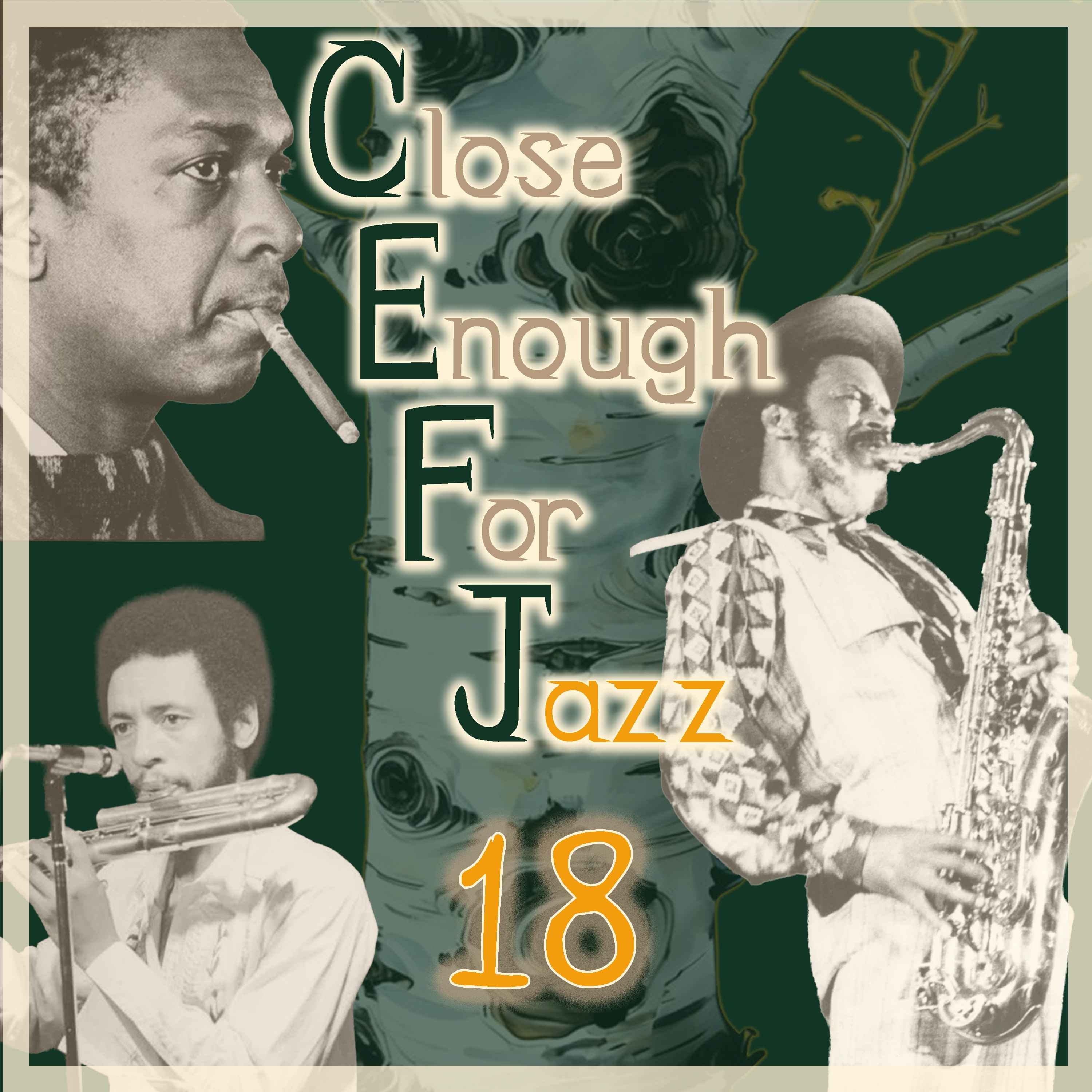
Artwork for Close Enough for Jazz
MusicMusic InterviewsMusic CommentaryArtsPerforming Arts

Close Enough for Jazz

Birch Grove

Tired of the old jazz paradigm? We call this Close Enough for Jazz because "Modern-Avant-Garde-Polyrhythmic-Sound-Art" was too long for the RSS feed. Join Lindsay and Alan Bjorklund (Birch Grove Media) for unfiltered dialogues with the composers and improvisers pushing the boundaries of the modern and avant-garde jazz scene.

Hosted on Acast. See acast.com/privacy for more information.

Play
  • 32 episodes
  • weekly
  • Avg 43 min
  • English
Counted on this page — what you have heard stays on this device, so it is not something the list can be paged by.
  • S1 · E36
    Thursday · 12 min

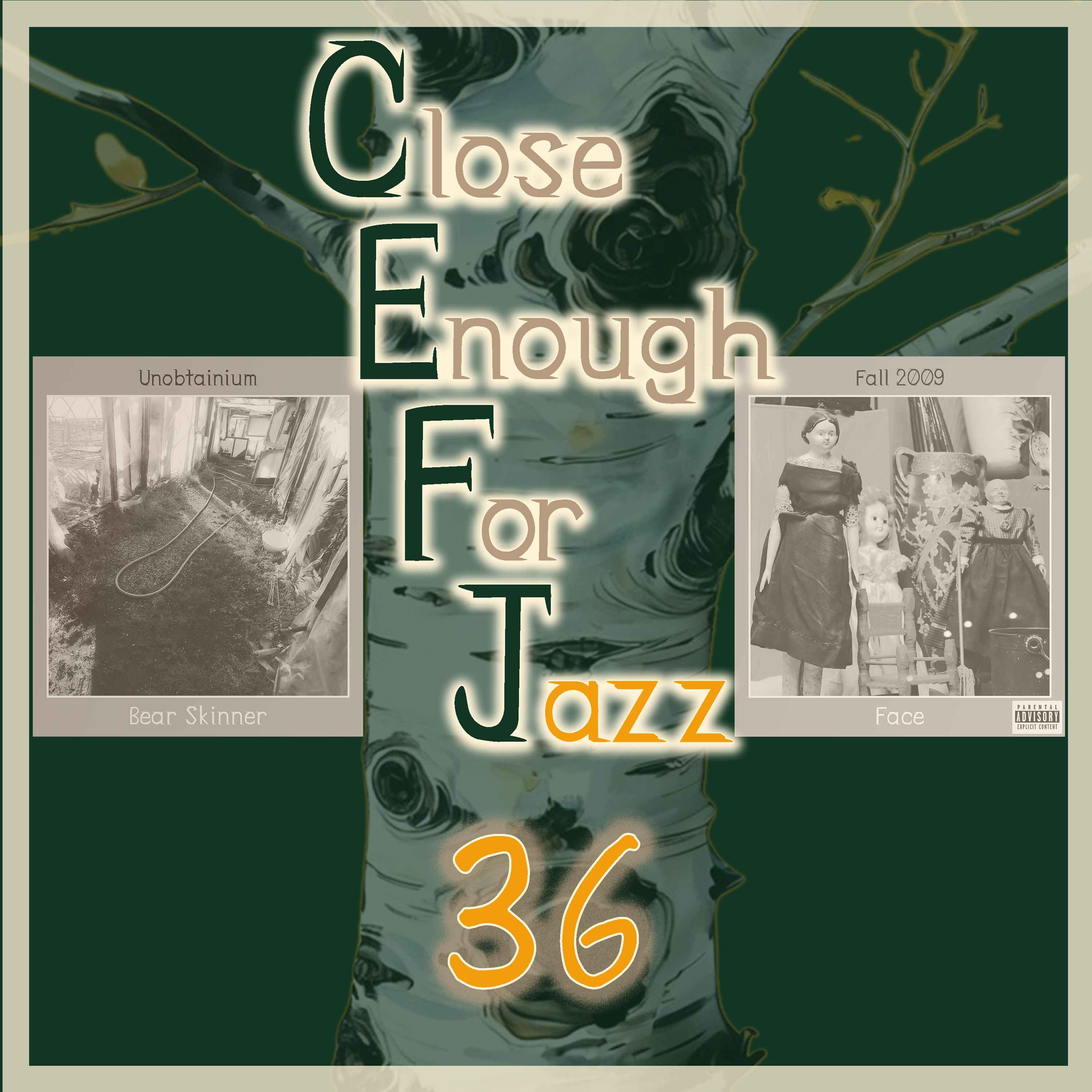
    Upcoming Releases: Face's "Fall 2009" and Bear Skinner's "Unobtainium"

    We take a moment to look inward at Birch Grove Media and preview two massive upcoming releases dropping before the end of 2026: Face's Fall 2009 and Bear Skinner's Unobtainium. We preview the highly anticipated Bear Skinner lineup (Ryan Clackner, Trevor Lagrange, Nick Jost, and Jason Nazary) and look back 17 years to unearth the explosive Face time capsule (Alan Bjorklund, David Schnug, Andrew Carrico, Matt Scollante, Pascal Niggenkemper, and Cody Brown). We explore the physical production of these 180-gram vinyl records, discussing why the tangible details—like included posters, liner notes by Carlos Homs and Josh Lopes, and vinyl-exclusive bonus tracks—matter so much to us. We also discuss the freezing January tracking session for Bear Skinner, why we printed Matt Scollante's profane spoken-word lyrics, and the eerie origins of the Fall 2009 album artwork, sourced from a room of deteriorating vintage dolls at Space Farms. Chapter Timestamps: 00:00 - Intro: Releasing two Birch Grove Media albums before the end of 2026 01:40 - Previewing Bear Skinner's Unobtainium 03:03 - Previewing Face's Fall 2009 (a 17-year time capsule) 03:21 - The importance of 180-gram vinyl, posters, and bonus tracks 04:06 - Liner notes by Carlos Homs and Josh Lopes 05:01 - Album Artwork: The creepy dolls of Space Farms 06:41 - The Bear Skinner sign photo and upcoming release gigs 07:22 - The deserted greenhouse origin of the Bear Skinner cover photo 08:24 - Executive producer notes: Recording on a snowy January day and capturing improv pieces 09:50 - Why we print Matt Scollante's profane spoken-word lyrics 12:08 - Outro: Go buy the Smirk Not Your Grandfather's Jazz LP BIRCH GROVE MEDIA Web: birchgrove.io Follow us: @birch.grove.media on Instagram. Watch on YouTube: youtube.com/@BirchGroveMedia Get the Record: Shop our current 180g LP and digital releases on our website. Rate and review us on Apple Podcasts or Spotify. Hosted on Acast. See acast.com/privacy for more information.
  • S1 · E35
    October 29 · 1 hr 4 min

    Scat Singing, Physics, and Getting Roasted by Jazz Times with Lorin Benedict

    We sit down with scat singer and physicist Lorin Benedict to explore his highly unique vocal improvisations and what it’s like to start a serious music career at age 31. Lorin explains the extra-musical origins of his nonsense-syllable language and why he treats his voice like a horn, drawing inspiration from instrumental giants. He shares hilarious insights into his own self-awareness, discussing why he proudly displays a negative Jazz Times review on his website, and reflects on how his intense listening habits were shaped by a childhood surrounded by Cleveland Orchestra musicians. We also dive into how Steve Coleman convinced him to jump into the scene, his collaborations with Kim Cass and Louis Cole's Knower, the parallels between physics and music, and his upcoming duo albums with Anthony Fung and Caroline Davis. Timestamps: 00:00 - Intro: The advantages of starting a music career later in life 00:49 - Developing a unique language of syllables and nonsense words 02:40 - Approaching the voice as an instrument rather than a traditional singer 06:01 - Recording in the bathroom and analyzing his own syllabic phrasing 08:44 - Agreeing with a negative review from Jazz Times ("annoying wordless vocals") 19:28 - Growing up with classical musicians in the Cleveland Orchestra 23:35 - Going to physics grad school at UC Berkeley and meeting Vijay Iyer 25:54 - How Steve Coleman convinced Lorin to become a musician at 31 45:13 - Forming a standards duo with bassist Kim Cass 48:19 - Connecting with Louis Cole and sitting in with Knower 56:22 - The dual life of a condensed matter physicist and avant-garde scat singer 01:02:36 - Upcoming duo albums with Anthony Fung and Caroline Davis Personnel Credits: 17:22 - Logan Kane & Clarence Penn 36:52 - Lorin solo in Cleveland, OH 1:00:53 - Tim Duff BIRCH GROVE MEDIA Web: birchgrove.io Follow us: @birch.grove.media on Instagram. Watch on YouTube: youtube.com/@BirchGroveMedia Get the Record: Shop our current 180g LP and digital releases on our website. Rate and review us on Apple Podcasts or Spotify. Hosted on Acast. See acast.com/privacy for more information.
  • S1 · E34
    October 22 · 48 min

    Book Review: Nik Bärtsch on Aikido, Ritual Groove Music, and "Zen Beginner's Mind"

    We take a break from our regular programming for a deep exploration into the fascinating world of Swiss pianist, composer, and "cultural entrepreneur" Nik Bärtsch. In this episode, Lindsay reviews his conceptual book, Listening: Music, Movement, Mind, co-authored with his wife Andrea Pfisterer (a fourth Dan Aikido teacher and biologist). We explore the profound intersections between music, martial arts, and nature, breaking down Bärtsch’s concept of "Ritual Groove Music" and how he translates the "Zen beginner's mind" into his compositional process. We also look at the history of his long-running Swiss ensembles, Mobile and Ronin, and his dedication to building community through open-house Monday hangs and the long-running "Montags" concert series in Zurich. You can purchase Nik Bärtsch's book directly at: https://www.nikbaertsch.com/ *Note: Birch Grove Media is not sponsored by the artist or their book sales- we just really like their work and want to share! Chapter Timestamps: 00:00 - Intro: Finding books at the Berklee College of Music and Big Ears Festival 01:08 - Reviewing Nik Bärtsch's Listening: Music, Movement, Mind 08:56 - Who is Nik Bärtsch? (Ronin, Mobile, and "Cultural Entrepreneurship") 14:06 - "Ritual Groove Music": Stravinsky, Morton Feldman, and James Brown 18:02 - The "Zen Beginner's Mind" and the concept of Effortless Mastery 19:17 - How Aikido relates to live musical performance 33:02 - Listening vs. Hearing and Joe Zawinul's boxing routine 36:23 - Treating musical practice and rhythm like martial arts katas 41:50 - Community building: Open house Mondays, the Montags series, and EXIL BIRCH GROVE MEDIA Web: birchgrove.io Follow us: @birch.grove.media on Instagram. Watch on YouTube: youtube.com/@BirchGroveMedia Get the Record: Shop our current 180g LP and digital releases on our website. Rate and review us on Apple Podcasts or Spotify. Hosted on Acast. See acast.com/privacy for more information.
  • S1 · E33
    October 15 · 54 min

    A Rare Matt Brewer Recording and the Warehouse Sound of ShapeShifter Lab

    We open the vault for another installment of our Blind Pig series, traveling back to October 16, 2014, for a rare bootleg of Matt Brewer's group Mythology live at ShapeShifter Lab in Gowanus, Brooklyn. In this episode, we revisit the night of Brewer's record release gig and analyze how the live quintet lineup—featuring Brewer on bass, Steve Lehman on alto, Mark Shim on tenor, David Virelles on piano, and Gerald Cleaver on drums—delivered a raw, guitar-less take on the compositions from his debut album as a leader. We explore the unique acoustic environment of ShapeShifter Lab, founded by Matthew Garrison and Fortuna Sung, and break down the enduring musical rapport between Lehman and Shim. We also unpack what the band members were releasing in 2014, including Steve Lehman's Mise en Abîme, David Virelles' Mbókò, and Gerald Cleaver's work with Farmers by Nature. Note: Birch Grove Media does not claim ownership of these performances or musical works, and is not monetizing this episode. This is shared purely for educational and archival appreciation. Chapter Timestamps: 00:00 - Intro: "Jump Scare" dynamics in Matt Brewer's Mythology 00:48 - Live at ShapeShifter Lab on October 16, 2014 01:15 - Live quintet personnel vs. the studio album lineup 18:19 - "Tubby" acoustics and the warehouse sound of ShapeShifter Lab 20:35 - The history of ShapeShifter Lab and Matthew Garrison 21:26 - Releasing Mythology on Criss Cross and alternate band configurations 35:53 - Track 2: The dissonant trill and history between Steve Lehman and Mark Shim 37:41 - 2014 in Review: Matt Brewer's debut as a leader and sideman work 39:31 - Steve Lehman's Mise en Abîme and NPR's #1 Jazz Album of the Year 40:50 - David Virelles (Mbókò) and Gerald Cleaver (Farmers by Nature) 51:08 - How bootlegs evoke memories: An uncut 62-minute recording Hosted on Acast. See acast.com/privacy for more information.

  • S1 · E32
    October 8 · 58 min

    Why Physical Media Matters and the NYC DIY Scene with James Paul Nadien

    We sit down with incredibly prolific drummer James Paul Nadien to explore his packed gig schedule, ranging from free improvisation and brutal death metal to holding down the drum chair for The Flying Luttenbachers. James talks about his recent trip to China playing the Tomorrow Festival with Weasel Walter, detailing the stressful visa process and the dedicated audience waiting for them in Shenzhen. We go deep into his thoughts on the "uncanny valley" effect of hearing AI-generated music, and why he believes physical media like CDs and cassettes are essential, tangible tools for unplugging from social media addiction. We also compare the legendary Brooklyn loft party scenes of the 2000s to today's fleeting DIY venues, reflect on the appeal of the current Berlin jazz scene, and explore how James adapts his playing style for everything from acoustic string groups to tracking at the historic Rudy Van Gelder Studios. Chapter Timestamps: 00:00 - Intro: A crazy schedule 00:43 - Is music school worth it? (Studying at the New England Conservatory) 04:18 - Growing up with Beatles fanatics and Tom Petty tribute bands 07:13 - The Brooklyn loft party scene and surviving DIY venues 13:38 - Why younger musicians are returning to CDs and physical media 20:04 - The "uncanny valley" effect of AI-generated music 28:16 - Touring China with Weasel Walter and The Flying Luttenbachers 37:32 - The Berlin jazz scene and an upcoming European tour 40:37 - The band Typo: Playing drums alongside violin and cello 44:24 - Double kick pedals and playing brutal death metal 48:30 - Tracking 40+ albums and using the "Two out of Three" gig rule 57:28 - Why there is a rubber chicken on the drum set BIRCH GROVE MEDIA Web: birchgrove.io Follow us: @birch.grove.media on Instagram. Watch on YouTube: youtube.com/@BirchGroveMedia Get the Record: Shop our current 180g LP and digital releases on our website. Rate and review us on Apple Podcasts or Spotify. Hosted on Acast. See acast.com/privacy for more information.
  • S1 · E31
    October 1 · 41 min

    Combating Writer’s Block, Composing for Big Bands, and Extended Techniques with Anna Webber

    We sit down with composer and saxophonist Anna Webber to explore her disciplined compositional process and look ahead to her upcoming nonet album, It's Easier to Imagine the End of the World. Anna explains how she maintains a daily composition practice by avoiding time crunches, relying on pencil and paper, and utilizing "rogue cop police walls" to combat writer's block. We dive into her strategies for writing difficult "etudes" designed to challenge heavy-hitting musicians, and the financial realities of co-leading a big band with Angela Morris. We also reflect on her time studying in Berlin with John Hollenbeck and how she integrates extended techniques and microtonality into her work. Finally, she previews her upcoming nonet release, inspired by the writings of Noam Chomsky, Angela Davis, and Naomi Klein as a hopeful response to late-stage capitalism. Note: Birch Grove Media does not own the recordings featured in this episode. Timestamps: 01:47 - Developing a daily, disciplined compositional process 05:14 - The benefits of writing slowly without time crunches 07:05 - Composing with pencil and paper vs. the computer 10:07 - Strategies for breaking out of writer's block 14:42 - Studying in Berlin with John Hollenbeck 17:39 - The financial realities of co-leading a big band with Angela Morris 23:21 - Finding inspiration in extended techniques and microtonality 28:52 - Navigating misogyny and the "boys club" mentality in jazz education 36:08 - Previewing her upcoming nonet release, It's Easier to Imagine the End of the World BIRCH GROVE MEDIA Web: birchgrove.io Follow us: @birch.grove.media on Instagram. Watch on YouTube: youtube.com/@BirchGroveMedia Get the Record: Shop our current 180g LP and digital releases on our website. Rate and review us on Apple Podcasts or Spotify. Hosted on Acast. See acast.com/privacy for more information.
  • S1 · E30
    September 24 · 53 min

    Pure Improvisation, the Denver Jazz Scene, and Turning Off the Inner Critic with Kenny Warren

    We sit down with trumpeter Kenny Warren to explore the boundless possibilities of modern improvisation and the magic of trusting your instincts on the bandstand. Kenny opens up about his deep connection to free improvisation, describing it as a childlike state of uninhibited play, and details how he turns off his "inner critic" during esoteric sessions. We reflect on his formative years in the Denver scene with the legendary Ron Miles, his "jazz prog rock" roots with JP Schlegelmilch, and the collaborative strength of their current project, Slow Tiger. Kenny also shares his thoughts on the process of mixing and editing albums—comparing psychedelic post-production to a David Lynch film—and discusses how he adapts his compositions when writing for his Sweet World trio. Note: Birch Grove Media does not own the recordings featured in this episode. Catch the Slow Tiger album release gig at Three's Brewing on September 27th. Timestamps: 00:30 - Forming the Sweet World trio and adjusting to unique instrumentation 02:34 - The slippery slope of editing and mixing your own albums 07:59 - The "David Lynch" moments of psychedelic editing in jazz 08:37 - Taking inspiration from cellist Hank Roberts 09:29 - The magic of pure improvisation vs. playing written music on tour 17:32 - Navigating uninspired moments on the bandstand 19:57 - Trusting the process and turning off the "inner critic" 26:21 - Growing up in the Denver jazz scene with Ron Miles 30:35 - How to compose for specific musicians and adapting to line-up changes 42:09 - The history of Slow Tiger and taking inspiration from Sonic Youth 46:13 - Balancing the writing duties in a collective band 51:34 - Outro: Making new music with Tyler Gilmore and Carlo Costa BIRCH GROVE MEDIA Web: birchgrove.io Follow us: @birch.grove.media on Instagram. Watch on YouTube: youtube.com/@BirchGroveMedia Get the Record: Shop our current 180g LP and digital releases on our website. Rate and review us on Apple Podcasts or Spotify. Hosted on Acast. See acast.com/privacy for more information.
  • S1 · E29
    September 17 · 47 min

    Revisiting the Golden Era of Williamsburg Jazz with the Alessi Quartet

    We open the vault for another installment of our Blind Pig series, traveling back 20 years to September 15, 2006, for a rare bootleg of the Ralph Alessi Quartet live at Layla Lounge. In this episode, we revisit a nostalgic set at the Williamsburg Jazz Festival featuring Ralph Alessi on trumpet, Brad Shepik on guitar, Scott Colley on bass, and a 26-year-old Tyshawn Sorey on drums. We reflect on the vibrant, pre-condo Brooklyn loft scene of the mid-2000s, exploring the history of lost venues and the grassroots origins of the Williamsburg Jazz Festival. We also unpack what these heavyweight musicians were up to in 2006, from Alessi’s School for Improvisational Music (SIM) to Brad Shepik’s Balkan folk-jazz integrations, while listening to the quartet's intense interplay over the ambient sounds of a Brooklyn hookah bar. Note: Birch Grove Media does not own the recordings featured in this episode. Timestamps: 00:25 - Introducing the Ralph Alessi Quartet bootleg from September 15, 2006 10:41 - Tyshawn Sorey’s dynamic playing and Brad Shepik's groovy soloing 12:33 - The aesthetic of Layla Lounge and mid-2000s Williamsburg 14:43 - The history of the Williamsburg Jazz Festival and the FONT festival 17:08 - Ben Neill's Mutantrumpet and other featured festival artists 27:53 - Hookah lounge acoustics and talking during the bass solo 30:30 - What Alessi, Shepik, and Colley were recording in 2006 32:58 - A 26-year-old Tyshawn Sorey touring with Steve Coleman 45:27 - "Allesorey": The intense duo interplay between Ralph and Tyshawn BIRCH GROVE MEDIA Web: birchgrove.io Follow us: @birch.grove.media on Instagram. Watch on YouTube: youtube.com/@BirchGroveMedia Get the Record: Shop our current 180g LP and digital releases on our website. Rate and review us on Apple Podcasts or Spotify. Hosted on Acast. See acast.com/privacy for more information.
  • S1 · E28
    September 10 · 45 min

    Jazztronica, Dream Melodies, and The Big Machine with Aaron Burnett

    This episode features saxophonist Aaron Burnett to explore his evolution into "Jazztronica," discussing everything from auditioning for Wynton Marsalis over the phone to building a custom digital pedalboard in Ableton. We examine his unique compositional process, which he describes as "downloading" full melodies from his dreams—a method that helped him write his upcoming swinging, nostalgic album Archangel at just 21 years old. Aaron breaks down his boundary-pushing group The Big Machine and details his use of audio-to-MIDI pitch followers to manipulate his saxophone sound. We also discuss his experiences touring with powerhouse vocalists like Esperanza Spalding and Corinne Bailey Rae, including a nightmare scenario where an airline destroyed his baritone saxophone right before a week of gigs. Packed with stories about going viral with drum and bass remixes and shouting out the next generation of killer musicians, this episode covers the cutting edge of modern improvised music Note: Birch Grove Media does not own the recordings featured in this episode. Chapter Timestamps: 01:01 - The culture of sitting in on gigs and finding inspiration 05:22 - The Big Machine: Fusing modern classical, hard bop, and world music 07:11 - Creating "Jazztronica" with Ableton and audio-to-MIDI modules 12:19 - Branding the music and the upcoming Quantum Breaks project 16:37 - Bringing dance music back into the modern jazz ecosystem 17:27 - Taking inspration from Tyshawn Sorey, Morton Feldman, and Steve Coleman 21:53 - Going viral on social media with a drum and bass remix of "Countdown" 25:51 - Touring with Esperanza Spalding and Corinne Bailey Rae 28:43 - "Downloading" melodies from dreams and the upcoming Archangel album 31:38 - Auditioning for Wynton Marsalis over the phone with "Cherokee" 37:25 - Shouting out the next generation of killer jazz musicians 41:07 - Aaron's best gig ever: Roulette with Craig Taborn and Tyshawn Sorey 42:17 - The worst gig ever: Playing a European tour with a broken baritone saxophone BIRCH GROVE MEDIA Web: birchgrove.io Follow us: @birch.grove.media on Instagram. Watch on YouTube: youtube.com/@BirchGroveMedia Get the Record: Shop our current 180g LP and digital releases on our website. Rate and review us on Apple Podcasts or Spotify. AARON BURNETT https://www.instagram.com/aarondjuan/?hl=en https://aarondburnett.bandcamp.com/ https://soundcloud.com/aaron-burnett-music https://www.youtube.com/@aaronburnett476 Hosted on Acast. See acast.com/privacy for more information.

  • S1 · E27
    September 3 · 57 min

    Inside the Mind of Chris Tordini: Upright Bass vs. Electric and Prioritizing Opportunities

    We sit down with highly in-demand bassist Chris Tordini to discuss his unique approach to the instrument, from his early days playing South Jersey bookstores to holding down the bass chair on Broadway. Chris shares the story of how he unexpectedly came to author two instructional books for Mel Bay, and why his early background in piano helped him seamlessly transition between guitar, electric bass, and upright bass. We talk about his formative years building a DIY jazz scene in South Jersey, how he navigates the New York gig economy using his trusty "two out of three" rule, and the realities of playing eight shows a week on Broadway's Hadestown. Chris also shares his strategies for staying grounded when playing with intense drummers—drawing inspiration from veteran bassist Drew Gress—and recounts a disastrous 2022 European tour featuring a flip-phone-wielding bandleader that taught him the ultimate lesson in trusting his gut. Note: Please go find and enjoy the music of Timo Vollbrecht, Marko Churnchetz, Alec Goldfarb, Chris Speed and Angelika Niescier. A few clips of their music were reposted in this episode. Birch Grove Media does not claim ownership of these performances or musical works, and is not monetizing this episode. This is shared purely for educational and archival appreciation. Chapter Timestamps: 00:00 - Intro: Sweating with certain drummers 00:25 - Writing two upright bass books for Mel Bay 06:00 - Translating technique between electric and upright bass 11:06 - Taking the "rock route" to the upright bass 13:08 - Growing up and gigging in the South Jersey music scene 18:25 - How to prioritize gigs: The "Two out of Three" rule 24:41 - Practicing quarter tones, polyrhythms, and meditative focus 28:01 - Keeping calm while playing with intense, complex drummers 29:56 - Finding inspiration in Drew Gress's relaxed playing at the Village Vanguard 32:00 - Knowing when to step out and when to be the glue 36:44 - Taking over the bass chair on Broadway's Hadestown 42:32 - The mental challenges of playing repetitive shows eight times a week 47:55 - Exploring groove-based improvisation and extreme math jazz 51:04 - Storytime: The worst tour BIRCH GROVE MEDIA Web: birchgrove.io Follow us: @birch.grove.media on Instagram. Watch on YouTube: youtube.com/@BirchGroveMedia Get the Record: Shop our current 180g LP and digital releases on our website. Rate and review us on Apple Podcasts or Spotify. Hosted on Acast. See acast.com/privacy for more information.
  • S1 · E26
    August 27 · 37 min

    The Blind Pig Series - Bootleg from August 24, 2011

    We open the vault for another installment of our Blind Pig series, traveling back to August 24, 2011, for a rare recording of the Steve Lehman Trio featuring Carlos Homs at The Stone. In this episode, we revisit a blazing set featuring Steve Lehman on alto, Carlos Homs on keys, Chris Tordini on bass, and Damion Reid on drums, listening to a massive wall-of-sound take on Jackie McLean's "Mr. E", a lightning-fast run of Lehman's original "Curse Fraction" and more. Beyond the music, we explore the history and rules of The Stone under John Zorn's direction, including the strict "no bathroom breaks" policy and the origin of its name . We also discuss the 2011 curator scene and note how this unique, one-off quartet served as an early preview for the Sélébéyone project, tracing the group's collaborative roots back to Andrew Carrico's 2008 New School senior recital. Note: Please go find and enjoy the music of Steve Lehman, Carlos Homs, Chris Tordini and Damion Reid. A few clips of their music were reposted in this episode. Birch Grove Media does not claim ownership of these performances or musical works, and is not monetizing this episode. This is shared purely for educational and archival appreciation. Chapter Timestamps: 00:00 - Intro: Someone has to... 01:15 - The Steve Lehman Trio featuring Carlos Homs at The Stone 08:42 - Listening to a burning take on Jackie McLean's "Mr. E" 10:05 - Discussing the infamous rules and history of The Stone 13:22 - The 2011 curator scene and Karl Berger's CMS workshops 23:06 - Carlos Homs floating over the top of Lehman's dense harmony 24:38 - What Tordini, Reid, and Homs were recording in 2011 27:08 - A preview of Sélébéyone and Andrew Carrico's 2008 senior recital 29:07 - A lightning-fast performance of "Curse Fraction" BIRCH GROVE MEDIA Web: birchgrove.io Follow us: @birch.grove.media on Instagram. Watch on YouTube: youtube.com/@BirchGroveMedia Get the Record: Shop our current 180g LP and digital releases on our website. Rate and review us on Apple Podcasts or Spotify. Hosted on Acast. See acast.com/privacy for more information.
  • S1 · E25
    August 20 · 42 min

    Discovering Freedom in Frameworks and the Forgotten Borough with Julie Maniscalco

    Julie Maniscalco sits down to explore the logistical nightmares and creative triumphs of managing an 18-piece jazz orchestra in New York City. We discuss her writing process, contrasting the exposed nature of small group writing to the lush, vibrant colors of a big band, drawing on influences ranging from Tower of Power to Maria Schneider and Arturo O'Farrill. Julie shares the surreal experience of premiering three original pieces at Carnegie Hall—Songbird for Hoyt, Medusa, and Ripple Effect—and explains how writing within strict frameworks actually fuels her creativity. We also shine a spotlight on the often-overlooked Staten Island jazz scene, discussing her Outer Borough Project, the legendary Cargo Cafe, and local artist residencies at Snug Harbor. Finally, we look ahead to her upcoming Chamber Music America grant-funded dectet album, In Flux, slated for release in the summer of 2027. Timestamps: 00:00 - Intro: The logistics of managing an 18-piece band 02:47 - The compositional process: Why writing for a big band is like mixing a cocktail 06:07 - Premiering three original pieces at Carnegie Hall 10:46 - Writing for the Susan Wagner High School Wind Ensemble 12:28 - Finding creative freedom within traditional musical frameworks 18:50 - Major compositional influences: Maria Schneider, Arturo O'Farrill, and Miggy Miyajima 23:13 - The Outer Borough Project: A musical tribute to Staten Island 29:22 - The history and current state of the Staten Island jazz scene 39:29 - Outro: Chamber Music America grant and the upcoming album In Flux BIRCH GROVE MEDIA Web: birchgrove.io Follow us: @birch.grove.media on Instagram. Watch on YouTube: youtube.com/@BirchGroveMedia Get the Record: Shop our current 180g LP and digital releases on our website. Rate and review us on Apple Podcasts or Spotify Hosted on Acast. See acast.com/privacy for more information.

  • S1 · E24
    August 13 · 44 min

    Water as a Muse, Augmented Bass, Sound Curtains and More with Pascal Niggenkemper

    We sit down with bassist and composer Pascal Niggenkemper to explore his fascinating approach to the "augmented bass" and look back on our early days together in the 2009 Brooklyn loft scene. Pascal explains how he uses external motors and octophonic settings to create an immersive, ASMR-like experience that places the listener directly inside the instrument. We then discuss his recent large-scale project, the Tuvalu Ensemble, commissioned for the SWR NEWJazz Meeting 2024, which featured eight musicians and a 360-degree audience experience surrounded by vibrating sound curtains. We also trace the recurring theme of water in his work, from his Astghik Waterfall Suite recorded in Armenia to his newest groove-heavy quartet album, The Ocean Within Us. Finally, we reflect on the grueling but foundational Brooklyn DIY circuit of the mid-2000s and reminisce about the recording for the upcoming Birch Grove Media release of Face's Fall 2009. Note: The Tuvalu excerpt mentioned in this episode can be found at https://www.swr.de/kultur/musik/swr-newjazz-meeting-2024-mit-bassist-pascal-niggenkemper-102.html. Chapters: 00:00 - Intro: The ASMR effect of the augmented bass 00:37 - Preparing the bass and using motors for sound 03:34 - Pascal's journey into non-standard bass techniques 08:14 - The SWR NEWJazz Meeting 2024 and the Tuvalu Ensemble 10:59 - Surrounding the audience with vibrating sound curtains 14:40 - Exploring the relationship between humans and nature through poetry 20:18 - The recurring theme of water in Pascal's compositions 23:36 - The Astghik Waterfall Suite and recording in Armenia 28:43 - Finding groove and pulse on the new album The Ocean Within Us 31:22 - Connecting with Gerald Cleaver, Liz Kosack, and Sakina Abdou 36:07 - Looking back on the 2006-2009 Brooklyn loft scene 39:50 - Meeting through Dimitri Mikelis and joining Alan's band, Face 42:46 - The upcoming Birch Grove Media Fall 2009 vinyl release BIRCH GROVE MEDIA Web: birchgrove.io Follow us: @birch.grove.media on Instagram. Watch on YouTube: youtube.com/@BirchGroveMedia Get the Record: Shop our current 180g LP and digital releases on our website. Rate and review us on Apple Podcasts or Spotify. Hosted on Acast. See acast.com/privacy for more information.
  • S1 · E23
    August 6 · 25 min

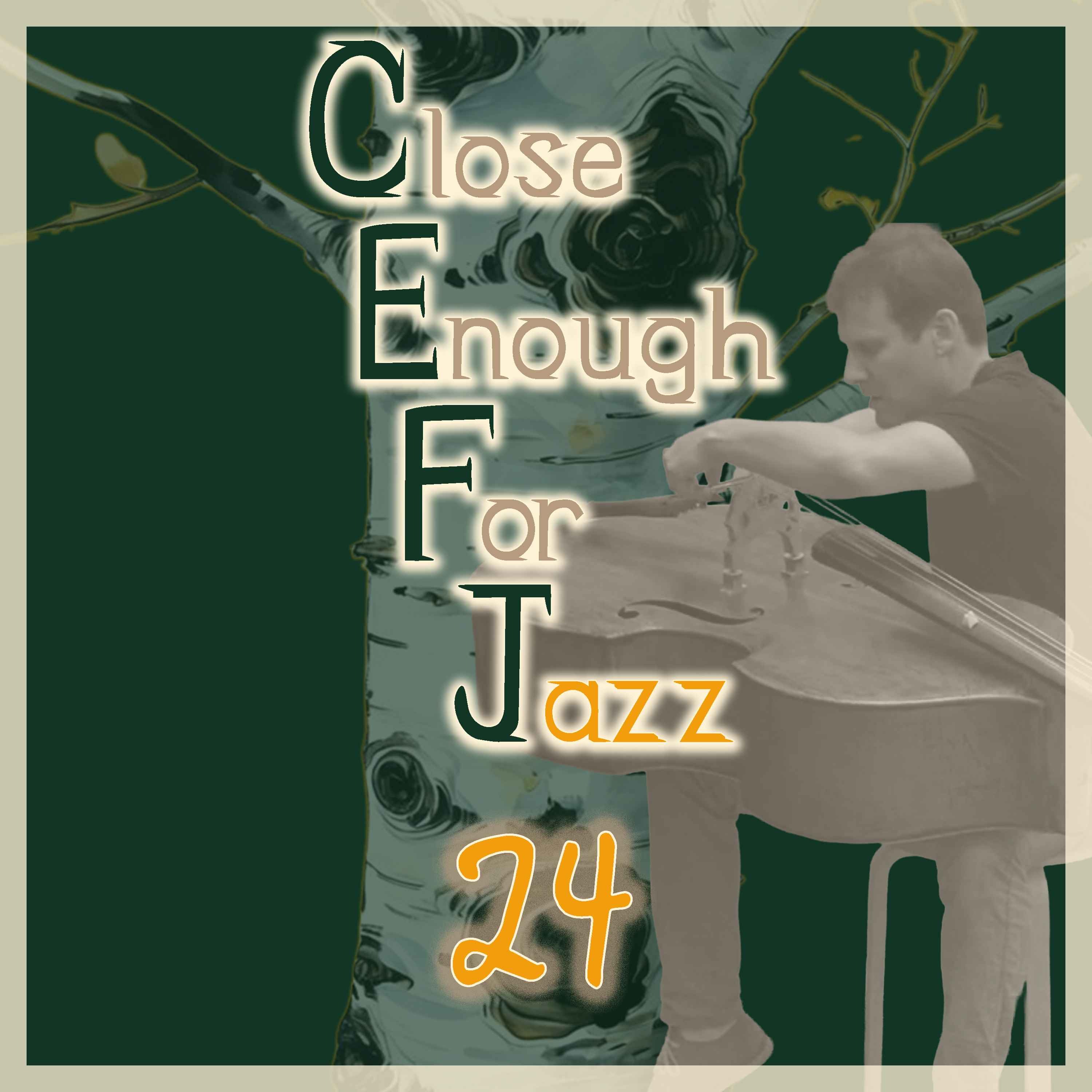
    Anthropic, Media Destruction, and the Dystopian Future of Music AI

    We explore the dystopian reality of tech companies destroying physical media to train their AI models and what this terrifying trend could mean for the future of the music industry. In this episode, we discuss the alarming revelation that Anthropic, the company behind Claude, has been purchasing physical books, chopping off their spines, and destroying them to ingest their data. We examine the "first-sale doctrine" loophole, recent reports from 404 Media about bulk-buying pre-2022 literature, and Lindsay compares this aggressive consumption of physical history to the "firemen" in Ray Bradbury's Fahrenheit 451. Shifting to our own industry, we analyze the Capitol Records v. ReDigi case and theorize about a future where tech giants purchase classic music catalogs solely to train AI models to perfectly clone legendary artists. Special Note: All the musical excerpts in this episode are from Smirk's "Not Your Grandfather's Jazz" that can be found at birchgrove.io. Timestamps: 00:00 - Intro: A dystopian AI episode 00:25 - Staying on top of AI in the music industry 01:57 - How Anthropic scanned and destroyed physical books to train Claude 03:54 - The "first sale doctrine" and the publishers' lawsuit 05:51 - 404 Media's report on ISBNdb and bulk-buying pre-2022 books 08:25 - Destroying physical history for AI slop-free data 09:36 - Ray Bradbury's Fahrenheit 451 and AI as the new "firemen" 11:45 - Private equity firms buying up music catalogs 13:45 - The Capitol Records v. ReDigi case and digital audio files 15:03 - The terrifying potential of feeding classic catalogs into AI 18:00 - Are there legal loopholes for shredding records like books? 21:18 - Treating art and physical media as nothing but data for the machine 24:29 - The theoretical scenario of an AI cloning George Clinton's catalog 25:34 - Outro: Let us know your thoughts in the comments BIRCH GROVE MEDIA Web: birchgrove.io Follow us: @birch.grove.media on Instagram. Watch on YouTube: youtube.com/@BirchGroveMedia Get the Record: Shop our current 180g LP and digital releases on our website. Rate and review us on Apple Podcasts or Spotify. Hosted on Acast. See acast.com/privacy for more information.
  • S1 · E22
    July 30 · 36 min

    The Disappearing Middle Class of Music Venues

    We record through a tornado warning to explore the global crisis facing live music venues, from the Live Nation antitrust lawsuit to the tragic closure of historic jazz clubs. In this episode, we break down the current state of music venues by analyzing the "ladder" of the live music industry. We discuss the recent Department of Justice antitrust ruling against Live Nation and Ticketmaster, before moving down the ladder to look at the devastating squeeze on mid-sized venues—the "missing middle"—and the recent closures of spaces like the Music Hall of Williamsburg, Highline Ballroom, and Stanhope House. Finally, we discuss the small-cap scene and legendary spots like the 55 Bar, Saint Vitus, and the Cotton Club. We also analyze new data on Gen Z's spending and drinking habits, noting a massive shift toward upscale, hybrid "treat yourself" venues and questioning how touring independent bands will survive without the traditional dive bar circuit. Timestamps: 00:00 - Intro: Recording through a tornado warning 01:25 - Defining the venue size "ladder" and its impact on musicians 03:22 - Large Venues: Madison Square Garden, Terminal 5, and Brooklyn Steel 04:39 - The DOJ antitrust lawsuit against Live Nation and Ticketmaster 08:08 - The Ticketmaster settlement and what it means for consumers 10:26 - Medium Venues: The "missing middle" and soaring tour costs 12:48 - Tragic closures: Music Hall of Williamsburg, Highline Ballroom, and The Well 16:04 - The end of the Stanhope House in New Jersey 17:21 - Small Venues: Dive bars, DIY spaces, and the end of the 55 Bar 18:46 - What happened to Saint Vitus Bar and Bowery Electric? 22:56 - Jazz Standard and the historic Cotton Club close their doors 25:11 - Debunking data on Gen Z drinking and spending habits 29:03 - The death of the middle class and the rise of upscale hybrid venues 34:25 - Outro: Are festivals like Big Ears the solution for touring bands? BIRCH GROVE MEDIA Web: birchgrove.io Follow us: @birch.grove.media on Instagram. Watch on YouTube: youtube.com/@BirchGroveMedia Get the Record: Shop our current 180g LP and digital releases on our website. Rate and review us on Apple Podcasts or Spotify. Hosted on Acast. See acast.com/privacy for more information.
  • S1 · E21
    July 23 · 29 min

    The Bling Pig Series - Bootleg from July 23, 2012

    We open the vault for the second installment of our Blind Pig series, traveling back 14 years to July 23, 2012, for a rare bootleg recording of Nicolas Letman-Burtinovic's Bomb X. Captured on an iPod left on the floor of the Brooklyn venue Sycamore, this unreleased set features an incredible lineup with Michael Attias on saxophone, Art Hirahara on piano, and Tyshawn Sorey on drums. We unpack the context of this performance—which shared a bill with Alan's band, Smirk—and reflect on what these heavyweights were up to in 2012, from Letman-Burtinovic's extended arco techniques to Tyshawn Sorey's prestigious ICE fellowship. Note: Please go find and enjoy the music of Nicolas Letman-Burtinovic, Michael Attias, Art Hirahara and Tyshawn Sorey. A few clips of their music were reposted in this episode. Birch Grove Media does not claim ownership of these performances or musical works, and is not monetizing this episode. This is shared purely for educational and archival appreciation. Timestamps: 00:00 - Intro: What is a Blind Pig speakeasy? 01:48 - Traveling back 14 years to July 23, 2012 02:17 - Introducing Nicolas Letman-Burtinovic's Bomb X 03:22 - Discovering the gig was recorded on an iPod 06:53 - Art Hirahara’s unexpected avant-garde piano playing 07:18 - Playing a double bill with Smirk at Sycamore in Brooklyn 09:45 - Michael Attias and the lost Brown House bootleg tapes 16:29 - Nicolas Letman-Burtinovic's extended bass techniques and protest music 22:49 - A snapshot of Michael Attias's 2012 album releases 23:44 - What Art Hirahara and Tyshawn Sorey were up to in 2012 29:15 - Outro: Tyshawn Sorey's abrupt endings BIRCH GROVE MEDIA Web: birchgrove.io Follow us: @birch.grove.media on Instagram. Watch on YouTube: youtube.com/@BirchGroveMedia Get the Record: Shop our current 180g LP and digital releases on our website. Rate and review us on Apple Podcasts or Spotify. Hosted on Acast. See acast.com/privacy for more information.
  • S1 · E20
    July 16 · 20 min

    Face’s Upcoming Album and the Glory Days of the Bushwick Loft Scene

    We step back to the gritty 2009 Brooklyn loft scene to announce the upcoming Birch Grove Media vinyl release of Fall 2009 by Alan's acoustic avant-garde band, Face. In this episode, we explore the origins of the group, tracking their evolution from high school friendships to playing lost Brooklyn venues like Goodbye Blue Monday and Evening Time Place. Alan breaks down the cast of characters, including the late Andrew Carrico, David Schnug, Pascal Niggenkemper, Cody Brown, and vocalist Matt Scollante—whose intense, yelling spoken-word performance at The Stone gave this album an explicit warning. We also take a clinical look at the realities of early DIY recording, with Alan explaining how he salvaged a highly flawed, 44.1kHz session recorded on cheap gear using modern audio plugins. Packed with stories about the "Almost V-Day Suite" and the parallel run of his electric band Smirk, this episode captures a definitive era of Brooklyn music ahead of the album's double vinyl release alongside Bear Skinner later this year. Timestamps: 00:00 - Intro: A yelling vocalist at The Stone 00:30 - Announcing the release of Face's Fall 2009 album 01:05 - The cast of characters: David Schnug, Pascal Niggenkemper, and more 02:00 - High school connections and moving to a Brooklyn Bedford Avenue apartment 03:45 - How the band's instrumentation evolved from the "Actually Actually" trio 05:27 - Remembering baritone saxophonist Andrew Carrico 06:43 - Recording the album on Halloween 2009 at the "Evening Time Place" loft 08:19 - The thriving 2009-2012 Bushwick loft scene and lost Brooklyn venues 10:00 - Face as a working acoustic band vs. the electric Smirk project 12:58 - Matt Scollante's unique spoken word performance 14:26 - Writing the "Almost V-Day Suite" over four years 16:56 - Salvaging a flawed 44.1kHz DIY recording with modern audio plugins 19:11 - The double vinyl release plan for Face and Bear Skinner 19:57 - Outro: Pick up the Smirk vinyl Podcast Footer: BIRCH GROVE MEDIA Web: birchgrove.io Follow us: @birch.grove.media on Instagram. Watch on YouTube: youtube.com/@BirchGroveMedia Get the Record: Shop our current 180g LP and digital releases on our website. Rate and review us on Apple Podcasts or Spotify. Hosted on Acast. See acast.com/privacy for more information.
  • S1 · E19
    July 9 · 30 min

    The 1985 AI Music Prophecies from a Computer Science Genius

    We unearth a 41-year-old time capsule from the first edition of OPtion Magazine that accurately predicted the rise of AI in music. We review a 1985 article by computer scientist Eric Mueller, who envisioned "interactive works" where AI reacts to live human improvisation and "distributed works" that use dial-up phone lines to connect musicians and computers in a massive feedback loop. The conversation traces Mueller's impressive background—from developing the DAYDREAMER program at UCLA to his work on IBM's Watson—and contrasts his highly experimental, avant-garde vision of AI with the style-cloning algorithms of today. We also discuss the LISP programming language, Stefon Harris's Harmony Cloud, and the debate over whether software is truly more interesting than hardware. Note: Birch Grove Media does not own the recordings featured in this episode. Featured Musical Examples: George Lewis Rainbow Family Premiere: https://youtu.be/i4bS-0tsVEg Laurie Spiegel on Algorithmic Composition: https://youtu.be/aJBDHxyLEHg Timestamps: 00:00 - Intro: What happens when the AI freezes up? 00:31 - Unearthing a 1985 AI music time capsule from OPtion Magazine 01:46 - Eric Mueller's "Entangling Computers and Music" 03:23 - The concept of "interactive works" and reactionary AI 04:34 - Comparing early AI ideas to Stefon Harris's Harmony Cloud 08:43 - Will musicians become programmers and vice versa? 10:42 - Feeding the program multiple source elements for complex reactions 13:22 - "Distributed works" and the concept of dial-up avant-garde music 17:52 - Learning the LISP programming language in 1985 20:04 - Debating if software is truly more interesting than hardware 22:41 - Eric Mueller's background with UCLA, MIT, and IBM's Watson 26:41 - Why 1980s AI concepts lend themselves perfectly to avant-garde jazz 27:28 - Interactive free improvisation vs. modern AI cloning apps 29:14 - The legacy of OPtion Magazine and its focus on experimental music BIRCH GROVE MEDIA Web: birchgrove.io Follow us: @birch.grove.media on Instagram. Watch on YouTube: youtube.com/@BirchGroveMedia Get the Record: Shop our current 180g LP and digital releases on our website. Rate and review us on Apple Podcasts or Spotify. Hosted on Acast. See acast.com/privacy for more information.

  • S1 · E18
    July 2 · 23 min

    The Military Histories of Ayler, Coltrane, and Threadgill

    To celebrate America's 250th birthday, we explore the wild stories of three legendary jazz musicians whose time in the US military permanently altered their musical paths. We start the conversation with Albert Ayler, who spent his Cold War deployment in France testing out his early free-jazz concepts on GI’s and civilians alike, eventually carrying those twisted military marches into his own quintets. Next, we look at John Coltrane’s strategic enlistment into the Navy to avoid the Army infantry, a move that led to his first public recordings at Pearl Harbor. Finally, we recount Henry Threadgill’s harrowing experience in Vietnam, where a controversial arrangement of "America the Beautiful" resulted in a front-line deployment, surviving the Tet Offensive, and returning home with a reshaped perspective that ultimately defined his compositional voice. Note: Birch Grove Media does not own the recordings featured in this episode. Timestamps: 00:00 - Celebrating America's 250th with jazz and military history 00:42 - Albert Ayler joins the Army during the Cold War 01:46 - Testing avant-garde solos in Parisian cafes and barracks 04:01 - Weaponizing military marches in his later music 05:14 - Listening to Ayler's 1959 Army band recordings 08:23 - John Coltrane’s strategic enlistment in the US Navy 11:17 - Kitchen patrol and the segregated military band at Pearl Harbor 12:53 - Listening to Coltrane's first-ever recording in Honolulu 16:47 - Henry Threadgill gets drafted out of Chicago 17:48 - An avant-garde arrangement gets Threadgill sent to Vietnam 18:46 - Trading a saxophone for an M-16 during the Tet Offensive 20:31 - How surviving the war shaped Threadgill's compositions BIRCH GROVE MEDIA Web: birchgrove.io Follow us: @birch.grove.media on Instagram. Watch on YouTube: youtube.com/@BirchGroveMedia Get the Record: Shop our current 180g LP and digital releases on our website. Rate and review us on Apple Podcasts or Spotify. Hosted on Acast. See acast.com/privacy for more information.

  • S1 · E17
    June 25 · 36 min

    The Blind Pig Series - Bootleg from June 25, 2004

    We open the vault to launch "The Blind Pig," a new ongoing series featuring rare, unreleased bootleg recordings of legendary live performances. To kick things off, we go back exactly 22 years to June 25, 2004, at the Village Vanguard for the JVC Jazz Festival. The featured recording captures Uri Caine’s "Blue Wail" project, featuring Greg Osby, Drew Gress, and Ben Perowsky. We explore the context of the 2004 jazz scene while listening to the MiniDisc audio capture, and reflect on the era. Note: Please go find and enjoy the music of Uri Caine, Greg Osby, Drew Gress, and Ben Perowsky. A few clips of their music were reposted in this episode. Birch Grove Media does not claim ownership of these performances or musical works, and is not monetizing this episode. This is shared purely for educational and archival appreciation. Timestamps: 00:00 - Intro: Launching the Blind Pig bootleg series 01:17 - Traveling back 22 years to June 25, 2004 01:46 - Uri Caine's Blue Wail at the JVC Jazz Festival 03:35 - Cheesy Vanguard marketing and Uri Caine's legendary week-long run 07:40 - The impressive audio quality of 2000s MiniDisc recorders 10:08 - Disclaimer: Birch Grove Media makes zero money on these recordings 10:36 - Listening to the trio swing and Ben Perowsky’s deep feel 18:22 - Where Uri Caine, Greg Osby, and Drew Gress were in 2004 21:04 - Alan reflects on his sophomore year at William Paterson 27:43 - Giving bass players generous solos and listening to Drew Gress 32:03 - Listening to Greg Osby's original composition "Equalatogram" 33:57 - Playing Osby charts in James Weidman's ensemble 36:09 - Outro BIRCH GROVE MEDIA Web: birchgrove.io Follow us: @birch.grove.media on Instagram. Watch on YouTube: youtube.com/@BirchGroveMedia Get the Record: Shop our current 180g LP and digital releases on our website. Rate and review us on Apple Podcasts or Spotify. Hosted on Acast. See acast.com/privacy for more information.
Showing 1–20 of 32 episodes