Skip to content
Artwork for Classics Read Aloud
FictionEducation

Classics Read Aloud

Ruby Love

You're never too young or too old to enjoy being read to.

classicsreadaloud.substack.com
Play
  • 21 episodes
  • weekly
  • Avg 37 min
  • English
Counted on this page — what you have heard stays on this device, so it is not something the list can be paged by.
  • August 18 · 47 min

    My Ántonia (an excerpt), Willa Cather (1918)

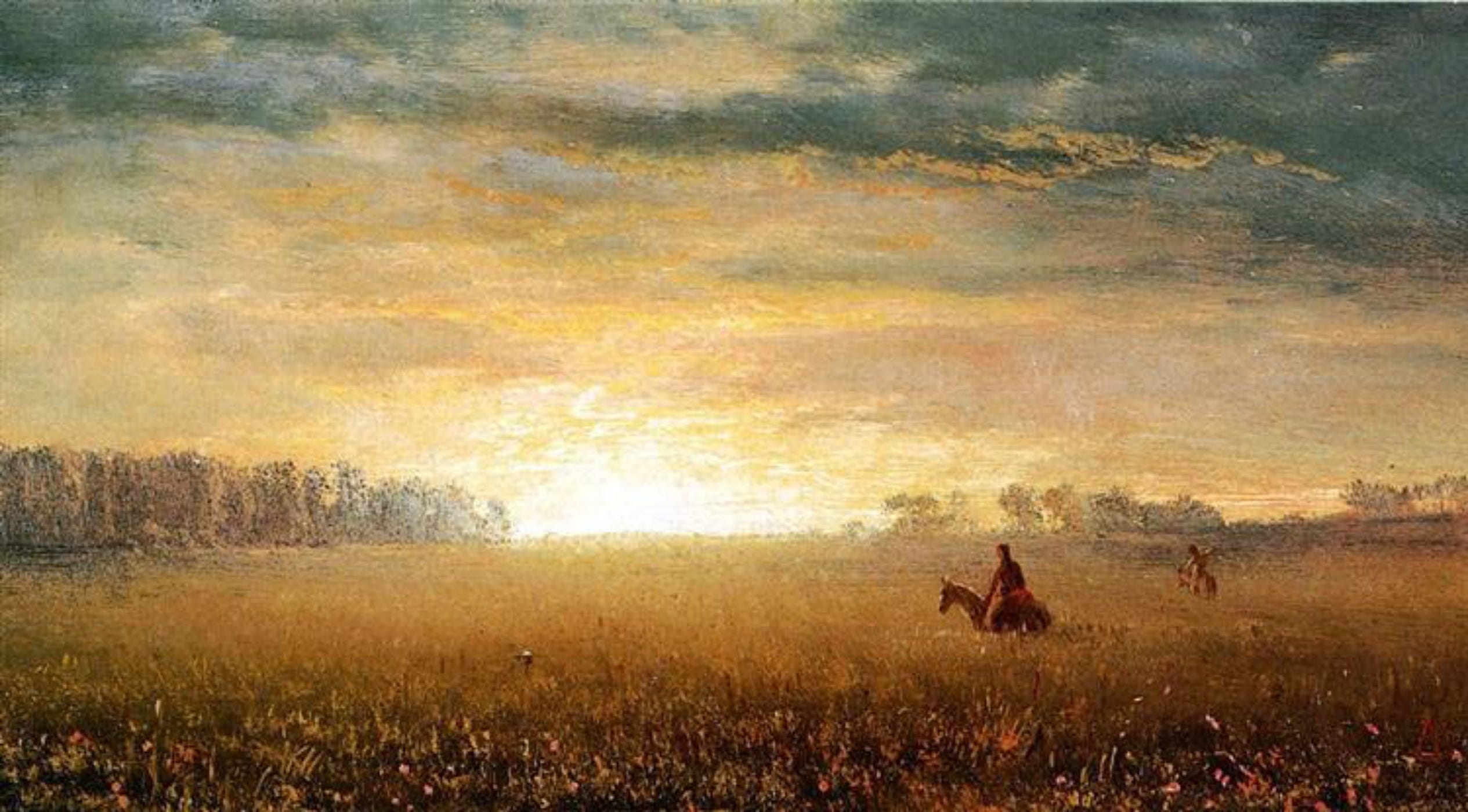
    “I was something that lay under the sun and felt it … and I did not want to be anything more. I was entirely happy. Perhaps we feel like that when we die and become a part of something entire, whether it is sun and air, or goodness and knowledge. At any rate, that is happiness; to be dissolved into something complete and great.” When Willa Cather was only a child, her parents picked her up and headed west, along with her six siblings, to follow in the footsteps of her father’s family. They left behind a large and prosperous estate amongst the rolling, verdant hills of Virginia for the vast, treeless expanse of the plains. Their destination, Red Cloud, Nebraska, claimed only 1,000 residents at the time. While My Ántonia is not strictly autobiographical, it plays the tune of a song written in her mind during those years of transition. Having already published two novels, Alexander’s Bridge and O Pioneers!, both to critical acclaim, she followed Sarah Orne Jewett’s urging to pour her childhood experience in Nebraska onto the page. This was the right advice at the right time, for, as H.L. Mencken observed, “[Cather] has got such a grip upon her materials—upon the people she sets before us and the background she displays behind them—that both take on an extraordinary reality. I know of no novel that makes the remote folk of the western prairies more real than My Ántonia makes them, and I know of none that makes them seem better worth knowing.” The novel centers on the lives of Jim Burden and Ántonia Shimerda, two young people who find a natural friendship as they adjust to new lives: Jim, having arrived on the plains to live with his grandparents after the death of his parents; and Ántonia, who arrived as an immigrant with her family, ill-equipped to manage the hardness of frontier life. The story is told through Jim’s eyes, and one is struck with the steady interplay of comfort (his grandmother’s care, the sturdiness of his new home) and uncertainty (the risk of rattlesnakes, the expanse of tall grasses to the horizon that feel like the edge of the earth) of his situation. And so it is with life. “That is happiness; to be dissolved into something complete and great.” Cather selected this line from My Ántonia as her epitaph, to be carved onto the face of her tombstone as a representation of her truest sentiment and the lasting claim that the region held on her soul. Please enjoy… Headline Image: Sunset of the Prairies | Albert Bierstadt, c. 1860-1880] This is a public episode. If you would like to discuss this with other subscribers or get access to bonus episodes, visit classicsreadaloud.substack.com

  • August 8 · 15 min

    "After the Race," James Joyce (1914)

    “Rapid motion through space elates one; so does notoriety; so does the possession of money.” Although the short stories that comprise James Joyce’s Dubliners are now regarded as among the finest in the English language, Joyce had tremendous difficulty finding a publisher for them at the time: They were complete by 1907, but the full collection did not appear in print for another seven years. Joyce spent the intervening period dealing with over a dozen rejections, including a printer who burned all but one copy of the manuscript, which he had to re-obtain from them via subterfuge. It is a minor miracle that the collection survived long enough to see publication at all. Given the harsh and sometimes violent reactions, one might expect a collection full of obscenity and vulgarity, of the sort that resulted in the censorship of Joyce’s later novel, Ulysses. However, Dubliners is never crude or gratuitous, even when it deals with the underbelly of Dublin society. What, then, explains the backlash? What could have so enraged the earliest members of Joyce’s public? We may find part of the answer in “After the Race,” one of the collection’s earlier stories. Along with a few other early works, it saw initial publication in the Irish Homestead, a journal associated with the Irish Home Rule movement. They were soon pulled, however, after being deemed unsuitable for the paper’s readers. Perhaps the publication’s editors could sense Joyce’s disapproval of the strain of nationalism that was popular with his contemporaries, even through the subtlety of his writing. “After the Race” centers on Jimmy Doyle, a young Irish man afforded the privilege of speeding around in luxurious cars with wealthy friends from the European continent. Although he feels elated to be seen among such elite company, he is soon in over his head and, in his longing to fit in amongst the heavy-hitters, is taken for the proverbial ride. Many have speculated that Joyce was projecting his own concerns over the Continent’s treatment of his homeland as the suckers at the poker table. Political critique aside, Joyce’s writing is as rich and vivid as ever, making this story a delight for any reader, regardless of time or place. Please enjoy... Subscribe to Classics Read Aloud to receive future readings, including commentary and interesting “et cetera” tangent links, right to your inbox: https://classicsreadaloud.substack.com/subscribe This is a public episode. If you would like to discuss this with other subscribers or get access to bonus episodes, visit classicsreadaloud.substack.com
  • July 31 · 35 min

    "Our Mark Twain," Helen Keller (1929)

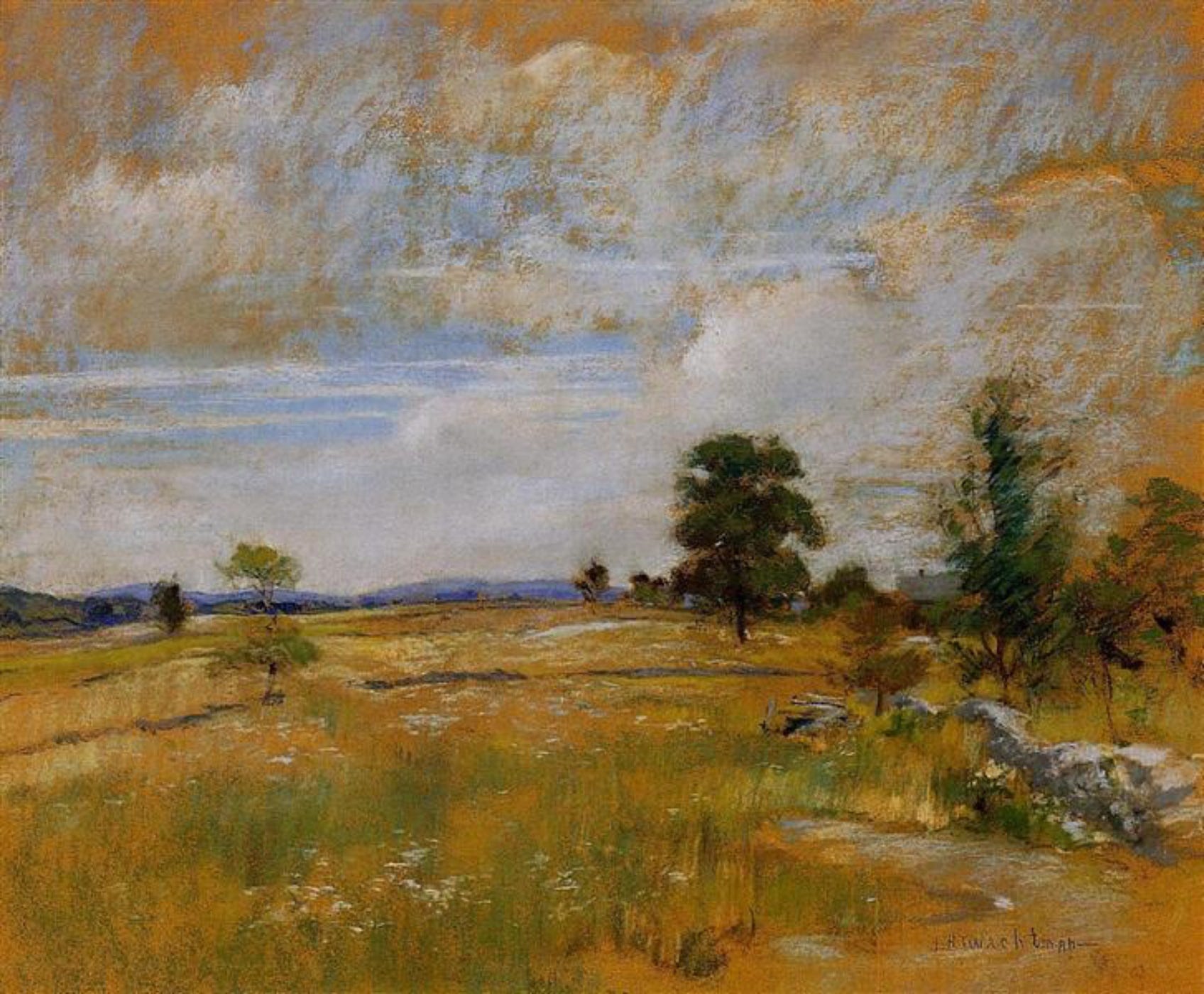
    “The great Mississippi River seemed forever flowing, flowing through his speech, through the shadowless white sands of thought. His voice seemed to say like the river, ‘Why hurry? Eternity is long; the ocean can wait.’” Many societies are in the habit of elevating important cultural figures to the status of near-mythical heroes, and the United States is certainly no exception. So deep is the reverence for our great politicians, athletes, and artists that it can be easy to forget that they were human beings, complete with just as many complexities and nuances as anybody else. Understanding them as people often requires a considerable amount of investigation. Such is very much the case for Mark Twain, who was already being lauded as one of the nation’s greatest writers and satirists during his lifetime and has only become more so since his death (find one of his short stories, “The Celebrated Jumping Frog of Calaveras County,” read aloud here). Perhaps it was in an effort to escape this towering image that he built Stormfield, the remote Connecticut mansion where he lived for the last two years of his life, which he initially called “Autobiography House.” As if in recognition of the fact that his public image had become something apart from who he was, he decorated one of the rooms with caricatures of himself. One of the most insightful looks at the man behind the mythology comes from a similarly valorized figure in American culture: Helen Keller. Ironically, “Our Mark Twain,” an account of their friendship that she wrote for The American Magazine, deals not with the popular image of Twain but with “Mr. Clemens” as he appeared to those with whom he shared his final home. The result is more than a little melancholy, which may come as a surprise to those who are only familiar with Twain as the great humorist, but therein lies much of its value. Stormfield burned to the ground some time after Twain’s death, leaving only a single stone wall behind, but Keller’s vivid writing preserves not only the estate itself but, more importantly, the human being who lived there. Please enjoy… Headline Image: Connecticut Landscape by John Henry Twachtman, c. 1890 An excerpt from My Ántonia by Willa Cather, 1918 “After the Race” by James Joyce, 1904 This is a public episode. If you would like to discuss this with other subscribers or get access to bonus episodes, visit classicsreadaloud.substack.com
  • July 24 · 27 min

    “Summer” from Jean Gourdon’s Four Days, Émile Zola (1874)

    Just as the joyful exuberance of spring eventually gives way to the trying heat of summer, the innocent enchantments of childhood give way to the formative trials of adult life. Émile Zola was intimately familiar with such tests: Over 20 years after Jean Gourdon’s Four Days, he published J’Accuse...!, an open letter defending French army officer Alfred Dreyfus from charges of treason and accusing his persecutors of antisemitism, risking his career and personal safety in the process. He was charged with libel and had to spend over a year in England to avoid imprisonment. Like Dreyfus, Jean Gourdon finds himself serving in the army in the second chapter of his story, though his tribulations come on the battlefield instead of in the courtroom. Courtesy of Zola’s vivid descriptions, one feels the sweltering summer heat almost as powerfully as the carnage of warfare. A trial by fire, indeed. Perhaps, even decades before he felt called to live by such principles himself, Zola understood the importance of doing one’s duty in the face of any kind of danger the world can summon. Perhaps Gourdon, who remains faithful to the family he is building back home through all of his experiences, served as an unattainable ideal for his creator, who would go on to father multiple children out of wedlock. That would help to explain the novella’s dream-like, poetic style, which stands in stark contrast to the author’s usual approach. Whatever the case may be, Zola’s deep understanding of the human condition and transportive powers of language are sure to make this chapter a moving experience no matter where and when it is experienced. Please enjoy... Subscribe to Classics Read Aloud to receive future readings, including commentary and interesting “et cetera” tangent links, right to your inbox: https://classicsreadaloud.substack.com/subscribe This is a public episode. If you would like to discuss this with other subscribers or get access to bonus episodes, visit classicsreadaloud.substack.com
  • July 17 · 47 min

    The Kiss, Anton Chekhov (1887)

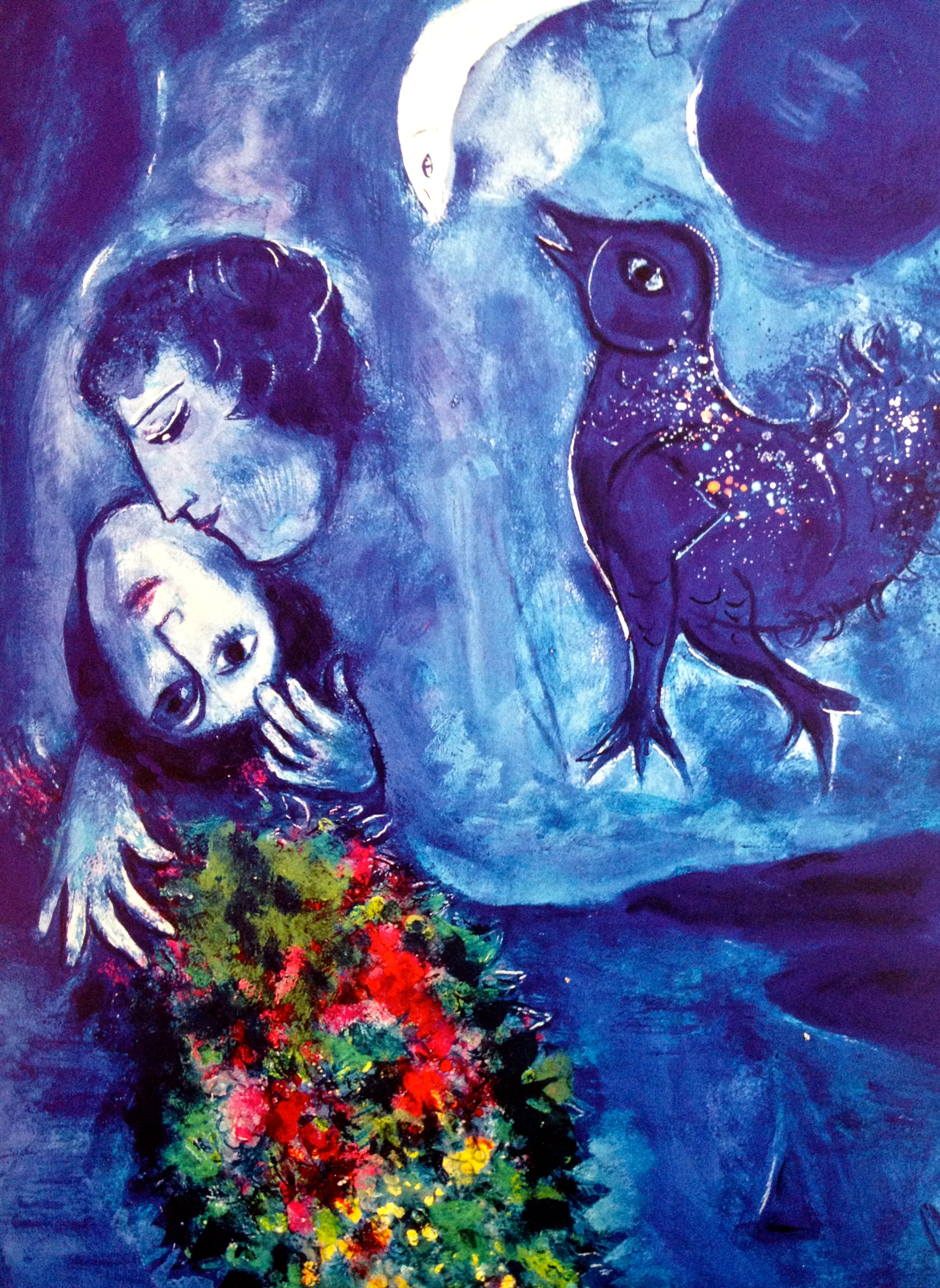
    I am just settling back in after walking the Camino de Santiago with my family. A new reading will be published next week. In the meatime, please enjoy a gem from the archives. Anton Chekhov’s “The Kiss” remains my favorite reading to date. If you missed these stories the first time around, now is a great time to listen or explore the archives on your own (searchable by date recorded, by author, and by theme). The writer Anton Chekhov was also the doctor Anton Chekhov. Between these two worlds, he supported his extended family with the practice of medicine and supported his artistic passions with the pen, declaring, “Medicine is my lawful wife and literature is my mistress.” Anyone can guess which one he found more alluring. In his short story “The Kiss,” Chekhov aligns our attention with a rather lonely, insecure Russian officer named Ryabovitch. In today’s parlance, you could say the poor guy suffers from “low T.” Through an unorthodox chance encounter, Ryabovitch’s sleeping imagination is sparked, igniting a dormant verve. He suddenly discovers a confidence, albeit fleeting, that he may not, after all, be left out of a normal sort of life. This awakening of the spirit is reflected in a number of small details—the trilling of a nightingale, the tingling sensation, almost of peppermint, on the cheek, the sense of time folding in on itself. That is the very allure of Chekhov’s style…the creative moment emerges from the mundane. The playwright and critic Maurice Valency remarked of Chekhov, “His great talent lay in his sensitive depiction of life around him, the physical and psychic landscape in which he lived.” While Valency made this remark after, rather derogatorily, declaring Chekhov to have no philosophical point of view, the description is apt. (Although it must be said that Valency himself was known best for his stage adaptations of the work of others…how’s that for a point of view?) Chekhov certainly had an angle. Once one reads but a handful of his short stories, it becomes abundantly clear that he was burdened with realism and buoyed by romanticism. Indeed, in reaction to seeing his plays continually brought to life as tragedies, he protested with his philosophical prod towards optimism: “All I wanted was to say honestly to people: ‘Have a look at yourselves and see how bad and dreary your lives are!’ The important thing is that people should realize that, for when they do, they will most certainly create another and better life for themselves.” I think you’ll agree that “The Kiss” delivers exactly that…a beckoning towards a better life, a more enduring happiness. Please enjoy… Headline Image: Blue Landscape by Marc Chagall, 1949 This is a public episode. If you would like to discuss this with other subscribers or get access to bonus episodes, visit classicsreadaloud.substack.com
  • July 10 · 1 hr 2 min

    Double Birthday, Willa Cather (1929)

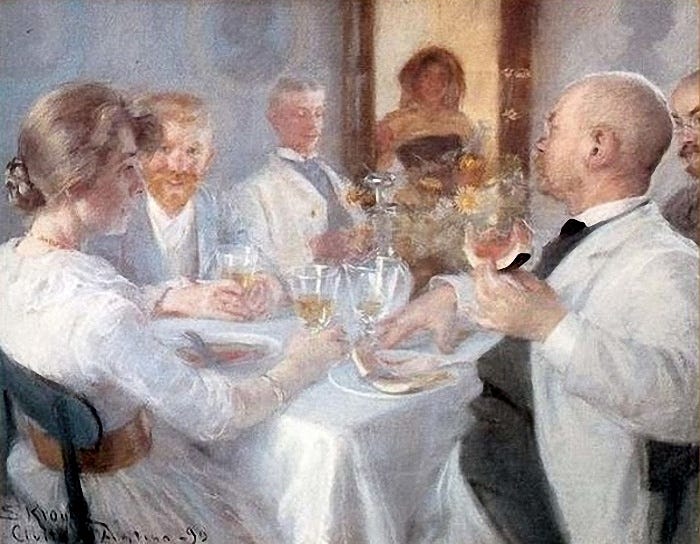
    I am currently walking 162 miles of the Camino de Santiago with my family. While on this pilgrimage, I am republishing some of my favorites from the archives. Willa Cather’s “Double Birthday” was the very first reading I published on Substack. If you missed these stories the first time around, now is a great time to listen or explore the archives on your own (searchable by date recorded, by author, and by theme). By the time the short story “Double Birthday” appeared in the pages of The Forum in February of 1929, Willa Cather was already well-known and widely published. One of Ours had earned the author a Pulitzer in 1923, and her novel Death Comes for the Archbishop was released in serial form in The Forum in 1927. In many respects, Cather was approaching the zenith of her career that year, having been awarded an honorary degree from Yale University and elected to the National Institute of Arts and Letters. In 1931, she appeared on the cover of Time Magazine. Accomplishment can give one a certain level of freedom to move about. It was at this time that Cather departed from the prairie themes found in earlier works (My Ántonia and O Pioneer), preferring to explore the complications of more cosmopolitan settings. She began using her writing to examine culture, nostalgia, memory, and spirituality. It is no wonder, then, that “Double Birthday” found its way to the public via The Forum. For this story, Cather chose not a literary magazine per se, but rather one that was a hub for cultural and political debate. Willa Cather here writes of the years after World War I; a time of necessary transitions as the formalities of life before the war became off-putting, excessive, and flat after so much destruction. Previously cherished traditions (“full of chests of linen like this”) teetered in purgatory, awaiting a new place to land. In this vein, the thrust of Cather’s narrative leans towards an acceptance of time’s arrow. Known as a pragmatist in her personal life, Cather’s tone is congruent with her likely approach to this phase of her life and to society at large. Dour though the topic may be, Cather executes her tableau with terrific pace and scintillating wit. Please enjoy… Headline Image: Luncheon at Antino by Peder Severin Kroyer, c. 1890 This is a public episode. If you would like to discuss this with other subscribers or get access to bonus episodes, visit classicsreadaloud.substack.com
  • July 3 · 20 min

    The Declaration of Independence (1776)

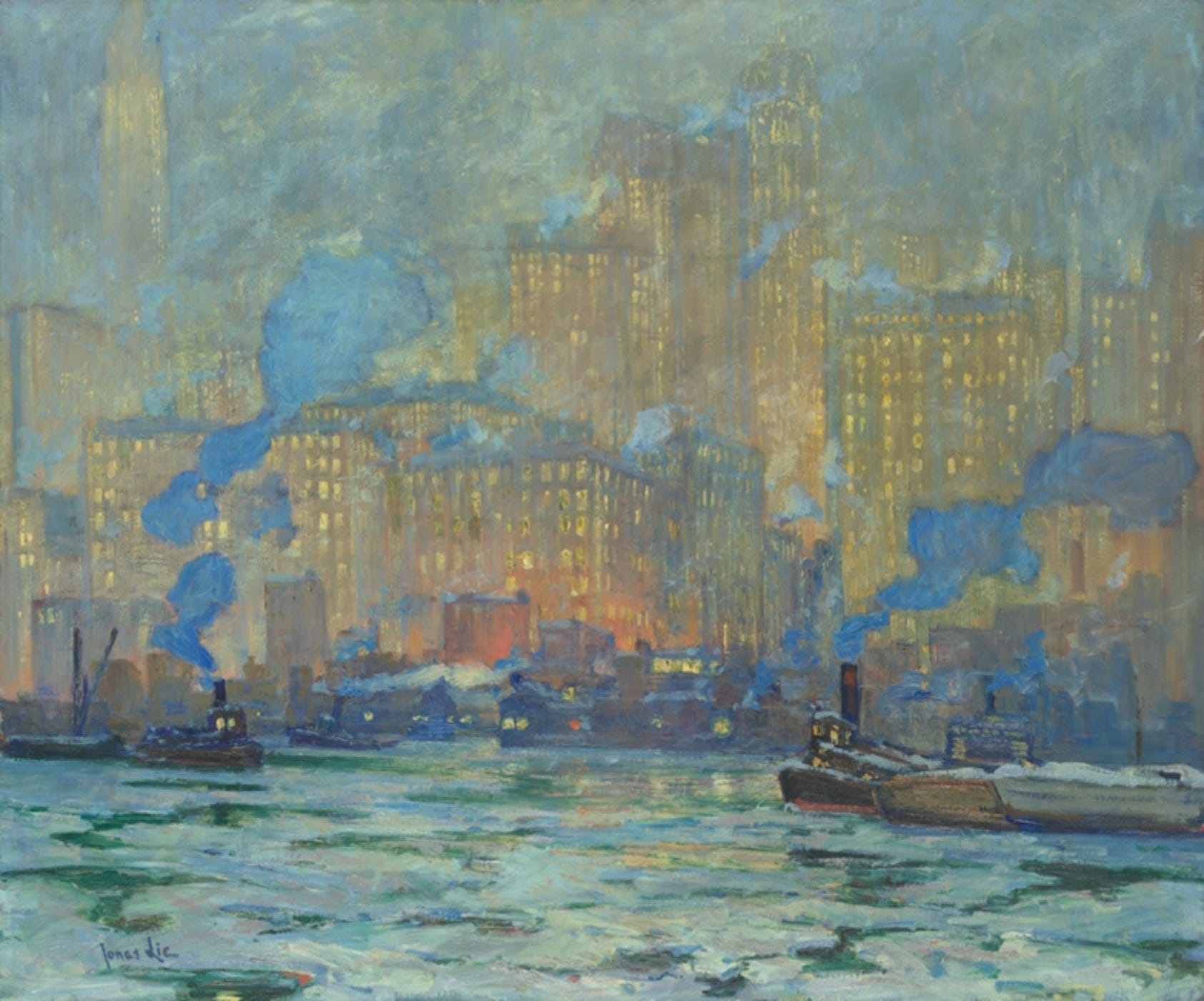
    The World Cup is making its way across the United States this summer, and with it, there is a newfound international appreciation for all things American. While the mass media is fond of highlighting the broad European fascination, nay, envy, of our humming temperature-controlled interiors; our giant Buckee’s, Wal-Marts, and refrigerated meat departments; and our ubiquitous “ranch sauce,” I hope there is something more brewing amidst the fervor that infects those within her borders. America is as divided as it is majestic. It is today, as it was in the 1970s, as it was in the 1860s, as it will be again. I, for one, find the tendency towards eyebrow-raising and cynical observation an all-too-alluring siren song, and I don’t think such dispositions deliver any worthy outcomes. Rather, I aim to focus my energy on what Helen Keller named, in 1929, “the pioneer qualities” of the country, “the large, free, unconventional, humorous point of view of men who sail new seas and blaze new trails through the wilderness.” These admirable, creative pioneer qualities are what have lifted up generations of ambitious, hard-working, determined families. They have also given birth to, quite naturally, a host of equally damaging proclivities. In a letter to his wife on the eve of signing the Declaration of Independence, John Adams worries over these tendencies. He confides in her that our many “Errors, Follies, and Vices…threaten to disturb, dishonour, and destroy Us.” He, along with his fellow signatories, knew of the risks they were taking in striking out from the crown, for human nature is predictable, especially when ordained with “unbounded Power.” And yet, they went forward with their great ambition, and we are here, two hundred and fifty years later, finding new ways to exercise our inclination to sail new seas and blaze new trails through the wilderness. Magnificence aplenty. Please enjoy this reading of John Adams’ letter, as well as the Declaration of Independence itself. When was the last time you connected with it directly? For most of us, it has been far too long. Headline Image: Afterglow by Jonas Lie, c. 1913 This is a public episode. If you would like to discuss this with other subscribers or get access to bonus episodes, visit classicsreadaloud.substack.com
  • June 26 · 44 min

    Big Two-Hearted River, Ernest Hemingway (1925)

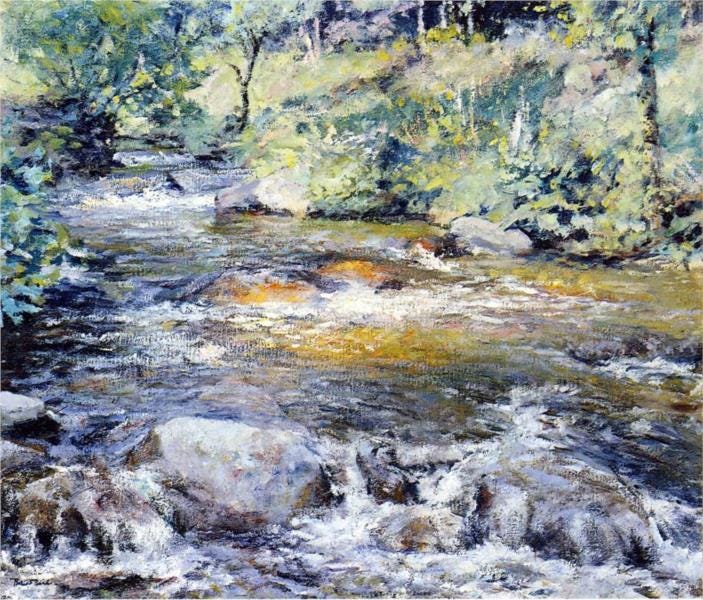
    I am currently walking 162 miles of the Camino de Santiago with my family. While on this pilgrimage, I am republishing some of my favorites from the archives. Hemingway’s “Big Two-Hearted River,” released in September of last year, remains one of my most popular recordings. If you missed these stories the first time around, now is a great time to listen or explore the archives on your own (searchable by date recorded, by author, and by theme). ___ Every day, dozens of outdoorsmen head out into nature, armed with video cameras, battery packs, and oh-so-many envelopes of instant oatmeal, to capture their communion with nature. And every day, tens of thousands of would-be outdoorsmen tune into YouTube to watch the newest videos coming from the field. The outdoor genre is booming, with estimates easily topping more than 1 billion views per year. One can’t help but wonder if that concentrated energy isn’t chasing just a small taste of what Hemingway offers us with “Big Two-Hearted River.” His short story, published in May of 1925 in the inaugural issue of This Quarter, presents a semi-autobiographical sojourn to the waters of Upper Peninsula, Michigan, where the main character, Nick Adams, goes trout fishing and reminds the reader what a conversation with Mother Nature really sounds like. If you want an example of true mindfulness, this is it. Hemingway doesn’t allow Nick’s thoughts to wander towards the depths of worry, despair, or even hope that are surely there (as they are with all of us). Rather, he reverently savors the doing of this overnight fishing trip and the peaceful, almost gluttonous solitude it affords. “While he waited for the coffee to boil, he opened a small can of apricots. He liked to open cans. He emptied the can of apricots out into a tin cup. While he watched the coffee on the fire, he drank the juice syrup of the apricots, carefully at first to keep from spilling, then meditatively, sucking the apricots down. They were better than fresh apricots.” “Big Two-Hearted River” became the foundation upon which Hemingway built his first collection of short stories, In Our Time. Please enjoy… Headline Image: The Brook by Robert Lewis Reid, c. 1915 This is a public episode. If you would like to discuss this with other subscribers or get access to bonus episodes, visit classicsreadaloud.substack.com
  • June 19 · 42 min

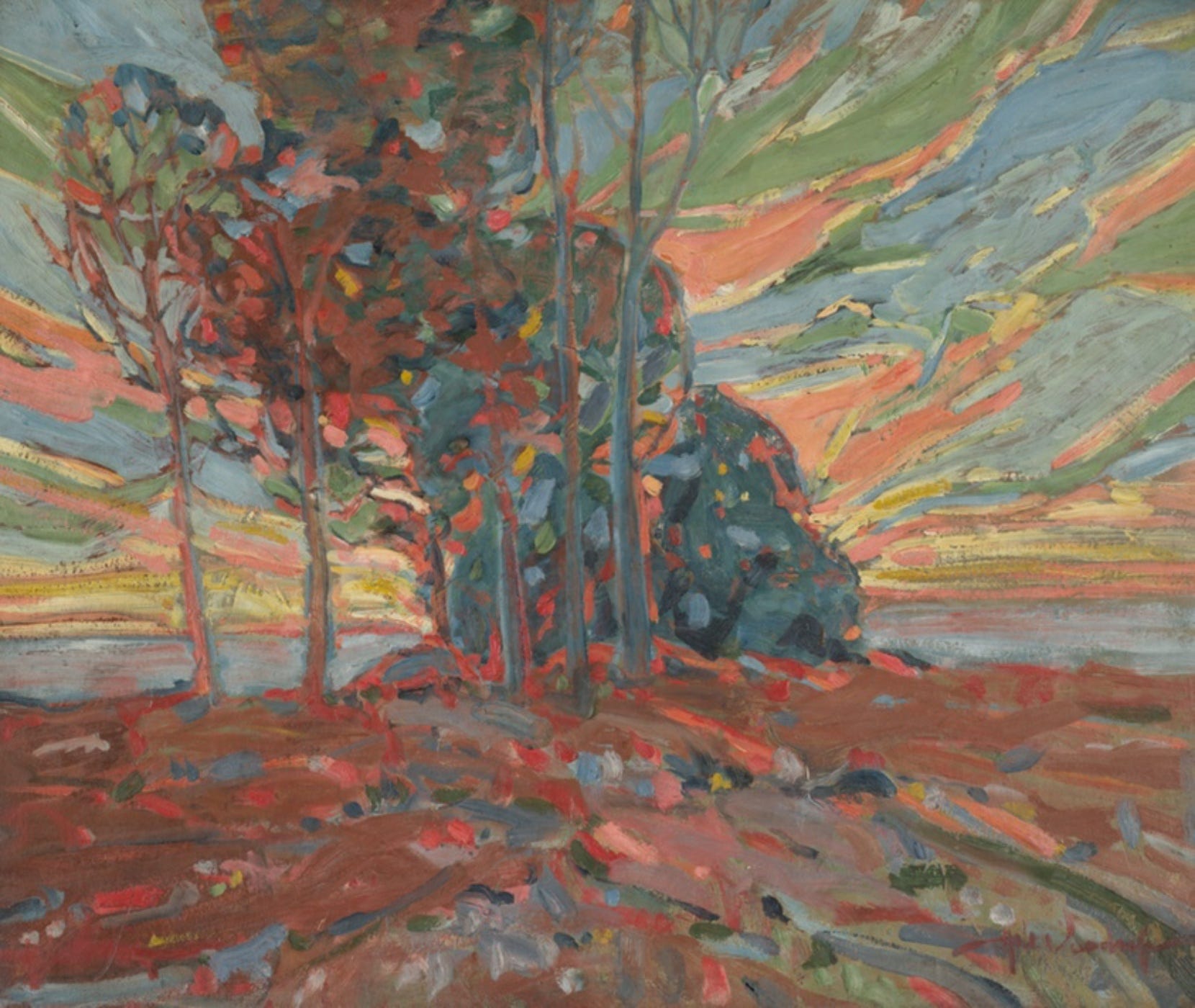
    “Indian Summer of a Forsyte” from The Forsyte Saga, John Galsworthy (1918)

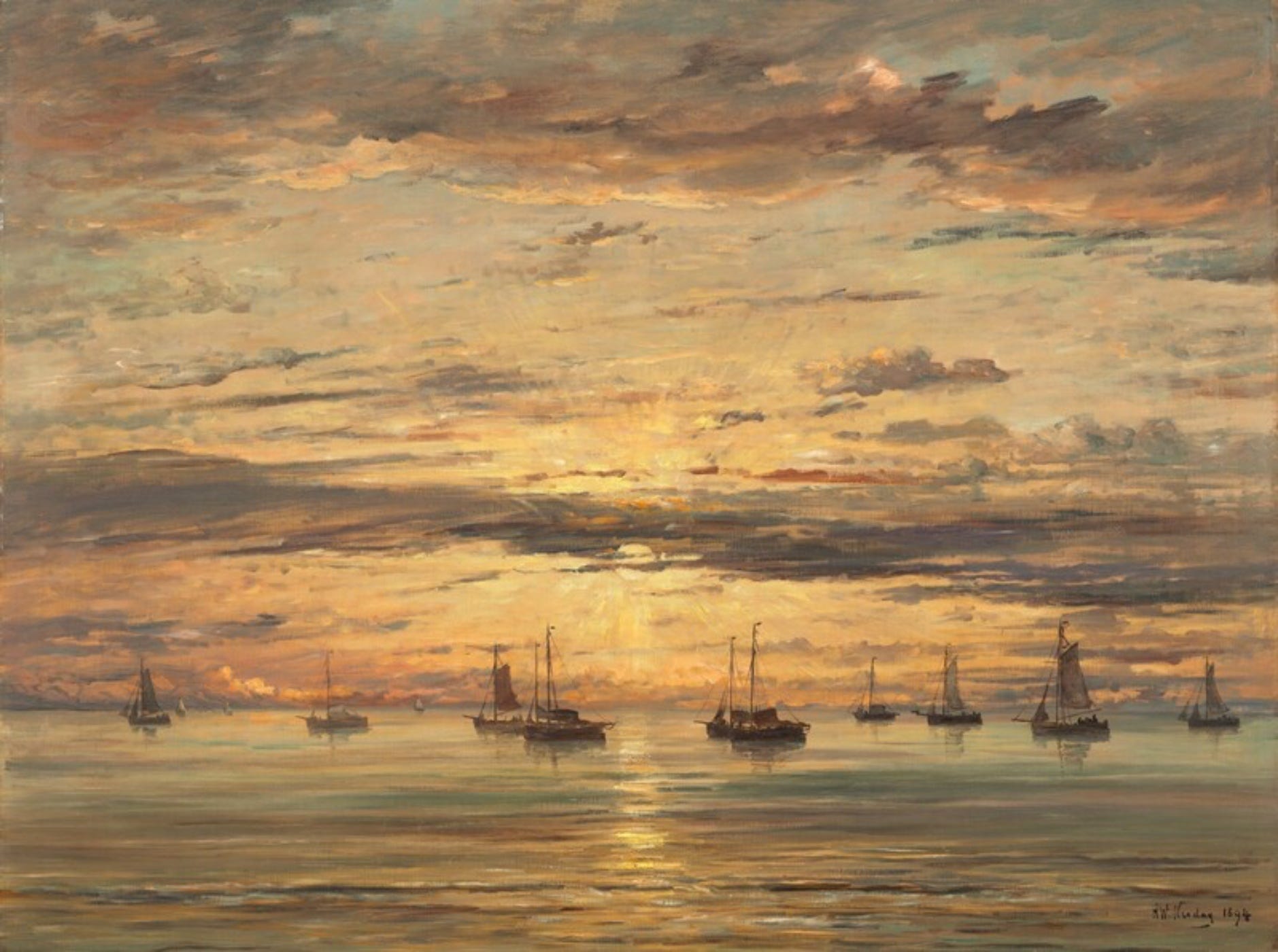
    “The thought that some day—perhaps not ten years hence, perhaps not five—all this world would be taken away from him, before he had exhausted his powers of loving it, seemed to him in the nature of an injustice brooding over his horizon. If anything came after this life, it wouldn’t be what he wanted; not Robin Hill, and flowers and birds and pretty faces—too few, even now, of those about him!” In 1906, John Galsworthy published Man of Property, the first novel in his acclaimed and oft-adapted The Forsyte Saga. It was met with the best sales and reviews of his career. (My reading of an excerpt from the book can be found here.) Despite its immediate success, Galsworthy was not quick to follow up The Man of Property. It took him 12 years to return to the Forsytes, a period he spent writing unrelated novels, putting on plays, and campaigning for various political causes. By the time Galsworthy finally revisited his most iconic creations, the world had changed dramatically. The First World War had upended much of the social order that produced families like the Forsytes, and the new generation of writers that emerged in its wake was not kind to his tales of the old aristocracy. The Man of Property would soon be called feeble, bloodless, and fake, though great literature always weathers such criticisms. Perhaps motivated by his advancing age—he was too old to serve in the army and felt that he was not contributing enough to the war effort—or perhaps by the suspicion that there would soon be little interest in a family like the Forsytes, Galsworthy returned to their story with both a rapid pace of work and a reflective mood. “Indian Summer of a Forsyte,” the 1918 interlude that preceded two more novels in the saga by 1921, focuses on patriarch Old Jolyon’s recognition of aging and his anticipatory grief over losing the things he holds dear. Looking out over the expanse of his acreage, the old man observes that “the orthodoxy he had worn in the ’sixties, as he had worn side-whiskers out of sheer exuberance, had long dropped off, leaving him reverent before three things alone—beauty, upright conduct, and the sense of property; and the greatest of these now was beauty.” It is shortly after this that Old Jolyon comes across a surprise visitor who is the embodiment of Beauty itself, and the two revel in each other’s company, while we, the reader, become uniquely aware of the shared grievance these two have for the temporary nature of life’s most precious happinesses. Galsworthy took note of such shifts in his own life, commenting on the departure from one set of priorities to another as an “endless duel fought within a man between the emotional and critical sides of his nature.” Was this Indian Summer interlude an opportunity to work this duel out on the page? Or was it, perhaps, Galsworthy’s attempt to soften the interpretation of his aristocratic position in the public eye by going in-depth on a character both representative and sympathetic? The Forsytes may be departed from the world, but there is still much to appreciate in Galsworthy’s depiction of this struggle, which plays out in various forms for every successive generation. Please enjoy… Headline Image: Sunset at Scheveningen by Hendrik Willem Mesdag, 1894 Subscribe to Classics Read Aloud to receive future readings, including commentary and interesting “et cetera” tangent links, right to your inbox: https://classicsreadaloud.substack.com/subscribe This is a public episode. If you would like to discuss this with other subscribers or get access to bonus episodes, visit classicsreadaloud.substack.com
  • June 12 · 27 min

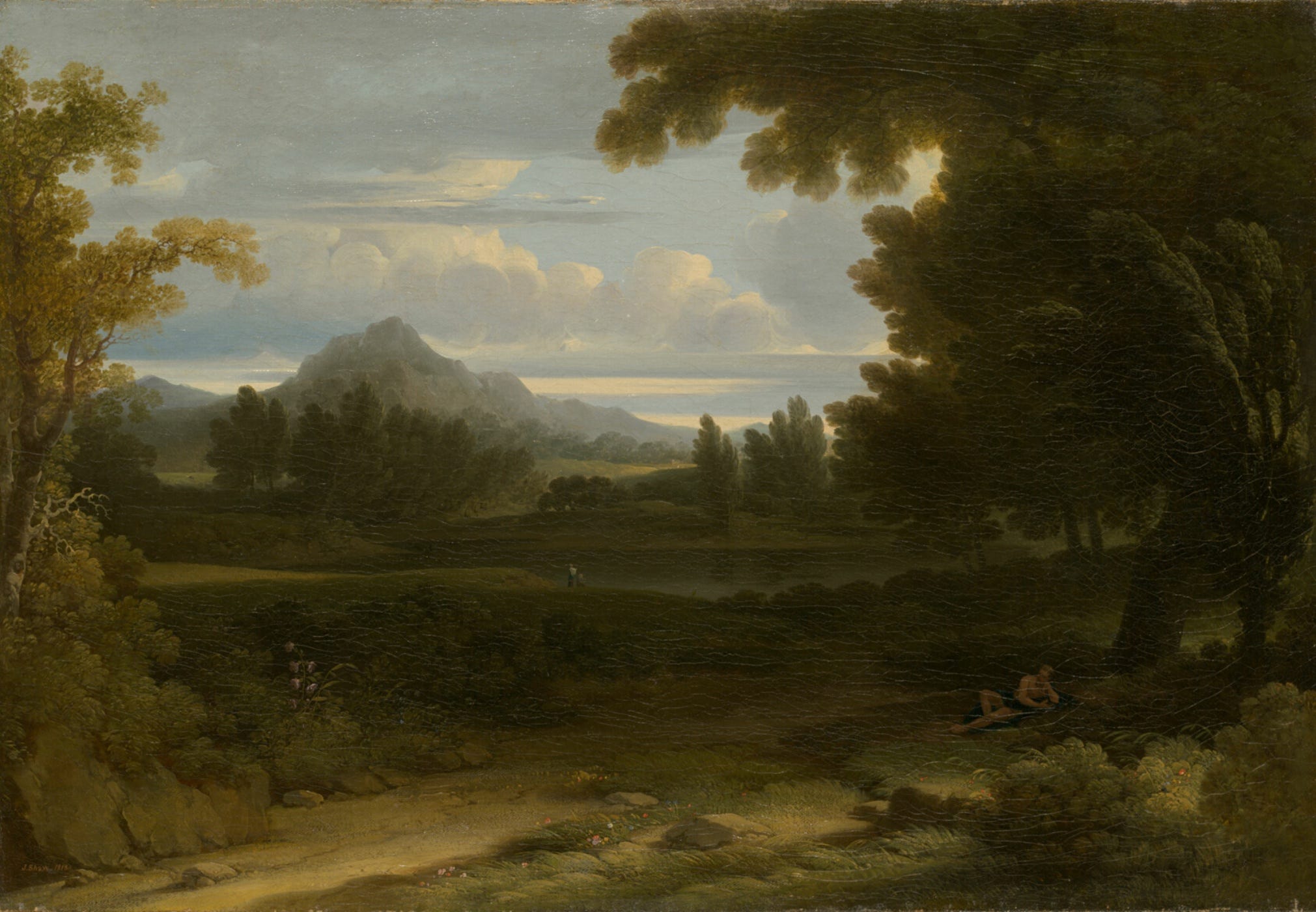
    A White Heron, Sarah Orne Jewett (1886)

    “The tree seemed to lengthen itself out as she went up, and to reach farther and farther upward. It was like a great main-mast to the voyaging earth; it must truly have been amazed that morning through all its ponderous frame as it felt this determined spark of human spirit creeping and climbing from higher branch to branch.” Sarah Orne Jewett is one of those great American writers who enjoyed broad popularity while alive but whose name has fallen off the dwindlingly short list of classic writers with modern day recognition. This says more about the tenor of modern modes of entertainment than it does about the quality of her writing. Along with friend and contemporary Mary Wilkins Freeman (a recording of her story “Shadows on the Wall” can be found here), Jewett was published regularly by The Atlantic and Harper’s and under myriad regional mastheads across the country. The focus of Jewett’s entire life, personal and professional, rested in New England. She was raised in New Berwick, Maine, on a family property that situated her childhood home right next door to her grandparents. As a girl, she accompanied her father, a local doctor, on his rounds to visit patients in town and on the neighboring farms, and her life remained comfortably bound to the rhythms of her birth county. It is perhaps this tightly woven connection to family and land that gave Jewett her evident sense of intimacy with her stories and the characters they protected, which was sometimes at odds with the commercial necessity of her profession. In a letter to Anne Fields, she expressed, “Sometimes, the business part of writing grows very noxious to me… It seems as bad as selling our fellow beings.” She was nonetheless quite good at “the business part.” It is perhaps this instinct towards cloistering that influenced Jewett’s prose, which is delicate yet confident. What is clear, however, is that this leaning was hardly one which encouraged the musty staleness of a lifeforce kept enclosed. Quite the opposite, for her view of the world, expressed through the language and action of “A White Heron,” the well-loved and much anthologized short story, is inviting and fresh. In this story—some even describe it as a fairy tale of sorts—she lets us in to the inner world and budding complexities of Sylvia, a spirited, adventurous young girl who knows the forest just beyond her grandmother’s house like the back of her hand. It is the center of her universe, and we bear witness to the first opportunity she has to confront the rather adult considerations of loyalty and stewardship. In a letter written to Willa Cather in 1908, Jewett advised the aspiring writer to “find your own quiet centre of life, and write from that to the world.” She goes on to insist that, absent such centering, “strength in a writer is only crudeness, and what might be insight is only observation; sentiment falls to sentimentality.” “A White Heron” is the embodiment of Jewett’s sagacity. From its quiet center explodes a strength, consciousness, and humanity that is entirely unsentimental. Please enjoy… Headline Image: Twilight | Hale Woodruff, c. 1926] Subscribe to Classics Read Aloud to receive future readings, including commentary and interesting “et cetera” tangent links, right to your inbox: https://classicsreadaloud.substack.com/subscribe This is a public episode. If you would like to discuss this with other subscribers or get access to bonus episodes, visit classicsreadaloud.substack.com
  • June 5 · 24 min

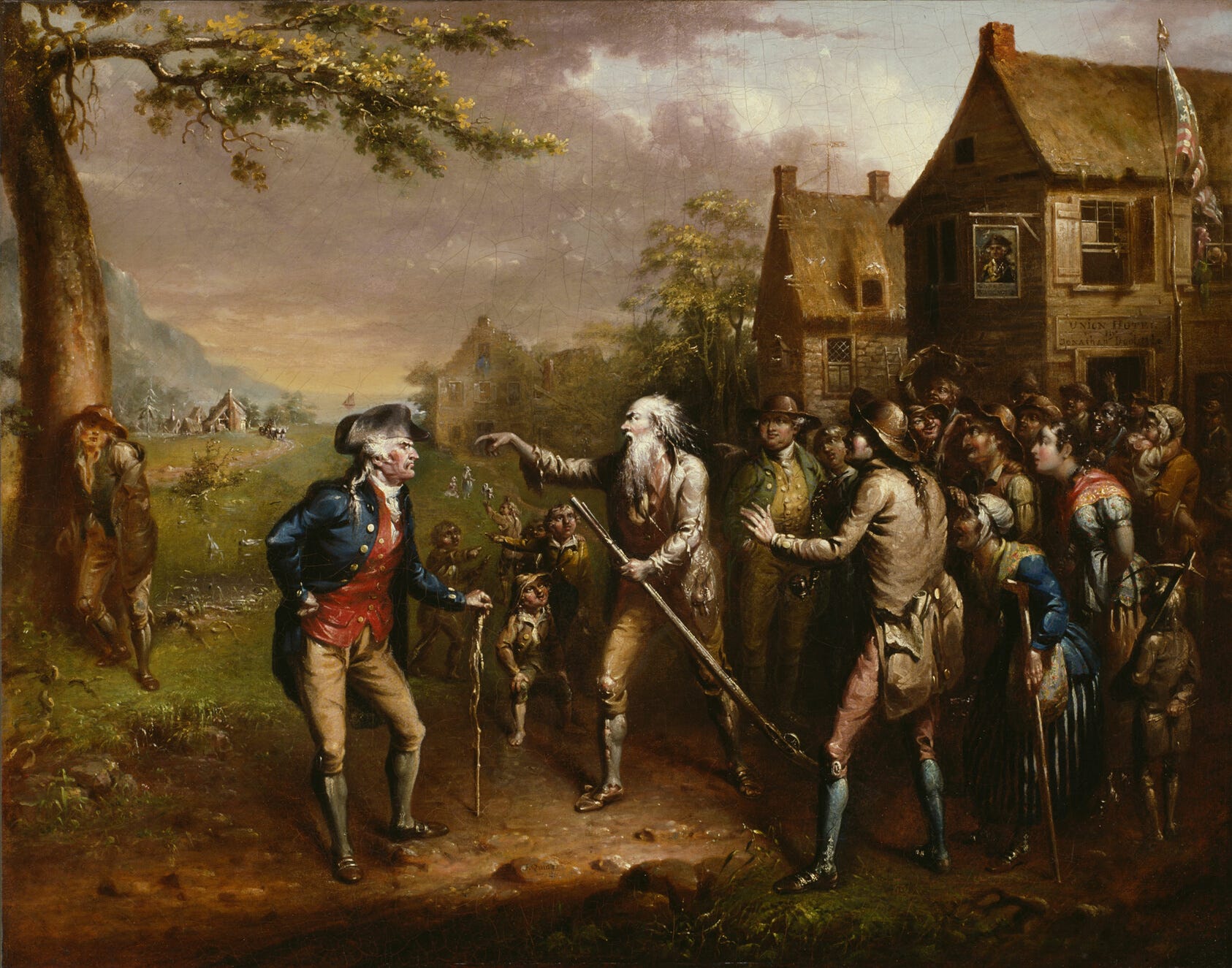
    “Projection of the House” from The Forsyte Saga, John Galsworthy (1906-1922)

    “The notion of being the one member of his family with a country house weighed but little with him; for to a true Forsyte, sentiment, even the sentiment of social position, was a luxury only to be indulged in after his appetite for more material pleasure had been satisfied.” What is in a name? Well, if the name is Forsyte, very much indeed. The Forsytes, a fictional upper-middle-class family in Victorian London created by writer John Galsworthy in 1906, have been the subject of nearly a dozen radio and screen adaptations, starting with a silent film released in 1920, numerous television series, and, most recently, with a PBS Masterpiece series just released in the US in March of this year. Having watched a version of the tale from 2002 starring Damian Lewis and Gina McKee—a masterpiece in subtlety, patience, and gaze—I was keen to tune in to the newest version and did so, giving it the full benefit of a welcome reception. It had been many years between the two, and much of my time in the first episode was spent recalling to mind memories of the Lewis version; this new iteration seemed so very different that I assumed I must be misremembering. (Three episodes in, as I was fully convinced of the departure from the prior version, the driving thrust of this rendition was made absolutely evident: hunks with bulging pectorals and great hair. Perhaps these episodes fell off the back of the Hallmark/Lifetime truck.) What did Galsworthy intend with his trilogy, written over the course of 15 years? Which storylines accurately reflect the scenes imagined and phrases selected so skillfully that their author was later granted a Nobel Prize in Literature that specifically cited “his distinguished art of narration which takes its highest form in The Forsyte Saga.” I was left with only one option: I had to read the original. If the failures of the 2025 rendition and its remarkable departure from the 2002 version serve only to drive others to the same action, it will have been worth it. The original work is the best of all worlds—it is easy to see why many have been tempted to bring the story to the screen, and yet none could possibly do it justice (the 2002 attempt comes awfully close). The Forsyte Saga is, as Galsworthy explains in his preface, “no scientific study of a period; it is rather an intimate incarnation of the disturbance that Beauty effects in the lives of men.” Today’s reading is from the first book of the series, A Man of Property, in which one can sense how carefully each of those words from the author’s introduction to the piece was chosen. An “intimate incarnation” suggests a sense of privacy and reserve, perhaps even of the subterranean, and gives flavor to the notation of Beauty’s “disturbance” bubbling up to the surface, uncontained and unrestrained. This chapter, “Projection of the House,” will give you just a taste of the simmering tension carried collectively by this family of self-made fortune and studied respectability. Please enjoy… Headline Image: Solitude by Joshua Shaw, 1818 This is a public episode. If you would like to discuss this with other subscribers or get access to bonus episodes, visit classicsreadaloud.substack.com
  • May 22 · 43 min

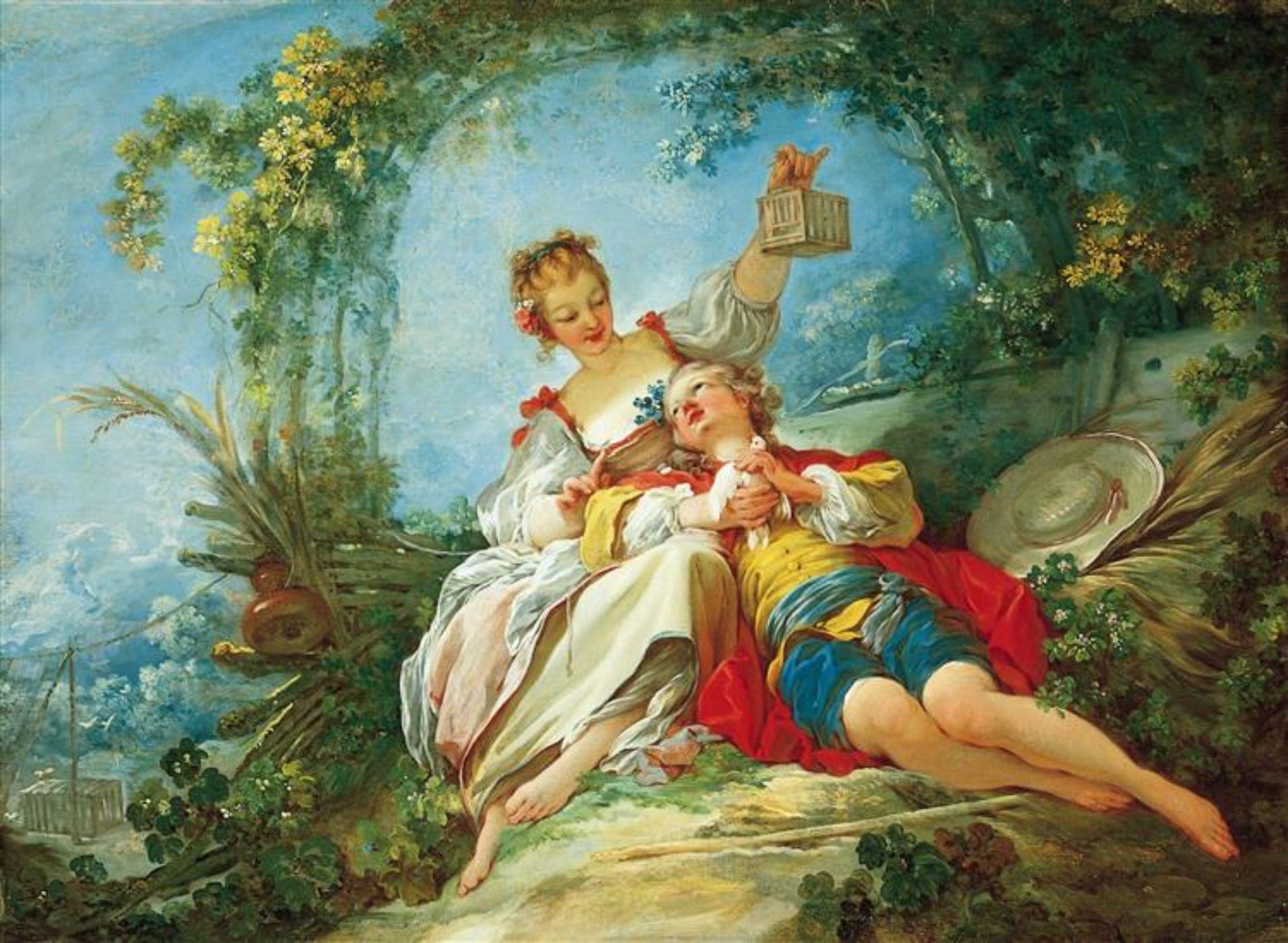
    Rip Van Winkle, Washington Irving (1819)

    “Rip Van Winkle was one of those happy mortals, of foolish, well-oiled dispositions, who take the world easy, eat white bread or brown, whichever can be got with least thought or trouble, and would rather starve on a penny than work for a pound.” Rip Van Winkle is one of those characters whom everyone feels they have heard of, many could identify why, few could delve into any particulars, and nearly none born after 1980 have read of directly. Maybe I’ll catch a few more today with this reading of Washington Irving’s entertaining tale of liberation. Yes, the story traverses the American Revolution, but there is a parallel and far more passive overthrow of power occurring as well. Rip Van Winkle, a kind-hearted but rather unproductive man, goes off into the Kaatskill Mountains (now known as the Catskills) to hunt squirrels and generally avoid the tyranny of his “termagant” wife, Dame Van Winkle. It seems Dame Van Winkle could never seem to quiet her disapproval of Rip’s casual, feckless ways, and “poor Rip was at last reduced almost to despair; and his only alternative, to escape from the labour of the farm and clamour of his wife, was to take gun in hand and stroll away into the woods.” Where can a fellow get a Man Cave when he needs one? Alas, Rip’s saunter into the mountains leads him to tarry with a group of jolly “odd-looking personages” who were happily bowling in the valley and drinking beer. Partaking freely of their generosity, Rip finds he has overindulged and lies down for a fateful nap. Upon waking twenty years later, Rip returns to town to discover just how action-packed those years really were. The British flag has been replaced with stars and stripes; King George’s likeness has been swapped for that of General Washington. And most fortuitous of all, Dame Van Winkle has passed from this world into the next. Freedom earned with a nap! Was there ever a more perfect arrival of events for a man so averse to effort? Irving clearly had fun with this one, cleverly adapting a story mined from German folklore to give, in his words, “a colour of romance and tradition to interesting points of our national scenery.” Please enjoy… Subscribe to Classics Read Aloud to receive future readings, including commentary and interesting “et cetera” tangent links, right to your inbox: https://classicsreadaloud.substack.com/subscribe This is a public episode. If you would like to discuss this with other subscribers or get access to bonus episodes, visit classicsreadaloud.substack.com
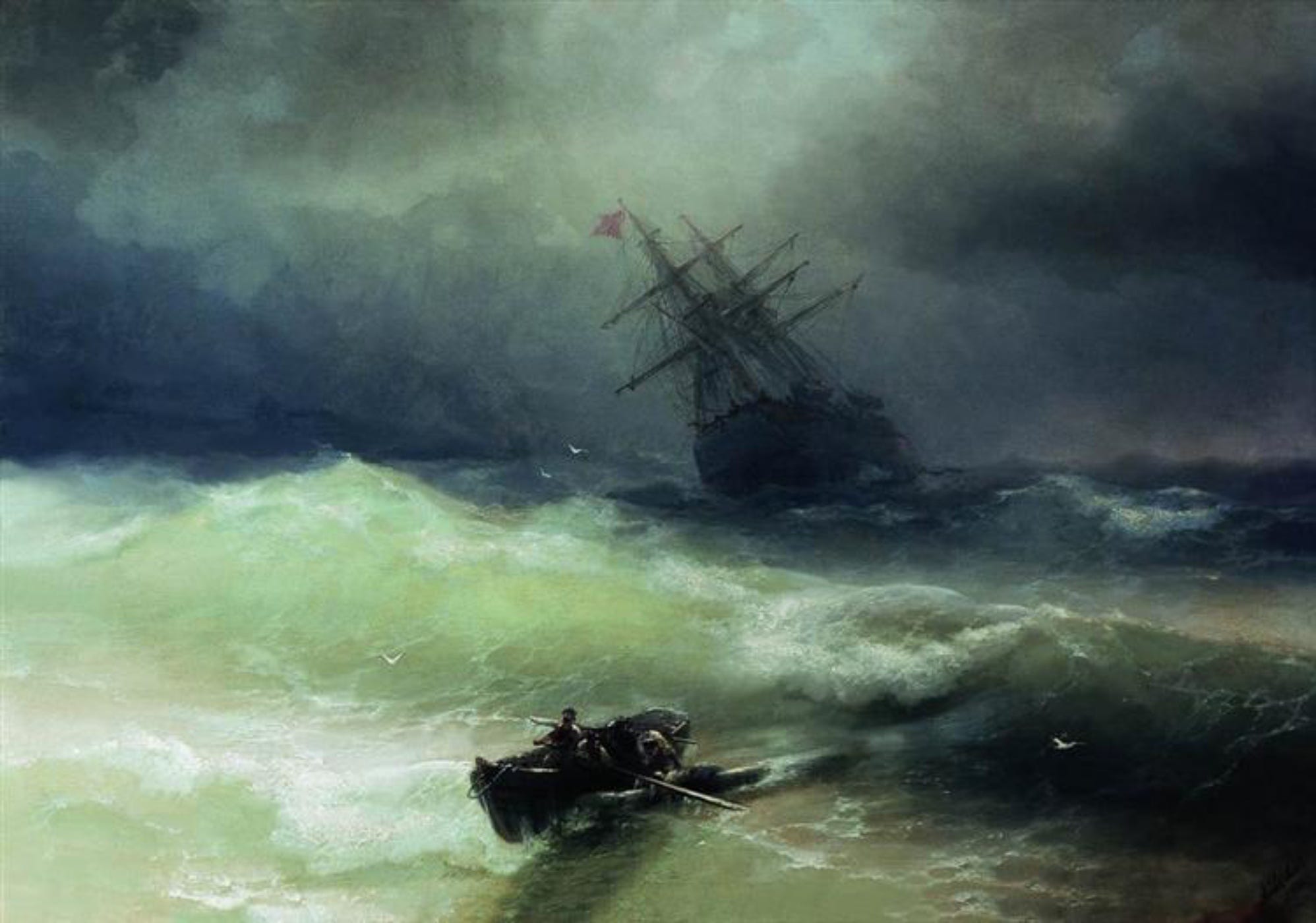
  • May 8 · 27 min

    “Spring” from Jean Gourdon’s Four Days, Émile Zola (1874)

    “The valley was mine, really mine; I had conquered it with my legs, and I was the real landlord by right of friendship.” Today, I invite you to remember springtime in your youth. Go back to that enchanted period, filled with an abundance of nature’s delights. Perhaps you remember rushing outside to roll down grassy hills, or rubbing yellow dandelions on your skin, painting it with the sun… Eventually, you put such childish frivolities aside, but the fresh spirit of Mother Nature still beckoned to do her job. Perhaps as a teenager you flirted on neighborhood walks, with only the bustling sparrows to watch you, or lay under the grand willow tree, relishing the cool vibrations of its lacey canopy rustling in the gentle afternoon breeze… Throughout the ages, young love has intuitively gravitated to the open air where the bloom of Spring could work its magic on yearning hearts… Spring doesn’t whisper. She parades her busy creation from on high to all who tune in to her blushing frequency. This may have been more obvious and accessible in Émile Zola’s time than it is today, distracted as we are by all this concrete, glass, and silicon. But she is nonetheless still there, with arms open, ready to accept us into her abundant bosom… Today, I implore you to find a garden, a field on the edge of the woods, any patch of grass where you can set a blanket. Lay down, close your eyes and let the air wash over you, breathe deeply the smells of dirt and grass, and then listen to Zola’s tale of this momentous spring day. Please enjoy… “♡ Like” this post to let the love shine in. p.s. Read the remaining three of Monsieur Gordon’s “Four Days” here. I expect to record each in turn during the coming year. La Vie Parisienne: This week’s posting finds me in Paris with my ever-elegant mother. At this moment, we are surely soaking up each delicate, ornamented detail. I may pop back here before hitting “publish” to add some pictures, but if you are reading this now, then it is safe to assume I am simply too fully absorbed in this lovely adventure to be interrupted. Until next week! “Rip Van Winkle” by Washington Irving, 1819 “Hilda Silfverling” by Lydia Maria Child, 1845 “The Bridal Party” by F. Scott Fitzgerald, 1930 This is a public episode. If you would like to discuss this with other subscribers or get access to bonus episodes, visit classicsreadaloud.substack.com
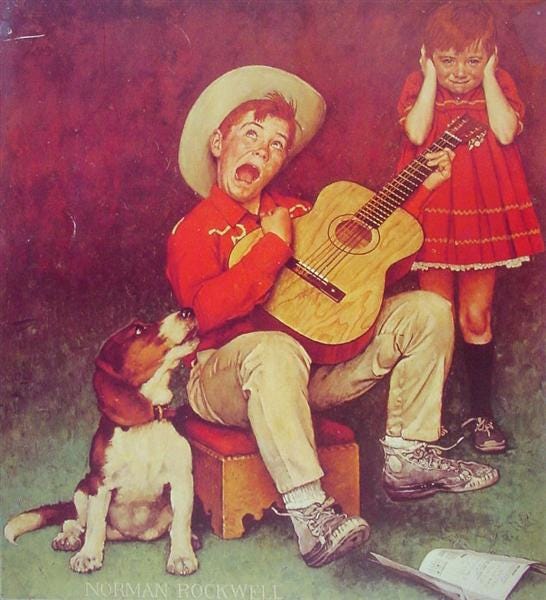
  • May 1 · 57 min

    The Open Boat, Stephen Crane (1897)

    “If I am going to be drowned — if I am going to be drowned — if I am going to be drowned, why, in the name of the seven mad gods who rule the sea, was I allowed to come thus far and contemplate sand and trees?” On New Year’s Day, 1897, the writer Stephen Crane joined the crew of the SS Commodore at a dock in Jacksonville, Florida. Traveling as a journalist tasked with documenting the insurrection in Cuba, Crane watched as the ship was loaded with arms and munitions, like “some legendary creature of the sea.” As the ship sounded its whistle, the crew of nearly 30 men readied itself for the short voyage to the warring nation, wholly unaware that the battle they would witness instead would be entirely at sea. Less than two miles offshore, the Commodore encountered its first setback. Suddenly enveloped in a thick fog, the ship ran ashore into thick mud and had to be bailed out by a vessel anchored nearby. Back on track, the crew rallied, ready to make headway like filibusters on a quest for plunder. Alas, fate had other ideas, brewing a powerful squall that “rolled [the Commodore] like a rubber ball.” Before long, it became apparent that there was an issue in the engine room. All hands, including Crane’s, were taken to bail water out of the lower levels, to no avail. Facing the reality of their plight, the crew attempted to evacuate, miraculously, without panic. As escape mechanisms were evaluated, “the whistle of the Commodore had been turned loose, and if there ever was a voice of despair and death, it was in the voice of this whistle.” Crane found himself on a ten-foot dinghy with the ship’s Captain and two other men, rowing away in silence as they watched the Commodore, along with many of its sailors, sink into the ocean’s depths. “The Open Boat” is the story of what came next. Please enjoy… “♡ Like” this post in gratitude for terra firma. Primary Color: Mere days after his ordeal, Crane recorded his first-hand account of the Commodore’s brief and tragic journey. It is poignant, raw, and very much worth reading. To avoid spoilers, I recommend saving it until after you’ve heard “The Open Boat.” Pass the Bottle: One of Crane’s contemporaries and friends was the writer Joseph Conrad, who, amazingly, also lived to tell the tale of his harrowing experience aboard a sinking ship. The resulting story, “Youth: A Narrative,” recommended to me by a well-read listener (email suggestions to classics_ruby@proton.me), is wholly captivating, and makes one begin to appreciate the bravery that was once required to keep the wheels of commerce turning. You can find “Youth” here. “Spring” from “Jean Gourdon’s Four Days” by Émile Zola, 1874 “Rip Van Winkle” by Washington Irving, 1819 “Hilda Silfverling” by Lydia Maria Child, 1845 This is a public episode. If you would like to discuss this with other subscribers or get access to bonus episodes, visit classicsreadaloud.substack.com
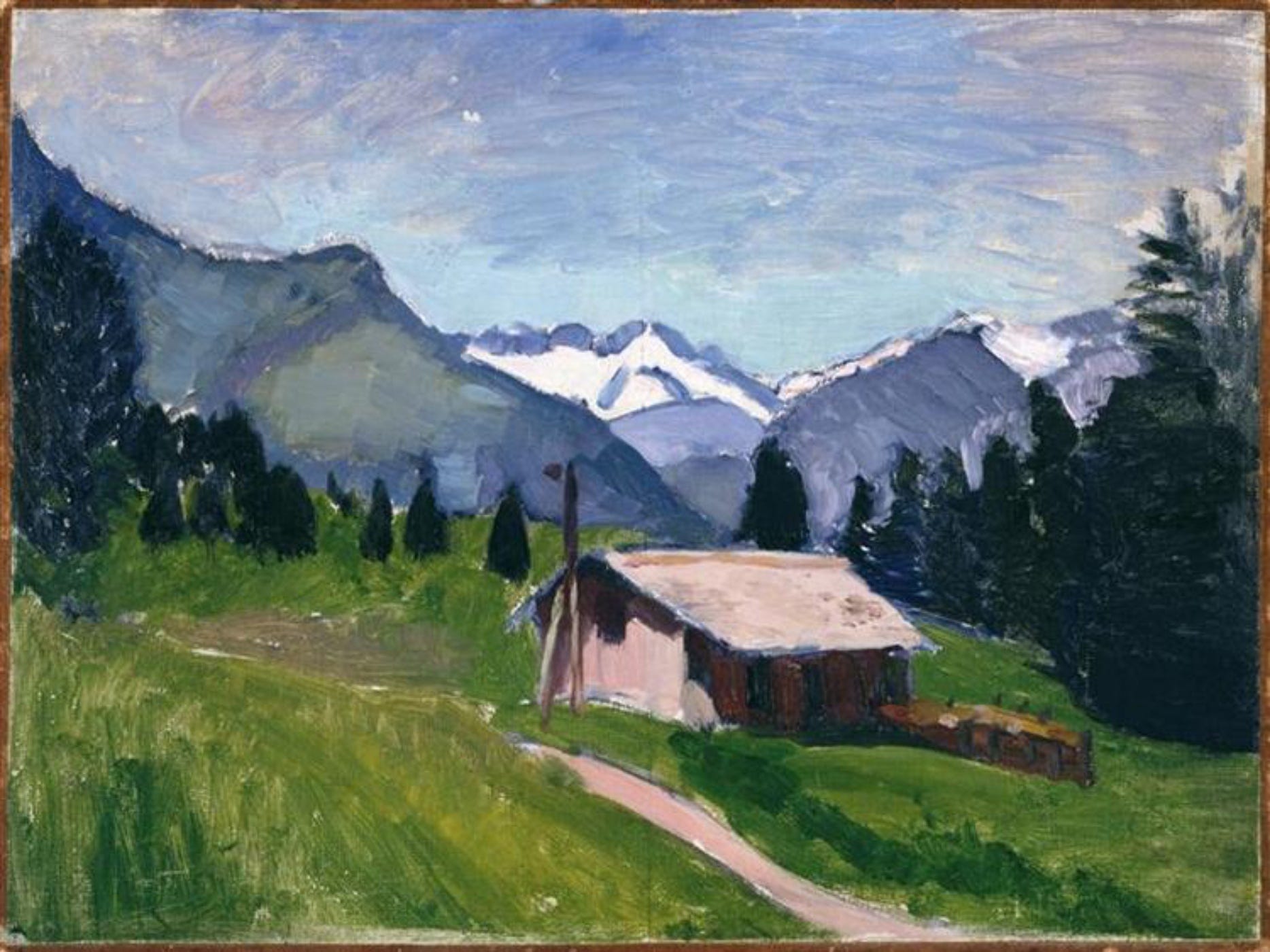
  • April 24 · 25 min

    The Ransom of Red Chief, O. Henry (1907)

    “I ain’t attempting to decry the celebrated moral aspect of parental affection, but we’re dealing with humans, and it ain’t human for anybody to give up two thousand dollars for that forty-pound chunk of freckled wildcat.” In a memorable episode of the hit PBS Masterpiece show Downton Abbey, Lord Grantham’s valet, Bates, leverages a rather ungentlemanly skill to save not only the day, but also the crown prince’s bacon. Bates, in a previous season, had been imprisoned after being falsely accused and subsequently incarcerated for murdering his first wife—a nasty turn for which he was later exonerated. His time under the thumb of Scotland Yard was not wasted, and he emerged with a finely tuned hand in forgery. When evidence of Prince Edward’s dalliances, made clear in a letter to his lover, fell into the wrong hands, it was Bates’ ingenious idea to use a false letter of permission to enter the ne’er-do-well’s apartment, retrieve the damning evidence, and let Lord Grantham soak up all the credit. It really is a fantastic show. Clever fictional British valets aren’t the only ones making best use of their time in the clink. William Sydney Porter, better known as the writer O. Henry, surely didn’t waste his. Incarcerated for embezzlement in 1898, O. Henry emerged after three years as a highly productive writer with mountains of great material. Between 1901 and his death in 1910, O. Henry is said to have written over three hundred short stories, many of which remain well-known and well-loved to this day. With a sensitive ear and the belief that a good story is held by all he came in contact with, O. Henry shook gold out of the paydirt gathered ‘round the prison yard when he wrote “The Ransom of Red Chief.” Based upon a fellow convict’s predilection for kidnapping the kids of wealthy families, O. Henry’s version perfectly highlights his talent for comic inversion. Here, he takes a construct sure to fill any parent with horror and flips it on its head in a manner sure to make parents of boys tear up with laughter at the final twist. Please enjoy… Subscribe to Classics Read Aloud to receive future readings, including commentary and interesting “et cetera” tangent links, right to your inbox: https://classicsreadaloud.substack.com/subscribe This is a public episode. If you would like to discuss this with other subscribers or get access to bonus episodes, visit classicsreadaloud.substack.com
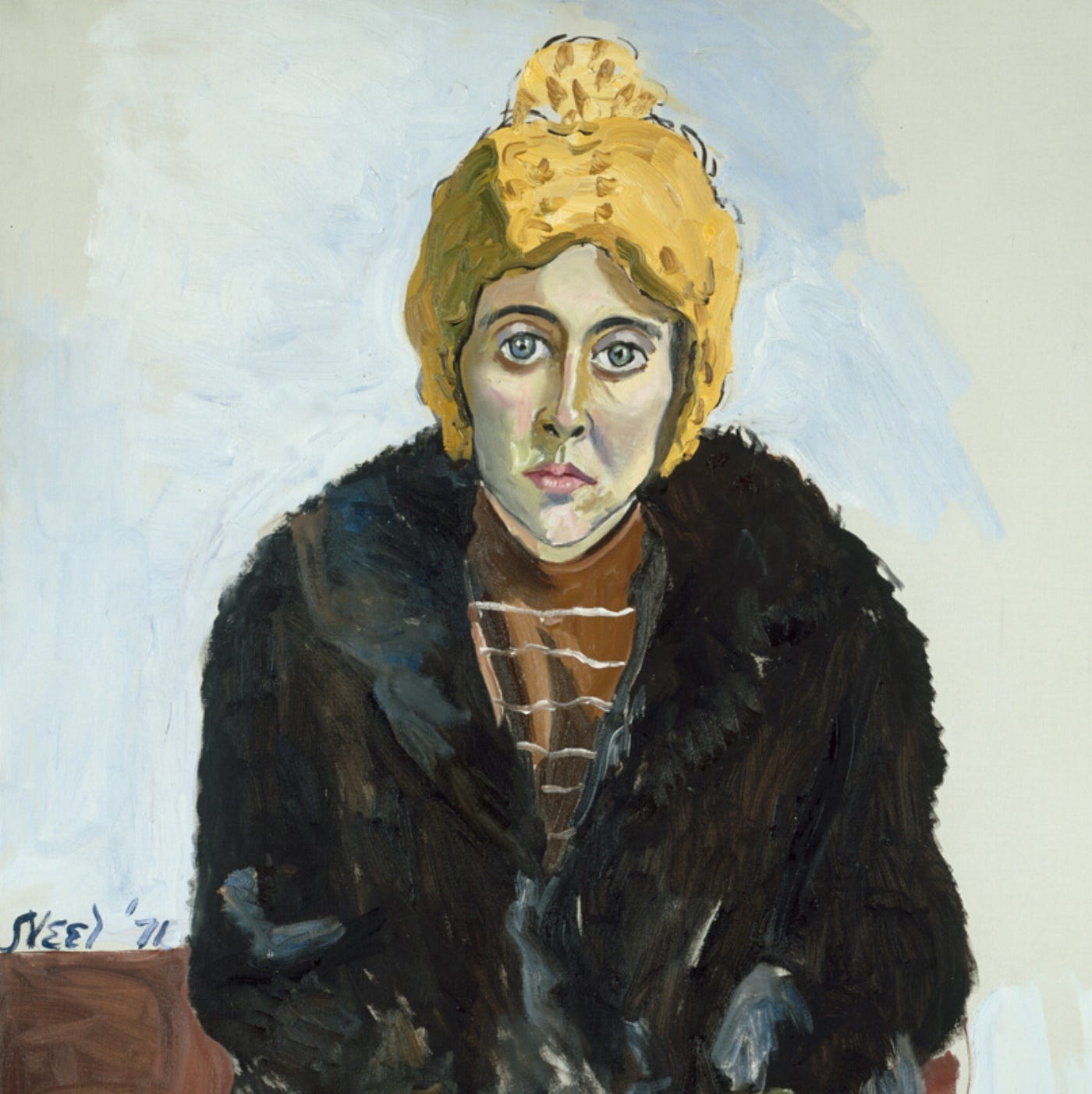
  • April 17 · 26 min

    The Waste Land

    Untold volumes have been written about T. S. Eliot’s seminal work, “The Waste Land.” For over 100 years now, scholars and enthusiasts have mined the poem’s 434 lines for literary and historical allusions, biographical clues, and coded phrases, all in the noble pursuit of unlocking the work’s brilliance. Ironically, the intensity of analysis was perhaps originally triggered by Eliot himself when he included his “notes” in a 1922 edition of the poem, published in book form. The publisher, Boni & Liveright, requested a set of additional poems to fill 16 pages that would otherwise be blank (a quirk of the nature of the pages-per-sheet printing method at the time). Instead of poems, Eliot provided his notes, which have intrigued and confounded readers ever since, some of whom believe he was using them to intentionally misdirect interpretation. This exhaustive, endlessly detailed inquiry is enough to make many traditional readers of novels think, “Poetry? This poem? Not for me.” I’ll be honest, I felt the same. I’m just a reader. I love being delighted, surprised, enlightened, inspired, and even disappointed by the stories I read. I look forward to losing all sense of time, turning page after page. I don’t often feel compelled to interrogate the dickens out of what I’ve read, but I do love the sound of words. As it turns out, that’s enough. A love of words, an imagination, and some life experience are all that is needed to come away with something worthy from a poem as substantial and revered as “The Waste Land.” In a sense, I think the open lattice of suggestive scenes linked throughout the poem offers something interesting without interpretation: The blank, unexplained spaces make room for our own completion. Each of us will bring our history, education, empathy, and economics to these lines. You’ll get an image separate from mine, and because so much is suggested and little explained, where those images take us will be distinct and whole all at once. I hope you’ll give it a try. Please enjoy… Subscribe to Classics Read Aloud to receive future readings, including commentary and interesting “et cetera” tangent links, right to your inbox: https://classicsreadaloud.substack.com/subscribe This is a public episode. If you would like to discuss this with other subscribers or get access to bonus episodes, visit classicsreadaloud.substack.com
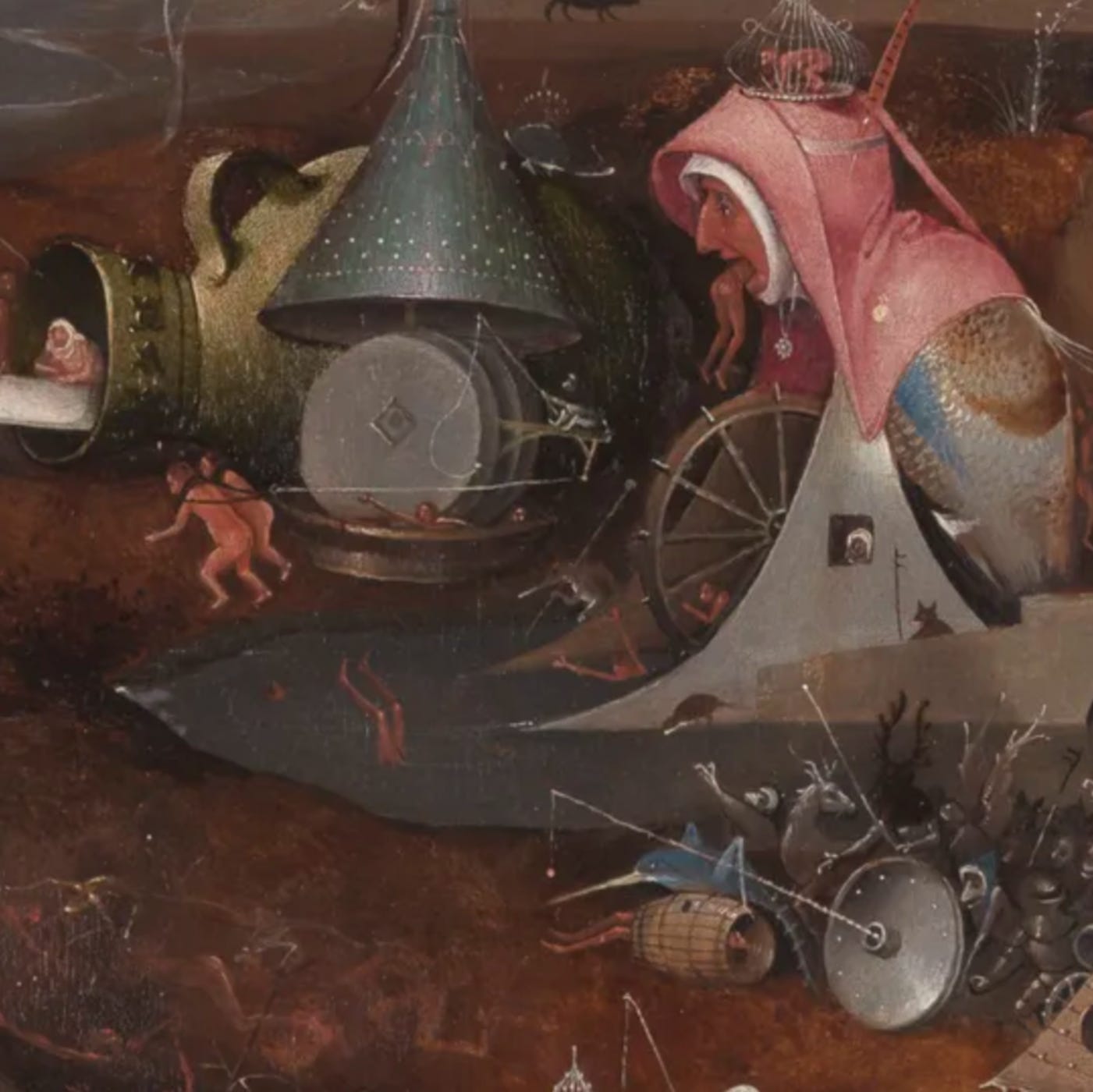
  • April 10 · 34 min

    The Yellow Wallpaper

    The Yellow Wallpaper by Charlotte Perkins Stetson “Personally, I believe that congenial work, with excitement and change, would do me good.” I had the explosively beautiful Spring chapter of “Jean Gourdon’s Four Days” by Émile Zola all teed up for this week’s reading. Alas, as the temperatures hover in the 30s in my world, and the wind howls, and the rain feels a touch too icy to be properly called rain, I just can’t bring myself to publish it. The vibrance of Zola’s spring imagery deserves better. It deserves May (I hope!). With the grey cold overstaying its welcome, one can start to feel a little unsettled…a little crazed by another day of the same shivers and the many layers donned. Rather than fight it, I’m going to lean in with a rather unusual story. Charlotte Perkins Stetson’s “The Yellow Wallpaper” snares us into the psyche of a woman retreating to a country home with her family so that she may recover the steadiness of her mind. Through Stetson’s masterful narration, we witness the narrator disappear and reappear on the spectrum of sanity, as she is kept almost entirely isolated in one room in the spirit of getting well. As we see so often in our own therapy-speak-laden culture, focusing on the restlessness of the mind to the avoidance of the work of living is destined to backfire. Please enjoy… Subscribe to Classics Read Aloud to receive future readings, including commentary and interesting “et cetera” tangent links, right to your inbox: https://classicsreadaloud.substack.com/subscribe This is a public episode. If you would like to discuss this with other subscribers or get access to bonus episodes, visit classicsreadaloud.substack.com
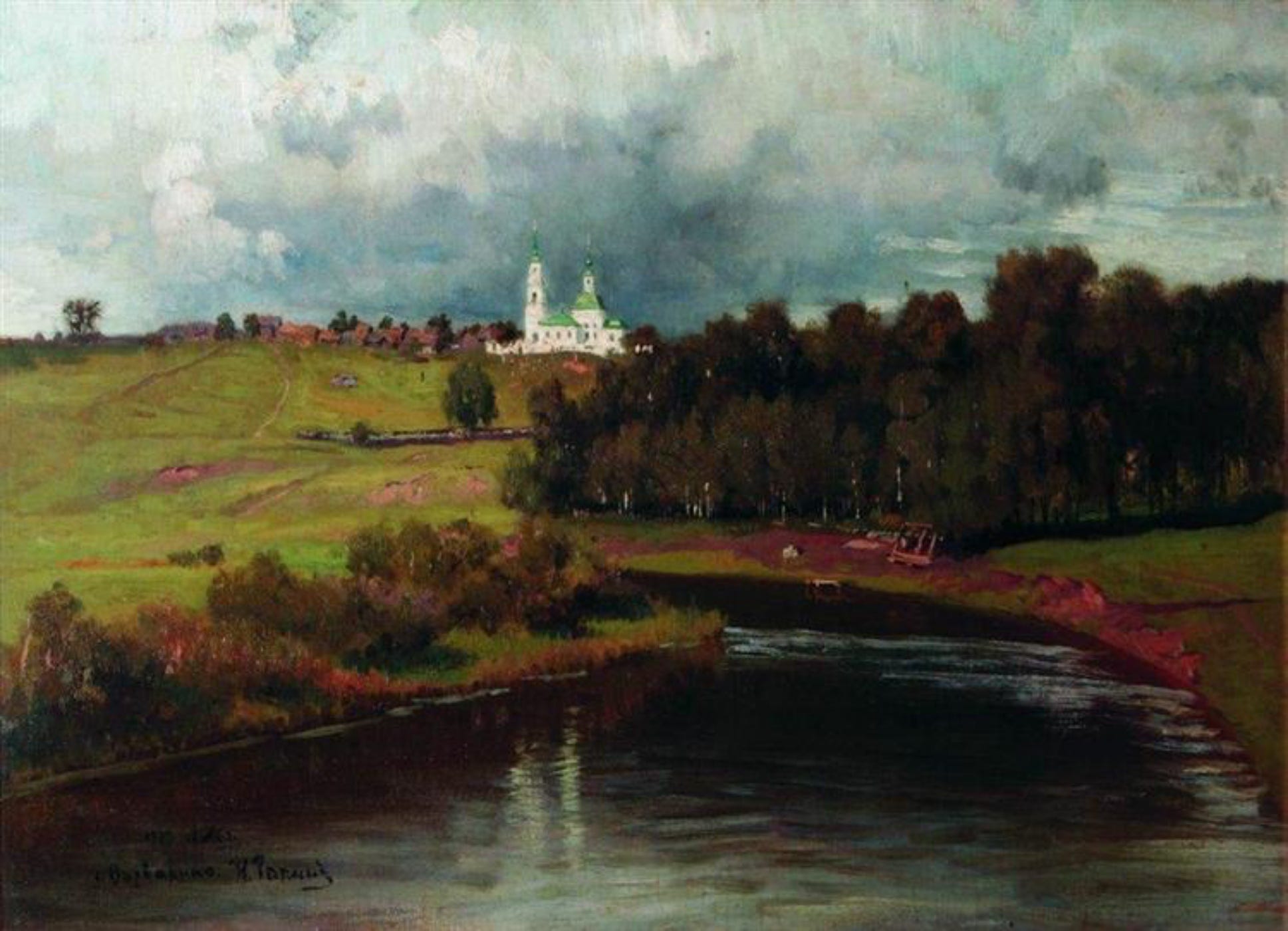
  • April 1 · 28 min

    The End of the World: A Vision

    The End of the World: A Vision by James Kirke Paulding “In the course of my wanderings, methought I encountered the celebrated Fire-King, who was sitting at home, quietly smoking his cigar, and calculating that being the destined survivor of all his race, he would succeed to an immense landed estate, and become lord proprietor of the whole earth.” In the early months of 1843, a wave of Judgement Day fanaticism swept across the East Coast of the United States. Building on a close inspection of biblical texts, a lay preacher and farmer named William Miller had predicted that the end of the world would arrive sometime between March 21st, 1843, and March 21st, 1844. Miller began working on his theory in the early 1820s, and in 1831, he was asked to fill in at the pulpit of the Baptist church in Dresden, New York. Miller used his time centerstage to share his beliefs for the first time publicly. The Dresden congregation was mesmerized, Miller was invited by neighboring parishes to spread the word, and Millerism was born. By 1840, the Millerite flock had grown beyond the proportions of obscurity. Thousands would come to hear Miller speak, and all manner of unfortunate events were being pinned on the movement, a sure sign of having “made it.” By the time it reached Philadelphia, the opening date of Miller’s prediction loomed large, and all that was left was to laugh. Laugh is exactly what penny papers like the Public Ledger did. James Kirke Paulding’s satirical piece, “The End of the World: A Vision,” published among those pages in 1843, contains the withering observations of a man bearing witness to the last day of the world, April 1st. Granted a reprieve from the screaming heat by some unnamed deal with the devil, our narrator perambulates from place to place, recording his field notes for our amusement of all the many human reactions to the world melting down in judgement. The world Paulding describes is due for a reset, a stage decline confirmed by the realization that none of the inhabitants seems to be anticipating ascension in their direction of travel. Please enjoy… Subscribe to Classics Read Aloud to receive future readings, including commentary and interesting “et cetera” tangent links, right to your inbox: https://classicsreadaloud.substack.com/subscribe This is a public episode. If you would like to discuss this with other subscribers or get access to bonus episodes, visit classicsreadaloud.substack.com
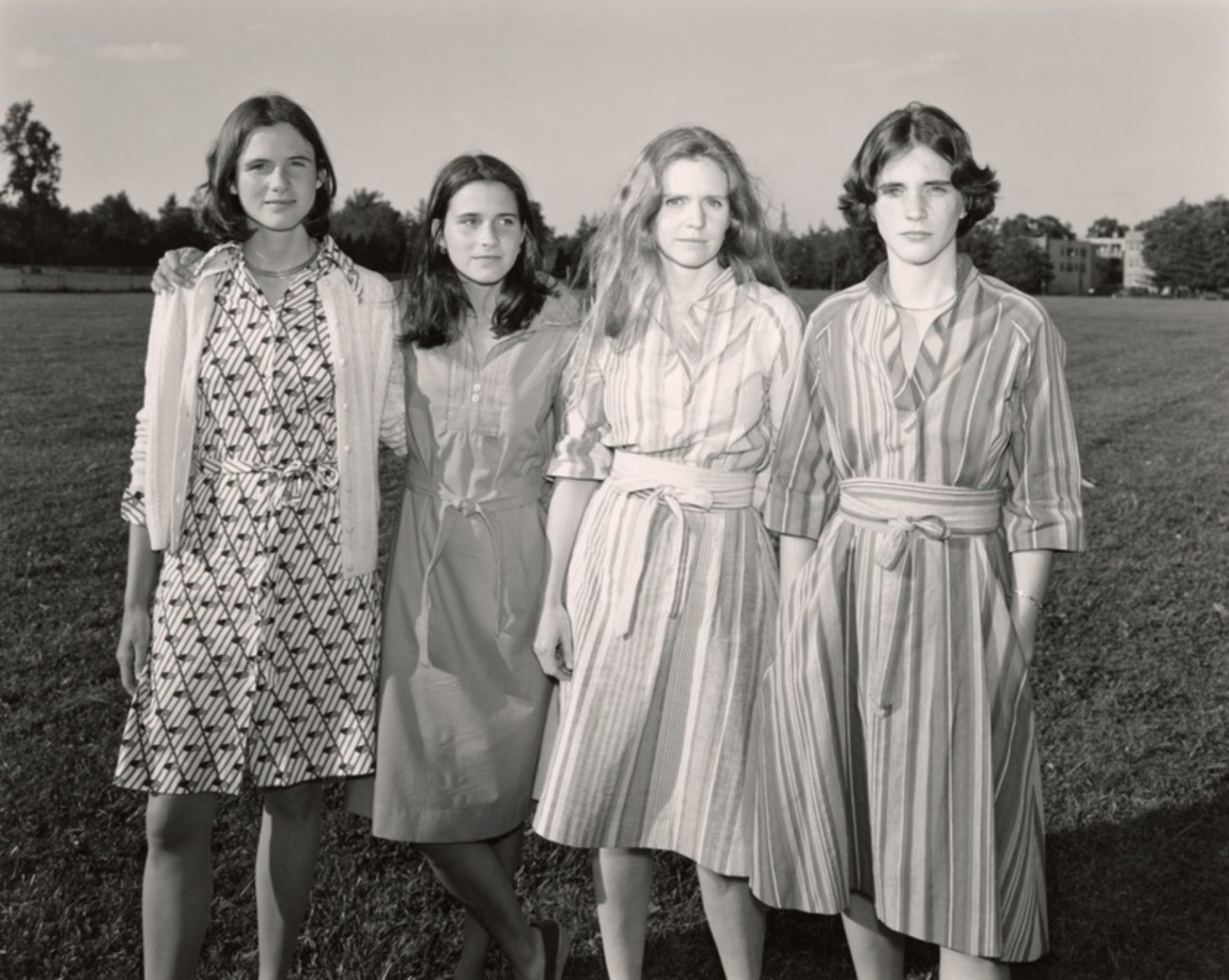
  • March 27 · 29 min

    A Doctor’s Visit

    “And so it appears that all these five blocks of buildings are at work, and inferior cotton is sold in the Eastern markets, simply that Christina Dmitryevna may eat sterlet and drink Madeira.” In 1890, Anton Chekhov made what was surely an uncomfortable six-week journey across Siberia. His destination: Sakhalin Island, a penal colony established by imperial Russia to house criminals and political prisoners. For reasons not entirely understood, Chekhov, a medical doctor by day and prolific writer by night, set out to rigorously document the squalor and depravity of the conditions to which the prisoners were subjected. Why might a talented young man decide to do such a thing? Chekhov had a deep sensitivity to the plight of humankind and was compelled to treat it and bring it into the public consciousness. This wiring led him to create detailed studies, in situ, of nearly 10,000 prisoners who lived among such an infestation of bugs and cockroaches, “that the walls and ceilings seemed to be covered in funeral crape, moving as if in a wind.” It also inspired dozens and dozens of insightful short stories that are heavy on pathos and short on sentimentality. His hit rate is truly remarkable. Today’s story, “A Doctor’s Visit,” takes us not to the vast loneliness of Siberia but to an industrial town outside Moscow where a young doctor has been called to examine the daughter and heiress of the area’s primary factory complex. What he finds is an intelligent woman who has, through the din of the machinery and the despondent lives of the factory workers, fallen into an ambiguous state of existential despair. Chekhov, the doctor-writer, deftly diagnoses the ailment, but he does not leave it untreated. By the end of this sensitive narrative, the “larks [are] trilling and the church bells [are] pealing” once again. Please enjoy… Subscribe to Classics Read Aloud to receive future readings, including commentary and interesting “et cetera” tangent links, right to your inbox: https://classicsreadaloud.substack.com/subscribe This is a public episode. If you would like to discuss this with other subscribers or get access to bonus episodes, visit classicsreadaloud.substack.com

  • March 20 · 22 min

    Little Women, an excerpt

    “Four little chests all in a row,Dim with dust, and worn by time,Four women, taught by weal and woe,To love and labor in their prime.” Louisa May Alcott’s bestseller, Little Women, has been a cherished favorite of readers young and old, rich and poor, optimistic and cynical. The only dichotomy that may not be confidently claimed is male and female. Perhaps we’ll break the mold with this reading, given the largely male proportion of Classics Read Aloud subscribers. I do hope so, for Alcott’s sincere tale of deep, hearty familial love and loyalty can be a tonic for any human soul… and I suspect perhaps men could relate to Alcott more than they might realize. Her driving sense of responsibility to provide for her family, sacrificing her own preferences, made her, in a sense, a pragmatic and tireless rower of her family’s canoe. Alcott was the second daughter of four, born to parents of respected lineage and obvious intellect. While not of high society, it was a hardworking family defined by dignity and civic duty. As Ednah D. Cheney remarks in Louisa May Alcott: Her Life, Letters, and Journals, “…the uncommon powers of mind and heart that distinguished her were not accidental, but the accumulated result of the lives of generations of strong and noble men and women. She was well born.” The labors of those prior generations, paired with her upbringing on a diet of clear and confident moral certitude, practically glow from the pages of her most popular work. Readers at any phase of life can find among the comings and goings of the four March sisters, guided by the sagacious counsel of Marmee and Papa March, just the right perspective for facing life’s quandaries with grace and grit. Their lifestyle is so foreign to today’s culture that it can easily be written off as idealistic and pat; however, even the most superficial perusal of Alcott’s letters and those of her family members would quickly contradict such a conclusion. The work was one of realism, born of her own family life. Alcott’s success with the book rather took her by surprise, as she had grudgingly brought it to fruition at the request, repeated many times over until forced to ultimatum, of her publisher, Thomas Niles. At the time, Alcott’s father Bronson was trying to publish a manuscript of philosophical writings. Niles made Alcott’s submission of “a girls’ story” the condition for moving ahead with Bronson’s work. Well, in the words of a woman who cherished her father and his work, “that settled it,” and home libraries around the world are the better for it. Please enjoy… This is a public episode. If you would like to discuss this with other subscribers or get access to bonus episodes, visit classicsreadaloud.substack.com

Showing 1–20 of 21 episodes