Artwork for Classic Baseball Radio
Sports

Classic Baseball Radio

Ewan Spence

Through recreations of the original radio broadcasts, the history of America's favorite pastime is retold, one classic game at a time. We use archived news reports, articles, and historical records to recreate the sound and style of the broadcasts. Listen and relive key moments, historical hits, and the legends of today taking to the field when they were at the peak of their career.

Add Classic Baseball radio to any podcast app or service; just copy "tinyurl.com/baseballpod" into the "Add RSS Feed" of your app.

  • 20 episodes
  • Updated July 4

Episodes20

  • July 4 · 2 hr 18 min

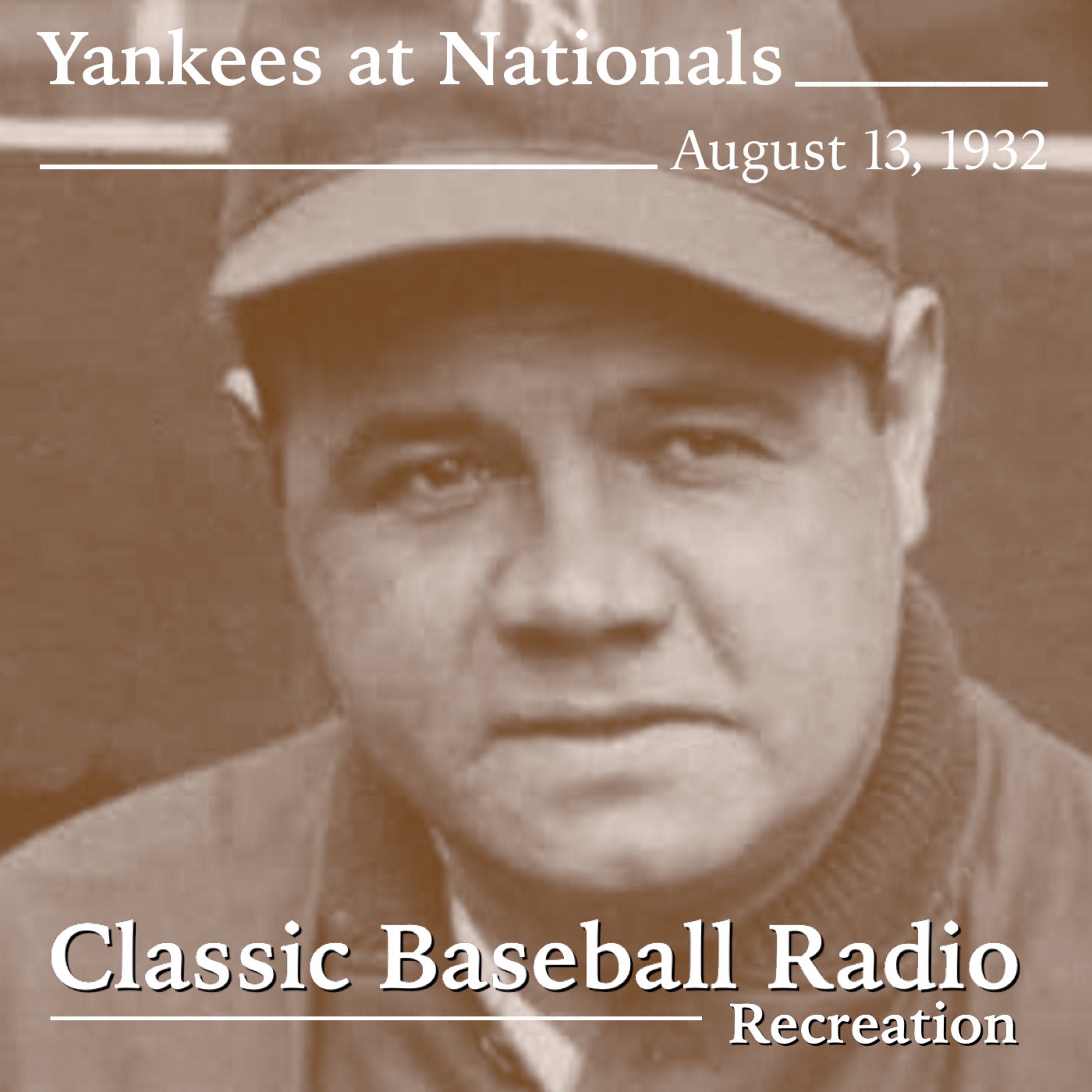
    Shutting Out Murderers' Row, New York Yankees at Washington Senators, Aug 13, 1932 (Recreation)

    The police are lined up around Griffith Stadium to keep the peace as the Washington Senators are visited by the New York Yankees. There’s little love between the two teams or their fans; the last meeting in July ended with the Yankees’ catcher Bill Dickey punching Carl Reynolds onto the injured list with a broken jaw. Dickey Today’s game will be Reynolds first game back, and following a 30-game suspension, Bill Dickey is catching once more. The 1932 Yankees are somewhat romanticised as a mythical and unstoppable force of nature; not every team can win 107 games and sweep the opposition in the World Series. Nor can most teams boast of nine future Hall of Fame players in the same roster, or go the entire season without being shut out. Except today. Washington pitcher Tommy Thomas is carrying a long-standing locked elbow and bone bruises in an arm lacking stamina, but he’s ready to take the Yankees out. And take them out he does, shutting down both Lou Gehrig and Babe Ruth in a combined 0-8 game. The opposing pitcher, Red Ruffing, is on course to top the American League for strikeouts. The powerhouse right-hander is going to post one of the most statistically rare and dominant individual performances of the live-ball era, cementing the legend of the 1932 Yankees' march to the pennant. One of them is going to be on the wrong side of the boxscore… Ewan Spence and the Classic Baseball Radio team bring you this recreated radio broadcast from August 13, 1932. This should not be considered a complete or fully accurate historical record. Nevertheless, this is our story of the game. We thank Retrosheet, Sports Reference, Sports Logos Net, Tom R Audio, and Crafting The Call. ** Links ** You can find the boxscore here: https://www.baseball-reference.com/boxes/WS1/WS1193208130.shtml The team that was never shut out, a look at the New York Yankees in 1932. https://www.baseballhistorycomesalive.com/1932-new-york-yankees/ The unique career of Red Ruffing. https://tht.fangraphs.com/the-unique-career-of-red-ruffing/ Red Ruffing’s route to Cooperstown. https://www.cooperstowncred.com/hall-of-famer-red-ruffing-world-series-star/ Biography of Washingont Nationals pitcher Tommy Thomas. https://sabr.org/bioproj/person/tommy-thomas/ The story of the Home Plate Punch on July 4th following a collision between Bill Dickey and Carl Reynolds, the resulting 30-game suspension, and the physical fallout. https://sabr.org/gamesproj/game/july-4-1932-yankees-catcher-bill-dickey-punches-carl-reynolds-draws-30-game-suspension/ “He Called It,” Scott Pitoniak looks at the evidence of Babe Ruth's immortal at bat in Game Three of the 1932 World Series. https://baseballhall.org/discover-more/stories/baseball-history/ruth-called-it Columbia Magazine's deep dive into Lou Gehrig’s early life in Yorkville, his parents' German immigrant background, and his rise to collegiate fame https://magazine.columbia.edu/article/lou-gehrig-columbia-legend-and-american-hero The stars of the New York Yankees Murderers Row. https://bronxpinstripes.com/yankees/eras/murderers-row The Senators' Griffith Park, nestled into its urban environment, including details about the famous wildcat bleachers. https://www.loc.gov/exhibitions/baseball-americana/about-this-exhibition/at-the-ballpark/the-ballpark-community/baseball-on-the-map/

  • June 18 · 2 hr 48 min

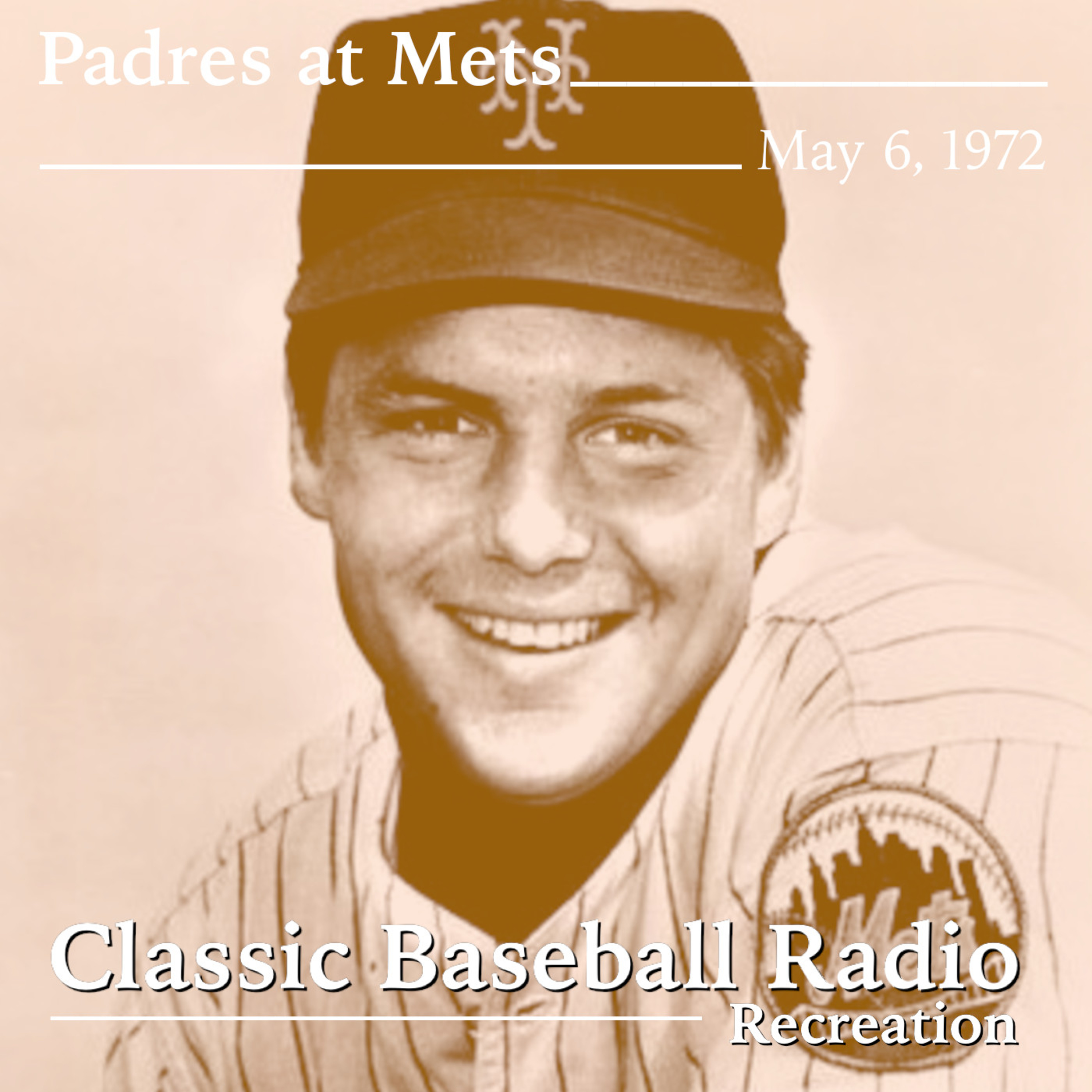
    The 22-year Old Rookie Who Broke Tom Seaver, San Diego Padres at New York Mets, May 6, 1972 (Recreation)

    A Saturday game in May can be both an inconsequential checkmark in a season and a game that can be looked back on as a captivating moment in history. It’s impossible to look back at 1972 and ignore the first players' strike that disrupted the first two weeks of the season. Spring training was curtailed, and both hitters and pitchers are still struggling with timing in May. 86 games were wiped from the schedules, never to be rescheduled. The Padres will end up playing just 153 games, while the Mets will play 156. Also looking to find his way in the season is Mets manager, Yogi Berra. Following the sudden passing of Gil Hodges, Berra is finding his feet and beginning to understand the core of the Mets' line-up. It’s an intense spotlight that will shine brightly on him during the 1972 season, as the Mets finish a credible third. That core would head into 1973 ready to claim the National League pennant. The biggest name in the Mets’ line-up is surely Tom Seaver. He has already posted two 20-win seasons (with 25 wins in 1969 and an on-the-nose 20 wins in 1971) and has a Cy Young to his name. Facing him was seen as a near-automatic loss. Not only that, but his record against the San Diego Padres is even more impressive. In terms of overpowering presence, he’s less Mr Terrific and more Mr Terrifying. Can the Padres, with rookie pitcher Bill Grief, hurl the ball and swing the bat to find some magic? Ewan Spence and the Classic Baseball Radio team bring you this recreated radio broadcast from May 6, 1972. This should not be considered a complete or fully accurate historical record. Nevertheless, this is our story of the game. We thank Retrosheet, Sports Reference, Sports Logos Net, Tom R Audio, and Crafting The Call. ** Links ** You can find the boxscore here: https://www.baseball-reference.com/boxes/NYN/NYN197205060.shtml A deep look at the legendary life and career of Tom Seaver, detailing his journey from Fresno, California, to his status as the premier pitcher of his generation. https://sabr.org/bioproj/person/tom-seaver/ Why is Tom Seaver the undisputed Franchise player of the Mets, and how does he compare to other players? https://sny.tv/articles/mets-all-time-team-26-man Profiling Bill Grief, the durable 6'5" right-handed Texas native who out-duelled Seaver on this afternoon, examining his high-strikeout velocity and post-baseball academic achievements. https://sabr.org/bioproj/person/bill-greif/ A tribute to Nate Colbert, the Padres' first true superstar, recounting his 163 franchise home runs and his devotion to youth ministry. https://www.mlb.com/news/nate-colbert-dies An account of the sudden passing of Mets manager Gil Hodges just days before the delayed 1972 season, detailing how a grief-stricken clubhouse transitioned under Yogi Berra's leadership. http://www.centerfieldmaz.com/2020/04/remembering-mets-history-1972-mets.html Yogi Berra’s 1972 Hall of Fame Induction, including context for his managing duties with the 1972 Mets. https://baseballhall.org/discover/inside-pitch/berra-koufax-inducted-amid-star-studded-class-of-1972 The history of the youth-heavy Padres rosters, Buzzie Bavasi’s ticket-promotion strategies, and the physical toll of injuries on the 1972 rotation https://eastvillagetimes.com/the-history-of-the-san-diego-padres-volume-1-1969-1973/2/. A comprehensive breakdown of the historic 13-day player strike in April 1972, analysing how it changed labour relations and shortened the schedule. https://sabr.org/journal/article/the-strike-of-1972-when-cooperation-failed/ How the 1972 player strike served as Marvin Miller’s first monumental victory, earning players pension increases and third-party salary arbitration. https://blogs.fangraphs.com/marvin-millers-legacy-and-the-decline-of-labor/

  • May 7 · 2 hr 13 min

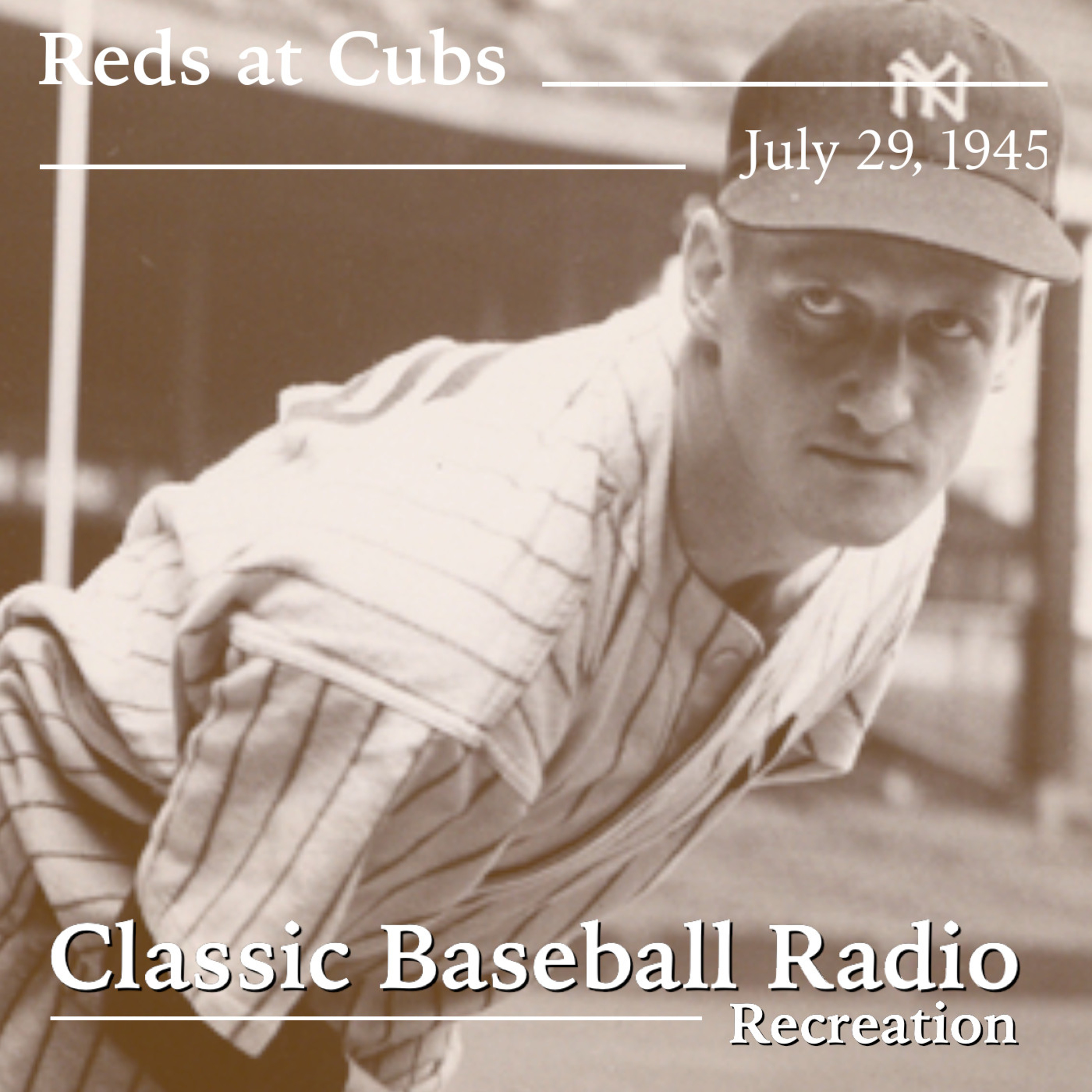
    The $100,000 Pitcher Stolen From The Yankees, Cincinnati Reds at Chicago Cubs, July 29, 1945 (Recreation)

    The Chicago Cubs are on a tear. The Northside faithful can feel a dynasty building beneath their feet, with every pitch, every hit, and every run coming home. And now they have a hero. In what was seen as the most lopsided and controversial transfers in baseball, even while it was happening, the New York Yankees placed their star pitcher Hank Borowy on waivers, and the Cubs slammed $100,000 into the Bronx Bombers’ outstretched hands. The Cubs needed to win right now, and the chequebook is wide open. Two days after he went on waivers, Borowy is stepping on the mound at Wrigley Field, ready to prove the Yankees wrong and take his new club to the National League pennant. It’s a five-game series against the Cincinnati Reds, and the Cubs have won the first four games. Handing his new team a sweep would make for a memorable first game. It’s also worth noting that we have players such as the anchorman Stan Hack at third base, and Phil Cavarretta on his way to the NL Batting Championship and the 1945 NL MVP, for the Cubs. For the Reds, you have the inspirational Dick Sipek, the first deaf player in the majors since Herbert Murphy in 1914, and the Iron Man Frank McCormick, fresh from his 652 consecutive appearances record during World War 2. The Cubs are heading to the top of the mountain; they are unstoppable, and they have the world at their feet. But, as we know thanks to the advantage of history, there’s a billy goat waiting for the Cubs at the end of the season. Until that happens, let’s share the joy in Wrigley Field as the Cubs charge towards the pennant with their brand new pitcher. Ewan Spence and the Classic Baseball Radio team bring you this recreated radio broadcast from July 29, 1945. This should not be considered a complete or fully accurate historical record. Nevertheless, this is our story of the game. We thank Retrosheet, Sports Reference, Sports Logos Net, Tom R Audio, and Crafting The Call. ** Links ** You can find the boxscore here: https://www.baseball-reference.com/boxes/CHN/CHN194507292.shtml The Associated Press obituary for Phil Cavarretta, the 1945 MVP, with personal anecdotes from his son about his father's "all-out" playing style. https://www.legacy.com/us/obituaries/latimes/name/phil-cavarretta-obituary?id=60242123 The Dunn County Historical Society: A local history perspective on Andy Pafko’s upbringing on a 200-acre Wisconsin dairy farm and his community legacy. https://www.dunnhistory.org/andy-pafko The history of the 1952 Topps set and why Pafko’s card became a "Holy Grail" of the hobby. https://www.baseball-almanac.com/hero/Andy_Pafko_Biography.shtml Hank Borowy’s Pinstripe Tenure – A look at Borowy’s career in New York before the shock waiver deal that sent him to Chicago. https://www.yankeenumbers.com/210/HankBorowy Shoestring Catches analyses the financial "robbery" that saw the Yankees sell their ace for $100,000. https://shoestringcatches1999.wordpress.com/2015/07/27/baseball-history-hank-borowy-and-cubs-win-nl-pennant/ Reading the Signs, The story of mentor Dummy Taylor and his protégé Dick Sipek, the first player to escape the "Dummy" nickname. https://www.humanitieskansas.org/get-involved/kansas-stories/people/reading-the-signs A tribute to the Kansas City native Vern Kennedy, highlighting the pitcher’s collegiate career and his 1935 no-hitter. https://mosportshalloffame.com/inductees/vern-kennedy-2/ A tribute to "Smiling Stan" Hack, the leadoff master and retroactive three-time Gold Glove winner. https://sabr.org/bioproj/person/stan-hack/ The biography of "Big Bill" Nicholson, the slugger who terrified pitchers and achieved legendary RBI totals. https://sabr.org/bioproj/person/bill-nicholson/

  • April 23 · 2 hr 34 min

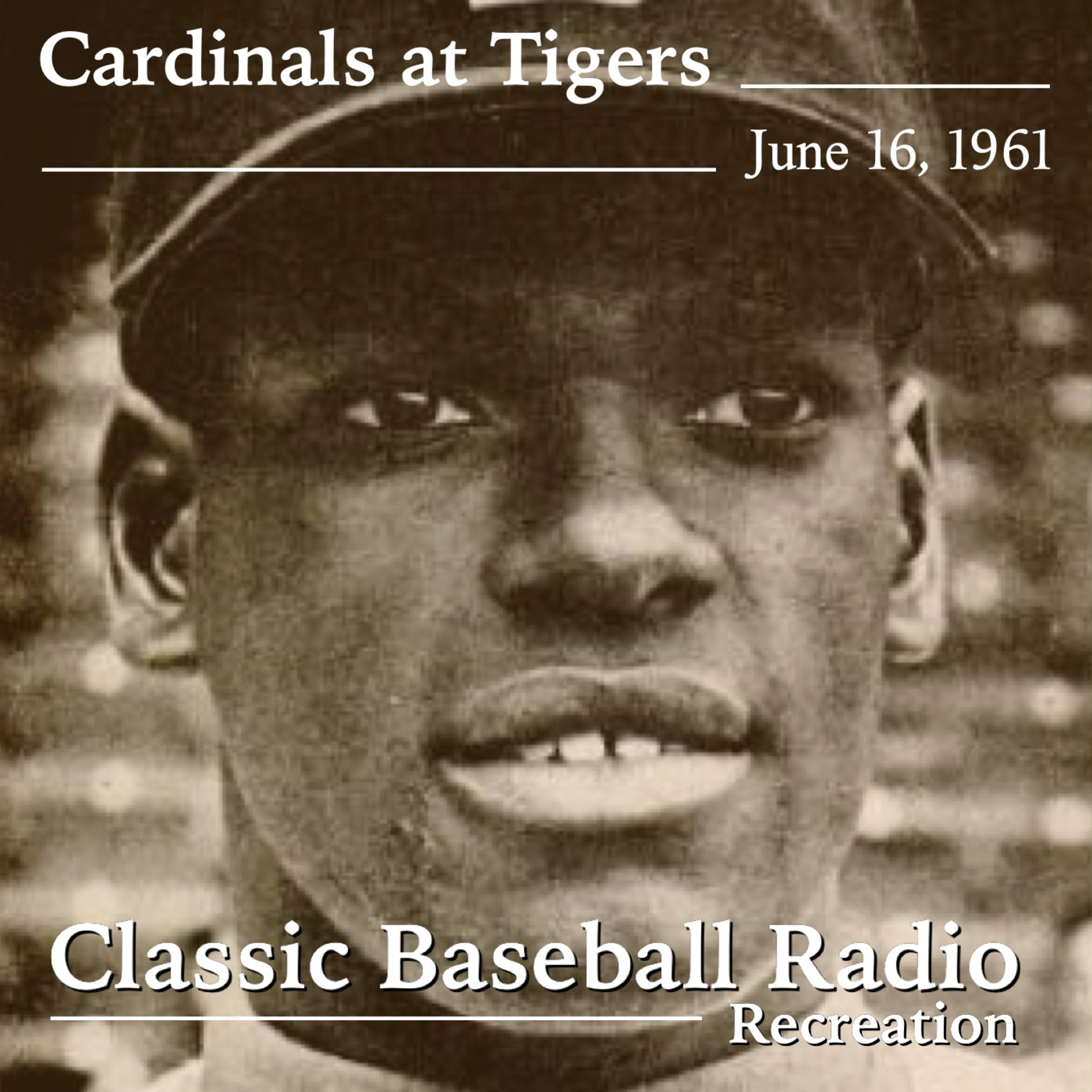
    The Four Immortals Of The Alabaster Plaster, St Louis Cardinals at Pittsburgh Pirates, June 16, 1961 (Recreation)

    Just another Friday night in the Steel Capital of the world, and the defending World Series champions welcome the St Louis Cardinals to Pittsburgh? Think again. The Pirates’ 1960 World Series win feels like it is from another era, as the team struggled through injuries and performance, but was still adrift in the middle of the National League. The NL is looking tired as well, stuck with 8 teams and a 154-game season, waiting for the expansion and a league-wide draft to rip up the old order. Yet the new order is on the field tonight, as the Forbes Field crowds witness what we now know is a Hall of Fame showcase: the legendary Stan Musial in the twilight of his career, the power of Roberto Clemente on his way to his first batting title, the defensive wizard Bill Mazeroski, and a young, ferocious Bob Gibson. It’s Bob Gibson who stands out. In 1961, Gibson unlocked his pitching, moving from a sophomore-year ERA of 5.61 to throwing 10 complete games and posting an ERA of 3.24. He’s tonight’s starting pitcher, throwing to the young Tim McCarver, also on his way to changing the baseball world forever. Ewan Spence and the Classic Baseball Radio team bring you this recreated radio broadcast from June 16, 1961. This should not be considered a complete or fully accurate historical record. Nevertheless, this is our story of the game. We thank Retrosheet, Sports Reference, Sports Logos Net, Tom R Audio, and Crafting The Call. ** Links ** You can find the boxscore here: https://www.baseball-reference.com/boxes/PIT/PIT196106160.shtml An overview of Forbes Field’s unique characteristics, including "Death Valley" and the hard infield. https://www.brooklineconnection.com/history/Facts/ForbesField.html A comprehensive look at Gibson’s career, including his intimidation tactics and Harlem Globetrotters background. https://sabr.org/bioproj/person/bob-gibson/ How Bill White, Curt Flood, and others integrated the Cardinals' spring training https://www.stlredbirds.com/2020/11/08/how-bill-white-curt-flood-and-others-integrated-cardinals-spring-training/ Tribute to Ken Boyer, still the only Cardinal to hit for the cycle twice. https://www.baseballhistorycomesalive.com/tribute-to-ken-boyer/ Carl Warwick’s aggressive pinch-hitting approach coming off the bench for St. Louis. https://retrosimba.com/2025/04/21/carl-warwick-came-through-in-a-pinch-for-cardinals/ A look at Dick Groat’s role in one of the most efficient double-play tandems in baseball history. https://www.psacard.com/cardfacts/baseball-cards/1961-topps/dick-groat-1/45518 Was Left-Handed catcher Smokey Burgess one of the best-hitting catchers of all time? https://tht.fangraphs.com/bl-tr-part-2-the-best-left-handed-hitting-catchers-in-major-league-history/ Examining Clem Labine’s durability as a reliever and his success in neutralising great hitters like Stan Musial. https://thisdayinbaseball.com/clem-labine-page/ Tim McCarver’s transition from a bonus-baby catcher to a three-time Emmy-winning broadcaster. https://sabr.org/bioproj/person/tim-mccarver/ Tim McCarver and Chris Cannizzaro’s catching duel during 1961. https://retrosimba.com/2017/01/04/catching-competition-chris-cannizzaro-vs-tim-mccarver/ The 1961 MLB Expansion Draft: How the Cardinals and Pirates lost key players like Bob Lillis and Hal Smith to the new franchises. https://sabr.org/journal/article/the-colt-45s-and-the-1961-expansion-draft/ “Tim McCarver Sings Selections From The Great American Songbook.” https://www.discogs.com/release/12488582-Tim-McCarver-Sings-Selections-From-The-Great-American-Songbook

  • April 8 · 2 hr 52 min

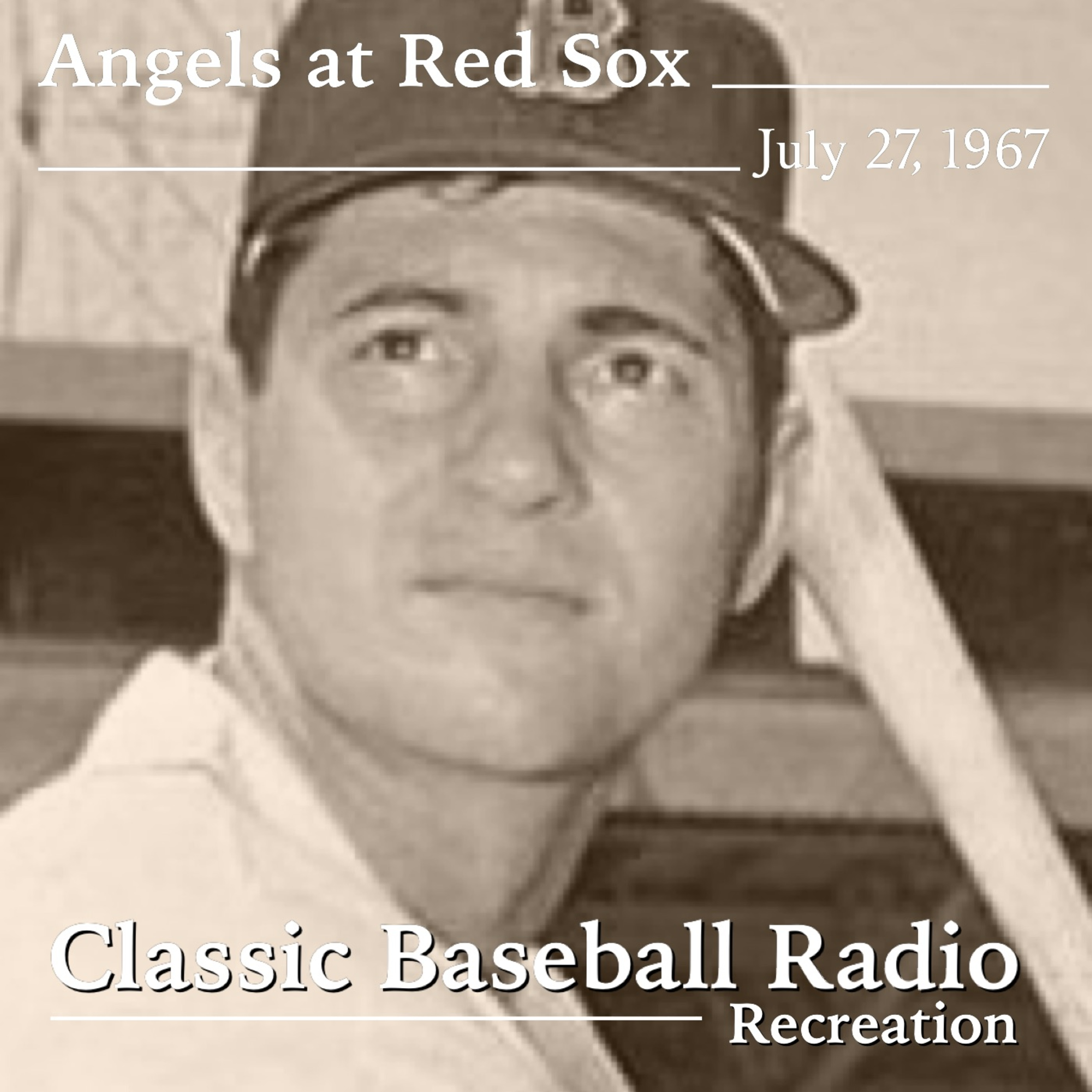
    To Live The Impossible Dream, California Angels at Boston Red Sox, July 27, 1967 (Recreation)

    What a difference a year makes. From finishing second-last in the American League, the Boston Red Sox are sitting just one-and-a-half games behind the White Sox after the All-Star break. Their midweek series against the third-placed California Angels is another “must-win” series in the chase for their first pennant since 1946. The Angels are chasing just as hard, looking to show that the expansion team has just as much right to the top spot as legacy franchises like the Red Sox. A look down the rosters for both teams brings up players who are going to write themselves into the history books; you have rookie relief pitcher Sparky Lyle, who’ll take a Cy Young in 1977, two Gold Gloves with the Angels, Jim Fregosi and Bobby Knoop, and a certain Carl Yastrzemski. Yaz is on course to grab the Triple Crown in 1967, which would remain a feat unmatched in the league until Miguel Cabrera in 2012, and post 3,308 appearances while joining the 3,000-hit club over a 23-year career with the Red Sox. For this afternoon, it’s not only the third deciding game in the series, it’s two contenders chasing for the pennant, and no quarter will be offered. Ewan Spence and the Classic Baseball Radio team bring you this recreated radio broadcast from July 27, 1967. This should not be considered a complete or fully accurate historical record. Nevertheless, this is our story of the game. We thank Retrosheet, Sports Reference, Sports Logos Net, Tom R Audio, and Crafting The Call. ** Links ** You can find the boxscore here: https://www.baseball-reference.com/boxes/BOS/BOS196707270.shtml The Fenway Park Diaries recaps the game’s dramatic ninth-inning home runs and Yastrzemski's 10th-inning defensive gem. https://fenwayparkdiaries.com/1967%20red%20sox/sox%2007-27-1967.htm SABR look at the final day of the season and how the Angels played the spoiler role to help Boston complete ‘The Impossible Dream’ and win the pennant. https://sabr.org/gamesproj/game/october-1-1967-red-sox-complete-impossible-dream/ An analytical narrative focusing on Carl Yastrzemski’s torrid late-season hitting and the cultural impact of 1967 in Boston https://thisgreatgame.com/1967-baseball-history/ Six Days in September, from The Hardball Times. An in-depth look at the 1967 pennant race, including the impact of Tony Conigliaro’s injury. https://tht.fangraphs.com/six-days-in-september-the-1967-al-pennant-race-part-1/ National Baseball Hall of Fame profile of Carl Yastrzemski, highlighting his 1967 MVP season and his transition from Ted Williams to team legend. https://baseballhall.org/hall-of-famers/yastrzemski-carl The life and career of the Angels' All-Star starter Jim McGlothlin, who tragically died of leukaemia at age 32. https://sabr.org/bioproj/person/jim-mcglothlin/ Crashing The Pearly Gates profiles Minnie Rojas’ Path to the Majors. https://crashingthepearlygates.com/2020/03/20/top-100-angels-95-minnie-rojas/

  • March 25 · 2 hr 18 min

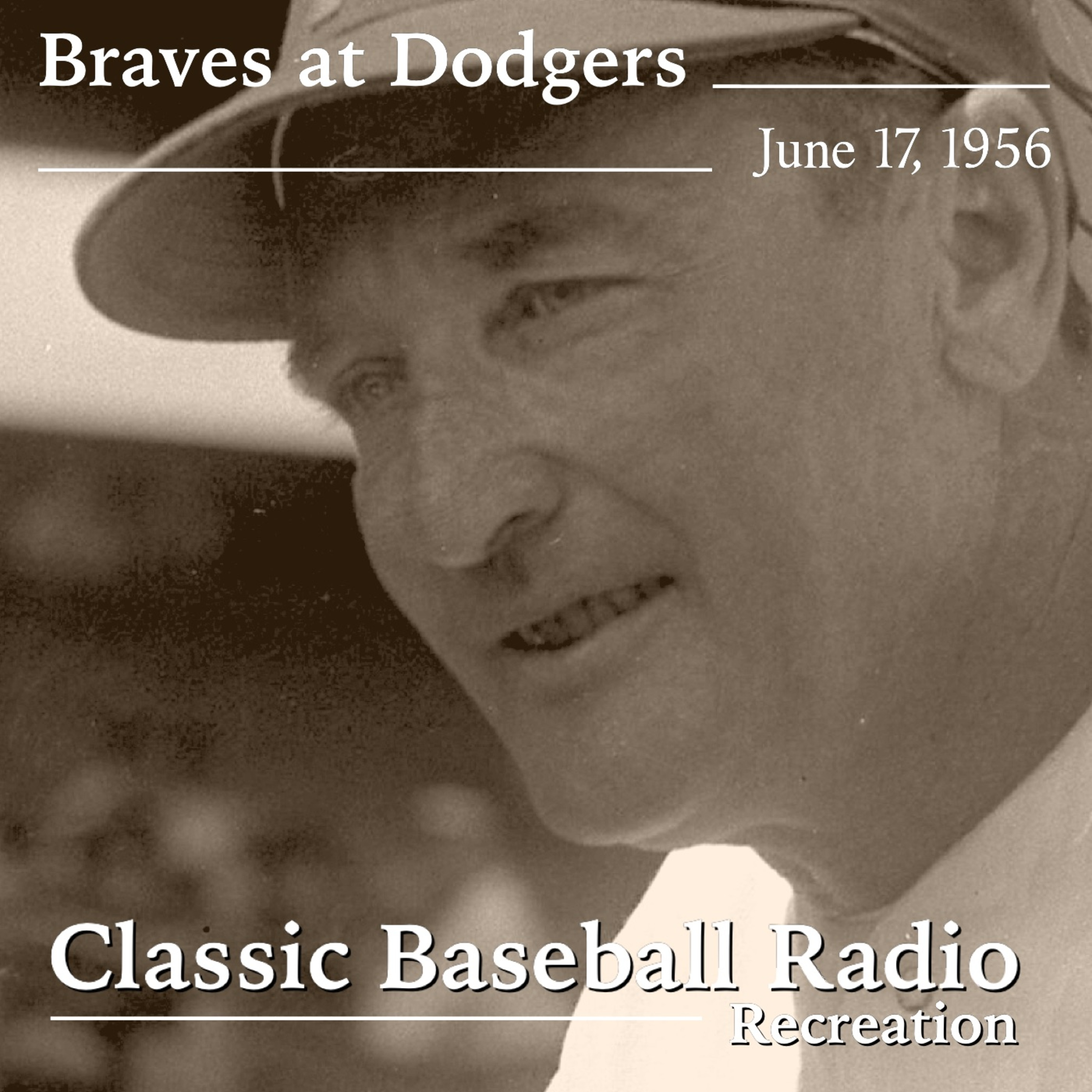
    Fred Haney’s Sunday Sweep, Milwaukee Braves at Brooklyn Dodgers, June 17, 1956 (Recreation)

    Can a four-game series define a season? The Brooklyn Dodgers’ “Boys Of Summer’ are no longer boys. The defending World Series champions find themselves in a three-way brawl for the 1956 National League pennant with the young upstart Milwaukee Braves and the heavy-hitting Cincinnati Redlegs. Every head-to-head matchup carried the weight of a play-off game, and pressures both on- and off-field impacted the season. The middle of June brings Milwaukee to Brooklyn in what would prove to be a critical four-game series. The Dodgers won the first two games, putting them three up over the Braves. In response, the Braves decided the best option ahead of the doubleheader to close out the series was to fire their manager, Charlie Grimm. Coach Fred Haney is stepping into the Sunday doubleheader as The Man. His first game went the way of the Braves, thanks to Joe Adcock’s legendary 550-foot home run onto the roof of the Ebbets Field grandstand. Now he’s hoping that his style of discipline during at-bats and base running can split the series and propel the Braves towards their first World Series appearance as a Milwaukee-based team. Ewan Spence and the Classic Baseball Radio team bring you this recreated radio broadcast from June 17, 1956. This should not be considered a complete or fully accurate historical record. Nevertheless, this is our story of the game. We thank Retrosheet, Sports Reference, Sports Logos Net, Tom R Audio, and Crafting The Call. ** Links ** You can find the boxscore here: https://www.baseball-reference.com/boxes/BRO/BRO195606172.shtml An account of Joe Adcock’s mammoth homer off Ed Roebuck, believed to be the only ball to ever land on the roof at Ebbets Field. https://thisdayinbaseball.com/joe-adcock-page/ A profile of the Milwaukee Braves’ Fred Haney, the manager whose mid-season appointment on June 16, 1956, sparked an immediate 11-game winning streak. https://sabr.org/bioproj/person/fred-haney/ A retrospective on the unique dimensions of Ebbets Field, the "short porch" in right field, and the legendary atmosphere of the Dodgers' home. https://thisgreatgame.com/ballparks-ebbets-field/ An official overview of the Brooklyn Dodgers’ pennant-winning campaign of 1956 and their final years in New York. https://www.walteromalley.com/dodger-history/team-histories/1956/ A retrospective on Don Newcombe’s 27-win season and his dominance over the National League. https://www.mlb.com/news/don-newcombe-had-big-season-in-1956-c163639432 A retrospective on Johnny Logan’s scrappy style and his famous dust-ups with pitchers like Don Drysdale. https://northwoodsleague.com/madison-mallards/2003/06/10/meetjohnnylogan/ A comparison of how the Braves' June performance at Ebbets Field impacted the final 1-game margin for the National League pennant. https://www.statmuse.com/mlb/ask/1956-national-league-standings-june-17

  • March 11 · 2 hr 32 min

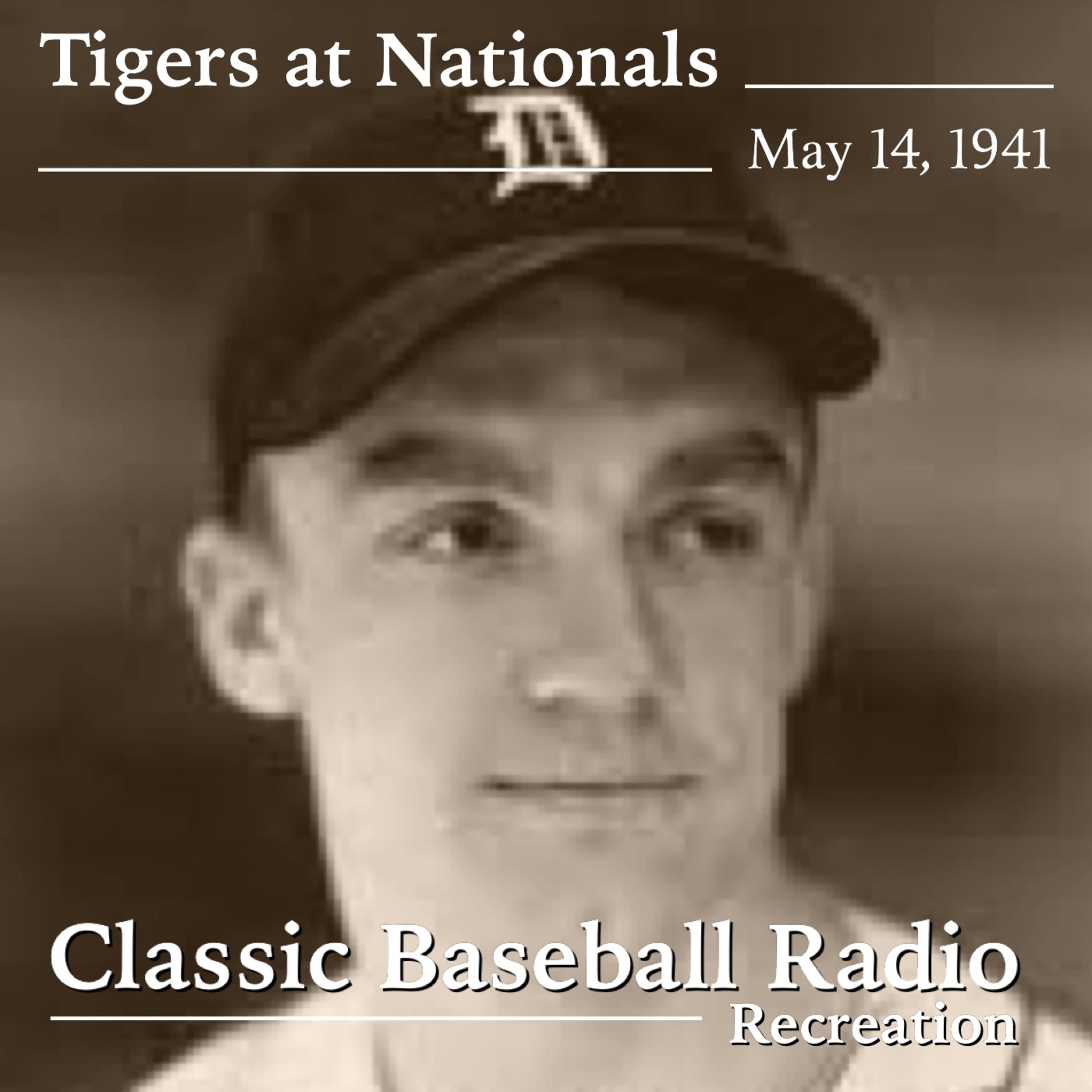
    Baseball In The Shadow Of War, Detroit Tigers at Washington Nationals, May 14, 1941 (Recreation)

    The shadow of war hangs over the 1941 season, a season that historians call “the last pure summer of baseball” before the world is irrevocably changed. Club rosters will be weakened as the peacetime draft moved to a wartime footing, yet baseball served as a vital yet fragile distraction. As the defending American League champions, the visiting Detroit Tigers are without star player Hank Greenburg, who was called up one week before tonight’s game against the Washington Nationals. The Tigers are hoping to prove that their 1940 pennant was not a one-hit wonder and are under pressure to perform. The Nationals are fighting to escape the cellar of the American League. Shortstop Cecil Travis. Travis was in the midst of a historic breakout season, which would see him out-hit both Ted Williams and Joe DiMaggio. For Washington, this series against the defending champs was a chance to assert that speed and guile could usher in a new era of winning baseball in the capital. Ewan Spence and the Classic Baseball Radio team bring you this recreated radio broadcast from May 14, 1941. This should not be considered a complete or fully accurate historical record. Nevertheless, this is our story of the game. We thank Retrosheet, Sports Reference, Sports Logos Net, Tom R Audio, and Crafting The Call. ** Links ** You can find the boxscore here. https://www.baseball-reference.com/boxes/WS1/WS1194105140.shtml Baseball During World War 2. https://www.baseballinwartime.com/baseball_in_wwii/baseball_in_wwii.htm When Hank Greenberg went to war. https://forward.com/culture/308100/when-hank-greenberg-went-to-war/ The life of Bucky Harris, Washington’s "Boy Wonder" manager. https://sabr.org/bioproj/person/bucky-harris/ Detroit Tigers' manager Del Baker, a master of sign-stealing who nearly guided Detroit to a title in 1940. https://sabr.org/bioproj/person/del-baker/ Once Upon A Fractured Baseball Season: The Cecil Travis Story. https://www.forbes.com/sites/tonyblengino/2020/03/17/once-upon-a-fractured-seasonthe-cecil-travis-story/ A profile of the Nationals' durable second baseman Jimmy Bloodworth, who was traded to Detroit following the 1941 season. https://sabr.org/bioproj/person/jimmy-bloodworth/ The unique architecture of Griffith Stadium including the centre-field "jut" around residential houses. https://www.ballparksofbaseball.com/ballparks/griffith-stadium/ The First Night Game at Griffith Stadium, May 28, 1941. https://ghostsofdc.org/2012/07/16/griffith-stadium-first-night-game/

  • February 23 · 2 hr 17 min

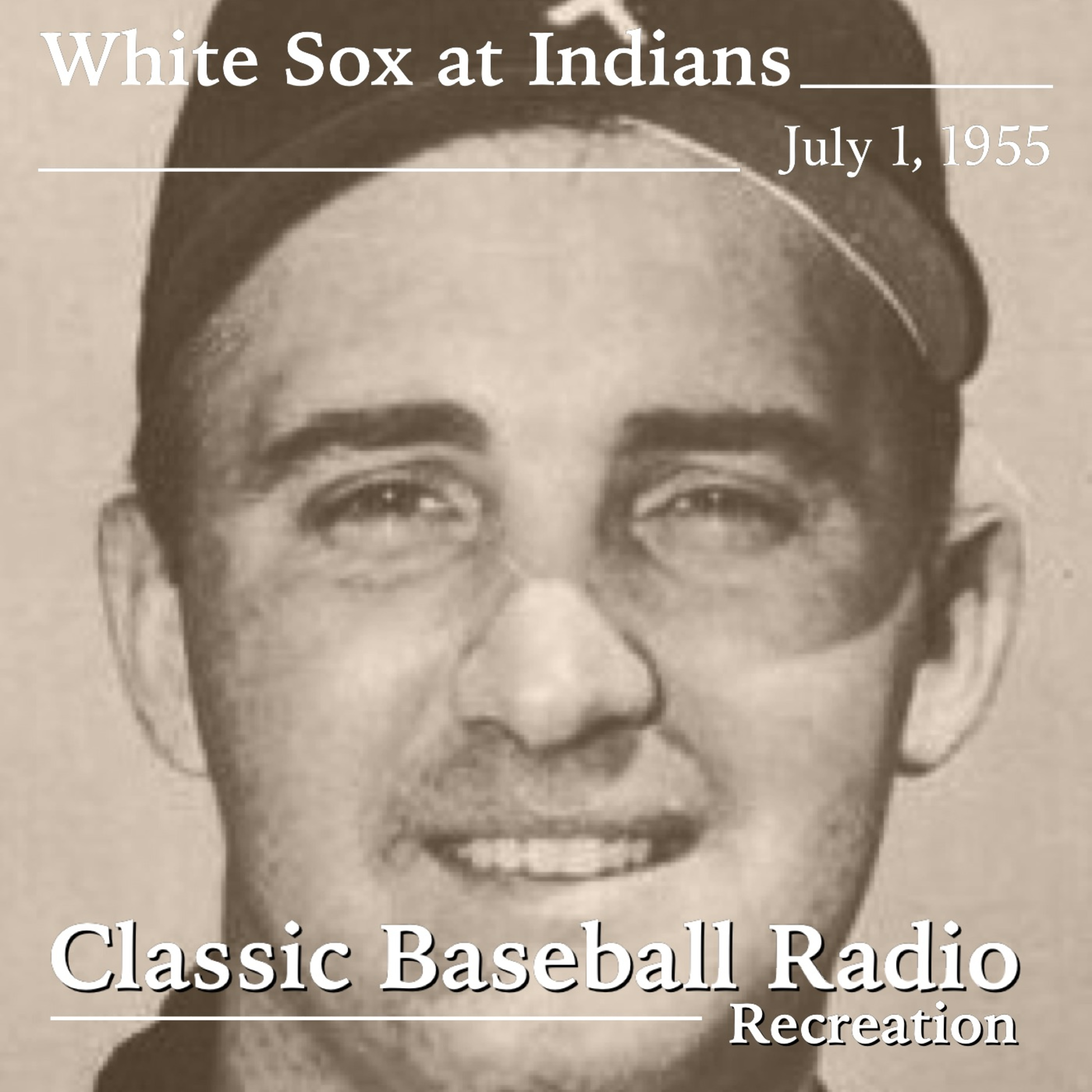
    The Go-Go White Sox Are Ready To Win, Chicago White Sox at Cleveland Indians, July 1, 1955 (Recreation)

    The Cleveland Indians' Big Four rotation served them well in 1954, delivering 111 wins and a ticket to the World Series. Yet their power is fading, and many worry that the AL pennant in the previous year was a high-water mark. They would rack up eight winning seasons in the decade, but only a sole defeat in the Fall Classic to show for it. In tonight’s game the welcome the young and eager Chicago White Sox. Marty Marion's “Go-go” philosophy of speed and base-running would be key. 1955 showed where the gaps were, and some rapid trades (bringing in Larry Doby and clearing the shortstop position for future Hall of Famer Luis Aparicio) would take them all the way in 1959. All of that lies in the future. Tonight is a distillation of the Indians' power and the Go-Go White Sox. reflected in the pitching match-up. Chicago’s Billy Pierce is in the middle of a historic season where he will finish with an ERA of 1.97. On the other side of the scorecard is Early Wynn, a future 300-game winner whose scowling, intimidating presence on the mound defined the era’s aggressive pitching ethos . Wynn would later win the Cy Young after joining the White Sox, but for now, he stands in the way of the White Sox’ first legitimate pennant run in 35 years . Ewan Spence and the Classic Baseball Radio team bring you this recreated radio broadcast from July 1, 1955. This should not be considered a complete or fully accurate historical record. Nevertheless, this is our story of the game. We thank Retrosheet, Sports Reference, Sports Logos Net, Tom R Audio, and Crafting The Call. ** LINKS ** Boxscore: https://www.baseball-reference.com/boxes/CLE/CLE195507010.shtml A closer look at the four-way race in 1955’s American League pennant race. https://thisgreatgame.com/1955-baseball-history/ Early Wynn biography and the philosophy of “The Office” and his willingness to knock down hitters to defend the plate. https://sabr.org/bioproj/person/early-wynn/ A look at Wynn’s longevity, including his eventual move to the White Sox and his 1959 Cy Young Award.https://www.encyclopedia.com/history/encyclopedias-almanacs-transcripts-and-maps/early-wynn A retrospective evaluation of Billy Pierce’s stats and pitching records. https://www.cooperstowncred.com/billy-pierce-star-from-the-1950s-on-the-golden-days-hall-of-fame-ballot Recounting Gene Woodling’s journey from the Yankees to the 1955 Indians. https://peanutsandcrackerjack.com/blog/gene-woodling-a-stellar-career-in-baseball How Larry Doby integrated the American League. https://sabr.org/gamesproj/game/july-5-1947-larry-doby-integrates-american-league-with-pinch-hitting-appearance-for-cleveland/ A look at Marion's managerial philosophy and his transition from Cardinal great to White Sox skipper. https://www.baseball-reference.com/bullpen/Marty_Marion/ The history of Comiskey Park https://ballparks.com/baseball/american/comisk.htm

  • February 9 · 2 hr 11 min

    The Birth Of The Big Red Machine, Los Angeles Dodgers at Cincinnati Reds, April 9, 1969 (Recreation)

    The year of the pitcher is over. Following a league-wide ERA of 2.98, Denny McLain’s 31 wins, and Bob Gibson’s 1.12 ERA, the MLB took drastic action; the mound was lowered from 15 inches to 10 inches, and the strike zone was reduced. As the season begins, pitchers are coming to terms with a brand new game, none more so than this match-up between the Los Angeles Dodgers’ Don Sutton and the Cincinnati Reds’ Jim Maloney. Sutton is looking to refine his precision pitching, and Maloney the new target for the firepower of his fastball. Looking back, it’s the Reds’ lineup card that’s impressive. Reading like a Hall of Fame Induction, you have Johnny Bench behind the plate, Tony Perez and Lee May offering muscle in the middle of the order, Wayne Granger ready to come in as the fireman, and the reigning batting champion of Pete Rose (okay, so maybe not everyone is going to be inducted). The Dodgers leaned into pitching to find success in the sixties, but here comes the Reds with a new approach of churning runs while on offense. It’s not quite complete, but the genesis of the Big Red Machine is here. Ewan Spence and the Classic Baseball Radio team bring you this recreated radio broadcast from April 9, 1969. This should not be considered a complete or fully accurate historical record. Nevertheless, this is our story of the game. We thank Retrosheet, Sports Reference, Sports Logos Net, Tom R Audio, and Crafting The Call. ** LINKS ** Boxscore: https://www.baseball-reference.com/boxes/CIN/CIN196904090.shtml Jim Maloney looks back on his career (Interview). https://irontontribune.com/2025/06/18/reds-pitching-great-maloney-still-going-strong/ How Don Sutton became a Los Angeles Dodgers legend. https://sabr.org/bioproj/person/don-sutton/ The Big Red Machine’s Spring Breaks At Pacetti Hotel https://www.ponceinlet.org/history-and-education/pacetti-hotel-history/the-big-red-machine/ The high-speed impact of Bobby Tolan's arrival in Cincinnati. https://www.redlegnation.com/2017/04/02/the-enigma-of-bobby-tolan/ Pete Rose returns to the Hall conversation as baseball embraces his original sin. https://www.theguardian.com/sport/2025/may/15/pete-rose-hall-of-fame-baseball A history of the Dodgers' $100,000 "bonus baby" Willie Crawford. https://ladodgerchronicles.com/remembering-willie-crawford/ Remembering 1968, the year of the pitcher. https://thisgreatgame.com/1968-baseball-history/ A Brief Historical Analysis Of Baseball's Divisional Era (1969-1995) https://notesironbound.blogspot.com/2016/02/a-brief-historical-analysis-of.html

  • February 2 · 2 hr 14 min

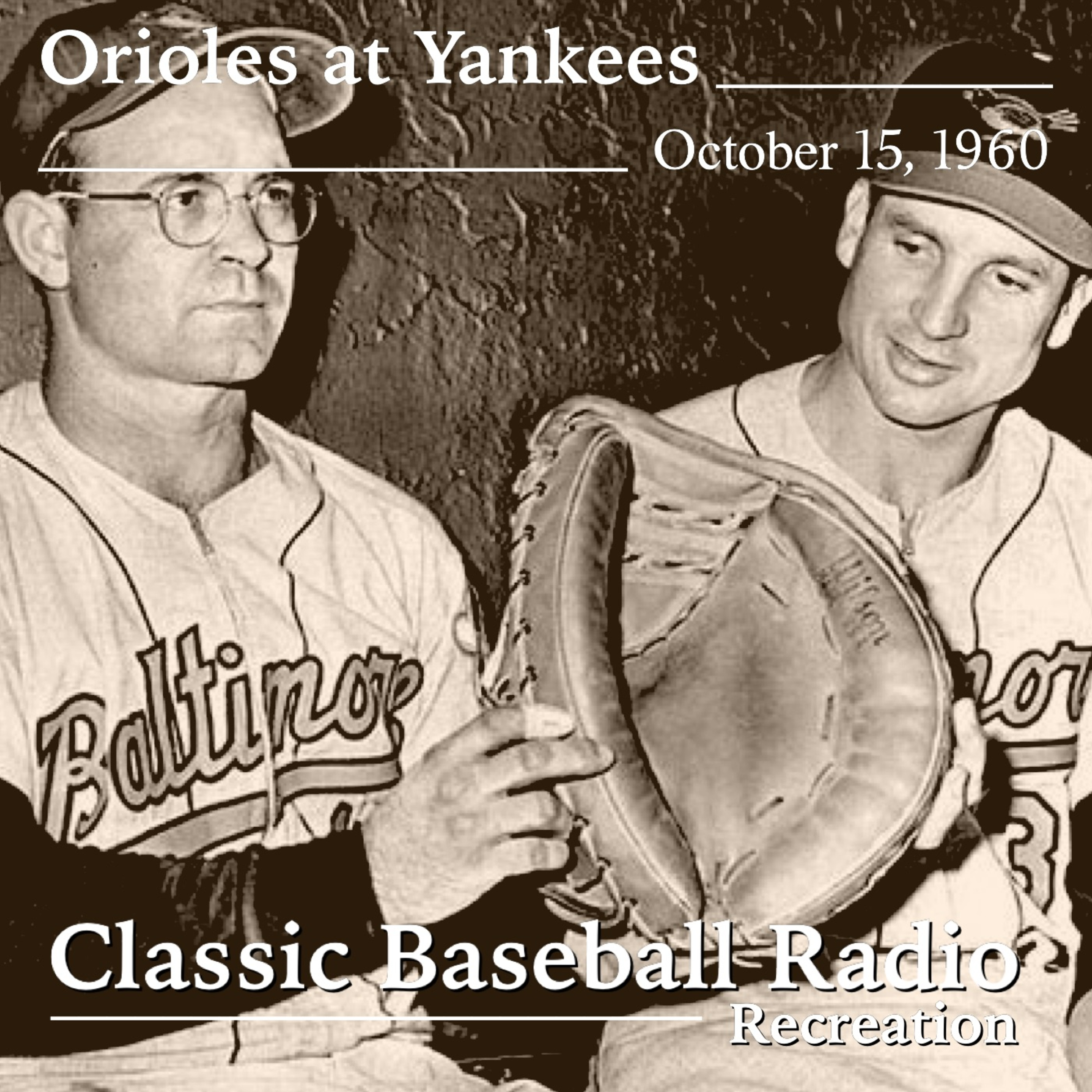
    The Forgotten August Night That Defined A Dynasty, Baltimore Orioles at New York Yankees, August 15, 1960 (Recreation)

    The ageing empire of Casey Stengel’s Yankees is in a desperate three-way street fight for the American League against the Chicago White Sox (the defending champions) and the ‘Kiddie Krops’ of the Baltimore Orioles. With only half a game separating them in the loss column, every game is a make-or-break. In tonight’s game, the Yankees welcome the Orioles into the cauldron of the House that Babe Built. Stengel’s Yankees are still playing as they did during their dominant fifties with a platoon full of power that will reach the fence or fall short over nine innings. The team crumbled in 1959. Can the old ways still work? Meanwhile, Orioles manager Paul Richards has young arms aplenty, and playing small ball built around bunts, singles and aggressive base running. Will that take them through September and beyond? The Orioles have their own aged war-horse. Hoyt Wilhelm, in his ninth year in the majors, is back where he belongs, pitching in relief with a knuckleball that seems to defy the laws of physics. It's paired with the comically oversized glove of Clint Courtney, because it's the only way any catcher has a hope of getting the ball into the back of the leather. Stengel is watching the sun set on his pinstripes, and Richards is welcoming the sun rise over his baby birds. Only one will stamp their authority in the race for the pennant… Ewan Spence and the Classic Baseball Radio team bring you this recreated radio broadcast from September 28, 1950. This should not be considered a complete or fully accurate historical record. Nevertheless, this is our story of the game. We thank Retrosheet, Sports Reference, Sports Logos Net, Tom R Audio, and Crafting The Call. ** LINKS ** Boxscore: https://www.baseball-reference.com/boxes/NYA/NYA196008150.shtml 1960 Major League Baseball season https://en.wikipedia.org/wiki/1960_Major_League_Baseball_season Ron Hansen, by Jimmy Keenan for SABR https://sabr.org/bioproj/person/ron-hansen/ Brooks Robinson at the Baseball Hall Of Fame https://baseballhall.org/hall-of-famers/robinson-brooks Who Was the Better Third Baseman, Brooks Robinson or Clete Boyer? https://www.baseballhistorycomesalive.com/who-was-the-better-third-baseman-brooks-or-clete/ Hoyt Wilhelm’s Knuckleball (The Inside Pitch, with Bob Wolff) https://www.youtube.com/watch?v=g5kdNI_gKLg So long, 45-inch catcher's glove https://www.cbssports.com/mlb/news/happy-anniversary-so-long-45-inch-catchers-glove/ Art Ditmar Obituary https://ripbaseball.com/2021/06/19/obituary-art-ditmar-1929-2021/ Casey Stengel: The Most Colorful Manager in Baseball History https://www.cmgworldwide.com/2023/07/05/casey-stengel-the-most-colorful-manager-in-baseball-history/ Once upon a time, the Orioles had the ‘Kiddie Korps’ https://www.shepherdstownchronicle.com/sports/2018/06/22/once-upon-a-time-the-orioles-had-the-kiddie-korps/

  • January 27 · 22 min

    BONUS - From The Clubhouse: The Beauty And History Of Baseball Scorecards (Bonus Episode)

    Welcome to Classic Baseball Radio’s Clubhouse, where we step back from the hectic pace of the games and take some time to talk about the history of baseball. Consider these bonus episodes as the pre-recorded explainers and profiles you normally see on sports broadcasts. As always, we look forward to your feedback. Joining us in the Clubhouse is Liz Thompson from Diamond Scorecard Designs. Her mom taught her to score at an early age, and since then, she has tried various scorecards and books to find the right one. Finally, she decided to stop trying to settle and design the scorebook she always wanted. Those scorebooks, and the opportunity to have a custom designs scorebook, are available through the Diamond Scorecard Designs website. As part of her personal mission to get people to keep score again, she visits the Classic Baseball Radio Clubhouse to talk with Ewan Spence on the beauty and history of our scorecard. FEATURING… Scorecards as a fundamental part of Baseball’s history. Learning Baseball through scoring and scorecards. The archaeology of scorecards. The earliest scorecard (Atlantics at Athletic, Oct 11, 1866). Various scoring systems from the 19th century to the present day. Why there’s no wrong way to score a game. A warning… keeping score may be habit-forming. LINKS Liz Thompson’s Diamond Scorecard Designs https://diamondscorecarddesigns.com/ ​​Baseball Basics: How to Keep Score (MLB) https://www.mlb.com/official-information/basics/score Skeleton Key Unlocks Game (Washington Post, 1979) https://www.washingtonpost.com/archive/sports/1979/08/17/skeleton-key-unlocks-game/979879db-0465-46d4-8d4d-471b26191546/ Brooklyn Atlantics at Philadelphia Athletics, October 11th, 1866. https://sabr.org/gamesproj/game/october-1866-a-return-on-their-investment/ The tiny scorecard ballyhooing "The Great Game for the Championship of the United States" https://www.inquirer.com/philly/sports/phillies/20110914_A_chance_to_own_a_bit_of_baseball_history.html Henry Chadwick, the Father of Baseball. https://en.wikipedia.org/wiki/Henry_Chadwick_(writer) The Man Who Made Baseball's Box Score A Hit. https://www.npr.org/2009/07/30/106891539/the-man-who-made-baseballs-box-score-a-hit A. G. Spalding & Bros: Spalding Scorebook. https://digitalcollections.detroitpubliclibrary.org/islandora/object/islandora%3A132213 Joe Posnanski’s Blog https://www.joeposnanski.com/ Stratomatic’s Baseball Board Game. https://www.strat-o-matic.com/baseball-board-games/ Harry Wright scorecard example. https://lelands.com/bids/1881-boston-scorecard-signed-by-scorer-harry-wright--psa Cricket scorecards by Andy Zaltzman. https://thesportscommentators.com/collections/andy-zaltzman SABR: Official Scoring Research Committee. https://sabr.org/research/official-scoring-research-committee/ ABOUT THE PODCAST If you’d like to get in touch with us, visit www.classicbaseballradio.com. Follow us online at BlueSky https://bsky.app/profile/classicbaseball.bsky.social

  • January 19 · 2 hr 9 min

    Robin Roberts And The Whiz Kids Collapse, Philadelphia Phillies at New York Giants, September 28, 1950 (Recreation)

    The Philadelphia Phillies were meant to have the 1950 National League sewn up. With two weeks left in the regular season, they were seven and a half ahead of the Red Sox and nine ahead of the Dodgers. Then they collapsed. In the second-last series of the season, the Phillies travel to the Polo Grounds to take on a rampaging New York Giants who have won 15 of their last 25 games. The Phillies? Just three wins in the last ten games. The Giants are one win away from the sweep, which would force the Phillies into a win-or-go-home deciding series against the Dodgers. Things are going no better for pitcher Robin Roberts. This is the third game he has started with nineteen wins. No Phillies pitcher has won 20 games since 1917, and Roberts can’t get himself over the line. He lost 1-0 to Chicago, then 3-2 to the Dodgers. Roberts is running out of starts, the Whiz Kids are running out of time, and Philadelphia is running out of patience. Ewan Spence and the Classic Baseball Radio team bring you this recreated radio broadcast from September 28, 1950. This should not be considered a complete or fully accurate historical record. Nevertheless, this is our story of the game. We thank Retrosheet, Sports Reference, Sports Logos Net, Tom R Audio, and Crafting The Call. (Editor's note: Our commentary notes listed the Giants as winning 20 of the preceding 25 games; it is, in fact 15 from the last 25). LINKS Boxscore: https://www.baseball-reference.com/boxes/SDN/SDN197306190.shtml Philadelphia Phillies in 1950 https://en.wikipedia.org/wiki/1950_Philadelphia_Phillies_season New York Giants in 1950 https://en.wikipedia.org/wiki/1950_New_York_Giants_(MLB)_season Robin Roberts profile: https://sabr.org/bioproj/person/robin-roberts/ The Whiz Kids https://philadelphiaencyclopedia.org/essays/whiz-kids/ The Whiz Kids at 75 https://ballnine.com/2025/06/19/whiz75/ The Ballparks: Polo Grounds https://thisgreatgame.com/ballparks-polo-grounds/ The colorful career of Wes Westrum, Bemidji State’s only World Series winner https://bsualumni.org/the-colorful-career-of-wes-westrum-bemidji-states-only-world-series-winner/ Eddie Stankey profile https://sabr.org/bioproj/person/eddie-stanky/ Bobby Thompson at the Scottish Sports Hall Of Fame https://sshf.sportscotland.org.uk/inductees/bobby-thomson/index.html

  • January 12 · 2 hr 52 min

    Dave Winfield Skips The Minors. Houston Astros at San Diego Padres, June 19, 1973 (Recreation)

    The San Diego Padres have lost their last nine games, and with rumours of the franchise moving to Washington, the management is looking for anything to bring the winning ways, and the fans, back to San Diego Stadium. Is the answer Dave Winfield? San Diego picked Winfield with the fourth overall pick in the first round draft. Winfield was a pitcher, but the Padres needed bats in the lineup, so they not only put Winfield out to left field, they also brought him straight into The Show. Winfield remains one of the handful of players to accomplish this feat. Winfield developed into an All-Star with San Diego before moving to the Yankees for a then-record 10-year, $23 million contract, popping up next with the Angels, before heading to the Blue Jays to get a World Series ring in 1992. We’re winding the clock all the way back to what is Dave Winfield’s first game. The Padres are anchored at the bottom of the National League, 20 games back behind the top spot held by the Dodgers. The Houston Astros are faring much better - third in the League and 4 and a half games back. Can Winfield’s bat be the spark that lights up the Padres' season? Ewan Spence and the Classic Baseball Radio team bring you this recreated radio broadcast from 1973. This should not be considered a complete or fully accurate historical record. Nevertheless, this is our story of the game. You can find the boxscore here: https://www.baseball-reference.com/boxes/SDN/SDN197306190.shtml This game was played on June 19, 1973.. We thank Retrosheet, Sports Reference, Sports Logos Net, Tom R Audio, and Crafting The Call. LINKS Box Score: https://www.baseball-reference.com/boxes/SDN/SDN197306190.shtml Dave Winfield Profile, by Doug Skipper https://sabr.org/bioproj/person/dave-winfield/ We Are, We Can, We Will: The 1992 World Champion Toronto Blue Jays; Foreword, by Dave Winfield. https://sabr.org/journal/article/foreword-1992-world-champion-toronto-blue-jays-by-dave-winfield/ No, Dave Winfield wasn’t traded for a dinner. https://www.mlb.com/news/dave-winfield-traded-for-dinner Cito Gaston's contributions left a mark on the game; First African-American skipper to win the World Series built a strong legacy: https://www.mlb.com/news/cito-gaston-left-his-imprint-on-the-game-c215951760 Missouri Sports Hall of Fame Inductee Jerry Reuss: https://mosportshalloffame.com/inductees/jerry-reuss/ The 50-20 Club: https://tht.fangraphs.com/tht-live/the-50-20-club/ Looking back at… Cesar Cedeno: https://www.astrosdaily.com/history/cedeno.html

  • January 5 · 2 hr 10 min

    Dizzy Dean Takes Revenge On The Gashouse Gang, St Louis Cardinals at Chicago Cubs, April 24, 1938 (Recreation)

    Following an injury at the 1937 All-Star Game, Dizzy Dean lost his fastball, and the St Louis Cardinals traded away one of the leading lights of The Gashouse Gang. The Chicago Cubs picked up Dean in exchange for three players and the then-legendary sum of $185,000, convinced that his arm would recover. The fastball never returned, but Dean equipped himself with a new arsenal of knuckles, screws and junkballs ahead of the 1938 season. Six games into the year, and the Cardinals visit the Cubs. Everyone wanted Dizzy Dean on the mound to face his old team, and Cubs manager Charlie Grimm did not disappoint a Wrigley Field crowd of over 34,000. Facing Dean were familiar faces from the Gashouse Gang, including Pepper Martin and Johnny Mize. It’s time for a reckoning. Ewan Spence and the Classic Baseball Radio team bring you this recreated radio broadcast from 1938. This should not be considered a complete or fully accurate historical record. Nevertheless, this is our story of the game. You can find the boxscore here: https://www.baseball-reference.com/boxes/CHN/CHN193804240.shtml This game was played on April 24, 1938. We thank Retrosheet, Sports Reference, Sports Logos Net, Tom R Audio, and Crafting The Call.

  • Dec 29, 2025 · 2 hr 8 min

    The Chairman's Masterpiece, Chicago White Sox at New York Yankees, May 6, 1956

    1956 is a year that Yankees fans have fond memories of... Mickey Mantle will take the triple crown, Don Larsen will pitch a perfect game in the World Series, and Whitey Ford will lead the American League in ERA and winning percentage. Today, let's listen to Ford in action. The Chicago White Sox are visiting the Bronx for a doubleheader. Ford will face a line-up that includes a young Luis Aparicio and the hot bat of Minnie Miñoso, and he's going to use his mix of calm efficiency and ruthlessness that will lead the Yankees to the World Series. Bob Elson is behind the microphone to take you through the game. You can find the boxscore here: https://www.baseball-reference.com/boxes/NYA/NYA195605061.shtml This game was played on May 6, 1956.

  • Dec 22, 2025 · 2 hr 32 min

    Can Ted Williams Save The Day? Detroit Tigers at Boston Red Sox, September 17, 1953 (Recreation).

    The Boston Red Sox are in trouble. They are 36-37 at home, and have three games left to avoid the losing record; and they've just lost the first game in a two-game series against the Detroit Tigers. Locked in fourth place, they are playing for pride and to avoid a losing season in Fenway Park. But they have an ace in the line-up. Ted Williams, returning from military service in Korea, is coming back into the Boston lineup and batting .400 for the season. Ahead of him in he line-up is Jim Piersall, finding his form after spending most of 1952 being treated for bipolar disorder. In the Red Sox way is soon to be crowned Rookie of the Year Harvey Kuenn, and Mr Tiger himself Al Kaline… however, at this point in his storied career, Kaline is a rookie who’s only been playing in the Majors for three months. Ewan Spence and the Classic Baseball Radio team bring you this recreated radio broadcast from 1953. This should not be considered a complete or fully accurate historical record. Nevertheless, this is our story of the game. You can find the boxscore here: https://www.baseball-reference.com/boxes/BOS/BOS195309170.shtml This game was played on September 17, 1953. We thank Retrosheet, Sports Reference, Sports Logos Net, Tom R Audio, and Crafting The Call.

  • Dec 15, 2025 · 1 hr 53 min

    Waite Hoyt's Other Final Game, Cincinnati Reds at SF Giants, October 3, 1965.

    The SF Giants have just lost a place in the World Series, with arch rivals the Dodgers taking the National League's spot the previous evening. The Giants' 94-67 record with one game to go is not enough. Game 152 has become one to win for the pride of the club and to end the season with a W. The Cincinnati Reds were even further back in the National League. The core trio of Frank Robinson, Vada Pinson, and a young Pete Rose was promising, but as a team, the Reds fell short of the Dodgers' power or the Giants' finesse. Coming into this final game at 89-72, the totemic 90-win mark is within reach and a chance to overhaul Pittsburgh to finish third in the NL. High above Candlestick Park is another final moment, as Waite Hoyt prepares to call the game for the listening Reds fans back home. Following a career that included three World Series rings over twenty-one years and seven teams, he became one of the first players to transition into broadcasting. Now, after 24 years of calling strikes, balls and fouls, this would be Hoyt's commentating swansong. Featuring around two-thirds of the game, today's classic game is not a complete record of Hoyt's last game, but it is a record. And with so much of the early days of broadcasting lost to time, it's an excellent record of a baseball legend You can find the boxscore here: https://www.baseball-reference.com/boxes/SFN/SFN196510030.shtml This game was played on October 3, 1965.

  • Dec 8, 2025 · 2 hr 31 min

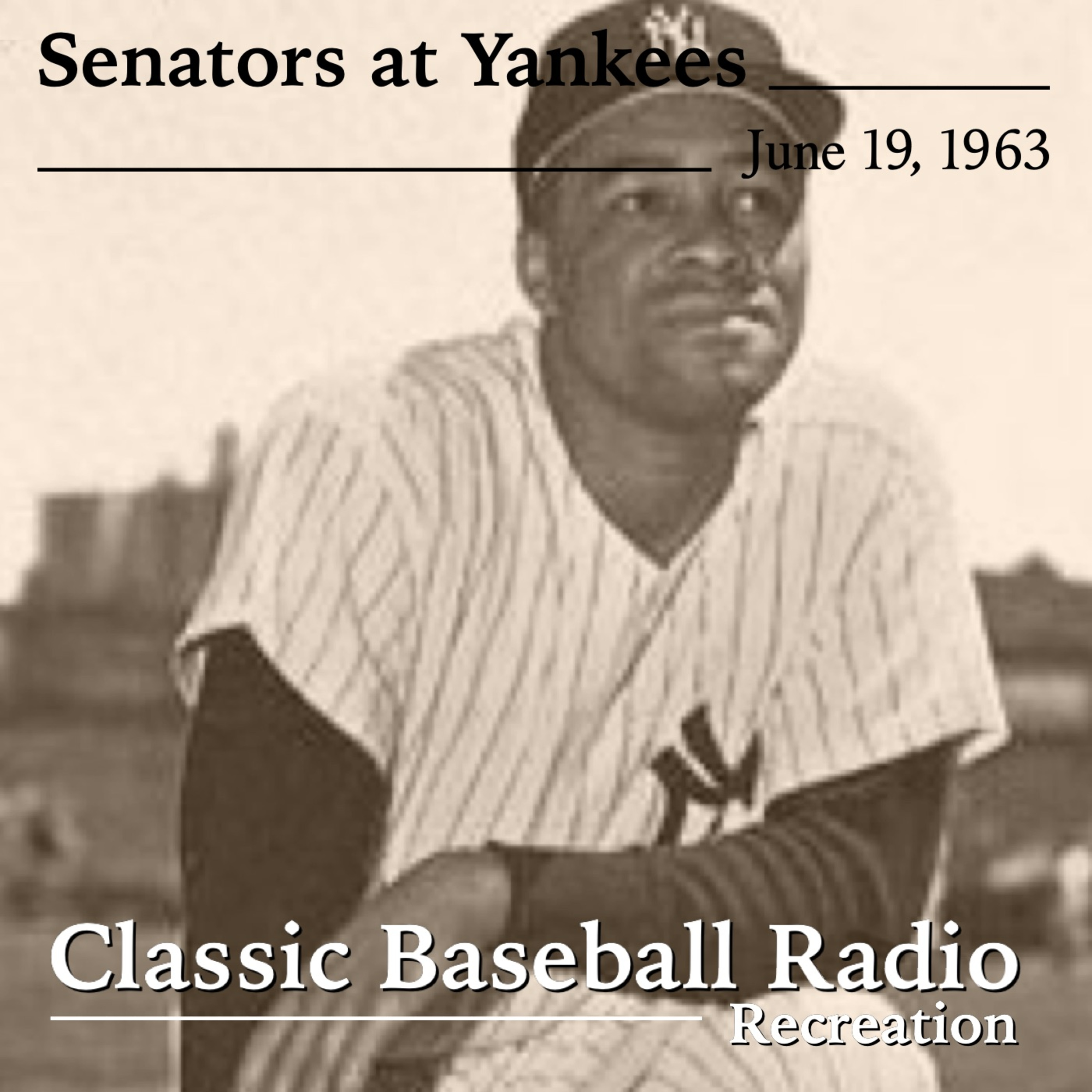
    Elston Howard Takes Charge In The Bronx, Washington Senators at New York Yankees, June 19, 1963 (Recreation)

    The records credit Jim Bouton with the win, but everyone who followed the Yankees' 1963 season knows that the driving force in the middle of the year was Elston Howard. Stepping up into a leadership role after Mickey Mantle broke his foot and moved to the Injured List for ten weeks, the Yankees catcher would shepherd the rotation through the summer months with performance like this one, taking the young Bouton through 8 scoreless innings. Howard earned his American League MVP award by putting the Yankees on his broad shoulders. Neither should we ignore opposing pitcher Claude Osteen. The left-hander packed heat alongside an arsenal of breaking pitches. Already established as the Senators' ace, the offence would rarely back him up, and 1963 would end with a 9-14 record. The Dodgers would offer him a lifeline, and in 1965, he would join Don Drysdale, Sandy Koufax, and Johnny Podres in a devastating rotation in Los Angeles. Today? Today, you can see the difference Howard makes when supporting a young pitcher. Ewan Spence and the Classic Baseball Radio team bring you this recreated radio broadcast from 1963. Just as radio stations recreated baseball games from ticker-tape messages, we can research this classic game and present it to you as if you were listening to the radio in 1963. This should not be considered a complete or fully accurate historical record. Nevertheless, this is our story of the game. You can find the boxscore here: https://www.baseball-reference.com/boxes/NYA/NYA196306190.shtml This game was played on June 19, 1963 We thank Retrosheet, Sports Reference, Sports Logos Net, Tom R Audio, and Crafting The Call.

  • Dec 1, 2025 · 2 hr 26 min

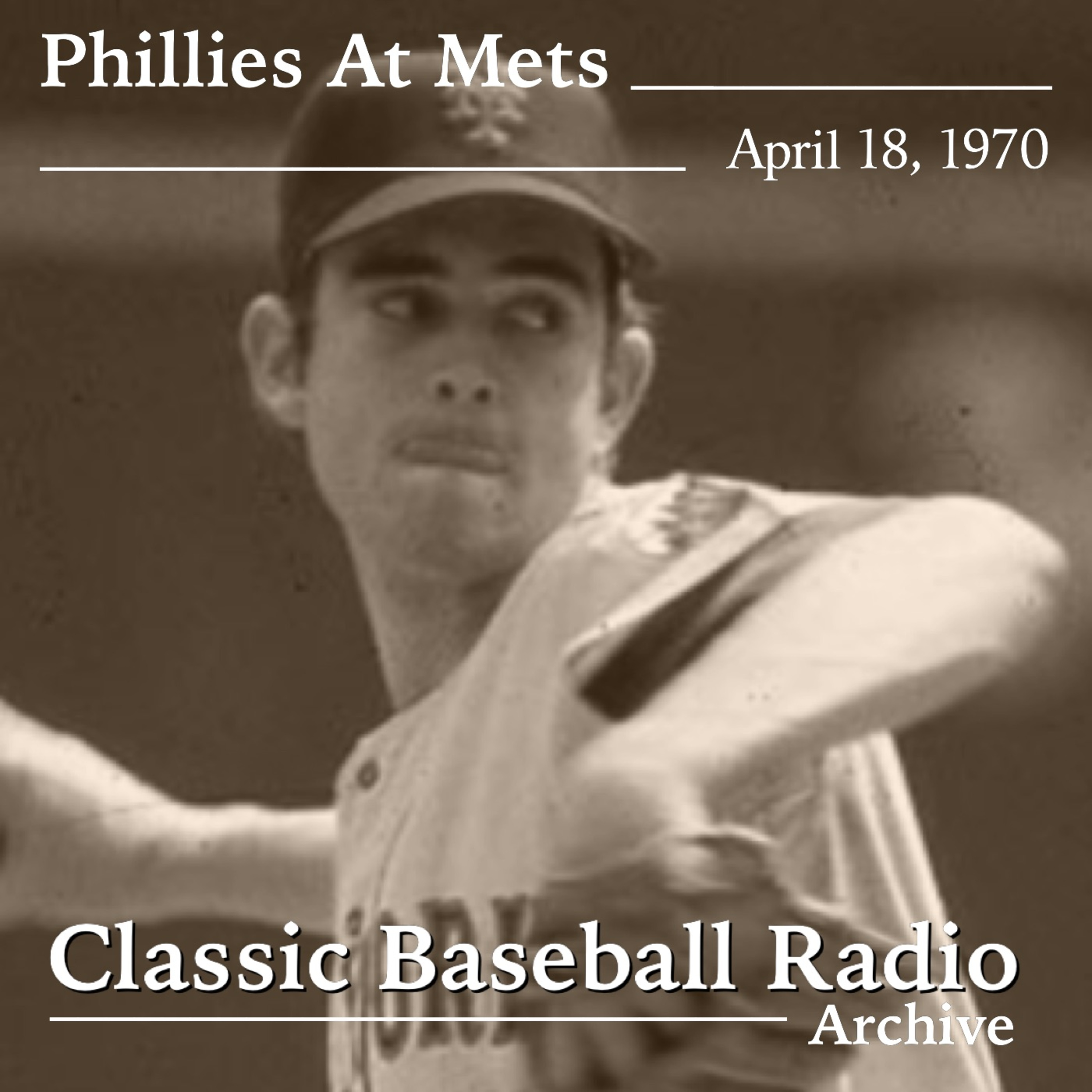
    What If Nolan Ryan Struck Out Denny Doyle? Phillies at Mets, April 18, 1970.

    You can’t talk about Nolan Ryan without talking about the moments he flirted with Baseball Immortality. In a career that lasted 27 seasons, he threw a record seven no-hitters, three more than the number two on the list, Sandy Koufax. He also threw twelve one-hitters, sharing that record with Bob Feller. Today, we turn back the clock to 1970, as Nolan Ryan returns to Major League Baseball after a stint in the National Guard. The “Miracle Mets” of 1969 have a World Series under their belt, and their young fire-throwing rookie is on the bump, facing the wily legend of Jim Bunning, to bring that momentum into the seventies. You never know when your name is going to be written into the history books; you never know why, you just play the game as best you can. Will this be a memorable day for Nolan Ryan? For Jim Bunning? Or the Phillies' opening batter, Denny Doyle? Bob Murphy, Ralph Kiner, and Lindsey Nelson are on Mets Radio to take you through the game. And if you want a bit of broadcast trivia, Ralph Kiner’s future broadcast partner Tim McCarver is in the Phillies line-up. You can find the boxscore here https://www.baseball-reference.com/boxes/NYN/NYN197004180.shtml This game was played on April 18, 1970.

  • Nov 24, 2025 · 2 hr 21 min

    Dick Fowler, Canada’s Kilted Knuckleballer, St Louis Browns at Philadelphia Athletics, June 25, 1947 (Recreation)

    Knuckleball pitcher Dick Fowler spent his entire career in the Majors with the Philadelphia Athletics. During the Second World War, he enlisted at the age of 22 and served three years with Canada’s 48th Light Highlanders, known as "The Ladies from Hell" thanks to wearing kilts on the battlefield. His first start on returning from service saw him face the St Louis Browns and hurl a no-hitter, the first Canadian to do so. Fowler is on the mound to face the Browns once more in today’s game. The Philadelphia Athletics are sitting in third place in the American League. Managed by 84-year-old legend Connie Mack, the Athletics are coming off 14 years without a winning record. Can the old-school tactic of manufacturing runs with small-ball batting and pitching bring back the glory years? They face a team fighting to escape a slump. The St Louis Browns have lost eight of their last ten games, but took the first game in this two-game series by 12 runs to 3. On the mound is Fred Sandford, who’s looking to find confidence in his fastball. This episode is a new approach to telling the history of America’s favourite game. Just as radio stations would recreate baseball games from tickertape messages, we can research this classic game and present it to you as if you were listening to the radio in 1947. Your comments are welcome. Ewan Spence and the Classic Baseball Radio team bring you this recreated radio broadcast from 1947. This should not be considered a complete or fully accurate historical record. Nevertheless, this is our story of the game. You can find the boxscore here: https://www.baseball-reference.com/boxes/PHA/PHA194706250.shtml This game was played on June 25, 1947. We thank Retrosheet, Sports Reference, Sports Logos Net, Tom R Audio, and Crafting The Call.