Skip to content
Artwork for Classes by Mordechai Dinerman
ArtsBooks

Classes by Mordechai Dinerman

Mordechai Dinerman

Text-based classes on assorted Judaic topics, with a special emphasis on Jewish history.

New episodes every week.

Made Possible by Unzer-Chadash Shul, Brooklyn NY.

Play
  • 21 episodes
  • fortnightly
  • Avg 1 hr 5 min
  • English
Counted on this page — what you have heard stays on this device, so it is not something the list can be paged by.
  • August 14 · 1 hr 12 min

    A Chasidic Letter on Anxiety
    A man wrote to the Tzemach Tzedek, the third Rebbe of Chabad, about fears he couldn’t shake in matters of health and money. What came back was a long letter working through Torah sources to explain how fear takes hold and how to loosen its grip. This class takes this remarkable letter line by line, setting the scene, tracing the sources, and drawing out what it asks of us today. ⁠Click here for the handout ⁠ A Chasidic Letter on Anxiety
  • August 4 · 1 hr

    HaRav Levi Yitzchak, In His Own Words: A Commemorative Study

    HaRav Levi Yitzchak Schneerson spent his final years in exile in Kazakhstan, banished there by the Soviets for his work strengthening Jewish life across the Soviet Union. Soon after arriving there in 1940, he wrote a brief account of his imprisonment. It reads like no ordinary memoir: each line is a kabbalistic commentary on his own life, shaped by a deep belief in personal divine providence. Gathering to honor his yahrzeit on the twentieth of Av, we studied this account and worked to unpack its esoteric terms. It isn’t the easiest material to understand, but it does paint a vivid picture of this special leader and his worldview. Click here to follow along in the original Reshima HaRav Levi Yitzchak, In His Own Words: A Commemorative Study

  • July 16 · 1 hr 4 min

    The Rabbi-Doctor Who Wrote a Sefer on the Beis Hamikdash with Both Hands Tied Behind His Back

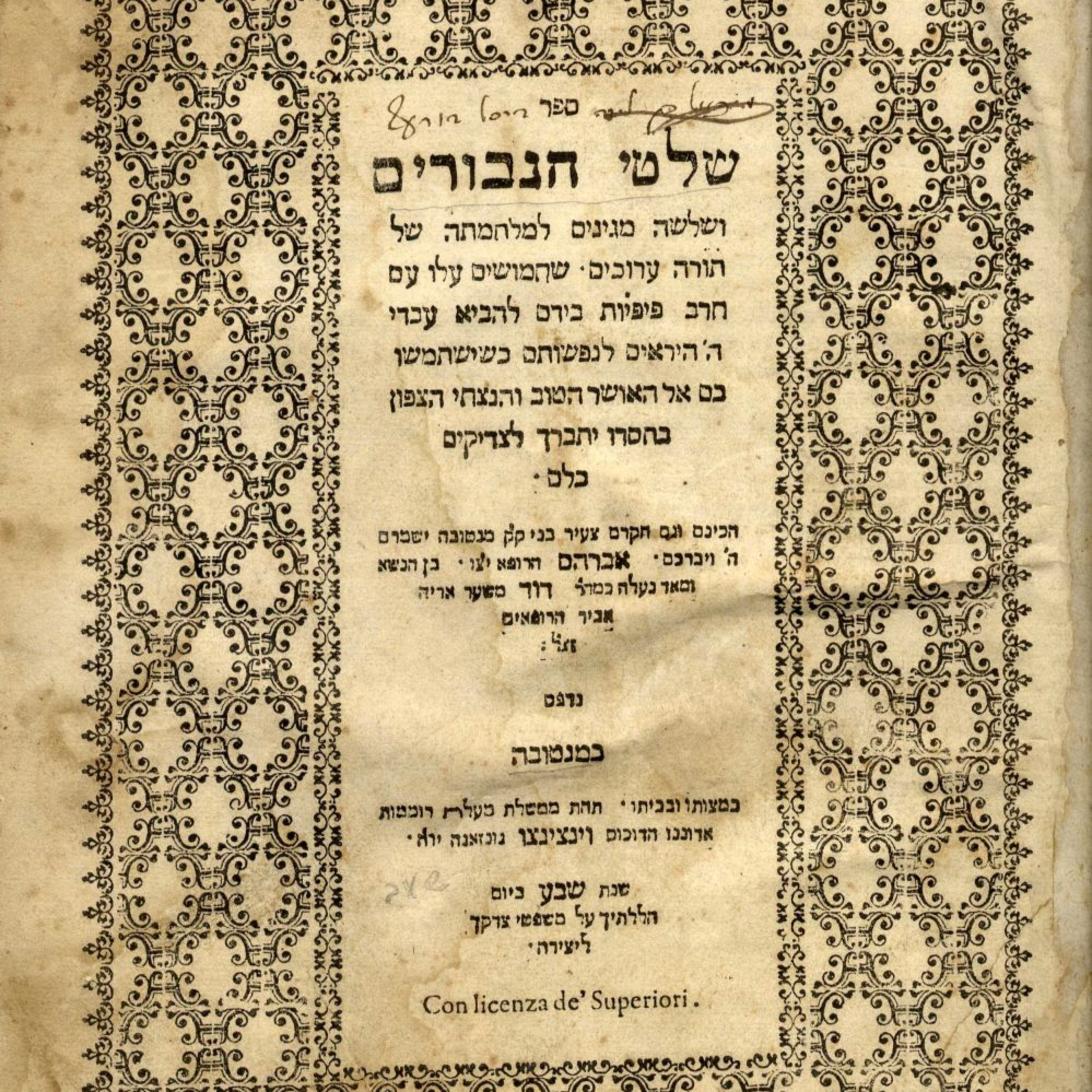
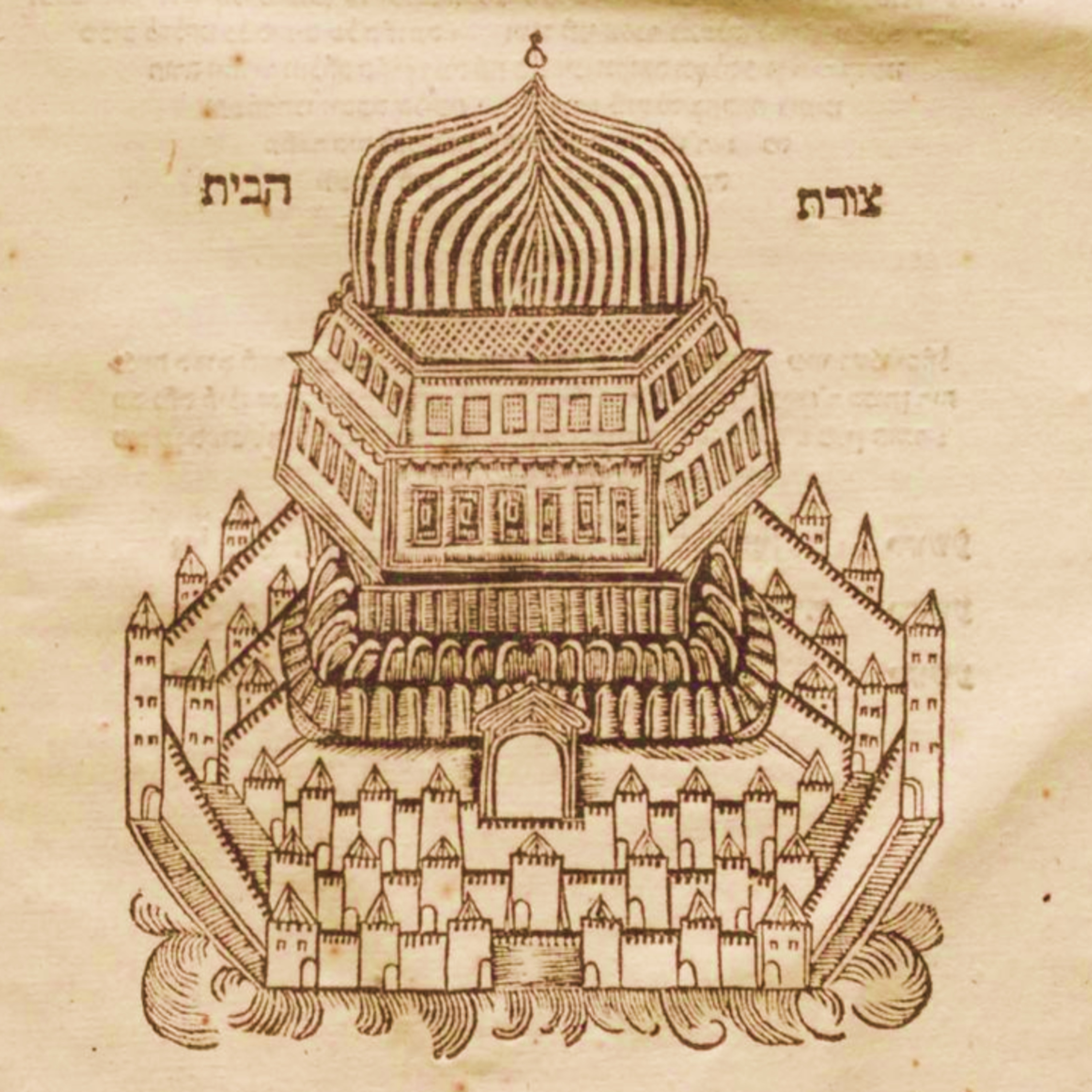
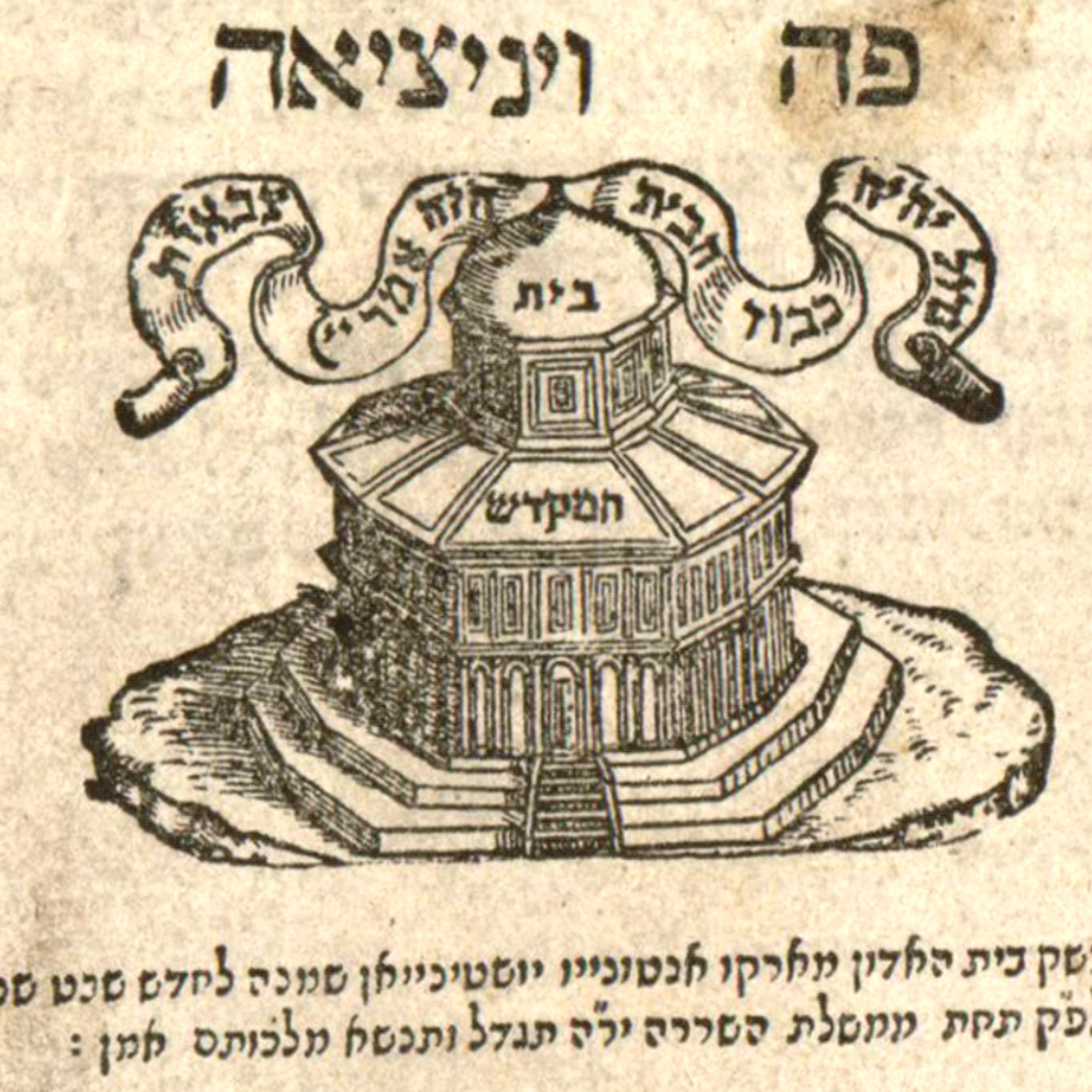
    In 1612, Avraham Portaleone of Mantua published a landmark work of encyclopedic proportions covering all things Beis Hamikdash. Reading through four of his discussions, we meet a man working under far-from-ideal conditions. His sefer turns out to be part of a larger story about the struggles of Jewish printing and book possession in sixteenth- and seventeenth-century Italy. The Rabbi-Doctor Who Wrote a Sefer on the Beis Hamikdash with Both Hands Tied Behind His Back

  • July 1 · 1 hr 14 min

    From Philadelphia to Newport: An Early American Teshuvah (1790)

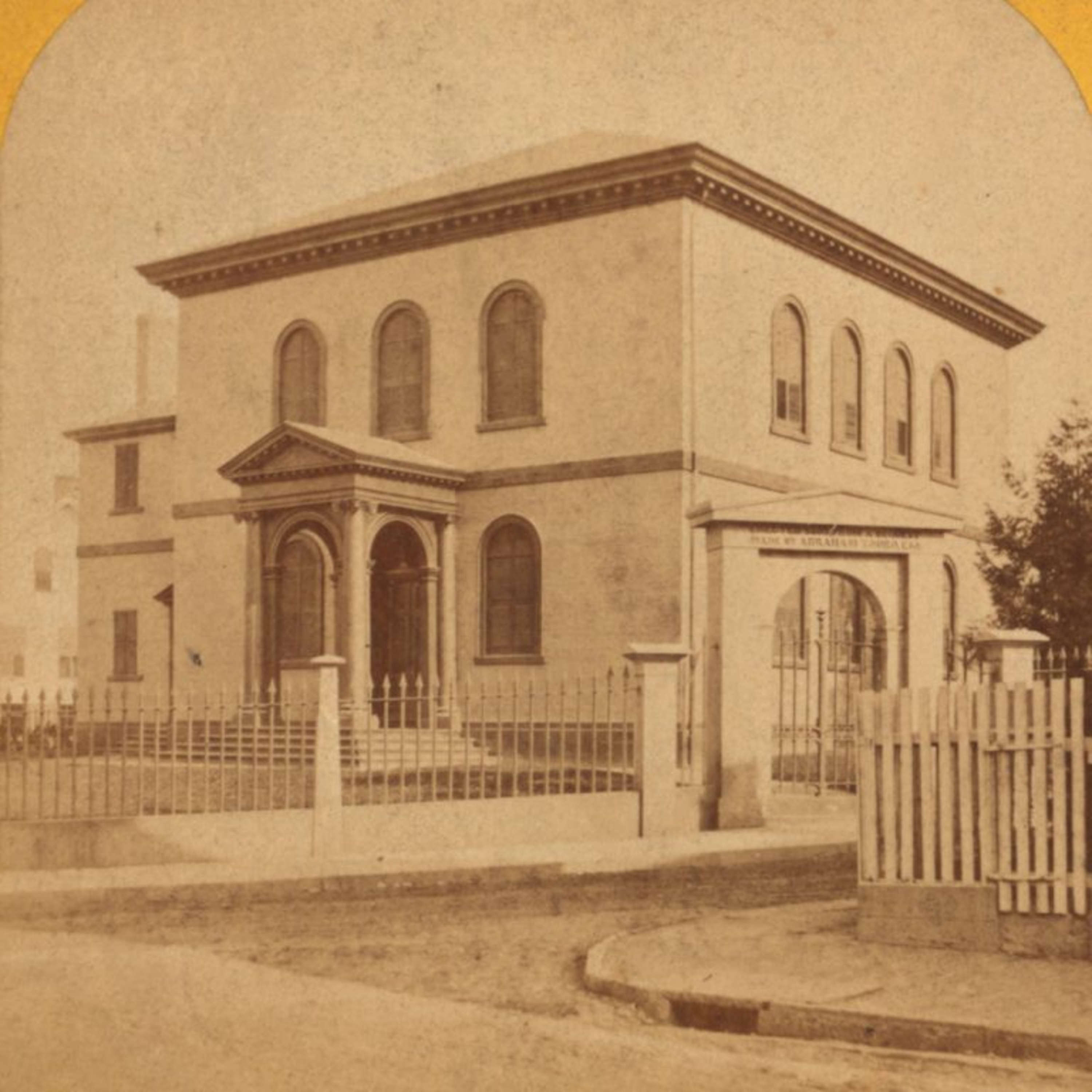
    In 1790, Moses Seixas of Newport, Rhode Island, and Manuel Josephson of Philadelphia corresponded, with Josephson composing what effectively amounts to a halachic teshuvah. Josephson raised concerns about the conduct of the Touro Synagogue in Newport, arguing that elements of the service were not being properly observed. The exchange provides an important window into the religious commitments and halachic awareness of early American Jews. It also stands as one of the earliest examples of a rabbinic-style teshuvah in the formative years of Jewish life in the United States. From Philadelphia to Newport: An Early American Teshuvah (1790)

  • June 16 · 1 hr 11 min

    What Did the Rebbe Say About Going on Har Habayis?

    In this final class of the series, we will examine the Rebbe’s statements and correspondence regarding going up to Har Habayis. By studying the available sources, we will seek to better understand what the Rebbe did—and did not—say about this complex and significant question. This is the fourth and final installment on this topic. What Did the Rebbe Say About Going on Har Habayis?

  • June 4 · 1 hr 14 min

    Is the Dome of the Rock Where the Mikdash Stood?

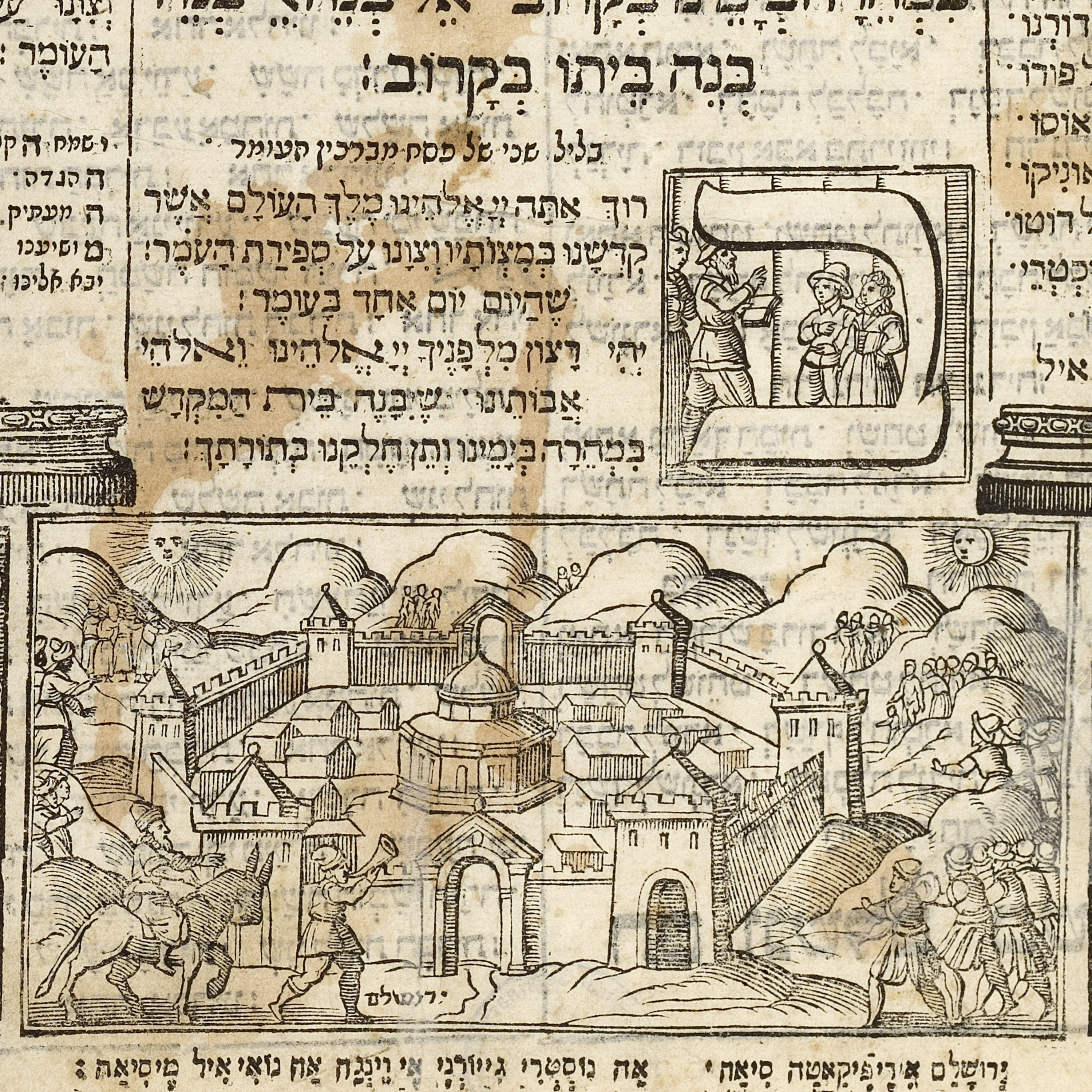
    Whether Jews may enter Har Habayis largely depends on whether we know where the Beis Hamikdash stood. A common assumption is that we don’t know for sure, but that assumption has a history. This class traces the story of this uncertainty, primarily through the accounts of Jewish travelers who visited Eretz Yisrael and recorded what they saw and heard. This is the third installment in a series about going up onto Har Habayis. Is the Dome of the Rock Where the Mikdash Stood?

  • May 14 · 1 hr 12 min

    The Boy at the Bimah: A History of Bar Mitzvah Celebrations

    The bar mitzvah ceremony didn’t always look the way it does today. In fact, for much of Jewish history, it barely looked like anything at all. In this episode, we investigate: When did a ceremony first appear? What did it look like? When did bar mitzvah boys start receiving an aliya? Leining? Leading davening? A derasha? We’ll trace its evolution among Ashkenazi Jews from the eleventh century through the seventeenth century. In celebration of the bar mitzvah of Meir Nosson Hakohen Dinerman The Boy at the Bimah: A History of Bar Mitzvah Celebrations

  • May 6 · 1 hr 6 min

    The First Crusade: The 1096 Massacres and the Rituals They Created

    In the spring of 1096, crusading armies swept through the Jewish communities of the Rhineland, leaving devastation in their wake. This class traces how those events gave rise to rituals of memory. In the community of Worms, fast days were proclaimed on the 23rd of Iyar and Rosh Chodesh Sivan, accompanied by elaborate mourning customs. We’ll see how in 1716, when Rosh Chodesh Sivan fell on a Friday, rabbinic authorities clashed over davening Maariv early that afternoon. We conclude by tracing the demise of these fast days while noting how other rituals, such as the recitation of Av HaRachamim, have endured to this day. The First Crusade: The 1096 Massacres and the Rituals They Created

  • April 23 · 1 hr 3 min

    Did Rambam Actually Set Foot on Har Habayis?

    In the late 1920s, a Jerusalem rabbi cited an obscure passage describing a certain Rabbi Moshe’s pilgrimage to the Holy Land, including what appeared to be a visit to the Temple Mount itself. He seized on it as proof that going there was halachically permitted. This sparked a fierce debate over the passage: Was it even credible? Who exactly was this Rabbi Moshe? Did the text actually refer to the Temple Mount? And if a great rabbi really did go there, what would that mean for us today? This is the second installment in a series about going up onto Har Habayis. Did Rambam Actually Set Foot on Har Habayis?

  • March 26 · 1 hr 10 min

    The Controversial History of Mechiras Chametz

    Mechiras chametz is today a standard part of observing Pesach. But how did this practice come to be, and how has it evolved over the centuries? In this class, we analyze the relevant sources in Ashkenazic and Sefardic texts, revealing two distinct approaches to this topic. We’ll then find how the more the sale was refined to accommodate the seller, the more complications it introduced, requiring a series of complex adjustments and, eventually, triggering voices of opposition. All along, we’ll wrestle with a central issue—drawing the line between legal creativity and legal fiction. The Controversial History of Mechiras Chametz

  • March 16 · 1 hr 2 min

    A Scandal on Har Habayis: The Montefiore Story

    There’s a well-known story about Sir Moses Montefiore going up onto Har Habayis during one of his seven legendary trips to Eretz Yisrael. But once you begin looking into it, you quickly discover that there are several versions of the story, each one telling it a bit differently: when he went up, why he did it, how he did it, and what the rabbinic community’s reaction was. As we’ll see, a great deal depends on who is telling the story. In this class, we’ll return to the sources and try to piece together what actually happened. This is the first installment in a series about going up onto Har Habayis. A Scandal on Har Habayis: The Montefiore Story

  • February 27 · 1 hr

    Censoring the Rambam: Part II

    The Mishneh Torah printed in Venice in the 1570s was the product of a broad and deliberate program of censorship. Beyond removing the handful of references to the Christian founder, which we discussed in the prior class, the censors altered many other words and phrases. In some places, entire laws disappear; in others, the language is carefully adjusted to soften its force. In this class, we trace the principles that guided the censors and examine how their work left a lasting imprint on one of Judaism’s foundational texts. Censoring the Rambam: Part II

  • February 19 · 1 hr 1 min

    Censoring the Rambam

    In October 1949, The New York Times announced a sensational discovery: an ancient manuscript of Mishneh Torah was discovered and it contained a long-lost provocative passage about the Christian founder. The headline sparked excitement, but the story was riddled with errors. In this class, we trace the real history of that controversial passage and examine when, how, and why it was cut by the censor. Censoring the Rambam

  • February 13 · 1 hr 13 min

    Beis Yosef vs. Kesef Mishneh: Following the Paper Trail

    The class follows the paper trail in Rabbi Yosef Caro’s Kesef Mishneh to reconstruct how and when this major commentary actually came into being. After examining its printing history and the author’s stated purpose, the discussion turns to a key flashpoint: whether Kesef Mishneh represents Rabbi Yosef Caro’s final halachic word. We work through the evidence—internal cross-references, page numbers, textual features, and colophons—and ultimately arrive at a tentative conclusion. As one of the central commentaries on the Rambam, this investigation is a fitting and meaningful way to mark the start of the new Rambam learning cycle. Beis Yosef vs. Kesef Mishneh: Following the Paper Trail

  • February 5 · 56 min

    Jews and Booze: Uncorking the Wine Debate During the Age of Prohibition

    Today, we explore Jewish life during Prohibition, when the manufacture and sale of alcoholic beverages were banned in the United States. While the U.S. government granted religious exceptions for wine, both the Reform and Conservative movements distanced themselves from this loophole, endorsing the use of grape juice instead. One contemporary posek passionately rejected grape juice, and we’ll examine the central arguments that shaped this debate. As we’ll see, this issue became a defining point for Orthodox Judaism in the early 20th century. Jews and Booze: Uncorking the Wine Debate During the Age of Prohibition

  • January 14 · 1 hr 4 min

    Wine: Blind Tastes, Price Controls, and the Most Regulated Wine Market You’ve Ever Seen

    This class takes us inside the Jewish wine economy of earlier centuries. We will see communities enforcing price ceilings, outlawing seller collusion, and appointing assessors to protect community members from being overcharged. In some places, the system became so aggressively strict: monopoly-style selling rights, blind tastings, barrels sealed by wine assessors, community-owned measuring jugs, and stiff fines for anyone who tried to sell wine off the books. Wine: Blind Tastes, Price Controls, and the Most Regulated Wine Market You’ve Ever Seen

  • January 7 · 1 hr 1 min

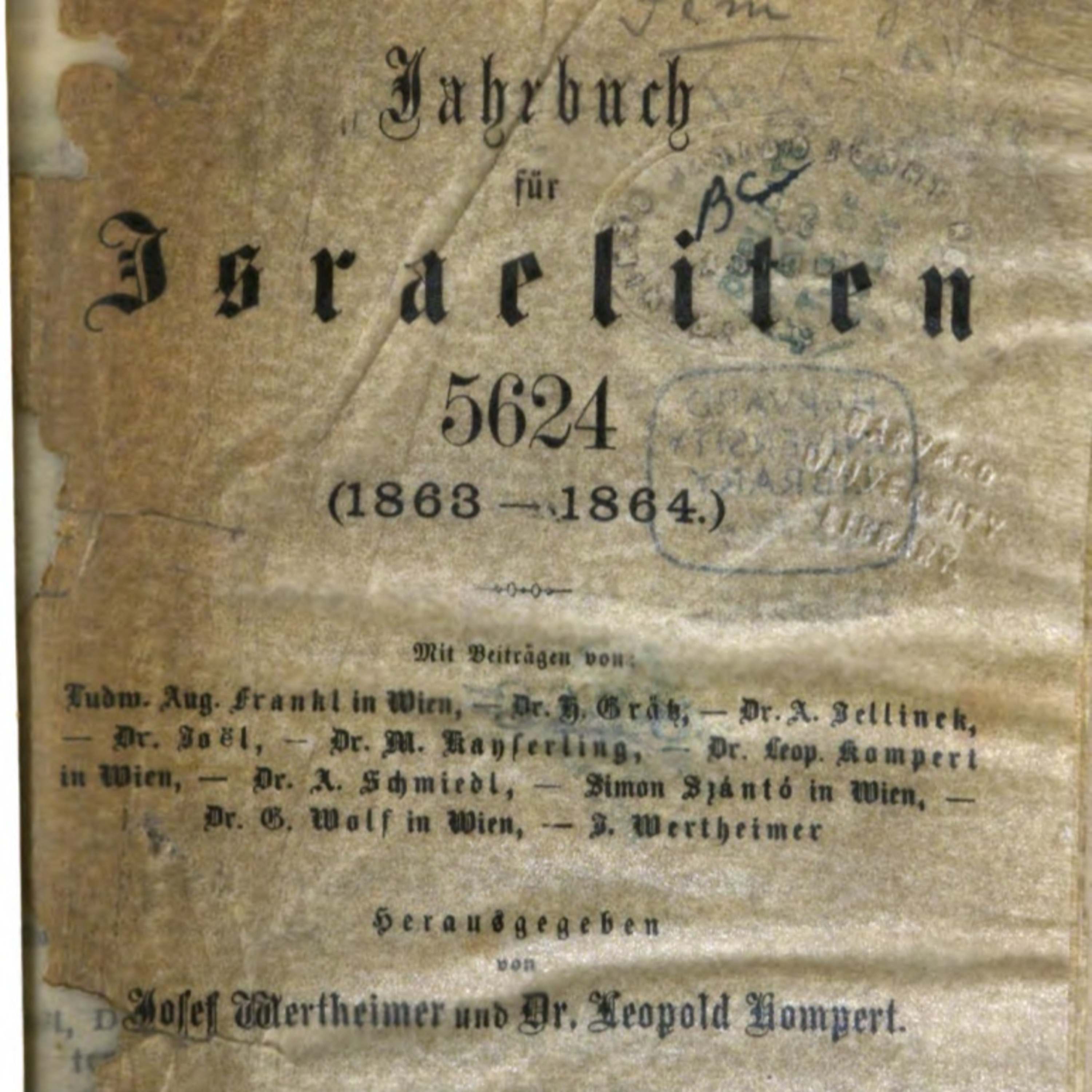
    Isaiah 53 on Trial: The 1863 Vienna Case That Split Jewish Leadership

    In the mid-1860s, a wave of rabbinic correspondence swept across central and eastern Europe as leading rabbis grappled with a vexing dilemma: how to respond to an antisemitic trial that touched directly on core points of Jewish theology. This case pitted antisemites against Jews, and within the Jewish community, enlightened progressives against traditionalists. Navigating this reality proved deeply contentious. Isaiah 53 on Trial: The 1863 Vienna Case That Split Jewish Leadership

  • January 1 · 51 min

    The Hostage Dilemma: Part IV (Israel, 1979–1987)

    In this final class of the series, we explore the Rebbe’s comments about Israel’s lopsided hostage deals during the late 1970s and 1980s, alongside the perspectives of other poskim during that period. The Hostage Dilemma: Part IV (Israel, 1979–1987)

  • Dec 9, 2025 · 1 hr 4 min

    The Hostage Dilemma: Part III (Israel, 1970–1976)

    In this class (third of a four-part series), we look at the halachic debate over freeing hostages as it unfolded in Israel during the 1970s. After the September 1970 triple hijacking, several poskim weighed in on whether it was permitted to meet the terrorists’ demands. The discussion resurfaced a few years later after the Yom Kippur War, and then again in the wake of the famous Entebbe raid in 1976. The Hostage Dilemma: Part III (Israel, 1970–1976)

  • Nov 25, 2025 · 1 hr 7 min

    The Hostage Dilemma: Part II

    Today, we’re returning to the topic of hostages in Jewish history. Last time, we spent most of our attention on the exceptions to the rule. This time, we’re looking at cases where the Mishnah’s ban on overpaying played at least a partial role in shaping actual halachic decisions and communal policy. And yet, as we will see, the overarching conclusion that we reached in the prior class will hold: overpaying often occurred. And it’s all a step closer to discussing this dilemma in the contemporary context, which we will do in an upcoming class. The Hostage Dilemma: Part II

Showing 1–20 of 21 episodes