Skip to content
Artwork for CIVILNET

CIVILNET

CIVILNET

CivilNet is an independent online media platform covering culture, politics, and business, committed to advancing Armenia’s democratic and economic growth.

Play
  • 42 episodes
  • Avg 15 min
  • English
Counted on this page — what you have heard stays on this device, so it is not something the list can be paged by.
  • Yesterday · 3 min

    Opposition politician dies of heart attack in jail

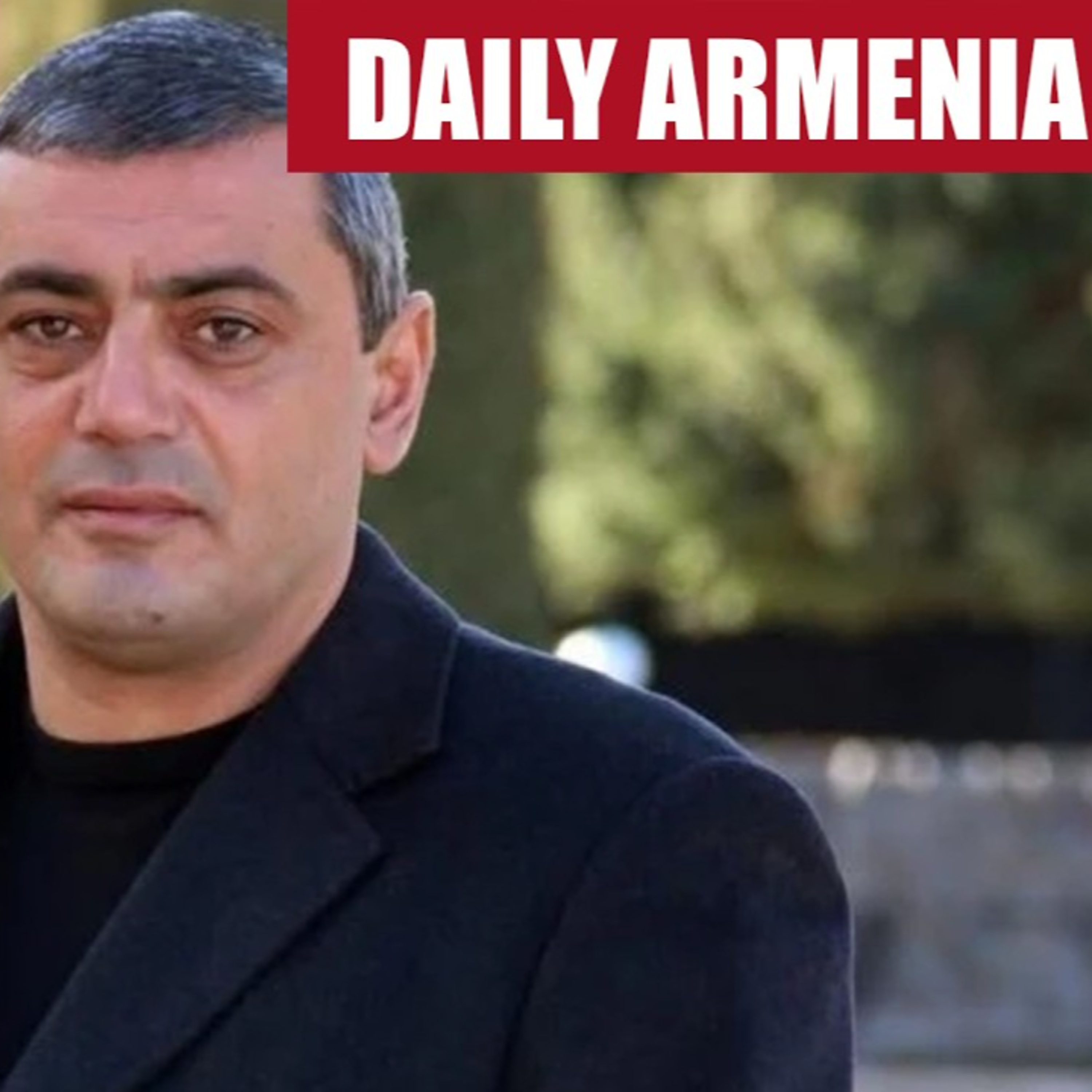
    📍 Arsen Gevorgyan, an opposition politician with the Strong Armenia party, died of heart attack in jail. He was arrested last month, four days before a local election, on charges of vote buying in the northern town of Stepanavan, where he was running for mayor.📍 Two separate incidents involving Russian servicemen stationed at the military base in Gyumri occurred in October, including a viral video showing a uniformed man pinning someone to the ground and declaring that “Gyumri is the city of Russian soldiers.” While the authorities are still investigating the video, two Russian servicemen have been arrested in a separate assault case involving a Ukrainian national.#CivilNet #ՍիվիլՆեթ #dailyarmenia

  • Monday · 42 min

    Koba Turmanidze: How age and geography shape Georgian values

    Koba Turmanidze, a public opinion researcher, draws on a decade of Caucasus Barometer surveys to examine how age and geography shape Georgian attitudes toward democracy, protests, religion and European integration. He explores differences between generations and between Tbilisi, other cities and rural communities, showing how major events also influence public opinion. The lecture was delivered in Tbilisi on July 3, 2026. This lecture is part of the Monterey Summer Symposium 2026, held across Uzbekistan, Georgia and Armenia from June 18 to July 10, 2026.#CivilNet #ՍիվիլՆեթ

  • Saturday · 4 min

    Armenia’s Central Bank raises interest rates to 7%: THIS WEEK IN BUSINESS

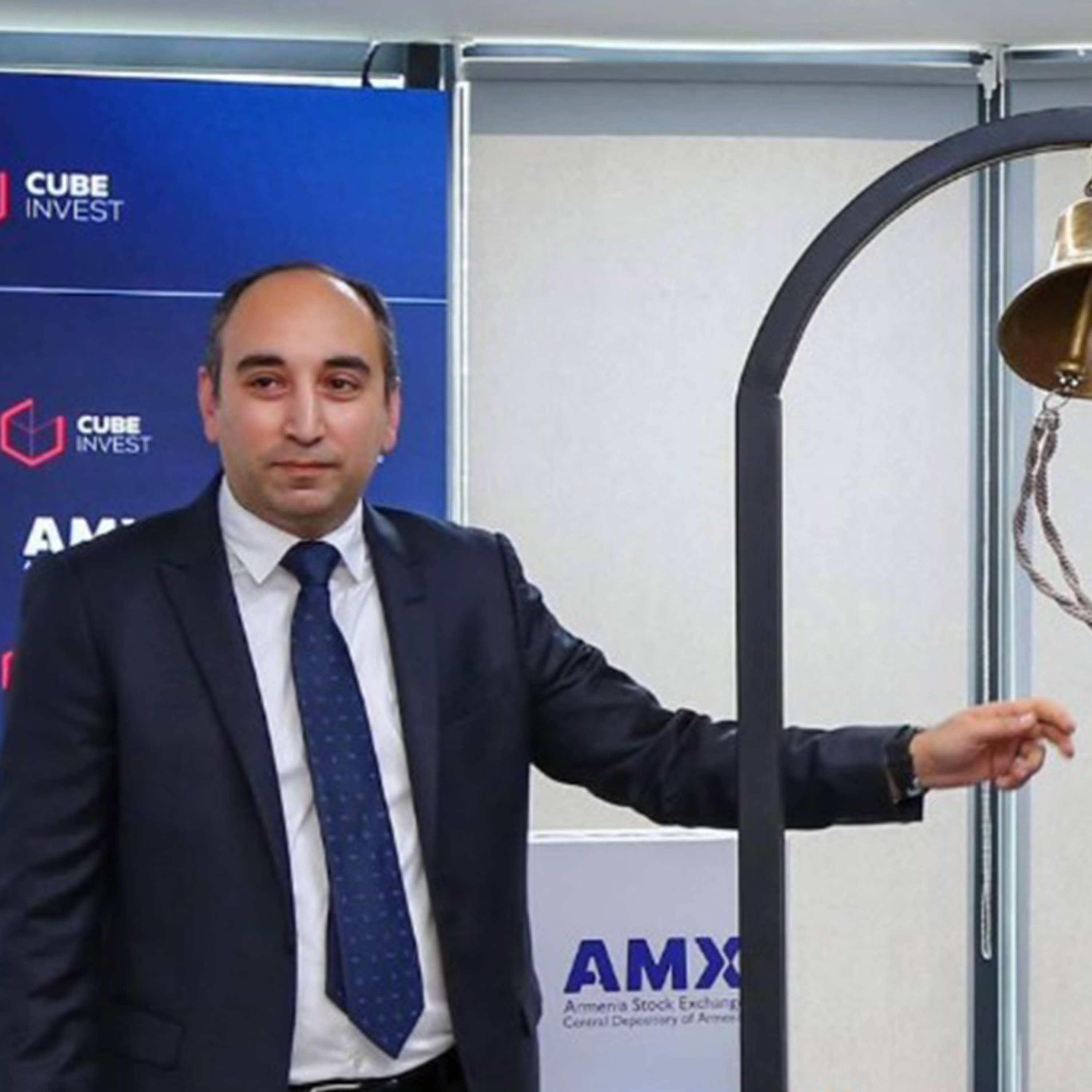
    Armenia’s Central Bank raised interest rates by 25 basis points to 7%, citing accelerating inflation in the country. It’s the agency’s second rate hike this year.Yerevan-based Cube Invest became the first investment company to list its bonds on the Armenia Stock Exchange.Armenia’s beekeeping industry faces mounting threats from climate change. Read more: https://civilnet.am/en/news/1015026#CivilNet #ՍիվիլՆեթ #civilnetbusiness

  • Friday · 12 min

    Inside Armenia’s Political Crisis

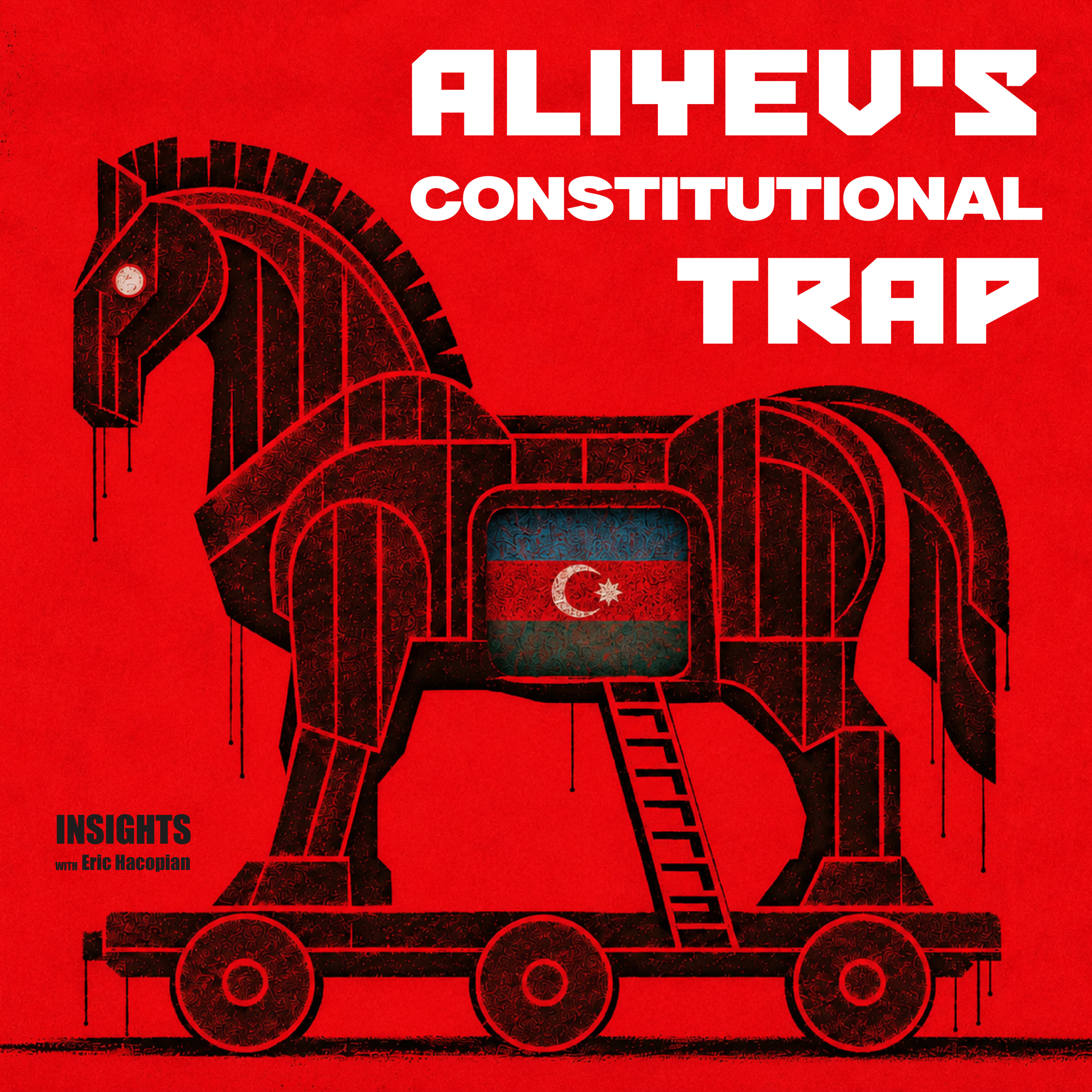
    A brawl in Armenia’s parliament has raised questions about the country’s political leadership. In this episode of Insights, Eric Hacopian examines what the confrontation reveals about Armenia’s political class and voters. He also discusses Azerbaijan’s demand for constitutional changes as a precondition for signing a peace agreement. Hacopian asks whether Armenia is walking into a political trap set by Azerbaijani President Ilham Aliyev.#CivilNet #ՍիվիլՆեթ #insightswitherichacopian

  • November 5 · 32 min

    Ronald Suny: Was Stalin a Marxist?

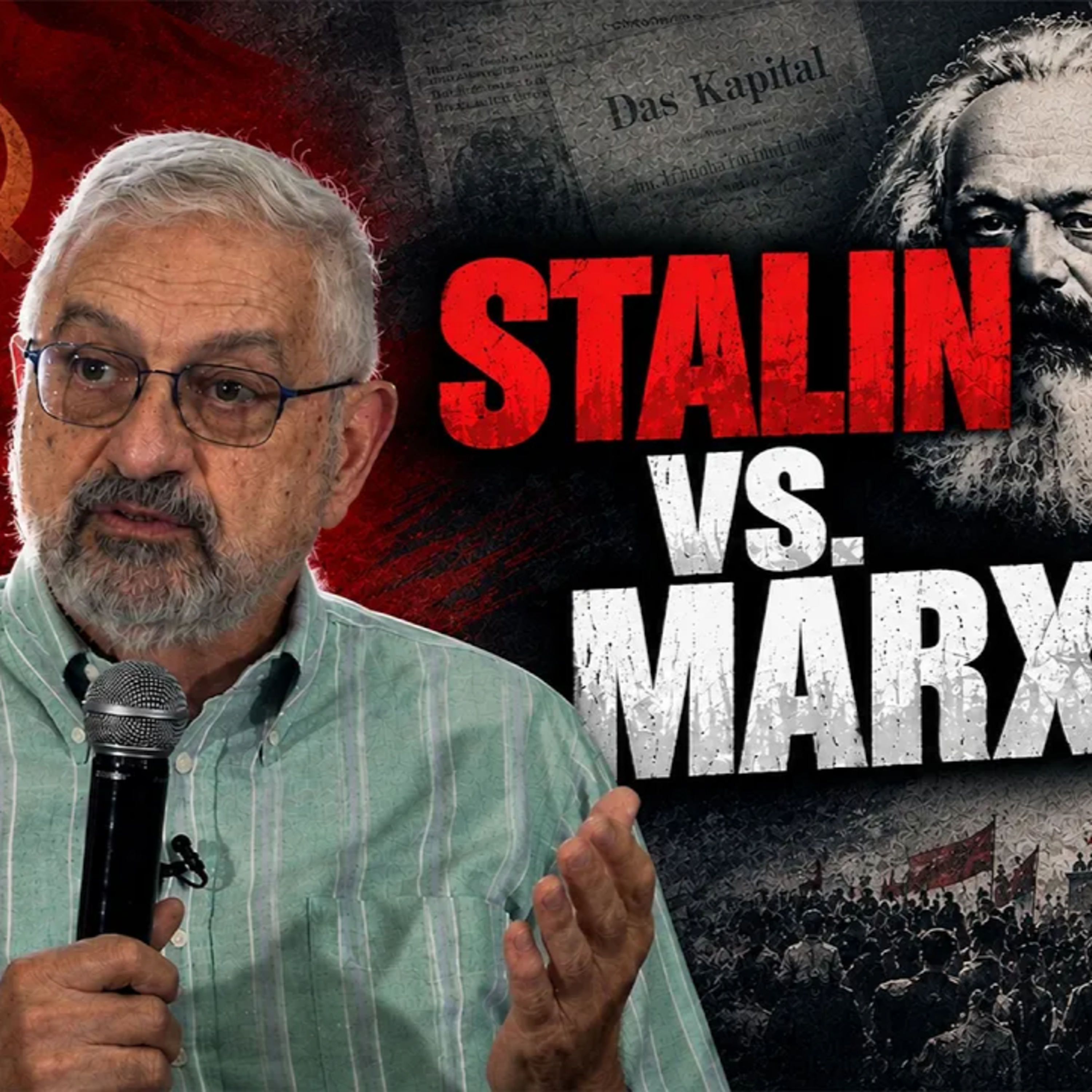
    Ronald Suny, a historian of Russia and the Soviet Union, asks whether Joseph Stalin was a Marxist and what the answer means for Marxism’s legacy. He examines how Bolshevik political choices helped produce Stalin’s dictatorship, contrasting Stalinism with what he sees as Marxism’s humanist and democratic aspirations. Suny also considers the relevance of Marxist ideas to inequality, capitalism and today’s political crises. The lecture was delivered in Tbilisi on July 2, 2026. This lecture is part of the Monterey Summer Symposium 2026, held across Uzbekistan, Georgia and Armenia from June 18 to July 10, 2026.#CivilNet #ՍիվիլՆեթ

  • November 2 · 10 min

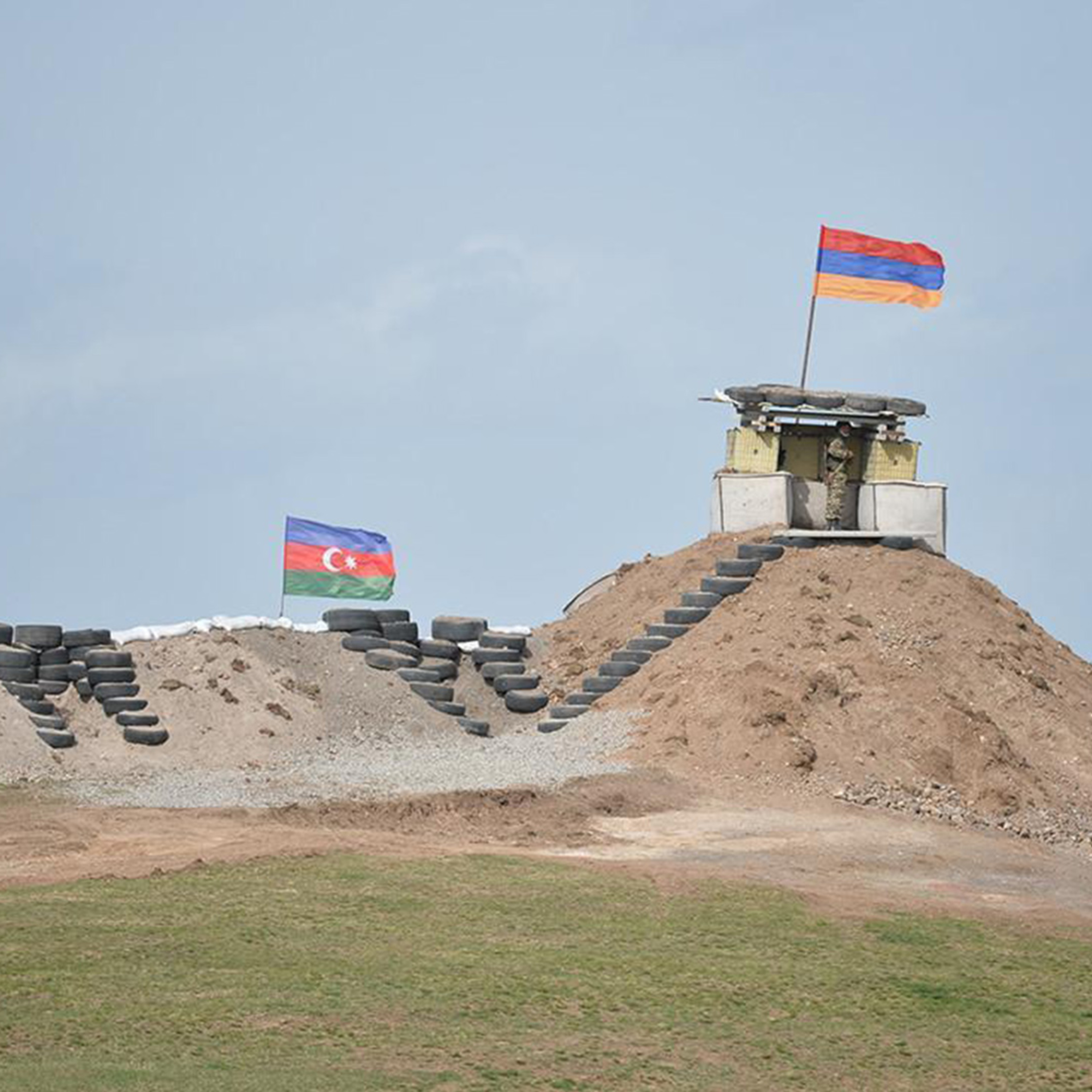
    What we witnessed in Azerbaijani-occupied parts of Syunik

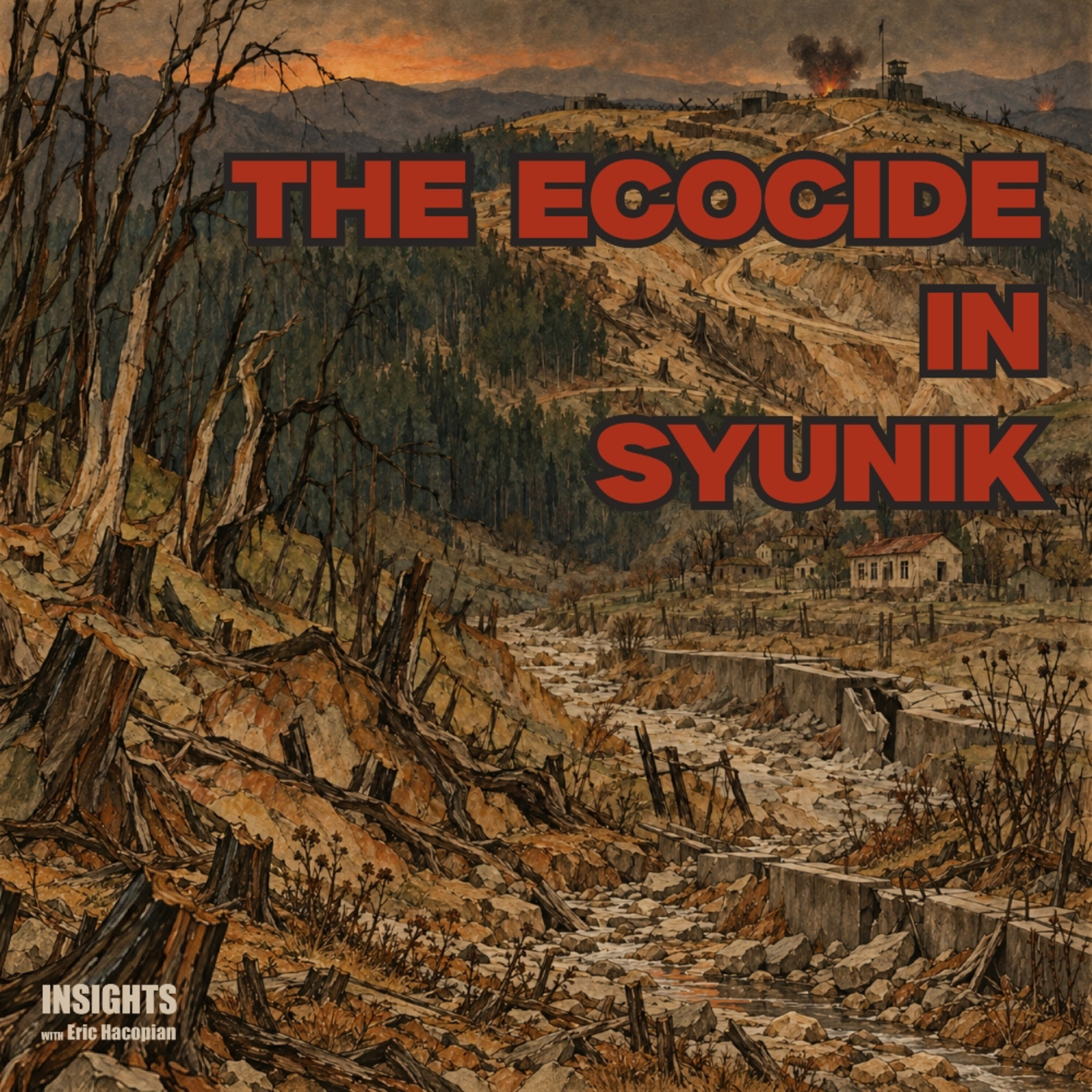
    As Armenia hosts COP17, Eric Hacopian examines the environmental destruction taking place in Azerbaijani-occupied parts of the Shikahogh Nature Reserve in Syunik.Following a visit to the reserve and nearby border villages, Eric shares what the CivilNet crew witnessed and what residents reported about deforestation, military fortifications, and restricted access to farmland and water.He also questions the Armenian government's peace narrative and its failure to raise the issues of occupied territories, the ethnic cleansing of Nagorno-Karabakh and Armenians illegally detained in Baku during COP17.This episode of Insights opens with a correction concerning last week's discussion of Prime Minister Nikol Pashinyan's remarks about maternal instinct.#CivilNet #ՍիվիլՆեթ #insightswitherichacopian

  • November 2 · 5 min

    Armenia ratifies trade deal with United Arab Emirates: THIS WEEK IN BUSINESS

    📍 Armenia ratified a major new trade and investment deal with the United Arab Emirates.📍 U.S. technology company Nvidia plans to expand its operations in Armenia, and seeks to make the country a hub for its operations across the former Soviet Union.📍 Dispatch from Turkey: Businesses eye opportunities if the border with Armenia is opened. Read more (in Armenian): https://civilnet.am/hy/news/1015038#CivilNet #ՍիվիլՆեթ #civilnetbusiness

  • October 29 · 49 min

    How Central Asia is navigating great-power rivalry

    Andrei Kortunov, former academic director of the Russian International Affairs Council; Akram Umarov, director of the Institute of Advanced International Studies in Tashkent; Yang Cheng, a professor at Shanghai International Studies University; and Brianne Todd, a professor at the U.S. National Defense University, discuss how Central Asia is navigating great-power competition. They examine regional cooperation, trade corridors and shifting relations with Russia, China and the United States, asking how the region can strengthen its independence and avoid dependence on a single partner. Moderated by former Indian Ambassador Rakesh Sood, the roundtable was held in Tashkent on June 26, 2026.This discussion is part of the Monterey Summer Symposium 2026, held across Uzbekistan, Georgia and Armenia from June 18 to July 10, 2026.#CivilNet #ՍիվիլՆեթ

  • October 26 · 5 min

    New owner to expand Armenian mine, redirect output to US: THIS WEEK IN BUSINESS

    📍 The head of Dynamic Frontier Holdings, the new U.S. owner of Armenia’s Teghut copper mine, revealed it paid $228.5 million to acquire the facility, and provided additional details on plans to expand operations and redirect output to the United States.📍 Armenia’s place in a Russian-led trade bloc has been thrown into doubt after other members said they could suspend the country’s membership. The Eurasian Economic Union says that could shrink Armenia’s GDP by up to 15.6%📍 Armenian exporters who spoke with CivilNet said recent moves by the European Union to lift tariffs on imports from Armenia provide a measure of relief amid trade restrictions by Russia, but added that major hurdles to entering the European market remain. Read more: https://civilnet.am/en/news/1014830#CivilNet #ՍիվիլՆեթ #civilnetbusiness

  • October 20 · 39 min

    Dominic Lieven: The rise and fall of the Russian Empire

    Dominic Lieven, a historian of Russia, traces the rise of the Russian Empire and its struggles to adapt to the modern world. He examines how monarchy, social inequality and great-power competition shaped Russia’s history, from imperial expansion to revolution and the Soviet collapse. The lecture was delivered in Tbilisi on June 30, 2026.This lecture is part of the Monterey Summer Symposium 2026, held across Uzbekistan, Georgia and Armenia from June 18 to July 10, 2026.#CivilNet #ՍիվիլՆեթ

  • October 20 · 22 min

    COP17 Armenia: Big Promises, but Will Countries Deliver?

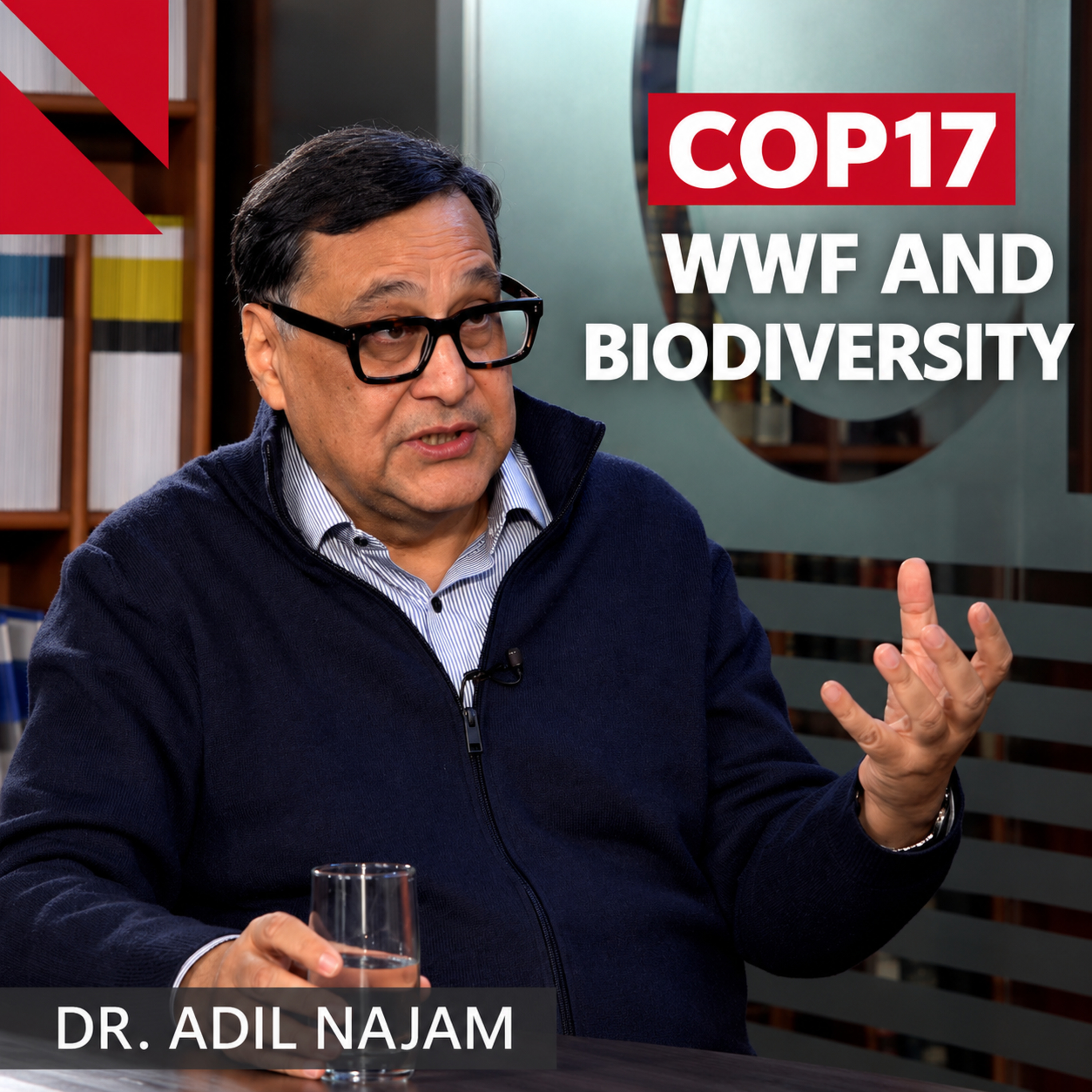
    Yerevan is hosting #COP17, a major international conference on climate change and biodiversity. World leaders are gathering to discuss how to protect nature and turn promises into real action.But what can COP17 actually achieve? And what does it mean for Armenia?Dr. Adil Najam, President of WWF International and a professor at Boston University joins CivilNet to discuss these questions. #CivilNet #ՍիվիլՆեթ

  • October 19 · 5 min

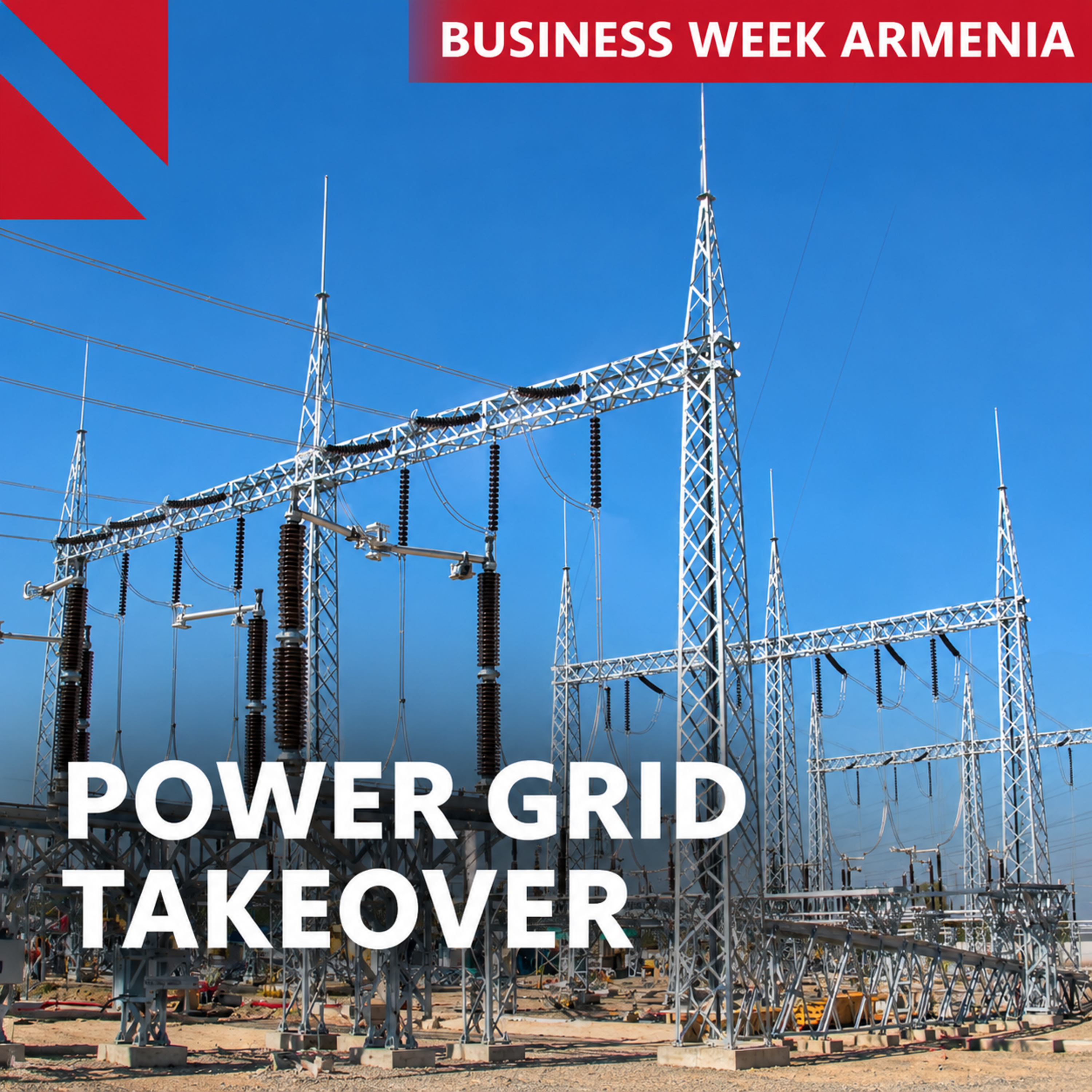
    Government paves the way for takeover of Electric Networks of Armenia: THIS WEEK IN BUSINESS

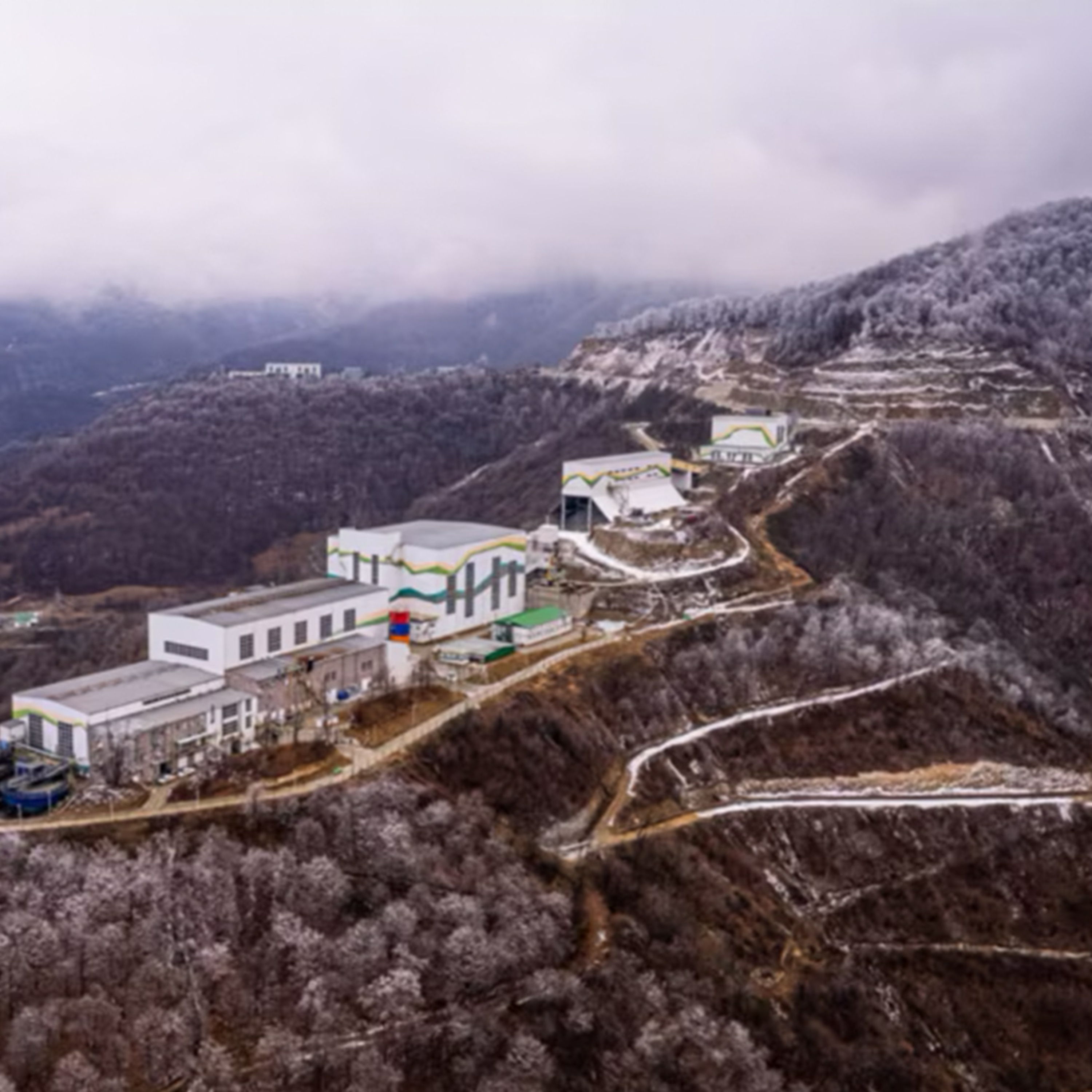
    📍 Armenia’s controversial Amulsar gold mine officially launched operations, marking the end to years of delays over the project. It’s expected to generate $120-$130 million per year in taxes📍 Drone strikes by Ukraine on multiple data centers used by Yandex, Russia’s largest technology company, led to disruptions to the company’s services across Armenia.📍 Armenia’s government formally recognized Electric Networks of Armenia, a major utility company, as a “public priority,” paving the way for the company’s nationalization.

  • October 16 · 11 min

    Armenia’s nuclear future and Aliyev’s threats

    In today’s episode of Insights, Eric examines Armenia’s nuclear energy plans following a visit to Yerevan by representatives of Rosatom, Russia’s State Atomic Energy Corporation. He also analyzes Azerbaijan’s President Ilham Aliyev’s latest speech, focusing on his statements about the 2020 war, threats against Armenia, and rhetoric referencing the Armenian Genocide.#CivilNet #ՍիվիլՆեթ #insightswitherichacopian

  • October 14 · 31 min

    Dominic Lieven: Is Western dominance coming to an end?

    Dominic Lieven, a historian of Russia, examines how geography, territory and ideology have shaped empires and great-power competition. He traces the foundations of British and American global dominance, Russia’s imperial legacy and China’s rise, exploring what history reveals about today’s rivalry between Washington and Beijing. The lecture was delivered in Tbilisi on June 29, 2026.This lecture is part of the Monterey Summer Symposium 2026, held across Uzbekistan, Georgia and Armenia from June 18 to July 10, 2026.#CivilNet #ՍիվիլՆեթ

  • October 14 · 36 min

    Leading with mind and heart in an age of AI

    In this episode of Mindful Leaders, we delve into the life and experiences of Dr. Bruce Boghosian, President of the American University of Armenia (AUA) and Professor of Mathematics at Tufts University. We explore what kind of leaders the future will need, how universities can prepare students for a world shaped by artificial intelligence, and how the science of systems can inform the art of leading people. Dr. Boghosian also reflects on leading AUA during the ethnic cleansing of Artsakh's indigenous Armenians, the stories of the Armenian Genocide passed down in his family from Kharpert, and the legacy he hopes to leave behind as AUA celebrates 35 years since its founding.00:00 Introduction00:50 Imagining the leaders our future will need02:55 Careers in the age of AI and how AUA prepares students for what comes next05:52 Will a university degree still matter tomorrow?08:15 Searching for purpose in a changing world10:15 The science of systems and the art of leading people15:20 Why human connection is at the heart of leading a university17:20 Building data centers that respect the planet21:52 Leading AUA through the ethnic cleansing of Artsakh's indigenous Armenians26:59 Stories of the Armenian Genocide carried down from Kharpert31:36 Leaving a legacy of net progress35:45 Celebrating 35 years of AUA in Yerevan and Los AngelesAbout Dr. Bruce M. BoghosianDr. Bruce M. Boghosian is the sixth president of the American University of Armenia (AUA) in Yerevan, a role he assumed in September 2023. He previously served as AUA's third president from 2010 to 2014, during which he oversaw the creation and accreditation of AUA's undergraduate program, the first American-accredited bachelor's program in the former Soviet Union. He has been a Professor of Mathematics at Tufts University since 2000, with additional appointments in Physics and Computer Science. His research applies mathematical fluid dynamics and kinetic theory to questions in the social sciences, including wealth inequality, the rise of oligarchy, and the way opinions spread through societies. He is a Fellow of the American Physical Society and a foreign member of the National Academy of Sciences of Armenia. He has received the Order of the Republic of Armenia for his contributions to the country. He has held visiting positions at leading institutions in France, China, the United Kingdom, and Italy, as well as at the Central Bank of Armenia.Program overviewMindful Leaders dives into the stories of people who have achieved prominence, walked incredible journeys, and have defined culture. Lara sits down with specialists, thinkers and change-catalysts to deconstruct insights, events and lessons that have shaped their personal and professional lives and have enabled them to create meaning and connection.#MindfulLeaders #InheritedLegacies #CivilNet

  • October 2 · 6 min

    Missing Azerbaijani soldier arrested in Armenia

    📍 An Azerbaijani serviceman went AWOL and crossed into Armenia’s Syunik province, where he injured a local villager before being apprehended. Azerbaijani border officers warned their Armenian counterparts of the missing serviceman two days prior.📍 Armenia’s cabinet has drafted the country’s state budget for 2027. It suggests an increase in military spending of about 9.5%, to roughly $1.7 billion.📍 Prime Minister Pashinyan said Armenia might reconsider its nuclear energy strategy, abandoning plans to replace the existing nuclear power plant with a small modular reactor. This would open the door for Russia to construct a conventional large-capacity reactor in Armenia rather than the United States.#CivilNet #ՍիվիլՆեթ #dailyarmenia

  • September 30 · 3 min

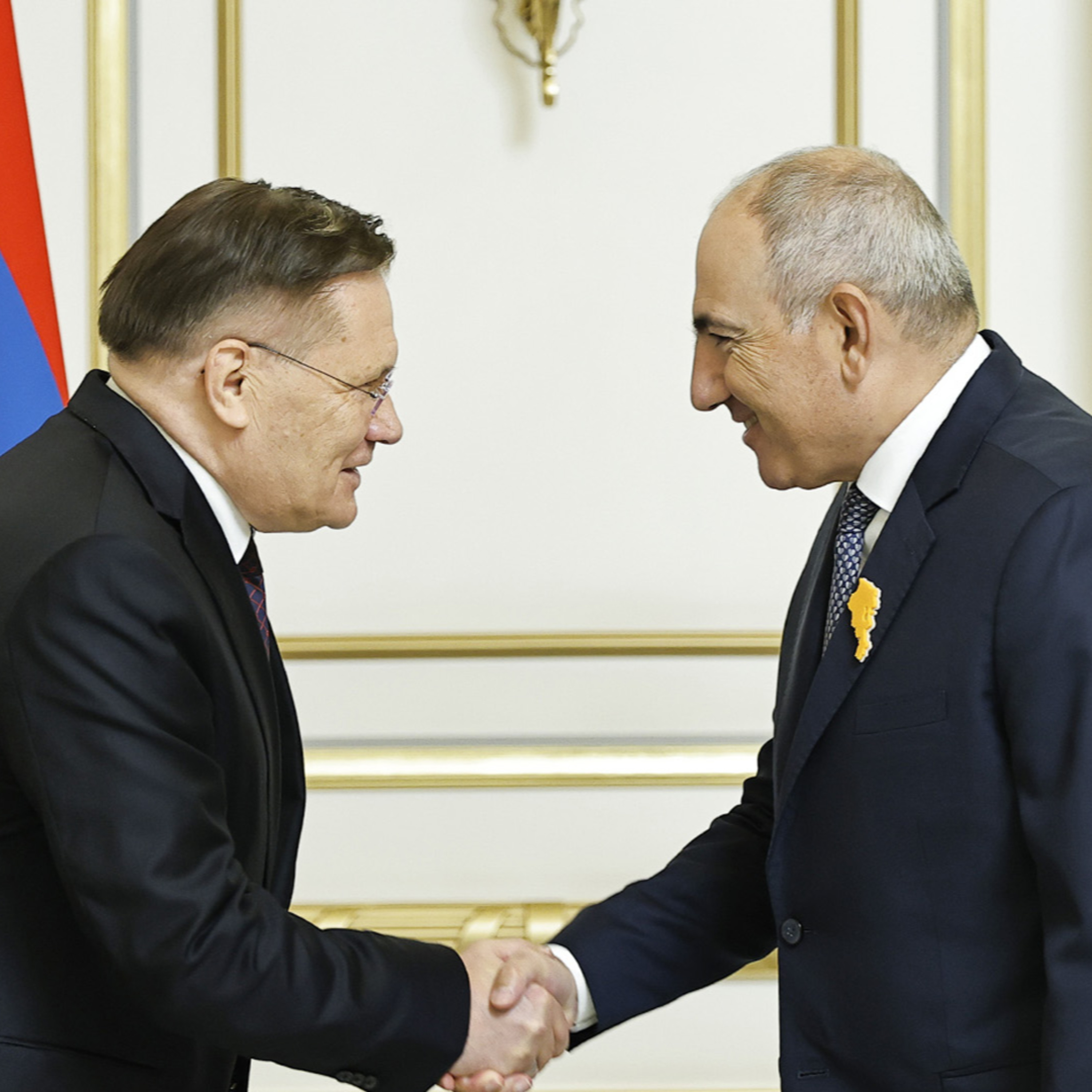
    Russia’s nuclear energy chief pitches new plant to Pashinyan

    📍 Armenia’s Prime Minister Nikol Pashinyan met with Russia’s state nuclear energy corporation chief and discussed Moscow’s potential involvement in the construction of a new nuclear power plant in the country.📍 Armenia plans to implement the action plan for visa liberalization with the European Union by 2029, the interior minister announced.📍 EXPLAINER: Can Armenia achieve visa-free travel to EU? https://civilnet.am/en/news/984741 #CivilNet #ՍիվիլՆեթ #dailyarmenia

  • September 28 · 13 min

    Why did Azerbaijan take diplomats to Artsakh?

    In this episode of Insights, Eric Hacopian examines the recent diplomatic tour of Artsakh organized by Azerbaijan and the controversy surrounding its Armenian cultural heritage. He reflects on the lessons of the past six years, Armenia’s security challenges, and the growing political divide over how to respond to Azerbaijan, including the debate between compromise and resistance.#CivilNet #ՍիվիլՆեթ #insightswitherichacopian

  • September 28 · 30 min

    Russia, Ukraine and the future of warfare

    What has the war in Ukraine revealed about the future of warfare? In an exclusive interview, CivilNet’s Eric Hacopian speaks with Michael Kofman, Senior Fellow in the Russia and Eurasia Program at the Carnegie Endowment for International Peace, about the Russia-Ukraine war, Russia’s military adaptation, Ukraine’s use of drones and long-range strikes, and the evolution of modern warfare. Kofman also discusses what Armenia can learn from recent wars, the requirements for effective deterrence, and the continuing importance of military organization, leadership, morale and human capital.00:00 Introduction: Michael Kofman on the Russia-Ukraine War00:43 The Current State of the War in Ukraine02:29 Ukraine’s Drone Strategy and Deep Strikes Inside Russia03:19 Russia’s Attacks on Ukraine’s Energy Infrastructure04:46 Will the War End Through Exhaustion?05:44 Russia’s Manpower and Casualty Challenges08:13 How Warfare Has Changed Since 202009:25 Lessons from the 2020 Nagorno-Karabakh War10:00 How Drones Are Changing Modern Warfare11:54 How Major Military Powers Are Adapting13:13 How Russia’s Military Has Evolved During the War15:18 Russia’s Weaknesses and New Military Capabilities18:10 Russia’s Postwar Military Capabilities18:57 How Armenia Can Rebuild Its Military19:52 Deterrence: Denying Victory and Raising the Cost of War21:56 What Armenia Should Prioritize in Military Reform23:31 Professional Soldiers and the Limits of Conscription23:50 Can Armenia Achieve Military Superiority?25:33 Do Leadership and Morale Still Matter in Modern Warfare?26:37 Why Drones Cannot Replace Infantry27:24 The Importance of Junior Leadership and Command28:26 Lessons from Armenia’s 2020 War28:52 Morale, Unit Cohesion and Battlefield Leadership30:16 Why Military Technology Alone Is Not Enough#CivilNet #ՍիվիլՆեթ

  • September 17 · 5 min

    Russian gas price hike would cause ‘economic shock’, Armenia’s Central Bank

    📍 A possible increase in Russian natural gas price for Armenia would be an egregious economic shock that would require a stronger than usual monetary policy response, Central Bank Governor Martin Galstyan said.📍 Armenia’s Security Council Secretary Alen Simonyan said he spoke with Azerbaijani presidential aide Hikmet Hajiyev over the latter’s remarks regarding Armenian cultural heritage in Nagorno-Karabakh that caused major controversy in Armenia and beyond last week.📍 Can Armenia afford going green? https://youtu.be/YsOBq7w4z0g?si=pcuYsSwgUDGFkUzV #CivilNet #ՍիվիլՆեթ #dailyarmenia

Showing 1–20 of 42 episodes