Skip to content
Artwork for Chill Financial Historian

Chill Financial Historian

Chill Financial Historian

At Chill Financial Historian, we break down the brutal, ridiculous, and often darkly funny truth about how countries really work.

Forget stiff lectures and sleep-inducing analysis. This is economics, power, and geopolitics served with sarcasm, sharp storytelling, and just enough edge to keep your brain awake. We unpack the rise and fall of nations, economic meltdowns, sanctions, trade wars, debt traps, resource battles, political gambles, and the global power moves that shape everyday life.

Email: chillfinancialhistorian@gmail.com

Play
  • 20 episodes
  • Avg 45 min
  • English
  • August 21 · 32 min

    How the IMF Actually Decides Which Country Gets Rescued

    Who actually gets an IMF bailout — and who gets left to sink? It's not just about being broke.When a country runs out of dollars, one institution in Washington decides whether it gets rescued: the International Monetary Fund. But the "rulebook" the IMF follows — balance-of-payments need, Debt Sustainability Analysis, the four Exceptional Access Criteria, conditionality — is only half the story. The other half is power: who holds the votes, who your allies are, and how you vote at the UN Security Council.In this video we break down exactly how the IMF decides who gets rescued — the real mechanics, the money, and the politics hiding at the margins. From Greece's 2010 "systemic exemption" to Argentina's 23rd bailout and the extraordinary $20 billion US Treasury backstop in 2025, we follow the data, steel-man every side, and skip the sensationalism.You'll learn:Why being poor doesn't qualify you — but a balance-of-payments crisis doesHow the Debt Sustainability Analysis quietly decides your fateThe four hurdles behind every mega-bailout (and how they get bent)Why the US holds an effective veto in the IMF boardroomThe research showing UN Security Council members get ~30% fewer loan conditionsHow Argentina became "too politically important to fail"📊 Every figure in this video is sourced from IMF documents, Congressional Research Service reports, and peer-reviewed research.⏱️ Chapters 00:00 – The country the IMF said no to01:19 – It's a credit union, not charity04:28 – Are you the right kind of broke?07:49 – The Debt Sustainability Analysis11:19 – The four hurdles to a mega-bailout14:37 – Conditionality: the price of the cheque18:09 – The boardroom where votes aren't equal21:54 – The unwritten rule: politics at the margin25:53 – Argentina: too important to fail29:46 – The rulebook and the driver👉 If you like data-first breakdowns of how global finance really works, subscribe and check out our videos on de-dollarization, the petrodollar, and the BIS.💬 Is the IMF a stabilizing force the world needs, or a lever for the powerful? Tell us in the comments.#IMF #Bailout #Economics #Geopolitics #Argentina #GlobalFinance #DebtCrisis #Milei


  • August 16 · 35 min

    How the Bahamas Actually Got Rich (And Why One Storm Could Undo It)

    How the Bahamas Actually Got Rich (And Why One Storm Could Undo It)How did a chain of 700 flat islands with no oil, no minerals, and a highest point of just 207 feet become one of the richest nations in the Caribbean — and why could a single hurricane erase it all?---Sources: https://docs.google.com/document/d/13biyp4YkuaU1ORSqrWxdickGAVYzTgxdb6MxsA-qr2c/edit?usp=sharing---Exclusive Videos: https://www.youtube.com/channel/UCyPM2GKrhFnQG4o-YtEuCFg/joinSpotify: https://dub.sh/cfhspotifyNewsletter: https://dub.sh/chillfinancialhistorianX: https://x.com/realcfhFollow the CFH channel on:Telegram: https://t.me/chillfinancialhistorianWhatsApp: https://whatsapp.com/channel/0029VbBx3kL1CYoO21uxDx0p------Saily SIM (Affordable eSIM data for international travel ): https://dub.sh/sailysimNordVPN (The best VPN service for a free, open internet): https://dub.sh/theNordVPNNordPass (A password manager that lets you organize complex passwords): https://dub.sh/theNordPass---How did a chain of 700 flat islands with no oil, no minerals, and a highest point of just 207 feet become one of the richest nations in the Caribbean — and why could a single hurricane erase it all?In this deep-dive, we unpack how the Bahamas actually got rich: an accidental tax haven 50 miles off Florida that turned Prohibition-era rum-running, the Cuban Revolution's fleeing casino money, and ironclad bank secrecy into two economic pillars — tourism and offshore finance. Then we look at the cracks: the death of banking secrecy, the FTX collapse, cruise lines' "private islands" quietly siphoning tourist spending, and the brutal math of Hurricane Dorian — $3.4 billion in damage, roughly a quarter of GDP, gone in 48 hours.With 80% of the country's land under five feet above sea level, rising seas, intensifying storms, and reinsurers retreating from the region, we break down — with real data, not hype — why the same geography that made the Bahamas wealthy now makes it uniquely fragile.📊 Topics covered: Bahamas economy explained • tax haven origins • offshore banking decline • tourism & cruise industry • Hurricane Dorian • climate change & sea level rise • government debt & fiscal riskTimestamps00:00 – A Quarter of GDP, Gone in 48 Hours05:36 – The Accident of Geography: No Income Tax, 50 Miles From Florida09:36 – The Prohibition Windfall & the Bay Street Boys13:50 – The Cuba Jackpot: How Castro Made the Bahamas Rich18:44 – Offshore Banking: The Second Pillar & Its Decline23:51 – The Tourism Machine (And Why the Numbers Don't Add Up)28:37 – Hurricane Dorian: The $3.4 Billion Storm32:53 – The Climate Vise: Rising Seas & Retreating Insurers39:20 – The Verdict: Can the Bahamas Outrun the Physics?💬 Been to a Bahamian cruise private island or done a stopover trip? Tell us in the comments.👍 Like & subscribe for weekly no-hype economic breakdowns.#Bahamas #Economics #HurricaneDorian #TaxHaven #ClimateChange #Tourism #OffshoreBanking #CaribbeanEconomy

  • August 14 · 41 min

    What It's Really Like To Live In London

    What It's Really Like To Live In London.---Exclusive Videos: https://www.youtube.com/channel/UCyPM2GKrhFnQG4o-YtEuCFg/joinSpotify: https://dub.sh/cfhspotifyNewsletter: https://dub.sh/chillfinancialhistorianX: https://x.com/realcfhFollow the CFH channel on:Telegram: https://t.me/chillfinancialhistorianWhatsApp: https://whatsapp.com/channel/0029VbBx3kL1CYoO21uxDx0p---Sources: https://docs.google.com/document/d/1E4bes71QbsLqPBQVP0WJBxrikgts7RVg8uog8Bw0CZI/edit?usp=sharingWhat It's Really Like to Live in London, UK — The Honest, No-Spin BreakdownThe highest wages in Britain, the most unaffordable homes, 300 languages on one bus, and a phone stolen every 7 minutes — this is what living in London is actually like, backed by real data, not postcards.We break down 8 truths nobody tells you before you move: the rent trap that eats your salary, the world-class transport network (and the war on cars), why the "rainy London" myth is a lie, the most diverse city on Earth, the City's post-Brexit reality, the truth about crime, the surprisingly green capital, and the two Londons living on the same street.⏱️ Chapters:0:00 – The London bargain01:37 – The rent that eats your life06:36 – The transport that makes a car pointless11:22 – The rain is a lie (but the grey isn't)15:43 – A city where no one's the majority20:57 – The Square Mile that runs the world's money25:08 – Your phone will get stolen29:44 – The greenest megacity you didn't expect34:38 – The two Londons38:57 – The verdict Thinking of moving to London? Just curious what life here is really like? This one's for you.👉 Watch next: What It's Really Like to Live in Manchester & Houston (full "Living In…" playlist linked above).💬 Comment the next city you want covered — I read every one.👍 Like & subscribe for more data-driven city breakdowns.#London #LivingInLondon #MovingToLondon #LondonUK #CostOfLivingLondon #LifeInLondon #LondonLife #UK #CityGuide

  • August 8 · 36 min

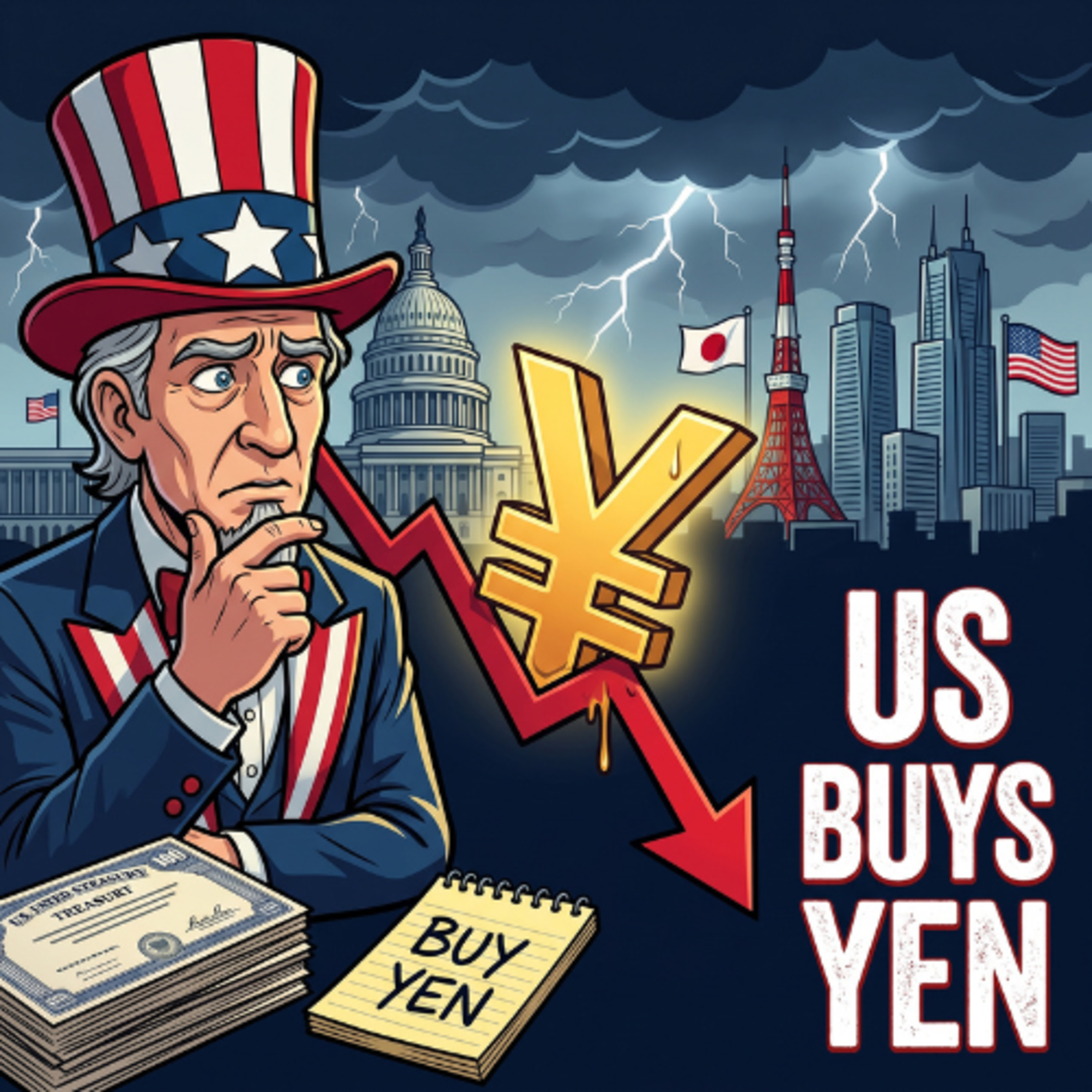
    The US is Buying Japanese Yen (Here's WHY)

    The US is Buying Japanese Yen (Here's WHY)For the first time in over a decade, the United States stepped into the currency market to buy Japanese yen — and the real reason has almost nothing to do with the "friendship" everyone was talking about. In this video we break down what actually happened on July 31, 2026, why the yen collapsed to a 40-year low, how a currency intervention actually works, and the self-interested reason Washington really got involved: protecting its own bond market and your mortgage rate.We cover the yen carry trade, the massive US–Japan interest rate gap, the Exchange Stabilization Fund, the strange decision to sell euros to buy yen, and why analysts think it may only "buy time." Data-first, no hype — just the machinery explained.⏱️ Chapters:00:00 – The leaked notepad that moved markets01:21 – The weekend Washington went shopping for yen05:43 – Why the yen collapsed: the interest-rate gap10:02 – How you actually "buy a currency"14:42 – The real reason: protecting US mortgage rates19:09 – The euro twist that confused everyone23:52 – Does intervention even work?28:32 – The $300 billion carry trade wired into the whole planet33:18 – What the yellow notepad really told us💬 What should we break down next? Drop it in the comments.👍 Like and subscribe if you'd rather understand the machine than just read the headline.#JapaneseYen #YenIntervention #CarryTrade #BankOfJapan #USTreasuries #CurrencyMarkets #Forex #Economics #FederalReserve #Macroeconomics

  • August 6 · 50 min

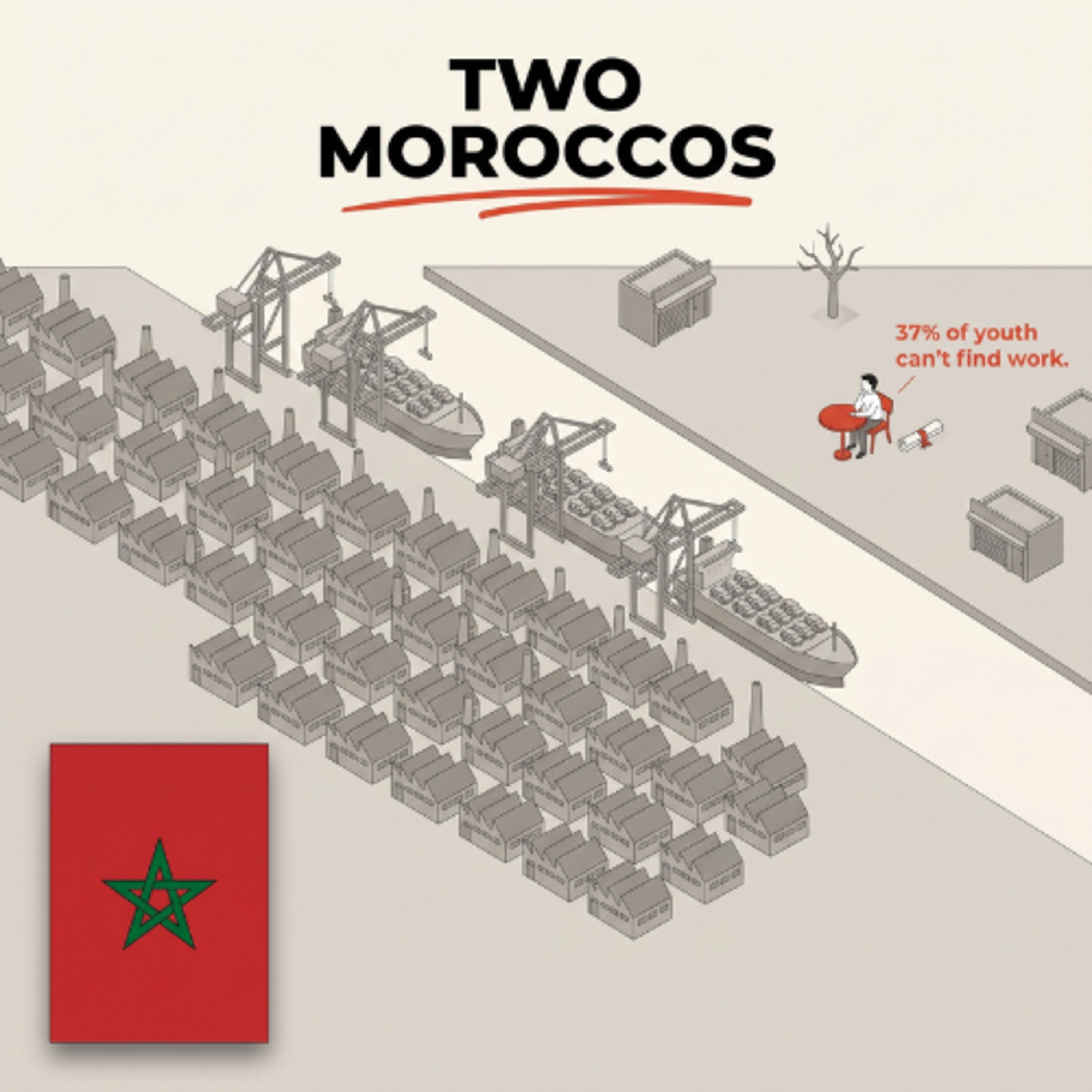
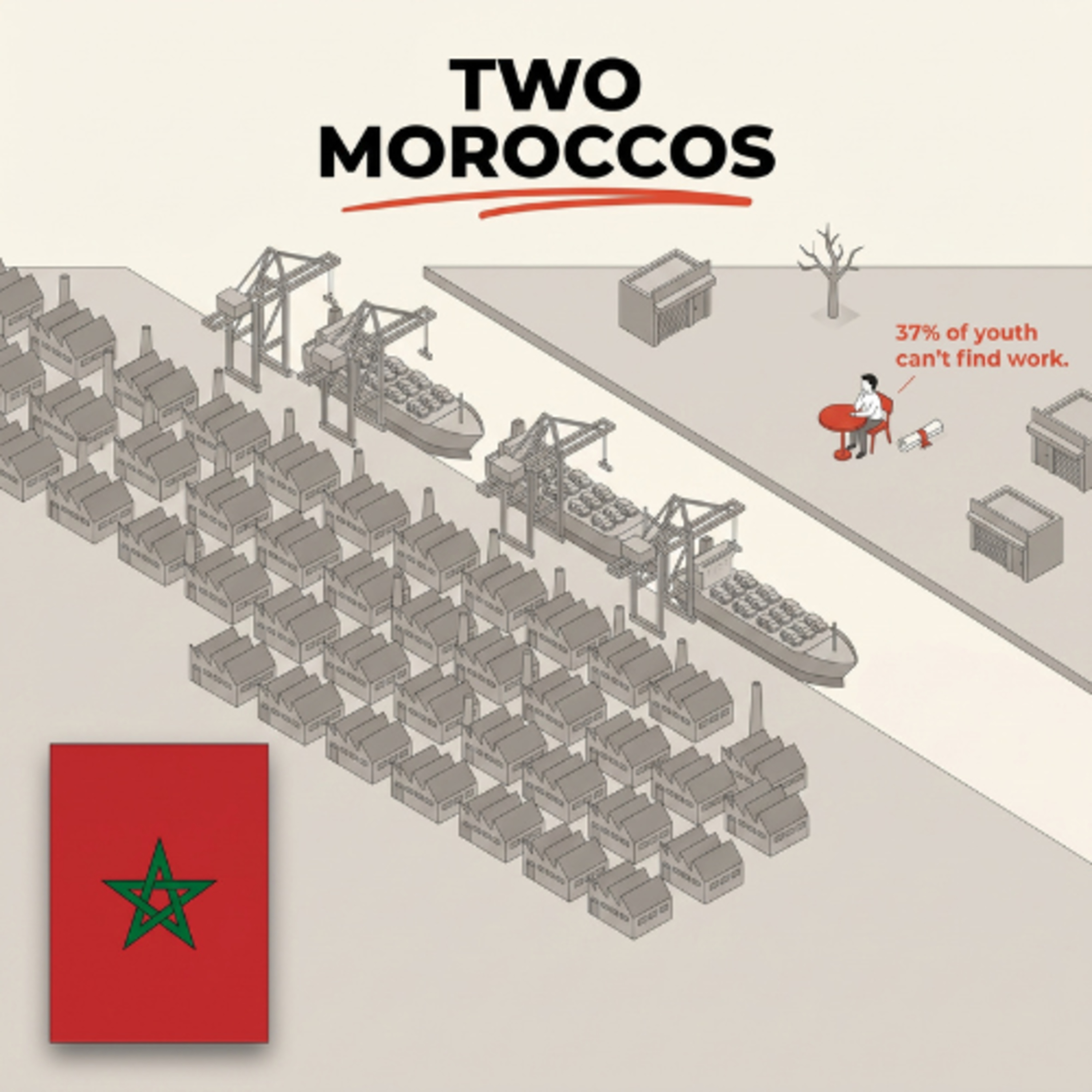
    The True REALITY of Morocco's Economy Explained

    The True Reality of Morocco's Economy Explained.---Exclusive Videos: https://www.youtube.com/channel/UCyPM2GKrhFnQG4o-YtEuCFg/joinSpotify: https://dub.sh/cfhspotifyNewsletter: https://dub.sh/chillfinancialhistorianX: https://x.com/realcfhFollow the CFH channel on:Telegram: https://t.me/chillfinancialhistorianWhatsApp: https://whatsapp.com/channel/0029VbBx3kL1CYoO21uxDx0p---Sources: https://docs.google.com/document/d/10OBiGGy-IVlzLPfLzfO8HhLaSVBeYdxRKWAhBLhVj-I/edit?usp=sharingMorocco builds nearly 400,000 cars a year, sells more vehicles to the EU than any other non-member, and sits on 70% of the world's phosphate reserves. Growth is near 5%. Tourism just hit a record. So why can't a third of its young people find a job?This is the story of two Moroccos. One is the gleaming export machine on the coast — Renault, Stellantis, Tangier Med, the Dacia Sandero that's been Europe's best-selling car for eight years. The other is the country 400km inland, where 80% of jobs are informal, youth unemployment runs near 37%, and a generation took to the streets in October 2025.We break down how both fit inside one set of books — the middle-income trap, the water crisis, the phosphate empire, the diaspora billions, and the Makhzen that decides who gets to win.In this video:• The coastal auto boom — and whose industry it really is• The three lifelines holding the economy up: remittances, tourism, phosphates• Why the World Bank says Morocco is "adding capital without productivity"• OCP: the state phosphate giant that feeds a fifth of the planet's crops• A country drying out — water down 75% per person since 1960• Gen Z 212: the maternal deaths that sparked the biggest protests since 2011• The Makhzen and Al Mada — where the money and power actually sit• Will Morocco escape the middle-income trap? The honest forecastTimestamps00:00 — The Two Moroccos01:30 — 1. The Machine on the Coast06:08 — 2. The Country Behind the Storefront10:49 — 3. The Three Lifelines15:46 — 4. The Middle-Income Trap20:15 — 5. OCP: The Company That Feeds the World25:34 — 6. The Water Bomb30:46 — 7. Gen Z 21236:05 — 8. The Makhzen: Who Actually Owns Morocco41:13 — 9. The Verdict: Two Moroccos, One Set of Books45:44 — Takeaways: A Country Is Not Its SkylineWatch next — **The True Reality of Spain's Economy Explained**: https://www.youtube.com/watch?v=L3a4qVTWISgThe mirror image, across the strait. And for where the two economies physically touch: **Why Spain Owns Two Cities in Africa**.Sources and data in the pinned comment. All figures from IMF, World Bank, S&P, Bank Al-Maghrib, and national statistics agencies, verified at time of writing.Is Morocco going to make it out of the middle-income trap? Let me know in the comments.#Morocco #MoroccoEconomy #Economics #OCP #Phosphates #Renault #TangierMed #GenZ212 #MiddleIncomeTrap #Makhzen #NorthAfrica #ChillFinancialHistorian

  • August 5 · 51 min

    Why Spain Owns Two Cities in Africa (And What Ceuta Really Costs)

    Why Spain Owns Two Cities in Africa (And What Ceuta Really Costs).---Exclusive Videos: https://www.youtube.com/channel/UCyPM2GKrhFnQG4o-YtEuCFg/joinSpotify: https://dub.sh/cfhspotifyNewsletter: https://dub.sh/chillfinancialhistorianX: https://x.com/realcfhFollow the CFH channel on:Telegram: https://t.me/chillfinancialhistorianWhatsApp: https://whatsapp.com/channel/0029VbBx3kL1CYoO21uxDx0pSpain owns two cities on the African continent. Cross the fence out of Ceuta and GDP per capita falls by roughly a factor of ten — in about forty seconds.Sources: https://docs.google.com/document/d/1KW4U-AgGqjI9Q_61jHIeGNZSvfU0RHStspVV6TJImuY/edit?usp=sharingCeuta and Melilla are part of Spain and part of the EU, but sit outside the EU customs territory: no VAT, a local IPSI tax as low as 0.5%, and 50% off corporate tax. That carve-out was meant to substitute for an economy. Instead it produced €1.4 billion a year of goods carried into Morocco on human backs — around a third of Melilla's economy — until Morocco shut the customs post in 2018 and started building a €5 billion megaport 50km away.This is the economics of the last European land border in Africa: why Spain holds these cities, what they actually cost, and why the bill isn't paid in euros.In this video:00:00 - Intro01:31 - How Portugal took Ceuta in 1415 — and why the trade left06: 23 - The tax anomaly that made two Spanish cities duty-free11:33 - The porteadoras and Spain's most revealing euphemism, "atypical trade"16: 20 - Why Morocco switched the trade off in 201820: 50 - The 2022 Western Sahara letter and what Spain got for it25: 49 - The July 2026 Ceuta crossings, and the three competing explanations31:18 - Ceuta vs Gibraltar: Spain's most uncomfortable argument36:49 - Nador West Med, Tangier Med, and the encirclement of MelillaWatch next — The True REALITY of Spain's Economy Explained: https://www.youtube.com/watch?v=L3a4qVTWISgSources and data are listed in the pinned comment. All figures cited from IMF, INE, Eurostat, World Bank, national statistics agencies and primary reporting.Which one next — Morocco's economy, or the tomato war between Spanish farmers and Moroccan imports? Let me know in the comments.#Ceuta #Melilla #Spain #Morocco #Economics #Geopolitics #WesternSahara #Gibraltar #EU #TangierMed #ChillFinancialHistorian

  • August 4 · 57 min

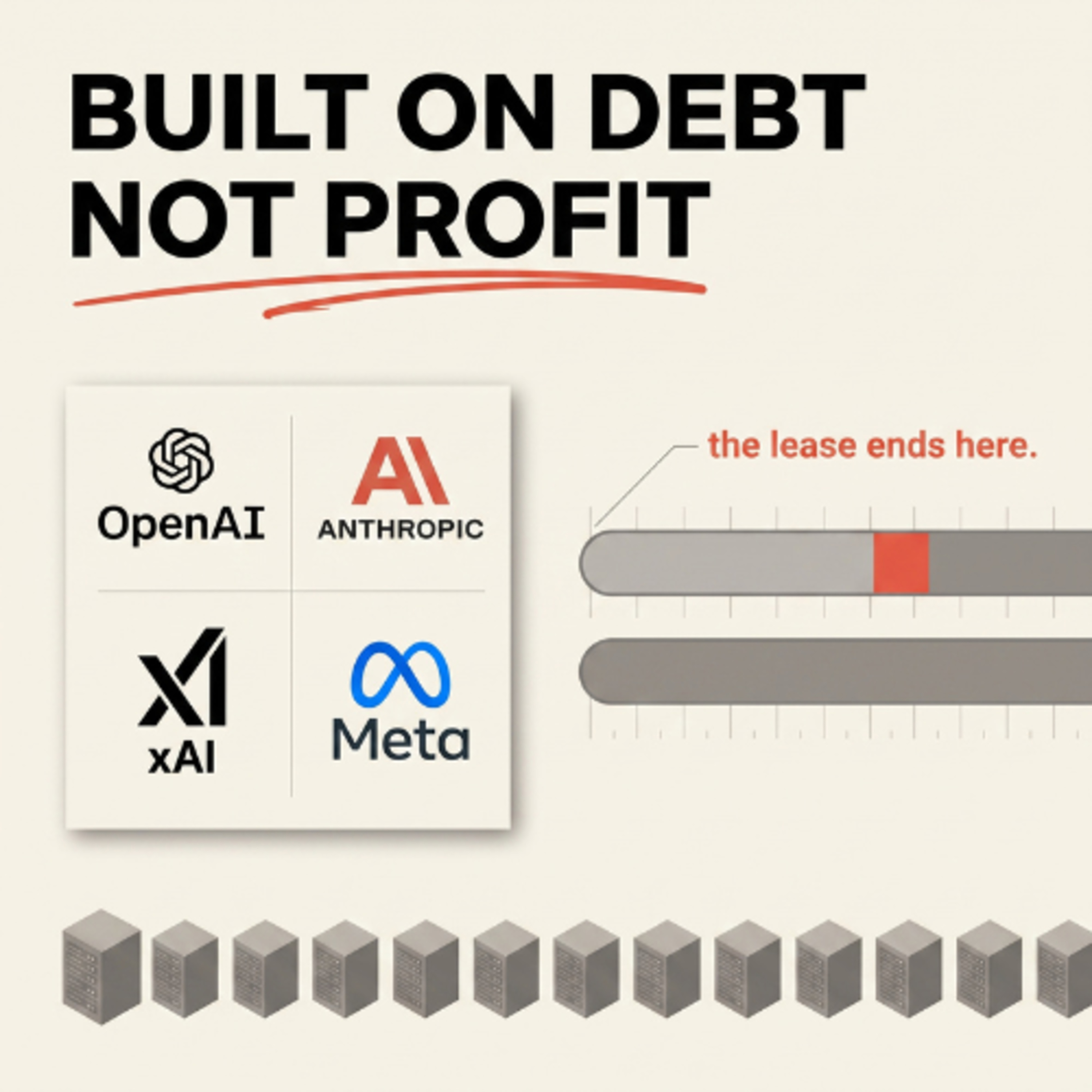
    AI Debt is a Problem (And It's Worse Than You Think)

    AI Debt is a Problem (And It's Worse Than You Think).---Exclusive Videos: https://www.youtube.com/channel/UCyPM2GKrhFnQG4o-YtEuCFg/joinSpotify: https://dub.sh/cfhspotifyNewsletter: https://dub.sh/chillfinancialhistorianX: https://x.com/realcfhFollow the CFH channel on:Telegram: https://t.me/chillfinancialhistorianWhatsApp: https://whatsapp.com/channel/0029VbBx3kL1CYoO21uxDx0pBig Tech stopped paying for the AI boom with cash. It's now paying with debt — roughly $570 billion of AI-related issuance projected for 2026 alone. And the real number is bigger than the balance sheets admit.Sources: https://docs.google.com/document/d/1V-oBvkR6Nk4qhBlL_i0ZekGjIyxE6TsWhMdAuXXLndA/edit?usp=sharingIn October 2025, PIMCO bought $18 billion of A+ rated bonds maturing in 2049, backed by a construction site in Louisiana, leased to a tenant on a four-year contract. The borrower wasn't Meta. It was an entity called Beignet Investor LLC. Nothing about it was illegal, hidden, or fraudulent — and that's exactly why it matters.This is a data-first breakdown of how the AI infrastructure buildout is actually financed: the off-balance-sheet SPVs, the GPU-collateralized loans, the circular vendor financing, the securitization machine — and who ends up holding the paper when the revenue arrives late.We cover Meta's $27B Hyperion SPV, Oracle's downgrade to BBB−, CoreWeave's $24.9B debt load, Michael Burry's $176 billion depreciation argument, the BIS warning on circular financing, and the 2001 telecom bust that this most closely resembles — including why the fiber eventually got used, but the bondholders never got paid.Steel-manned throughout. No doom-mongering, no cheerleading.CHAPTERS00:00 The $27 Billion Bond Nobody Talks About01:13 When Big Tech Stopped Paying Cash06:24 Hyperion: The Building That's On No Balance Sheet12:13 The Collateral Melts — GPU Depreciation16:01 Neoclouds and GPU-Backed Debt23:21 Circular Financing: Nvidia's Loop23:38 The Securitization Machine (ABS & CMBS)34:34 Who Actually Holds the Bag40:31 The 2026 Warning Lights46:54 The Telecom Precedent That Fits52:04 What We Actually KnowNot investment advice. All figures from publicly reported sources and cited analyses, current as of August 2026.#AIBubble #AIDebt #DataCenters #Economics #Investing #PrivateCredit #Nvidia #Oracle #Finance #CreditMarkets

  • August 1 · 57 min

    The Economy of Baltimore Explained (It's Not What You Think)

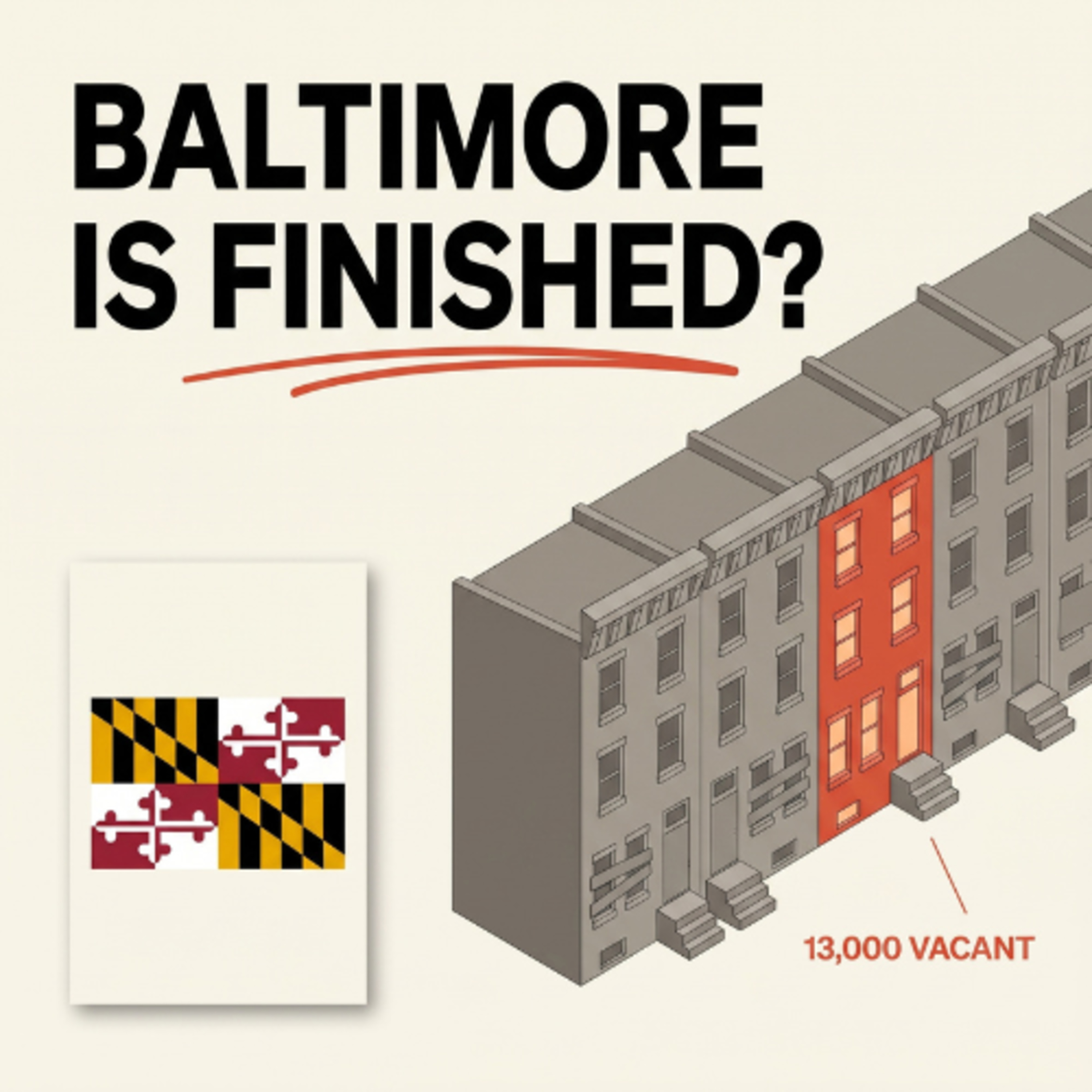
    Baltimore was once America's 6th largest city, home to the largest steel mill on Earth. Today it has 568,000 residents living inside infrastructure built for 950,000, 13,000 abandoned houses, the highest property tax rate in Maryland — and the fastest-falling homicide rate in America.This is the full economic breakdown: how a hospital replaced a steel mill, why the Key Bridge collapse still costs the Port of Baltimore market share, what the "appraisal gap" actually is, and why a lending map drawn in 1937 still sets prices in 2026.We cover the numbers most coverage skips — the $1.2 billion-to-$72 million collapse of Sparrows Point, the 30% downtown office vacancy rate, Johns Hopkins losing $500M+ in federal research funding, and the 133-homicide year that nobody outside Maryland noticed.No hype. No doom. Just the mechanics.⏱️ CHAPTERS00:00 — The city built for a million01:22 — 1. The arithmetic problem: 949,708 to 568,27106:23 — 2. Eds and meds: how a hospital replaced a steel mill12:04 — 3. The Port: $70 billion and one very bad night in March17:45 — 4. Sparrows Point: the most expensive lesson in industrial history23:27 — 5. The 13,000: why nobody wants a free house29:03 — 6. The tax trap: why the rate is double across the street34:45 — 7. The Harborplace paradox40:59 — 8. The two Baltimores: a map from 193746:47 — 9. The crime dividend nobody's heard about52:28 — Takeaways and forecast💬 Which city economy should we break down next? Drop it in the comments.🔔 Subscribe for weekly deep dives into how economies actually work.All figures sourced from Census Bureau, BLS, Maryland Port Administration, Johns Hopkins, Baltimore City budget documents, and reporting from The Baltimore Banner, Baltimore Sun, and Baltimore Fishbowl. Sources in the pinned comment.#Baltimore #Economics #UrbanEconomics #USEconomy #RustBelt #PortOfBaltimore #JohnsHopkins #CityPlanning #Maryland #EconomicsExplained

  • July 30 · 1 hr 3 min

    Tunisia Was the Arab Spring's Only Success (Here's What Went Wrong)

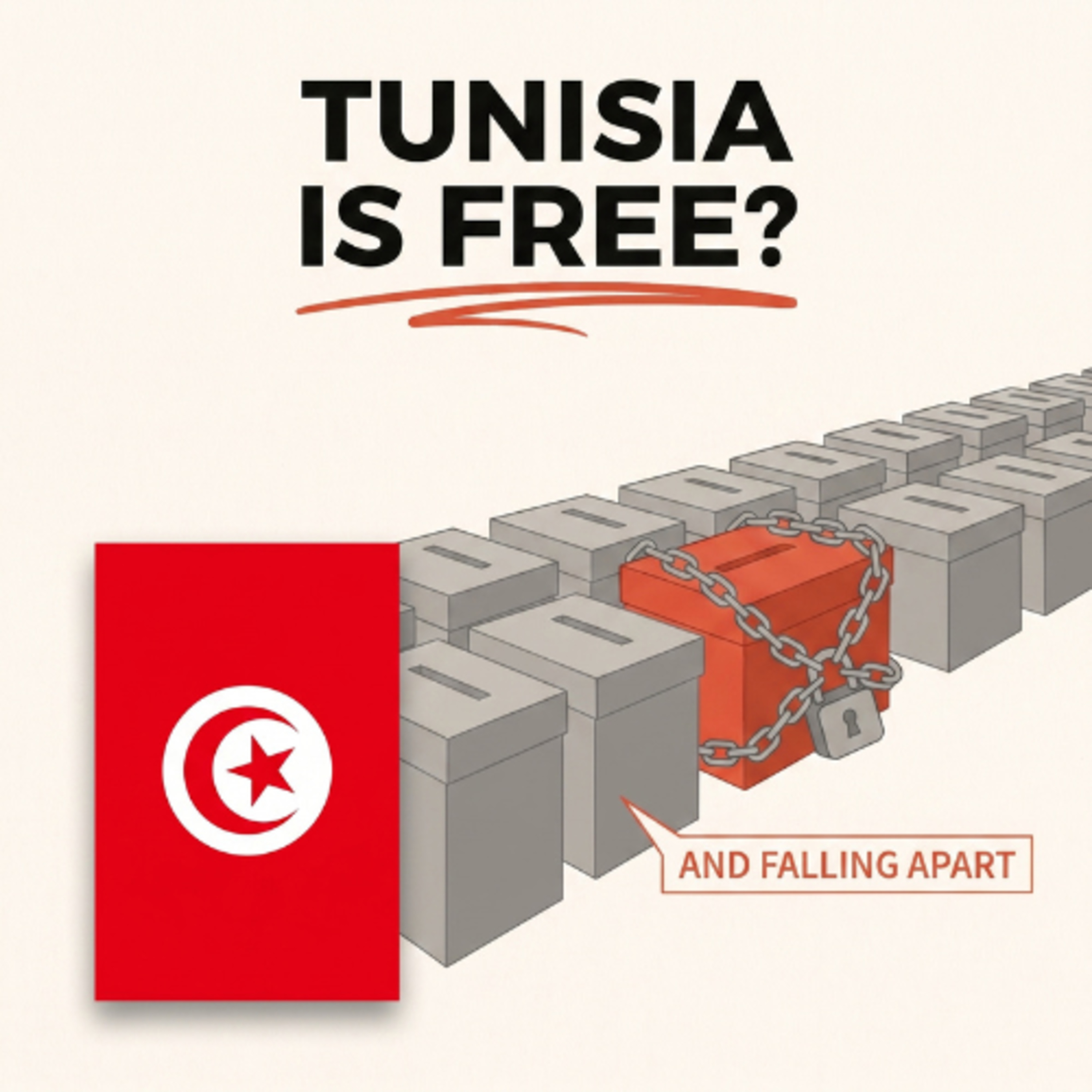
    Tunisia Was the Arab Spring's Only Success (Here's What Went Wrong)Exclusive Videos: https://www.youtube.com/channel/UCyPM2GKrhFnQG4o-YtEuCFg/joinSpotify: https://dub.sh/cfhspotifyNewsletter: https://dub.sh/chillfinancialhistorianX: https://x.com/realcfhFollow the CFH channel on:Telegram: https://t.me/chillfinancialhistorianWhatsApp: https://whatsapp.com/channel/0029VbBx3kL1CYoO21uxDx0p---Sources: https://docs.google.com/document/d/11Gkp9bMDiDB3oKaeuvFT1vhkI_aM8pkUFIUFmHoVUvI/edit?usp=sharingTunisia was the only Arab Spring uprising that ended in a democracy — not a civil war, not a counter-coup, not a collapse. It even won a Nobel Peace Prize. So why did so many Tunisians cheer when that democracy was dismantled in 2021? The answer isn't "populism." It's arithmetic.In this deep dive, we break down the actual mechanics of how the Arab Spring's lone success story unraveled: the crony-capitalist economy that survived Ben Ali, the public wage bill that swallowed half of all state spending, the subsidies nobody dared cut, the phosphate collapse in Gafsa and Gabès, and the "self-reliance" gamble that has the central bank printing money to pay the bills. Fully sourced — World Bank, IMF, Nobel Committee, Freedom House, Amnesty International — with every figure linked in the description.⏱️ CHAPTERS00:00 – The Nobel Prize and the 90% election01:47 – Why the revolution was an economics story06:29 – How Ben Ali fooled the World Bank12:12 – Buying social peace on credit17:59 – The thing that actually worked23:50 – The bread problem30:14 – The phosphate suicide37:57 – Eight governments, zero reforms44:23 – July 25th: the self-coup51:08 – The bill comes due1:00:31 – What Tunisia teaches us💬 One question drives the whole video: can a country democratize its politics before it fixes its economy — or does it have to be the other way around? Tell me where you land in the comments.👍 Like and subscribe for data-first economic histories — no shouting, sources on screen.📌 RELATEDThe Rise and Fall of Lebanon → [link]Argentina's Economic Experiment → [link]#Tunisia #ArabSpring #Economics #KaisSaied #IMF #MENA #Bouazizi #EconomicHistory #Geopolitics #FinancialHistory

  • July 28 · 1 hr 3 min

    The Rise and Fall of Lebanon

    The Rise and Fall of Lebanon (From the "Switzerland of the Middle East" to Collapse).Exclusive Videos: https://www.youtube.com/channel/UCyPM2GKrhFnQG4o-YtEuCFg/joinSpotify: https://dub.sh/cfhspotifyNewsletter: https://dub.sh/chillfinancialhistorianX: https://x.com/realcfhFollow the CFH channel on:Telegram: https://t.me/chillfinancialhistorianWhatsApp: https://whatsapp.com/channel/0029VbBx3kL1CYoO21uxDx0p---Sources: https://docs.google.com/document/d/1F-e9ypig4KGz_KU0HJnxF6A3JUk0R4cY09I_6AT8Xws/edit?usp=sharingHow did Beirut go from the glittering "Paris of the Middle East" to one of the three worst economic collapses on Earth since the 1850s? This is the full financial autopsy of Lebanon — a country with no oil that built its fortune on banking secrecy and confidence, then lost it all.We trace the entire arc: the golden-age merchant republic and its 1956 Swiss-style banking secrecy law, the 15-year civil war that gutted living standards, Rafik Hariri's debt-funded reconstruction, the 25-year currency peg at 1,507.5, and Riad Salameh's "financial engineering" — what the World Bank openly called a Ponzi scheme with a $70+ billion hole in the central bank.Then the unraveling: the 2019 WhatsApp tax protests, informal capital controls, the first sovereign default in Lebanon's history, "lollars" and lirafication, the 2020 Beirut port explosion, the cash economy that replaced the banks — and the fragile 2025 reforms that were interrupted by war in March 2026.Timestamps, sources, and the five lessons that apply to any economy running on borrowed confidence.📊 What you'll learn:How a currency peg becomes a debt treadmillWhy 15–20% dollar interest rates are always a warningHow depositors' savings vanished without a single legal haircutWhy the financial collapse and the port explosion were the same failureTimestamps:00:00 — Intro: The Paris of the Middle East vs. 202601:40 — 1. The Merchant Republic07:10 — 2. The Fifteen-Year Suicide12:56 — 3. Horizon 200018:49 — 4. The 1,507.5 Peg24:48 — 5. "Financial Engineering"30:27 — 6. October 17, 201937:01 — 7. 2,750 Tonnes43:15 — 8. The Cash Republic50:24 — 9. The False Dawn58:16 — Takeaways: Five Lessons From a Collapse💬 Which collapse should we dissect next — Argentina, Zimbabwe, or the 1997 Asian Financial Crisis? Drop it in the comments.👍 Like & subscribe for more full-system economic autopsies.Educational analysis based on World Bank, IMF, PIIE, Carnegie, HRW, and Reuters reporting. Sensitive topics discussed factually.5

  • July 26 · 55 min

    The Real TRUTH About De-Dollarisation (And Why It Keeps Failing)

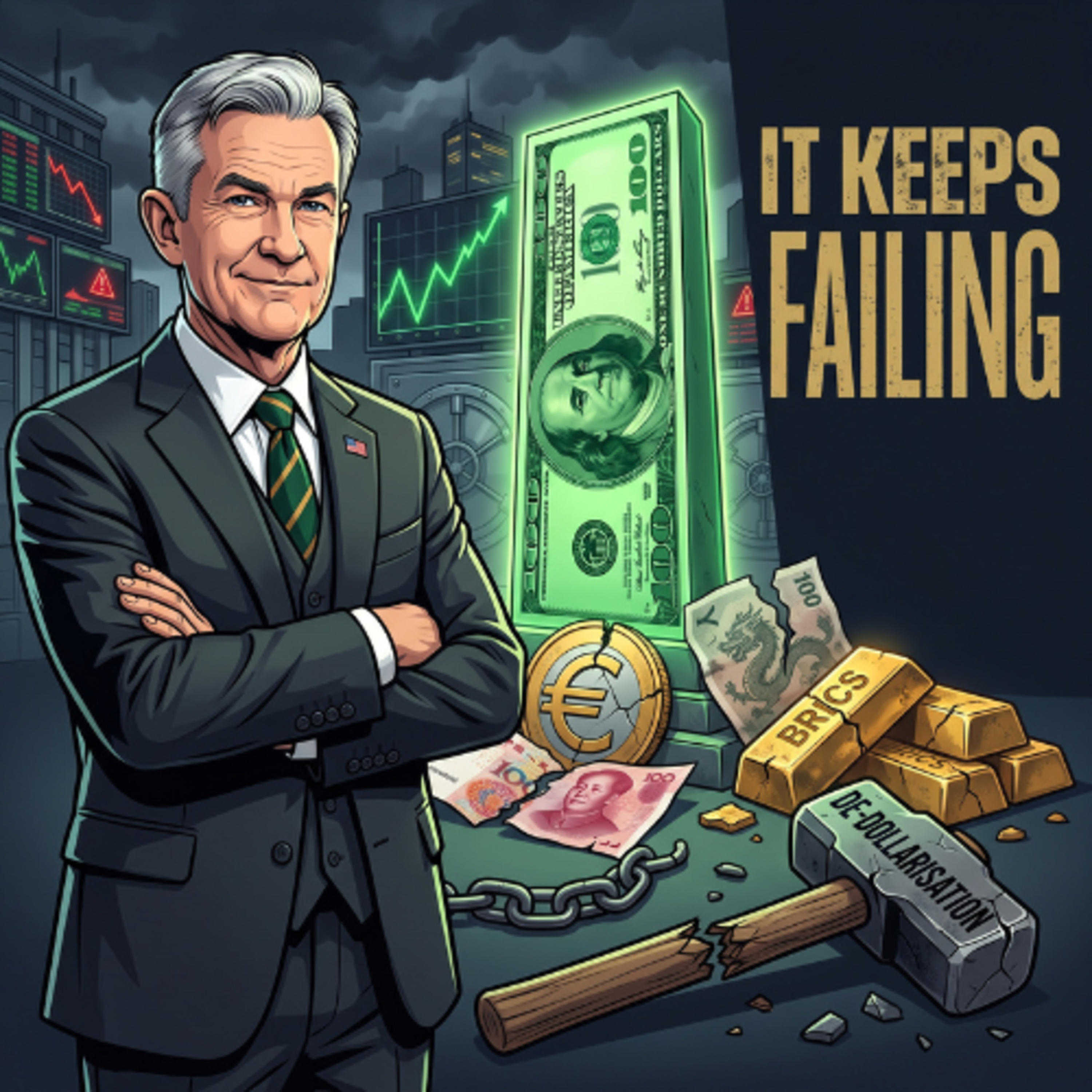
    The Real Truth About De-Dollarisation (And Why It Keeps Failing).Exclusive Videos: https://www.youtube.com/channel/UCyPM2GKrhFnQG4o-YtEuCFg/joinSpotify: https://dub.sh/cfhspotifyNewsletter: https://dub.sh/chillfinancialhistorianX: https://x.com/realcfhFollow the CFH channel on:Telegram: https://t.me/chillfinancialhistorianWhatsApp: https://whatsapp.com/channel/0029VbBx3kL1CYoO21uxDx0p---Sources: https://docs.google.com/document/d/1t91DjgAl7H_uNTCLCVERhLGenTd0iF-5F-gt9CijdVM/edit?usp=sharingThe dollar has been "dying" since 1971. In 2026, everyone's writing its obituary again. Here's what the data actually says.Central banks are hoarding gold. BRICS wants its own currency. China built a rival to SWIFT. Saudi Arabia supposedly ended the "petrodollar." So why is the dollar still sitting on 57% of global reserves — and why has every de-dollarisation attempt for 50 years stalled in roughly the same place?In this deep dive, we break down what de-dollarisation actually is (it's four different arguments, not one), why the scariest reserve charts are partly an optical illusion, and the "convertibility trap" that turned Russia's oil trade with India into billions of stranded rupees nobody could spend.We cover:⏱️ The four jobs of the dollar — and why you can de-dollarise one without touching the others⏱️ The graveyard: how the dollar survived 1971, crashed to 46% in 1991, and came back to 71%⏱️ Why the yen and the euro both failed to dethrone it⏱️ The 2022 Russian reserve freeze and the great central bank gold rush⏱️ Why China chooses not to qualify as a reserve currency (Triffin's dilemma explained)⏱️ The petrodollar "agreement" that expired in 2024 — and never existed⏱️ The real threat: America's $39 trillion debt and $1 trillion interest bill⏱️ The plot twist — how stablecoins and the GENIUS Act quietly expanded dollar dominance⏱️ The 5-condition checklist for what would actually have to happenNo hype, no doom-thumbnail predictions — just receipts. Currencies of this stature don't get overthrown. They get abandoned by their own custodians.Chapters00:00 — The dollar's been "dying" since 197101:37 — 1. De-dollarisation is four different arguments06:12 — 2. The graveyard11:19 — 3. February 202216:56 — 4. The convertibility trap22:52 — 5. The plumbing problem29:03 — 6. The petrodollar agreement34:44 — 7. The real threat isn't Beijing40:59 — 8. The plot twist: stablecoins46:17 — 9. The checklist51:56 — Closing: what the receipts actually say💬 Which currency would YOU want your savings in? Tell us in the comments.👍 Like & subscribe for slow, data-first financial history.📊 Sources: IMF COFER, SWIFT RMB Tracker, World Gold Council, BIS, CBO, Atlantic Council, ECB, US Treasury.This video is for educational and informational purposes only and does not constitute financial advice.#DeDollarization #Dollar #USD #BRICS #Economics #Finance #Geopolitics #Gold #Stablecoins #ReserveCurrency #FinancialHistory #China #Yuan #Treasury #Money

  • July 25 · 36 min

    The 7 Levels of POOR Countries (And Why They're Stuck)

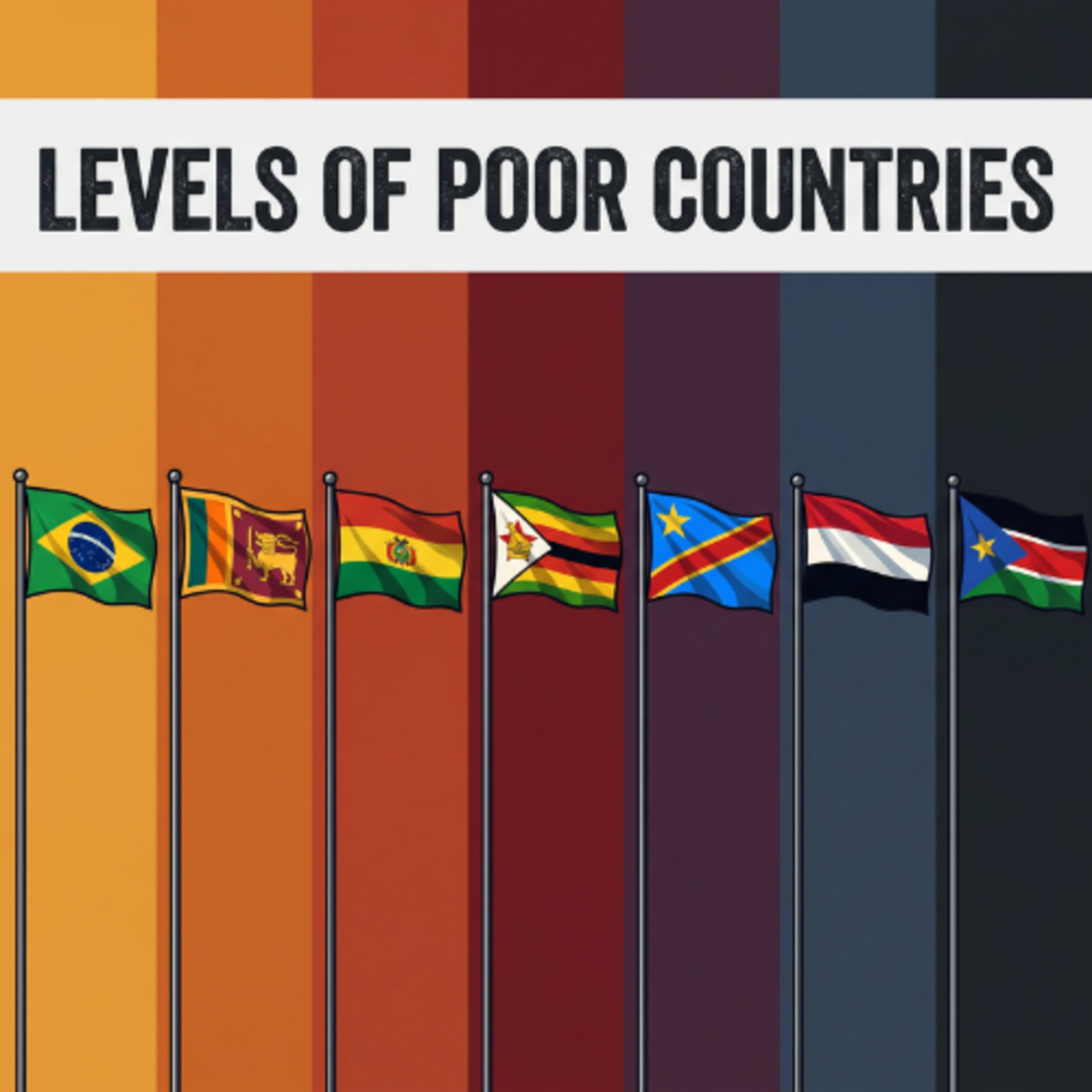
    The 7 Levels of Poor Countries (And Why They're Stuck).Exclusive Videos: https://www.youtube.com/channel/UCyPM2GKrhFnQG4o-YtEuCFg/joinSpotify: https://dub.sh/cfhspotifyNewsletter: https://dub.sh/chillfinancialhistorianX: https://x.com/realcfhFollow the CFH channel on:Telegram: https://t.me/chillfinancialhistorianWhatsApp: https://whatsapp.com/channel/0029VbBx3kL1CYoO21uxDx0p---Sources: https://docs.google.com/document/d/1OgbElcOLHW0IBA8v_6IphAVOf1mvCjG6FPcV8w9cR-g/edit?usp=sharingSouth Sudan's economy produces about $251 per person, per year. South Korea was poorer than Sudan in 1960 — today it builds your phone. So what's the difference?The interesting question isn't who's poorest. It's why some countries can't get out. In this video we break down the 7 traps that keep nations stuck — from the middle-income ceiling that's frozen Brazil at $10,000 for thirty years, all the way down to the floor of the world, where a country is caught in all seven at once.You'll learn why the Congo powers the world's batteries while its people live on $650 a year, how a landlocked navy explains 150 years of Bolivian poverty, and why the 2024 Nobel Prize came down to a satellite photo of Korea at night. 🛰️Plus the part nobody puts in the thumbnail: the countries that escaped. Because none of these traps are destiny.⏱️ CHAPTERS00:00 – Poor vs. STUCK: the real question01:22 – Trap 1: The Middle-Income Trap03:30 – Trap 2: The Debt Trap09:44 – Trap 3: The Geography Trap14:05 – Trap 4: The Institutions Trap (2024 Nobel)19:13 – Trap 5: The Resource Curse23:56 – Trap 6: The Conflict Trap28:46 – Trap 7: The Poverty Trap (rock bottom)32:35 – The escapes: Botswana & Rwanda📊 Sources: IMF World Economic Outlook, World Bank (International Debt Report & poverty data), Acemoglu/Johnson/Robinson (2024 Nobel), Paul Collier's The Bottom Billion.💬 Which trap is your country fighting — and is it climbing out or sliding back? Tell me in the comments.👍 Like & subscribe for weekly no-hype deep dives into how economies actually work.🔗 Watch the companion video: The 7 Levels of Rich Countries Explained#poorestcountries #economics #development #worldbank #poverty #geopolitics #resourcecurse #whynationsfail #southsudan #economy

  • July 23 · 39 min

    The 7 Levels of RICH Countries Explained (Where Do You Live?)

    Exclusive Videos: https://www.youtube.com/channel/UCyPM2GKrhFnQG4o-YtEuCFg/joinSpotify: https://dub.sh/cfhspotifyNewsletter: https://dub.sh/chillfinancialhistorianX: https://x.com/realcfhFollow the CFH channel on:Telegram: https://t.me/chillfinancialhistorianWhatsApp: https://whatsapp.com/channel/0029VbBx3kL1CYoO21uxDx0p---Sources: https://docs.google.com/document/d/1af0AQi4eonvYWLJpSaDYdwgFju80HbOOZgCjVGdyWek/edit?usp=sharingLuxembourg says it's twice as rich as America. Your paycheck says otherwise. In this video we build the definitive ladder of wealthy nations — 7 Levels of Rich Countries — and expose why the number at the top of every "richest countries" list is the one you should trust the least.Using GDP per capita, median wealth, and where the money actually comes from, we climb from the countries that just crossed the World Bank's high-income line all the way to the summit — and reveal why the US ranks 2nd in the world by average wealth but 28th by median, how Ireland's "leprechaun economics" conjured €200 billion out of a spreadsheet, and why Norway turned oil into a $2.2 trillion machine for its grandchildren.By the end, you'll have the 3 questions that let you read any wealth ranking like an economist. So… where do you live? 👇⏱️ CHAPTERS00:00 – The great trick of the word "rich"01:15 – Level 1: The Freshmen (technically rich)05:55 – Level 2: The Escape Artists (South Korea's miracle)09:55 – Level 3: The Establishment (median vs. average)15:29 – Level 4: The Sweet Spot (America's paradox)20:24 – Level 5: The Rentiers (oil, the resource curse & Norway)25:22 – Level 6: The Mirages (leprechaun economics)31:02 – Level 7: The Summit (where the number tells the truth)35:46 – How to read any wealth ranking correctly📊 Sources: World Bank income classifications, IMF World Economic Outlook 2026, UBS Global Wealth Report, Ireland CSO (GNI*).💬 Comment your country and the level you think it lands on — defend it with the three questions.👍 Like & subscribe for weekly no-hype deep dives into economics, finance, and the hidden mechanics of how countries actually get rich.#richestcountries #economics #gdp #wealth #geopolitics #finance #norway #ireland #economy #medianwealth

  • July 21 · 32 min

    New British PM - Andy Burnham Has a Plan to Fix Britain (Here's Whether It Can Actually Work)

    New British PM - Andy Burnham Has a Plan to Fix Britain (Here's Whether It Can Actually Work).Exclusive Videos: https://www.youtube.com/channel/UCyPM2GKrhFnQG4o-YtEuCFg/joinSpotify: https://dub.sh/cfhspotifyNewsletter: https://dub.sh/chillfinancialhistorianX: https://x.com/realcfhFollow the CFH channel on:Telegram: https://t.me/chillfinancialhistorianWhatsApp: https://whatsapp.com/channel/0029VbBx3kL1CYoO21uxDx0pSources: https://docs.google.com/document/d/1lrggPNYYN3ilUtbJF2hpNAYl51-NPiBwAADvhS9_VP4/edit?usp=sharingAndy Burnham just became Britain's 7th Prime Minister in a decade — and he's promising the "biggest changes in 40 years." But can "Manchesterism" actually fix Britain, or will Burnham fall into the same trap that swallowed the last six PMs?In this deep dive, we break down the economics behind Andy Burnham's plan: what "Manchesterism" really is, why the bond market once named him the #1 threat to UK markets, and the delicious irony of how he won their approval on day one. We unpack the ghost of Liz Truss's 49-day meltdown, the LDI pension crisis that nearly broke the gilt market, and whether devolution is the under-tried lever Britain actually needs.No propaganda, no doom-porn — just the data, the steel-manned arguments, and an honest probabilistic verdict on whether the King of the North can escape Britain's structural trap.⏱️ CHAPTERS00:00 – Britain's Most Feared Politician01:26 – The Man the Bond Market Feared05:37 – What On Earth Is "Manchesterism"?10:11 – Scaling a City Into a Country14:54 – The Ghost of Liz Truss: 49 Days20:02 – The Plot Twist: The Vigilantes Stood Down24:41 – The Verdict: Will It Actually Work?29:13 – The Takeaway: Meet the New Boss▶️ WATCH NEXT"Why Nobody Can Fix Britain" – the foundation for this analysis"Can Britain Just Print Its Debt Away?" – how the bond-market machinery works💬 Do you think Burnham is a clever pragmatist or the 7th good intention on a well-paved road? Tell us in the comments — the best one might become our next video.👍 Like & subscribe for forensic, data-driven economics with zero spin.#AndyBurnham #UKPolitics #Manchesterism #UKEconomy #BondMarket #PrimeMinister #Britain #Economics #LizTruss #GiltMarket

  • July 17 · 39 min

    NATO Has a Unity Problem — (And Why It Can't Agree on Its Own Enemy)

    NATO's Unity Problem, Explained — Why It Can't Agree on Its Own Enemy.Exclusive Videos: https://www.youtube.com/channel/UCyPM2GKrhFnQG4o-YtEuCFg/joinSpotify: https://dub.sh/cfhspotifyNewsletter: https://dub.sh/chillfinancialhistorianX: https://x.com/realcfhFollow the CFH channel on:Telegram: https://t.me/chillfinancialhistorianWhatsApp: https://whatsapp.com/channel/0029VbBx3kL1CYoO21uxDx0pThe most powerful alliance in history just spent two days in Ankara pretending to agree — and failed. In 2026, NATO committed to spending 5% of GDP on defense, then immediately fractured over Spain, Greenland, burden-shifting, and one question it still can't answer: 5% against what? This is the machinery behind the headlines — why the spending fight is secretly a fight about something else, and whether an alliance that survived Suez, de Gaulle, and Iraq can survive its own success.We break down the vague treaty that made arguing inevitable, the free-rider math baked into collective defense, the Hague 5% bombshell (and Spain's 2.1% rebellion), the U.S.–Europe split on how scared to be of Russia, the shift from burden-sharing to burden-shifting, and the Erdoğan/Orbán veto game.Chapters0:00 – The Setup: A Summit Falls Apart01:36 – Original Sin: NATO Was Built to Be Argued Over05:36 – Greatest Hits of Almost-Collapse (Suez, de Gaulle, Iraq)10:27 – The 5% Bombshell & Spain's Rebellion16:08 – Ankara 2026: Where the Cracks Got Their Own Panel20:36 – The Deepest Crack: Can't Agree on the Threat25:11 – Burden-Shifting: The Two Words That Changed Everything30:28 – The Erdoğan & Orbán Problem35:05 – Verdict: Transformation, Not DeathSources: https://docs.google.com/document/d/10nzlWcRsId6O-VYjbFEYwPUDNQasHl0pbm47PqTA2s8/edit?usp=sharing

  • July 15 · 41 min

    The Real Truth About Russia's Economic Survival (Winning or Losing?)

    Exclusive Videos: https://www.youtube.com/channel/UCyPM2GKrhFnQG4o-YtEuCFg/joinSpotify: https://dub.sh/cfhspotifyNewsletter: https://dub.sh/chillfinancialhistorianX: https://x.com/realcfhFollow the CFH channel on:Telegram: https://t.me/chillfinancialhistorianWhatsApp: https://whatsapp.com/channel/0029VbBx3kL1CYoO21uxDx0pEveryone predicted Russia's economy would collapse in 2022. It didn't. But the "invincible fortress" story is just as wrong. Here's what the 2026 data actually shows.Four years into the most aggressive sanctions regime in modern history, Russia is still standing — but the way it survived is quietly bankrupting its own future. In this deep dive we skip the hysteria in both directions and just follow the money: the 2022 emergency playbook, the oil "shadow fleet," military Keynesianism, the 21% interest rate trap, the near-empty National Wealth Fund, the $300B in frozen reserves, the dependence on China, and the 2026 fuel crisis that has Russians queuing for hours in one of the world's top oil producers.Is Russia's economy winning, losing, or something weirder? The real answer lives in the boring, honest middle — and that's exactly where we go.Sources: https://docs.google.com/document/d/1XA6mtU4YHH7beq0cVRteg3nDeWk31R7D8HfaE4NPjCo/edit?usp=sharing⏱️ CHAPTERS00:00 The collapse that was predicted (and the boom that happened)01:45 How Russia dodged collapse in 202204:30 The shadow fleet & the oil price cap07:30 Military Keynesianism: the engine and the trap10:45 The 21% interest rate problem13:45 The National Wealth Fund runs dry17:00 Frozen $300B reserves & the marriage to China20:15 Life at the pump: the 2026 fuel crisis23:30 So is Russia winning or losing? The real truth📌 Sources include the IMF, Bank of Russia, CREA, CEPA, the Atlantic Council, Reuters, and Gallup. All figures current as of mid-2026.💬 Where do YOU land — resilient economy or managed decline? Drop it in the comments.👍 Like & subscribe for data-first economic history with zero propaganda.This video is for educational and informational purposes only and does not constitute financial or investment advice.#RussiaEconomy #Sanctions #Geopolitics #EconomicHistory #Russia #OilPrices #Inflation #ChinaRussia #Macroeconomics #FinancialHistorian

  • July 13 · 46 min

    NATO 3.0: The Plan to Make Europe Defend Itself

    NATO 3.0: The Plan to Make Europe Defend Itself.Exclusive Videos: https://www.youtube.com/channel/UCyPM2GKrhFnQG4o-YtEuCFg/joinSpotify: https://dub.sh/cfhspotifyNewsletter: https://dub.sh/chillfinancialhistorianX: https://x.com/realcfhFollow the CFH channel on:Telegram: https://t.me/chillfinancialhistorianWhatsApp: https://whatsapp.com/channel/0029VbBx3kL1CYoO21uxDx0pFor 80 years, America carried Europe's defense. Now the Trump administration wants to flip the deal — and it has a name: "NATO 3.0." In this deep dive, we break down the plan to force Europe to defend itself: the historic 5% GDP spending pledge, the €800 billion ReArm Europe gamble, the U.S. troop cuts already underway, and the dangerous 2027 "window of vulnerability" that could arrive before Europe is ready.We cover:▪️ What "NATO 3.0" actually means — burden-sharing vs. burden-shifting▪️ The Hague 5% deal (3.5% + 1.5%) and why Spain opted out▪️ The €1 TRILLION cost of replacing U.S. capabilities in Europe (IISS & Bruegel–Kiel data)▪️ Why 300,000 European troops = the fighting power of just 80,000 Americans▪️ The real U.S. troop drawdowns: Germany, Poland, and the Force Model cuts▪️ Russia's military reconstitution and the 2027 danger window▪️ What happened at the 2026 Ankara Summit — and why NATO didn't schedule a next oneIs this a smart, overdue rebalancing of a lopsided alliance — or America walking toward the exit while the bill comes due? The data tells a more complicated story than the headlines.📊 Sources from NATO, IISS, Bruegel, RUSI, SIPRI, the Atlantic Council & more linked throughout.Chapters0:00 – The Deal That's Being Renegotiated (Intro)1:45 – The Bargain That Built Modern Europe6:30 – What "NATO 3.0" Actually Means12:00 – The Trillion-Dollar Hole in Europe's Defenses17:30 – The 5% Pledge: Europe Reaches for Its Wallet23:15 – ReArm Europe & the €800 Billion Gamble29:00 – The Danger Window: When the Curves Cross35:00 – From Slideshow to Reality: The Cuts Begin41:00 – Ankara: Where NATO 3.0 Met Reality46:30 – The Verdict: Rebalancing or Rupture?52:00 – Your Take + What to Watch NextSources: https://docs.google.com/document/d/1xKWPfuK8o6n0_W4LGkOqFgSlvtIMdW8r-bzJgmChCho/edit?usp=sharing💬 Do you think NATO 3.0 is a necessary wake-up call or a reckless gamble? Let us know in the comments.👍 Like & subscribe for data-first breakdowns of the economics behind global power.#NATO #Europe #DefenseSpending #Geopolitics #Trump #Russia #Ukraine #NATO30 #EuropeanDefense #Economics

  • July 12 · 46 min

    Is it Possible to Scam an Entire Country? (Inside Nigeria's Fake Govt Agency Scandal)

    Inside Nigeria's Fake Agency Scandal | The Curious Case of PFIPC.Exclusive Videos: https://www.youtube.com/channel/UCyPM2GKrhFnQG4o-YtEuCFg/joinSpotify: https://dub.sh/cfhspotifyNewsletter: https://dub.sh/chillfinancialhistorianX: https://x.com/realcfhFollow the CFH channel on:Telegram: https://t.me/chillfinancialhistorianWhatsApp: https://whatsapp.com/channel/0029VbBx3kL1CYoO21uxDx0p--A man allegedly built an entire "presidential agency" out of thin air — and got it into Nigeria's national budget. This is the story of the Presidential Foreign Intervention Promotion Council (PFIPC), the ₦1.3 billion budget line for an agency the government swears never existed, and what it reveals about how a state gets counterfeited from the inside.We break down how Prince Adeniyi Adeyemi Matthew allegedly secured an office at the Federal Secretariat in Abuja, opened a Central Bank of Nigeria account, hosted foreign ambassadors, and landed a ₦1,302,978,784 allocation under budget code 0111062001 in the 2026 Appropriation Act — an agency the Presidency, through Chief of Staff Femi Gbajabiamila, insists has no basis in law.Inside this deep-dive:▸ How a "fake" agency allegedly cleared real government financial controls (GIFMIS, budget codes, CBN accounts)▸ The ambassadors at the Wells Carlton Hotel and the diplomatic protocol breach that started the unraveling▸ The forged letterhead detail that exposed the scheme▸ The bribery allegations against the Chief of Staff — and his denial▸ The key witness who died in a hotel fire five days before the arrest▸ Why this fits a 30-year pattern of budget padding, ghost workers, and phantom projects in NigeriaThis is a data-first, steel-manned analysis — not a hit piece. Adeyemi is an accused defendant, the ICPC probe is ongoing, and we lay out what's established fact versus what's still contested.Chapters00:00 – The man who budgeted a phantom01:29 – The Man Who Appointed Himself06:00 – An Office That Shouldn't Exist11:09 – The Ambassadors at the Wells Carlton16:32 – ₦1,302,978,784: The Number That Shouldn't Be There21:37 – The Chief of Staff, the Whistle, and the Counterpunch26:45 – The Witness Who Died Five Days Early31:40 – This Has Happened Before (Just Not This Boldly)36:45 – What a Counterfeit State Actually Costs41:35 – Key Takeaways & Final VerdictSources: https://docs.google.com/document/d/1_vTrtJY5zcd0zEJJIzB-s0SEMIkCyMGdrJ4KjGiiGPw/edit?usp=sharing🔔 Subscribe for more deep-dives into how money really moves through governments and economies.💬 Got a scandal or collapse you want investigated? Drop it in the comments.⚠️ All claims are sourced from reporting current as of July 2026. Allegations described as allegations; nothing here asserts guilt.#PFIPC #Nigeria #Tinubu #Gbajabiamila #BudgetScandal #NigeriaNews #Corruption #Adeyemi #NigerianPolitics #ChillFinancialHistorian

  • July 9 · 41 min

    Canada’s Empty Condo Disaster (And Why Nobody Is Buying)

    Exclusive Videos: https://www.youtube.com/channel/UCyPM2GKrhFnQG4o-YtEuCFg/joinSpotify: https://dub.sh/cfhspotifyNewsletter: https://dub.sh/chillfinancialhistorianX: https://x.com/realcfhFollow the CFH channel on:Telegram: https://t.me/chillfinancialhistorianWhatsApp: https://whatsapp.com/channel/0029VbBx3kL1CYoO21uxDx0p—-Canada's Empty Condo Disaster: Why Nobody Is Buying.Source: https://docs.google.com/document/d/1igAZdtSoA7syIwGPNTs-8QfcClcRv7idhORiCZS50I0/edit?usp=sharingToronto sold just 246 new condos in an entire quarter. Vancouver has thousands of finished units sitting empty. Presales in BC crashed from nearly 6,000 to 124. How did the country with a "housing crisis" end up with towers nobody wants — and buyers trapped in six-figure appraisal gaps they can't escape?In this deep dive, we break down exactly how Canada engineered its empty-condo disaster: the zero-interest presale gold rush, the investor army that made up 70% of buyers, the shoebox units nobody wants to live in, the rate shock that pushed 80% of investors into the red, collapsing developers like The One, and the closing trap now catching thousands who signed at the 2021 peak. Then the twist — how today's glut becomes tomorrow's shortage.Data-first, hype-free, and sourced throughout. We steel-man every argument before dismantling it.⏱️ CHAPTERS00:00 The dark-window mystery01:22 The zero-interest gold rush05:46 When the math died10:22 The $130,000 closing trap14:35 Nobody wants to live in a closet19:11 Why prices can't fall23:44 Developers going under28:08 Vancouver's version32:52 How a glut becomes a shortage37:19 What it all means💬 Which city's housing market should we autopsy next? Drop it in the comments.👍 Like & subscribe for weekly economic deep dives that show you the machine underneath the headlines.⚠️ Educational content only — not financial or legal advice.#CanadaHousing #CondoMarket #TorontoRealEstate #VancouverRealEstate #HousingCrisis #RealEstate #Economics #PreConstruction #HousingBubble #CanadaEconomy

  • July 8 · 46 min

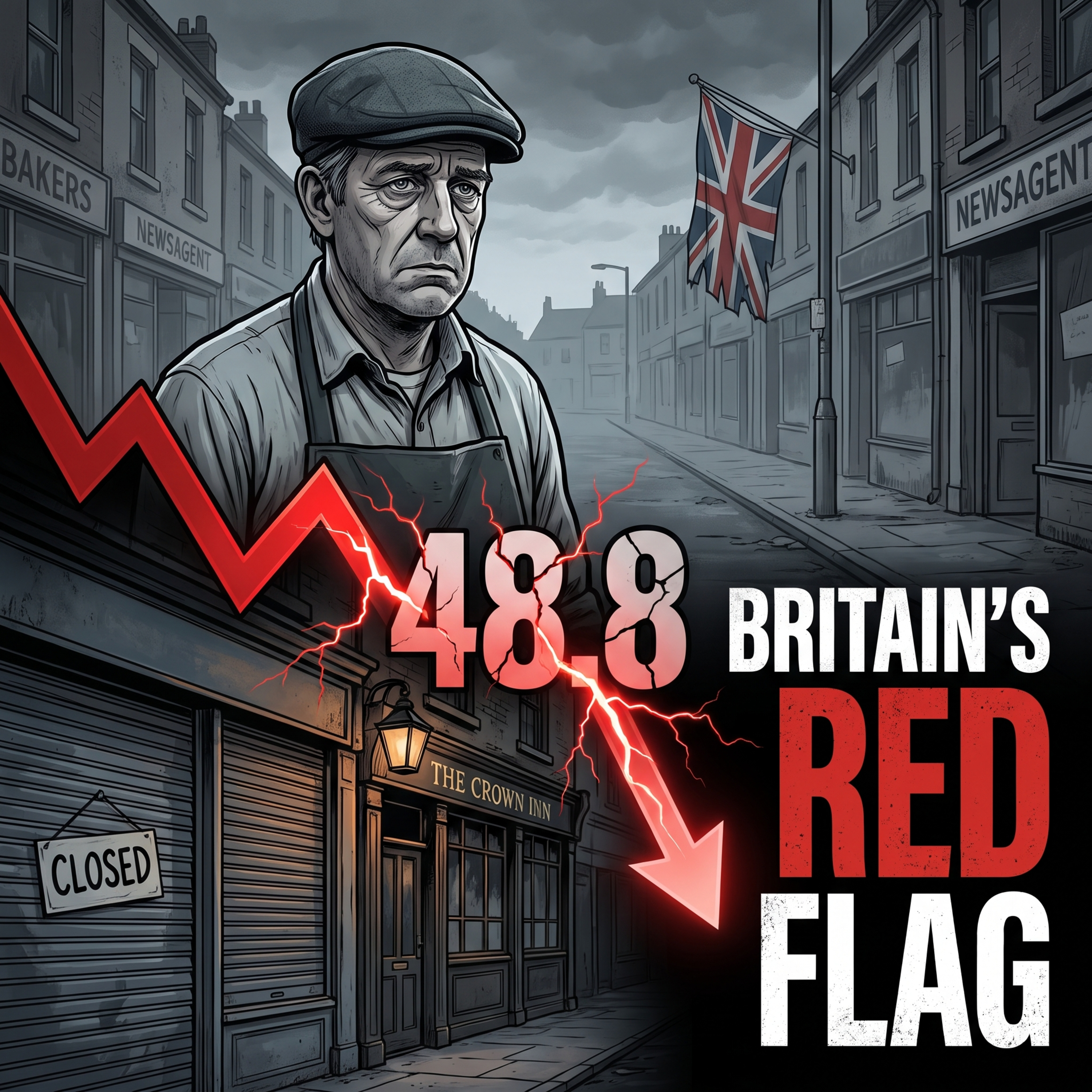
    The Invisible COLLAPSE of British Businesses (The 48.8 Emergency)

    Exclusive Videos: https://www.youtube.com/channel/UCyPM2GKrhFnQG4o-YtEuCFg/joinSpotify: https://dub.sh/cfhspotifyNewsletter: https://dub.sh/chillfinancialhistorianX: https://x.com/realcfhFollow the CFH channel on:Telegram: https://t.me/chillfinancialhistorianWhatsApp: https://whatsapp.com/channel/0029VbBx3kL1CYoO21uxDx0pBritain's businesses aren't crashing. They're being quietly strangled — and the number 48.8 is the proof.Sources: https://docs.google.com/document/d/1Lr1v_gW0P--xknRJer-c9RKXzmNLleR30rfTYzGb6l4/edit?usp=sharingOn paper, the UK looks stable: company insolvencies in 2025 came in at 23,938, roughly flat on the year before and well below the 2023 peak. But that "stable" headline hides an invisible collapse happening beneath the surface — in margins, jobs, hours, and confidence. In June 2025, the UK Construction PMI — the economy's canary in the coal mine — sat at 48.8. Anything below 50 means contraction. And it was trying to tell us something Westminster didn't want to hear.In this video, we break down the real state of British business, number by number:▪️ What the 48.8 PMI actually means — and why construction warns us first▪️ The "statistical illusion" hiding the collapse (280,000 business deaths vs 24,000 insolvencies)▪️ The £25bn employer National Insurance squeeze (13.8% → 15%, threshold £9,100 → £5,000)▪️ The minimum wage vice and why costs compound instead of add▪️ The death of the Great British pub — from 60,800 pubs in 2000 to 44,650 in 2025▪️ The high street graveyard: Poundland (sold for £1), Claire's, WH Smith, River Island, Homebase & more▪️ Why some sectors are quietly recovering — and which ones took the beatingNo propaganda, no doom-mongering — just verifiable data, sourced and explained.📊 Full sources listed below.💬 Is your local high street thriving, holding on, or hollowing out? Tell us in the comments.🔔 Subscribe for the number behind the number.⏱️ CHAPTERS00:00 — The 48.8 Emergency (Intro)01:41 — What 48.8 Actually Means06:05 — The Great Statistical Illusion11:04 — The £25 Billion Squeeze (Employer NICs)16:19 — The Minimum Wage Vice21:17 — Death of the Great British Pub26:39 — The High Street Graveyard32:01 — The Construction Freeze37:34 — The Slow Strangulation42:27 — The Takeaway (What 48.8 Was Really Telling Us)📚 SOURCES: S&P Global/CIPS PMI, UK Insolvency Service, ONS Business Demography, House of Lords & Commons Library, UKHospitality, BBPA, ICAEW.Analytical commentary on public economic data. Not financial advice.#UKEconomy #BritishBusiness #Insolvency #Recession #HighStreet #Economics #Hospitality #SmallBusiness #UKNews #BusinessNews

Showing 1–20 of 20 episodes