Skip to content
Artwork for California MCLE Podcast
GovernmentEducationCoursesSelf-Improvement

California MCLE Podcast

TalksOnLaw

The California MCLE Podcast by TalksOnLaw is a series of enjoyable interviews with leading law professors, practitioners, and judges. Topics from police power, to technology and privacy, to the ownership of DNA. All subscribers can enjoy our interview series with the titans of law. MCLE credit for this series is available only to our TalksOnLaw premium or TalksOnLaw podcast member. Visit www.talksonlaw.com to learn more and join. Courses are accredited on the date published. However, visit www.TalksOnLaw.com/podcast to confirm whether older courses remain active for MCLE reporting purposes.

Play
  • 22 episodes
  • Avg 1 hr 13 min
  • English
Counted on this page — what you have heard stays on this device, so it is not something the list can be paged by.
  • October 19 · 1 hr 7 min

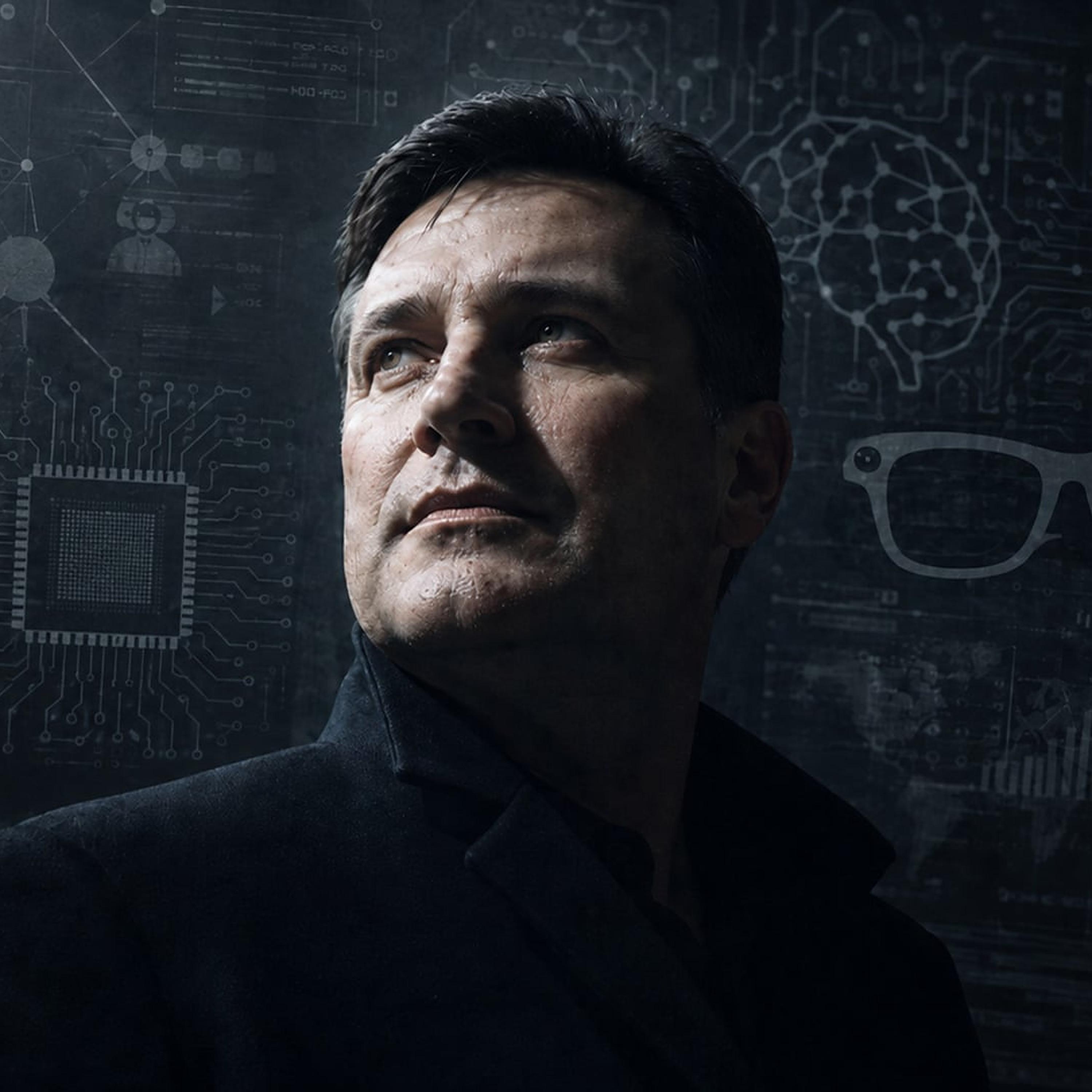
    Inside Counsel at Scale

    What does it mean to lead the legal function at a company operating at the scale of Meta? C.J. Mahoney, Meta's Chief Legal Officer and formerly General Counsel of Microsoft and Deputy U.S. Trade Representative, joins TalksOnLaw to discuss the wave of litigation alleging that social-media products are addictive and harmful to young users, the role of Section 230 and the First Amendment in Meta's defense, and the FTC's challenge to the Instagram and WhatsApp acquisitions. Mahoney also explains how AI is changing work inside legal departments, and why he expects it to put more pressure on the staffing-heavy law-firm model than on in-house teams, shifting the value of outside counsel toward strategic judgment on the hardest questions. This episode is part of New Law Order, a TalksOnLaw limited series and standalone podcast co-hosted by Joel Cohen and John Morley, whose scholarship focuses on the structure and economics of law firms. How to Earn CLE Credit MCLE certificates are eligible only for TalksOnLaw Premium or Podcast members. To earn credit, listen to the full program, note the verification code announced during the recording, then log in to your TalksOnLaw account to record attendance and download your certificate at www.TalksOnLaw.com/podcast. Approved for 1 hr of participatory California MCLE credit in the General category at the time of publication. Please visit TalksOnLaw to check whether older courses remain active for MCLE reporting purposes.


  • October 2 · 58 min

    When Religious Freedom Harms Children

    The United States protects religious freedom in the first words of the Bill of Rights and protects children in every state's criminal code. When a parent's faith leads to refusing a blood transfusion, praying over a diabetic child instead of seeking care, or declining vaccination, the law must decide which commitment yields. Prof. Marci Hamilton, who argued City of Boerne v. Flores before the Supreme Court and is the author of God vs. the Gavel, joins TalksOnLaw to examine where the right to believe ends and the right to act on that belief begins. Hamilton walks through religious exemptions from vaccination and medical-neglect laws, mature-minor rules that let a fourteen-year-old refuse treatment, the 2008 Texas raid on the FLDS Yearning for Zion Ranch, religious summer camps and conversion therapy, and how federal and state Religious Freedom Restoration Acts are raised as defenses in abuse and neglect cases. The conversation closes with the religious-exemption laws enacted after the Supreme Court's same-sex marriage decision. This interview was recorded while Hamilton held the Paul R. Verkuil Chair at Cardozo; the TalksOnLaw course page includes an update on how the law has developed since. How to Earn CLE Credit MCLE certificates are eligible only for TalksOnLaw Premium or Podcast members. To earn credit, listen to the full program, note the verification code announced during the recording, then log in to your TalksOnLaw account to record attendance and download your certificate at www.TalksOnLaw.com/podcast. Approved for 1 hr of participatory California MCLE credit in the General category at the time of publication. Please visit TalksOnLaw to check whether older courses remain active for MCLE reporting purposes.
  • July 9 · 1 hr 2 min

    Artificial Justice – Navigating an AI Evidence Crisis

    Deepfakes, AI-generated documents, and machine-assisted analysis are arriving in courtrooms faster than the rules of evidence can adapt. Judge Paul Grimm joins TalksOnLaw to discuss how courts should authenticate and evaluate AI-generated evidence — and what judges and litigators can do now to prepare. How to Earn CLE Credit MCLE certificates are eligible only for TalksOnLaw Premium or Podcast members. To earn credit, listen to the full program, note the verification code announced during the recording, then log in to your TalksOnLaw account to record attendance and download your certificate at www.TalksOnLaw.com/podcast. Approved for 1 hr of participatory California MCLE credit in the Technology category at the time of publication. Please visit TalksOnLaw to check whether older courses remain active for MCLE reporting purposes.

  • June 25 · 1 hr 31 min

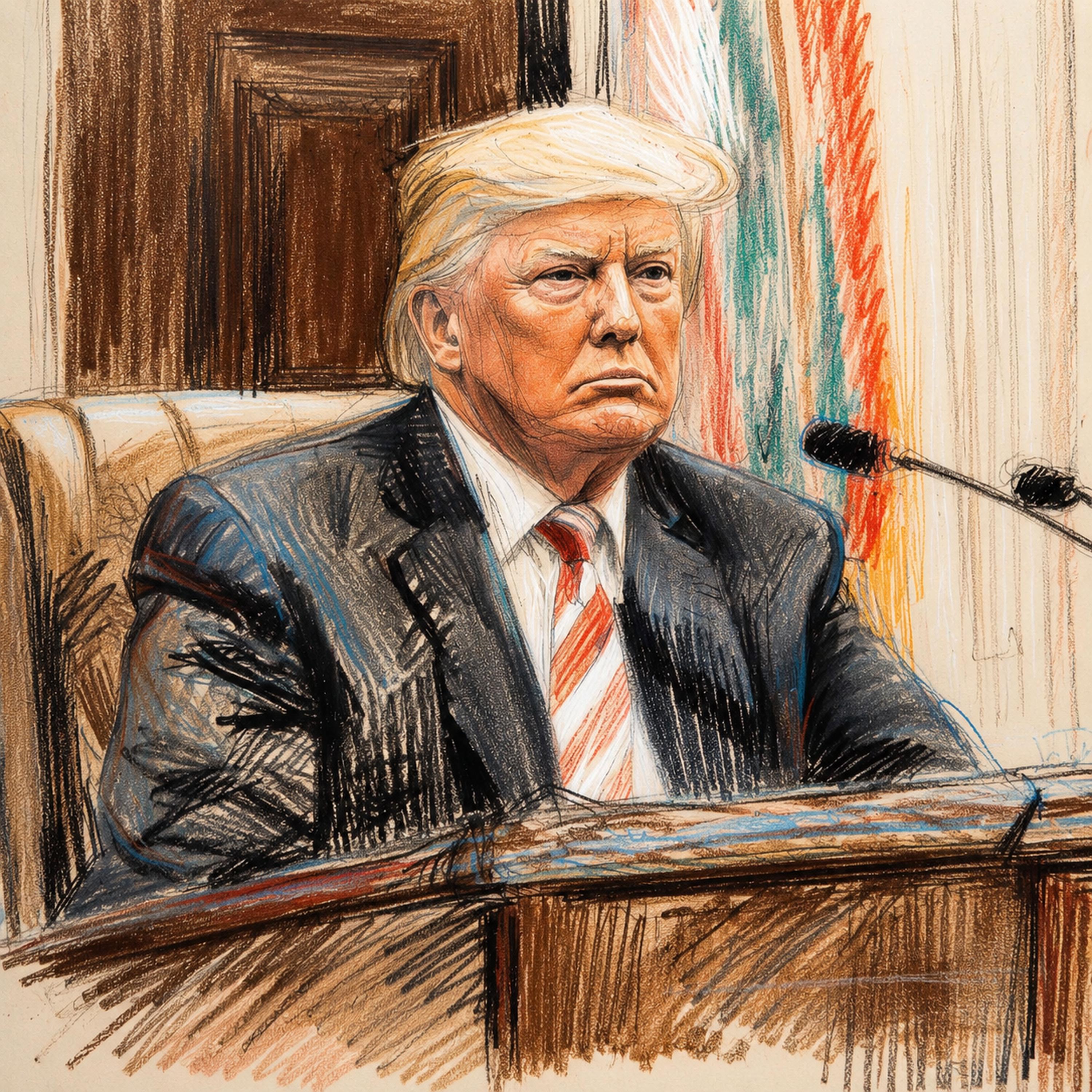
    Trump Trials – A Survey in Legal Ethics

    The criminal and civil cases surrounding Donald Trump have raised a remarkable range of professional responsibility questions — for prosecutors, defense counsel, and the lawyers who found themselves in the middle. Legal ethics professors Bruce Green and Rebecca Roiphe survey the ethical issues raised by the Trump trials and what they teach about the rules governing lawyers. How to Earn CLE Credit MCLE certificates are eligible only for TalksOnLaw Premium or Podcast members. To earn credit, listen to the full program, note the verification code announced during the recording, then log in to your TalksOnLaw account to record attendance and download your certificate at www.TalksOnLaw.com/podcast. Approved for 1.5 hrs of participatory California MCLE credit in Legal Ethics at the time of publication. Please visit TalksOnLaw to check whether older courses remain active for MCLE reporting purposes.
  • June 10 · 1 hr 12 min

    A Healthier Legal Future

    The legal profession has long been defined as a high-performance environment characterized by competition and long hours. While dedication and hard work remain hallmarks of successful lawyers, there is a growing recognition of the tension between these professional demands and attorney mental health. Dean David Jaffe, Associate Dean for Student Affairs at American University, offers a unique perspective on this challenge, having co-piloted two national surveys on law student well-being. How to Earn CLE Credit MCLE certificates are eligible only for TalksOnLaw Premium or Podcast members. To earn credit, listen to the full program, note the verification code announced during the recording, then log in to your TalksOnLaw account to record attendance and download your certificate at www.TalksOnLaw.com/podcast. Approved for 1 hr of participatory California MCLE credit in the Competence (Prevention and Detection of Substance Abuse/Mental Health).

  • January 29 · 1 hr 10 min

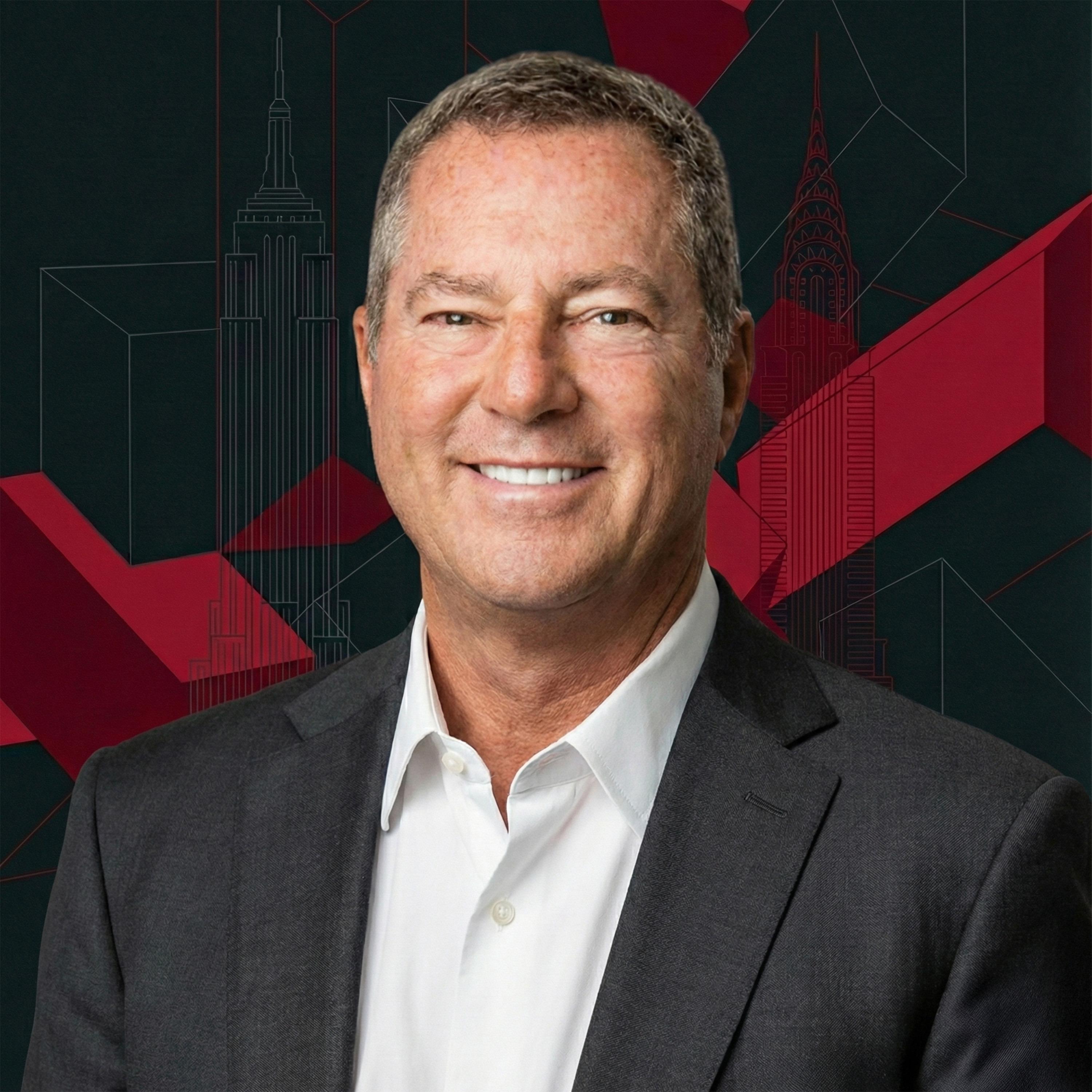
    Law According to Karp

    For more than a decade, Brad Karp has led Paul, Weiss during a period of significant growth and change, including its emergence as one of the most profitable firms in BigLaw. In this episode, Karp describes how large law firms are built, governed, and sustained over time. Karp discusses how Paul, Weiss evolved from a litigation-heavy firm into a more diversified platform spanning private equity, public M&A, restructuring, and regulatory defense; how major client relationships influenced firm strategy; and how consensus governance and partnership norms operate as firms grow in size and complexity. The conversation also addresses senior-level recruiting, practice-group development, geographic expansion, and the challenges of making long-term investments while maintaining institutional culture. Executive Order Insights: The podcast concludes with a candid discussion of the impact and decision make in the wake of the executive actions directed at major firms such as Paul, Weiss, and what those events revealed about risk, resilience, and structures inside large partnerships. This episode is part of New Law Order, a TalksOnLaw limited series and standalone podcast co-hosted by Joel Cohen and John Morley, whose scholarship focuses on the structure and economics of law firms. How to Earn CLE Credit MCLE certificates are eligible only for TalksOnLaw Premium or Podcast members. To earn credit, listen to the full program, note the verification code announced during the recording, then log in to your TalksOnLaw account to record attendance and download your certificate at www.TalksOnLaw.com/podcast. Approved for 1.0 hour of General California MCLE credit.

  • January 24 · 1 hr 17 min

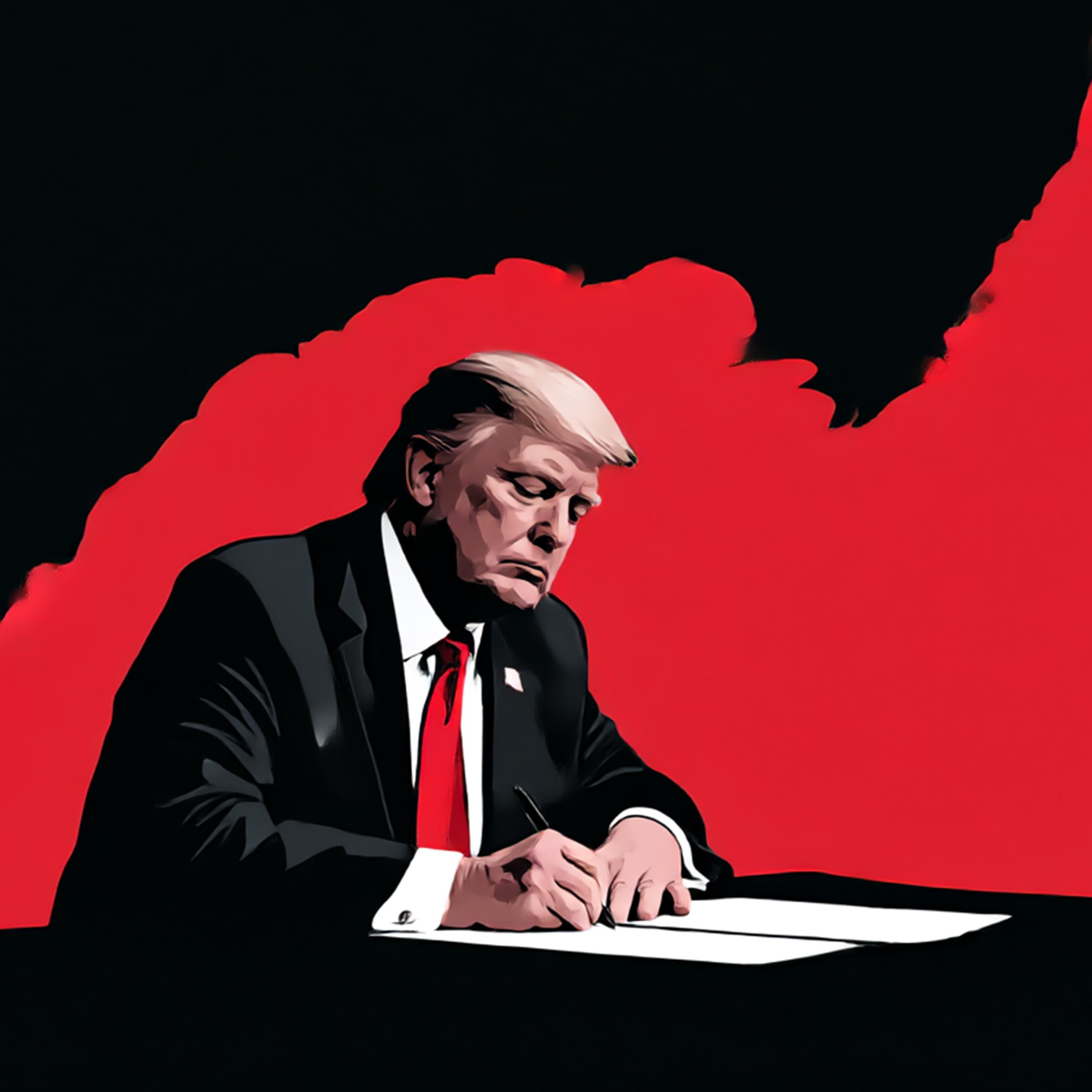
    Bending the Knee

    For more than two centuries, the American legal system has operated on a core assumption: lawyers are not punished for the conduct or politics of their clients. In this episode of New Law Order, Jeffrey Toobin examines what happens when that premise is tested by executive power. The interview is co-hosted by Joel Cohen, founder of TalksOnLaw, and John Morley, a Yale Law School professor whose scholarship focuses on the structure and economics of law firms. Together, they explore how executive actions directed at major firms—absent allegations of illegality—operate less as regulation and more as deterrence, why some firms chose litigation while others accommodated, and what these choices reveal about institutional risk, professional independence, and the resilience of the adversarial system under political pressure. How to Earn CLE Credit MCLE certificates are eligible only for TalksOnLaw Premium or Podcast members. To earn credit, listen to the full program, note the verification code announced during the recording, then log in to your TalksOnLaw account to record attendance and download your certificate at www.TalksOnLaw.com/podcast. Approved for 1.25 hours of General California MCLE credit.

  • Oct 17, 2025 · 1 hr 13 min

    The AI Threat to Privacy

    Artificial intelligence is transforming how data is collected, shared, and analyzed—often in ways that outpace existing privacy law. In this insightful conversation, George Washington Law Professor Daniel Solove, one of the nation’s leading experts on privacy, examines how AI exposes the limits of the American right to privacy. From the third-party doctrine to landmark cases such as Carpenter v. United States, Solove explains how government reliance on privately gathered data allows surveillance to expand without constitutional scrutiny. He argues that our privacy framework—built for a world of discrete searches—cannot withstand the continuous, AI-driven flow of personal information that now defines modern life. How to Earn CLE Credit MCLE certificates are eligible only for TalksOnLaw Premium or Podcast members. To earn credit, listen to the full program, note the verification code announced during the recording, then log in to your TalksOnLaw account to record attendance and download your certificate at www.TalksOnLaw.com/podcast. Approved for 1.0 hours of General California MCLE credit.

  • Aug 7, 2025 · 1 hr 34 min

    Defending Words

    Free speech has long been a constitutional cornerstone in the United States—but in recent years, calls for censorship have surged. Whether in response to hate speech, misinformation, or online harm, efforts to restrict expression are on the rise. In this provocative conversation, former ACLU president and NYU Law Professor Nadine Strossen mounts a powerful defense of the First Amendment. Drawing from her latest book, War on Words: 10 Arguments Against Free Speech—And Why They Fail, Strossen explores the legal doctrines that protect speech, explains why censorship often backfires, and warns of the dangers in allowing government or platforms to decide which ideas are acceptable. A must-listen for anyone concerned about the future of civil liberties. How to Earn CLE Credit MCLE certificates are eligible only for TalksOnLaw Premium or Podcast members. To earn credit, listen to the full program, note the verification code announced during the recording, then log in to your TalksOnLaw account to record attendance and download your certificate at www.TalksOnLaw.com/podcast. Approved for 1.5 hours of General California MCLE credit.

  • May 28, 2025 · 1 hr 18 min

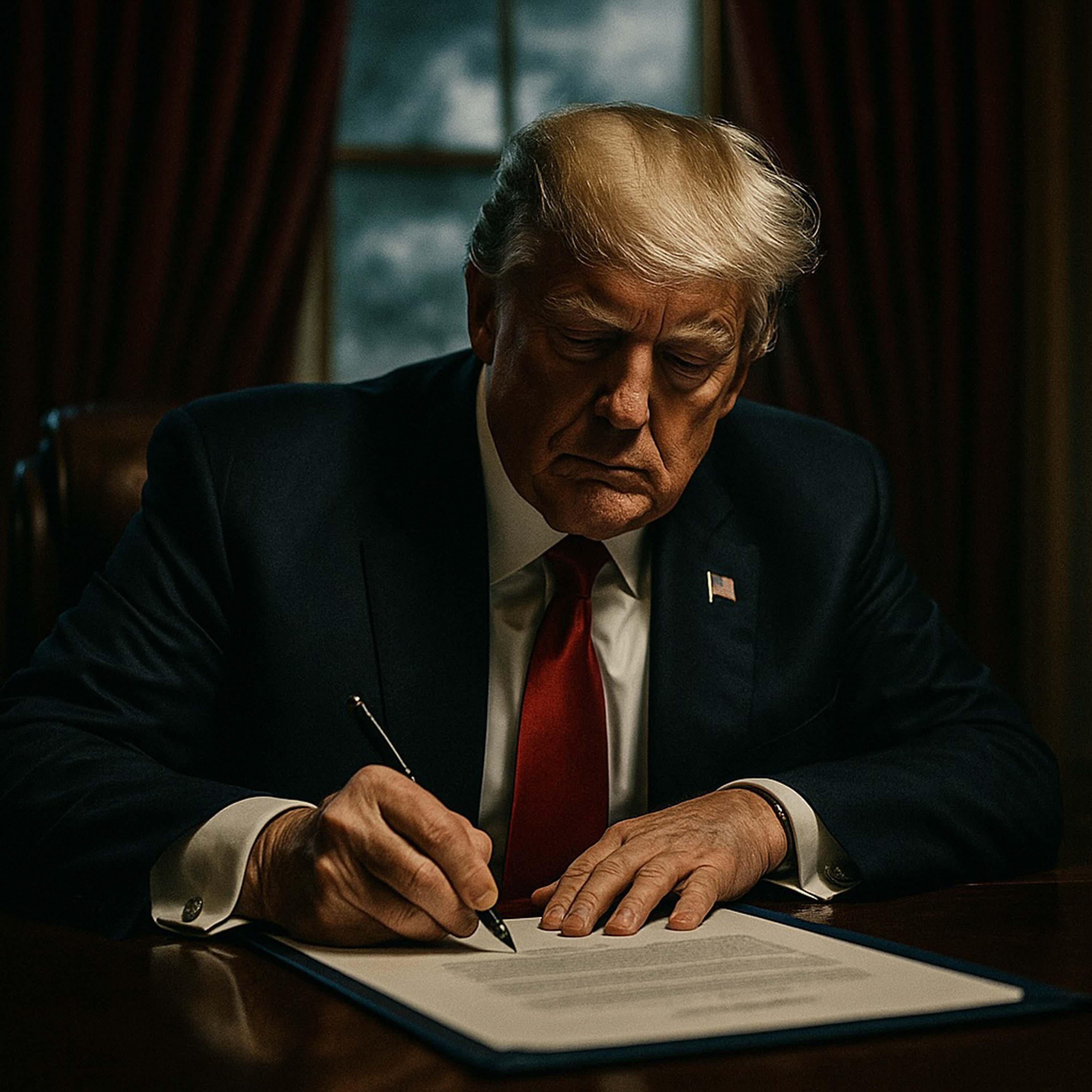
    Trump Orders: Law Firms on the Line

    When a string of 2025 executive orders barred select law firms from federal buildings, revoked security clearances, and threatened to cancel their clients’ government contracts, Big Law took notice. Yale Law professor John Morley—author of Why Law Firms Collapse—joins Talks On Law host Joel Cohen to explain: how the orders leverage client pressure to destabilize even thriving partnerships; the “bank-run” dynamic of partner exits and collapsing profits-per-partner; bankruptcy claw-back rules and unfinished-business liability that haunt partners who stay; ethics constraints under Model Rules 5.4 and 5.6 that limit outside capital, speed lawyer mobility, and allow for this unique risk; why transactional giants settled while litigation shops fought—and the reputational trade-offs for both. How to Earn CLE Credit MCLE certificates are eligible only for TalksOnLaw Premium or Podcast members. To earn credit, listen to the full program, note the verification code announced during the recording, then log in to your TalksOnLaw account to record attendance and download your certificate at www.TalksOnLaw.com/podcast. Approved for 1.25 hours of Legal Ethics California MCLE credit.

  • May 7, 2025 · 1 hr 31 min

    Scroll Control – Regulating Social Media for Kids

    Growing evidence links heavy social‑media use to rising anxiety, bullying, and sextortion among kids, and state lawmakers are racing to respond. In this interview, Harvard Law School’s Leah Plunkett—reporter for the Uniform Law Commission’s child‑influencer act—and University of Virginia family‑law scholar Naomi Cahn examine how new statutes seek to verify age, require parental consent, and redesign feeds to curb addictive features. Plunkett and Cahn compare Florida’s and Utah’s sweeping under‑14 account bans with New York’s pending “SAFE for Kids Act,” explore design mandates such as late‑night notification curfews, and explain why long‑standing COPPA rules leave teens largely unprotected. They unpack First Amendment and privacy challenges already moving through the courts, highlight emerging “digital Coogan” laws that safeguard child‑creator earnings, and note international moves—from Australia’s proposed under‑16 ban to the U.K.’s Age‑Appropriate Design Code. How to Earn CLE Credit MCLE certificates are eligible only for TalksOnLaw Premium or Podcast members. To earn credit, listen to the full program, note the verification code announced during the recording, then log in to your TalksOnLaw account to record attendance and download your certificate at www.TalksOnLaw.com/podcast. Approved for 1.5 hours of General California MCLE credit.

  • Apr 14, 2025 · 1 hr 5 min

    Confronting the Disinformation Engine

    Digital platforms now enable the near-instantaneous distribution of information, including misinformation and disinformation, to vast audiences. Disinformation refers to false or manipulated information deliberately created to deceive, whereas misinformation is inaccurate or misleading information that is sometimes shared without harmful intent. Professor Barbara McQuade—a former U.S. attorney and current professor of National Security Law at the University of Michigan Law School—explores these challenges and the legal weapons to combat them, noting that disinformation currently poses one of the biggest threats to national security. How to Earn CLE Credit MCLE certificates are eligible only for TalksOnLaw Premium or Podcast members. To earn credit, listen to the full program, note the verification code announced during the recording, then log in to your TalksOnLaw account to record attendance and download your certificate at www.TalksOnLaw.com/podcast. Approved for 1.0 hour of General California MCLE credit.

  • Mar 20, 2025 · 1 hr 24 min

    Out of Bounds – Negotiations Ethics

    An interview with Prof. Carrie Menkel-Meadow In this episode, Professor Carrie Menkel-Meadow of UC Irvine Law School delves into the ethical frontiers of legal negotiation, challenging attorneys to reflect on which tactics align with both zealous advocacy and professional integrity. Menkel-Meadow navigates the evolution from a model of unbridled assertiveness toward a modern framework that prizes diligence, honesty, and respect for the Model Rules of Professional Conduct. Throughout the conversation, she distinguishes between permissible strategic behavior—such as puffing, bluffing, and even certain aggressive maneuvers—and practices that cross the line into outright deception. By exploring the nuances of material misrepresentation versus acceptable exaggeration, Menkel-Meadow highlights the ethical dilemmas inherent in negotiation, including the fine balance between strategic omissions and the risk of fraud. She also emphasizes the long-term benefits of cultivating a reputation for fairness and transparency, arguing that such an approach not only upholds professional credibility but also better serves clients over time. How to Earn CLE Credit MCLE certificates are eligible only for TalksOnLaw Premium or Podcast members. To earn credit, listen to the full program, note the verification code announced during the recording, then log in to your TalksOnLaw account to record attendance and download your certificate at www.TalksOnLaw.com/podcast. Approved for 1.25 hours of Civility California MCLE credit.

  • Jan 19, 2025 · 1 hr 31 min

    A Lawyer's Addiction with Brian Cuban

    The legal profession faces alarmingly high rates of substance abuse and mental health challenges. In this conversation, Brian Cuban, attorney, author, and addiction recovery advocate, explores the systemic and cultural factors contributing to addiction among lawyers and provides actionable strategies for prevention and recovery. Cuban shares his deeply personal journey of battling addiction and rebuilding his life, offering valuable insights into how stigma, stress, and the “work hard, play hard” culture exacerbate the problem. He discusses the role of Lawyers’ Assistance Programs (LAPs), the importance of creating supportive environments within law firms, and the ethical obligations attorneys must navigate when facing addiction. Throughout the discussion, Cuban examines the legal structures that protect confidentiality and promote recovery, as well as innovative approaches to fostering well-being in the profession and provides tools to help lawyers recognize, address, and prevent substance abuse while maintaining competence and ethical integrity. How to Earn CLE Credit MCLE certificates are eligible only for TalksOnLaw Premium or Podcast members. To earn credit, listen to the full program, note the verification code announced during the recording, then log in to your TalksOnLaw account to record attendance and download your certificate at www.TalksOnLaw.com/podcast. Approved for 1.5 hours of Competence (Prevention and Detection) California MCLE credit.

  • Jan 10, 2025 · 1 hr

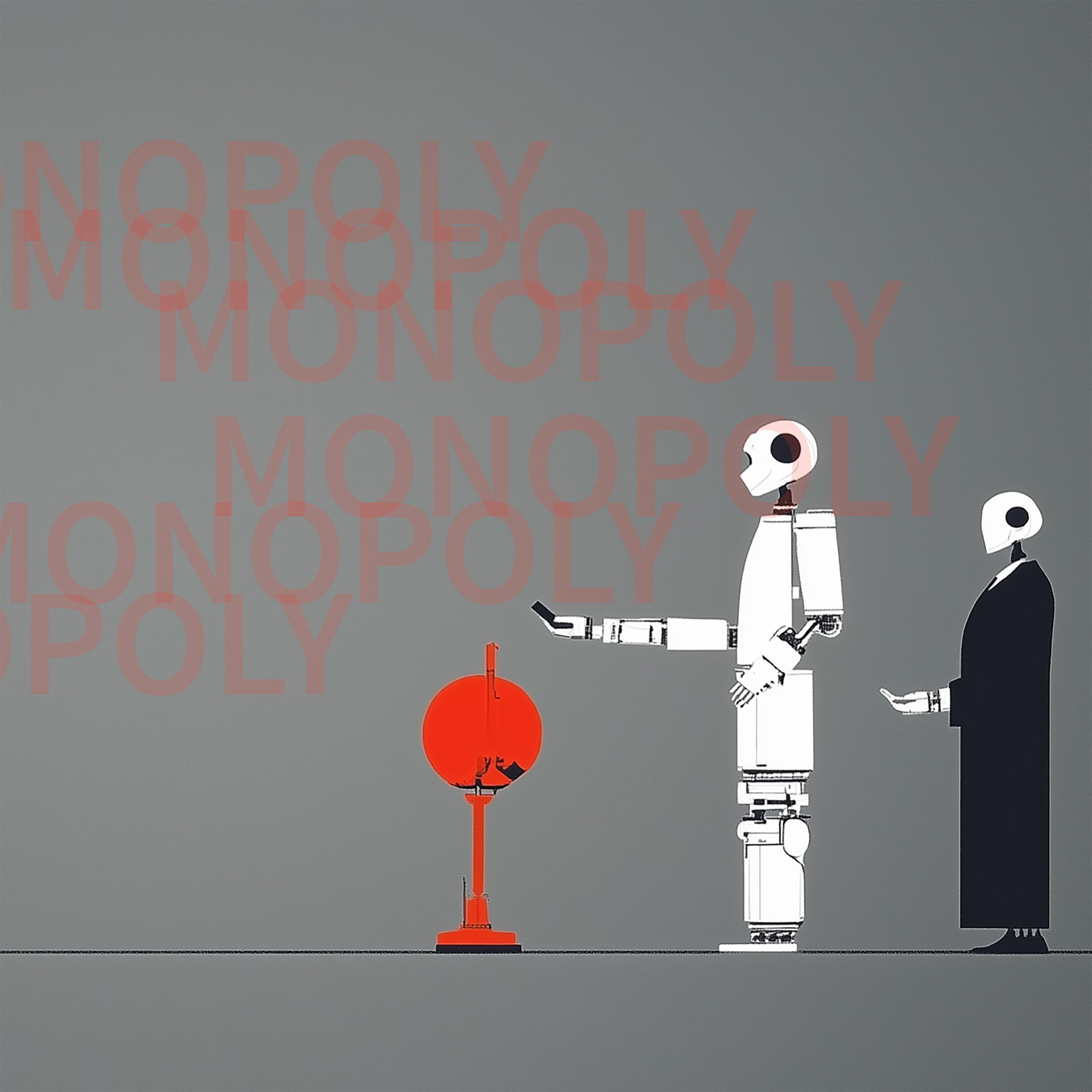
    Regulating AI as a Natural Monopoly

    As artificial intelligence systems become increasingly expensive and resource dependant to develop, a question arises: Are we witnessing the emergence of AI as a natural monopoly? In this conversation, Berkeley Law Professor Tejas Narechania explores how the market forces driving AI consolidation create both efficiency and significant legal risks. Professor Narechania explains the structural conditions under which a natural monopoly can form—where the high costs of developing foundational AI models and the competitive advantages of massive datasets create significant barriers to entry. He discusses how antitrust principles, network effects, and accountability risks must be considered when regulating AI market power. Throughout the discussion, Professor Narechania draws on historical parallels in telecommunications law and explores potential legal tools, including interoperability requirements, national security concerns, and public infrastructure models to improve outcomes without stifling innovation. How to Earn CLE Credit MCLE certificates are eligible only for TalksOnLaw Premium or Podcast members. To earn credit, listen to the full program, note the verification code announced during the recording, then log in to your TalksOnLaw account to record attendance and download your certificate at www.TalksOnLaw.com/podcast. Approved for 1.0 hour of General California MCLE credit.

  • Nov 29, 2024 · 1 hr 2 min

    Autonomous Weapons of War

    Autonomous lethal weapons, often sensationalized as “killer robots,” are no longer confined to science fiction—they are a rapidly advancing reality in modern warfare. In this conversation, Georgetown Law Professor Mitt Regan, an expert on the laws of war and international law, delves into the profound ethical and legal implications of AI-enabled weapon systems for both current conflicts and the future of warfare. Central to the conversation are the legal frameworks governing AI-enabled weapons under international humanitarian law. Professor Regan examines principles such as distinction, proportionality, and precaution, showing how these are tested by systems that use AI to identify and engage targets. Significant gaps in legal frameworks persist, including the absence of a unified international agreement specifically addressing autonomous weaponry. Mitt Regan is a professor of law at Georgetown Law and an expert on both national security and international humanitarian law. How to Earn CLE Credit MCLE certificates are eligible only for TalksOnLaw Premium or Podcast members. To earn credit, listen to the full program, note the verification code announced during the recording, then log in to your TalksOnLaw account to record attendance and download your certificate at www.TalksOnLaw.com/podcast. Approved for 1.0 hour of General California MCLE credit.

  • Sep 30, 2024 · 1 hr 34 min

    AI Models & Copyright Battles

    Large language models (LLMs) are trained on vast, nearly unfathomable amounts of data—data that is now reshaping the very fields from which it was sourced, including literature, journalism, music, and photography. As a result, these models have sparked high-stakes litigation and raised novel legal questions about ownership and intellectual property, both in the AI training process and the output they produce. In this conversation, we explore the intersection of AI training and copyright law with Professor Shyamkrishna (Shyam) Balganesh of Columbia Law School, a prominent legal scholar who has been closely examining these emerging issues. How to Earn CLE Credit MCLE certificates are eligible only for TalksOnLaw Premium or Podcast members. To earn credit, listen to the full program, note the verification code announced during the recording, then log in to your TalksOnLaw account to record attendance and download your certificate at www.TalksOnLaw.com/podcast. Approved for 1.5 hours of General California MCLE credit.

  • Sep 23, 2024 · length unknown

    Lawyers + LLMs: AI Ethics

    AI is changing how lawyers do their work and raising questions about how lawyers can harness artificial intelligence consistent with their professional responsibilities. Georgetown Law Professor Tanina Rostain answers questions about the transformative impact of AI on the legal profession and how the rules of professional conduct apply to the new ways that attorneys use AI to conduct research, draft documents, and interact with clients. How to Earn CLE Credit MCLE certificates are eligible only for TalksOnLaw Premium or Podcast members. To earn credit, listen to the full program, note the verification code announced during the recording, then log in to your TalksOnLaw account to record attendance and download your certificate at www.TalksOnLaw.com/podcast. Approved for 1.0 hour of Technology California MCLE credit.

  • Jun 28, 2024 · 31 min

    Gun Rights under Rahimi & Cargill

    Professor Joseph Blocher (Second Amendment scholar and co-director of the Duke Center for Firearms Law) explains two significant recent Supreme Court cases: United States v. Rahimi and Garland v. Cargill. This discussion provides an in-depth analysis of the legal reasoning behind these decisions and their broader implications for gun regulation and gun rights in the United States. How to Earn CLE Credit MCLE certificates are eligible only for TalksOnLaw Premium or Podcast members. To earn credit, listen to the full program, note the verification code announced during the recording, then log in to your TalksOnLaw account to record attendance and download your certificate at www.TalksOnLaw.com/podcast. Approved for 0.5 hours of General California MCLE credit.

  • Jun 28, 2024 · 1 hr 3 min

    Criminal Lab-Grown Meat

    The sale and production of lab-grown meat have been criminalized in Florida and Alabama, with other states considering similar legislation. Food law expert Professor Michael Roberts from UCLA Law School explains what the new laws do as well as how they fit into the federal regulatory framework and the historical context of food law and politics in the United States. How to Earn CLE Credit MCLE certificates are eligible only for TalksOnLaw Premium or Podcast members. To earn credit, listen to the full program, note the verification code announced during the recording, then log in to your TalksOnLaw account to record attendance and download your certificate at www.TalksOnLaw.com/podcast. Approved for 1.0 hour of General California MCLE credit.

Showing 1–20 of 22 episodes