Skip to content
Artwork for Build Mode
TechnologyNewsTech NewsBusinessEntrepreneurship

Build Mode

TechCrunch

On Build Mode, TechCrunch's Startup Battlefield Editor Isabelle Johannessen cuts through the startup mythology to uncover how founders survive the brutal early days, navigate impossible funding landscapes, and somehow keep their companies — and sanity—  intact. Each season, Isabelle is joined by founders, investors, and operators to dig into specific aspects of the startup journey, from creative go to market strategies to founder mental health. The interviews are full of candid startup wisdom—think cap table drama, co-founder breakups, and pivot panic. So, if you’re starting a company or or even just thinking about it, this is your survival guide.  

Play
  • 23 episodes
  • weekly
  • Avg 36 min
  • English
Counted on this page — what you have heard stays on this device, so it is not something the list can be paged by.
  • S3 · E8
    Thursday · 58 min

    How a Crisis Turned Julia Hartz Into the CEO Eventbrite Needed

    Eventbrite has survived nearly every kind of challenge a startup can face: launching into a financial crisis, raising venture capital after 27 rejections, going public, watching its core business disappear during COVID, and eventually leaving the public markets after nearly two decades of building. In this episode of Build Mode, host Isabelle Johannesen sits down with Julia Hartz, co-founder and former CEO of Eventbrite, to unpack the decisions that helped the company weather those highs and lows. When Eventbrite went public in 2018, Julia became just the 21st woman founder-CEO to lead her company through an IPO and the second-youngest woman to do so (milestones she remembers as both an achievement and a stark reminder of how few women had reached that point). But getting to the IPO, and navigating what came afterward, was anything but straightforward. Julia explains what it was like to take over as CEO from her husband and co-founder Kevin Hartz, why she initially questioned whether she was ready for the job, and how leading through the pandemic forced her to find her own leadership style. She also looks back on Eventbrite’s unusual fundraising journey, from bootstrapping the company for its first two-and-a-half years to the success during the 2008 financial crisis that ultimately landed them Sequoia as a lead investor. Julia reflects on the realities of running a public company, balancing investor expectations against the needs of customers, the mistakes that took years to repair, and the painful decision to take Eventbrite private following its acquisition by Bending Spoons. Through it all, she shares what nearly 20 years of building Eventbrite taught her about resilience, leadership, reinvention, and making hard decisions when there is no obvious playbook. They get into: How Julia Hartz and Kevin Hartz built Eventbrite from a bootstrapped startup into a global ticketing platform Why 27 venture firms rejected Eventbrite during the 2008 financial crisis How strong execution helped Eventbrite turn those rejections into a Sequoia-backed round What it was like for Julia to take over as CEO from her husband and co-founder Why becoming CEO felt “terrifying” and how Julia eventually found her own leadership style How Eventbrite responded when COVID caused the company to process more refunds than revenue The crisis-management exercise that helped Julia’s team rethink the business from scratch What Julia learned as one of the youngest women and few woman founder-CEOs to take a company public Why the realities of running a public company can differ from founders’ expectations How CEOs should balance investor pressure with what is best for their customers Why Eventbrite ultimately decided to leave the public markets The mistakes Julia made while scaling Eventbrite and why talking directly to customers remains one of her most important lessons What 20 years of building taught Julia about resilience, leadership, reinvention, and knowing when to let go Subscribe to Build Mode on Apple Podcasts, Spotify, or wherever you like to listen. And watch the full videos on YouTube. New episodes of Build Mode drop every Thursday. Chapters: 00:00 – Julia Hartz on Leading Eventbrite Through the Hardest Moments01:27 – From MTV and Jackass to Founding Eventbrite03:27 – How Julia and Kevin Hartz Started Eventbrite08:49 – Why Live Events Survived Every Technology Shift11:03 – Taking Over as CEO From Her Husband13:38 – Leading Eventbrite Through the COVID Crisis17:19 – Eventbrite’s Fundraising Journey17:57 – 27 VC Rejections During the 2008 Financial Crisis22:16 – How to Re-Pitch an Investor After They Say No24:42 – Building a Company With Your Spouse26:58 – Taking Eventbrite Public27:11 – Making History as a Woman Founder-CEO31:17 – What No One Tells You About Running a Public Company32:40 – From a $1.67B IPO to Going Private36:08 – Why Eventbrite Left the Public Markets38:48 – Customers vs. Shareholders: Who Should a CEO Listen To?41:11 – How Founders Should Think About Competition45:07 – Julia Hartz’s Biggest Marketplace and Leadership Mistakes49:30 – The Leadership Lesson Julia Learned in Her Final Months as CEO53:13 – What Comes After 20 Years of Building Eventbrite Hosted by Isabelle Johannesen. Produced and edited by Maggie Nye. Audience development led by Morgan Little. Special thanks to the Foundry and Cheddar video teams.

  • S3 · E7
    August 20 · 44 min

    Learn What VCs Actually Want, From a Founder Who's Raised $1B with Sasha Orloff, Puzzle

    Investors want founders who understand the financial reality of their business. Messy data, misunderstood metrics, or waiting until you’re nearly out of cash to start fundraising can cost founders leverage, valuation, and even a term sheet. In this episode of Build Mode, host Isabelle Johannesen sits down with Sasha Orloff, founder and CEO of Puzzle and Startup Battlefield alum, to talk about what he’s learned from building companies that have raised more than $1 billion collectively. Sasha breaks down what investors look for during fundraising, which financial metrics founders should know by heart, and why VCs don’t expect your startup to be perfect—they expect you to understand its reality. He also shares how he nearly lost a term sheet because his data room wasn’t ready, how fundraising diligence changes as a startup grows, and why getting your financial house in order can help founders raise with more confidence and leverage. They get into: What raising more than $1 billion across multiple companies taught Sasha about fundraising Why investors value founders who have a strong grasp of their company’s financial reality The financial metrics founders should know before pitching VCs How investor expectations change from pre-seed and seed through Series A, B, and beyond Why revenue growth and the quality of that revenue are critical fundraising metrics How runway, margins, sales efficiency, and profitability factor into investor decisions Why waiting until you’re running out of cash can hurt your fundraising leverage How Sasha nearly lost a term sheet because his data room wasn’t ready Why financial organization and compliance can influence investor confidence and startup valuations What founders should have prepared for the due diligence process Why VCs don’t expect perfection—and why being honest about what isn’t working can make for a stronger pitch How Sasha’s own fundraising and finance frustrations ultimately led him to build Puzzle How AI could change the way startups manage accounting and understand their financial health Subscribe to Build Mode on Apple Podcasts, Spotify, or wherever you like to listen. And watch the full videos on YouTube. New episodes of Build Mode drop every Thursday. Chapters: 00:00 – Why VCs Want Founders Who Understand Reality 01:26 – Sasha Orloff’s Journey to Building Puzzle 05:05 – Why Puzzle Started With Startup Founders 08:38 – What Founders Should Know Before Fundraising 11:08 – What Investors Look for During Due Diligence 14:37 – Understanding the Financial Health of Your Startup 17:52 – The Financial Mistakes Founders Make 20:19 – When Startups Need Accountants and Finance Teams 24:04 – How Sasha Almost Lost a Term Sheet 26:10 – The Financial Metrics Founders Should Know Cold 28:20 – Lessons From Raising $1B+ Across Multiple Companies 31:45 – Why Financial Readiness Matters to Investors 33:49 – How AI Is Changing Startup Accounting 37:17 – Inside Puzzle’s Series A With General Catalyst 38:52 – Launching Puzzle at Startup Battlefield 40:38 – Sasha’s Advice for Early-Stage Founders Hosted by Isabelle Johannesen. Produced and edited by Maggie Nye. Audience development led by Morgan Little. Special thanks to the Foundry and Cheddar video teams.
  • S3 · E6
    August 13 · 42 min

    The VC Backing the American Dream with Manan Mehta, Unshackled Ventures

    Immigrant founders have built some of the world’s most valuable companies, but many still face barriers that make it harder to get a startup off the ground. Visa restrictions, limited access to friends-and-family capital, shallow networks, and a venture industry built around pattern matching can keep promising founders from getting funded before they have a chance to prove themselves. In this episode of Build Mode, host Isabelle Johannesen sits down with Manan Mehta, co-founder and managing partner of Unshackled Ventures, to talk about why he believes immigrant founders represent one of venture capital’s biggest overlooked opportunities. Manan breaks down how Unshackled built an investment model designed to help founders navigate immigration barriers, why traditional VC pattern matching causes investors to miss potential outliers, and how his team evaluates founders at day zero—often before they have a product, customers, or traction. He also explains why the structural gaps that make some founders harder to fund may be exactly where investors should be looking for outsized returns. They get into: The four structural barriers immigrant founders face when starting companies in the U.S. How Unshackled Ventures helps founders navigate visas while building their startups Why VC’s reliance on pattern matching can cause investors to miss outlier founders How Manan evaluates founders before they have a product, customers, or traction The IQ, AQ, EQ, and SQ framework Unshackled uses to evaluate founder potential Why resilience, lived experience, and a founder’s relationship to the problem can matter more than a polished pitch Why structural gaps can create some of the biggest opportunities for investors How founders without traditional networks can find alternative paths to early capital Why founders should understand their personal “why” instead of trying to fit the traditional VC mold Subscribe to Build Mode on Apple Podcasts, Spotify, or wherever you like to listen. And watch the full videos on YouTube. New episodes of Build Mode drop every Thursday. Chapters: 00:00 – Why VCs Miss Outlier Founders 01:45 – Why Manan Mehta Founded Unshackled Ventures 04:15 – The Problem With VC Pattern Matching 06:15 – The Friends-and-Family Gap for Immigrant Founders 08:18 – How Unshackled Helps Founders Navigate Visas 10:40 – Building a Startup in Today’s Immigration Environment 12:19 – Solving One of Unshackled’s Hardest Immigration Cases 14:39 – What the U.S. Stands to Lose16:59 – Raising Unshackled’s First Venture Funds 19:40 – Can You Start a Company on an H-1B Visa? 22:13 – How to Evaluate a Founder at Day Zero 28:30 – Measuring IQ, AQ, EQ, and SQ 30:26 – How Fear Drives VC Pattern Matching 33:01 – Why Structural Gaps Create Outlier Opportunities 35:14 – Finding Startup Capital Outside Traditional VC 38:09 – Why Founders Need to Understand Their “Why” Hosted by Isabelle Johannesen. Produced and edited by Maggie Nye. Audience development led by Morgan Little. Special thanks to the Foundry and Cheddar video teams.
  • S3 · E5
    August 7 · 41 min

    The legal mistakes that can sink your startup before series A with Kristina Subbotina, Lexsy

    Setting up a sound legal foundation could be what saves a startup down the line. A missing founder vesting agreement, an unclear IP agreement, or a messy cap table can derail fundraising, spark co-founder disputes, or even kill an otherwise promising company before it has a chance to scale. In this episode of Build Mode, host Isabelle Johannesen sits down with Kristina Subbotinai, founder and CEO of Lesxy and former startup attorney at Cooley, to break down the legal fundamentals every founder needs to get right. Kristina shares the four non-negotiable legal decisions every startup should make from day one, what investors actually look for during due diligence, how founders should think about negotiating control versus valuation, and why leverage is the key to getting better fundraising terms. She also shares real stories from the front lines of startup law, from co-founder breakups and investor negotiations to a founder who tried using ChatGPT to draft a merger agreement. They get into: The four legal mistakes that can make a startup unfundable How founder vesting, IP assignment, Delaware incorporation, and 83(b) elections protect your company What VCs actually look for during due diligence and how to avoid common red flags How founders should negotiate valuation, board control, and investor rights Why leverage comes from building a great business—not signing better term sheets The wildest legal horror stories Kristina has seen, including a startup acquisition gone completely off the rails Subscribe to Build Mode on⁠ Apple Podcasts⁠, ⁠Spotify⁠, or⁠ wherever you like to listen⁠. And watch the full videos on⁠ YouTube⁠. New episodes of ⁠Build Mode⁠ drop every Thursday. Chapters:00:00 – Intro: The Legal Mistakes That Kill Startups01:37 – Why Kristina built Lexsy03:58 – The Legal Foundations Every Startup Needs08:22 – How to Find the Right Startup Lawyer10:21 – The Four Non-Negotiable Legal Decisions17:33 – What Investors Look for During Due Diligence20:04 – SAFE Notes vs. Priced Rounds22:18 – Negotiating Valuation Without Losing Control25:25 – Board Seats, Investor Rights, and Hidden Term Sheet Traps30:51 – Should Founders Use AI for Legal Advice?31:04 – How Founders Build Leverage in Fundraising35:48 – The Terms That Can Destroy Founder Wealth37:01 – The Craziest Startup Legal Story Kristina Has Ever Seen Hosted by Isabelle Johannessen. Produced and edited by Maggie Nye. Audience development led by Morgan Little. Special thanks to the Foundry and Cheddar video teams.
  • S3 · E3
    July 23 · 43 min

    Nvidia's Sydney Sykes on Winning Corporate Venture Capital Deals

    Building a great product is one thing. Getting a company like Nvidia to put its name behind it is something else entirely. In this episode of Build Mode, host and Startup Battlefield lead Isabelle Johannesen sits down with Sydney Sykes, who leads global venture capital alliances and partnerships at Nvidia, to unpack how startups break into the Nvidia ecosystem and what a corporate venture capital partnership actually looks like once they're in. Sydney explains how founders can get on Nvidia's radar through programs like Nvidia Inception, why strategic alignment matters more than a slick pitch deck, and how corporate venture capital differs from traditional venture capital when it comes to fundraising, diligence, and deal terms. Drawing on her experience as an investor at NEA and Lightspeed Venture Partners, and as co-founder of BLCK VC, she also discusses access and representation in venture capital and how the AI boom is reshaping who gets funded. She closes with practical fundraising advice for founders hoping to build lasting relationships with corporate VCs like Nvidia. They get into: How a startup can "enter the Nvidia orbit" through the Nvidia Inception program What Nvidia looks for before offering its stamp of approval to an AI startup Corporate venture capital vs. traditional venture capital: what founders need to know Why a corporate VC checks for strategic relevance, not just financial upside How to pitch the same startup differently to a corporate VC vs. an institutional VC Why founders should build their cap table like a puzzle, not a popularity contest How the AI boom is lowering barriers to entrepreneurship — and where old barriers remain Why Sydney believes VCs should pay closer attention to energy and data center infrastructure How Black VC is expanding access and education across the venture capital industry Sydney Sykes' advice for founders trying to break into the corporate venture ecosystem Subscribe to Build Mode on⁠ Apple Podcasts⁠, ⁠Spotify⁠, or⁠ wherever you like to listen⁠. And watch the full videos on⁠ YouTube⁠. New episodes of ⁠Build Mode⁠ drop every Thursday. Chapters: 00:00 – Intro: How Startups Enter Nvidia's Orbit 01:20 – Meet Sydney Sykes: From NEA to Lightspeed to Nvidia 03:18 – What Sydney Does as Nvidia's VC Alliances Lead 04:20 – The AI Trends Nvidia Is Watching Across Verticals 07:47 – How Startups Can Enter the Nvidia Orbit 10:34 – What Nvidia's "Stamp of Approval" Actually Looks Like 12:56 – How Startups Get Noticed by Corporates (Beyond Nvidia) 15:18 – Does a Corporate Stamp Move VCs to Write Checks? 19:41 – Access, Black VC, and Gatekeeping in Venture Capital 30:20 – Procurement vs. Corporate VC vs. Traditional VC, Explained 38:28 – Final Advice for Founders Chasing Corporate Partnerships Hosted by Isabelle Johannessen. Produced and edited by Maggie Nye. Audience development led by Morgan Little. Special thanks to the Foundry and Cheddar video teams.

  • S3 · E2
    July 16 · 35 min

    How Elorian AI pulled off a $300M pre-seed valuation with Andrew Dai

    Building an AI startup is one thing. Raising one of the largest seed rounds of the year before launching a product is something else entirely. In this episode of Build Mode, host and Startup Battlefield lead Isabelle Johannesen sits down with Andrew Dai, founder and CEO of Elorian and former Google DeepMind researcher, to unpack how his company raised a $55 million seed round at a $300 million valuation before generating revenue or releasing a product. Andrew shares what investors saw in Elorian's vision for visual AI, how he approached fundraising after leaving Google DeepMind, and why choosing the right investors mattered more than maximizing valuation. He also offers practical advice for founders building in AI, explains why today's fundraising environment rewards clear storytelling over technical jargon, and shares what surprised him most as a first-time founder. They get into: How Elorian raised a $55 million seed round before launching a product Why visual AI is one of the next major frontiers in artificial intelligence What investors look for when backing frontier AI startups Why the highest valuation isn't always the best fundraising outcome How to pitch highly technical products to non-technical investors What founders should look for when choosing venture capital partners How to hire top AI talent away from Big Tech Why moving quickly matters more than ever in today's AI race How founders can build defensible AI companies as technology evolves Andrew's advice for first-time founders raising venture capital Subscribe to Build Mode on⁠ Apple Podcasts⁠, ⁠Spotify⁠, or⁠ wherever you like to listen⁠. And watch the full videos on⁠ YouTube⁠. New episodes of ⁠Build Mode⁠ drop every Thursday. Chapters: 00:00 Meet Andrew Dai: From DeepMind to Building Elorian 01:48 Why Visual AI Is the Next Frontier 04:50 Raising a $55M Seed With No Revenue 08:46 Landing Nvidia, Jeff Dean, and Top AI Investors 12:17 Managing the Pressure of a $300M Valuation 14:40 How AI Founders Should Pitch Investors 20:47 Hiring, Scaling, and Building a Frontier AI Company 27:00 Turning Down Bigger Offers & Advice for Future Founders Hosted by Isabelle Johannessen. Produced and edited by Maggie Nye. Audience development led by Morgan Little. Special thanks to the Foundry and Cheddar video teams.

  • S3 · E1
    July 9 · 41 min

    The New Rules of Early-Stage Fundraising with Charles Hudson

    Raising your first round has always been hard — but in today’s market, the rules are changing fast. In this episode of Build Mode, our host and Startup Battlefield lead Isabelle Johannesen sits down with Charles Hudson, Founder and Managing Partner of Precursor Ventures, to talk about what early-stage founders need to know before raising their first institutional round. Charles shares a candid look at how the venture landscape has shifted, why AI is changing what investors pay attention to, and how founders can better navigate fundraising when the old playbooks no longer apply. They get into: • Why raising pre-seed and seed funding feels harder right now• How AI is reshaping venture capital• What founders should know before choosing an investor• Why the highest valuation is not always the best deal• How to build momentum during a fundraise• Why storytelling and a strong blurb matter more than ever• What happens when a startup raises too much too soon• Why the biggest risk may not be a down round — but no round at all• How to think about whether venture capital is actually the right path Whether you're preparing to raise, currently fundraising, or just trying to understand how early-stage venture is changing, this conversation is packed with practical, honest advice for founders building in today’s market. Subscribe to Build Mode on⁠ Apple Podcasts⁠, ⁠Spotify⁠, or⁠ wherever you like to listen⁠. And watch the full videos on⁠ YouTube⁠. New episodes of ⁠Build Mode⁠ drop every Thursday. Chapters: 00:00 – The New Rules of Startup Fundraising 02:00 – What VCs Look for in First-Time Founders 08:50 – The Biggest Fundraising Mistakes Startup Founders Make 13:20 – Why Startup Valuations Are So Unpredictable in 2026 18:20 – Why Raising Too Much Money Can Hurt Your Startup 25:55 – Should Every Startup Raise Venture Capital? 29:20 – How to Choose the Right VC Investor 33:55 – Why Silicon Valley Still Gives Founders an Advantage 36:40 – How to Build Momentum During a Startup Fundraise Hosted by Isabelle Johannessen. Produced and edited by Maggie Nye. Audience development led by Morgan Little. Special thanks to the Foundry and Cheddar video teams.

  • S3 · E1
    July 6 · 55 sec

    Build Mode: Inside the Fundraise

    Startup fundraising is harder than ever, and Season 3 of Build Mode is here to help. Whether you're raising a seed round, preparing for Series A, pitching venture capital firms, negotiating a term sheet, or exploring alternatives to VC funding, this season is packed with practical advice from founders and investors who have successfully navigated the fundraising journey. Hosted by TechCrunch Startup Battlefield Editor Isabelle Johannessen, Build Mode is the TechCrunch podcast where founders, investors, and startup operators share honest conversations about what it really takes to build and finance a company. This season features Charles Hudson (Precursor Ventures), Andrew Dai (Elorian), Ashley Tyrner-Dolce (FarmboxRx), Kristina Subbotina (Lexsy AI), Sydney Sykes (NVIDIA), Xavier Chi (Mbodi), Jack Groetzinger (SeatGeek), Sasha Orloff (Puzzle), Everette Taylor (Kickstarter), Manan Mehta (Unshackled Ventures), Julia Hartz (Eventbrite), and more. Together, they cover topics including avoiding down rounds, raising capital in today's venture market, working with corporate venture capital, crowdfunding, startup financial readiness, fundraising as an immigrant founder, IPO lessons, and how to deliver a winning startup pitch. If you're an entrepreneur, startup founder, investor, or operator looking for actionable fundraising advice, this season is your playbook. New episodes begin July 9 and release every week on YouTube, Spotify, Apple Podcasts, and wherever you listen to podcasts. Subscribe now and learn how to raise capital, grow your startup, and build with confidence.

  • June 18 · 16 min

    Best of Build Mode: Think like a VC

    This week on Build Mode, we’re diving back into the archives for a special best-of episode all about venture capital. Host Isabelle Johannesen and producer Maggie Nye revisit conversations from past seasons to give founders a glimpse behind the VC curtain and a better understanding of what investors are really looking for. From choosing the right investors to building a differentiated go-to-market strategy, these venture capitalists and founder-turned-investors share hard-earned lessons on fundraising, portfolio dynamics, investor-founder relationships, and what separates the companies that successfully raise their next round from those that don't. In this episode, you'll hear from: ⁠Yuri Sagalov, managing director at General Catalyst⁠ ⁠Ross Fubini, managing partner at XYZ Venture Capital⁠ and Leslie Feinzaig, founder and general partner at Graham & Walker⁠ ⁠Paul Irving, partner at GTMfund⁠ ⁠Leah Solivan, founder of TaskRabbit and founder of Precedent VC⁠ Chapters: 00:00 Intro 01:19 Yuri Sagalov (General Catalyst): The three types of investors and who founders should avoid 03:29 Ross Fubini (XYZ VC) & Leslie Feinzaig (Graham & Walker): What great investors actually bring to the table 08:36 Paul Irving (GTMfund): The go-to-market signals investors look for 12:30 Leah Solivan (TaskRabbit / Precedent VC): Understanding the competition inside your investors' portfolios 14:30 Outro Subscribe to Build Mode on⁠ ⁠Apple Podcasts⁠⁠,⁠ ⁠Spotify⁠⁠, or⁠ ⁠wherever you like to listen⁠⁠. And watch the full videos on⁠ ⁠YouTube⁠⁠. New episodes of⁠ ⁠Build Mode⁠⁠ drop every Thursday. Hosted by Isabelle Johannessen. Produced and edited by Maggie Nye. Audience development led by Morgan Little. Special thanks to the Foundry and Cheddar video teams.

  • June 11 · 18 min

    Best of Build Mode: Scaling Company Culture

    This week on Build Mode, we’re diving back into the archives for a special best-of episode all about company culture. Host Isabelle Johannesen and producer Maggie Nye revisit some of the most insightful conversations from past seasons to explore how founders intentionally shape culture from day one and why the habits, values, and decisions of leadership have an outsized impact as companies scale. Guests share lessons on hiring for culture, developing strong leaders, building diverse teams, navigating layoffs with empathy, and creating workplaces where people can do their best work. From early-stage startups to high-growth companies, these founders reveal what they've learned about building cultures that last. In this episode, you'll hear from: Ian Schmidt, partner & consultant at Trimergence Hala Jawani, cofounder & CEO of Rivio Ayal Yogev, cofounder & CEO of Anjuna Leah Solivan, founder of TaskRabbit and founder of Precedent VC Jasper Carmichael-Jack, cofounder & CEO of Artisan Chapters: 00:00 Intro 01:22 Ian Schmidt (Trimergence): Why founders should invest in leadership and culture early 03:55 Hala Jawani (Riveo): Hiring leaders who can scale culture 05:22 Eyal Yogev (Anjuna): Why culture is built through a thousand small decisions 08:51 Leah Solivan (TaskRabbit / Precedent VC): Building diverse teams from day one 13:15 Jasper Carmichael-Jack (Artisan): How AI could reshape workplace culture 15:45 Outro Subscribe to Build Mode on ⁠Apple Podcasts⁠, ⁠Spotify⁠, or ⁠wherever you like to listen⁠. And watch the full videos on ⁠YouTube⁠. New episodes of ⁠Build Mode⁠ drop every Thursday. Hosted by Isabelle Johannessen. Produced and edited by Maggie Nye. Audience development led by Morgan Little. Special thanks to the Foundry and Cheddar video teams.
  • S2 · E10
    June 4 · 27 min

    Best of Build Mode: The Founder Mistakes That Cost Time, Money, and Growth

    This week on Build Mode, we’re diving back into the archives for a special best-of episode all about startup mistakes, hard-earned lessons, and the decisions founders wish they’d made differently. Host Isabelle Johannesen and producer Maggie Nye revisit some of the most insightful conversations from past seasons to explore the missteps that shaped successful companies. Guests share candid stories about chasing product-market fit, making hiring mistakes, navigating investor expectations, managing hypergrowth, building company infrastructure, and learning what really matters in the early days of a startup. In this episode, you’ll hear from: Deon Nicholas, cofounder & former CEO of Forethought AI and co-founder of Espa Labs Jasper Carmichael-Jack, cofounder & CEO of Artisan Yuri Sagalov, partner at General Catalyst Isaiah Granet, cofounder & CEO of Bland Ayal Yogev, founder & CEO of Anjuna Sarah Lucena, founder & CEO of Mappa Whether you’re building your first startup, hiring your early team, fundraising, or figuring out how to scale sustainably, this episode is packed with practical advice and honest reflections from founders and investors who learned these lessons the hard way. Chapters: 00:00 Intro 02:20 Deon Nicholas (Forethought, Espa Labs): Product-market fit, iteration, and why your first product probably won’t work 05:45 Jasper Carmichael-Jack (Artisan): Hiring mistakes, logo shopping, and finding the right people 09:30 Yuri Sagalov (General Catalyst): Founder commitment, investor signals, and avoiding non-standard company structures 12:35 Isaiah Granet (Bland): Equity grants, payroll headaches, and taking care of early employees 17:25 Ayal Yogev (Anjuna): Overhiring, market shifts, and lessons from the 2022 downturn 22:55 Sarah Lucena (Mappa): Why every founder needs a great lawyer Subscribe to Build Mode on ⁠Apple Podcasts⁠, ⁠Spotify⁠, or ⁠wherever you like to listen⁠. And watch the full videos on ⁠YouTube⁠. New episodes of ⁠Build Mode⁠ drop every Thursday. Hosted by Isabelle Johannessen. Produced and edited by Maggie Nye. Audience development led by Morgan Little. Special thanks to the Foundry and Cheddar video teams. Apply to Startup Battlefield: We are looking for early-stage companies that have an MVP. So nominate a founder (or yourself): ⁠techcrunch.com/apply⁠. Be sure to say you heard about Startup Battlefield from the Build Mode podcast.
  • May 28 · 20 min

    Best of Build Mode: Cofounders, Conflict and Compatibility

    This week on Build Mode, we’re diving back into the archives for a special best-of episode all about effective partnerships, from cofounder relationships and team trust to investor dynamics and leadership communication. Host Isabelle Johannesen and producer Maggie Nye revisit some of the most insightful conversations from past seasons to explore what makes startup partnerships actually work. Guests share candid stories about finding cofounders online, navigating founder breakups, building trust inside fast-growing teams, balancing marriage and business, choosing the right investors, and learning when compatibility matters more than credentials. In this episode, you’ll hear from: Jasper Carmichael-Jack, cofounder & CEO of Artisan Ian Schmidt, partner & consultant at Trimergence Hala Jawani and Alessio Trestani, cofounders of Rivio Leah Solivan, founder of TaskRabbit Ross Fubini, managing partner at XYZ Venture Capital and Leslie Feinzaig, founder & CEO of Graham & Walker Sarah Lucena, founder & CEO of Mappa Whether you’re searching for the right cofounder, managing conflict on your team, scaling as a solo founder, or building relationships with investors, this episode is packed with practical advice and honest founder lessons from people who’ve lived it. Chapters: 00:00 Intro: 01:00 Jasper Carmichael-Jack (Artisan): Meeting a cofounder online and navigating a founder breakup 04:20 Ian Schmidt (Trimergence): Frameworks for conflict resolution, communication, and team trust 08:15 Hala Jawani & Alessio Cristante (Riveo): Building a startup as married cofounders 10:20 Leah Solivan (TaskRabbit): Transitioning leadership and building executive trust 12:30 Ross Fubini (XYZ Ventures) & Leslie Feinzaig (Graham & Walker): Choosing the right investors and building your cap table 16:05 Sarah Lucena (Mapa): Compatibility, investor alignment, and finding the right people Subscribe to Build Mode on Apple Podcasts, Spotify, or wherever you like to listen. And watch the full videos on YouTube. New episodes of Build Mode drop every Thursday. Hosted by Isabelle Johannessen. Produced and edited by Maggie Nye. Audience development led by Morgan Little. Special thanks to the Foundry and Cheddar video teams. Apply to Startup Battlefield: We are looking for early-stage companies that have an MVP. So nominate a founder (or yourself): techcrunch.com/apply. Be sure to say you heard about Startup Battlefield from the Build Mode podcast.
  • May 14 · 45 min

    The 7-Failure Rule: How Forethought AI Found Product-Market Fit with Co-Founder Deon Nicholas

    This week we're sharing our very first episode with Deon Nicholas, the co-founder and CEO of Forethought AI. In this episode, Nicholas shares how he built a company that puts customers (not hype) at the center. He unpacks his “7-Failure Rule,” the early experiments that shaped Forethought’s success, and why conviction should always come from your users, not your investors. 00:00 Intro 01:23 The Founder Journey: Adapting Every 6-9 Months 05:33 From AI Research to Solving Business Problems 11:12 Finding Your Customer: The Importance of User Conversations 18:22 Building Demos and Landing First Paying Customers 25:12 The Seven Failure Rule for Product Market Fit 30:38 Preparing for and Winning TechCrunch Disrupt 35:16 The Reality of Fundraising and Chasing Metrics 39:07 Navigating Competition in Customer Service AI 43:03 Stepping into Chairman and What's Next 44:57 Outro

  • S2 · E11
    April 30 · 31 min

    Maintaining Momentum and Morale During the Long Road to FDA Approval with Robhy Bustami, BioticsAI

    Surviving the long road to FDA approval isn’t just about building great technology, it’s about keeping your team motivated, finding the right investors, and learning how to operate when timelines are uncertain. This week on Build Mode, Isabelle Johannesen sits down with Robbie Bustami, co-founder and CEO of BioticsAI, a Startup Battlefield-winning company building an AI copilot for ultrasound to help detect fetal abnormalities. From a $100K prototype to FDA clearance, Robhy shares what it actually takes to build in one of the most regulated industries in the world. In this episode, they break down what it really looks like to build a medtech startup, where you can’t “move fast and break things,” and every milestone takes time, coordination, and trust. This conversation covers: How to stay motivated and keep your team aligned when FDA approval isn’t guaranteed What founders need to know about navigating the FDA process from day one How to find investors who understand the slower, high-risk nature of medtech Why cross-functional collaboration (engineers, clinicians, researchers) is critical to success The role of advisors and why active industry experts matter more than big names How to build momentum and celebrate wins during long, uncertain timelines Subscribe to Build Mode on Apple Podcasts, Spotify, or wherever you like to listen. And watch the full videos on YouTube. Apply to Startup Battlefield: We are looking for early-stage companies that have an MVP. So nominate a founder (or yourself): techcrunch.com/apply. Be sure to say you heard about Startup Battlefield from the Build Mode podcast. TechCrunch Disrupt: If you're thinking about applying to Startup Battlefield, then October 13 to 15 in San Francisco, we're back for TechCrunch Disrupt, where the Startup Battlefield 200 takes the stage. So if you want to cheer them on, or just network with 1000s of founders, VCs, and tech enthusiasts, then grab your tickets. Use code buildmode15 for 15% off any ticket type. Chapters: 00:00 Building a $100K MedTech Startup 00:32 Intro: Biotics AI & the Problem with Ultrasound Misdiagnosis 02:16 What Biotics AI Actually Does (AI Copilot for Ultrasound) 02:54 Early Days: Startup Battlefield & First Product 07:10 Navigating FDA Approval (Without Guesswork) 09:22 What FDA Clearance Unlocks (Going to Market) 10:59 Selling into Hospitals & Early Customers 12:11 Keeping a Team Motivated During Long Timelines 18:54 The Hardest Parts of Building in MedTech 22:22 Fundraising, Advisors, and Building the Right Team 28:33 The Future of AI in Reproductive Healthcare New episodes of Build Mode drop every Thursday. Hosted by Isabelle Johannessen. Produced and edited by Maggie Nye. Audience development led by Morgan Little. Special thanks to the Foundry and Cheddar video teams.
  • S2 · E9
    April 16 · 31 min

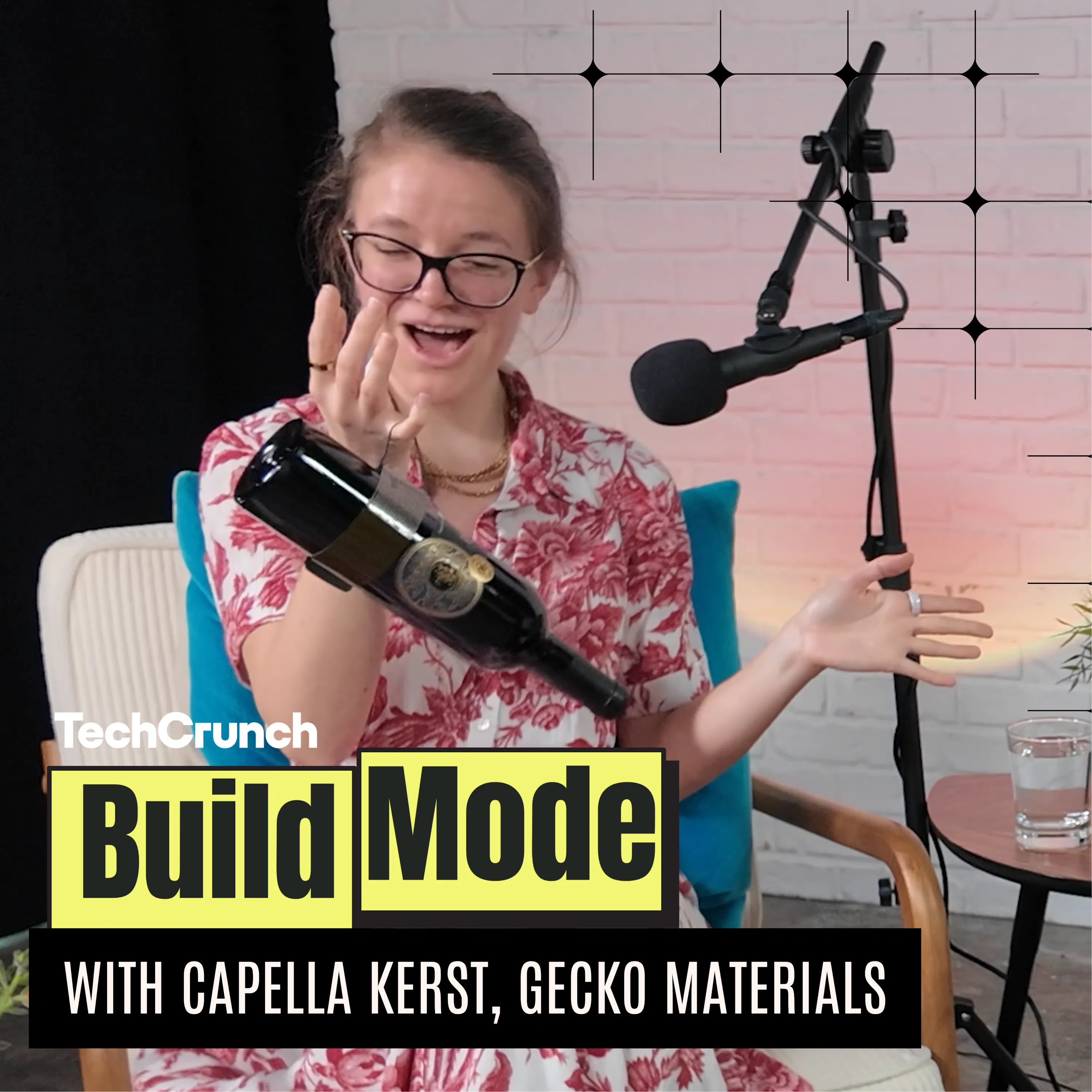
    How geCKo Materials Turned a Lab Breakthrough into a Scalable Deep Tech Startup

    Deep tech founders face a unique challenge: turning breakthrough science into a scalable startup. From navigating academia and IP to fundraising, manufacturing, and product-market fit, the path from research lab to real-world impact is anything but straightforward. This week on Build Mode, Isabelle Johannessen sits down with Capella Kerst, founder and CEO of geCKo Materials and 2024 Startups Battlefield runner up. geCKo Materials is building a bio-inspired adhesive with applications across robotics, manufacturing, and even space. In this episode, they explore how she turned a Stanford PhD breakthrough into a venture-backed deep tech company. This conversation covers: How to turn academic research into a scalable startup The challenges of moving from Stanford PhD to founder and CEO What it takes to raise capital as a deep tech and hardware startup Why commercialization and manufacturing are the hardest parts of innovation How to identify real-world use cases and achieve product-market fit Following recent episodes on building teams, this conversation focuses on the foundation behind every startup: transforming breakthrough technology into a viable business. Apply to Startup Battlefield: We are looking for early-stage companies that have an MVP. So nominate a founder (or yourself): techcrunch.com/apply. Be sure to say you heard about Startup Battlefield from the Build Mode podcast. TechCrunch Disrupt: If you're thinking about applying to Startup Battlefield, then October 13 to 15 in San Francisco, we're back for TechCrunch Disrupt, where the Startup Battlefield 200 takes the stage. So if you want to cheer them on, or just network with 1000s of founders, VCs, and tech enthusiasts, then grab your tickets. Use code buildmode15 for 15% off any ticket type. Chapters: 00:00 The Breakthrough Moment 01:45 From Startup Battlefield to Scale 02:42 What Gecko Materials Actually Does 05:18 Turning a PhD Into a Company 07:44 The Big Vision for Gecko Materials 09:19 From Wild Ideas to Real Use Cases 11:16 Spinning Out of Stanford 14:49 Raising Capital (and a 36-Hour Round) 17:54 Breakthroughs and Momentum 18:00 Building a World-Class Team 22:19 Owning the Founder Role 24:21 Finding Product-Market Fit in Deep Tech 26:54 Why More Research Doesn’t Become Startups 29:15 What’s Next for Gecko Materials New episodes of Build Mode drop every Thursday. Hosted by Isabelle Johannessen. Produced and edited by Maggie Nye. Audience development led by Morgan Little. Special thanks to the Foundry and Cheddar video teams.
  • S2 · E8
    April 9 · 45 min

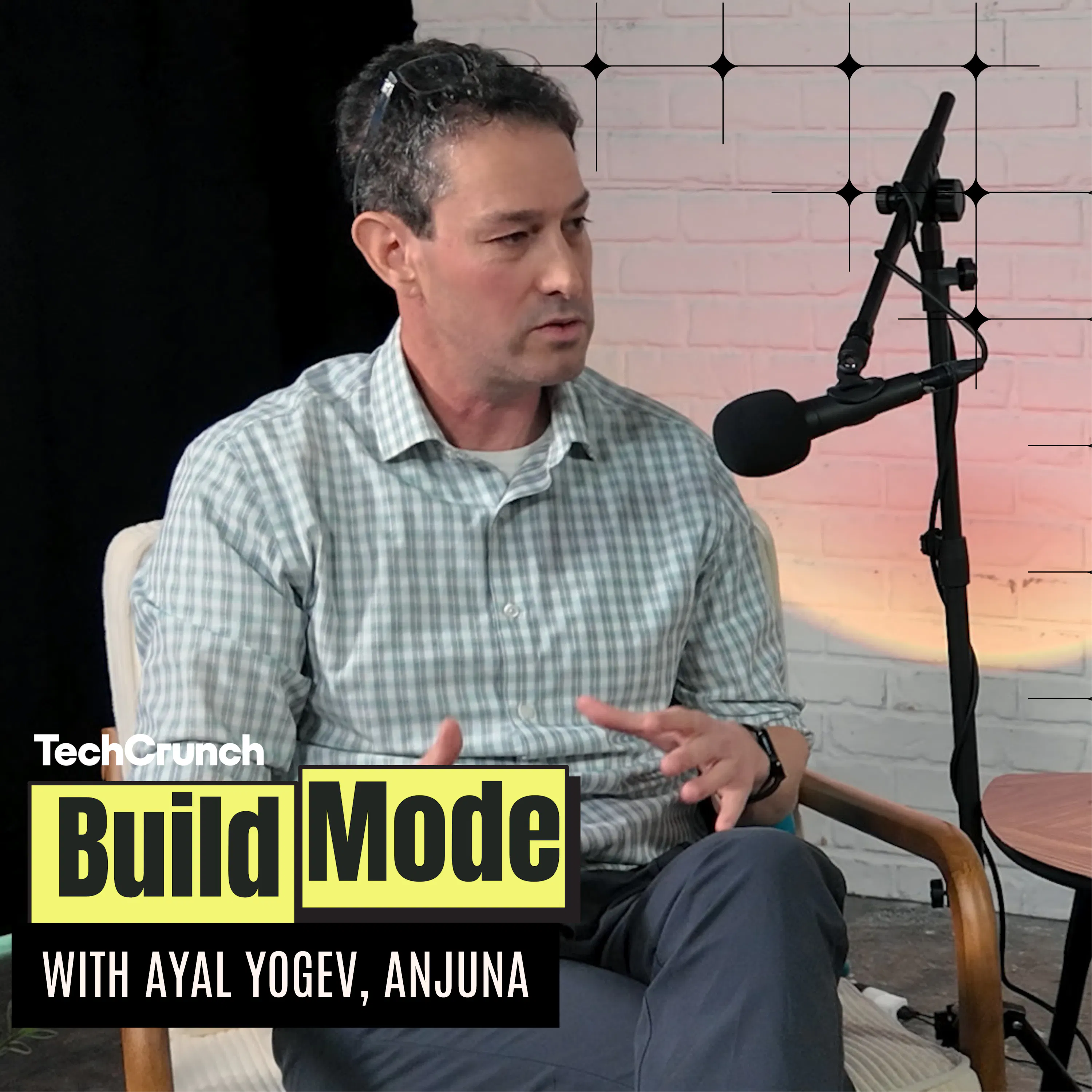
    How to handle layoffs with compassion with Ayal Yogev, Anjuna

    This week’s guest is Ayal Yogev, co-founder and CEO of Anjuna Security, who has experienced both sides of the startup journey: scaling quickly during the boom years and then making the incredibly difficult decision to lay off a significant portion of his team when the market shifted. From growing to 75 employees to scaling back and rebuilding, Yogev learned firsthand that the hardest part of leadership isn’t hiring fast, it’s making tough decisions with care, transparency, and integrity. In this episode, Isabelle Johannessen and Yogev unpack what it really means to lead through layoffs with compassion and how founders can support their teams even in the most challenging moments. They also explore the lessons learned from scaling too quickly and how to build a more resilient company the second time around. They discuss: How to approach layoffs with empathy and transparency Ways to support employees beyond financial compensation What founders get wrong about scaling and hiring Why culture matters most during difficult moments Lessons from rebuilding after layoffs Apply to Startup Battlefield: We are looking for early-stage companies that have an MVP. So nominate a founder (or yourself): techcrunch.com/apply. Be sure to say you heard about Startup Battlefield from the Build Mode podcast. TechCrunch Disrupt: If you're thinking about applying to Startup Battlefield, then October 13 to 15 in San Francisco, we're back for TechCrunch Disrupt, where the Startup Battlefield 200 takes the stage. So if you want to cheer them on, or just network with 1000s of founders, VCs, and tech enthusiasts, then grab your tickets. Use code buildmode15 for 15% off any ticket type. New episodes of Build Mode drop every Thursday. Hosted by Isabelle Johannessen. Produced and edited by Maggie Nye. Audience development led by Morgan Little. Special thanks to the Foundry and Cheddar video teams. Chapters: 00:00 We grew too fast 02:30 What Anjuna actually does 04:45 Scaling the team quickly 06:10 The market crash hits 09:40 Handling layoffs with empathy 12:10 Supporting employees the right way 15:30 Why culture matters in crisis 20:50 The hiring mistake founders make 27:40 When to scale your sales team 34:40 Rebuilding after layoffs

  • April 2 · 46 min

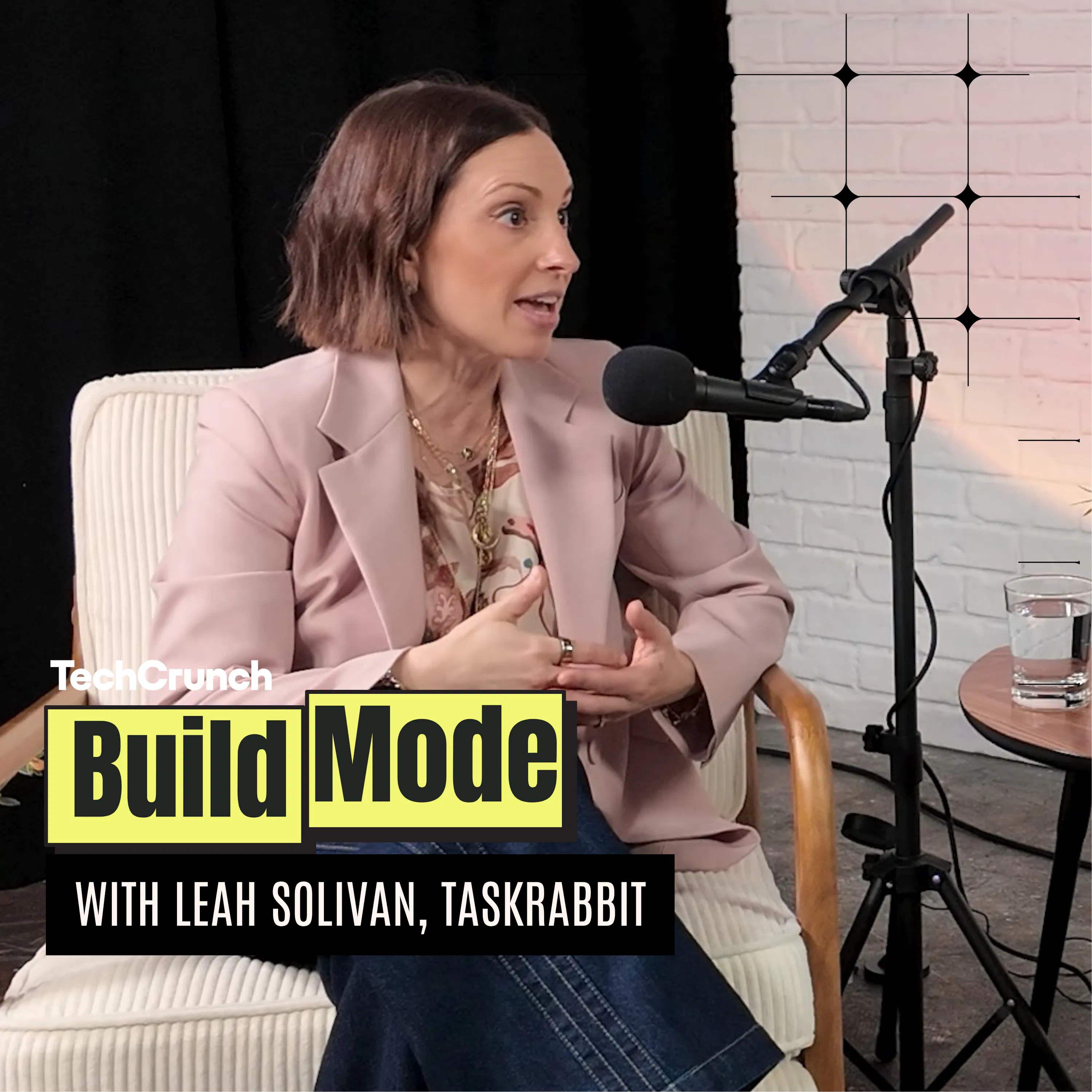
    Diverse teams start with diverse VCs with Leah Solivan, Taskrabbit

    If one thing has become clear this season, finding the right talent for your team isn’t as easy as picking from a pile of resumes This week’s guest is Leah Solivan, the founder of Taskrabbit and now an early-stage investor who has seen that the power to change a homogenous startup exosystem comes from empowering diverse VCs to fund underrepresented founders who will hire the hidden tech talent. From bootstrapping TaskRabbit on credit cards to scaling it into one of the defining companies of the gig economy, Leah learned firsthand that the hardest part of building a company isn’t the product, it’s selecting the right people to build it. In this episode, Isabelle Johannessen and Leah unpack what it really takes to build diverse teams from day one and why most companies get it wrong by waiting too long. They also explore how the lack of diversity in venture capital directly shapes who gets funded, and ultimately, who gets hired. They discuss: How to build diverse teams intentionally from the very beginning Why the “easy path” in hiring leads to less diverse outcomes The connection between diverse VCs and diverse companies How to hire for culture and values over credentials Apply to Startup Battlefield: We are looking for early-stage companies that have an MVP. So nominate a founder (or yourself): techcrunch.com/apply. Be sure to say you heard about Startup Battlefield from the Build Mode podcast. TechCrunch Disrupt: If you're thinking about applying to Startup Battlefield, then October 13 to 15 in San Francisco, we're back for TechCrunch Disrupt, where the Startup Battlefield 200 takes the stage. So if you want to cheer them on, or just network with 1000s of founders, VCs, and tech enthusiasts, then grab your tickets. Use code buildmode15 for 15% off any ticket type. Chapters: 00:00 The hard way to hire diverse talent 01:20 From engineer to Taskrabbit founder03:39 The moment that sparked Taskrabbit 07:39 Why building teams is the hardest part 12:06 Learning how to hire from scratch 17:36 Why venture capital lacks diversity 27:25 How to build diverse teams from day one 39:42 What founders get wrong about competition

  • S2 · E6
    March 26 · 50 min

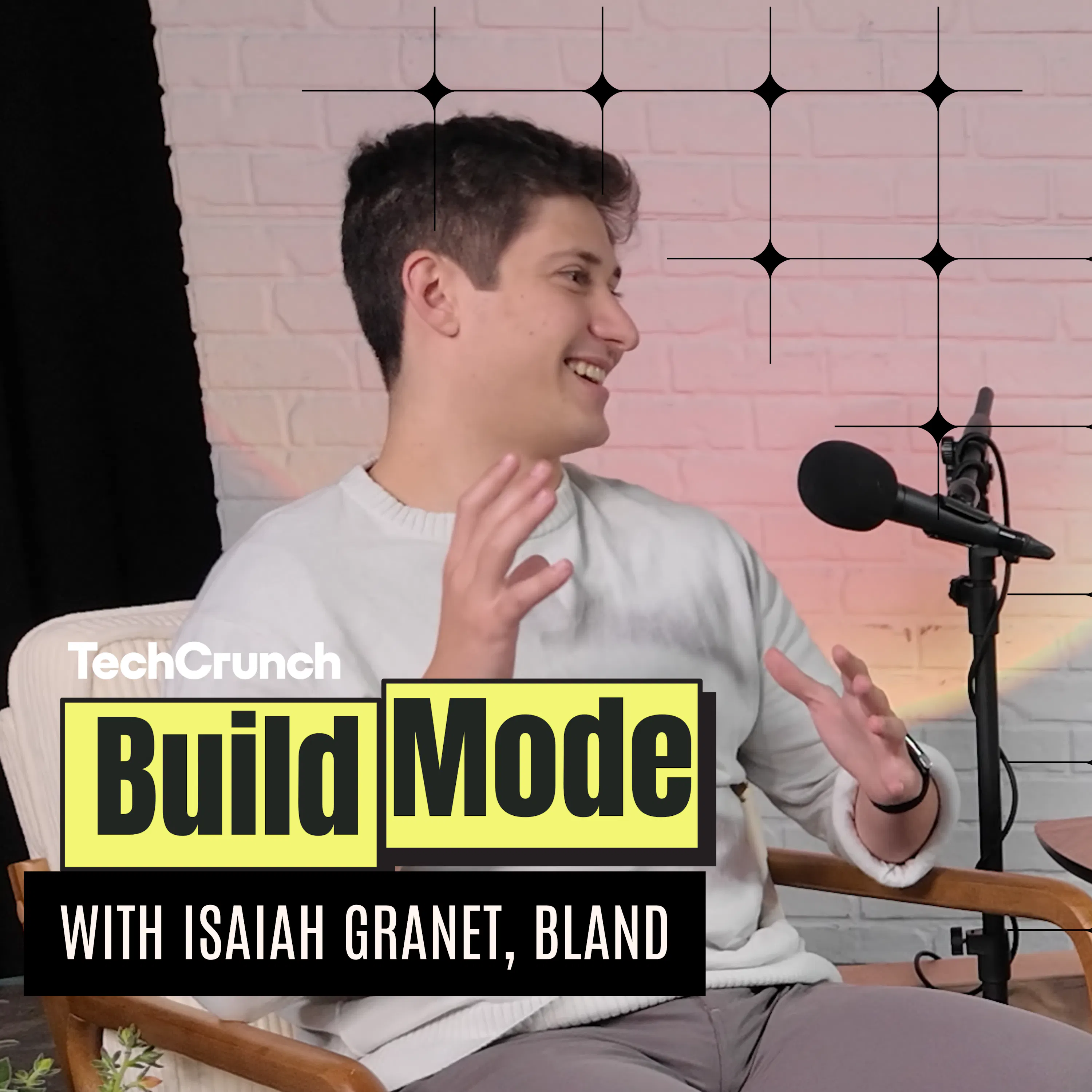
    Why hiring the weirdos works with Isaiah Granet, Bland

    If one thing has become clear this season, it’s that there is no formula to building the perfect team. But no one breaks the mold quite like this week’s guest, Isaiah Granet, the co-founder and CEO of Bland. The voice AI startup has been growing at a breakneck speed but the founding team has taken their time to prioritize passion over pedigree and find their team members in places many might not think to look. In this episode, Isabelle Johannessen and Isaiah Granet unpack a radically different approach to hiring that prioritizes aligned work ethic, curiosity, and flexibility rather than resumes and connections. So far, that approach has worked for Bland. The scrappy team has gone from pre-seed to series B in less than a year. They discuss: How to identify “hidden gem” talent in unexpected places The role of cold inbound and unconventional sourcing When to hire ahead of need and when not to How hiring philosophy shapes company culture at scale Apply to Startup Battlefield: We are looking for early-stage companies that have an MVP. So nominate a founder (or yourself): techcrunch.com/apply. Be sure to say you heard about Startup Battlefield from the Build Mode podcast. TechCrunch Disrupt: If you're thinking about applying to Startup Battlefield, then October 13 to 15 in San Francisco, we're back for TechCrunch Disrupt, where the Startup Battlefield 200 takes the stage. So if you want to cheer them on, or just network with 1000s of founders, VCs, and tech enthusiasts, then grab your tickets. Use code buildmode15 for 15% off any ticket type. Chapters: 00:00 — Hiring for Passion Over Pedigree 02:42 — Pivoting Into Voice AI 03:49 — Explosive Growth: Pre-Seed to Series B 05:00 — Surviving Hypergrowth 10:00 — Rethinking Hiring: Finding Hidden Talent 16:30 — Building and Scaling Culture 24:00 — Who to Hire (and When to Fire) 41:30 — Compensation, Equity, and Final Lessons New episodes of Build Mode drop every Thursday. Hosted by Isabelle Johannessen. Produced and edited by Maggie Nye. Audience development led by Morgan Little. Special thanks to the Foundry and Cheddar video teams.

Showing 1–20 of 23 episodes