Skip to content
Artwork for Brazuca Sounds

Brazuca Sounds

Leandro Vignoli

A podcast about Brazilian music of all styles, decades, and genres hosted by Leandro Vignoli. Follow updates on Instagram: @brazucasounds. Access our playlist Soundtrack Brazuca Sounds with all songs ever played on the show:

Get bonus content on Patreon

Play
  • 21 episodes
  • fortnightly
  • Avg 16 min
  • English
Counted on this page — what you have heard stays on this device, so it is not something the list can be paged by.
  • Friday · 2 min

    BONUS EP. (The History of Partido Alto)

    Salve! This is a preview of our bonus episode exclusive for paid subscribers! Every episode is a different song. This is the song today: "Partido Alto", written by Chico Buarque/ performed by MPB4 ---Today, we take a deep dive into the history of Partido Alto, a subgenre of samba. The style emerged in the 1940s as an improvised form, featuring improvised lyrics in which two singers engaged in a lyrical battle, accompanied by handmade percussion instruments such as knives and plates, with roots in the batucada tradition of Bahia. The genre took off in the 1970s, with artists such as Candeia, who appeared in the documentary Partido Alto, directed by Leon Hirszman, which offers insights from traditional samba figures. We also talked about a couple of songs written based on Partido Alto, such as "Partido Alto", written by Chico Buarque for the soundtrack of the film "Quando o carnaval chegar", performed by the vocal group MPB4. Another famous song about Partido Alto was written by bossa-jazz masters Azymuth (1979), later covered by Airton Moreira.
  • August 18 · 47 min

    Brazuca Sounds #96 - The Best Albums of 1976

    In episode #96, we will continue our celebration of albums released 50 years ago. It was another great year for Brazilian music, with important albums such as Cartola's second album, Jorge Ben's Africa Brasil, Elis Regina's Falso Brilhante, and Tom Zé's Estudando o Samba, and more. In this episode, we will discuss some of the underrated albums of 1976. Among the records are: José Mauro - A Viagem das Horas; Taiguara - Imyra Tayra Ipy; Fagner - Raimundo Fagner; Luiz Henrique - Mestiço; Burnier e Cartier - Fotos p/ Capa do LP; Eduardo Araújo & Silvinha - Filhos desse Chão; Joelho de Porco - São Paulo 1554/Hoje; and the debut and only album released by the groups Mandala and Pão com Manteiga. For an exclusive playlist featuring all the albums released in 1976, subscribe for free on Patreon. All other songs are available in our Spotify playlist "⁠Soundtrack: Brazuca Sounds". You may also like these other episodes: #84 - Debut Samba Albums of 1975 #73 - The Underrated Albums of 1974 #58 - The Underrated Album of 1973 #42 - The Best Albums of 1972 #23 - The Best Albums of 1971

  • August 11 · 2 min

    BONUS EP. (Luiz Melodia - Juventude Transviada)

    Salve! This is a trailer for the bonus episode exclusive for paid subscribers! Every episode is a different song. This is the song today: "Juventude Transviada", by Luiz Melodia --- “Juventude Transviada” captures the marginalized urban youth as they navigate Rio de Janeiro’s social tensions. The song blends samba, rock, and soul influences, reflecting Melodia’s unique style. Its lyrics reference James Dean's Rebel Without a Cause (released as Juventude Transviada in Brazil), portraying rebellion not as glamour but as a response to exclusion, poverty, and lack of opportunity. It became one of Brazil's biggest hits of 1976 after its inclusion on the soundtrack of the soap opera Pecado Capital. Check out the translation of Juventude Transviada, provided by Translationsmith.

  • July 30 · 2 min

    BONUS EP. (João Bosco - A Nível de...)

    Salve! This is a preview of our latest bonus episode for paid subscribers on Patreon! Every episode is a different song. This is the song today: "A Nível de...", by João Bosco (Bosco/Blanc) We're celebrating the 80th birthday of João Bosco, born on July 13th, 1946, in Ponte Nova, Minas Gerais. "A Nível de..." is my favourite Bosco song, released on his ninth album, Comissão de Frente, with lyrics by Aldir Blanc, using humor and irony to address the frustrated attempts of two couples to resolve their marital problems. The song pioneered more open discussion of sexuality, and to top it off, Bosco presents his instantly recognizable signature guitar as if it combined percussion, bass, and melody into a single instrument. While Bosco crafted highly inventive melodies and harmonies, Aldir Blanc crafted lyrics filled with characters, irony, and social commentary. Check out the translation provided by Translationsmith.

  • July 21 · 48 min

    Brazuca Sounds #95: Moacir Santos - Coisas [1965]

    In episode #95, we celebrate the centennial birthday of maestro Moacir Santos. Born on July 26th, 1926, in Flores de Pajeú, Pernambuco, he arrived in Rio de Janeiro at the age of 22 to work at Rádio Nacional and study music with conductors such as Guerra-Peixe and Claudio Santoro. He became a mentor himself, and amongst his pupils are the likes of Baden Powell, João Donato, and Sérgio Mendes. Powell was the first to record Santos' themes named after "things", with Coisa N°1 and Coisa N°2 on his 1963 album. It was long after he also started composing for films, such as "Ganga Zumba". This episode takes a deep dive into the story behind the recording sessions of Coisas, Moacir Santos’ 1965 masterpiece released on the Forma label. Recorded over three consecutive days at RCA Victor Studios in Rio de Janeiro, the album brought together two distinct ensembles. These groups alternated deliberately between more intimate, chamber-like arrangements and expansive, big band–inspired formations. Although Coisas is entirely instrumental, several compositions later received lyrics. One notable example is “Coisa N°5,” also known as “Nanã,” which was co-written with Mario Telles. Check Translationsmith for the translation of many songs from the album. Follow our playlist ⁠Brazuca Sounds Soundtrack.

  • July 14 · 2 min

    BONUS EP. (Milton Nascimento - Maria Maria)

    Salve! This is a preview of our bonus episode exclusive for paid subscribers! Every episode is a different song. This is the song today: "Maria Maria", by Milton Nascimento (Nascimento/Brant) --- Nascimento was 36 years old, with 10 studio albums, an international career, and a collaboration with Wayne Shorter behind him. Yet it wasn't until then that he released what would become his most famous song. "Maria, Maria" appears on Clube da Esquina 2 as the second track on side D of the double album, and against all odds, it became the album's biggest hit. Originally written for a musical about slavery, the piece had no lyrics at first—only Nascimento's voice. The words were later written by Clube da Esquina collaborator Fernando Brant, inspired by the true story of a woman who lived by the railroad tracks in the town where he grew up. "Maria, Maria" is structured like a classic folk song, but instead of the traditional verse-chorus-verse format, it follows a verse-verse-chorus-chorus pattern. The song became even more famous through Elis Regina's recording, and Nascimento later recorded it again for his live album A Barca dos Amantes, featuring Wayne Shorter. Check out the translation of this beautiful song, provided by Translationsmith.

  • June 30 · 3 min

    BONUS EP. (José Mauro - Rua Dois)

    José Mauro was a singer, songwriter, and guitarist from Rio de Janeiro who recorded all of his music in a single session in 1970. That resulted in his debut album "Obnoxius", under Roberto Quartin's record label, and a second album, "A Viagem das Horas", released six years later, with the leftover songs. "Rua Dois" is from this second LP, reissued in 2021 by Far Out Recordings, a beautiful folk, jazzy, psychedelic journey that sounds as much like a tropical version of Serge Gainsbourg as it does a foggy Gerlando Vandré. A prodigy guitar student of Baden Powell, and doted on for an anti-bossa approach, in this episode we'll talk about José Mauro's enigmatic career, why he disappeared, and when he was rediscovered, his collaboration with writer/journalist Ana Maria Bahia, who wrote all of his lyrics. Check the translation of this beautiful song provided by Translationsmith.

  • June 18 · 43 min

    Brazuca Sounds #94: The Sublime Voice of Maria Bethânia

    In episode #93, we are celebrating the Queen Bee of Brazilian music, Maria Bethânia. She has released 50 studio albums and is among the 10 best-selling music artists in Brazil, having sold more than 26 million copies. Born on June 18th, 1946, in Santo Amaro, Bahia, we honour her 80th birthday with a song-by-song analysis of her album "Pássaro Proibido" (1976). This was the first album to expand her from cultural elite to mainstream, ignited by an AM radio phenomenon of "Olhos nos Olhos" written by Chico Buarque. We also talked about her introduction to the scene, by replacing Nara Leão in a musical with a voracious performance of "Carcará", and her notorious collaboration with her older brother, Caetano Veloso. We also put together a playlist with 50 of her best songs, one for every year of her career! Check Translationsmith for the translation of many songs from the album. Follow our playlist ⁠Brazuca Sounds Soundtrack.

  • June 11 · 2 min

    BONUS EP. (Toquinho - "Que Maravilha")

    This is the preview for a bonus episode for paid subscribers! Every episode is a different song. This is the song today: "Que Maravilha", written and performed by Toquinho, featuring Jorge Ben This episode celebrates the 80th birthday of Toquinho, born Antonio Bondeolli Pecci. He started his career as a virtuoso bossa-nova guitarist, but that changed when he met Chico Buarque in Italy, and later Jorge Ben in his hometown São Paulo, and became a prolific songwriter. "Que Maravilha" (and its B-side "Carolina Carol Bela") were written for a Tropicalia TV show, Divino, Maravilhoso, in 1969, and later released as a single. Both songs are about the same girl (Carolina, there is), who had a brief romantic relationship to Toquinho. A fusion of samba, tropicalia, and sambalanço, "Que Maravilha" became one of the most successful Brazilian songs of all time. We talked about how the song was written, its melody, lyrics, and how it connects to "Carolina Carol Bela".

  • May 19 · 2 min

    BONUS EP. (Tom Jobim - Lígia)

    Salve! This is the preview of our bonus episode exclusive for paid subscribers! Every episode is a different song. This is the song today: "Lígia" (Jobim/Buarque), performed by Tom Jobim Tom Jobim wrote this song based on a real story about a girl he met in a bar in Rio de Janeiro, who turned out to be his daughter's teacher. They were never in a relationship, but this song reflects the possibility of one, with two different interpretations or endings. One lyric by Tom Jobim was performed by João Gilberto, while the more famous version was written by Chico Buarque, who arguably strengthened the narrative. Tom Jobim recorded this version on his 1976 album Urubu, while Chico recorded it on Sinal Fechado.

  • May 12 · 44 min

    Brazuca Sounds #93: Cartola (1976)

    In episode #93, we celebrate 50 years of Cartola's second album, released in 1976 by the record label Marcus Pereira Discus. Nearly 50 years into his career, Cartola released his debut featuring many of his early sambas and chorinhos. This follow-up is completed with songs written exclusively for this album, such as "As Rosas Não Rosam", arguably his most popular song. Among other famous iconic samba standards are "O Mundo é um Moinho" and "Preciso me Encontrar" (written by another amba legend, Candeia). Although with a very similar approach to his debut album, this 1976 sophomore album is definitely a step forward that finally gave Cartola the stardom he deserved. Check our episode about his debut album, Cartola (1974). Check our episode History of Samba in 10 Albums. Check Translationsmith for the translation of many songs from the album. Follow our playlist ⁠Brazuca Sounds Soundtrack.

  • April 29 · 2 min

    BONUS EP. ( Dolores Duran - A Noite do Meu Bem)

    Salve! This is a preview of our latest bonus episode exclusive for paid subscribers! Every episode is a different song. This is the song today: "A Noite do Meu Bem", written and performed by Dolores Duran Dolores Duran is one of the most important figures in Brazilian music. She wasn’t just a crooner or a performer, but was also a prolific lyricist, including words written for Tom Jobim. "A Noite do Meu Bem" is probably Duran’s biggest hit, with all the lyrics and music written by her, just a few weeks before her passing. That matters greatly because, at the time, very few women had the space or recognition to write. Dolores Duran carved out that role for herself with remarkable talent and presence before tragically dying while sleeping at the age of 29. "A Noite do Meu Bem" was voted one of the 100 Best Brazilian Songs of All Time according to Rolling Stone Brasil. Check for the song's full translation at The Anvil, by Translationsmith.

  • April 15 · 49 min

    Brazuca Sounds #92: A Trip to Brazil in 100 Songs (Part 4)

    In episode #92, we will feature the last 25 songs that mention Brazilian places in their lyrics. This time we traveled all over Brazil with a contemporary approach, and music produced in the 1980s, 1990s, and until now. Among the artists featured are heavyweights such as Marcos Valle, Emílio Santiago, Moraes Moreira, and present-day greats like Criolo, Racionais MCs, and Ed Motta. We finished this episode uncovering the 4,175.72 km extension of land from the Northernmost part, with Nazaré Pereira, singing about her homeland of Pará and the Marajó Island, to the South region where Brazil meets Uruguay. Check the ⁠⁠⁠⁠Translationsmith ⁠⁠⁠⁠for lyrics! A Trip to Brazil in 100 Songs: ⁠PART 1⁠; and ⁠PART 2⁠; and PART 3. Listen to our playlist ⁠'A Trip to Brazil' ⁠on Spotify. Follow our playlist ⁠Brazuca Sounds Soundtrac⁠k on Spotify.

  • April 8 · 2 min

    BONUS EP. (Waltel Branco - Meu Balanço)

    Salve! This is a preview of a bonus episode exclusive for paid subscribers! Every episode is a different song. This is the song today: "Meu Balanço", written and performed by Waltel Branco Branco was a conductor, arranger, and classical guitarist who worked with Henry Mancini in the USA and became a household composer of soundtracks to soap operas in Brazil. One of the pioneers of Brazilian funk and soul, he arranged songs for Tim Maia, Toni Tornado, Hyldon, Marcos Valle, and countless more. In 1975, with the studio hours left for a different project, he recorded his iconic instrumental album "Meu Balanço", immersed in groovy bass, funky beats, brass, and fuzzy guitars. In this bonus episode, we spoke about the backstory behind the album and its most significant track, and how Branco is one of the unrecognized masters of Brazilian music.

  • March 25 · 2 min

    BONUS EP. (Chico Buarque - O Que Será?)

    Salve! This is a preview of our latest bonus episode, available exclusively for subscribers at Patreon. Every episode is a different song. This is the song today: "O Que Será?" by Chico Buarque feat. Milton Nascimento Originally written for the soundtrack to Dona Flor and her Two Husbands, and performed by the singer Simone, this song was already a massive success when its writer recorded it for his album "Meus Caros Amigos" with the subtitle "À flor da terra”. In this episode, we talked about what the song means, its context, and how Milton Nascimento ended up sharing its vocals - Nascimento also recorded “O que será? (À flor da pele)” with different lyrics. Check out the translation and links to multiple versions of the song at TranslationSmith.

  • March 17 · 32 min

    Brazuca Souns #91: Pedro Santos - Krishnanda [1968]

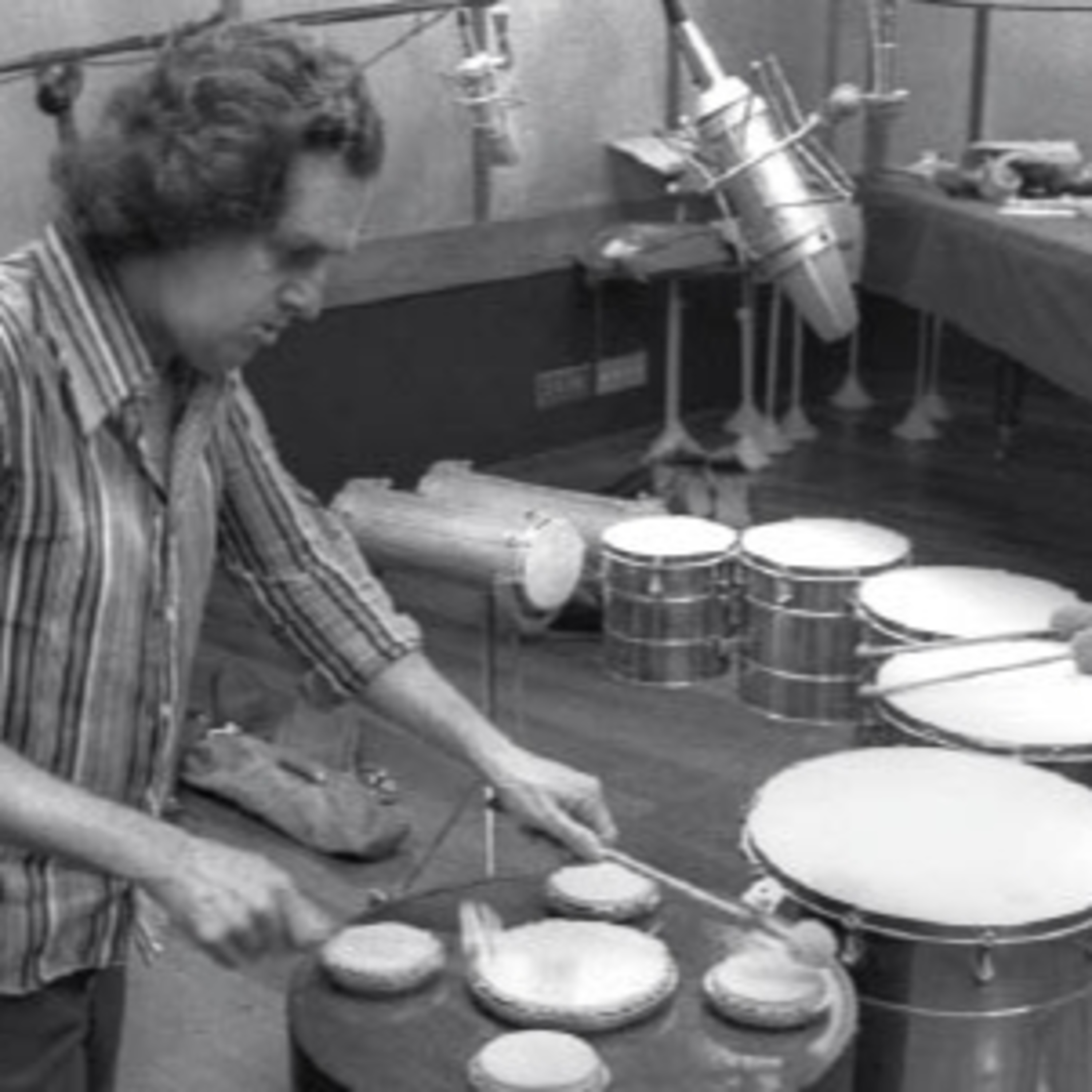
    In episode #91, we talked about the sole album of percussionist Pedro "Sorongo" Santos. Recorded in a couple of weeks in 1968, he created a distinctive sonic palette, blending Brazilian music, Latin rhythms, and jazz, all while mostly using percussion instruments invented by Sorongo. The sound is so contemporary and so ahead of its time that it resembles electronic music before electronic music existed, or the Afrobeat before the Afrobeat, and seminal "music effects". Pedro also channeled all his musicality in search of a very spiritual theme, influenced by yoga, resulting in poetic lyrics with a mystical perspective and a unique linguistic structure. Produced by fellow percussionist Helcio Milito, of Tamba Trio fame, "Krishnanda" was a commercial failure but gained cult status in the mid-1990s.

  • March 10 · 2 min

    BONUS EP. (Banda de Pífanos de Caruaru from the film "The Secret Agent" soundtrack)

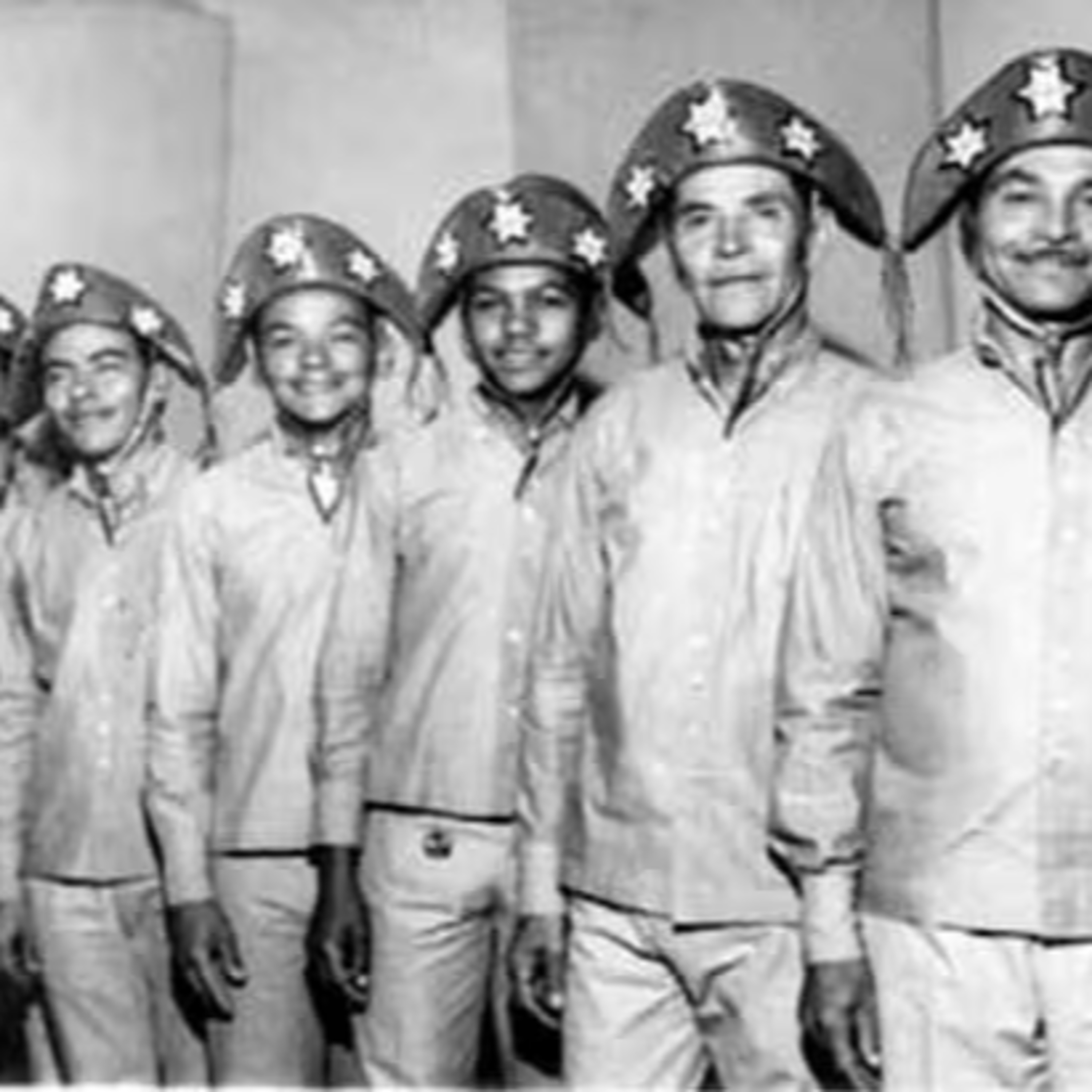
    Salve! This is a preview of a bonus episode exclusive for paid subscribers! Every episode is a different song. This is the song today: "A Briga do Cachorro com a Onça" by Banda de Pífanos de Caruaru Banda de Pífanos de Caruaru is a band active for over 100 years, with its first music recorded in 1972. The song "A Briga do Cachorro com a Onça" is from that debut album and recently gained popularity as part of the soundtrack to the film "The Secret Agent", during the pivotal chase in the second-half climax of the 1977-set thriller. Banda de Pífanos de Caruaru is a family ensemble, composed of two fife players (pífanos) and four percussionists, that had a tremendous impact on Gilberto Gil and the birth of Tropicalia. The song was composed by band leader Sebastião Biano at least 30 years before its album release, a blend of forró, maracatu, and free jazz, with a sound based on a real story of a dog fighting a jaguar.

  • February 27 · 2 min

    BONUS EP. (Maria Bethanea feat. Gal Costa - Sonho Meu)

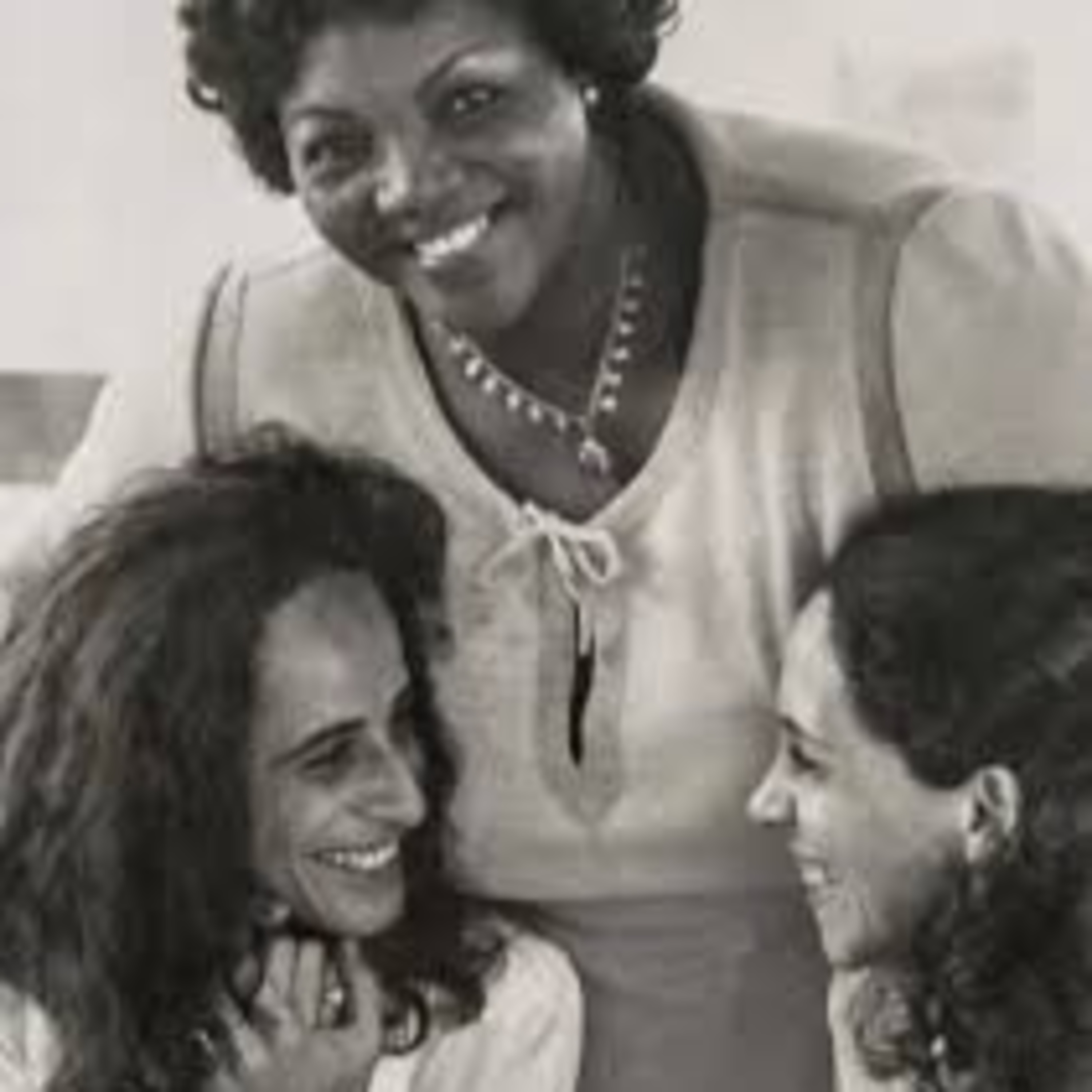
    This is a preview of the latest bonus episode available exclusively for subscribers at Patreon. Every episode is a different song. This is the song today: "Sonho Meu" (Dona Yvone Lara) performed by Maria Bethânea feat. Gal Costa The song was first recorded by Maria Bethânia in her album "Álibi" released in 1978, featuring Gal Costa, and lyrics written by Dona Ivone Lara, the first woman to join the composers' crew of a samba school in Rio de Janeiro. "Sonho meu", with verses evoking freedom, hope, and nostalgia from better times, became a sort of political anthem for the return of political exiles during the Brazilian dictatorship. The song was a huge success, catapulting the album to sell more than 500,000 copies, making Bethânea the first female singer to reach this milestone in Brazil. It also opened doors for Dona Ivone Lara to finally retire from her career as a nurse and social worker, when she eventually released her debut solo album, also in 1978. Check the translation to "Sonho Meu" provided by Steve Smith from The Anvil blog, also known as Translationsmith.

  • February 17 · 3 min

    BONUS EP. (Martinho da Vila - Aquarela Brasileira

    Salve! This is a bonus episode for paid subscribers! Every episode is a different song. This is the song today: "Aquarela Brasileira" (Silas de Oliveira) by Martinho da Vila The intro to “Aquarela Brasileira” is perhaps the most famous ever written for Carnaval. Composer Silas de Oliveira wrote the samba-enredo in 1964 exclusively for Rio’s desfiles—the annual parades of floats and costumes held each February—but its extraordinary impact quickly took it beyond the Sambadrome. The song became a lasting samba classic, later recorded by artists such as Martinho da Vila. NOT TO BE confused with “Aquarela do Brasil,” from the 1930s— the first Brazilian song to become an international hit, recorded by Frank Sinatra. That song was, in fact, the inspiration for Silas de Oliveira’s “Aquarela Brasileira,” a tribute to Brazil’s many regions, cultures, and colors—hence the reference to watercolor. We discussed the two songs and their respective impact on Brazilian Carnaval.

  • February 10 · 40 min

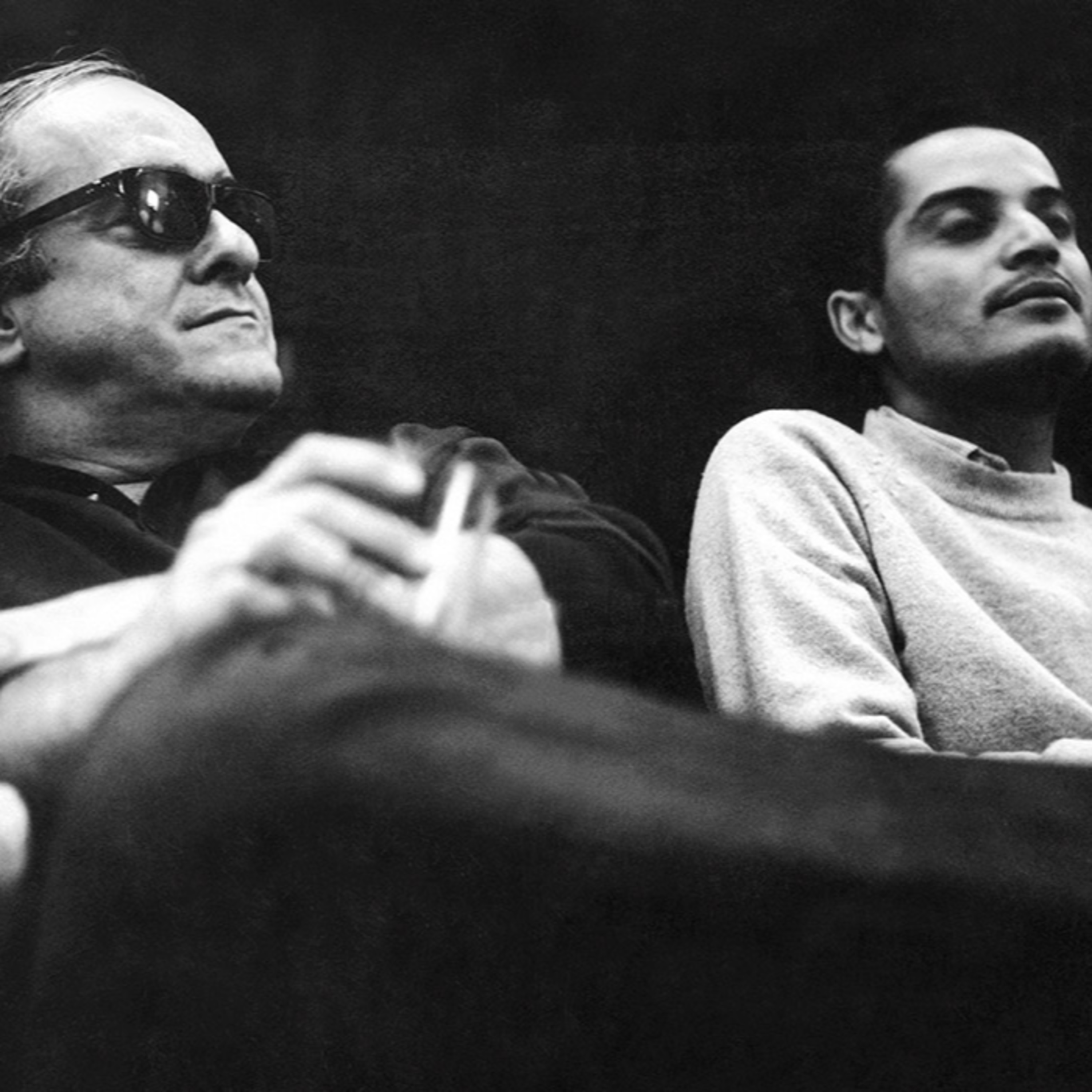
    Brazuca Sounds #90: Vinícius de Moraes e Baden Powel - Os Afro-Sambas (1966)

    In episode #90, we explored one of the most revered albums in Brazilian music history. Recorded live between January 3rd and 6th, 1966, Os Afro-Sambas has endured decades of change and upheaval in Brazil’s musical landscape. The unlikely duo behind it—Baden Powell, a 24-year-old virtuoso guitarist of poor Afro-Brazilian origins, and Vinícius de Moraes, 51, celebrated white-diplomat songwriter of Garota de Ipanema and Chega de Saudade—first met in a Rio nightclub in 1961. Widely regarded as the first album to fuse bossa nova’s signature instruments—guitar, bass, flute—with Afro-religious rhythms, Os Afro-Sambas was born after Baden traveled to Bahia to conduct extensive research in candomblé temples. Recorded in a basement studio in downtown Rio during a torrential rainstorm, the sessions help explain why Vinícius’ vocals sometimes sound notably nasal. Or, according to various legends, perhaps because they reportedly went through more than 2,300 bottles of whisky over those four days of recording. In this episode, we took a deep dive into the album’s history, analyzing its lyrics, music, and the context of its creation, including audio excerpts from interviews and documentaries. Among the videos I have shared in this episode: Baden Powell plays on the TV show Ensaio - TV Cultura (1967) Baden Powell plays "Tempo de Amor" for Saravah documentary Baden & Vinícius play Berimbau/Canto de Ossanha (1979) Follow our updated playlist on Spotify: "⁠Soundtrack: Brazuca Sounds⁠". Every song we've ever playedon the show!

Showing 1–20 of 21 episodes