
Can White People Code-Switch? Blacksplained by Sunn m'Cheaux and Dr. Rachel E. Weissler
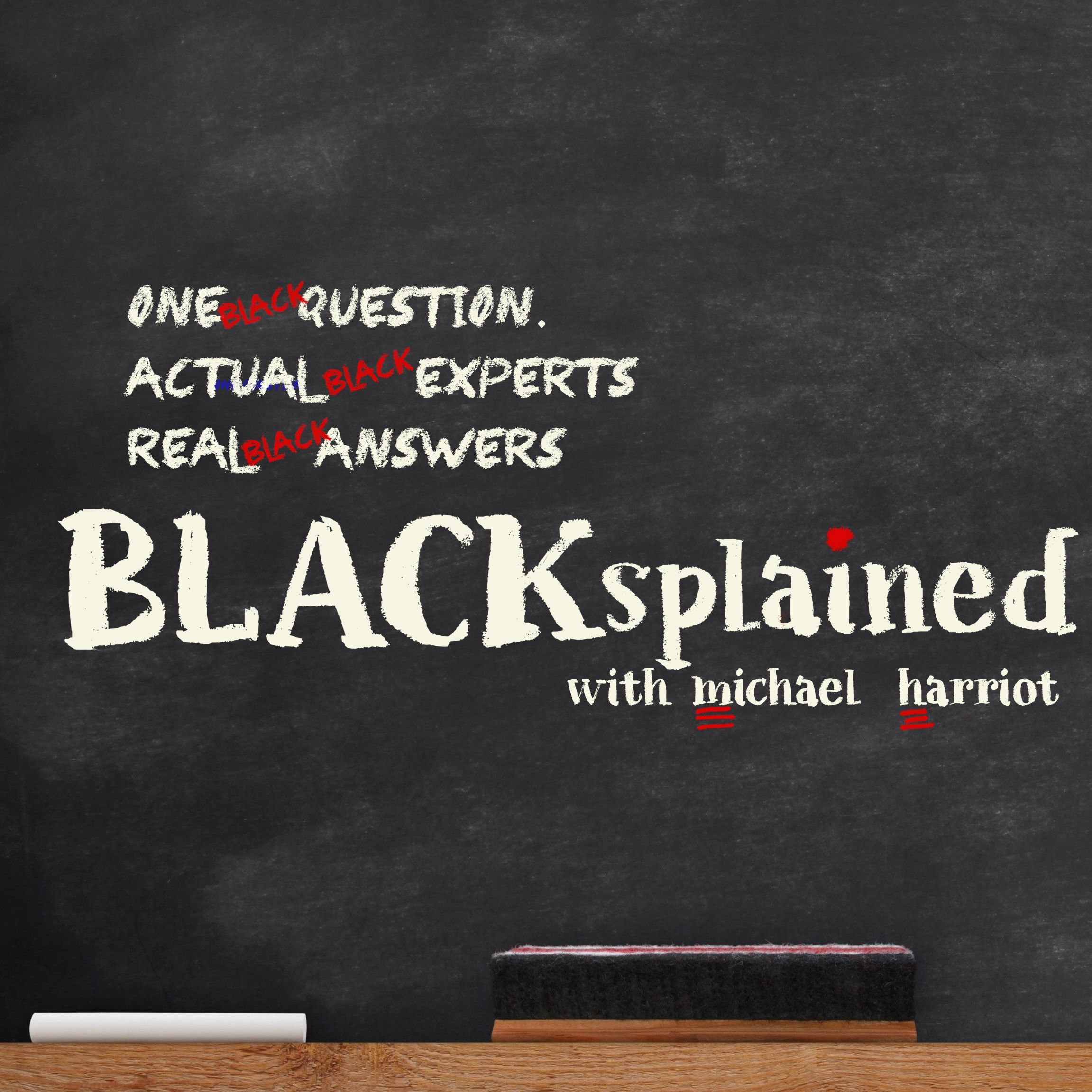
Can white people code-switch, or is it a genetic ability that Black people are born with, like clapping on beat or making white people “fear for their lives”? Is it the same as “talking white” or is it a technical skill that people like Barack Obama, Kamala Harris and Ketanji Brown Jackson learned at the Respectability Politics School for Black Excellence? Do all white Gen-Zers (including Post Malone, Tyler Herro and Miley Cyrus) go through a Blaccent phase or are they reverse code-switching? This is why Blacksplained exists. Each week, we ask scholars, experts and people who know things to tackle one specific question about history, politics, culture, science or whatever’s got people talking. The smart, funny and insightful conversations end up in the most unexpected places while staying rooted in facts, truth and something that is often missing from the public discourse: a Black perspective. Sunn m’Cheaux is a sociolinguist, musician, educator, and Harvard University’s first (and only) Gullah instructor. m’Cheaux’s social media posts contextualizing language, race and culture have made him one of the internet’s favorite public scholars. Rachel Elizabeth Weissler is a raciolinguistic emotion perception researcher, African-American English scholar and a professor at the University of Oregon’s linguistics and Black studies departments. Dr. Weissler uses experimental methods from sociolinguistics, psycholinguistics and history to explore how Black language is used, how it changes and how it’s appropriated. But today, professors m’Cheaux and Weissler are going to Blacksplain: “Can white people code-switch?” Chapters 00:00 The Origin of Southern Accents 02:04 The Diversity of Southern Accents 04:05 The Influence of English Variations 06:45 The Impact of Language on Social Standing 11:07 The Concept of 'Talking White' 16:12 The Authenticity of Accents and Dialects 40:04 The Significance of Home and Contact 44:33 Context and Culture 46:16 Linguistic Gatekeeping 47:50 Preserving Black Language 54:08 Authenticity of Black Music 01:00:43 Cultural Evolution and Ownership 01:19:08 Defining Country Music