Skip to content
Artwork for Better with Kent
TechnologyEducationSelf-Improvement

Better with Kent

Kent C. Dodds

Solo episodes from Kent C. Dodds on durable skills for people who ship software: judgment, accountability, problem clarity, and what stays valuable as AI takes on more implementation. Kent teaches directly on camera — no guest, one idea at a time. Complements guest interviews on Become a Product Engineer (Chats with Kent). Episode 1 adapts The Last Software Engineer; later episodes cover traps like building the wrong thing faster and skills like making user pain visible. Subscribe for evergreen episodes as the series grows.

Play
  • 23 episodes
  • a few times a week
  • Avg 17 min
  • English
Counted on this page — what you have heard stays on this device, so it is not something the list can be paged by.
  • #22
    Thursday · 15 min

    How Kody Gives Your Agents a Shared Home

    You already pay for more than one agent. Give them a shared home so Cursor, Grok, and Devin share software, memories, and tasks instead of starting from zero every chat. (00:00) - Meet Kody (00:22) - Better with Kent (00:46) - How Kody works (01:08) - Cursor asks what the bot shipped (01:40) - Search, conversation ID, memories (03:03) - Execute + secrets stay in Kody (04:35) - Code mode: only the answer comes back (05:45) - Save it as a package (07:23) - Grok reuses the package (09:16) - Devin: tell me when it ships (11:36) - What the agents wrote (13:15) - Any agent can run it (13:52) - Early-access invite (14:28) - Close: give agents a home Better with Kent - durable skills for people who ship software. You probably subscribe to more than one agent. Cursor on the laptop. Grok on a walk. Devin when you want something watched overnight. Each one starts from a blank context window. None of them share the software, memories, or secrets you already built in the last one. Kody is that shared home. Kent walks the How Kody Works page end to end. Cursor does not know the favorite bot, so it searches Kody, picks up memories plus a githubAccessToken secret it never actually sees, and runs the fetch in an isolate. Code mode returns only the answer you asked for, type-checked. Then it saves the work as a package: @u/kodybot what-shipped. Grok reuses that package from a phone with no rewrite. Devin cannot hang a webhook on someone else's GitHub activity, so it adds a morning job and a daily digest email instead. The files look like normal package.json plus kody.jobs, a README intent, and JSDoc the next agent can search. Secrets stay in Kody. Packages can lock a secret so only that package can use it. You can edit a package from a phone with no local git because the agent opens a repo session that simulates git. You do not have to install Kody to take the skill. Agents leapfrog each other. Give them a place to share software, ideas, memories, and tasks so you can switch freely. Early access invite code: YOUTUBE-FRIEND Redeem it at https://kody.codes/signup?utm_source=youtube&utm_medium=video&utm_campaign=bwk-shared-home&utm_content=signup Related (context only): I built my own OpenClaw - https://www.youtube.com/watch?v=TnztlHzhYvk Links Kody Early access signup (code YOUTUBE-FRIEND) How Kody works Kody on GitHub I built my own OpenClaw (ep 06) Better with Kent

    • Transcript
    • Chapters
  • #21
    Tuesday · 12 min

    Turn your agent on auto-pilot with ADRs

    New agent chats keep asking product questions you already answered. Write short ADRs so the next agent opens the no instead of making you the memory. (00:00) - Fill the agent's mind (00:36) - Better with Kent (00:46) - The problem: decisions die in chat (02:06) - The solution is ADRs (03:06) - Epic Stack + Remix origin (03:32) - Template + AGENTS.md pointer (04:21) - What to write ADRs about (05:22) - Cameron - 0001 + 0006 (06:59) - Darren - wait on skills / 0015 (07:54) - One-off hooks - 0021 (08:50) - Persistent services - the missing no (11:13) - Don't write diaries or an ADR per PR (11:45) - Homework - three declined decisions (12:33) - Close Better with Kent - durable skills for people who ship software. Every new agent conversation starts from zero. Last week's product decision lives in a chat nobody will reopen. You become the memory. That does not scale. The old fix still works: architecture decision records. An ADR is a short record of a decision already made. Context, decision, consequences, and a revisit-if. Put them in docs/decisions/. Point AGENTS.md at the folder so the agent checks before it proposes a new primitive or surface. They are not set in stone. They give the next agent a starting place so it does not re-decide, re-ask, or plow into a direction you already refused. Kent walks real Kody receipts. Cameron's call became 0001 (no package versioning) and 0006 (no repo CI primitive). Darren's call became 0015 (wait on skills over MCP). A late-night one-off hooks idea became 0021: talk first, stay in packages. Then the missing no: persistent services kept getting defended because there was no written decision. After the back-and-forth, the primitive was deleted in kody#1552 and 0025 was written. Write the no before the next agent. Do not write essays nobody opens, UI diaries, or an ADR on every PR. Ten seconds on the trap, then homework. Homework: create docs/decisions/ this week. Write three declined decisions you already made. Link the folder from AGENTS.md. Agents will start asking whether the thing you just discussed should be an ADR. Links Episode slides ADR template (sample) Nygard: Documenting Architecture Decisions Kody AGENTS.md Kody decision records Kody ADR template 0001: no package versioning 0006: no repo CI primitive 0015: wait on skills over MCP 0021: publish-gated package composition 0025: no package services primitive kody#1552 (removed package services) Better with Kent

    • Transcript
    • Chapters
  • #20
    August 20 · 24 min

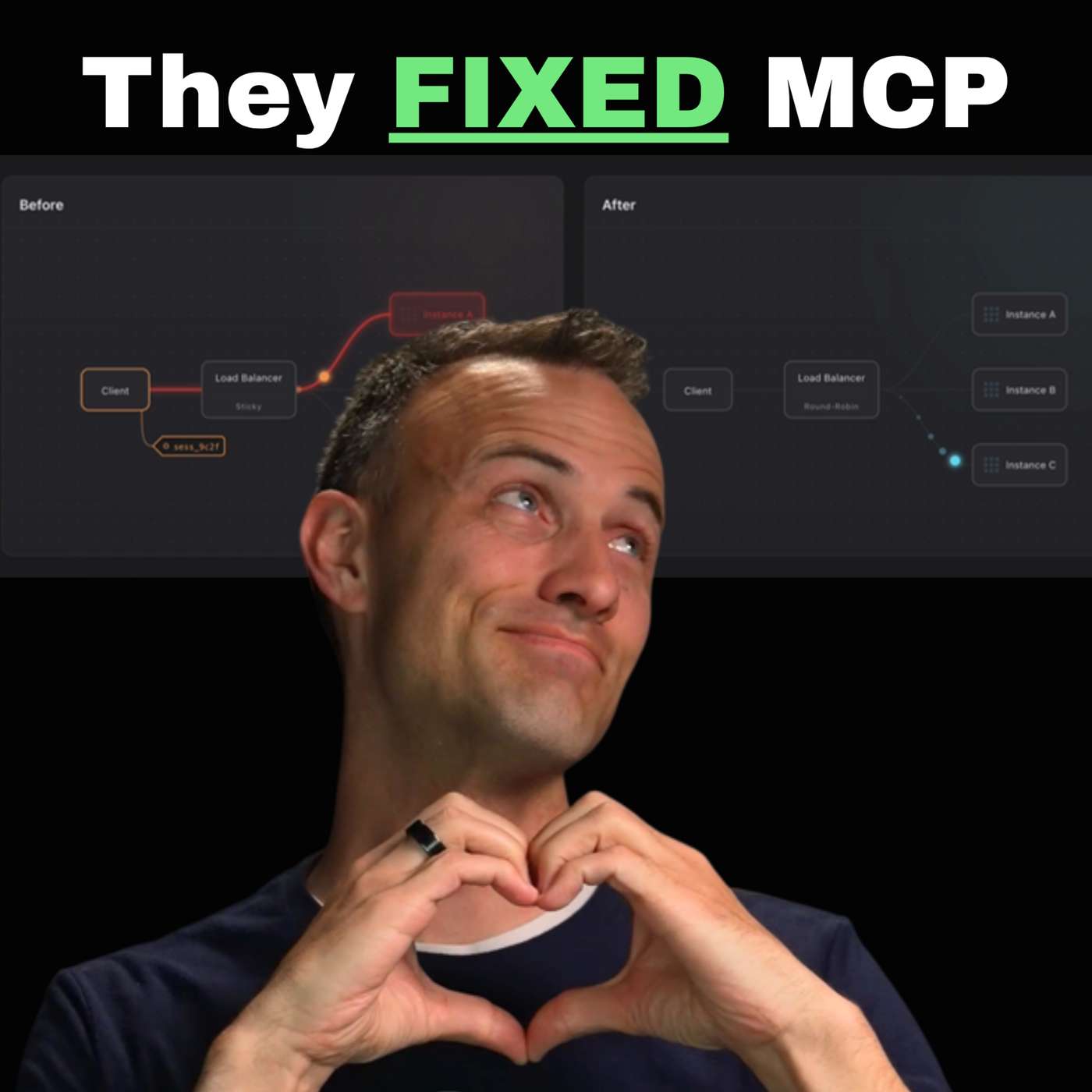
    Here's how the new MCP spec works

    MCP is stateless now. Any instance can answer a tool call. Kent walks the 2026-07-28 release: sticky sessions vs a normal load balancer, CIMD vs DCR, multi-round-trip elicitations, and how to run both lanes until the metrics say you can drop the old one. (00:00) - They fixed MCP (01:13) - Better with Kent (01:37) - Cloudflare + the dual-lane upgrade (03:13) - MCP is now a stateless protocol (03:25) - Sticky sessions vs any instance (06:20) - Self-describing requests and headers (07:17) - What else shipped (08:24) - Formal deprecation policy (10:05) - Roots, sampling, logging, SSE (11:58) - Client ID metadata documents (12:38) - How DCR used to work (14:15) - Unbounded client registrations (15:59) - The client ID is a URL (18:33) - Multi-round-trip requests (22:17) - Dual-lane until the metrics say so (23:54) - Homework: instrument old cruft Better with Kent - durable skills for people who ship software. They fixed MCP. The people who called it a bad protocol have less of an excuse now. The 2026-07-28 spec is the biggest change since the beginning, and the headline is that MCP is a stateless protocol. Kent walks the before-and-after. The old world needed a sticky session on one instance behind the load balancer. If that instance fell over, the client was stuck. The new world is ordinary HTTP: any instance can serve the request. App state can still live in a database. The transport session is what died. That unlocks the rest of the release. Requests are self-describing. Method and tool names travel in Mcp-Method and Mcp-Name headers, so a gateway can route without reading the body. Multi-round-trip requests replace held-open SSE for elicitations: the server returns the input it needs, the connection closes, and the client can come back days later on any instance. List responses are cacheable. Extensions are formal now (MCP Apps, Tasks). DCR is deprecated in favor of Client ID Metadata Documents: the client_id is an HTTPS URL, trust is ownership of the domain, and you stop minting an unbounded registration record per reconnect. Kent's own early Kody numbers: about 125 DCR registrations per user. There is a formal 12-month deprecation window. Roots, sampling, logging, and HTTP+SSE are on the way out. Kent is glad Roots is gone, a little sad about sampling, and fine with streaming replacing SSE. The receipt is a dual-lane /mcp: Cloudflare's Agents SDK classifies isLegacyRequest, the new spec already shows up from Claude Code, and weekly agents watch the metrics. Homework is the durable move: instrument your old cruft so data, not a calendar, tells you when it is safe to remove. Links MCP 2026-07-28 release post MCP 2026-07-28 changelog Cloudflare: the next generation of MCP CIMD (client.dev) Kody dual-lane MCP PR Episode slides Better with Kent

    • Chapters
  • #19
    August 18 · 8 min

    The craft "dying" is your OPPORTUNITY

    People worry AI is destroying craft and making developers lazy. Kent says that is incomplete: most will hand judgment to the agent. The differentiators own the system, the UX, and what the agent learns to care about. (00:00) - AI is destroying the craft? (00:22) - Humans were never deterministic (01:17) - Judgment was always easy to outsource (02:27) - Your opportunity (04:21) - Ownership is the job (05:25) - Close the loop (06:41) - Walk away from the code (07:53) - Homework Better with Kent - durable skills for people who ship software. A lot of people are worried AI is destroying the craft and making developers lazy. Some of that is true. It is not the whole story. LLMs are not compilers. They are not deterministic. Neither are humans. Slop and abdicated judgment are real. The idea that AI invented software bugs is not. People have always been happy to defer decisions: a library from a big company, a ticket from someone else, now an agent that will take the whole job if you let it. That is the opportunity. Most developers will find it easier than ever to hand system design to the model. The people who stay in the loop, design the primitives, and keep ownership will be the ones who stand out. Kent's own half-million-line codebase since March is a hint of the direction: spend less time on semicolons and framework nuances, more time on the software factory the agent works in. The agent mirrors what you care about. If you care about UX, cost, and sustainability, it will keep bringing those up. If you only care about closing the ticket, that is all you get. Bugs are not new. GitHub Actions was down for eight hours. Humans still admit agent mistakes into the factory loop. Craft survives by designing primitives, not by reading every line. The agent amplifies you. It does not replace you. Users already expect more. Homework: look at the corrections you give your agent. Are they marginally useful, or high-impact UX and system issues? Raise the bar to the ones that actually change the product. Links Use AI to make product decisions (previous episode) Better with Kent

    • Transcript
    • Chapters
  • #17
    August 13 · 20 min

    Stop Burning Your Context Cash

    A giant AGENTS.md feels responsible. It is often just burning tokens. Kent walks the Claude Code 80% cut, a research paper that found +20% cost for little gain, a live prune of his own file, and homework: make the always-on file a router, not an encyclopedia. (00:00) - Cold open: you're burning context dollars (00:43) - Better with Kent intro (00:59) - Claude Code cut 80% of the system prompt (01:43) - When system prompt, skills, and user requests clash (03:05) - Context engineering best practices that became myths (04:12) - Avoid stating the obvious / progressive disclosure (04:42) - You don't need useMemo for your agent (05:36) - Performance optimizations are not free (06:17) - Research: AGENTS.md often doesn't help (+20% cost) (07:06) - The cargo-cult loop (07:24) - Overstuffed AGENTS.md walkthroughs (09:01) - If the agent can find it in the repo, cut it (09:54) - Live prune of my own AGENTS.md (14:05) - I audited 37 agents (15:30) - AGENTS.md should be a router (16:30) - Shrink always-on context (18:30) - Homework: slim the always-on file (19:54) - Close: get better together Better with Kent - durable skills for people who ship software. Stuffing AGENTS.md, CLAUDE.md, and auto-loaded skills because it feels responsible is the new useMemo-everywhere cargo cult. Context is not free. Claude Code cut about 80% of its system prompt for newer models. A research paper evaluating AGENTS.md found those files often do not improve task success while increasing inference cost by over 20%. Kent walks real overstuffed files (discoverable repo trees, package managers, test commands the agent can find itself), then prunes his own Kody AGENTS.md live: keep what the repo is for, keep landmines, keep a short index, cut the rest. He audited 37 of his own agents from one day: 0 re-read AGENTS.md, 86% pulled docs and skills on demand, and most went straight to the leaf. The durable skill: treat the always-on file as a tiny map. Progressively disclose the rest. Measure whether the extra tokens still help after the models change underneath you. Homework: take 15-30 minutes with your agent. Rip out everything discoverable from the repo. Keep the gotchas that trip it every time. Index the rest. Delete docs nobody has opened. Links When to useMemo and useCallback The new rules of context engineering (Claude blog) Evaluating AGENTS.md (ETH Zurich / arXiv) Episode slides Better with Kent

    • Transcript
    • Chapters
  • #18
    August 11 · 23 min

    Use AI to make product decisions

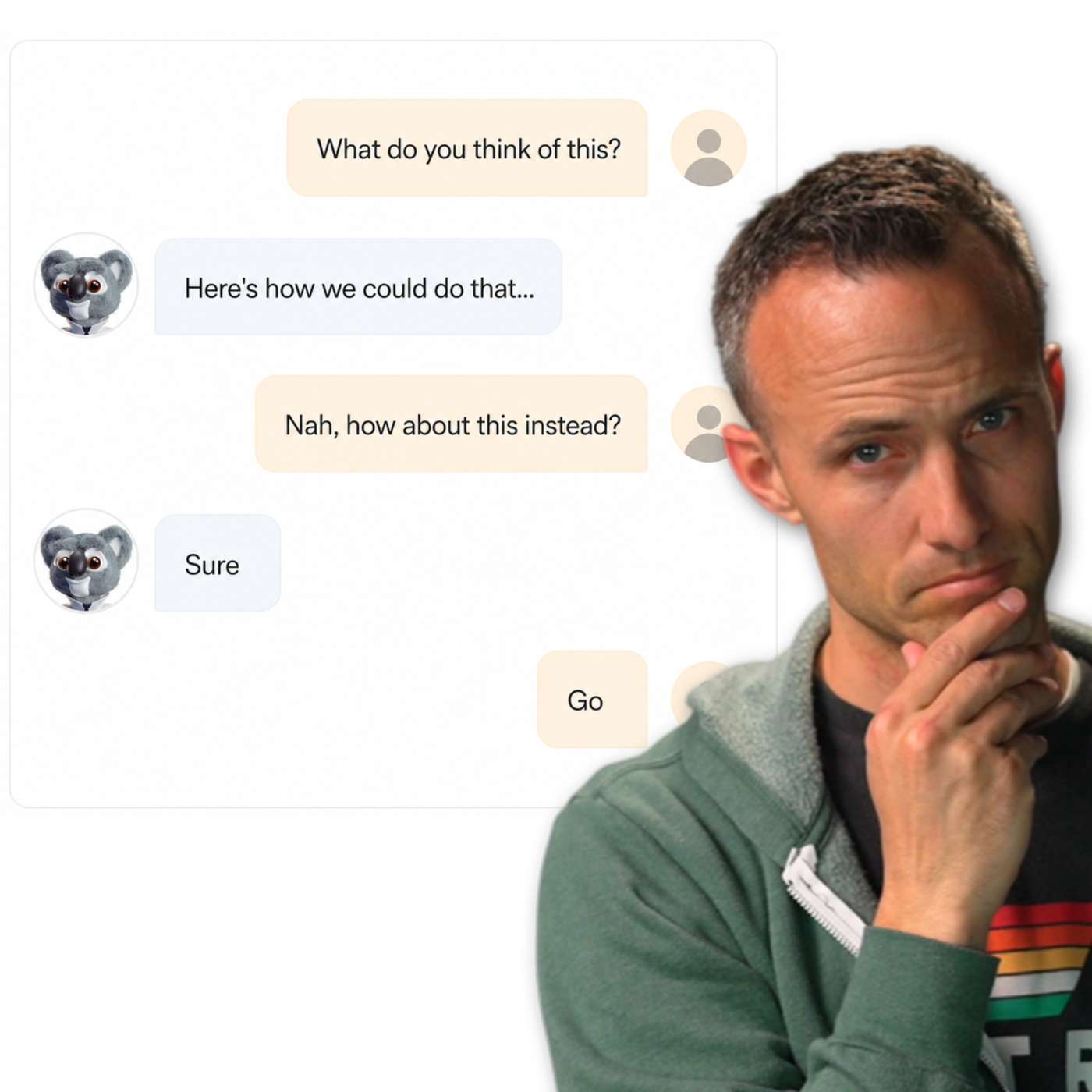
    Most people use agents to write code. Watch Kent use one to decide what to build: gather evidence, argue primitives, peel cleanup into side quests, keep the judgment - and only then type go. (00:00) - Cold open: I think we are aligned, so let's go (00:05) - Better with Kent intro (00:24) - The durable skill: making a product decision with your agent (00:31) - Start at the top: hand the agent the Agents Week post (01:11) - Your agent needs a computer, not a container (02:49) - Agent TLDR: opportunities and a workspace assistant primitive (03:47) - How Kody repo sessions work today (05:32) - Will King: use agents to gather, keep the judgment (06:17) - Built-in primitive or community package? (06:27) - Primitives are hard to remove once you add them (07:37) - Entitlements, cost, and whether the business survives it (09:16) - Ask for real usage data, not speculation (10:38) - Push back when the data is wrong (11:05) - Side quests: spawn other agents so the thread stays on the decision (12:30) - A gap can mean expanding a primitive, not adding one (13:34) - Durable objects vs R2: expertise that saved 13x (15:17) - Catching the agent being sloppy (15:47) - Artifacts is the better backing primitive (17:39) - Least surprise is a product principle too (18:08) - Research: large files in Cloudflare Artifacts (30 MB, 413s, no LFS) (19:39) - Price-conscious prompts make price-conscious agents (20:22) - The call: one repo primitive with a package marker (21:10) - Progressive disclosure, then go (21:52) - Why almost no skills for this conversation (22:20) - Homework: ask for one research deliverable (23:12) - Close: get better together Better with Kent - durable skills for people who ship software. A Cursor cloud agent is sitting mid-conversation and the next thing Kent types is one word: go. Before that, there is a whole product conversation worth watching - because none of it was "write the feature." Cloudflare Agents Week drops @cloudflare/computer, and the real question is not "can we build it" but "what should Kody's primitives be?" Kent walks the actual thread: asking the agent to gather evidence instead of implementing, pushing back when the data is wrong, measuring the large-file ceiling in Cloudflare Artifacts (about 30 MB, 413s, no LFS), catching a durable-object storage choice that would have cost 13x more than R2, and spawning side-quest agents so surfaced tech debt never hijacks the decision thread. The call that comes out of it: no new data-repo primitive - expand the repo primitive with a package marker, gate large files with a friendly redirect instead of an opaque rewrite, and respect the principle of least surprise as a product principle, not just a programming one. Homework: before your next "build it," ask your agent for one research deliverable that could change your mind. If it surfaces cleanup, spawn a side quest. Then say go. Links Cloudflare: Your agent needs a computer, not a container The Cursor cloud agent conversation from this episode Human factors, product debt, and industrial design with Will King Episode slides Better with Kent

    • Transcript
    • Chapters
  • #16
    August 6 · 12 min

    How to increase your leverage with agents

    Agents are doing the work you did months ago. That is not doom - it is how abstraction travel works. Kent shows the climb-dont-cling timeline, a conductor-of-orchestrators example, and a one-week homework handoff. 0:00 Cold open: agents take the job / you climb 0:13 Better with Kent intro 0:24 Tweet claim: agents do months-ago you-work 0:51 Uncle Bob / climb layers of abstraction 1:15 History: assembly to modern languages 1:41 Claude Opus 5 / keep innovating 1:56 Screen: drawing the abstraction timeline 3:25 What are you doing now that agents could do? 4:08 Example: theme-park to conductor of orchestrators 7:40 Challenge: let agents do what you are doing 8:06 Screen: visual-recap / system map PR review 9:07 Don't sit still on the timeline - climb 9:50 What's left for me? Higher leverage keeps appearing 10:32 Homework: list 3 / hand off one 11:04 Uncle Bob: be okay walking away from the code 11:31 Close Better with Kent - durable skills for people who ship software. The things agents do for Kent today are the things he was doing himself months ago. That pattern is old (assembly to Fortran to frameworks to natural language) and the cadence is faster now. This episode reframes abstractions as vehicles: climb the timeline instead of clinging to the last layer. Live draw of the abstraction ladder, a theme-park conductor-of-orchestrators story (Cursor Cloud Agents), system-map PR review instead of giant diffs, and homework: list three hand-work items and hand off one this week. Includes a callout to the Become an Epic Product Engineer conversation with Uncle Bob: be okay walking away from the code. Links Source tweet Episode slides Architecture, AI agents, and product empathy with Robert C. Martin Stop Reviewing Diffs. Start Reviewing Systems. kcd-skills / visual-recap Better with Kent

    • Transcript
  • #14
    August 4 · 12 min

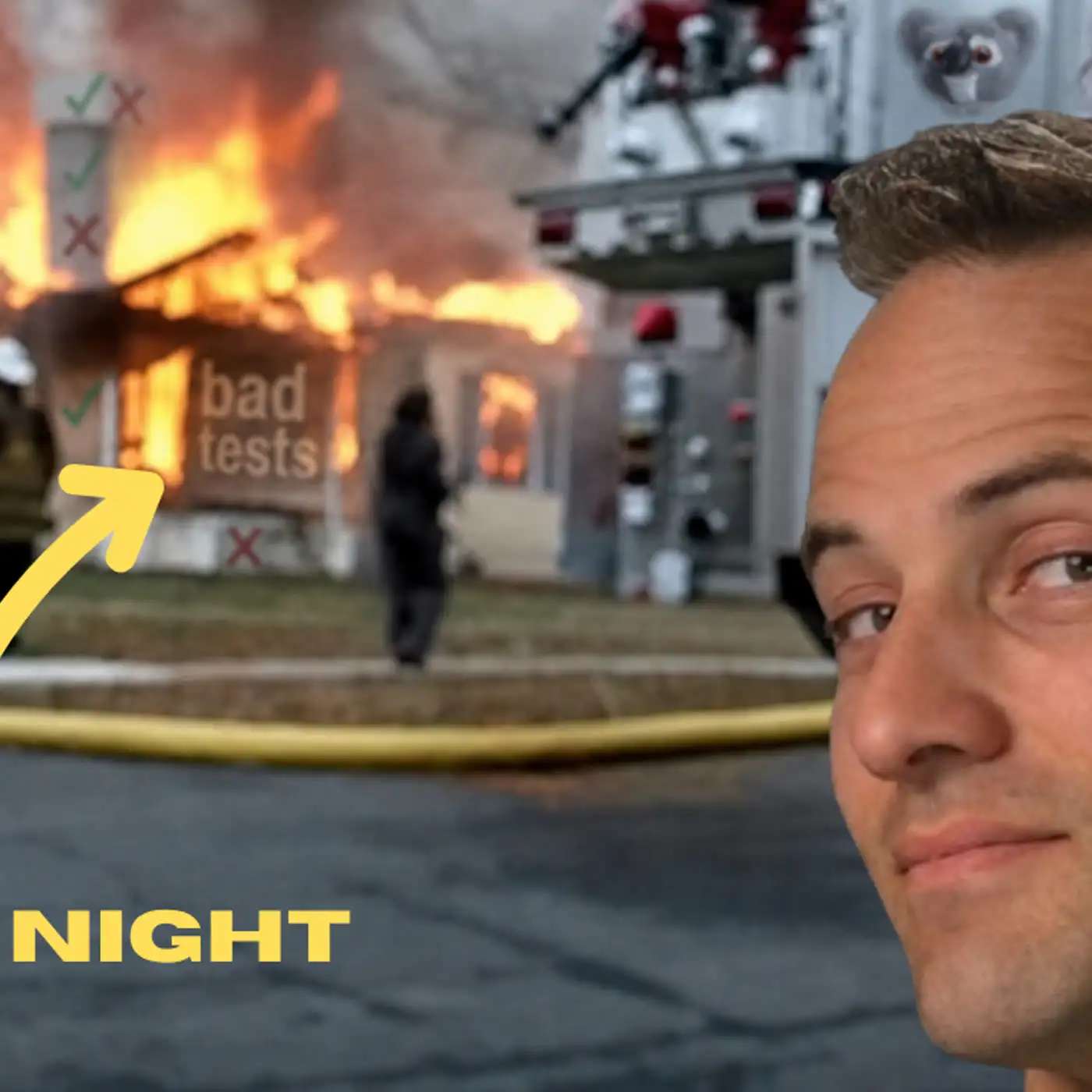
    I Delete Tests Every Night (On Purpose)

    Better with Kent - durable skills for people who ship software. Every morning Kent wakes up to a PR that deletes more lines than it adds. Not flaky tests. Not broken tests. Low-signal ones — tiny wrappers, magic-number asserts, edge cases that will never happen — the kind AI agents love to generate overnight. This episode walks the trap (more green checks ≠ more confidence), the bar (fewer, longer tests written into testing-principles.md), a real cleanup PR (kody#603: +122 / −703), and the Cursor Automation that runs Keep Tests Tight at 03:00 MDT. Homework: run the cleanup once. Give an agent your testing principles and see what it deletes. Chapters 0:00 — Cold open: I delete tests every night 0:15 — Better with Kent intro 0:33 — Every morning a PR that deletes more than it adds 1:04 — More tests are not better tests 2:03 — Tests are expensive to run / change 2:33 — Agents love tiny tests (magic number 42) 3:33 — Green checks are not confidence 4:33 — Screen: testing-principles.md 5:09 — Fewer, longer tests 7:10 — Screen: kody#603 demo 8:38 — Screen: Keep Tests Tight automation 11:32 — Valuable at the time is not keep forever 11:45 — Homework: run the cleanup once 12:19 — Close: delete some more tests Links kody testing-principles.md kody#603 — trim low-signal community suites Keep Tests Tight automation Better with Kent

    • Transcript
    • Chapters
  • #13
    July 30 · 11 min

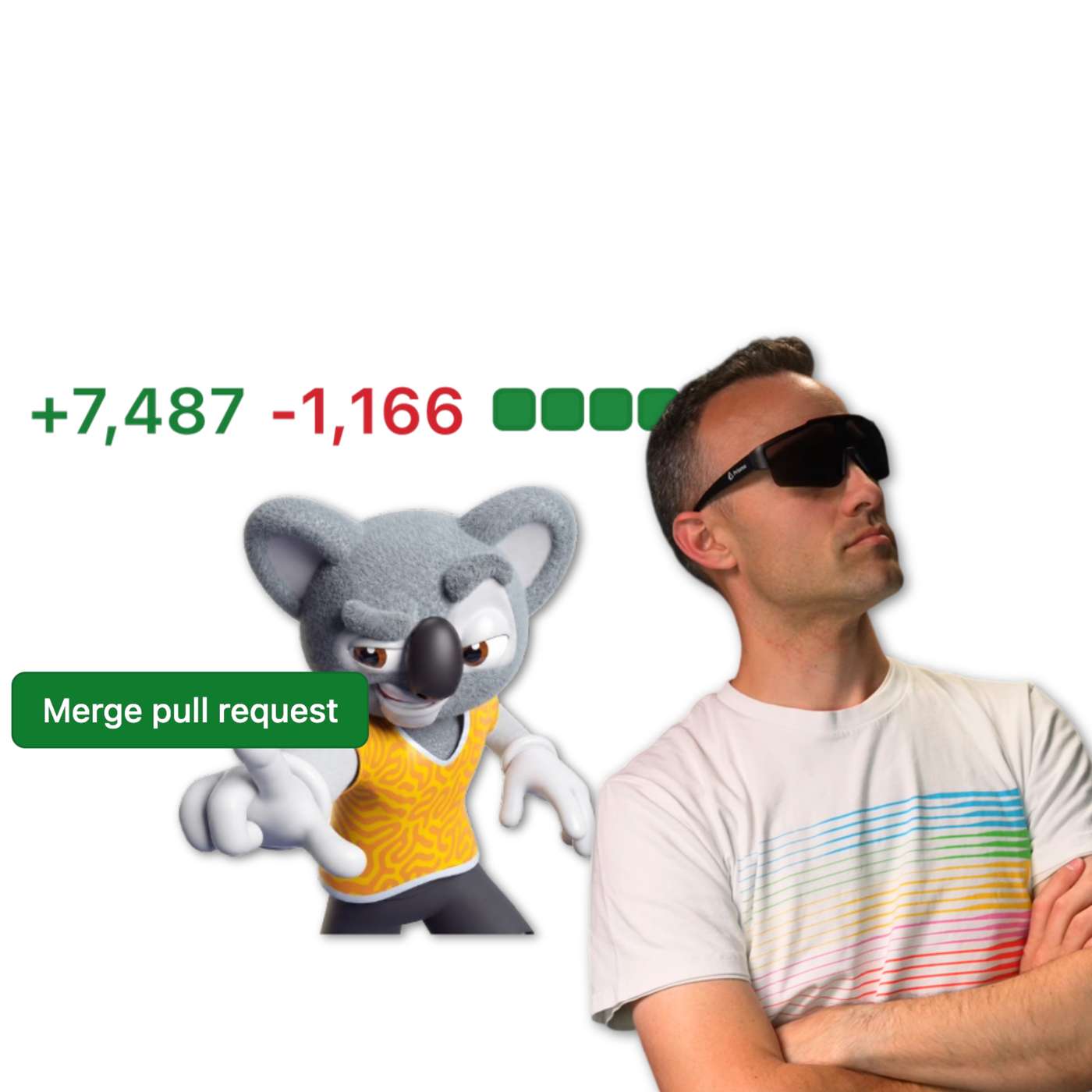
    Forget "read the code," I don't even merge PRs myself

    Your agent opened the PR. Now you're refreshing CI and arguing with bots. Kent shows the ship-pr skill that closes that loop - mark ready, fix CI, triage review, Discord handoff - so you spend attention on risk, not chores. (00:00) - Still reading the code? (01:18) - "I read the code" kicked off a war (01:51) - I do read the code sometimes (02:31) - You're the PR babysitter (03:33) - I turned the loop into a skill (04:14) - Discord handoff is the product (04:33) - When it won't auto-merge (05:25) - Inside the ship-pr skill (06:16) - The ship-pr loop (06:28) - Merge mode (low risk only) (07:09) - How far this scales (07:49) - The factory spectrum (08:58) - Don't ship blind (09:43) - 92 times before it was a skill (10:20) - Homework: ship a PR (11:03) - Sign-off Better with Kent - durable skills for people who ship software. "I read the code" kicked off a war. Kent's take: it's a spectrum based on risk. The afternoon killer is not reading - it's babysitting CI, Bugbot, and "please fix that" loops after the agent already implemented the feature. This episode is the concrete payoff after loop-engineering: real Discord handoffs from Kody (including a medium-risk PR that stayed unmerged on purpose), the ship-pr skill file, merge mode for genuinely low-risk changes, and the 92-times lesson before formalizing a skill. Homework: tighten your ship loop. On a simple change, let the agent merge and verify - if your team is good with that. Links Watch on YouTube kcd-skills / ship-pr kody#709 - medium-risk handoff (no auto-merge) kody#628 - bots + merge by kody-bot Mitchell Hashimoto - "I read the code" Kent's reply on the spectrum I Was Doing Loop Engineering Before It Had a Name Better with Kent

    • Transcript
    • Chapters
  • #12
    July 28 · 8 min

    Stop Reviewing Diffs. Start Reviewing Systems.

    Agent PRs are too big to read line by line. Kent shows a visual system recap in the PR description - classify what changed as composes, extends, or adds - so you review the architecture first, then the code that matters. (00:00) - Still reviewing git diffs? (00:25) - Spectrum: not every line, not zero review (00:43) - Review the system, not just the diff (00:51) - Steve's visual recap (Builder.io) (01:17) - Why I rolled my own (02:30) - System recap + PR #662 (adds) (05:08) - PR #686 (composes — low risk) (05:54) - Primitives playground callback (06:57) - Install kcd-skills visual-recap (07:35) - Homework + close Better with Kent - durable skills for people who ship software. Coding agents ship more code faster, and the review surface explodes. Some people say you have to read every line. Others say never look at the diff. The real answer is a spectrum - and the durable skill is reviewing how the system is changing, not only the syntax. Kent walks through a visual recap approach inspired by Steve at Builder.io, then shows his own kcd-skills version that needs no account, no deploy, and no inference token. The agent that worked the PR writes a system recap block; GitHub renders the mermaid. Live demos: PR #662 adding an MCP client-servers primitive (high risk) vs PR #686 composing onboarding (low risk). Same domain, different review questions. Homework: map your primitives, run visual recap on your next non-trivial PR, and decide whether you are reviewing an add, an extend, or a compose before you open the diff. Links kcd-skills / visual-recap PR #662 - adds mcp-client-servers PR #686 - composes onboarding Slides deck Design Primitives Agents Can Actually Use Better with Kent

    • Transcript
    • Chapters
  • #15
    July 23 · 23 min

    My Agent Ships Across 6 Services Without Seeing a Secret

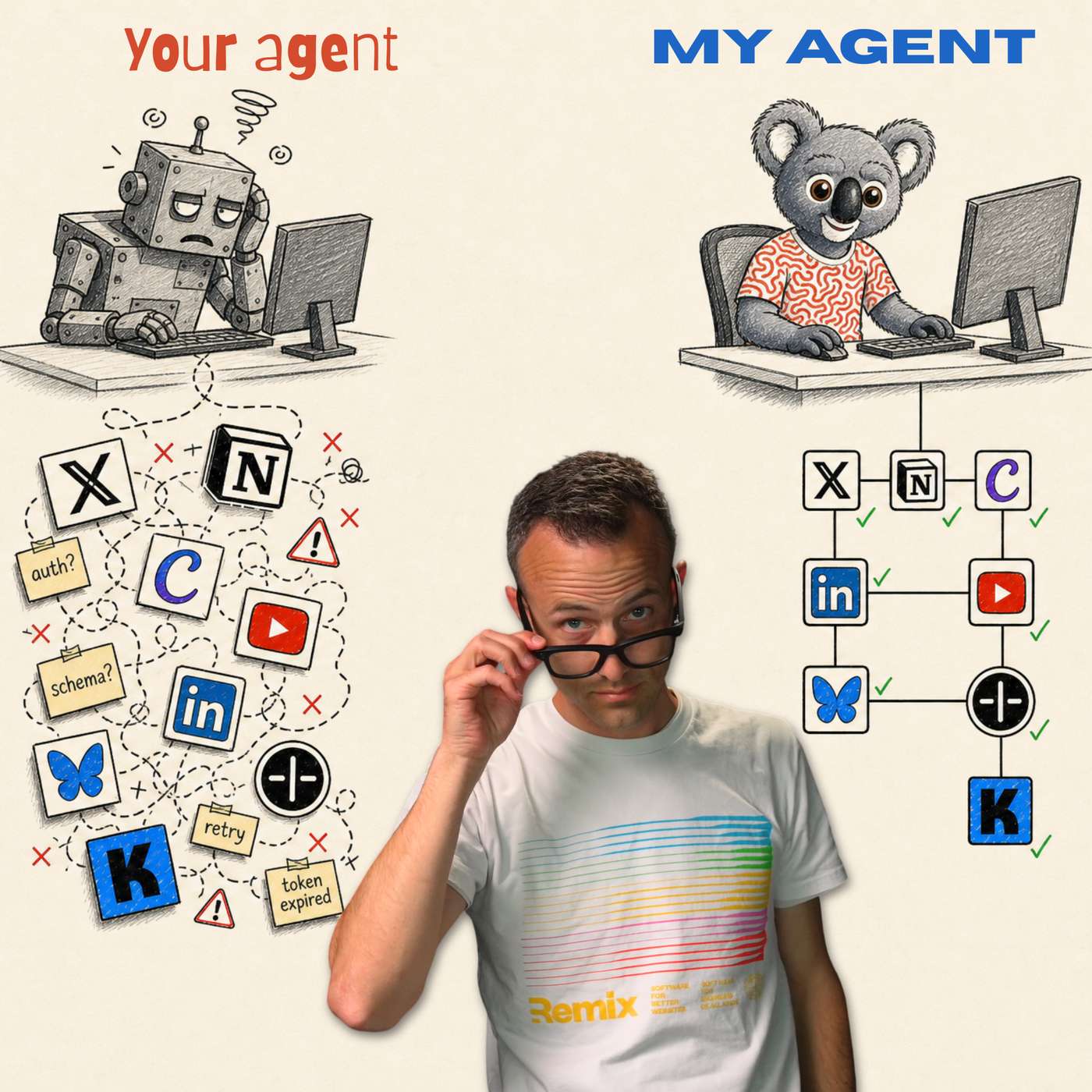
    Want the system from this episode? Check out Kody at https://heykody.dev/ Kent replays a real publish night — one Cursor conversation where the agent drove Notion, Canva, Kit, Transistor, Bluesky, and LinkedIn through Kody packages, with every secret kept out of the agent's reach. (00:00) - Stop copy-pasting between your agent and your services (01:25) - What we're learning today (01:49) - The real publish-night conversation (02:52) - Search: how the agent discovers capabilities (04:12) - The Notion pipeline board (04:42) - Execute: conversation id and memory context (05:50) - Agent-written code without exposing secrets (08:25) - Kody packages: a registry for your agent (09:43) - Token-efficient queries in a dynamic worker (11:53) - No package? Use the OpenAPI spec (Canva) (14:24) - Interruptions: publish date and square artwork (17:04) - Default square designs for every episode (18:15) - YouTube is live: Kit early-access broadcast (19:37) - Launch posts on LinkedIn and Bluesky (20:48) - I use this for everything (22:22) - Homework: wire your services once Better with Kent — durable skills for people who ship software. If you're still copy-pasting context between services and your agent, you're missing the real unlock: wiring those services in once so the agent can compose them. Kent walks through an actual episode publish night, one Cursor conversation at a time — search to discover capabilities, execute to run agent-written code in a fast isolated worker, saved packages instead of raw fetch calls, and OpenAPI bindings when no package exists yet. Along the way: how Kody's memory context and conversation id keep token usage down, how secret templates make it impossible for the agent to ever see a bearer token, mid-task interruptions the agent absorbs without losing the thread, and the Kit, Transistor, Bluesky, and LinkedIn steps that end with a published episode. Links Watch on YouTube Kody Kody on GitHub The chat walkthrough from this episode Your Coding Agent Needs Better Primitives (the episode being published) Better with Kent

    • Transcript
    • Chapters
  • #11
    July 21 · 41 min

    Fable nailed my production YOLO infra migration

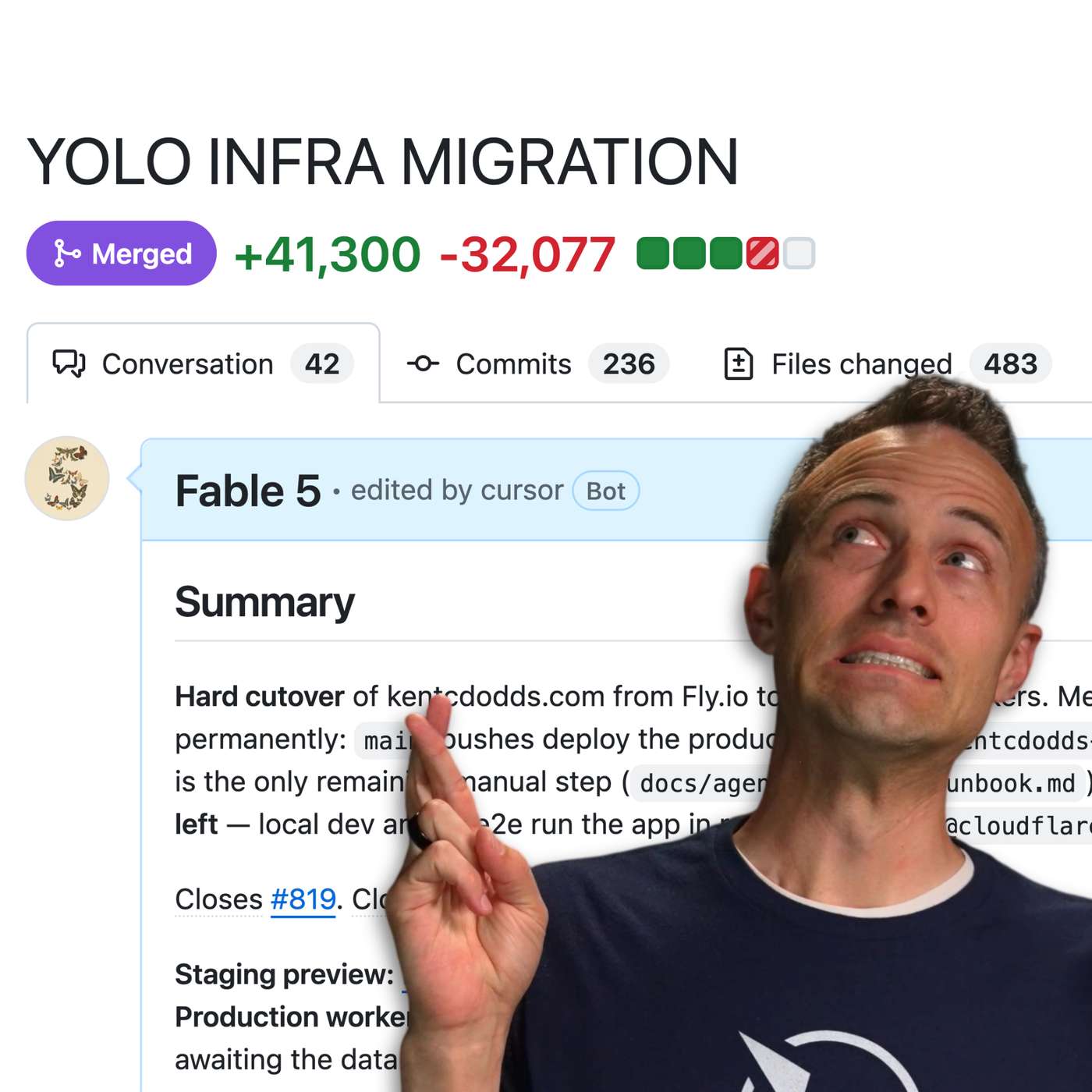
    One orchestrator prompt, six platform swaps, and a real production cutover on kentcdodds.com — the workflow, the review loop, the perf scare, and where the agents were wrong. (00:00) - One prompt, 40,000 lines (00:44) - The site and why migrate (06:38) - PR #813 — 483 files (07:09) - Kickoff prompt anatomy (11:35) - Orchestrate with subagents (16:13) - Steering + scope expansion (21:33) - Three-layer review (23:22) - Kody closes the loop (25:24) - The performance scare (30:22) - Merge and cutover (33:51) - Cleanup waves (37:44) - Was 40k lines worth it? (39:40) - Homework: try orchestration Kent walks through how AI agents moved kentcdodds.com from fly.io to Cloudflare Workers — database, ORM, images, email, MDX pipeline, and more — from a single orchestrator prompt plus steering, subagent swarms, three-layer review, and Kody closing every loop. Includes the performance scare that almost killed the migration, the post-cutover cleanup waves, and an honest rollup of four agent-driven PRs (about 40,000 lines changed). Links PR #813 — migration Slides deck kentcdodds.com

    • Transcript
    • Chapters
  • #10
    July 15 · 16 min

    Your Coding Agent Needs Better Primitives

    If your coding agent keeps producing garbage, better prompting may not fix it. Kent shows how intentional system primitives make agents more reliable, efficient, composable, and auditable. (00:00) - Bad agent output starts in the system (00:37) - We are all tech leads now (01:28) - What is a primitive? (04:57) - Four moves: create, combine, delete, expand (06:01) - Create: role-based access control (07:59) - Combine: downshift and Kody packages (10:37) - Delete: Instagram and Kody email (12:22) - Expand: packages subscribe to events (13:51) - Why good primitives work (14:43) - Homework for your agent (15:32) - Keep evolving the system Better with Kent — durable skills for people who ship software. If your coding agent keeps producing garbage, the model may not be the problem. Agents are only as effective as the system they work in: the UI components, APIs, data entities, platform tools, workflows, and trust boundaries they can reliably use. Kent explains four moves for improving that system: create missing primitives, combine overlapping ones, delete rigid or unused ones, and expand the primitives that should cover more. The examples come from real product work — Kody's role-based access control and event subscriptions, PayPal's three combobox implementations becoming downshift, and Instagram winning by deleting most of Burbn. The payoff is a smaller action space with less guessing, fewer brittle workarounds, and behavior you can actually audit. The episode closes with homework you can run in your own codebase today: ask your agent which primitives you should create, combine, delete, or expand. Links Better with Kent Kody downshift I built my own OpenClaw

    • Transcript
    • Chapters
  • #9
    July 9 · 11 min

    The Framework wars are over. Why no one dethroned React

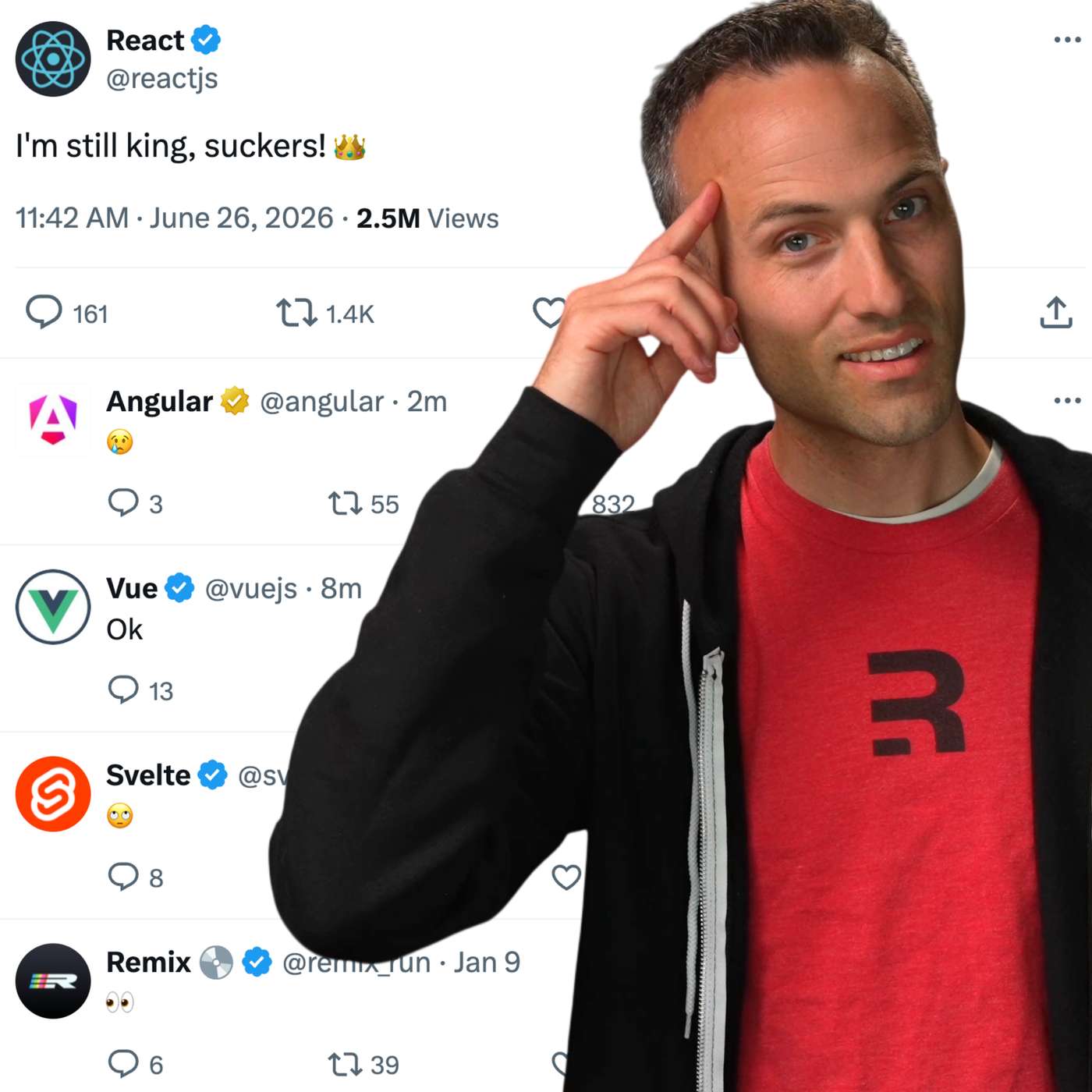
    Kent reacts to Dax's question on X — why no framework dethroned React — and connects it to Jobs Theory, network effects, and why framework choice matters less when agents write the code. Chapters 00:00 — Why did nobody dethrone React? 00:24 — Dax's question on X 00:49 — React is the last UI library (2020) 02:47 — Functional first, then social and emotional 03:36 — What made React functionally better 06:43 — Network effects and "nobody got fired for choosing React" 07:38 — Why framework choice matters less with agents 09:27 — Jobs Theory: apply this to everything you ship 11:14 — Wrap-up Better with Kent — durable skills for people who ship software. Every few years the internet declares the framework wars over — usually with React as the loser. Svelte was going to win. Then Solid. Vue had its moment. Angular never left. And somehow, after a decade of "React is dead" takes, React is still the default for an absurd amount of real product work. Kent's take: React won functionally first (state sync, composition, drop-in UI focus), then socially and emotionally once it hit critical mass. Challengers can still be "better" on paper — but once agents can use any capable stack, the throne fight stops mattering the way it used to. Links Dax (@thdxr) — why no framework dethroned React Kent (2020) — React is the last UI library anyone needs to learn Better with Kent — Practical Jobs Theory Watch on YouTube Better with Kent React Become an Epic Product Engineer

  • #8
    July 7 · 30 min

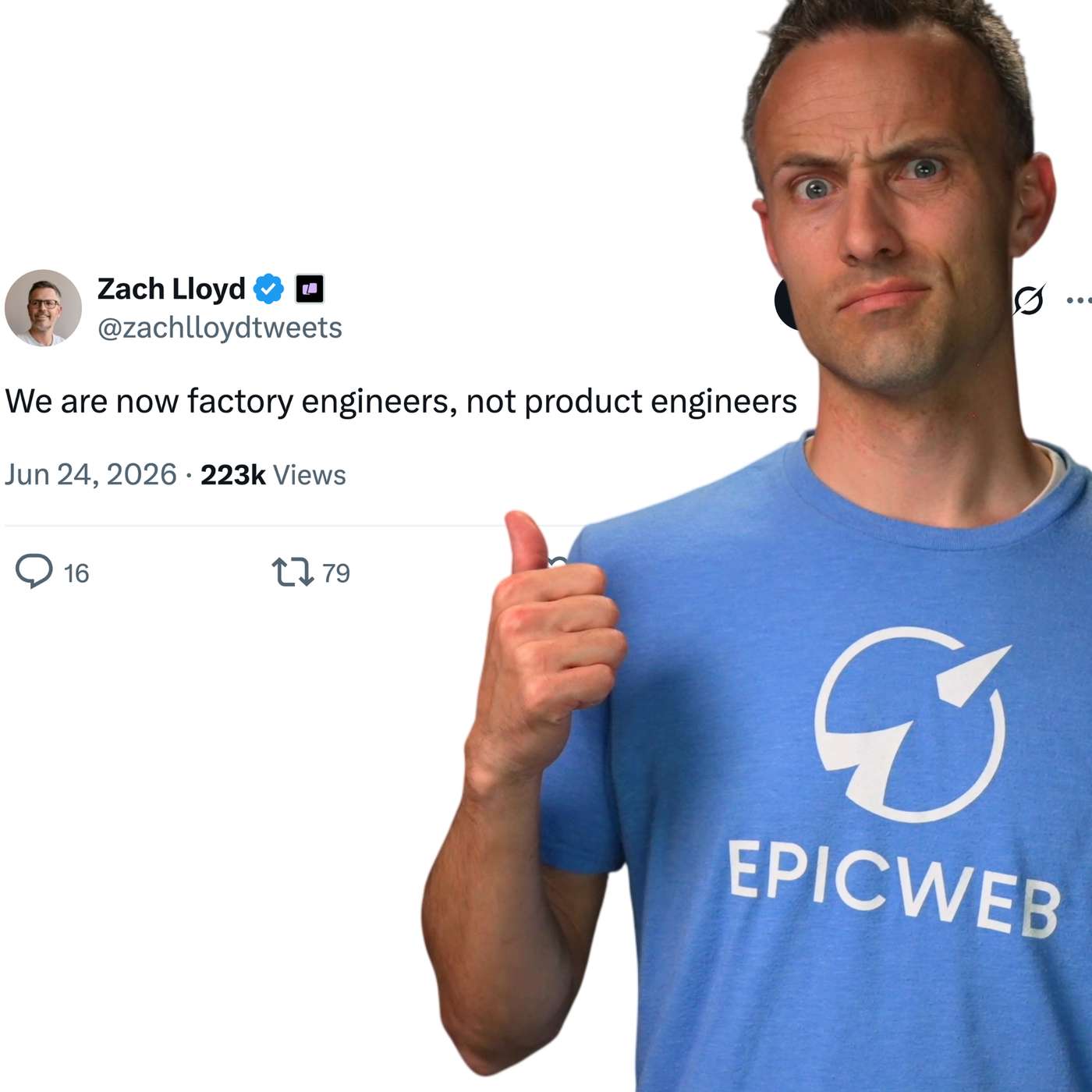
    What the devil is a Factory Engineer?!

    Kent reacts to Zach Lloyd's Warp memo on "factory engineers" — where the software-factory vision is right, where it misses product context, and why factory work still comes back to users. Better with Kent — durable skills for people who ship software. Warp CEO Zach Lloyd told his team they are now factory engineers, not product engineers. Kent reads the memo aloud and pressure-tests the framing: automated development, cloud software factories, agent workflows, and the metrics that can game you if you forget what users are paying for. He agrees with a lot of the direction — build the system agents work in, measure throughput, tighten the loop — but pushes back on anything that treats the product as optional. Internal tools still have users. Factory efficiency only matters when the right work goes in. And yes, the memo's last word is still product. If you're trying to make sense of agentic engineering without losing product judgment, this is the durable-skills read-through. Links Better with Kent Warp — We are now factory engineers, not product engineers Warp software factory (build.warp.dev) Become an Epic Product Engineer

    • Transcript
  • #7
    July 2 · 11 min

    I got attacked! - How I used my AI agent to fight back!

    Kent walks through a real bot/crawler flood against kentcdodds.com, how agentic tooling helped diagnose and mitigate the outage, and what he changed so anonymous traffic is cheaper next time. Better with Kent — durable skills for people who ship software. Kent got a Sentry alert that kentcdodds.com was down. A bot or crawler flood had pushed his single Fly.io machine past its request limit, and the expensive parts of his dynamic blog pages made anonymous traffic hit harder than it should have. This episode walks through the incident response: asking a Cursor agent to investigate with repo context, Kody, Fly CLI access, Cloudflare context, and Grafana evidence; restarting and scaling the machine; blocking junk routes before they hit the origin; and identifying a DigitalOcean host driving a scripted high-concurrency crawl flood. The durable lesson is not "let AI run production." It is that agents become useful during incidents when they have the right context, observability, tools, and boundaries. The same agent that can read code can also connect symptoms to logs, infrastructure, and follow-up fixes. Links Better with Kent Sentry Fly.io Cloudflare Grafana

    • Transcript
  • #6
    June 30 · 22 min

    I built my own OpenClaw

    Kent shows how Kody gives the coding agent he already uses search, execute, and saved packages so exploratory workflows can become durable personal automation. (00:00) - Kody handled the demo (00:41) - Why personal agents have not stuck (02:21) - Search and execute (04:31) - Kitchen glare walkthrough (06:47) - Turning one action into a package (08:48) - Scheduling deterministic workflows (10:24) - What I use Kody for today (13:25) - Connectors, capabilities, and packages (15:04) - Code Mode and MCP (16:59) - Augmenting existing software (18:24) - Integrations, OAuth, and secrets (20:53) - What should Kody become? Better with Kent — durable skills for people who ship software. Kent walks through Kody, the thin runtime layer that lets the coding agent he already uses discover capabilities, execute sandboxed code, and save useful workflows as packages. Instead of maintaining a separate personal assistant brain, Kody gives Cursor, Codex, Claude Code, and similar agents a way to connect to personal APIs, home automation, jobs, integrations, secrets, and reusable package exports. The episode uses an office-chaos cold open and a kitchen glare walkthrough to show the progression from one-off prompt, to executable code, to saved package, to scheduled workflow. Links Kody Better with Kent

    • Transcript
    • Chapters
  • #5
    June 23 · 14 min

    Pragmatic Loop Engineering for AI Coding Agents

    Kent shows how he closes agentic loops in real Cursor workflows: manual testing, PR review loops, Cursor Automations, and the stop conditions that keep humans in the right place. (00:00) - Loop engineering before the name (00:11) - Boris on loops (00:33) - Better with Kent (01:01) - What the loop is (02:59) - Tests were already a loop (03:24) - Browser mode and manual testing (05:35) - Human-driven PR looping (06:43) - My first real loop (08:37) - Boundaries and stop conditions (09:37) - Cursor Automations (11:29) - Trading compute for attention (12:24) - Homework (12:52) - Closing Better with Kent — durable skills for people who ship software. Loop engineering sounds new, but Kent has been building toward it through a series of practical workflow improvements: automated test loops, Cursor browser mode, Cursor Cloud Agent manual testing, pull request feedback loops, and finally Cursor Automations. This episode walks through what a useful agentic loop actually needs: a trigger, an act/observe cycle, a stop condition, and a human boundary. Kent shows how he uses agents to mark PRs ready for review, respond to AI reviewer feedback and CI failures, and ping him when the loop has reached its stop condition. The key idea is not removing the human. It is widening the loop so more verification happens before your attention is required. Links Better with Kent How I Build Web Apps in 2026 Manual testing example PR Manual PR feedback loop example First informal self-running loop PR First formal PR loop example

    • Transcript
    • Chapters
  • #4
    June 16 · 21 min

    Stop Taking Tickets, Start Applying Jobs Theory

    Kent walks Clay Christensen's jobs-to-be-done lens on a food-delivery shared-cart ticket — three questions that turn a solution into a job statement, plus Wayne Allan's Australia flop and Aaron D. Francis on deciphering feature requests. (00:00) - Your backlog is full of solutions (01:27) - Jobs to Be Done (03:12) - Shared cart ticket (04:04) - When it goes wrong — Wayne (06:01) - Three questions before you estimate (06:40) - Question 1 — progress and circumstance (08:56) - Question 2 — what they hire today (10:09) - Question 3 — what would fired look like (11:22) - Aaron on solutions vs jobs (12:54) - The job statement (13:47) - Stack with Kano (14:40) - Big hire vs little hire (17:19) - The habit — what job is this for? (19:27) - Homework (20:12) - Books and close Better with Kent — durable skills for people who ship software. Your backlog is full of proposed solutions. Kent walks a shared cart / group ordering ticket (same food-delivery app as the Kano episode) through Clay Christensen's Jobs to Be Done framework — why the expensive mistake is building the wrong thing, not bad code. Three beats land early: a ticket is not a job, hire/fire/progress language, and the habit "What job is this for?" before the estimate, PRD, or agent prompt. When it goes wrong — Wayne Allan (*Become an Epic Product Engineer*) on building for every person in Australia logging in at once: ~1.2M AUD, zero users. Three questions before you estimate: progress and circumstance, what they hire today (group text, separate orders, Venmo as workaround), and what "fired" looks like. Aaron D. Francis on what users actually want vs the button they asked for. The job statement: *When our team orders lunch together, help us coordinate food and check out once — without a 40-message thread.* After you ship: little hire vs big hire, why metrics alone miss the emotional job, and stacking qualitative signal. Homework: one sentence — what is the job to be done? Links Wayne Allan — The right thing before the thing right (Become an Epic Product Engineer) Aaron D. Francis — Vertical slices, Solo, and empathy (Become an Epic Product Engineer) *Competing Against Luck* (Clay Christensen et al.) HBR — Know Your Customers' "Jobs to Be Done" *Jobs to be Done: Theory to Practice* (Anthony Ulwick) The Last Software Engineer (essay) How to Prioritize Software Tasks (Better with Kent — Kano episode) Better with Kent on kentcdodds.com

    • Transcript
    • Chapters
  • #3
    June 12 · 16 min

    How an AI Agent Deleted PocketOS Production in 9 Seconds

    When an AI coding agent guessed its way through bad permissions and deleted months of PocketOS production data in nine seconds — and what durable skills would have stopped it. (00:00) - Cold open — car rental (01:49) - Today's story (10:29) - Railway recovery (14:57) - Three questions (16:29) - Close Better with Kent — durable skills through story. Episode 3 is a cautionary tale: on April 24, 2026, a Cursor agent working on PocketOS staging found a forgotten Railway API token, guessed it could delete a staging volume safely, and wiped production in nine seconds — along with volume-level backups in the same blast radius. Jer Crane and his co-founders spent days reconstructing customer records while Railway worked recovery. Kent walks the full chain: least privilege, independent tested backups, hard approval boundaries for destructive ops, and why markdown guardrails are not system boundaries. The principles are old; agents just find the holes faster. Creative license for pacing; primary sources linked below. Based on Jer Crane's public account of the PocketOS incident. Links Jer Crane interview (Agents Go Wild) Railway — Your AI wants to nuke your database Jer Crane — original incident write-up (mirror) Zenity — System prompts are not security controls Better with Kent on kentcdodds.com

    • Transcript
    • Chapters
Showing 1–20 of 23 episodes