She considered paying for sex.
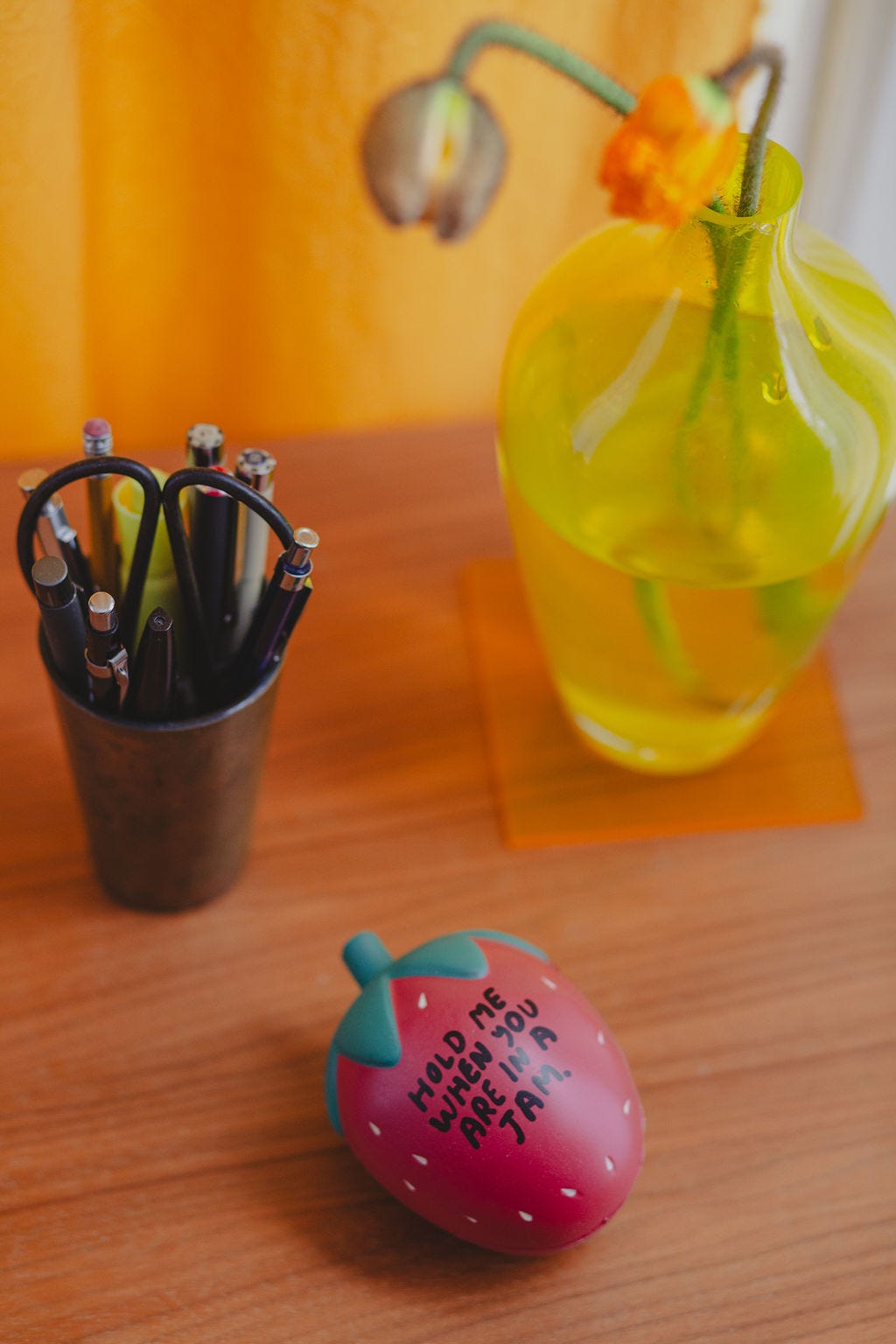
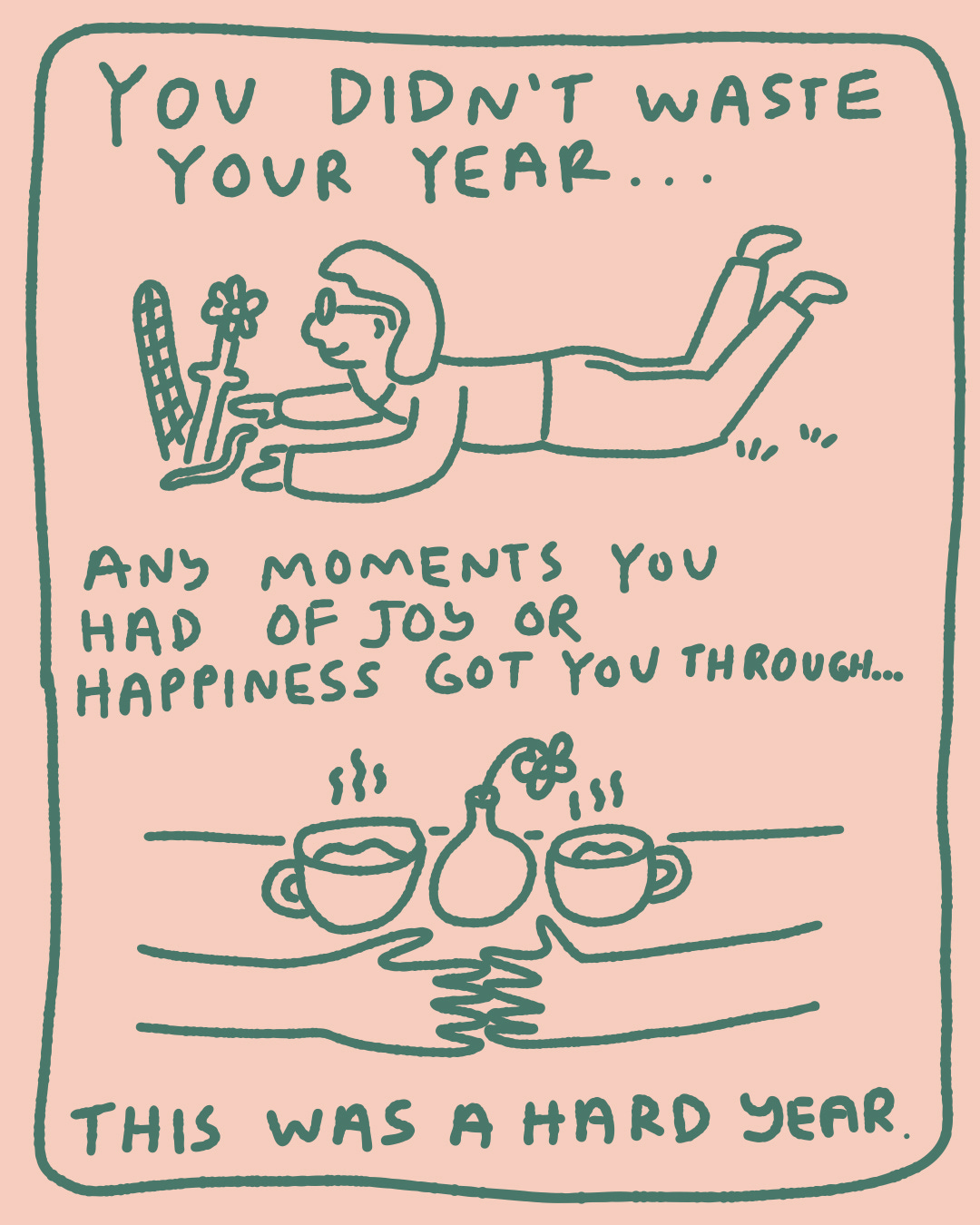
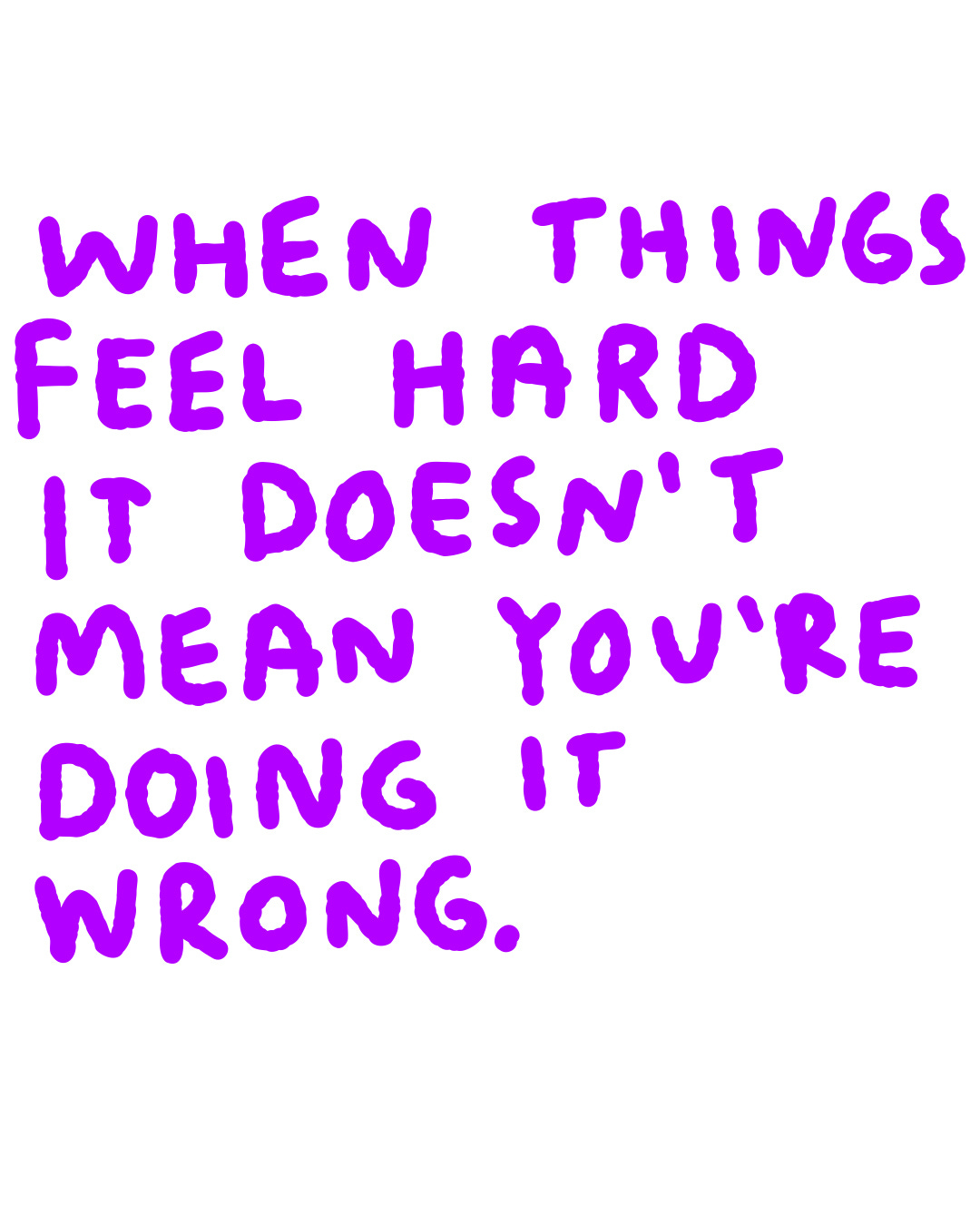
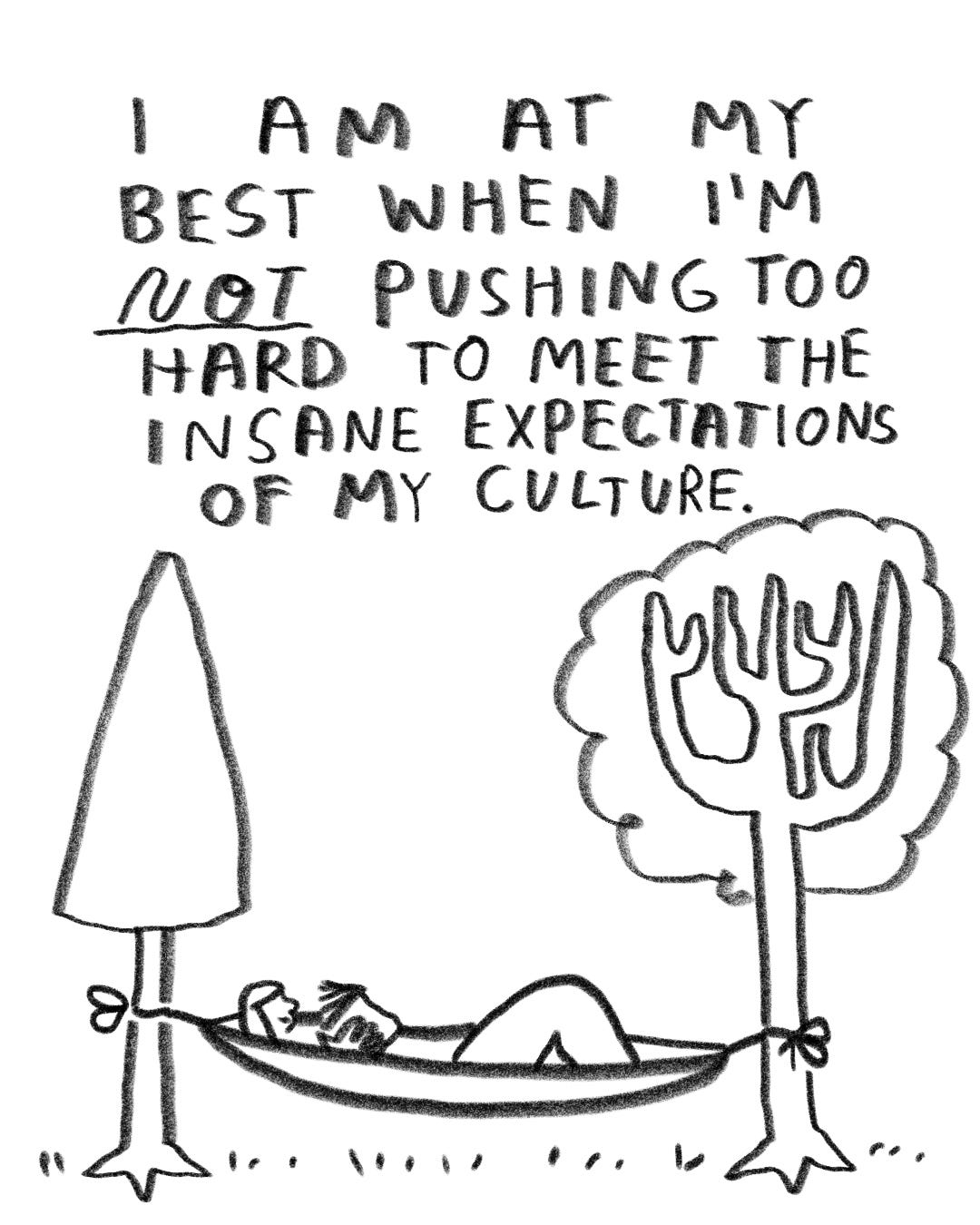
A few months ago, I posted this episode, because I thought it was SO good behind a paywall. BUT I really want you all to hear what Savala has to say, so here goes. On Being Good with Savala Nolan Last night my husband was disappointed about a hot dog. He wanted a braught. Like not the thing I brought home. Not metaphorically. An actual hot dog, the wrong kind, because I’d gone to the store and grabbed a veggie one and we had some hot dogs. He didn’t make a scene. He was just quietly, visibly disappointed. And something in me lit on fire. I am not good at letting his disappointments not affect me. Because he had taken a nap. He deserved a nap. We all do. I stood in the kitchen doing the math that women have been doing forever — the meal planning, the grocery run, while doing laundry, the pickups, the social planning, the bedtime routine, all of it running parallel to a full time job — and I thought: I have spent my whole life trying to be good. And this is what it looks like. I’ve known Savala Nolan for a few years, since her first book Don’t Let It Get You Down stopped me cold. So when Good Woman came out — one of Ms. Magazine’s most anticipated books of 2026 — I couldn’t get my hands on it fast enough. Savala is a social justice lawyer, a mother, a writer, and about a thousand other things. And in Good Woman she asks the question I didn’t know I’d been waiting for someone to ask out loud: what does it actually mean to be good? Not good in the abstract — good as a woman. Good as a daughter, a partner, a mother. Good in the way we were all quietly handed a blueprint for and told to follow without question. Her argument is not gentle. We have been sold a lie. The lie is that goodness — the performing of it, the exhausting maintenance of it — will make our lives good in return. That if we are pretty enough, helpful enough, quiet enough, we will be rewarded with happiness, contentment, safety. That the hot dog will be appreciated. It won’t. It never was going to be. Savala has a practice she’s developing with her own daughter, and I haven’t been able to stop thinking about it since she told me. She calls it raising her wild. Not wild like feral, not wild like out of control. Wild like: allowed to feel what she feels without being shamed into swallowing it. Wild like: she gets to choose what she wears, who she loves in movies, what she wants to be when she grows up — even if what she wants to be is the Wicked Witch and not Dorothy. Wild like: she can play in the mud because it feels good on her skin and that is reason enough. I am trying to do this with my daughter Margaret too. It is harder than it sounds. Because the training runs deep. I catch myself doing it — the gentle redirect away from the big feeling, the suggestion that maybe we don’t need to be quite so loud right now, the subtle steering toward the easier, softer, more acceptable version of herself. The good girl version. And then I have to stop and ask: good for whom? Savala’s point is that this is where it starts. Not with the hot dog, not with the marriage, not with the years of quietly shrinking — it starts here, in childhood, when we first learn that our hunger is inconvenient. That our wildness needs managing. That being good means making ourselves easier for everyone else to be around. What if it didn’t have to start there? What if we let them stay wild long enough to know what they actually want? I don’t have it figured out. But I am paying attention now in a way I wasn’t before. And some days Margaret comes home from school and something happens and instead of telling her to calm down I just say: tell me everything. And she does. And it is loud and it is messy and it is completely, perfectly her. That feels like a start. What I love about Savala is that she doesn’t just burn it down and leave you in the ash. She asks: if we don’t have to be good, what is the something else we’re all quietly yearning for? How do we even name it after a lifetime of not being allowed to want it? She goes there. All the way there. After her divorce, she considered paying for sex — not as a punchline, but as a serious question about desire and its costs. Who pays for it, who performs it, who is allowed to simply want it without owing anything in return. The gendered economy of longing. What we have been taught to do with our hunger instead of feeding it. That hunger is the thread running through the whole book. What are we all trying to tame into something safer, something more acceptable, something good? And what are we losing every time we do? And then — this is the part that stayed with me longest — she asks what it would mean if the metaphor for God wasn’t father, but mother. Not a distant authority to earn approval from, but the kind of love that is already attuned to you. Already present. Already certain of your worth before you’ve done a single thing to deserve it. Her complicated start of an answer to all of it is this: be your own beloved. Let all creatures drink of joy. I’ve been thinking about that phrase since I finished the book. What it would mean to treat yourself with the same devotion you’ve spent years pouring outward. To be as attentive to your own hunger as you have been to everyone else’s. Even when they wanted a different hot dog. This conversation is one of my favorites I’ve ever had. We talk about motherhood and God, about divorce and desire, about raising daughters who don’t shrink. I think it’ll make you a little angry in the best way, and then it’ll make you feel free. And if you haven’t read the book yet — go get it. Here. Savala is on Substack, check her out here: OK, sending love, Carissa PS The music from this podcast is by my sister, Officially Quigley. It was edited by Mark McDonald (who will make you feel like you can be Terry Gross even when you stumble over words like “morning”). PPS If you want to support us at People I’ve Loved, but paying for emails is not your thing, get yourself a MUG or get one as a gift. Here is one we make (I drew this while thinking of my mom): OK bye for real :) This is a public episode. If you'd like to discuss this with other subscribers or get access to bonus episodes, visit peopleiveloved.substack.com/subscribe