Skip to content
Artwork for Autism Labs
Kids & FamilyParentingBusinessNon-Profit

Autism Labs

Autism Labs Community

Practical tips and evidence-based guidance to make life easier for you and your severely autistic loved ones.

Play
  • 21 episodes
  • weekly
  • Avg 17 min
  • English
Counted on this page — what you have heard stays on this device, so it is not something the list can be paged by.
  • S5 · E32
    Monday · 15 min

    Autism at 18: Do You Really Need Guardianship? with Melissa Donovan

    What actually happens when your autistic child turns 18? For many families, this transition brings overwhelming questions about guardianship, SSI, financial planning and long-term independence. But what most parents don’t realize is that guardianship is not always required and in some cases, it may not be the best option. In Part 2 of this conversation, Mike Carr speaks with special needs planning attorney Melissa Donovan to break down the real decisions families face as their child approaches adulthood. Melissa explains how SSI eligibility works, why guardianship and benefits are not directly tied together, and what alternatives families should consider before making permanent legal decisions. She also shares why it’s never too early to begin financial and estate planning and how most plans can evolve over time as your child’s needs change. This episode is especially valuable for parents of children with moderate to profound autism who are beginning to think about long-term care, independence and financial security. Key topics include guardianship vs supported decision-making, special needs trusts, SSI eligibility, Medicaid considerations and how changing laws may impact future planning. If you’re feeling overwhelmed by the transition to adulthood, this conversation will give you clarity, direction, and practical next steps.

    • Transcript
    • Chapters
  • S5 · E31
    August 17 · 26 min

    What Happens at 18? Autism Guardianship & Money Mistakes with Melissa Donovan

    What happens when your autistic child turns 18? For many families, this transition brings unexpected legal and financial challenges and without the right plan, it can put your child’s care and benefits at risk. In this episode of Autism Labs, Mike Carr sits down with certified elder law attorney Melissa Donovan to break down the essential steps parents need to take before their child reaches adulthood. Melissa specializes in special needs planning, including guardianship, government benefits and estate strategies. She explains how families can protect their child’s future while avoiding common mistakes that could jeopardize critical support like SSI and Medicaid. Key topics include: • Why guardianship is not automatic at age 18 • When to begin the guardianship process • What happens if no legal plan is in place • How special needs trusts protect benefits • The role of ABLE accounts in financial planning • Differences between SSI and SSDI • Common mistakes families make during transition This episode is designed for parents, caregivers and professionals supporting individuals with profound autism or complex disabilities. If you're approaching the transition to adulthood or already navigating it, this conversation will give you clarity and direction on what to do next. Watch the full podcast here: https://youtu.be/uw6PlQS1NeE?si=6ezDWmyUQGaJDYci

  • S5 · E30
    August 10 · 15 min

    Autism After 22: What Parents Must Do Now with Jon Hockenyos

    What happens after individuals with profound autism age out of the school system? In this episode of Autism Labs, Mike Carr sits down with Jon Hockenyos, a father and advocate navigating life with a profoundly autistic adult son. Together, they explore what truly drives growth, independence and quality of life in adulthood and why many traditional programs fall short. Drawing from real-world experience, they discuss the importance of environment, leadership and culture in autism services. They also share practical insights on preparing for transition, avoiding common pitfalls and creating opportunities for continued development well beyond childhood. Key themes include: Redefining independence in profound autism The impact of environment on behavior and learning Why staff consistency is critical Preparing early for life after 18 and 22 Creating communities where individuals can thrive This episode is essential listening for parents, caregivers and professionals seeking better outcomes for autistic adults. Watch the Full Podcast here: Part 1: https://youtu.be/ImPfpktqfcQ?si=ll_nxoH2QeXlGP9W Part 2: https://youtu.be/e12UVMROLjg?si=wX6pFyF1V_bKXDA4

    • Transcript
    • Chapters
  • S5 · E29
    August 3 · 19 min

    What Happens After Your Child Ages Out? Two Dads Share Truth with Jon Hockenyos

    What happens after autism services end? In this powerful Autism Labs episode, Mike Carr sits down with Jon Hockenyos economist, policy expert and father of a 23-year-old son with profound autism for a candid, dad-to-dad conversation about life after the school system. Together, they explore the reality families face when structured support disappears. From early experiences of being removed from programs due to behavior, to navigating a broken adult services system with decades-long waitlists, this episode highlights the critical gaps in care for profoundly autistic adults. Jon shares insights from both a personal and professional lens, including his work on insurance mandates and public policy. The conversation also dives into the financial burden of lifelong care, the inefficiencies of current funding systems and why many families are forced to create their own solutions. Mike and Jon discuss how they came together to build a residential model focused on community, familiarity and intentional support giving their sons the opportunity to gradually transition toward independence in a safe and trusted environment. Key Topics Covered: The “autism cliff” after age 18-22 Why behavior limits access to services Medicaid waiver waitlists and funding challenges The true cost of lifelong autism care Preparing for residential living Building community-based solutions for adults This episode is essential listening for parents, caregivers and professionals seeking honest insight into the future of autism care. #Autism #ProfoundAutism #AutismPodcast #AutismAdults #AutismSupport #SpecialNeedsParenting #DisabilityServices #Caregiving #AutismTransition #AdultAutism

    • Transcript
    • Chapters
  • S5 · E28
    July 27 · 14 min

    Finding Safe Residential Care for Profound Autism (What We Learned)

    Finding the Right Residential Program for Profound Autism: What Really Matters After more than two decades of searching for the right residential environment for his profoundly autistic son, Mike Carr shares a deeply honest look at what families must consider when evaluating long-term care options. In this episode, Mike explores the limits of AI-driven research after testing multiple platforms and receiving completely inconsistent recommendations. More importantly, he walks through real-life visits to autism residential programs, revealing critical red flags and powerful insights that don’t show up in online reviews. From staff culture and safety concerns to dignity, engagement, and trust, this conversation offers a practical framework for parents, caregivers, and professionals navigating one of the most important decisions in autism care. Key Topics Covered: • Why AI falls short in evaluating autism residential programs • Red flags: restraint practices, staff disengagement, lack of transparency • The importance of staff feedback and parent experiences • Why visiting multiple times (including off-hours) is essential • What truly defines quality care for profoundly autistic adults • How to prioritize dignity, safety, and meaningful engagement This episode is a must-listen for families planning for the future of an autistic child, teen, or adult. 🎧 Watch the full podcast to Download the AI Prompt and Results: https://youtu.be/YzfzITK50vE?si=LoQoSNG8QFxLUbhz

    • Transcript
    • Chapters
  • S5 · E27
    July 20 · 9 min

    The Reality of Raising a Profoundly Autistic Adult. Nobody Talks About This

    Some mornings feel impossible but years later, they're the stories that keep us going. In this deeply personal solo episode, Mike Carr steps away from the topic of guardianship to share an unfiltered look at one unforgettable morning caring for his 36-year-old son, Michael, who is profoundly autistic and nonverbal. From soaked bedding and piles of laundry to broken technology, sensory-seeking behaviors, endless glasses of water and bathroom mishaps, Mike walks listeners through the kind of morning that many autism families know all too well. More than a collection of funny stories, this episode highlights an important truth: humor is often one of the most powerful coping tools available to long-term caregivers. Mike also discusses the importance of finding other parents who truly understand the realities of profound autism, sharing experiences without judgment and building a community where families can laugh, vent and encourage one another through life's most challenging days. In this episode you'll discover: The everyday realities of raising an adult with profound autism Why laughter can reduce caregiver stress and burnout Common challenges including incontinence, sensory seeking, pica-like behaviors and communication differences How community support helps parents feel less isolated Why hope often comes from hearing someone else's story Whether you're a parent, caregiver, autism professional or simply want a better understanding of profound autism, this episode offers an honest, compassionate look inside daily life that is rarely seen but deeply relatable for many families. If this episode resonates with you, share it with another caregiver who could use a reminder that they're not alone. Watch the full episode here: https://youtu.be/Z_jX8Lujo_s?si=qNTaKQVnDp2LB8uA

    • Transcript
    • Chapters
  • S5 · E26
    July 13 · 14 min

    Autism Future Planning: 9 Steps Every Parent Must Take

    What happens to your child with autism when you’re no longer there to care for them? In this episode of Autism Labs, Mike Carr shares a deeply personal and practical guide to future planning for children with autism especially those with higher support needs. After a moment that exposed how unprepared systems can be, Mike walks through a 9-step planning checklist designed to reduce fear, uncertainty and costly mistakes. You’ll learn: • Why getting on Medicaid waiver lists early can mean access to millions in lifetime support • The critical $2,000 asset rule and how families accidentally lose benefits • How ABLE accounts and special needs trusts protect your child financially • What to know about guardianship before your child turns 18 • Why residential planning should start years before it’s needed • How to create a Letter of Intent to guide future caregivers This episode is not legal or financial advice but it is real-world guidance from a parent who has lived it. 🎧 Watch the full podcast to Download the free 1-page checklist on the comment section: https://youtu.be/AdVUyESJF1w?si=l3hHOl5M1mlj3bEI

    • Transcript
    • Chapters
  • S5 · E25
    July 6 · 10 min

    What Happens to My Autistic Child When I’m Gone?

    What happens to your child with autism when you’re no longer there to care for them? It’s one of the most difficult and most important questions parents face. In this episode, Mike Carr shares his personal journey as the father of a 36-year-old son with profound autism. From early fears to real-world planning, this episode lays the foundation for what families need to know about lifelong care. You’ll learn: Why planning not worrying is the key to protecting your child’s future The 5 essential pillars of long-term autism planning: Guardianship Special needs trust Letter of intent Residential transition Funding and benefits How one financial mistake could cost families millions in lost benefits Why Medicaid waiver lists should be your first step and why timing matters This episode is part of a step-by-step series designed to help families move from fear to action. Watch the full podcast here: https://youtu.be/88vmu0whLxw?si=T3fwd-HO0TR4GVJi ⚠️ Disclaimer: This episode shares personal experience and is not legal or financial advice. Please consult qualified professionals for guidance.

    • Transcript
    • Chapters
  • S5 · E24
    June 29 · 20 min

    Don't Underestimate What Your Nonverbal Teen Understands with Mailande Vise

    In this episode of Autism Labs, Mike Carr continues his conversation with BCBA Mailande Vise, who shares practical, experience-driven strategies for supporting individuals with high support needs especially in the home environment. Mailande breaks down how parents can better understand and respond to challenging behaviors by identifying their underlying function. From sensory needs to attention-seeking, escape or access to preferred items, this episode explains how behavior is communication and how to teach more effective alternatives. The discussion also explores the critical difference between receptive and expressive language, highlighting how many nonverbal individuals understand far more than they can express. Mailande shares how visual supports, choice boards and communication devices can unlock meaningful interaction. Listeners will also learn: How to structure the home environment for success Why reinforcement strategies matter and how to avoid common mistakes The importance of parent training and consistency How to prevent regression during breaks and unstructured time Why starting small leads to long-term success This episode is especially valuable for parents, caregivers and professionals supporting adolescents and young adults with autism. Mailande’s message is clear. Progress is possible and small wins matter. 📩 Contact Mailande Vise: Email: mailande@viseabatherapy.com Phone: 601-291-0339 LinkedIn: https://www.linkedin.com/in/mailande-vise-3448a0110/ If you're interested in joining our private Facebook community for parents and caregivers seeking residential options, guidance and peer support for profoundly autistic adults or adults with complex needs - Click Here!

    • Transcript
    • Chapters
  • S5 · E23
    June 22 · 18 min

    Small Tweaks at Home can Improve Your Autistic Teen's Life with Mailande Vise

    What happens when autistic children grow into autistic adults? In this episode of Autism Labs, Mike Carr sits down with Mailande Vise, M.Ed., BCBA, an experienced behavior analyst with more than a decade of experience supporting autistic individuals across a wide range of ages and support needs. Together they discuss one of the most pressing issues facing families today: the shortage of specialized programs and trained professionals for autistic teens and adults. Mailande shares her firsthand experiences working with individuals with profound autism, including the challenges clinics face when supporting older learners with significant communication and behavioral needs. She also offers practical strategies for parents and caregivers, including identifying triggers, using visual supports, implementing environmental modifications, and creating proactive behavior plans. The conversation explores the growing neurodiversity movement, the importance of communication systems, and innovative community-based programs that help autistic individuals build independence, vocational skills, and meaningful connections. If you're a parent, caregiver, educator, therapist, or autism professional wondering what comes after early intervention, this episode provides valuable insights, practical tools, and reasons for hope. Topics Covered: • Adult autism services • Profound autism support • ABA therapy strategies • Visual schedules and social stories • Communication systems • Behavioral support planning • Neurodiversity acceptance • Community integration • Vocational training programs • Autism transition planning Guest: Mailande Vise, BCBA Connect with Mailande: Email: mailande@viseabatherapy.com Phone: 601-291-0339 LinkedIn: https://www.linkedin.com/in/mailande-vise-3448a0110/ Autism Labs explores practical solutions, expert insights, and real-life experiences to help families navigate the journey of autism across the lifespan. If you're interested in joining our private Facebook community for parents and caregivers seeking residential options, guidance and peer support for profoundly autistic adults or adults with complex needs - Click Here!

    • Transcript
    • Chapters
  • S5 · E22
    June 15 · 24 min

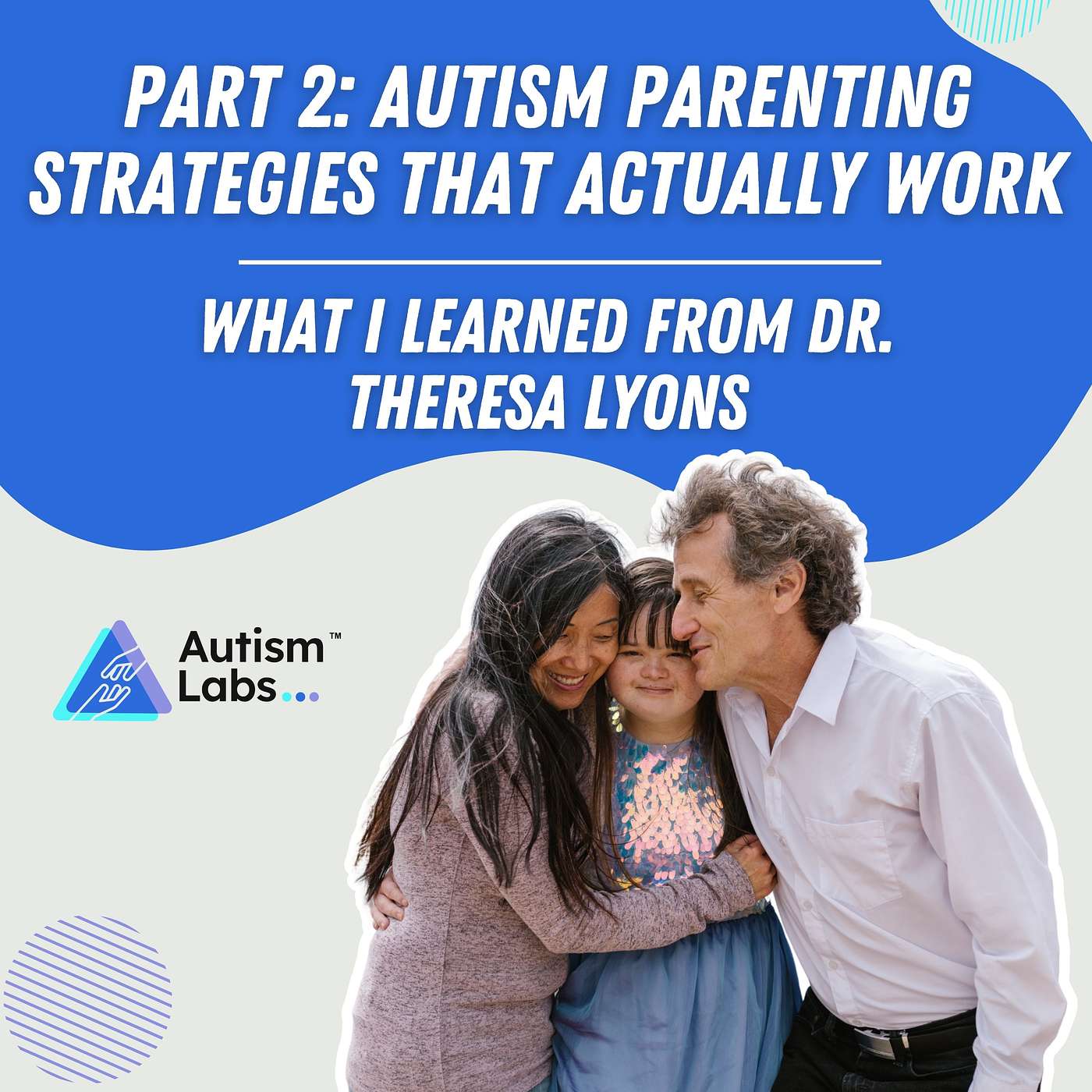
    Part 2 of Autism Parenting Strategies That Actually Work: What I Learned from Dr. Theresa Lyons

    Autism support should focus not just on behavior, but on the child’s overall health, as underlying issues like gut imbalances, poor nutrition, and unmet medical needs can significantly impact learning, behavior, and communication. While traditional education approaches like ABA can help, children often learn best when their intrinsic interests and curiosity are engaged. A personalized, science-based approach, using proper testing rather than guesswork, is essential since every child is biologically unique. Progress may look different, but celebrating small wins and maintaining a strong, positive mindset is critical for families. Communication, in any form, can unlock a child’s hidden intelligence and dramatically improve care and connection. Although AI can provide information, real progress comes from guided action and human support. Ultimately, parents play the central role in assembling the right care team and advocating for their child’s health, with the goal not of a “cure,” but of achieving the best possible outcome and quality of life. If you're interested in joining our private Facebook community for parents and caregivers seeking residential options, guidance and peer support for profoundly autistic adults or adults with complex needs - Click Here!

    • Transcript
    • Chapters
  • S5 · E21
    June 8 · 22 min

    Part 1 of Autism Parenting Strategies: What Science Really Shows

    In this episode of Autism Labs, Mike Carr and Dr. Theresa Lyons discuss how many families lack access to clear, science-based guidance despite growing research in autism, leaving parents overwhelmed and searching for answers. Dr. Lyons highlights that meaningful improvement is possible for some children, but requires a more informed, proactive approach built around seven key areas: personalized diet, a multi-disciplinary healthcare team that combines conventional and functional medicine, strong parent mindset and regulation, foundational health through supplements like vitamin D and proper hydration, tailored education strategies, attention to gut health, and consistently celebrating progress. She emphasizes the importance of asking “why” behind symptoms rather than accepting them as inevitable, and notes that simple interventions, such as improving vitamin D levels or increasing physical activity, can significantly impact sleep, behavior, and overall well-being. The core message is that autism care should be individualized, root-cause focused, and guided by accessible, trustworthy information that empowers parents to make better decisions for their child’s future. If you're interested in joining our private Facebook community for parents and caregivers seeking residential options, guidance and peer support for profoundly autistic adults or adults with complex needs - Click Here!

    • Transcript
    • Chapters
  • S5 · E20
    June 1 · 13 min

    Autism Respite Care: How to Keep Great Help

    Keeping great caregivers for individuals with profound autism requires more than just hiring the right person- it demands building a sustainable, supportive system rooted in respect, structure, and consistency. Caregivers should be treated as skilled partners, not babysitters, with clear expectations, proper training, and protection from burnout. Providing a predictable daily schedule and a simple behavior playbook helps reduce stress and builds confidence, while investing in caregivers’ personal and professional growth increases long-term commitment. It’s equally important to make the work meaningful by incorporating moments of joy and purpose, rather than allowing every shift to feel like survival. Fair, reliable pay reinforces their value, and regular, honest feedback strengthens trust and team performance. Ultimately, families are not just hiring help—they are building a dependable care team, and when caregivers feel respected, supported, and connected, they are far more likely to stay and make a lasting difference in both the child’s life and the family’s well-being. If you're interested in joining our private Facebook community for parents and caregivers seeking residential options, guidance and peer support for profoundly autistic adults or adults with complex needs - Click Here!

    • Transcript
    • Chapters
  • S5 · E19
    May 25 · 9 min

    Autism Respite Care: 7 Ways to Find Real Help

    In this episode of Autism Labs, Mike Carr shares personal lessons learned from more than 30 years of raising his profoundly autistic, nonverbal son Michael and discusses one of the greatest challenges families face: finding reliable caregivers for individuals with high support needs autism. He explains that while family members often help early on, trained and dependable support becomes essential as children grow older and behaviors become more complex. Mike emphasizes that the best caregivers are often patient, flexible, teachable, and compassionate rather than simply highly credentialed. He outlines seven practical ways families can build a strong caregiving team, including using respite resources, connecting with climbing communities, partnering with other parents, recruiting special education aides, exploring faith-based disability ministries, working with universities, and improving job postings with more professional titles. Throughout the episode, he encourages families to build a full “bench” of caregivers instead of relying on one person and reminds listeners that although the process can be exhausting, trustworthy and caring helpers do exist, and families do not have to navigate the journey alone. If you're interested in joining our private Facebook community for parents and caregivers seeking residential options, guidance and peer support for profoundly autistic adults or adults with complex needs - Click Here!

    • Transcript
    • Chapters
  • S5 · E18
    May 18 · 20 min

    Part 2 AI For Autism Care and Smart Home Safety for IDD Families

    This episode explores how practical, accessible technology can transform the home environment for individuals with special needs by improving safety, increasing independence, and enriching daily life. Mike Courtney outlines a simple but powerful framework, evaluating each room for safety risks, everyday challenges, and opportunities for enrichment, while leveraging a growing database of thousands of real-world solutions, from smart home devices to best practices. AI plays a central role by continuously updating options and recommending personalized solutions, helping families discover tools they may not have known existed. The conversation emphasizes balancing independence with safety through technology that acts as a “second set of eyes,” while also addressing the realities of limited funding and the need to maximize impact and efficiency. Looking ahead, advancements in robotics, data-driven dashboards, and community-driven collaboration promise to further enhance care, with a future vision of scalable home assessment and support services. The key message is clear: rather than fearing emerging technologies, families and caregivers should embrace them as powerful tools to create safer, more independent, and more fulfilling lives. If you're interested in joining our private Facebook community for parents and caregivers seeking residential options, guidance and peer support for profoundly autistic adults or adults with complex needs - click here!

    • Transcript
    • Chapters
  • S5 · E17
    May 11 · 19 min

    Part 1 AI for Autism Care: Daily Living Labs for Parents

    In this episode of Autism Labs, Mike Carr speaks with futurist and researcher Mike Courtney about how AI and emerging technologies can be applied in practical, meaningful ways to support individuals with complex special needs. The discussion centers on redefining technology as the application of knowledge to solve everyday human challenges, not just advanced digital tools, and introduces the concept of “Daily Living Labs,” a community-driven approach focused on improving activities of daily living such as communication, hygiene, and independence. The conversation highlights how caregivers, professionals, and technologists can collaborate to both identify existing solutions and create new ones using simple tools like smartphones, AI-generated learning videos, and non-wearable sensors that track sleep and physiological signals. These technologies can help build personalized learning systems, improve skill development, and provide deeper insights into behavior by identifying patterns tied to sleep, environment, and emotional triggers. Ultimately, the episode emphasizes a future where continuous, passive data collection and AI-driven insights support proactive care, enabling smarter daily planning, better outcomes, and a connected ecosystem where families don’t have to solve challenges alone. If you're interested in joining our private Facebook community for parents and caregivers seeking residential options, guidance and peer support for profoundly autistic adults or adults with complex needs - click here!

    • Transcript
    • Chapters
  • S5 · E16
    April 27 · 22 min

    Part 3 What I Learned as an Autism Parent About Respite Care, Staff Culture and Letting Go of Fear

    This episode focuses on lessons learned from building and running a special needs program, emphasizing that strong outcomes depend less on daily tasks and more on culture, trust, and communication. Mike Carr and Johnna Oppermann discuss how fear often drives parenting decisions and can unintentionally lead to over-control, enabling behaviors, or breakdowns in communication between parents and staff. They highlight the importance of creating a supportive environment where staff feel valued, since staff well-being directly impacts the quality of care provided. The conversation stresses the need to celebrate progress regularly, address concerns quickly using direct communication rather than texts or emails, and avoid allowing frustrations to build up. They also explore how modern care settings require collaboration rather than “us vs. them” dynamics, and how individuals in programs must be supported through appropriate challenge, real-world exposure, and individualized expectations. Ultimately, the episode underscores that sustainable programs are built on trust, transparency, and strong leadership, where parents and professionals work together while allowing trained leaders to guide day-to-day operations for long-term success. If you're interested in joining our private Facebook community for parents and caregivers seeking residential options, guidance and peer support for profoundly autistic adults or adults with complex needs - click here!

    • Transcript
    • Chapters
  • S5 · E15
    April 20 · 16 min

    Part 2 Why Culture is the Most Important Thing to Look for in Autism Respite Care

    Choosing the right autism program comes down to culture, transparency, and a commitment to long-term success rather than quick fixes. High-quality programs take the time to truly understand each individual through a thorough intake process, including detailed history, observation, and gradual transition planning, rather than rushing enrollment. They build success slowly, creating early wins to avoid failure and prevent participants from being pushed out due to poor fit. Strong programs also prioritize staff consistency and retention, recognizing that a positive, purpose-driven culture—not just pay—directly impacts the quality of care. Flexibility is essential, with staff willing to adapt environments and behaviors to meet individual needs while preserving dignity. Most importantly, these programs foster open communication and partnership with parents, ensuring trust, collaboration, and better outcomes for everyone involved.

    • Transcript
  • S5 · E14
    April 13 · 17 min

    Part 1 Why Culture is the Foundation of Every Effective Behavior Support Program

    This episode highlights a critical lesson for families navigating autism care: the long-term success of any residential or day program depends far more on culture than on buildings, funding, or initial plans. Drawing on decades of experience, Johnna Oppermann explains that many programs struggle because they focus first on logistics instead of building a strong foundation of trust, clear communication, and shared purpose among staff. High turnover and call-outs often signal deeper cultural issues, while clarity around roles, expectations, and the importance of each staff member’s contribution can dramatically improve engagement and reliability. The conversation emphasizes creating a no-blame environment where mistakes are used as learning opportunities, fostering transparency with families, and building relationships where people feel safe to speak honestly. Ultimately, successful programs require a long-term commitment to serving not just the individual, but the entire family, adapting to each person’s unique needs, and cultivating a culture where staff truly understand the impact of their role in providing consistent, compassionate care. If you're interested in joining our private Facebook community for parents and caregivers seeking residential options, guidance and peer support for profoundly autistic adults or adults with complex needs - click here!

    • Transcript
    • Chapters
  • S5 · E13
    April 7 · 9 min

    8 Ways to Improve Sleep For You & Your Child

    Improving sleep for individuals with autism and their families requires a flexible, trial-and-error approach rather than relying on a single solution. Consistent physical activity and mental engagement during the day can significantly increase the chances of better sleep, especially when combined. Nutrition and timing also play an important role, with reduced evening sugar, caffeine, and late meals helping support a smoother bedtime routine. Creating a comfortable sleep environment—cool temperature, cozy bedding, and calming surroundings—can further encourage rest, while tools like sound machines, binaural beats, or visual projectors may help in some cases but can also become stimulating. Supplements such as melatonin or methylfolate, and mild medications when necessary, may provide support but should be used cautiously and under medical guidance. Allowing for independent wind-down time and incorporating repetitive, calming routines like prayer or tactile activities can also promote relaxation. Ultimately, better sleep comes from combining strategies, staying patient, and adapting based on what works best for each individual over time. If you're interested in joining our private Facebook community for parents and caregivers seeking residential options, guidance and peer support for profoundly autistic adults or adults with complex needs - click here!

    • Transcript
    • Chapters
Showing 1–20 of 21 episodes