Skip to content
Artwork for Audrow Nash Podcast

Audrow Nash Podcast

Audrow Nash

If you're building a robotics company, backing one, or deciding whether to join one, this is a way to hear how they actually work from the people running them. Founders, CTOs, investors, and researchers on how the robots work, how the business makes money, and what they've gotten wrong. Unscripted, usually over an hour, with chapters so you can skip to the part you care about. Hosted by Audrow Nash, a robotics engineer who's been interviewing roboticists since 2014.

Questions and guest suggestions: audrow.com/contact

Play
  • 21 episodes
  • Avg 1 hr 33 min
  • English
Counted on this page — what you have heard stays on this device, so it is not something the list can be paged by.
  • #27
    October 13 · 1 hr 33 min

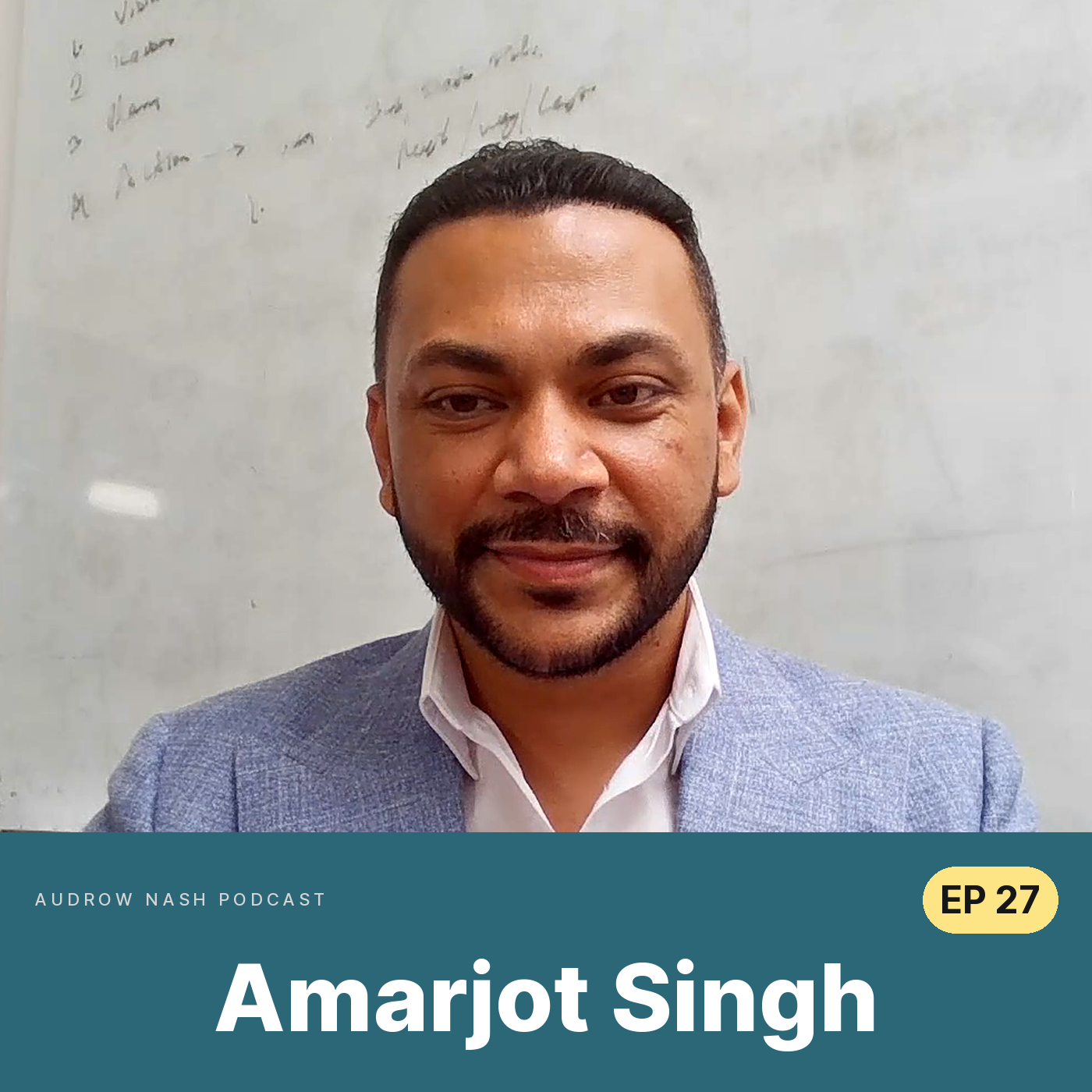
    Why Defense Gets Humanoids Before Your Home Does: Skylark Labs' Amarjot Singh

    Episode 27 of the Audrow Nash Podcast. A four-and-a-half-foot humanoid kicks in a door so a person doesn't have to go in first. Amarjot's case is that work like this is where humanoids pay off now: the tasks vary less than in a home, and working 70 or 80% of the time is still worth it when a person isn't the one getting shot. I talk with Amarjot Singh, founder and CEO of Skylark Labs, about a model that flags, labels, and learns new things on the device after it's deployed, how they teach a humanoid a skill from a few demonstrations, and why he thinks humanoid hardware becomes a commodity while the value moves to the brain. You'll like this interview if you work on robot learning or perception at the edge, you follow humanoids, or you're curious how robots get sold into defense. The model architecture stretch (8:51–34:41) is the most technical. EPISODE LINKS - Skylark Labs website: https://www.skylarklabs.ai/ PODCAST LINKS - Podcast Website: https://audrownashpodcast.com/ - YouTube: https://www.youtube.com/@audrow - Apple Podcasts: https://podcasts.apple.com/us/podcast/audrow-nash-podcast/id1716486786 - Spotify: https://open.spotify.com/show/74jWpWiLwsasY2QHtDcl8I?si=6c92796bf9554162 TIMECODES 0:00 Cold open 0:33 Amarjot Singh and Skylark Labs 3:30 Humanoids that sweep for bombs and breach doors 7:23 A brain-inspired model with memory 8:51 Wavelets and Gabor filters as the first layer 13:40 Unsupervised features, supervised on top 17:26 1,000x less data and flagging outliers 21:58 Detecting a camouflaged tank 25:53 Explainability for kinetic systems 28:12 Self-labeling and on-device memory 32:06 From perception to motion 34:41 The robotics stack and sensor language model 36:45 Skills stored as graphs 39:10 Mapping human motion onto a humanoid 40:33 Adapting to a new door handle 43:18 Teaching with Apple Vision Pro and egocentric video 46:58 Simulation and sim-to-real 50:14 What's easy, hard, and not yet possible 52:44 When 70% reliable is enough 55:01 The humanoid Turing test 56:51 Generalization is the bottleneck 1:00:05 From runway debris to robot dogs 1:03:46 Why a humanoid, on two legs or four 1:07:00 Humanoid hardware as a commodity 1:10:56 Why defense comes before homes 1:14:32 Trying markets until someone paid 1:18:40 Building their own humanoid 1:19:48 Manufacturing humanoids in the US 1:22:20 India for data, testing, and talent 1:25:40 Skylark's next three to five years 1:28:21 Advice for robotics founders 1:30:02 Where robotics is going 1:31:57 Final takeaway

    • Transcript
  • #26
    October 6 · 1 hr 36 min

    Robots That Learn Surgery From Surgeons: Inner Logic's Axel Krieger

    Episode 26 of the Audrow Nash Podcast. Johns Hopkins surgeons showed Axel's team the clip-and-cut phase of gallbladder surgery. The team recorded demonstrations, trained a robot on them, and it did that phase eight times in a row with no human help. The organs were from a butcher. Now they're testing it in live animals. I talk with Axel Krieger, Chief Robotics Officer at Inner Logic and associate professor at Johns Hopkins, about why his lab moved from hand-built models to imitation learning from surgeons, how they break a procedure into small steps a robot can learn, and how simulated patients built from tens of thousands of CT scans help test surgical devices. You'll like this interview if you're a roboticist curious about surgery, you work on imitation learning or VLAs, or you want a grounded take on when autonomy reaches the operating room. The high- and low-level policy stretch (23:46–42:28) is the most technical. EPISODE LINKS - Axel's LinkedIn: https://www.linkedin.com/in/axel-krieger-b14a0075/ - IMERSE Lab (Johns Hopkins): https://imerse.lcsr.jhu.edu/ - Inner Logic website: https://innerlogic.io/ PODCAST LINKS - Podcast Website: https://audrownashpodcast.com/ - YouTube: https://www.youtube.com/@audrow - Apple Podcasts: https://podcasts.apple.com/us/podcast/audrow-nash-podcast/id1716486786 - Spotify: https://open.spotify.com/show/74jWpWiLwsasY2QHtDcl8I?si=6c92796bf9554162 TIMECODES 0:00 Cold open 0:39 Axel Krieger and Inner Logic 4:05 How surgical robots work today 9:41 AI infrastructure for device makers 11:15 From stitching to imitation learning 18:23 Autonomous gallbladder surgery steps 21:37 Action chunking transformers (ACT) 23:46 Breaking surgery into small steps 29:42 Language between high and low level policies 35:44 Adapting to surgical robot hardware 40:01 How much training data it takes 42:28 VLAs and large surgical datasets 47:30 Mixing training data 51:44 From dead tissue to live animals 54:47 Self-driving analogy and FDA approval 58:35 Inner Logic's data platforms 1:02:42 Simulated patients from CT scans 1:05:20 Simulating bones, vessels, and soft tissue 1:13:07 Where surgical robotics is heading 1:17:28 One surgeon, several surgeries 1:18:57 Training the next surgeons 1:22:19 Funding climate 1:24:52 Next milestones, from suction to suturing 1:26:58 Tumor resection and full procedures 1:29:49 Robot surgery in 20 years? 1:31:15 Advice for getting into surgical robotics 1:35:02 Final takeaway

    • Transcript
  • #25
    Oct 7, 2025 · 1 hr 29 min

    Robots That Copy Scientists for Cell Therapy: Multiply Labs' Fred Parietti

    Episode 25 of the Audrow Nash Podcast. A bag of gene-edited cells can be worth about half a million dollars (Fred's range for a dose is roughly $400K to $2M), and today that work is still done by hand in clean rooms, over thousands of steps. I talk with Fred Parietti, Co-founder and CEO of Multiply Labs, about robots that manufacture cell and gene therapies using the same instruments, reagents, and consumables the scientists use, why they train from video of scientists instead of teleoperation, and where a ~$30K humanoid fits in their plant (loading and unloading carts, not the science). You'll like this interview if you're a roboticist curious about pharma, a founder picking high-value problems over pizza robots, or anyone who wants Fred's take on "infinite market" pitches and a robotics winter. The biology explainer (16:08–34:00) is the most technical stretch. EPISODE LINKS - Multiply Labs: https://www.multiplylabs.com PODCAST LINKS - Podcast Website: https://audrownashpodcast.com/ - YouTube: https://www.youtube.com/@audrow - Apple Podcasts: https://podcasts.apple.com/us/podcast/audrow-nash-podcast/id1716486786 - Spotify: https://open.spotify.com/show/74jWpWiLwsasY2QHtDcl8I?si=6c92796bf9554162 TIMECODES 0:00 Cold open 0:53 Multiply Labs overview 7:17 Pharma robotics gap 16:08 Next-gen pharma 34:00 Multiply Labs automation 43:54 Deployment size 1:00:04 Thoughts on humanoids 1:10:01 Training process 1:21:39 High-value problems 1:24:37 Key takeaways

  • #24
    Aug 21, 2025 · 1 hr 44 min

    Why "Shut It Off" Fails for Bipeds: Agility Robotics' Pras Velagapudi

    Episode 24 of the Audrow Nash Podcast. For a wheeled robot, "shut it off" can be a safety move. For a biped that has to stay upright, killing power is the hazard. Pras walks through why Digit needs different rules. I talk with Pras Velagapudi, CTO of Agility Robotics, about Digit (two arms, two legs) doing paid material handling on full shifts, why a dynamically stable biped beats a heavy wheeled base for narrow aisles, the tradeoffs of wheels on feet, and how they're working with others (including Boston Dynamics) on safety standards for robots that can't just lock their wheels and call it safe. You'll like this interview if you're into humanoids, warehouse automation, or the control and safety problems that show up once a robot has to balance. The legs-and-wheels stretch (about 5:26–23:15) is the densest design argument; safety and standards (36:42 on) is where the shut-it-off problem shows up. EPISODE LINKS - Agility Robotics: https://www.agilityrobotics.com PODCAST LINKS - Podcast Website: https://audrownashpodcast.com/ - YouTube: https://www.youtube.com/@audrow - Apple Podcasts: https://podcasts.apple.com/us/podcast/audrow-nash-podcast/id1716486786 - Spotify: https://open.spotify.com/show/74jWpWiLwsasY2QHtDcl8I?si=6c92796bf9554162 TIMECODES 0:00 Cold open 0:42 Agility overview 5:26 Why humanoid design 13:26 Why legs, not wheels 23:15 Digit's application 36:42 Safety in humanoids 49:11 Standardizing safety 1:06:50 Digit in other industries 1:14:41 How AI fits into robotics 1:29:23 Is data still gold? 1:35:54 The future of Agility 1:38:13 Key takeaways

  • #23
    Jul 8, 2025 · 1 hr 39 min

    The Best Robot Today Is Worth Less Than a 1960 Computer: Polymath

    Episode 23 of the Audrow Nash Podcast. Stefan's cold open: the best robot in the world today is less valuable to its owner than an average computer was in 1960. They argue robotics still makes teams rebuild the same navigation stack instead of buying commodity software. I talk with Stefan Seltz-Axmacher (CEO) and Ilia Baranov (CTO), co-founders of Polymath Robotics, about packaging point-to-point navigation for off-highway machines (tractors, bulldozers, mines), why SaaS feels easy because you don't rebuild payments and backends, labor shortages and vehicle SKU sprawl, and why they think humanoid-as-general-purpose is often the wrong bet next to Roomba-scale appliances. You'll like this if you build autonomy for industrial vehicles, sell into mining/ag, or want a blunt take on demos vs products. The ROI/history stretch (about 12:14–24:15) and the humanoid/minimally-viable-humanoid bit (52:02 on) are the densest arguments. EPISODE LINKS - Polymath Robotics: https://www.polymathrobotics.com PODCAST LINKS - Podcast Website: https://audrownashpodcast.com/ - YouTube: https://www.youtube.com/@audrow - Apple Podcasts: https://podcasts.apple.com/us/podcast/audrow-nash-podcast/id1716486786 - Spotify: https://open.spotify.com/show/74jWpWiLwsasY2QHtDcl8I?si=6c92796bf9554162 TIMECODES 0:00 Cold open 0:12 Polymath overview 6:04 Robotics standards gap 12:14 Market reality 16:43 Labor shortages 24:15 Cutting mining costs 33:55 AgTech needs action 43:16 Practical autonomy 52:02 Humanoid future 1:12:31 LLMs and coding 1:21:10 Work-kids balance 1:36:04 Key takeaways

  • #22
    May 1, 2025 · 1 hr 39 min

    Why Deep Tech Investing Still Has No Rulebook: AlleyCorp's Brannon Jones

    Episode 22 of the Audrow Nash Podcast. Twenty years ago, SaaS had no rule of 40. Brannon Jones's take is that deep tech is in that same stretch now: the rules are still unwritten. I talk with Brannon Jones, investor on AlleyCorp's deep tech team, about why they started the vertical in robotics, how they underwrite hardware with a value-creation multiple instead of SaaS metrics, and what that looks like in the portfolio: EyeBot's 90-second eye exam kiosk, Portal Space's satellite thrusters, and Aescape's robotic massage table (which he says raised $83M). We also get into why AlleyCorp hasn't backed a humanoid yet, and why he thinks a lot of embodied-AI demos are still pick and place. You'll like this if you raise for a robotics company, invest in hardware, or want an operator-turned-investor view of New York deep tech. The portfolio walk (about 15:43–56:00) is concrete; the investing framework (56:08 on) is the densest stretch. EPISODE LINKS - Brannon Jones X: https://x.com/robotjonez - Brannon Jones LinkedIn: https://www.linkedin.com/in/jones-brannon - AlleyCorp website: https://alleycorp.com - AlleyCorp LinkedIn: https://www.linkedin.com/company/alleycorp PODCAST LINKS - Podcast Website: https://audrownashpodcast.com/ - YouTube: https://www.youtube.com/@audrow - Apple Podcasts: https://podcasts.apple.com/us/podcast/audrow-nash-podcast/id1716486786 - Spotify: https://open.spotify.com/show/74jWpWiLwsasY2QHtDcl8I?si=6c92796bf9554162 TIMECODES 0:00 Cold open 0:23 AlleyCorp and Brannon Jones 3:26 What deep tech means at AlleyCorp 10:14 New York vs West Coast portfolio 15:43 Deep tech portfolio overview 17:11 EyeBot eye exam kiosk 22:25 Why deep tech vs SaaS 28:46 Portal Space satellite thrusters 32:35 Aescape massage robot 44:39 Valar Atomics 49:24 Koop Technologies 50:58 Glacier recycling robots 54:46 Civ Robotics solar surveying 56:08 Funding robotics without SaaS playbooks 1:09:50 Market-focused startups 1:14:17 Early robotics investments 1:23:40 Humanoids and value creation 1:28:32 Deglobalization and China 1:32:48 Hype vs pick and place 1:38:19 Key takeaways

  • #21
    Apr 8, 2025 · 1 hr 34 min

    From Napkin Sketch to Truck: BotBuilt's Barrett Ames

    Episode 21 of the Audrow Nash Podcast. Somebody draws a house on a napkin. BotBuilt turns that into a 3D nail schedule, cuts twisted lumber in a warehouse, and ships panels so on-site framing drops from weeks to about four hours. I talk with Barrett Ames, co-founder of BotBuilt, about why they automate framing (the bones of the house) instead of the whole build, how they plan and grip imperfect lumber, and the business of warehouse construction that still has to win on jobsites. You'll like this if you care about construction robotics, founder-market fit in hardtech, or how to pick an automation wedge that isn't a race to the bottom. The lumber-handling stretch (about 6:59–17:41) is the densest engineering bit; time and cost (56:52 on) is the densest business bit. EPISODE LINKS - BotBuilt: https://www.botbuilt.com - Barrett Ames: https://www.cbames.com PODCAST LINKS - Podcast Website: https://audrownashpodcast.com/ - YouTube: https://www.youtube.com/@audrow - Apple Podcasts: https://podcasts.apple.com/us/podcast/audrow-nash-podcast/id1716486786 - Spotify: https://open.spotify.com/show/74jWpWiLwsasY2QHtDcl8I?si=6c92796bf9554162 TIMECODES 0:00 Cold open 2:22 Overview 6:59 Challenges 17:41 Sketch to structure 27:20 Generative solutions 30:36 Structuring build 35:49 When things go wrong 42:31 Traditional vs automated 56:52 Time and cost 1:07:36 Long-term vision 1:14:35 Construction opportunities 1:23:51 Lessons learned 1:33:32 Final thoughts

  • #20
    Mar 13, 2025 · 1 hr 35 min

    Eyes and Brain on the Camera: Luxonis' Bradley Dillon

    Episode 20 of the Audrow Nash Podcast. Tesla gets far on vision alone, but shipping that stack means hardware, bandwidth, AI, and sync. Luxonis's bet is cameras that are eyes, ears, and a chunk of brain at the edge. I talk with Bradley Dillon, CEO of Luxonis, about AI-enabled cameras for robots (he cites more than 150,000 sold), fusing sensors on-device, multi-device linking, models and labeling, and where they aim the platform next (including harder industrial and security screening angles). You'll like this if you build robots and don't want to become a camera company, or if you care about edge vs cloud for vision. The edge-compute stretch (about 25:01–31:41) and applications (20:26 on) are the densest product bits. EPISODE LINKS - Luxonis: https://www.luxonis.com - Bradley Dillon LinkedIn: https://www.linkedin.com/in/bradley-dillon/ PODCAST LINKS - Podcast Website: https://audrownashpodcast.com/ - YouTube: https://www.youtube.com/@audrow - Apple Podcasts: https://podcasts.apple.com/us/podcast/audrow-nash-podcast/id1716486786 - Spotify: https://open.spotify.com/show/74jWpWiLwsasY2QHtDcl8I?si=6c92796bf9554162 TIMECODES 0:00 Cold open 1:54 Bradley Dillon and Luxonis overview 8:22 Luxonis equipment 13:01 Integrating multiple sensors 20:26 Applications of Luxonis vision 25:01 Luxonis and computing power 28:21 Linking multiple devices 31:41 Luxonis AI models 34:53 Data generation and labeling 44:53 Future predictions 49:01 AI for scene understanding 59:31 Targeting industries 1:04:54 Smart security screening 1:09:43 Growth story 1:18:58 Chip supply challenges

  • #19
    Feb 26, 2025 · 58 min

    Legs, Mines, and Frames: Live Interviews from a Stealth Texas Robotics Event

    Episode 19 of the Audrow Nash Podcast. Three short live interviews from a stealth robotics meetup between Austin and San Antonio: legged-robot safety in human spaces, automating mining exploration tasks, and robots that frame houses. I talk with Kyle Morgenstein (UT Austin PhD, legged safety / RL), David Venegas (Head of Operations at Durin, mining), and Barrett Ames (co-founder of BotBuilt, construction framing). You'll like this if you want a sampler across research and startups rather than one deep company dive. Kyle's safety stretch opens (about 1:24–20:36); David covers mining (20:36–38:03); Barrett closes on BotBuilt (38:03 on). EPISODE LINKS - Kyle Morgenstein: https://www.kylemorgenstein.com/ - Durin: https://www.durin.com/ - BotBuilt: https://www.botbuilt.com/ PODCAST LINKS - Podcast Website: https://audrownashpodcast.com/ - YouTube: https://www.youtube.com/@audrow - Apple Podcasts: https://podcasts.apple.com/us/podcast/audrow-nash-podcast/id1716486786 - Spotify: https://open.spotify.com/show/74jWpWiLwsasY2QHtDcl8I?si=6c92796bf9554162 TIMECODES 0:00 Cold open 1:24 Kyle: legged robot safety 3:55 Improving robot safety for humans 7:25 Humanoid progress and future 10:39 Boston Dynamics vs Unitree 12:14 Reward models for safer robots 15:05 Foundation models 16:34 Teleoperation efficiency 18:45 Training from YouTube data 20:36 David: mining basics 28:58 Automating mining tasks 34:09 Access challenges in excavation 36:57 Use of simulation 38:03 Barrett: construction robots 41:27 Custom home focus 43:06 BotBuilt's approach 44:16 BotBuilt's data sourcing 49:47 Working with robots 49:57 Perception stack 52:20 Handling lumber challenges 53:39 Margins vs prefab homes 53:57 Transport costs 56:02 BotBuilt's lifecycle 58:17 Outro

  • #18
    Feb 11, 2025 · 1 hr 29 min

    Smell as a Sensor Stack for Robots: Scentience's Kordel France

    Episode 18 of the Audrow Nash Podcast. Vision and audio have digital sensors. Smell mostly doesn't. Kordel's bet is to make olfaction as usable for robots as cameras are today. I talk with Kordel France, founder of Scentience, about how smell sensing works, what goes wrong when you try to identify complex odors, near-term use cases (from quality control to security-style detection), datasets and standardization, and what an API for smell would look like for robot builders. You'll like this if you're curious about a new sensing modality, or you're hunting for application wedges that aren't another gripper demo. The mechanisms stretch (about 8:14–15:08) is the densest science bit; API / integration (38:38 on) is the densest product bit. EPISODE LINKS - Scentience: https://scentience.ai/ - Kordel France: https://kordelfrance.ai/ PODCAST LINKS - Podcast Website: https://audrownashpodcast.com/ - YouTube: https://www.youtube.com/@audrow - Apple Podcasts: https://podcasts.apple.com/us/podcast/audrow-nash-podcast/id1716486786 - Spotify: https://open.spotify.com/show/74jWpWiLwsasY2QHtDcl8I?si=6c92796bf9554162 TIMECODES 0:00 Cold open 1:22 Kordel France and Scentience overview 2:39 Smell's role in robotics 5:19 Smell sensor problem solving 8:14 Smell identification mechanisms 15:08 Use cases 16:42 Near-future innovations 25:09 Application development 27:53 Scent technology standardization 33:02 Scent recognition dataset 33:33 Industry vs academia 36:56 Startup landscape in smell robotics 38:38 Smell sensing API 42:40 Sensor integration 49:58 Weather data's impact on smell sensors

  • #17
    Jan 21, 2025 · 51 min

    A ~£50M Bet on Robot Dexterity Hardware: ARIA's Jenny Read

    Episode 17 of the Audrow Nash Podcast. ARIA is the UK's DARPA-like funder without the defense mission. Jenny Read's program bets on robot hardware, especially dexterity, with a budget she puts around £50 million. I talk with Jenny Read, Programme Director at ARIA, about how the agency works, why she thinks hardware lagged while software ate the attention, gear ratios and touch/state awareness, integrating body design with neural control, and how they pick and measure high-risk projects. You'll like this if you raise or apply for ambitious robotics hardware research, or you want a funder's view of the dexterity bottleneck. The hardware/dexterity stretch (about 8:12–33:19) is the densest technical bit; funding logistics (21:52 on) is the densest process bit. EPISODE LINKS - ARIA: https://www.aria.org.uk - Jenny Read: https://www.jennyreadresearch.com/ PODCAST LINKS - Podcast Website: https://audrownashpodcast.com/ - YouTube: https://www.youtube.com/@audrow - Apple Podcasts: https://podcasts.apple.com/us/podcast/audrow-nash-podcast/id1716486786 - Spotify: https://open.spotify.com/show/74jWpWiLwsasY2QHtDcl8I?si=6c92796bf9554162 TIMECODES 0:00 Introduction to Jenny Read and ARIA 3:49 Jenny's role in ARIA 6:26 Jenny's robotics focus 8:12 Areas of focus within hardware 9:40 High versus low gear ratios 11:56 Touch sensing and fragility 13:40 Integrating body design and neural control 18:47 Jenny's background and funding approach 21:52 Selecting focus areas, funding, logistics 27:56 Dexterity challenge and investment focus 33:19 ARIA's allocation strategy 42:59 Bottlenecks: manufacturing and motors 45:38 Measuring success 48:28 Key takeaways 51:49 Outro

  • #16
    Jan 7, 2025 · 1 hr 15 min

    Testing to Scale, RoboDevOps, Zenoh vs DDS: ROSCon 2024

    Episode 16 of the Audrow Nash Podcast. Three interviews from ROSCon 2024 in Denmark: Dexory scaling warehouse inventory robots and treating testing as how you ship fast, Asimovo building a Kubernetes-based RoboDevOps platform for team setups and sim compute, and ZettaScale on Zenoh as a protocol aimed at DDS's rough edges for ROS 2. I talk with Marcus Scheunemann (head of autonomy, Dexory) about tall scanning robots for lost inventory and advocating for testing when the org wants features; with Christine Fraser (CEO & founder, Asimovo) about collaborative robotics development environments across laptop, on-prem, and cloud; and with Angelo Corsaro (CEO & CTO, ZettaScale) about Zenoh end-to-end from microcontroller to data center, discovery, and ROS 2 middleware. You'll like this if you were at ROSCon, ship ROS 2 fleets, or care about warehouse robotics, developer platforms, or middleware. Segments: Dexory ~2:12, Asimovo ~19:22, ZettaScale / Zenoh ~44:32. EPISODE LINKS - ROSCon 2024: https://roscon.ros.org/2024/ - Dexory: https://www.dexory.com/ - Asimovo: https://asimovo.com/ - ZettaScale: https://www.zettascale.tech/ PODCAST LINKS - Podcast Website: https://audrownashpodcast.com/ - YouTube: https://www.youtube.com/@audrow - Apple Podcasts: https://podcasts.apple.com/us/podcast/audrow-nash-podcast/id1716486786 - Spotify: https://open.spotify.com/show/74jWpWiLwsasY2QHtDcl8I?si=6c92796bf9554162 TIMECODES 0:00 Cold open 2:12 Dexory: Marcus intro 3:24 Series B and scaling 6:52 Lost inventory problem 11:10 Software behind Dexory 13:58 Advocating for testing 17:18 Dexory next 2–5 years 19:22 Asimovo: Christine intro 21:17 Solutions for every setup 23:56 Diverse workflows 29:23 Clusters across platforms 34:07 Progress and adoption 40:04 One-year goals 43:09 Where to learn more 44:32 ZettaScale: Angelo intro 49:56 Distributed queries 53:07 Routing and sync 1:01:17 DDS challenges and ROS 2 1:05:29 Zenoh name story 1:07:48 ROS integration 1:13:11 Next 1–3 years

  • #15
    Nov 21, 2024 · 1 hr 29 min

    Research MoveIt Isn't Built to Ship: PickNik's Dave Coleman

    Episode 15 of the Audrow Nash Podcast. Dave's split: open-source MoveIt was built to compare algorithms. Shipping needs containers, recovery, sequencing, and fault handling. That's the gap MoveIt Pro is aimed at, for "unstructured" arms outside teach-pendant factories. I talk with Dave Coleman, founder and CPO of PickNik Robotics, about unstructured robotics (strawberry fields, subsea, space), why incumbents optimized for warehouses leave those problems underserved, MoveIt Pro as runtime plus developer tools, and PickNik's NASA / Space ROS work. You'll like this if you build manipulation stacks, evaluate MoveIt for production, or care about space and outdoor arms. The MoveIt Pro stretch (about 13:45–27:00) is the densest product bit; NASA / Space ROS from about 45:22. EPISODE LINKS - PickNik: https://picknik.ai - Dave Coleman LinkedIn: https://www.linkedin.com/in/davetcoleman PODCAST LINKS - Podcast Website: https://audrownashpodcast.com/ - YouTube: https://www.youtube.com/@audrow - Apple Podcasts: https://podcasts.apple.com/us/podcast/audrow-nash-podcast/id1716486786 - Spotify: https://open.spotify.com/show/74jWpWiLwsasY2QHtDcl8I?si=6c92796bf9554162 TIMECODES 0:00 Cold open 1:04 Guest intro 1:28 PickNik overview 3:16 Why manipulation is hard 4:54 Unstructured robotics 13:45 MoveIt Pro 44:11 High-level commands 45:22 NASA collaborations 48:33 Space ROS 52:06 Space robotics challenges 53:32 Industry applications 1:02:06 Hivebotics case study 1:10:57 Mobile manipulation and humanoids 1:19:20 Mobile manip opportunities 1:25:32 PickNik vision 1:27:58 Close

  • #14
    Nov 1, 2024 · 1 hr 37 min

    Your Machines Sit Idle Most of the Day: Formic's Saman Farid

    Episode 14 of the Audrow Nash Podcast. Saman's frame: a lot of US metal-fab shops run one shift, so machines sit idle most of the available hours. Formic sells drop-in robots customers pay for by the hour, and tracks usage hours, not units shipped. I talk with Saman Farid, founder and CEO of Formic, about cutting typical robot deployment from roughly four to six months to about two weeks, why most of the cost is site-specific engineering (concrete, EOAT, safety) rather than making the arm "smarter," and how they run post-deploy service across about a hundred US manufacturing facilities. You'll like this if you sell or buy factory automation, care about SMB manufacturers, or want a blunt take on uptime and maintenance as the product. The utilization / machine-tending stretch (about 14:30–20:00) and the "what's robotics doing wrong" bit (1:28:04 on) are the densest arguments. EPISODE LINKS - Formic: https://formic.co/ - Saman Farid LinkedIn: https://www.linkedin.com/in/samanfarid/ PODCAST LINKS - Podcast Website: https://audrownashpodcast.com/ - YouTube: https://www.youtube.com/@audrow - Apple Podcasts: https://podcasts.apple.com/us/podcast/audrow-nash-podcast/id1716486786 - Spotify: https://open.spotify.com/show/74jWpWiLwsasY2QHtDcl8I?si=6c92796bf9554162 TIMECODES 0:00 Cold open 0:53 Guest intro 1:39 Formic mission and scale 4:01 Deployment challenges 9:46 Case studies 14:30 Utilization and machine tending 28:35 Collecting site data 35:08 Configuring a workcell 40:30 Programming with generative AI 50:09 Simulation and AI in the loop 52:54 Software stack 54:30 Sim to reality 59:07 LLMs for data ingestion 1:03:43 Support and uptime 1:12:26 Scaling and in-house service 1:19:38 Serving SMBs 1:28:04 What robotics companies get wrong 1:31:04 US manufacturing

  • #12
    Aug 23, 2024 · 1 hr 32 min

    Why Portals Beat Pipes for Underground Delivery: Pipedream's Canon Reeves

    Episode 12 of the Audrow Nash Podcast. Pipedream Labs lays storm-drain-class pipe, adds a rail, and runs tote robots underground. Canon Reeves argues the hard product isn't the tunnel robot. It's the portals people actually grab food from. I talk with Canon Reeves, CTO and co-founder of Pipedream Labs, about underground last-mile delivery, Instant Pickup as a drive-thru-style parking-lot wedge, and how they think about scaling from QSR portals toward a wider network without pretending Manhattan is day one. You'll like this if you care about logistics robotics, urban infrastructure, or shipping physical systems that have to survive permits and maintenance. The Instant Pickup stretch (about 0:06:58–0:12:26) is the densest product bit; install/permits and Peachtree Corners (0:20:15 on) is the densest infra bit. EPISODE LINKS - Pipedream Labs: https://www.pipedreamlabs.co/ - Pipedream Labs X: https://x.com/pipedream_labs - Canon Reeves X: https://x.com/ReevesCanon - Pipedream Labs LinkedIn: https://www.linkedin.com/company/pipedream-labs/ - Canon Reeves LinkedIn: https://www.linkedin.com/in/canonreeves/ PODCAST LINKS - Podcast Website: https://audrownashpodcast.com/ - YouTube: https://www.youtube.com/@audrow - Apple Podcasts: https://podcasts.apple.com/us/podcast/audrow-nash-podcast/id1716486786 - Spotify: https://open.spotify.com/show/74jWpWiLwsasY2QHtDcl8I?si=6c92796bf9554162 TIMECODES 0:00 Episode intro 0:37 Meet Canon Reeves 1:05 Underground delivery vision 1:49 Storm drains and rails 3:17 Last-mile cost problem 6:58 Instant Pickup drive-thru 12:26 Parking lot to city 20:15 Pipe install and permits 48:22 Modular pipe network 50:14 Sell before you build 52:39 Small team, long runway 54:45 Hiring killer engineers 56:43 Remote vs in-person 1:00:43 Modular future-proofing 1:07:17 Seed round scaling 1:28:00 Founder advice

  • #11
    Aug 6, 2024 · 1 hr 34 min

    Why Robot Insurance Should Get Cheaper: Koop's Sergey Litvinenko

    Episode 11 of the Audrow Nash Podcast. Most property-casualty books pay out most of every premium dollar. In Koop's early data, Sergey Litvinenko says their robotics book is paying out far less so far, and the plan is to push rates down as the models improve. I talk with Sergey Litvinenko, co-founder and CEO of Koop, about underwriting robots, autonomous vehicles, and drones, how they use utilization and troubleshooting signals when public benchmarks don't exist, and why he thinks robot bugs that get patched fleet-wide change the insurance math versus human drivers. You'll like this if you deploy robots commercially, work in AV or industrial automation, or care about the finance layer that sits under adoption. The humans-vs-robots stretch (about 0:50:44–0:54:26) is the densest conceptual bit; novel domains (0:18:00 on) is the densest "how do you underwrite that?" bit. EPISODE LINKS - Koop: https://www.koop.ai/ - Sergey Litvinenko LinkedIn: https://www.linkedin.com/in/sergey-from-koop PODCAST LINKS - Podcast Website: https://audrownashpodcast.com/ - YouTube: https://www.youtube.com/@audrow - Apple Podcasts: https://podcasts.apple.com/us/podcast/audrow-nash-podcast/id1716486786 - Spotify: https://open.spotify.com/show/74jWpWiLwsasY2QHtDcl8I?si=6c92796bf9554162 TIMECODES 0:00 Cold open 1:46 Intro and background 2:37 What is underwriting? 4:07 Insurance for robotics 6:41 Journey to Koop 11:38 Risk assessment and data 18:00 Novel robotics domains 32:56 Training robotics underwriters 47:12 Performance guarantees 48:34 Erroneous data handling 50:44 Humans vs robot behavior 52:20 Payout metrics and losses 54:26 AI edge cases 1:04:22 Data collection API 1:29:41 Future vision for Koop

  • #10
    Jul 11, 2024 · 2 hr 5 min

    Why Not Fast Casual? Chef Robotics' Rajat Bhageria

    Episode 10 of the Audrow Nash Podcast. The obvious kitchen robot market is fast casual. Chef Robotics pivoted to high-volume food factories instead: fewer ingredients per station, hair-on-fire labor gaps, and a path to production data you can't download from the internet. I talk with Rajat Bhageria, founder and CEO of Chef Robotics, about AI-enabled food assembly robots, why simulation fails on deformable food, and how they sell robotics-as-a-service against site-acceptance tests before customers pay recurring fees. You'll like this if you care about manipulation in messy environments, food or manufacturing robotics, or founder GTM for hardware. The food-manipulation stretch (about 0:48:46–1:02:06) is the densest engineering bit; production-vs-prototype (1:36:58 on) is the densest ops bit. EPISODE LINKS - Chef Robotics: https://www.chefrobotics.ai/ - Rajat Bhageria LinkedIn: https://www.linkedin.com/in/rajatbhageria/ - Chef Robotics LinkedIn: https://www.linkedin.com/company/chef-robotics/ PODCAST LINKS - Podcast Website: https://audrownashpodcast.com/ - YouTube: https://www.youtube.com/@audrow - Apple Podcasts: https://podcasts.apple.com/us/podcast/audrow-nash-podcast/id1716486786 - Spotify: https://open.spotify.com/show/74jWpWiLwsasY2QHtDcl8I?si=6c92796bf9554162 TIMECODES 0:00 Episode intro 1:36 Intro to Rajat 3:03 Early ventures, AI 5:51 Picking food market 8:15 Food labor pain 13:13 High mix pivot 42:33 Bootstrapping real-world AI 45:23 Expanding markets 48:46 Food manipulation challenges 1:02:06 Learning from demonstration 1:23:12 Field replaceable units 1:24:05 Scaling global deployment 1:25:25 Hardware upgrades 1:29:45 AI robotics trends 1:36:58 Production is harder 1:53:45 Hiring best people

  • #9
    Jun 18, 2024 · 1 hr 48 min

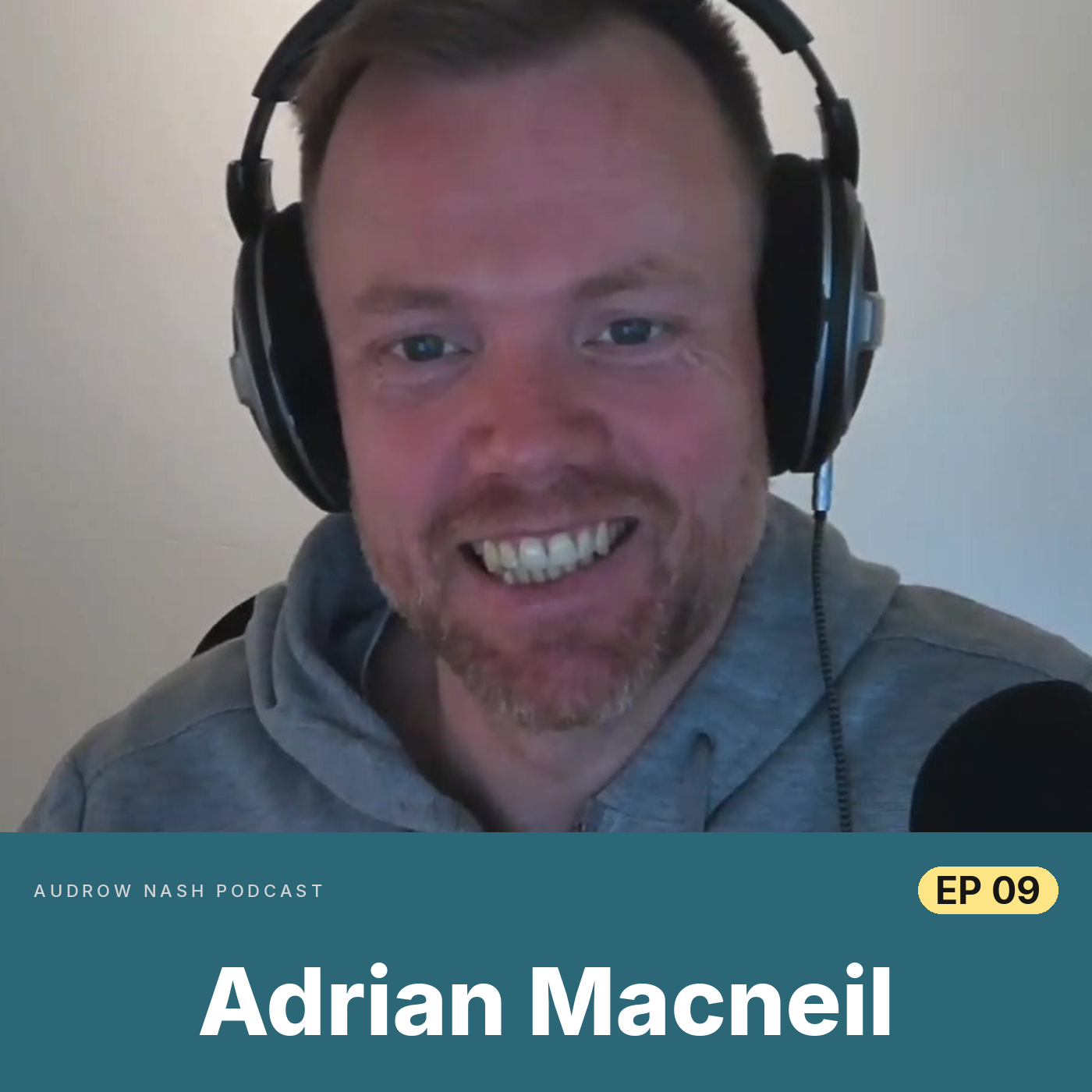
    Why Can't You Datadog a Robot? Foxglove's Adrian Macneil

    Episode 9 of the Audrow Nash Podcast. Robotics logs aren't web metrics. Dense multimodal data, bad edge bandwidth, and "S3 buckets full of bags" break the Datadog/Grafana playbook Adrian Macneil saw work in software. I talk with Adrian Macneil, co-founder and CEO of Foxglove, about building visualization and observability for robots, why they open-sourced the MCAP logging format, and why Foxglove 2.0 closed further development of the open-source visualizer. You'll like this if you ship robot software, care about logging and replay tooling, or want a founder-level account of open-source strategy in robotics infrastructure. The open-to-closed stretch (about 1:24:55–1:41:59) is the densest product-strategy bit; MCAP (0:07:20 on) is the densest format bit. EPISODE LINKS - Foxglove: https://foxglove.dev/ - Actuate: https://actuate.foxglove.dev/ - Adrian Macneil LinkedIn: https://www.linkedin.com/in/adrianmacneil/ - Foxglove LinkedIn: https://www.linkedin.com/company/foxglovedev/ PODCAST LINKS - Podcast Website: https://audrownashpodcast.com/ - YouTube: https://www.youtube.com/@audrow - Apple Podcasts: https://podcasts.apple.com/us/podcast/audrow-nash-podcast/id1716486786 - Spotify: https://open.spotify.com/show/74jWpWiLwsasY2QHtDcl8I?si=6c92796bf9554162 TIMECODES 0:00 Episode intro 1:28 Meet Adrian Macneil 1:43 Genesis of Foxglove 4:55 Robotics data logging pain 7:20 MCAP logging standard 18:35 Upload and ingestion 30:46 Cloud indexing 35:53 Visualization workflows 39:05 Performance and platforms 51:54 Extensibility and customization 56:50 Visualizer evolution 58:17 Plugins and extensions 1:00:23 Advanced visualization 1:06:57 WebAssembly performance 1:08:36 Simulation visualization 1:12:30 Future directions 1:18:48 Robotics tooling gaps 1:24:55 Open to closed, 2.0 1:41:59 Actuate conference

  • #8
    Jun 4, 2024 · 1 hr 18 min

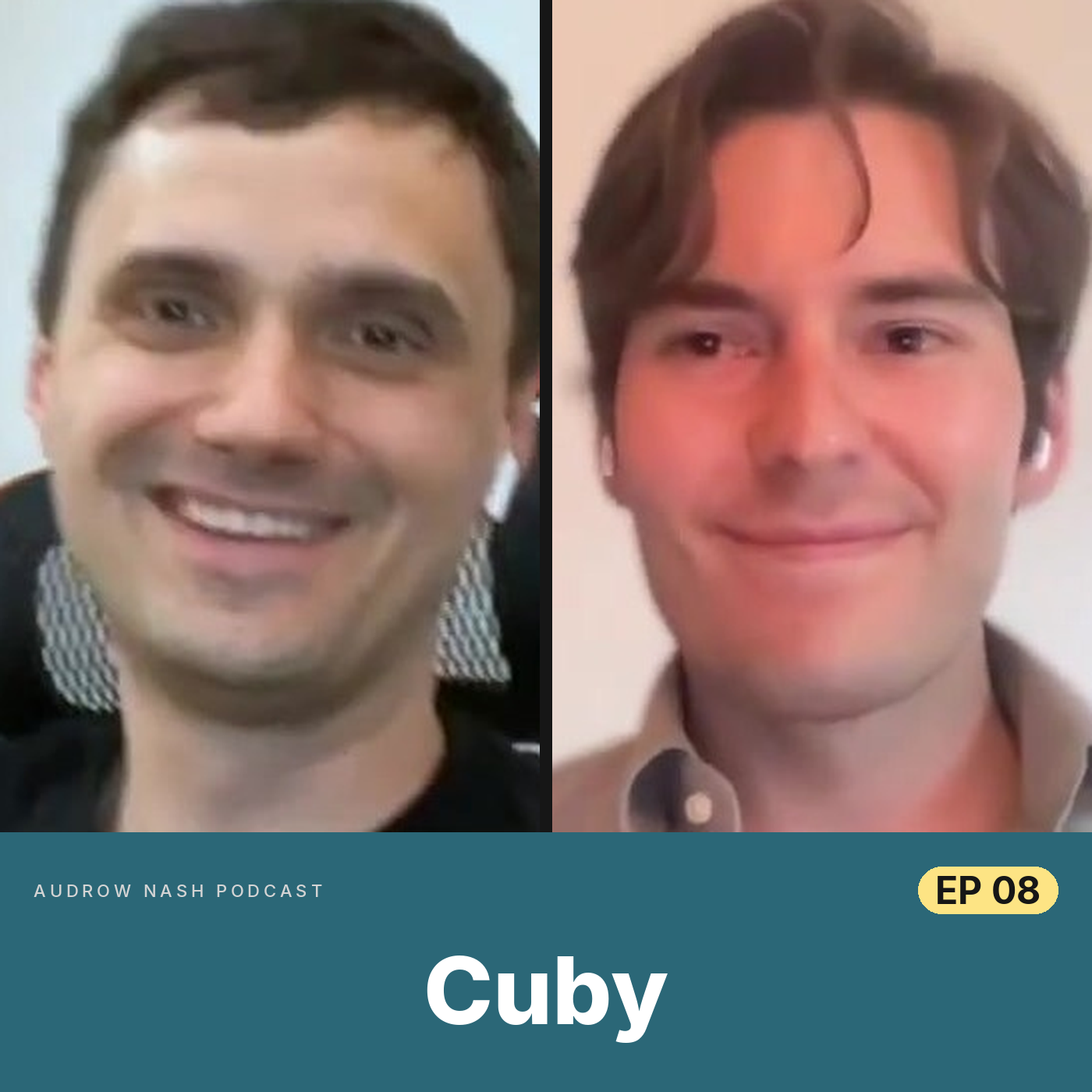
    Ship the Factory, Not Just the House: Cuby Technologies

    Episode 8 of the Audrow Nash Podcast. Cuby's product is a mobile microfactory: roughly four dozen shipping containers that land, stand up in weeks, and make home components for nearby assembly. The point is to ship the plant, not only the house. I talk with Oleg Kondrashov and Aleks Gampel, co-founders of Cuby Technologies, about why containerized "factory in a box" setup aims for about a month to start manufacturing versus many months fitting out a warehouse, how they think about housing labor and cost pressure, and why the business is built around productizing and distributing factories (including white-label / license paths). You'll like this interview if you care about construction automation, prefab/factory homebuilding, or hardtech business models that sell CapEx plants. The container lead-time stretch (about 38:02–39:54) is the densest ops bit; productizing factories and cashflow talk (55:15–1:04:05) is the densest business bit. Treat utilization and $/ft² figures as their model, not audited results. EPISODE LINKS - Cuby Technologies: https://www.cubytechnologies.com/ - Cuby LinkedIn: https://www.linkedin.com/company/buildwithcuby/ - Oleg Kondrashov LinkedIn: https://www.linkedin.com/in/olegkondrashov/ - Aleks Gampel LinkedIn: https://www.linkedin.com/in/iamaleksandrgampel/ PODCAST LINKS - Podcast Website: https://audrownashpodcast.com/ - YouTube: https://www.youtube.com/@audrow - Apple Podcasts: https://podcasts.apple.com/us/podcast/audrow-nash-podcast/id1716486786 - Spotify: https://open.spotify.com/show/74jWpWiLwsasY2QHtDcl8I?si=6c92796bf9554162 TIMECODES 0:00 Introducing the episode 1:27 Meet the founders 2:23 What is Cuby? Mobile microfactories 7:07 Aleks' journey: real estate to PropTech to Cuby 13:37 Inside the R&D center 19:28 The vector theory 23:42 Addressing the housing crisis 31:30 Construction process challenges 34:30 Foundation to finish with Cuby's tech 38:02 Why shipping containers 39:54 Challenges and competitors 40:44 Customizing shipping containers 41:11 Engineering and production innovations 45:42 Cost efficiency and global talent 47:47 Comparing engineering schools 55:15 Productizing factories 1:00:56 Expected cashflow from a mobile microfactory 1:04:05 Assembling houses with humanoids 1:09:13 Cuby's software setup 1:13:48 Scaling and future plans

  • #7
    Apr 16, 2024 · 1 hr 47 min

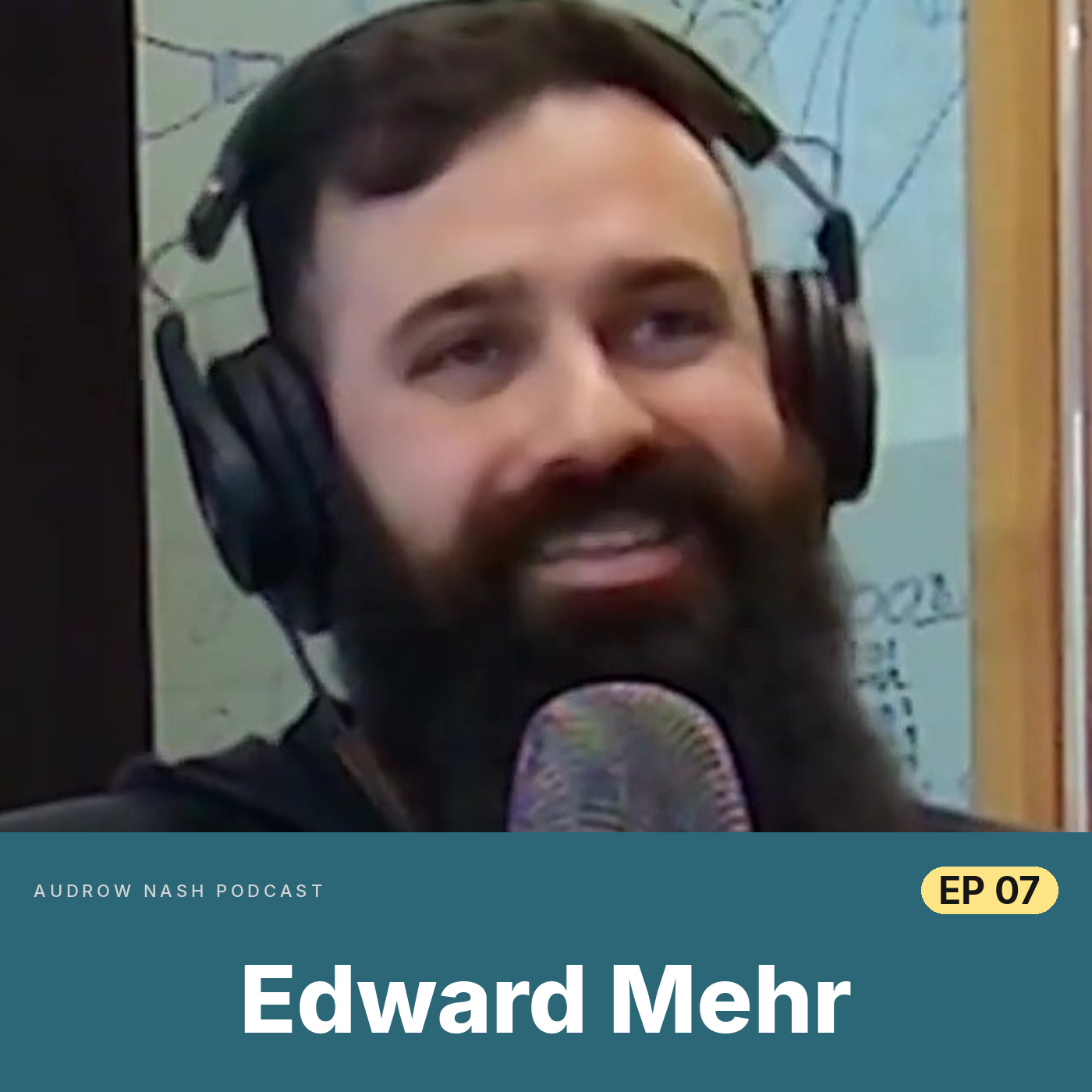
    Four-Year Tooling Lead Times to Days: Machina Labs' Edward Mehr

    Episode 7 of the Audrow Nash Podcast. Missing dies and multi-year tooling lead times can ground an aircraft for years and cost millions. Edward's bet is robotic sheet forming that turns some of that into days. I talk with Edward Mehr, CEO and co-founder of Machina Labs, about high-mix manufacturing floors that switch parts and materials without rebuilding the factory, why physics FEA was too slow for their process so they lean on data-driven models, and why he thinks robotics startups need roughly 10× improvement to survive the failure margin. You'll like this interview if you care about aerospace/defense manufacturing, process robotics, or how hardware founders pitch venture while carrying CapEx. The forming and modeling stretch (about 7:33–34:45) is the densest engineering bit; the 10× / market-choice stretch (47:16 on) is the densest founder bit. EPISODE LINKS - Machina Labs: https://machinalabs.ai/ - Machina Labs LinkedIn: https://www.linkedin.com/company/machina-labs/ - Edward Mehr LinkedIn: https://www.linkedin.com/in/edward-mehr/ PODCAST LINKS - Podcast Website: https://audrownashpodcast.com/ - YouTube: https://www.youtube.com/@audrow - Apple Podcasts: https://podcasts.apple.com/us/podcast/audrow-nash-podcast/id1716486786 - Spotify: https://open.spotify.com/show/74jWpWiLwsasY2QHtDcl8I?si=6c92796bf9554162 TIMECODES 0:00 Cold open 0:29 Episode intro 1:51 Introducing Edward and Machina Labs 7:33 AI in manufacturing 15:19 Data models vs physics-based models 18:51 Capturing data and modeling 34:45 About Machina Labs 39:15 Machina Labs funding 45:11 Being in LA 47:16 Why make a company that is 10x better 58:43 What if you weren't venture funded? 1:02:53 On growing quickly 1:10:26 Humanoids: challenges and Elon Musk 1:20:54 AI trends: transformers and hallucinations 1:35:32 Thoughts on manufacturing 1:42:15 Advice to get involved in manufacturing

Showing 1–20 of 21 episodes