Skip to content
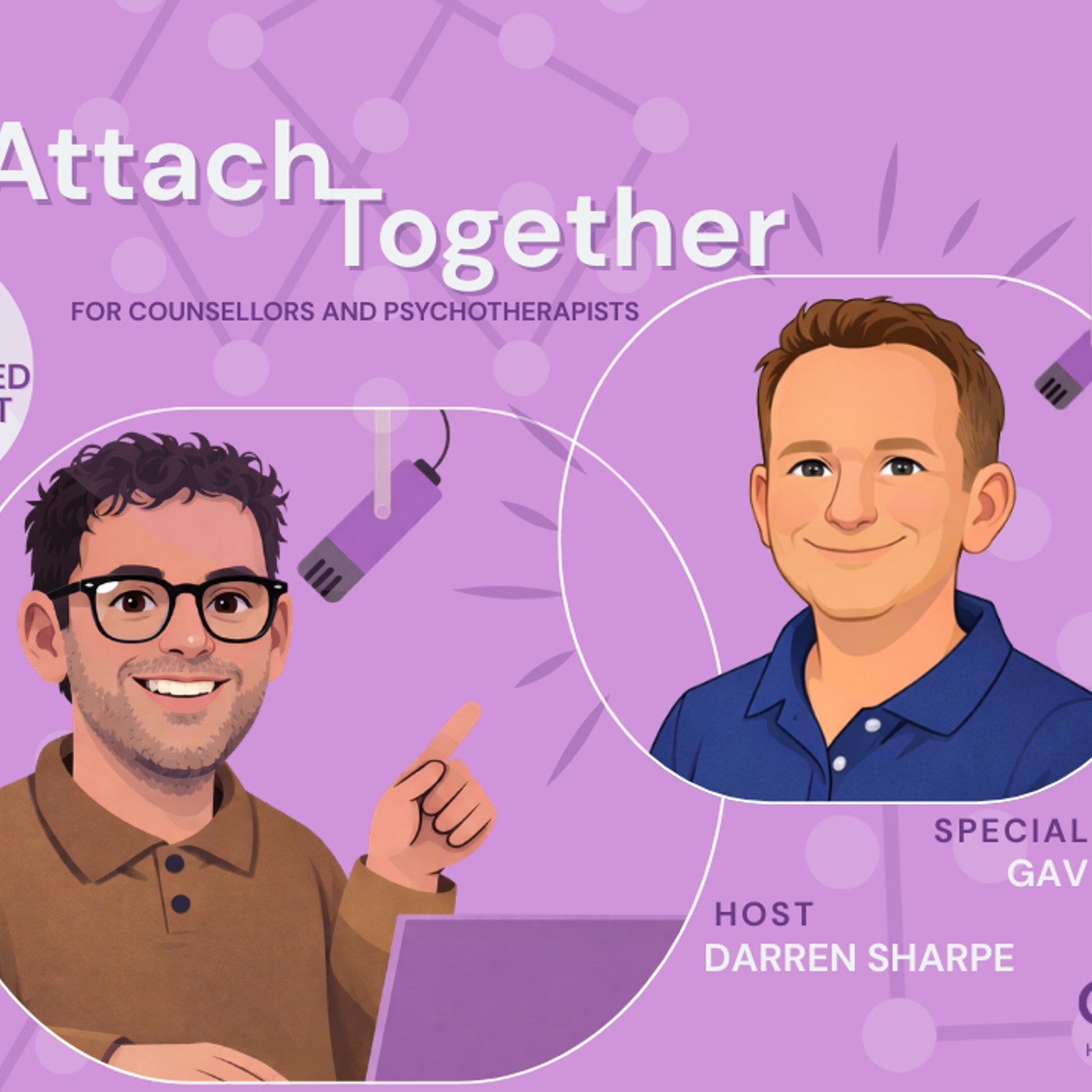
Artwork for Attach Together
Attach Together · March 17 · 28 min

Working with Disorganised Attachment in Therapy

🎓 Get your CPD certificate from our website. Understanding Disorganised Attachment in Relationships, Trauma & Attachment-Informed Therapy Disorganised attachment is one of the most complex and misunderstood attachment styles in attachment theory. In this episode of Attach Together, Darren is joined by counsellor and attachment-based psychotherapist Gav McKee to explore how disorganised attachment develops, how it shapes adult relationships, and how therapists can work safely and effectively with clients who carry unresolved attachment trauma. For therapists working with trauma, personality disorder presentations, complex PTSD, or dissociation, understanding this attachment style is essential. This conversation explores the clinical realities of working with unresolved attachment in therapy, including relational dynamics, emotional dysregulation, dissociation, and the importance of pacing and safety. 🔎What You'll Learn • What disorganised attachment is and how it develops • The research of Mary Ainsworth, Mary Main and Judith Solomon • The concept of fright without solution in attachment theory • How trauma can be transmitted across generations • Why disorganised attachment often appears alongside complex PTSD • The push-pull dynamic often seen in adult relationships • Emotional flooding, dissociation and shame in attachment trauma • Why safety and stabilisation must come before trauma processing • How therapists can become a consistent and regulating relational presence Clinical Takeaways for Therapists • Disorganised attachment often originates when the caregiver is both comfort and threat • Clients may experience intense approach-avoid patterns in relationships • Emotional dysregulation and dissociation are common presentations • Therapy must prioritise relational safety before trauma processing • The therapeutic relationship itself becomes a corrective attachment experience 🕝Chapters 00:00 Introduction to the Attachment Theory Podcast 01:40 What Is Disorganised Attachment? 03:25 Fright Without Solution Explained 06:52 Intergenerational Trauma and Attachment 08:34 How Disorganised Attachment Appears in Adults 11:29 Relationship Patterns and Emotional Dysregulation 13:17 Working Safely with Disorganised Attachment 15:19 The Therapist as a Secure Base 18:55 Can Disorganised Attachment Be Resolved? 23:34 Clinical Dilemma: Dissociation in Therapy 26:02 Grounding Clients in the Therapy Room 27:11 The Value of Attachment Training 27:11 The Value of Attachment Training 🎓Resources Mentioned • Mary Ainsworth – Strange Situation research • Mary Main & Judith Solomon – Disorganised attachment classification FREE CPD Certificate & Reflection Pack You can download the FREE CPD Certificate for this episode via our website www.optimahealthservices.co.uk and join our listener list to receive the Reflection Pack for future episodes.

0:00-28:48

transcript

No transcript — this publisher did not publish one.

show notes

🎓 Get your CPD certificate from our website.

Understanding Disorganised Attachment in Relationships, Trauma & Attachment-Informed Therapy

Disorganised attachment is one of the most complex and misunderstood attachment styles in attachment theory.

In this episode of Attach Together, Darren is joined by counsellor and attachment-based psychotherapist Gav McKee to explore how disorganised attachment develops, how it shapes adult relationships, and how therapists can work safely and effectively with clients who carry unresolved attachment trauma.

For therapists working with trauma, personality disorder presentations, complex PTSD, or dissociation, understanding this attachment style is essential.

This conversation explores the clinical realities of working with unresolved attachment in therapy, including relational dynamics, emotional dysregulation, dissociation, and the importance of pacing and safety.


🔎What You'll Learn

• What disorganised attachment is and how it develops
• The research of Mary Ainsworth, Mary Main and Judith Solomon
• The concept of fright without solution in attachment theory
• How trauma can be transmitted across generations
• Why disorganised attachment often appears alongside complex PTSD
• The push-pull dynamic often seen in adult relationships
• Emotional flooding, dissociation and shame in attachment trauma
• Why safety and stabilisation must come before trauma processing
• How therapists can become a consistent and regulating relational presence


Clinical Takeaways for Therapists

• Disorganised attachment often originates when the caregiver is both comfort and threat
• Clients may experience intense approach-avoid patterns in relationships
• Emotional dysregulation and dissociation are common presentations
• Therapy must prioritise relational safety before trauma processing
• The therapeutic relationship itself becomes a corrective attachment experience


🕝Chapters

00:00 Introduction to the Attachment Theory Podcast
01:40 What Is Disorganised Attachment?
03:25 Fright Without Solution Explained
06:52 Intergenerational Trauma and Attachment
08:34 How Disorganised Attachment Appears in Adults
11:29 Relationship Patterns and Emotional Dysregulation
13:17 Working Safely with Disorganised Attachment
15:19 The Therapist as a Secure Base
18:55 Can Disorganised Attachment Be Resolved?
23:34 Clinical Dilemma: Dissociation in Therapy
26:02 Grounding Clients in the Therapy Room
27:11 The Value of Attachment Training

27:11 The Value of Attachment Training


🎓Resources Mentioned

• Mary Ainsworth – Strange Situation research
• Mary Main & Judith Solomon – Disorganised attachment classification


FREE CPD Certificate & Reflection Pack

You can download the FREE CPD Certificate for this episode via our website www.optimahealthservices.co.uk and join our listener list to receive the Reflection Pack for future episodes.

links2