Skip to content
Artwork for Architecture Topics

Architecture Topics

Liam Caron

Step into the world of architectural history with Architecture Topics (by WikiArquitectura).

Each episode uncovers the stories behind iconic buildings and the visionary architects who shaped history. From ancient wonders to modern masterpieces, we explore the ideas that revolutionized design.

🎧 New episodes every... often! – Subscribe now and discover the legends of architecture!

Play
  • 21 episodes
  • weekly
  • Avg 16 min
  • English
Counted on this page — what you have heard stays on this device, so it is not something the list can be paged by.
  • S1 · E56
    August 20 · 20 min

    The Citigroup Center - The Structural Crisis Behind a New York Landmark

    The Citigroup Center, originally known as the Citicorp Center and now officially called 601 Lexington Avenue, is one of the most distinctive skyscrapers in Midtown Manhattan and one of New York City’s great stories of architecture and structural engineering. In this episode, we explore how architect Hugh Stubbins and structural engineer William LeMessurier designed the 59-story tower around an unusual constraint: St. Peter’s Lutheran Church had to remain on the site. The solution produced the building’s famous elevated structure, enormous supporting columns, diagonal bracing and unmistakable 45-degree roof. But shortly after Citicorp Center opened in 1977, LeMessurier discovered that a combination of quartering winds and changes made during construction could create a serious structural vulnerability. What followed became one of the most famous engineering ethics stories in modern architecture. We trace the Citigroup Center from its 1970s design and construction through the structural crisis, secret reinforcement work, tuned mass damper, and its eventual place among the most recognizable landmarks of the New York skyline. A story of skyscrapers, architecture, engineering, risk and responsibility in the heart of Manhattan.

  • S1 · E55
    August 11 · 19 min

    The KIO Towers - An Urban Symbol for Madrid

    The KIO Towers, officially known as Puerta de Europa, are two of the most recognizable buildings in Madrid. Standing at Plaza de Castilla on the Paseo de la Castellana, these dramatic leaning skyscrapers have become an unmistakable symbol of the Spanish capital. In this episode, we explore the architecture and history of the KIO Towers, from Madrid’s expansion north and the transformation of Plaza de Castilla to the ambitious design by architects Philip Johnson and John Burgee. We look at how the towers were engineered to lean, the structural challenges hidden behind their simple form, the financial troubles that stopped construction, and how an unfinished corporate project eventually became one of Madrid’s most famous landmarks. Whether you’re interested in modern architecture, skyscraper design, Madrid architecture and urban planning, or you’re simply planning a trip to Madrid and want to understand the buildings you’ll see around Plaza de Castilla and the Castellana, this is the story behind one of the city’s most unusual sights. ---- Keep the memories of your own trips together with ⁠WentoTravel.com⁠, a permanent travel archive for your photos, videos, notes and journeys. Architecture Topics listeners can use the code ARCHITECTURETOPICS to get 30% off for life.

  • S1 · E54
    August 4 · 19 min

    The Pyramid of the Louvre - A Modern Layer on French History

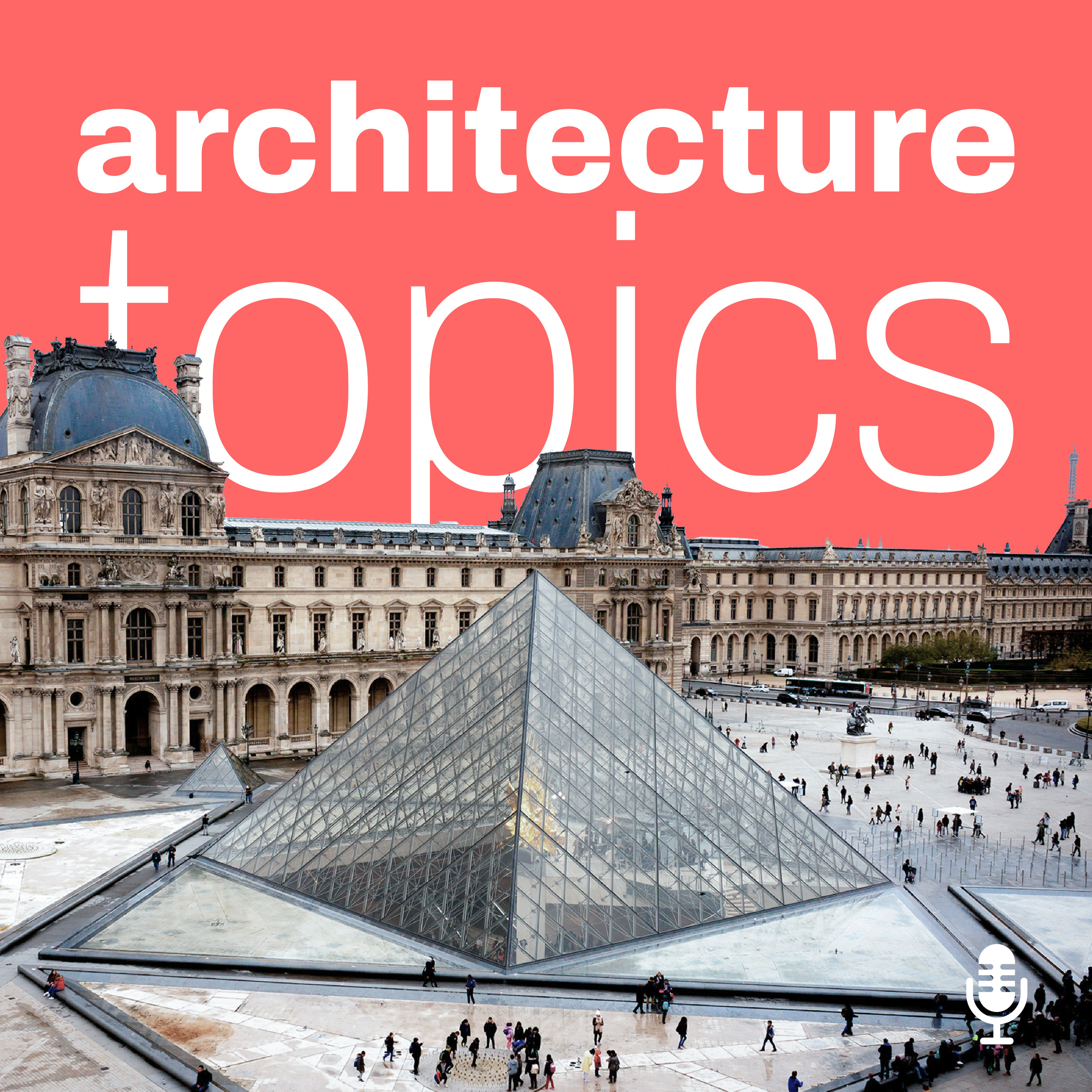
    Discover the story of the Louvre Pyramid, one of the most famous landmarks in Paris and an essential stop for anyone visiting the Louvre Museum. We explore how architect I. M. Pei transformed the historic Cour Napoléon with a modern glass pyramid, why the project caused such controversy, and how it eventually became one of the defining images of Paris. From François Mitterrand’s Grand Louvre project to the vast underground entrance hidden beneath the courtyard, this episode reveals the architecture, history and engineering behind the Louvre Pyramid, the smaller glass pyramids and the inverted pyramid inside the Carrousel du Louvre. A perfect listen for anyone planning a trip to Paris, looking for things to do near the Louvre, or interested in French history, Paris architecture, museums, iconic buildings and the work of I. M. Pei. ---- Keep the memories of your own trips together with WentoTravel.com, a permanent travel archive for your photos, videos, notes and journeys. Architecture Topics listeners can use the code ARCHITECTURETOPICS to get 30% off for life.

  • S1 · E53
    July 28 · 22 min

    The Architecture of Cool: The Cooling Dilemma

    As heatwaves become more frequent and cities grow hotter, air conditioning is becoming one of the most important architectural questions of our time. But the future of AC is not as simple as installing more machines everywhere. In this final episode of The Architecture of Cool, we explore air conditioning, climate change, home comfort, urban heat, energy use, refrigerants, green roofs, street trees, passive cooling, district cooling, radiant cooling, and the challenge of keeping buildings comfortable in a hotter world. From historic cities like Paris, Venice, Barcelona, and Rome to fast-growing hot-climate cities, the question is no longer whether we need cooling. The question is how we design better buildings, better streets, better rooftops, and better AC systems so comfort inside does not make the city outside hotter, louder, or harder to live in.

  • S1 · E52
    July 21 · 13 min

    The Architecture of Cool: How AC Entered the Home

    Air conditioning changed more than indoor comfort. It changed the way homes, apartments, facades, windows, ceilings, and cities were designed. In this episode of The Architecture of Cool, we explore how AC entered domestic life, from window units in older apartment buildings to central air in modern homes and split systems in historic European cities. A story about architecture, air conditioning, climate control, window AC units, central air, split systems, thermal comfort, domestic architecture, modern homes, urban buildings, and the complicated relationship between comfort inside and machinery outside.

  • S1 · E51
    July 14 · 17 min

    The Architecture of Cool: Climate Control and the Invention of AC

    Air conditioning is not just a modern convenience. It belongs to one of architecture’s oldest questions: how do we create shelter from the world outside? In this episode of The Architecture of Cool, we explore climate control as a core part of architecture, from shade, walls, courtyards, wind, and water to the invention of modern AC in the early twentieth century. This is a story about heat, comfort, cities, industry, and the moment buildings began to manufacture indoor weather.

  • S1 · E50
    May 26 · 15 min

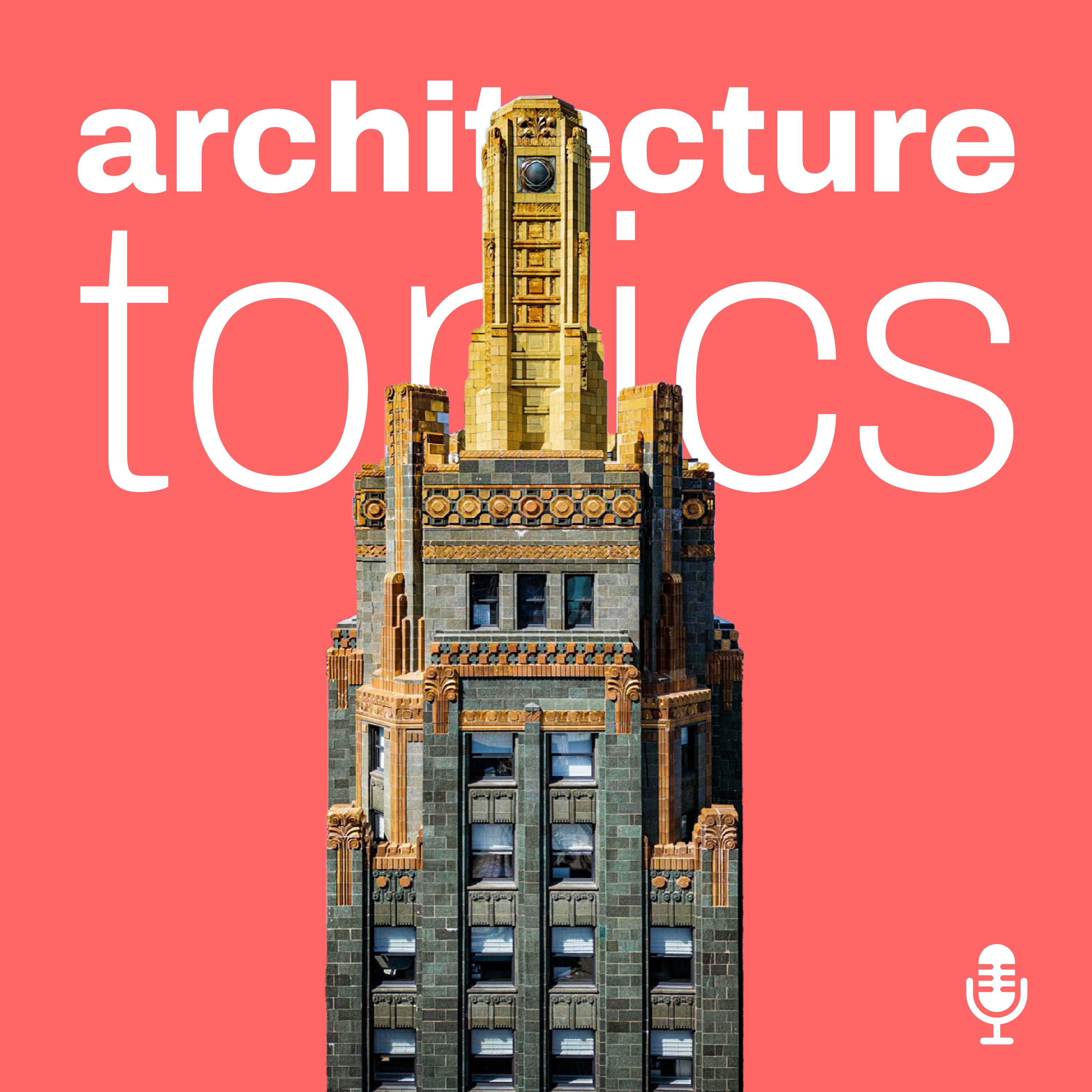
    Carbide & Carbon Building - The Glamour of the Roaring Twenties

    Step into 1920s Chicago and discover the story behind the Carbide & Carbon Building, one of the most striking Art Deco skyscrapers ever built in the United States. In this episode of Architecture Topics, we explore the atmosphere of the roaring twenties, the rise of skyscraper culture in Chicago, and the corporate ambition that transformed architecture into a symbol of power and modernity. Designed by the Burnham Brothers and completed just as the Great Depression began, the Carbide & Carbon Building captured the glamour, optimism, and confidence of an era that believed the future would keep rising higher and higher. From the origins of the modern skyscraper to the golden age of Art Deco architecture, this is the story of a tower that still defines the Chicago skyline nearly a century later. If you enjoy stories about architecture, cities, history, and iconic buildings, follow Architecture Topics for new episodes every week.

  • S1 · E49
    May 19 · 17 min

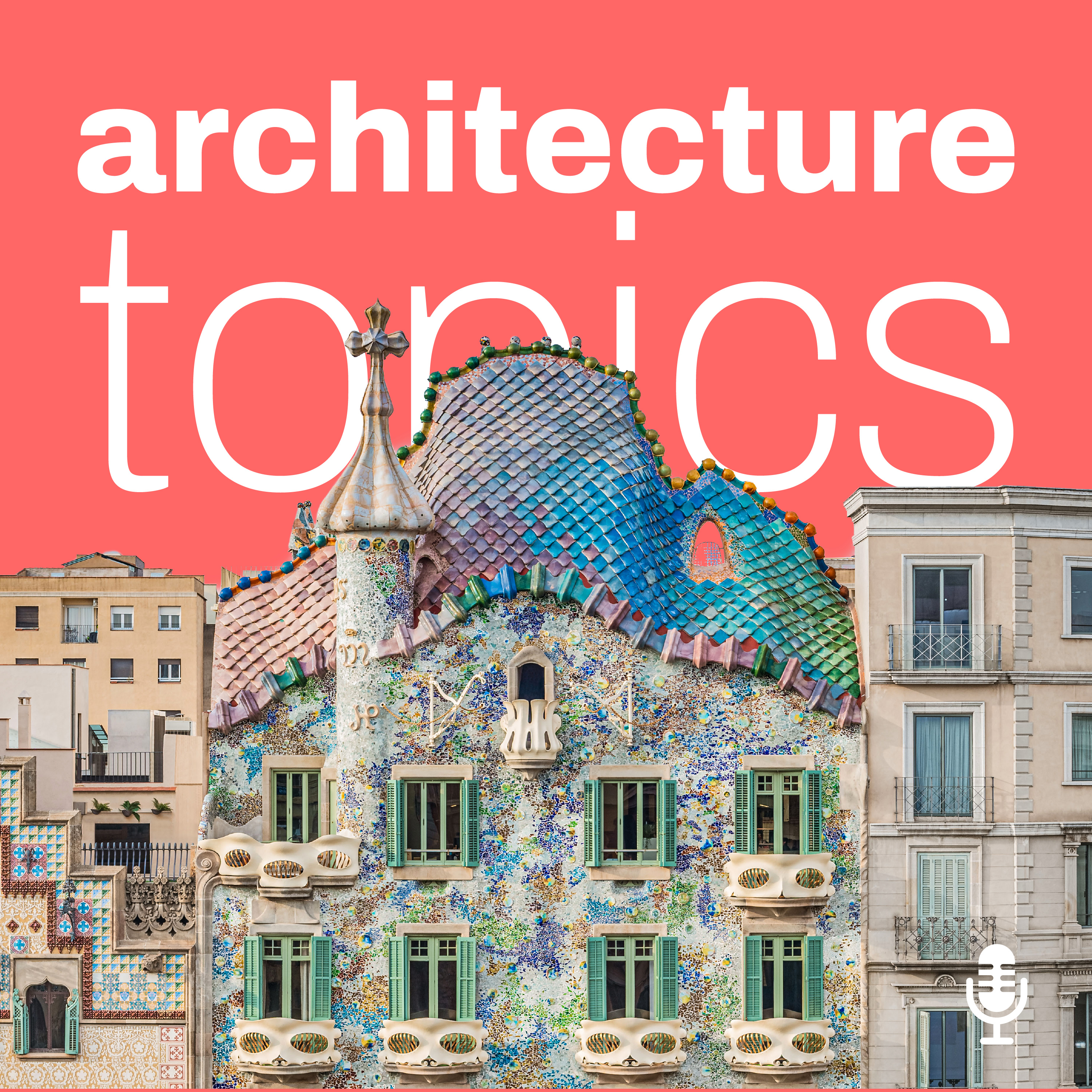
    Casa Batlló - Gaudí’s First Masterpiece on Passeig de Gràcia

    In this episode of Architecture Topics, we explore the story of Casa Batlló, Antoni Gaudí’s extraordinary renovation on Barcelona’s Passeig de Gràcia that helped redefine what architecture could look and feel like in the early 20th century. We talk about the transformation of Barcelona during the rise of the Catalan Modernist movement, the ambitions of the city’s wealthy industrial class, and the growing reputation of Gaudí at a time when his work still divided public opinion. What began as a conventional townhouse owned by textile businessman Josep Batlló eventually became one of the most recognizable landmarks in Spain, covered in curved stone, colorful ceramics, organic forms, and symbolism that still fascinates architects, historians, and visitors today. From the dragon-like roof and the famous “House of Bones” façade to the flowing interiors, handcrafted details, and innovative use of natural light and ventilation, this episode explores why Casa Batlló became one of the defining works of Modernisme in Barcelona. We also touch on Passeig de Gràcia, Casa Milà (La Pedrera), the Sagrada Família, UNESCO World Heritage status, and the lasting influence of Gaudí on architecture and design around the world. If you are planning a trip to Barcelona, interested in Antoni Gaudí, Catalan architecture, Art Nouveau, historic buildings, or simply curious about the stories behind the world’s most famous places, this episode is for you.

  • S1 · E48
    May 12 · 17 min

    Brooklyn Bridge - The Bridge that United New York

    The Brooklyn Bridge is one of the most recognizable landmarks in New York City, but when construction began in the 1860s, many people believed it was impossible to build. In this episode of Architecture Topics, we explore the complete story behind the Brooklyn Bridge, from the days when ferries were the only way to cross the East River, to the dangerous construction of the bridge’s underwater foundations using pneumatic caissons. We talk about John Augustus Roebling’s ambitious suspension bridge design, the illness that nearly ended the project, the crucial role played by Emily Warren Roebling, and how the completed bridge helped transform Manhattan and Brooklyn into a single city. We also explore the engineering breakthroughs behind the bridge, the human cost of its construction, the famous elephant crossing that helped restore public trust, and how the Brooklyn Bridge became one of the defining symbols of New York.

  • S1 · E47
    May 5 · 16 min

    Oriental Pearl Tower - The Structure that Created Shanghai’s Skyline

    The Oriental Pearl Tower is one of the most recognizable landmarks in the world, but it wasn’t built to join a skyline, it was built before the skyline existed. In this episode of Architecture Topics, we travel back to 1980s Shanghai to understand how the city transformed from an inward-looking industrial center into a global financial hub, and how the development of Pudong changed everything. We explore the history of Shanghai, the impact of Deng Xiaoping’s economic reforms, and the decision to build a new district from scratch across the Huangpu River. You’ll learn how the Oriental Pearl Tower was designed, why its unique spherical form was chosen, and how it became both a broadcasting structure and a cultural symbol. We also look at how it paved the way for iconic skyscrapers like the Jin Mao Tower, Shanghai World Financial Center, and Shanghai Tower, shaping one of the most famous skylines in the world. If you’re interested in architecture, urban planning, skyscrapers, or the history of modern China, this episode gives you the full story behind the tower that helped define Shanghai.

  • S1 · E46
    April 28 · 17 min

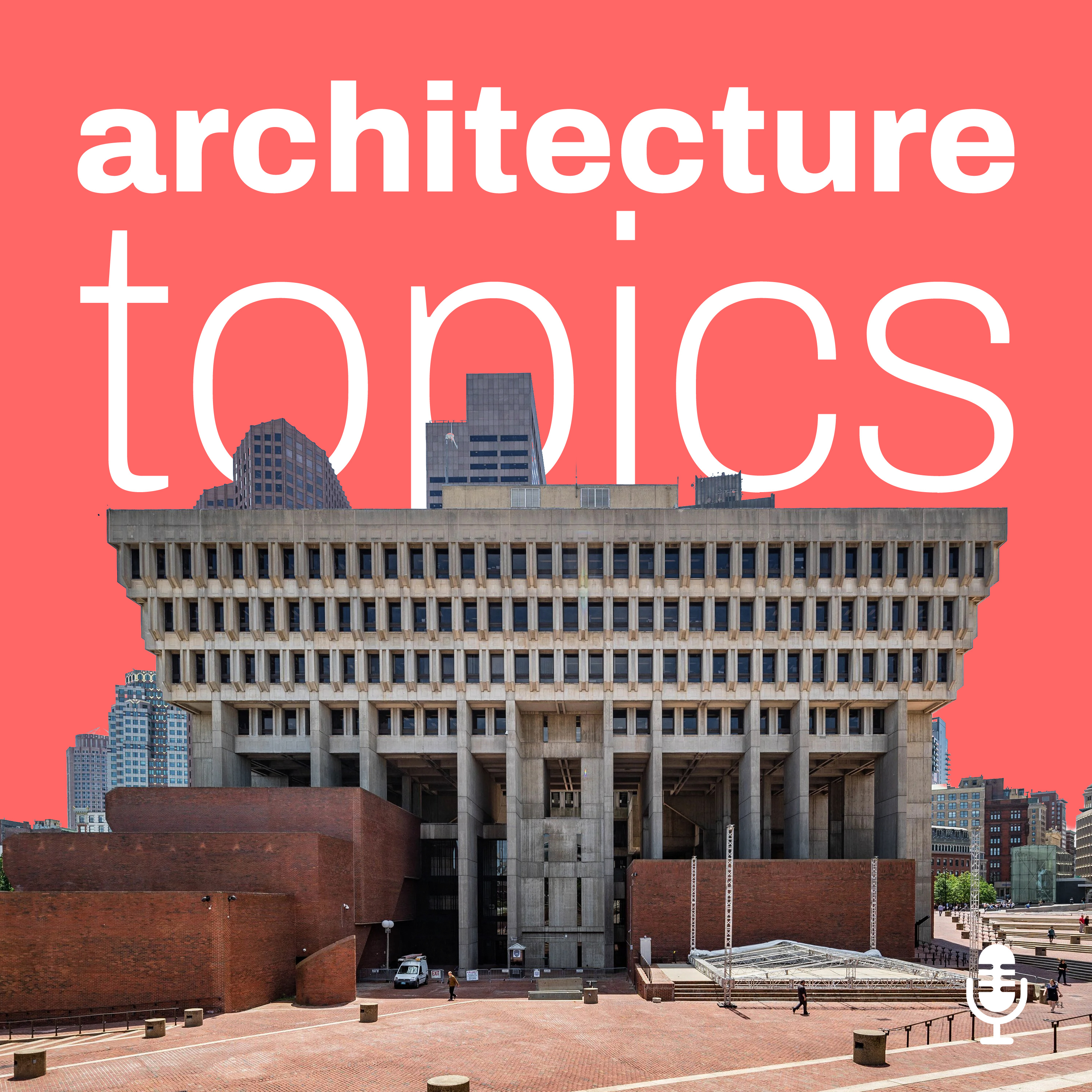
    Boston City Hall - A masterpiece or a mistake?

    Boston City Hall is one of the most controversial buildings in the world, often ranked among both the best and worst examples of architecture. In this episode, we break down the full story of Boston City Hall, one of the most iconic Brutalist buildings ever designed. From the demolition of Boston’s West End and the urban renewal of the 1950s and 60s, to the creation of Government Center and the radical design competition won by Kallmann McKinnell & Knowles. Why does Boston City Hall look the way it does? What is Brutalism in architecture, and why did architects embrace raw concrete, exposed structure, and monumental forms? Why do architects admire this building while so many people dislike it? We explore the design concept, the construction, the public reaction, and the decades-long debate around whether Boston City Hall is a masterpiece of modern architecture or a failure of urban design. This episode covers architecture history, Brutalist architecture, Boston architecture, urban planning, city design, controversial buildings, and iconic landmarks. If you’re interested in architecture, urban design, Brutalism, modern architecture, city planning, or famous buildings around the world, this episode is for you.

  • S1 · E45
    April 21 · 18 min

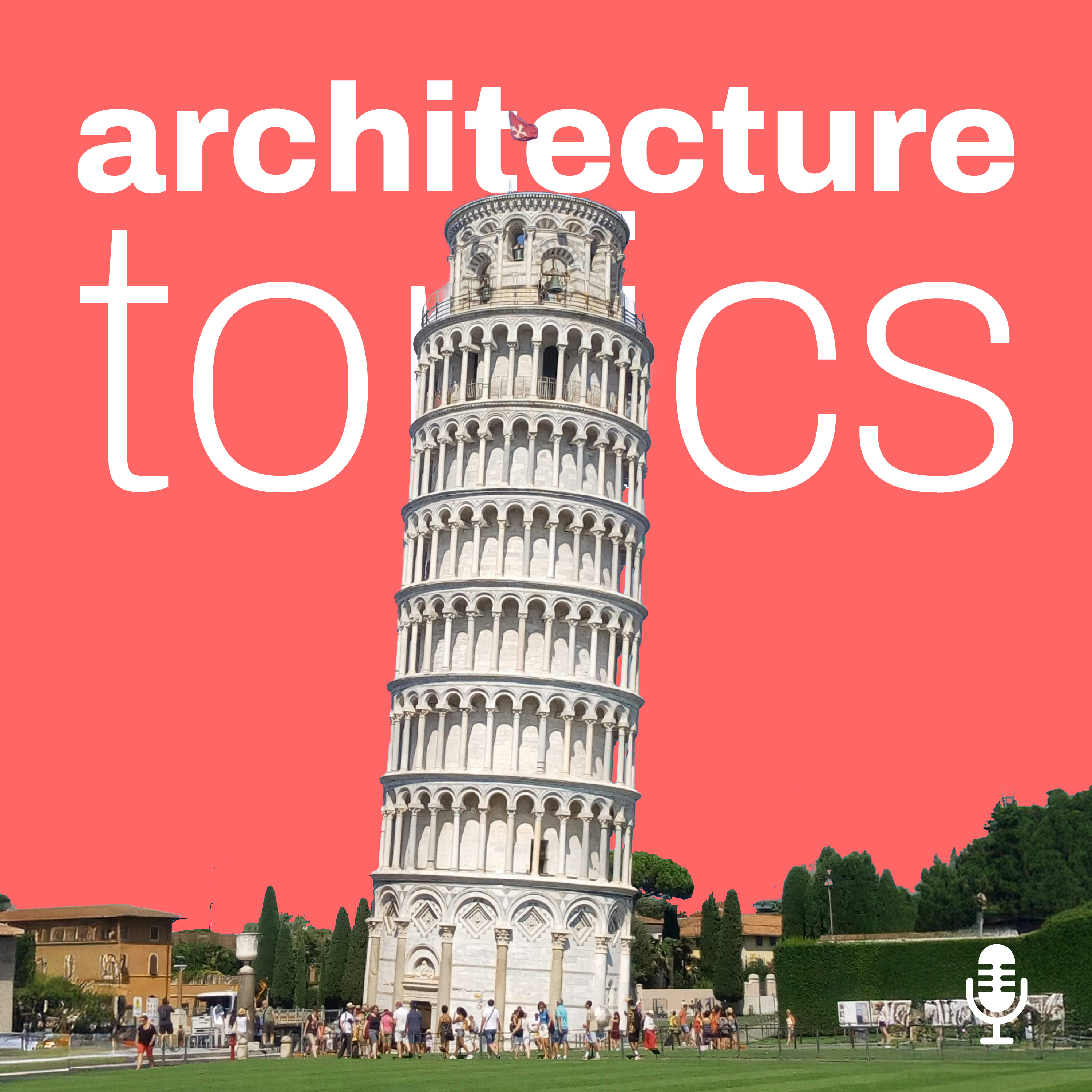
    Leaning Tower of Pisa - The mistake that became an icon

    The Leaning Tower of Pisa is one of the most famous buildings in the world. But it was never meant to look like this. In this episode, we explore how a 12th century bell tower in Pisa, Italy, became one of architecture’s most iconic accidents. From the ambition of a powerful maritime republic, to unstable soil, halted construction, and centuries of slow movement, this is the story of how a structural flaw turned into a global symbol. Along the way, we look at the people behind the project, the medieval builders who tried to adapt to a problem they couldn’t fully control, and the modern engineers who ultimately saved the tower without erasing its identity. A story of architecture, ambition, and a mistake that refused to disappear.

  • S1 · E44
    February 24 · 17 min

    Christ the Redeemer - The statue that became synonymous with Brazil

    In this episode of Architecture Topics, we explore Christ the Redeemer in Rio de Janeiro, one of the most iconic landmarks in the world and a defining symbol of Brazil. Perched atop Corcovado Mountain, overlooking Guanabara Bay, Sugarloaf Mountain, and the skyline of Rio, this 30-meter tall Art Deco statue attracts nearly two million visitors every year. But how did a reinforced concrete monument, built between 1922 and 1931, come to represent an entire nation? We dive into the historical context of early 20th century Brazil, the role of the Catholic Church, the political climate of a newly secular republic, and the collaboration between engineer Heitor da Silva Costa, artist Carlos Oswald, and sculptor Paul Landowski. From engineering challenges and construction techniques to symbolism, tourism, and global recognition as one of the New Seven Wonders of the World, this episode examines how architecture, faith, and national identity converged on top of a mountain. Whether you are an architect, architecture student, history lover, or planning a trip to Rio de Janeiro, this is the story behind the statue that became synonymous with Brazil.

  • S1 · E43
    February 17 · 15 min

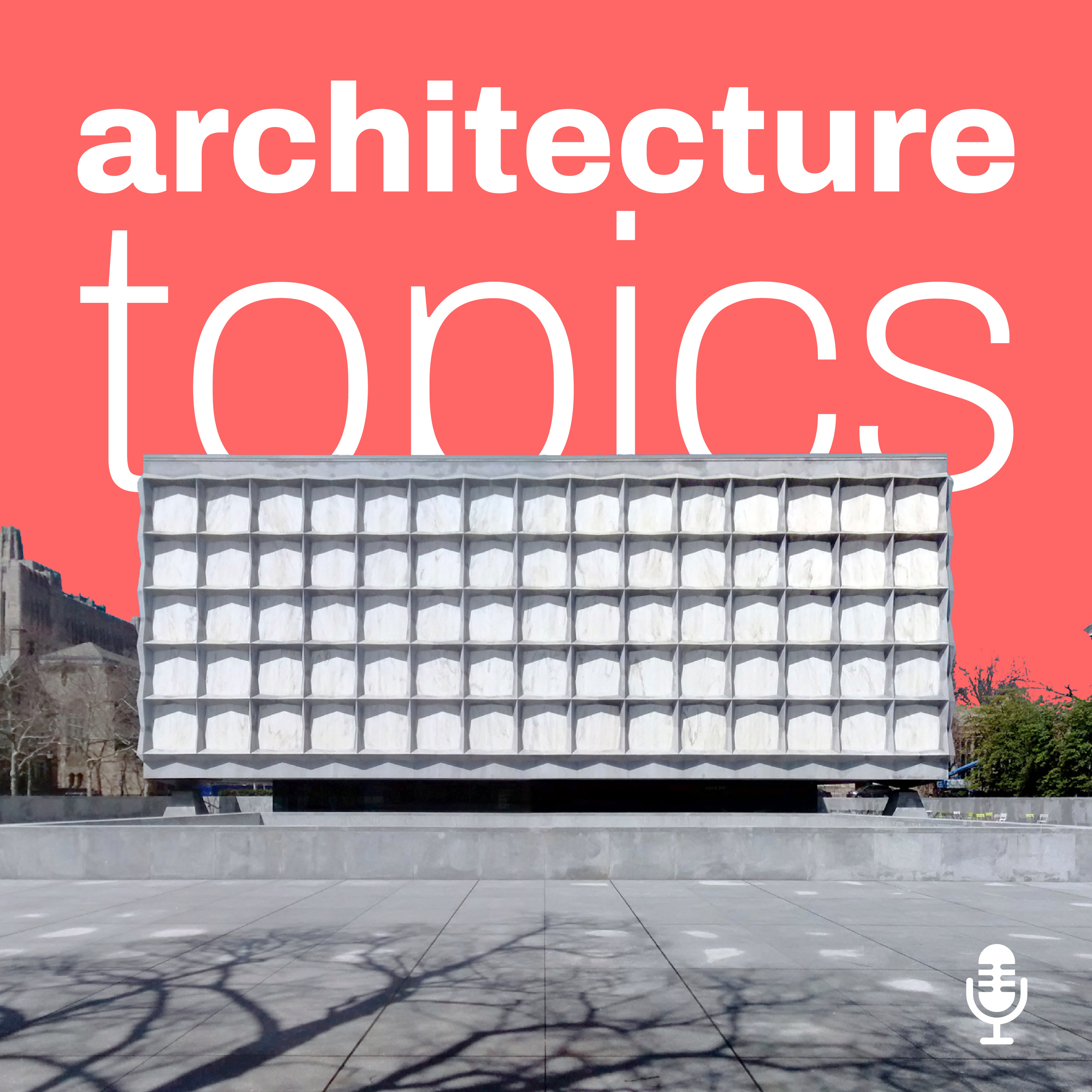
    Beinecke Rare Book and Manuscript Library - A building about light, with NO windows

    In this episode of Architecture Topics, we explore the Beinecke Rare Book and Manuscript Library at Yale University in New Haven, Connecticut. Designed by Gordon Bunshaft of Skidmore, Owings & Merrill and completed in 1963, the Beinecke Library stands as one of the most distinctive works of modern architecture on a university campus in the United States. Built during a period of rapid academic expansion, the project responded to Yale’s growing collection of rare books and manuscripts and the need for a purpose-built environment to preserve them. We look at the historical context of postwar America, the role of the Beinecke family’s philanthropic gift, and how Bunshaft approached the challenge of designing a rare book library that prioritized preservation over tradition. From modernism and material innovation to the cultural role of universities in the 1960s, this episode examines how architecture can shape the way knowledge is protected and experienced. If you are interested in Yale University, campus architecture, American modernism, or the work of Gordon Bunshaft and Skidmore, Owings & Merrill, this episode offers a clear and compelling look at one of the most unique libraries in the United States.

  • S1 · E42
    February 10 · 17 min

    Petronas Towers - Tallest by Design, or by Definition?

    In this episode of Architecture Topics, we explore the full story behind the Petronas Towers in Kuala Lumpur, from their origins in late-20th-century Malaysia to the global controversy that reshaped how skyscrapers are measured. Designed by César Pelli and completed in 1998, the Petronas Towers were declared the tallest buildings in the world, surpassing the Sears Tower in Chicago. That declaration sparked an intense international debate about architectural height, spires versus antennas, and what “tallest building” really means. The controversy led to the formalization of global height standards by the Council on Tall Buildings and Urban Habitat, permanently changing how skyscrapers are compared and ranked. Beyond records, this episode looks at the political ambition of 1990s Malaysia, the role of Petronas as a national symbol, the engineering challenges of building twin concrete towers on difficult ground, the meaning of the skybridge, and how the Asian Financial Crisis transformed the towers from symbols of growth into symbols of resilience. A story about architecture, power, identity, and the moment when height became a global argument.

  • S1 · E41
    February 3 · 8 min

    The Case Study Houses - Success, Failure, and Legacy

    In this final episode of our Case Study House mini series, we step back from individual buildings and look at the experiment as a whole. Launched in postwar Los Angeles, the Case Study House program brought together architects like Charles and Ray Eames, Pierre Koenig, Craig Ellwood, Richard Neutra, and Eero Saarinen to rethink modern living through architecture. Over nearly two decades, more than thirty houses were designed, testing new materials, open plans, steel construction, and a radically different relationship between domestic life and design. Across this series, we explored three key projects. The Eames House, where life shaped architecture over time. The Salzman House by Craig Ellwood, where order, discipline, and precision set the terms of living. And the Stahl House by Pierre Koenig, where modern architecture became inseparable from image and representation. Together, they reveal the full spectrum of the Case Study House program, from flexible living frameworks to controlled systems, and finally to architecture as cultural icon. In this closing episode, we ask the difficult questions. What did the Case Study Houses truly achieve? Why did the program fail to produce repeatable housing models, despite its optimism around steel and industrial construction? And why do these houses still matter today, even as their original ambitions proved impossible to sustain? This episode explores the success, the limits, and the lasting legacy of the Case Study House program, not as a nostalgic moment in mid century modern architecture, but as a clear and honest test of how architecture tries, and sometimes fails, to shape the way we live.

  • S1 · E40
    January 26 · 16 min

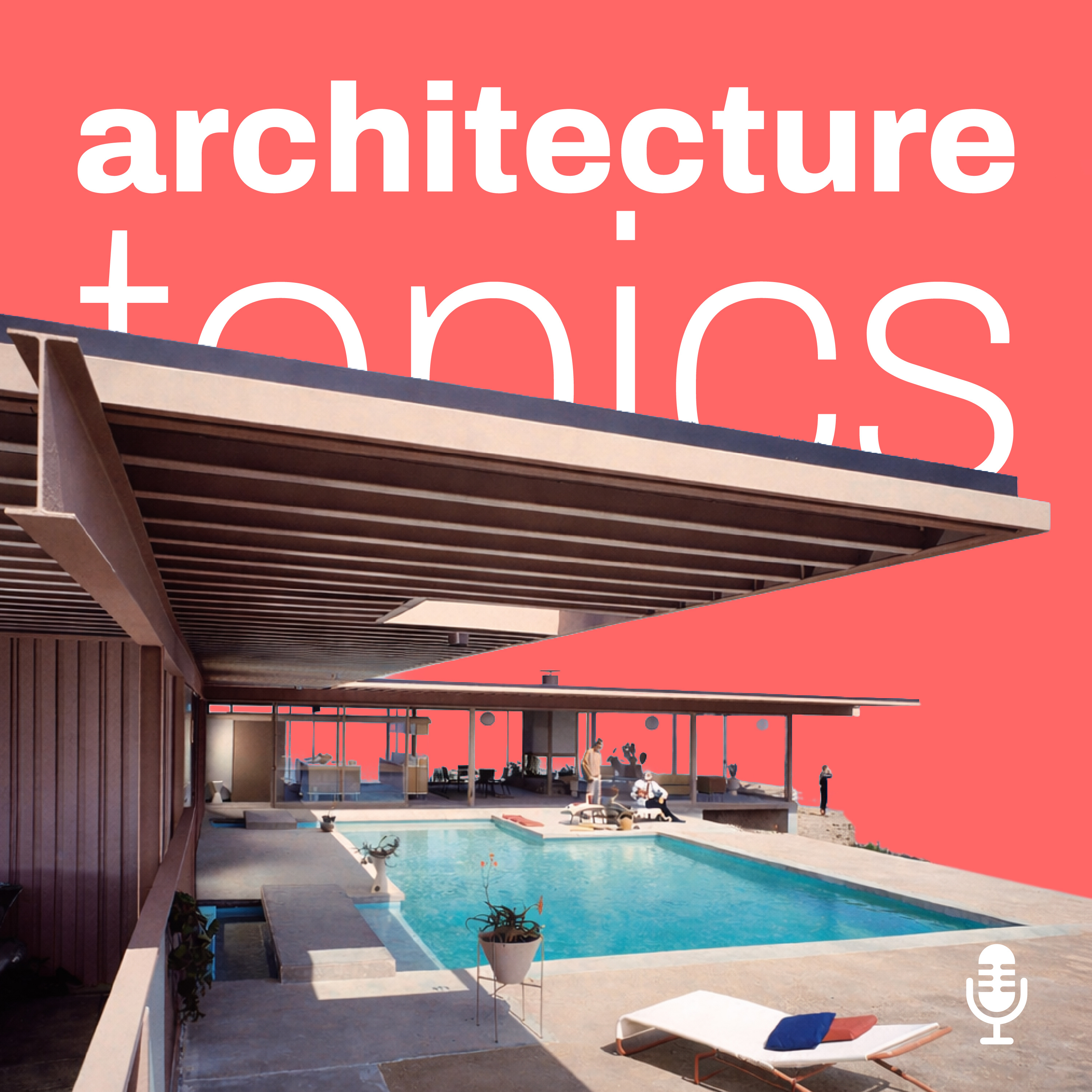
    Case Study House 22 (Stahl House) – Living in a Photograph

    Case Study House 22, also known as the Stahl House, designed by Pierre Koenig in Los Angeles, is one of the most iconic examples of mid century modern architecture. Overlooking the city and defined by steel, glass, and extreme exposure, the house became a powerful symbol of modern living in postwar California. In this episode, we explore how Case Study House 22 transformed domestic architecture into an image. We look at its design, its unconventional relationship to everyday life, and the role photography and media played in shaping its legacy. More than a house, it became a photograph, a cultural reference, and a vision of modern life consumed at a distance. This episode is part of a mini series on the Case Study House program, examining how modern architecture moved from living, to discipline, to image, and what that shift still means today.

  • S1 · E39
    January 20 · 12 min

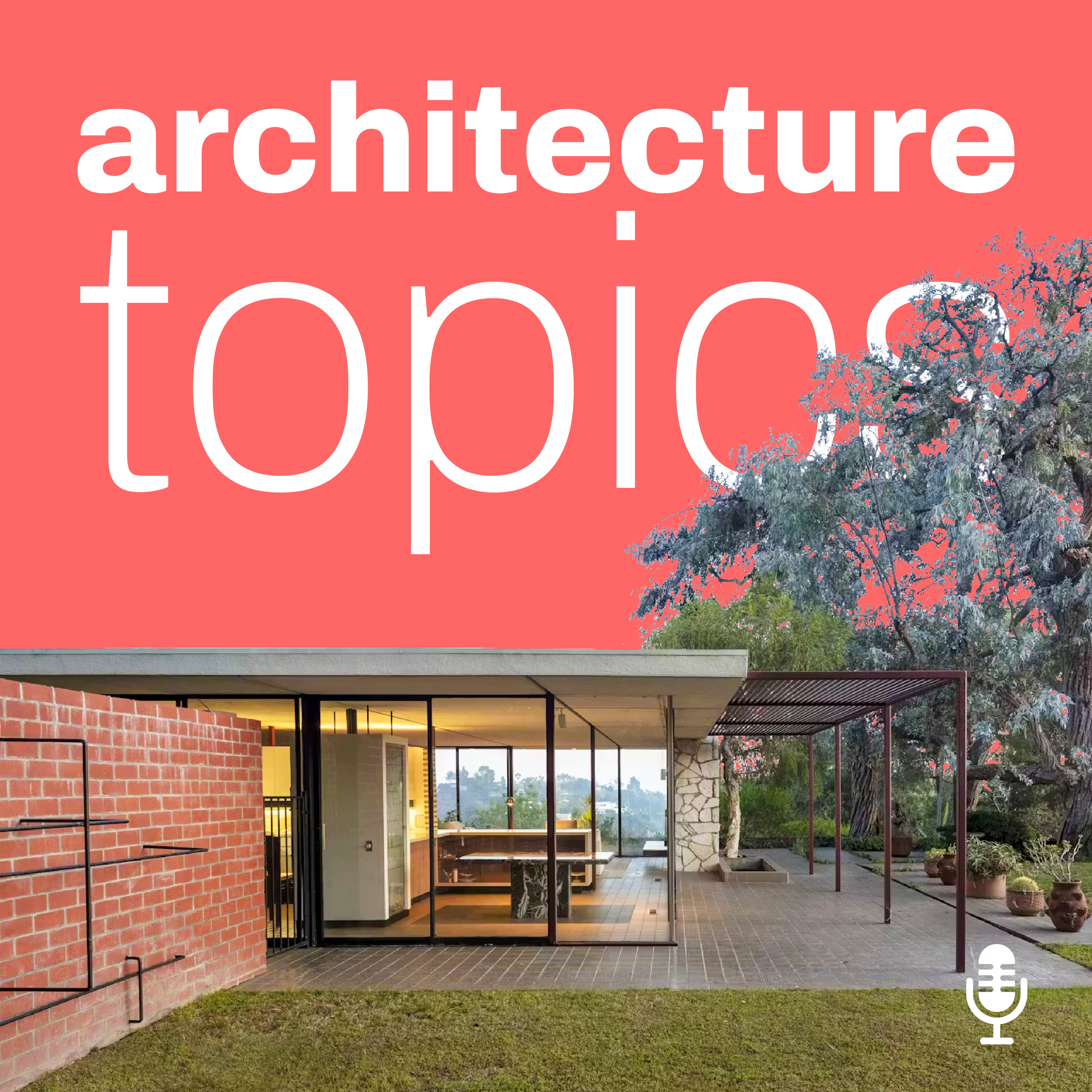
    Case Study House 16 (Salzman House) – Living by Design

    Designed by Craig Ellwood in the early nineteen fifties, Case Study House number sixteen, also known as the Salzman House, offers a rigorous vision of mid-century modern living in Bel Air, Los Angeles. Here, architecture does not adapt to daily life. Instead, it establishes a clear order, asking its occupants to live carefully within it. In this episode, we explore the Salzman House as an exercise in discipline, precision, and control. From its carefully organized plan to its framed relationship with outdoor courts and terraces, the house reveals both the elegance and the limits of modernism when order comes first. Positioned between the flexibility of the Eames House and the later iconic Case Study Houses of Los Angeles, CSH16 helps explain why the dream of a perfectly designed modern home was both influential and difficult to sustain.

  • S1 · E38
    January 13 · 18 min

    Case Study House 8 (Eames House) - A House Shaped by Living

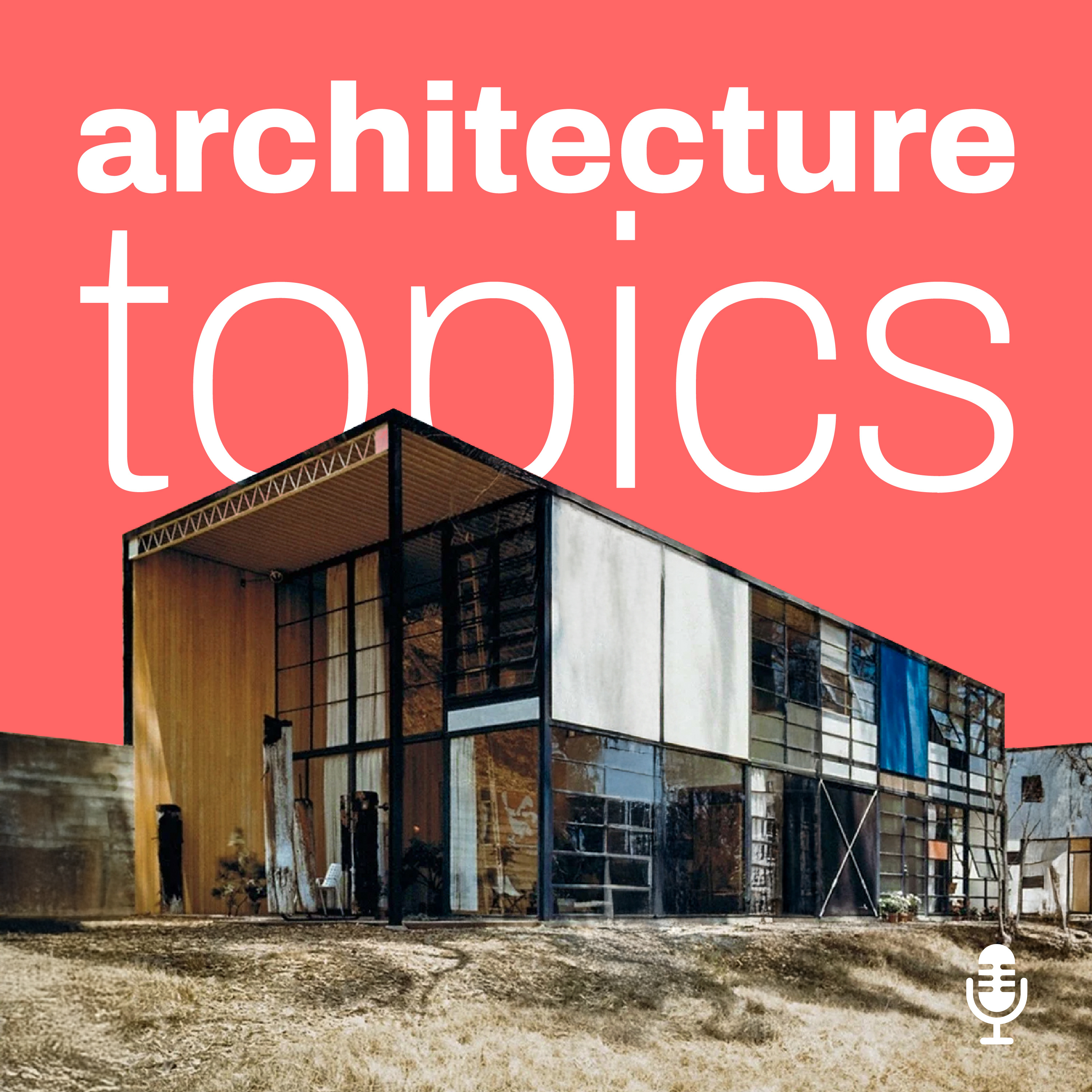
    Case Study House number eight, designed by Charles and Ray Eames, is often celebrated as an icon of modern architecture. But its true significance lies not in how it looks, but in how it was lived in. In this episode, we explore a house that treated architecture as a flexible framework rather than a finished statement. A place where work, family life, and creativity unfolded side by side, and where objects accumulated naturally over time. We look at how the Eameses approached design, why this house could only have emerged in postwar California, and how it challenged the idea that modern living needed to be controlled or perfected. More than a prototype, the Eames House became a demonstration of how architecture could support everyday life without dominating it. This episode continues our mini series on the Case Study Houses, moving from the program’s founding ideas to a lived example where life, not image, took the lead.

  • S1 · E37
    January 6 · 16 min

    The Case Study Houses - Inventing the Modern Home

    After the Second World War, the United States faced an urgent question. How to house a new generation, and what that new way of living should look like. In this episode, we explore the origins of the Case Study House program, an ambitious experiment launched in California to rethink the modern home. Architects, editors, manufacturers, and clients came together to treat the house not as a finished object, but as a prototype for everyday life. We look at why this experiment emerged when it did, why it took shape in Southern California, and what tensions it revealed between modern ideals and real domestic life. This episode lays the groundwork for a mini series about life, discipline, image, and legacy, and how the Case Study Houses changed the way we imagine home.

Showing 1–20 of 21 episodes