Skip to content
Artwork for Aqua Talks
BusinessMarketingEntrepreneurshipGovernment

Aqua Talks

Larry Aldrich and Mady Dudley

Welcome to Aqua Talks, the podcast where marketing meets bold, game-changing ideas. From state and federal government campaigns to industries spanning the private sector, we delve into the art and science of cutting through the noise, capturing attention, and building meaningful, profitable connections. Join visionary host Larry Aldrich, with decades of expertise in multi-industry marketing, and Mady Dudley, a PR professional renowned for crafting engaging, results-driven campaigns. Together, they deliver insights that inspire and strategies that transform.

Brought to you by BrennSys Technology LLC, a Service-Disabled Veteran-Owned Small Business, Aqua Talks is your gateway to the vibrant intersection of inspiration and marketing innovation. From designing campaigns that spark adventure to providing strategic solutions for public sector clients, Aqua Talks effectively bridges the gap between storytelling brilliance and mission-critical objectives.

Whether you’re drawn to the allure of destination marketing or curious about how federal government design projects come to fruition, every episode serves as your backstage pass to uncover key industry trends and actionable insights. From unraveling AI’s role in fostering engagement and growth to understanding the complexities of collaborating with government versus private sector clients, Aqua Talks provides sharp analysis and practical takeaways.

Curious about vacation rental trends or the next big thing in eco-tourism? We’ve got you covered. Want to discover the secret to making meaningful connections with disabled veterans? Tune in for answers. Aqua Talks will also explore how to target diverse audiences, ensuring your media strategies resonate with everyone and amplify your visibility.

Whether you’re a destination marketer, government contractor, or simply passionate about the transformative power of marketing, Aqua Talks offers engaging discussions designed to inspire and inform. Welcome to the intersection of robust solutions and marketing innovation in a digital-first world.

Meet Larry Aldrich, the insightful and engaging host of Aqua Talks. With decades of experience spanning both public and private sectors, Larry brings a wealth of knowledge, sharp wit, and curiosity to every episode. His career began in the U.S. Air Force, where his discipline and innovative thinking took flight. As the CEO and founder of BrennSys Technology LLC, Larry transformed his expertise into a Service-Disabled Veteran-Owned Small Business specializing in cutting-edge marketing communications for Federal and State clients.

In 2024, he took a bold step forward, acquiring Aqua Marketing & Communications and merging the firms into a powerhouse of destination marketing and public sector solutions. Expect lively conversations, sharp insights, and plenty of actionable takeaways as Larry guides listeners through the art and science of marketing innovation.

Meet Mady Dudley, an accomplished public relations expert with a talent for developing strategic PR and integrated communications campaigns that elevate brand awareness and generate buzz. With a foundation in journalism, Mady brings valuable newsroom insight to every pitch, press release, and PR strategy she creates.

Throughout her career, Mady has held key roles, including PR Account Supervisor at Codeword and Public Relations Account Executive at Paradise Advertising & Marketing. Her diverse client portfolio ranges from industry giants like Google to innovative startups, as well as renowned destination marketing organizations and travel and hospitality leaders. To keep up with what Mady is up to, follow her on Instagram @MadytheExplorer or connect with her on LinkedIn here.

Play
  • 21 episodes
  • weekly
  • Avg 25 min
  • English
Counted on this page — what you have heard stays on this device, so it is not something the list can be paged by.
  • #54
    Tuesday · 21 min

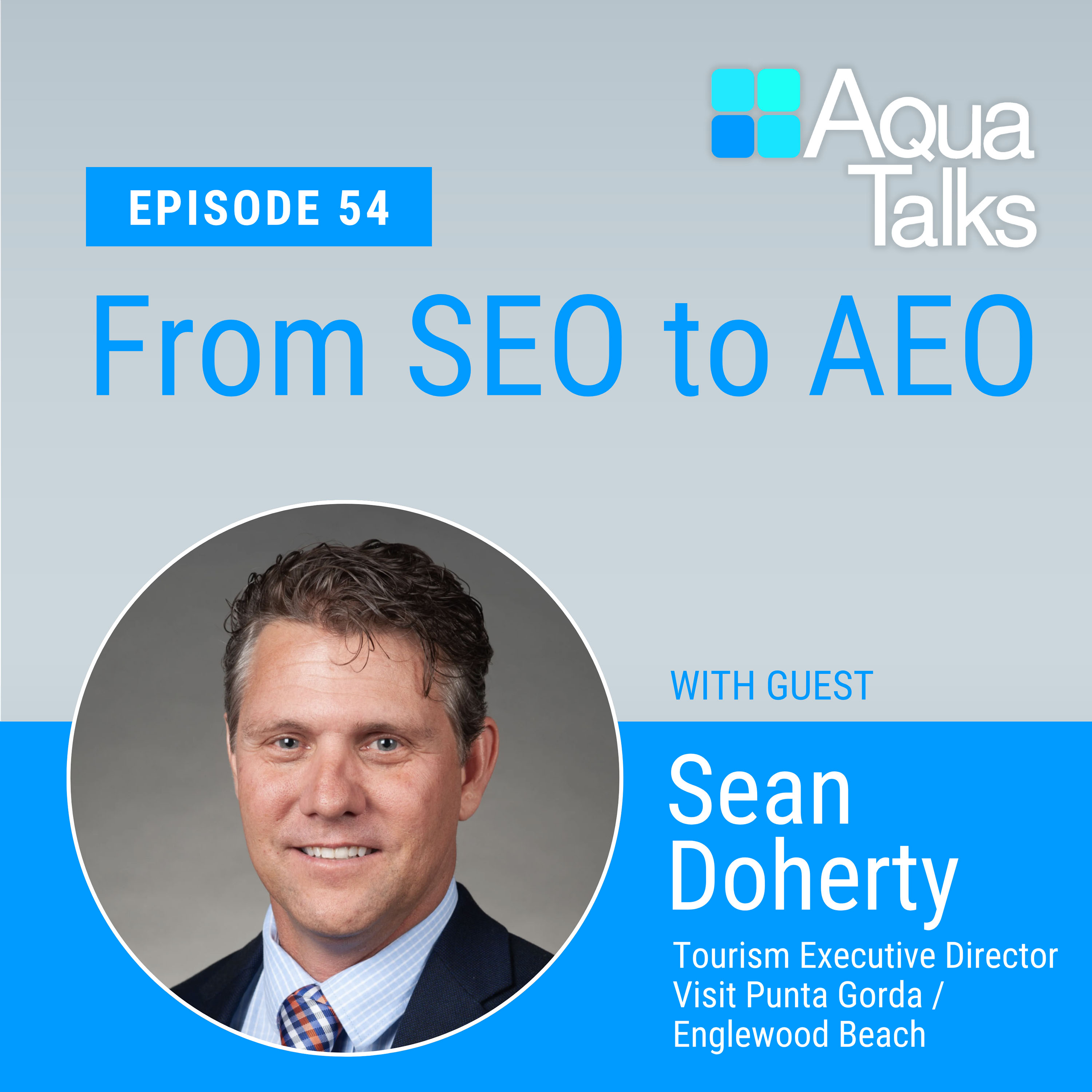
    Ep 54 - From SEO to AEO

    Returning guest Sean Doherty, executive director of the Punta Gorda/Englewood Beach Visitor & Convention Bureau, marks 21 years with the organization and reports the destination has finally turned the corner on recovery from the late-2024 hurricanes. The conversation centers on two timely themes. First, how AI is reshaping DMO web strategy: as AI overviews increasingly answer travelers' questions before they ever click, Sean argues it's more critical than ever that a DMO's site be accurate and fresh so those AI answers pull from — and cite — the destination as the true "voice of authority." His practical shift is from keyword-based SEO to answer engine optimization: adding conversational FAQs to every main page to match how people actually phrase questions. Second, Sean breaks down a summer strategy tuned to the drive market amid high gas and jet-fuel prices, leaning even closer to home and in-state while not abandoning Allegiant feeder markets or higher-income fly-in visitors. He closes on the destination's culinary storytelling push — a "flavor coast" campaign featuring nine locally owned restaurants with waterfront, catch-what-you-eat, pet-friendly dining and standout stories like Bella Napoli's Italian pizza-contest finish and The Perfect Caper chef who beat Bobby Flay. In This Episode: 00:06 - Introduction to Aqua Talks 02:37 - The Impact of AI on Destination Marketing Organizations 09:02 - Shifts in Travel Trends and Marketing Strategies 13:14 - Marketing Strategies and Audience Targeting 15:48 - Culinary Tourism and Local Flavor 20:40 - Culinary Highlights and Future Conversations Key Takeaways: AI is changing DMO web strategy. As AI overviews answer questions directly, accuracy and freshness matter more than ever so AI pulls from and cites the DMO as the voice of authority. SEO → AEO. Sean is shifting from keyword optimization to answer engine optimization, adding conversational FAQs to every main page to match how travelers actually ask questions. Be the voice of authority. DMOs know more about local dining, lodging, and events than anyone — and unlike partner sites that go stale (some listing attractions that no longer exist), his staff audits the site daily. Summer leans into the drive market. With high gas and especially jet-fuel prices, marketing shifts closer to home and in-state (a ~700-mile drive radius), without abandoning Allegiant feeder markets or upper-income fly-in visitors. Airport vs. drive is one visitor strategy. It all plays out in marketing spend across Allegiant feeder markets versus drive markets; Punta Gorda Airport and Allegiant are still positioned to grow. Culinary storytelling is a growth driver. The "flavor coast" campaign spotlights nine locally owned restaurants — waterfront, pet-friendly, catch-what-you-eat — with pro photo/video telling owner and chef stories (Peace River Seafood, Bella Napoli, Celtic Ray Irish Pub, The Perfect Caper's Bobby Flay win), with more to come.

    • Transcript
    • Chapters
  • #53
    August 18 · 12 min

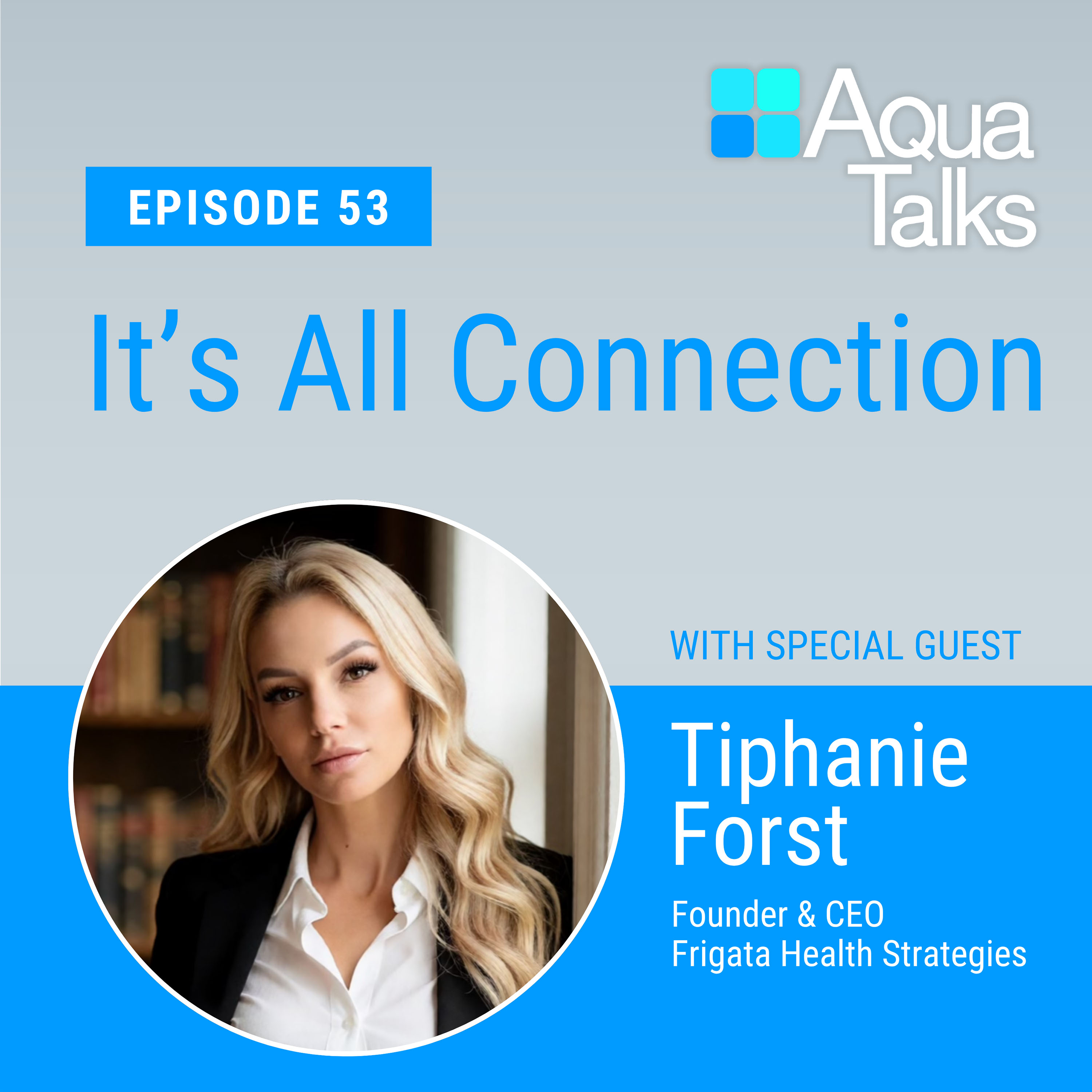
    Ep 53 - It's All Connection

    Recorded live at VETS 26 in New Orleans, this episode features Tiphanie Forst, Founder & CEO of Frigata Health Strategies and a Principal at Deep Water Point. With 24 years across clinical, pharmaceutical, and healthcare IT — the past 20 focused on Military Health System modernization for the DoD and VA — Tiphanie has built a career on growth strategy, business development, and capture, helping drive multi-hundred-million- to multi-billion-dollar wins. At Frigata, she provides business development, sales capture, and proposal support, acting as the connector and "face of the company" for clients who can't be everywhere themselves: linking small and service-disabled-veteran-owned businesses to the government leaders, contracts, and teaming partners they need to win, and helping large primes get strategic by teaming smart rather than muscling in alone (she describes structuring a joint venture that landed a client among six awardees on a DHA contract). The through-line is connection across worlds that don't obviously overlap — veterans, professional athletes, investors, and health tech. The daughter of a retired Air Force lieutenant colonel, Tiphanie is deeply committed to the veteran and military-health space, and she draws a striking parallel between retiring athletes and transitioning veterans: both face a loss of identity and a need for new resources and support, especially around mental health. She's channeling that vision into a new venture, IconIQ, organized around growth, access, innovation, nexus, and a lifestyle/brand "studio" component — fitting for someone who's also a professional artist creating bold acrylic work under TWA – Art by Tiphanie Forst. It's a fast, energetic conversation about relationships as the real currency of federal business development. In This Episode: 00:06 - Introduction to Aqua Talks 03:45 - Connecting Veterans with Business Opportunities 07:05 - Connecting Veterans to Opportunities in Business 09:49 - Connecting Small Businesses and Veterans in Federal Procurement 10:28 - Connecting Athletes and Media Innovation Key Takeaways: Two decades in military health modernization. Tiphanie brings 24 years across clinical, pharmaceutical, and healthcare IT — 20 of them on Military Health System modernization for the DoD and VA — behind multi-hundred-million- to multi-billion-dollar wins. Business development and capture, done through relationships. Frigata Health Strategies offers business development, sales capture, and proposal support, with Tiphanie serving as the "face" for clients at conferences and in the community — valuable for firms without in-house BD resources. Strategic teaming beats brute force. She structured a joint venture that positioned a lesser-known large business as a prime and landed it among six awardees on a DHA geographic-service-provider contract — sometimes the smart play is teaming with a strategic small business. Helping small and SDVOSB firms break in. From SAM registration to GSA schedules to knowing which contracts and people to target, she helps businesses new to federal procurement find direction and get onto winning teams. The athlete–veteran parallel. Tiphanie connects professional athletes and transitioning veterans around a shared loss of identity and mental-health challenges — and channels athletes into federal/tech ventures and philanthropic efforts. Deep health-IT roots. Her background includes EHR modernization work with firms like Leidos and Cerner (acquired by Oracle), including efforts toward a single longitudinal health record spanning the DHA and VA — "birth to grave." A new venture, IconIQ. Her evolving brand organizes her work around growth, access, innovation, nexus, and a lifestyle/brand "studio" — "iconic connections for intelligent outcomes." It's all connection. Her recurring theme: missions, investors, athletes, and veterans "all tie together," and relationships are what actually move federal deals forward.

    • Transcript
    • Chapters
  • #52
    August 11 · 17 min

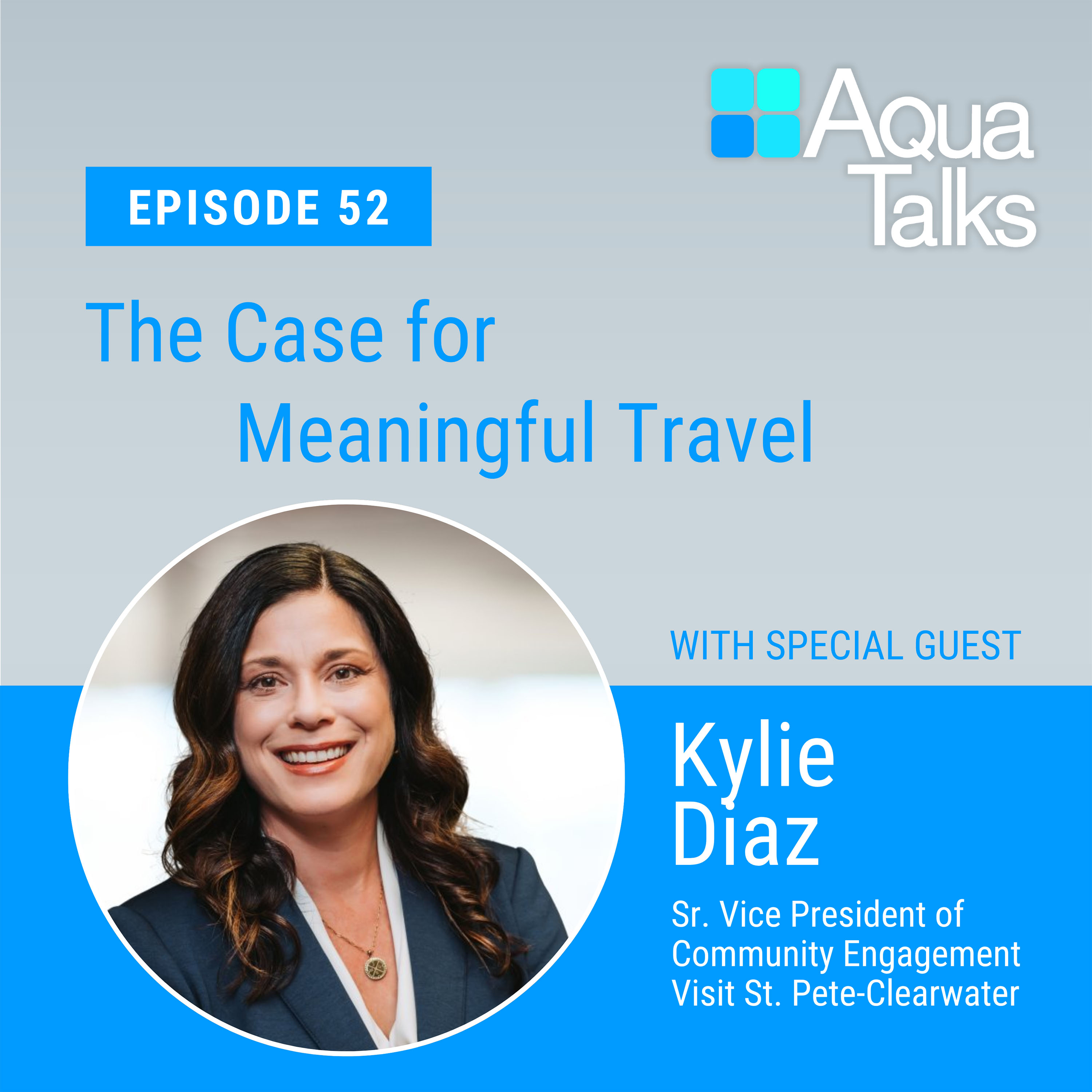
    Ep 52 - The Case for Meaningful Travel

    Kylie Diaz, VP of Community Engagement at Visit St. Pete Clearwater, brings a refreshingly mission-driven perspective to this Destination Florida conversation. She oversees the DMO's capital funding program, its chambers, and a partner base of roughly 4,000 — and she makes a compelling case for how tourism quietly powers a community. Pinellas County collects north of $90 million in bed tax annually (paid by visitors, not residents), and Kylie is the person who helps reinvest it: about $26 million last year alone into museums, attractions, sports arenas, and beach parks, plus a $100 million commitment to beach renourishment after the 2024 storms — literally putting sand back on the beaches. The through-line of the episode is "meaningful travel." Kylie's passion traces back to a formative post-9/11 trip to Malaysia and Borneo, where she witnessed both transformative travel and mass deforestation, and learned how a destination responds in a crisis. That ethos now shapes her work — from a new partnership with Tourism Cares to connect visitors with a destination's people, culture, and environment, to six mission-driven years at the Clearwater Marine Aquarium, where tourism was "the engine that fueled the conservation work." She closes on the theme she says she'll be telling stories about for the rest of her life: the power of partnerships. It's a warm, values-forward look at hospitality as a genuine career and tourism as a force for community good. In This Episode: 00:06 - Introduction to Aqua Talks 02:43 - Meaningful Travel Efforts at Visit St. Pete Clearwater 06:07 - The Impact of Tourism on Conservation 11:19 - Exploring Opportunities in Hospitality 13:52 - The Power of Partnerships Key Takeaways: Tourism funds the community. Pinellas County's $90M+ annual bed tax — paid by visitors, not residents — gets reinvested into museums, attractions, arenas, and beach parks, with roughly $26M distributed last year through the capital funding program Kylie oversees. $100 million for beach renourishment. After the 2024 storms, the destination committed $100M to literally put sand back on its beaches — a striking example of visitor dollars protecting the core asset. "Meaningful travel" is the trend she's betting on. Through a partnership with Tourism Cares, Visit St. Pete Clearwater is helping travelers connect more deeply with a destination's people, culture, history, and environment — experiences you take home and remember. Mission-driven marketing, learned firsthand. At the Clearwater Marine Aquarium (rescue, rehab, release), Kylie saw tourism as the engine funding conservation — marketing rooted in authenticity and emotional connection, not just visitation. A formative crucible: Malaysia and Borneo. A post-9/11 trip filming a travel show taught her transformative travel, environmental stewardship (amid mass deforestation), and crisis response for a destination — lessons that still drive her. Hospitality is an underrated career. Kylie and the DMO curated a college course with St. Pete College to show students that hospitality means marketing, film, aquariums, and more — not just front desks and restaurants. The common thread: the power of partnerships. Her most creative projects came from matching one partner's need with another's resource — the metric she ultimately measures success by (partner happiness + return visitation). The destination is bigger than its headliners. Beyond St. Pete and Clearwater, gems like Dunedin, Safety Harbor, Tarpon Springs, and Gulfport make Pinellas a place you could explore for weeks.

    • Transcript
    • Chapters
  • #51
    July 28 · 27 min

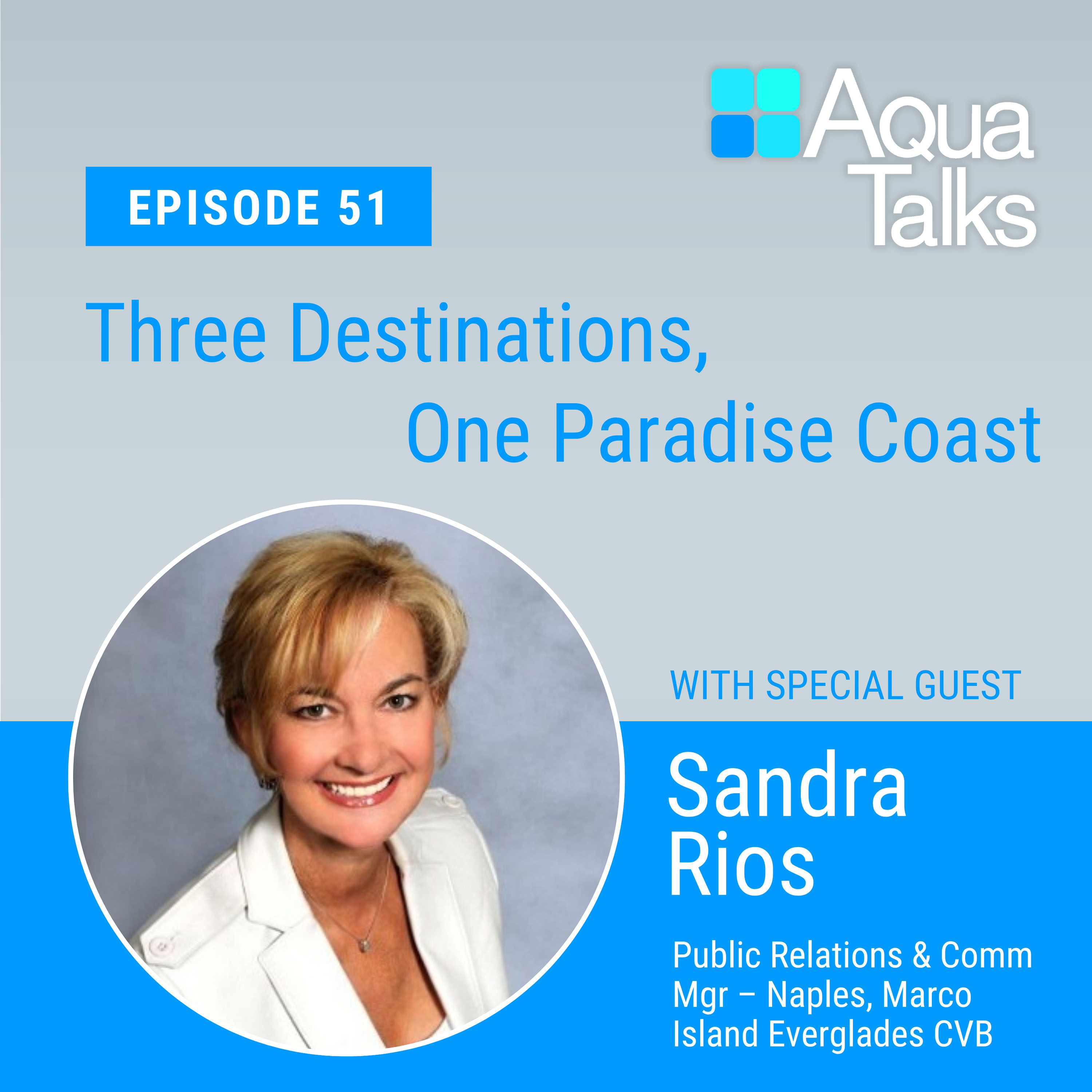
    Ep 51: Three Destinations, One Paradise Coast

    Sandra Rios, PR and marketing manager for the Naples, Marco Island & Everglades CVB — a.k.a. Florida's Paradise Coast — brings 25 years of hospitality experience (casinos, the Opal Collection, opening the Hard Rock guitar hotel) to a wide-ranging tour of Collier County's three very different personalities. Naples is "unapologetically luxury": quiet wealth, owner-owned boutiques on Fifth Avenue, global cuisine, and a wave of new high-end product like the Four Seasons Naples Beach Club, a JW, the boutique Carnelian, and Florida's first Great Wolf Lodge. Twenty minutes south, Marco Island trades five-star for "beach chic" and laid-back tiki vibes, and Everglades City — population ~350 — is the authentic, stone-crabbing gateway to a UNESCO World Heritage national park. Sandra also gets into the business side: sports tourism as a major economic driver (the Paradise Coast Sports Complex, FC Naples pro soccer, 64 pickleball courts and the US Open, plus three PGA/LPGA events), the destination's hurricane resilience and the CVB's role housing first responders, and a strategic pivot toward the drive market and domestic travelers amid economic uncertainty — including piggybacking on FIFA crowds in Miami. It's a polished, energetic look at a destination working hard to show it's more diverse than its luxury reputation suggests. In This Episode: 00:06 - Introduction to Aqua Talks 05:50 - Exploring Marco Island and Everglades City 11:19 - Resilience in the Face of Hurricanes 15:30 - The Rise of Sports Tourism in Naples 21:01 - Dog-Friendly Destinations in Florida 24:34 - Communicating the Drive: From Naples to Miami Key Takeaways Three destinations, three vibes. Naples (serene, five-star luxury), Marco Island ("beach chic," laid-back, JW Marriott with fire dancers on the beach), and Everglades City (authentic, eco-adventure, stone crab) — all in one CVB, which shapes how they market. "Unapologetically luxury" — but not flashy. Naples leans into quiet wealth: owner-owned boutiques and restaurants on Fifth Avenue, nothing cookie-cutter, plus a surge of new hotels (Four Seasons Naples Beach Club, JW, the boutique Carnelian with its private Sterlings club, AC Hotel). Family gap, filled. Great Wolf Lodge — the first in Florida — added family-friendly product to a market that skews high-end. Gateway to a national treasure. Everglades City is the front door to Everglades National Park, one of only 25 UNESCO World Heritage sites in North America, with 350+ bird species — a huge draw for European birding visitors and the new Marjory Stoneman Douglas Visitor Center. Sports tourism is a major economic engine. The Paradise Coast Sports Complex (now heading into phase three), pro soccer club FC Naples, 64 pickleball courts and the US Open (50 states, 53 countries, 55,000+ attendees), plus three PGA/LPGA tournaments and 90+ golf courses. Pivoting to the drive market. Amid geopolitical and economic uncertainty, marketing is shifting from summer international travel to domestic and in-state visitors — including targeting FIFA crowds in Miami with "it's an easy hour-and-a-half drive" messaging. Closer than it looks. Naples to Miami/Fort Lauderdale is a straight, easy 90-minute shot — a fact most visitors don't realize. September "Sizzle" dining supports a cause. During the slowest month, restaurants offer specially priced menus, with proceeds benefiting Blessings in a Backpack, which feeds local kids on weekends — now grown from one week to a full month. Pet-friendly angle. Keewaydin Island (boat-access only) is a dog-friendly beach, with a monthly "Bark Ark" boat — a nice hook for the growing pet-travel audience.

    • Transcript
    • Chapters
  • #50
    July 21 · 23 min

    Ep 50: Exploring the Manatee Capital: A Deep Dive into Crystal River

    Crystal River bills itself as the copyright Manatee Capital of the World, and marketing & content manager Nick Popham makes a strong case for why. A former TV reporter turned DMO storyteller, Nick walks host Larry Aldrich through what makes this stretch of Florida's Nature Coast a genuine hidden gem: 72-degree spring water year-round, thousands of manatees huddling into Kings Bay every winter, and the fact that Crystal River is the only place in the U.S. where you can legally swim with them. It's an old-Florida, untouched kind of place — no Cinderella Castle, no South Beach, just crystal-clear springs, cave channels, biking trails, small-town Elvis lore, and scallop season treasure hunts. Beyond the wildlife, the conversation digs into how a small team (recently expanded to a mighty eight) punches above its weight — from D.C. legislators to influencer trips to Germany — and how the new Eco Compliant Partnership is reframing manatee tourism around conservation and education rather than the theme-park approach. It's a fun, energetic look at how a county of 170,000 puts itself on the global map. In This Episode: 00:06 - Introduction to Aqua Talks 05:15 - Exploring the Wonders of Crystal River 07:38 - Exploring Eco Tourism and Manatee Conservation 18:33 - Exploring the Wonders of Crystal River 22:52 - The Transition to Scallop Season Key Takeaways: The only place in the U.S. to swim with manatees. Crystal River (and neighboring Homosassa) is it — a genuine differentiator no other Florida destination can claim, anchored by spring water that stays 72°F all year. "We love it when it's cold." When temperatures drop, thousands of manatees flood the warm springs — as many as 1,500 packed into a single spring, which drives some of the DMO's most viral content. Eco Compliant Partnership reframes the experience. Terry's initiative certifies tour operators doing things the right way — boats anchored away from manatees, power-pole anchors that protect seagrass, and a Fish & Wildlife education video before every swim. Conservation as the selling point, not an afterthought. "Edutainment" is the bread and butter. Every eco-compliant swim tour includes an educational component, so visitors leave having had fun and learned — a positioning that neutralizes the negative connotations some attach to manatee tourism. It's more than manatees. The Withlacoochee State Trail, Inverness (ranked a top small town in the South, with Elvis-filmed courthouse lore), crystal-clear springs like Three Sisters, cave-channel kayaking, Gulf fishing, and the Ellie Schiller Homosassa Springs Wildlife State Park underwater observatory round out the destination. Closer than you think. Crystal River is ~60 miles / one hour straight up from Tampa International — a shorter drive than Tampa to Orlando. Two seasons, two hooks. Manatee season runs Nov 15–Mar 31 (though 50–100 manatees stay year-round), and scallop season — a catch-and-cook "treasure hunt" in the Gulf — runs July through September. Small team, big reach. A staff of eight is putting a 170,000-person county in front of audiences in Germany, Texas, NYC, and D.C.

    • Transcript
    • Chapters
  • #49
    July 14 · 14 min

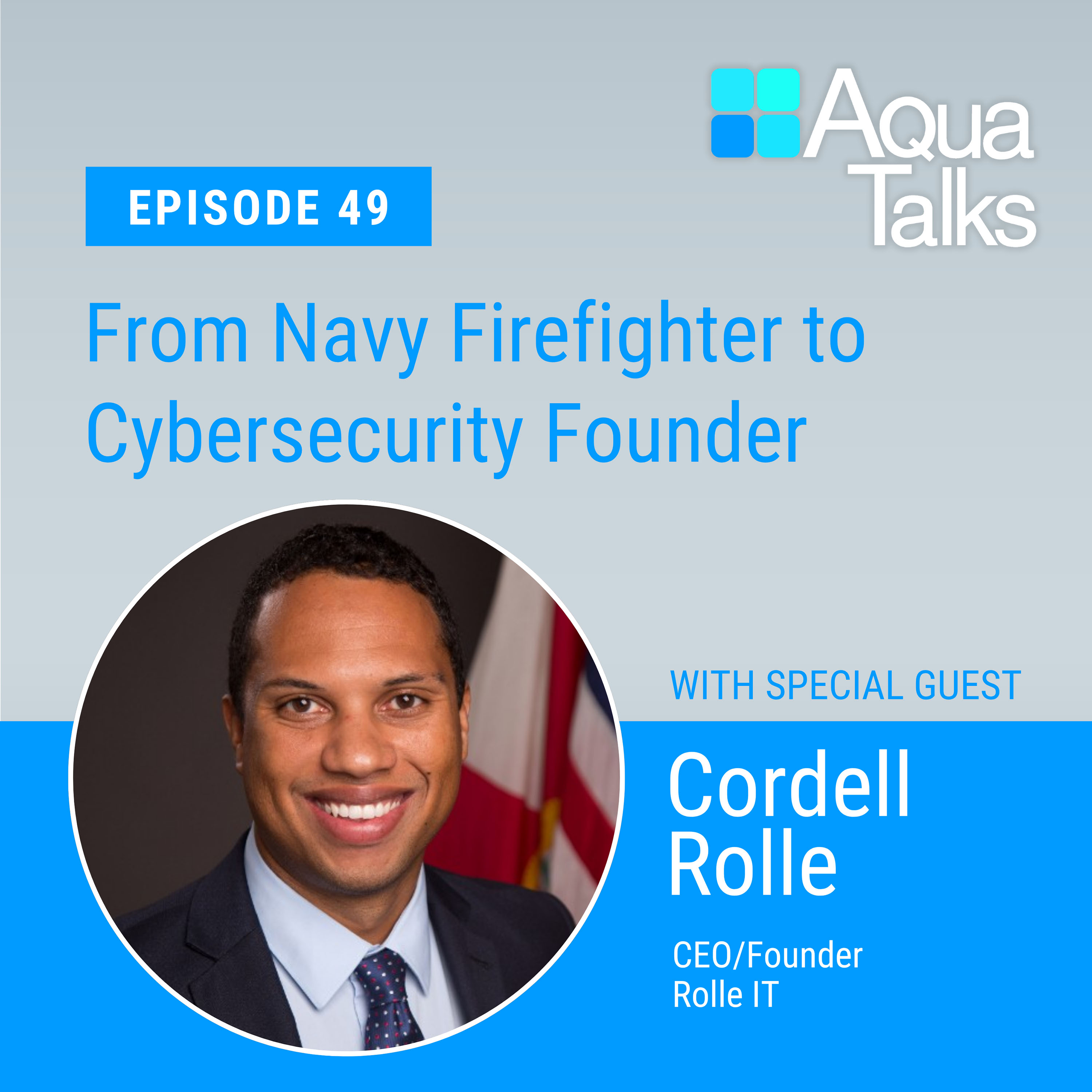
    Ep 49: From Navy Firefighter to Cybersecurity Founder

    Recorded live at VETS 26 in New Orleans, this episode features Cordell Rolle, founder of Rolle IT, a cybersecurity firm about seven years in that works primarily with the federal government and VA, plus B2B clients navigating the new CMMC regulations. Cordell's origin story is the heart of the conversation: a Navy firefighter (damage controlman) who taught himself to install a shipboard software system, got hired by the vendor two weeks before separating, and spent five years traveling ship to ship across Korea, Japan, and the Middle East doing installs. Later, stuck without a promotion at an insurance job, a friend's nudge pushed him to launch his own company — and he built early trust by doing free IT work for nonprofits, which quietly connected him to boards full of community executives who became his first paying customers. The back half digs into the business itself: Rolle IT grew to 35 people before DOGE-related federal cuts forced a hard lesson in resilience, and Cordell has since shifted his thinking from headcount to output-per-person, with AI integrated in-house rather than sold as a buzzword. He's carved out a niche most firms overlook — airport cybersecurity and IT operations, where the compliance web (TSA, border patrol, airlines, ground crews, dozens of vendors on-site daily) is relentless. It's an energetic, candid conversation about entrepreneurship, veteran grit, and finding underserved markets, capped by a natural fit with Aqua's own airport work and the Xeniq platform. In This Episode 00:06 - Introduction to Aqua Talks 02:50 - Transitioning Careers: From Insurance to Startups 06:09 - Entering the World of Airport Marketing 08:24 - Transitioning from Military to Tech: A Personal Journey 11:00 - The Evolution of Company Growth 12:40 - Introduction of Zinique: A New Solution in Cyber Security Key Takeaways From Navy firefighter to tech founder. Cordell was a damage controlman (E5, DC2) who taught himself to install a shipboard equipment-tracking system; the vendor hired him on the spot and he spent five years doing installs on ships worldwide. "Promote yourself." After being told by a boss that his future wasn't her concern, a friend's nudge pushed him to start Rolle IT — a resilience-over-money mindset that runs through the whole story. Free work for nonprofits was the growth engine. Doing pro-bono IT for women's and children's shelters built trust and put him in front of nonprofit boards stacked with community executives — who became his first paying clients. CMMC is a growth driver. Helping defense-industrial-base companies meet the new Cybersecurity Maturity Model Certification requirements has been a major part of the business. DOGE was a gut check. The company hit 35 people before federal cuts forced layoffs — reinforcing his belief that resilience and doing good work matter more than headcount. Airport cybersecurity is an underserved niche. Rolle IT handles IT operations, access control, badging, training systems, and vendor management for airports — a world of relentless compliance (TSA, border patrol, airlines, 50–60 vendors on-site daily) that most firms overlook. Output over FTEs. Cordell's vision has shifted from measuring success by staff count to maximizing output with better people and in-house AI — "not bolted on, integrated from the jump." They're really a tech company. Despite the "cybersecurity" label, Rolle IT writes its own software — a parallel Cordell draws to Aqua and Brennsys being "really tech companies" behind the marketing. About Our Guest: About the guest:Cordell Rolle is the CEO of Rolle IT, a Space Coast cybersecurity and technology firm he co-founded in 2019. A 4 Under 40 winner, U.S. Navy veteran, and UCF graduate, he leads a team serving the VA, federal agencies, and defense contractors — with a niche in airport cybersecurity. A Certified Scrum Master and experienced configuration manager, his expertise spans government contracting, team building, and community advocacy through CareerSource and Junior Achievement. "If your actions inspire people to dream more, learn more, do more, and become more, you are a leader." — John Quincy Adams

    • Transcript
    • Chapters
  • #48
    June 23 · 21 min

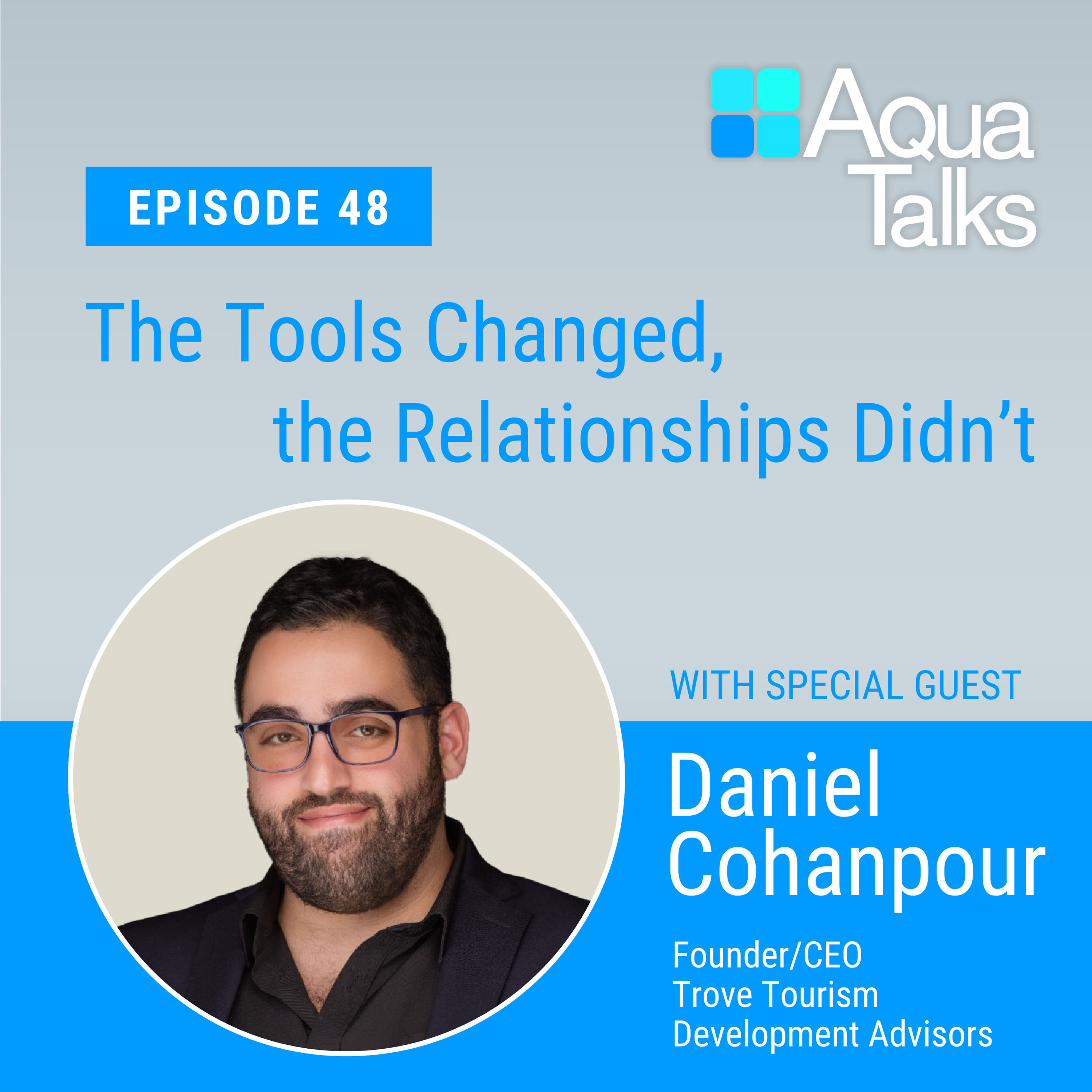
    Ep 48: The Tools Changed, the Relationships Didn't

    Larry talks with Daniel Cohanpour, CEO of Trove Tourism Development Advisors, a New York agency that works exclusively with tourism boards and DMOs across marketing, research, and destination development. Daniel's core message: the industry has changed more in the last six months than ever, and the destinations winning right now are the ones treating traveler research as a living feed rather than an annual report. He makes the case for getting to the root of what travelers actually think and feel — by intent, sentiment, and browsing behavior — and turning that intelligence into segments a destination didn't even know it had. Then come the receipts. A Jamaica campaign built around community-based tourism that brought roughly 120 locally owned businesses online and kept tourist dollars in-country; a Japan strategy that turned a sentiment study into luxury, wellness, and agritourism plays well beyond the Tokyo-Osaka-Kyoto golden route; and a long-game bet on an understated UAE destination before its first casino ever broke ground. Running through all of it is one stubborn truth Daniel keeps circling back to: AI can target and create at a level we've never seen, but it still can't replicate the relationships — with media, trade, and local partners — that actually move a destination forward. In This Episode: 00:06 - Introduction to Aqua Talks 01:50 - Navigating Changes in Tourism Marketing 10:06 - Understanding Traveler Behavior in Changing Markets 15:49 - Understanding Destination Marketing and Relationships 19:56 - Exploring New Tools in Tourism Key Takeaways: The industry just shifted fast: More change in six months than ever, mostly driven by AI for targeting, sentiment, and creative — in an industry historically slow to adopt. Research as a live feed, not an annual report: Traveler behavior moves too quickly for yearly studies, so Trove runs monthly and quarterly surveys to stay current. Diversify by uncovering hidden segments: A Japan sentiment study surfaced luxury, wellness, and agritourism opportunities beyond the golden route. Community-based tourism in Jamaica: ~120 locally owned businesses brought online and 700+ videos, keeping dollars local under the "Yad Love" campaign. Booking windows are getting longer: People research for weeks now — target the whole journey, not just the moment of booking. Distance doesn't matter, relationships do: New York to Malaysia works fine; what clients are really buying is trust and in-market connections AI can't replicate. Small and understated destinations welcome: Much of the work is ad hoc rather than retainer — Daniel loves long-game rebrands like pre-casino Ras Al Khaimah. About our guest: Danny Cohanpour (LinkedIn) CEO/Founder, Trove Tourism Development Advisors Danny is a tourism development and marketing specialist with deep experience across government agencies and industry associations. He sets the vision and mission behind Trove, partnering with the team and a wide network of collaborators day in and day out to help destinations stand out. A regular voice on the conference circuit, Danny has spoken at the eTourism Summit, World Travel Market, Arabian Travel Market, SPTE, Caribbean Week, and many others.

    • Transcript
    • Chapters
  • #47
    June 16 · 21 min

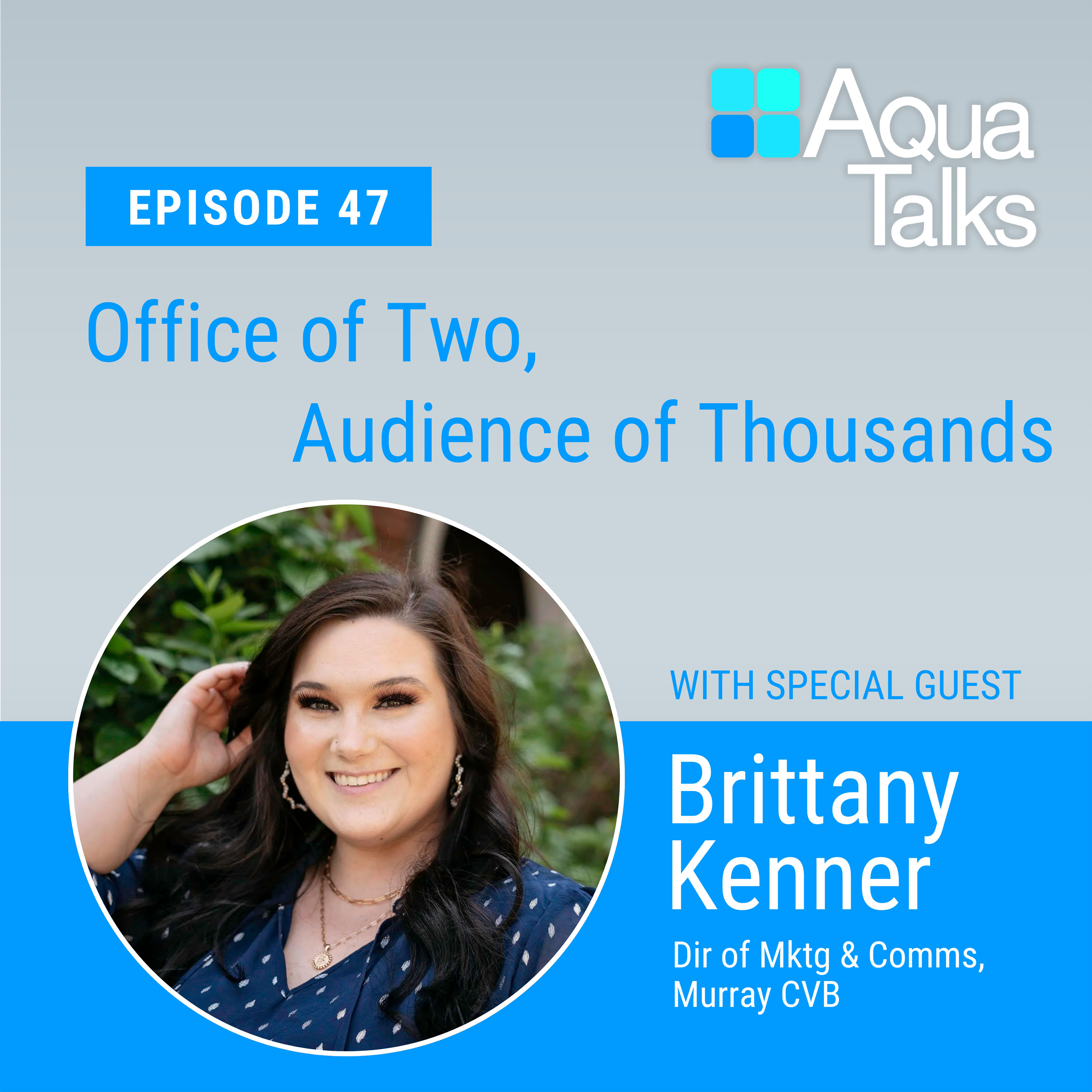
    Ep 47: Office of Two, Audience of Thousands

    Larry sits down with Brittany Kenner, marketing director for Murray, Kentucky — the self-proclaimed friendliest small town in America, home to Murray State University and a tourism office of exactly two people running the whole show. Brittany's through-line is that a small budget and a small team aren't a handicap so much as a forcing function: when you can't buy your way into attention, you get very good at earning it. Her headline take is that social engagement isn't dying, it's relocating. The public likes and comments are down, but the real conversations have quietly slipped into DMs and shares — and chasing vanity metrics means missing where the actual interest now lives. From there it's a clinic in scrappy, place-led marketing: treating Instagram and TikTok like the search engines they've quietly become, putting paid dollars where they actually convert (Spotify and Facebook, not TikTok), and being your own influencer when you can't afford to rent one. Brittany also digs into building a destination brand from the ground up with no marquee attraction to lean on, the genuine synergy she's built with the university, and a charmingly low-tech visitor-guide campaign she hand-addressed herself — Hallmark-movie energy with a real marketing brain behind it. In this episode: 00:06 - Introduction to Aqua Talks 03:22 - Transitioning to Trends in Community Marketing 08:07 - The Charm of Small Town Connections 13:23 - Building a Tourism Strategy 16:42 - Partnerships in Tourism and Community Engagement 18:24 - Exploring Visitor Engagement Strategies Key Takeaways: Engagement didn't die, it moved to the DMs: Public likes and comments are down, but conversations shifted to DMs and shares — so Brittany leans into shareable content and an Instagram broadcast channel. Social is the new search engine: People use TikTok and Instagram to plan trips now, not just scroll. Spend where it converts: Small paid budget goes to Spotify and Facebook, not TikTok. Be your own influencer: Brittany and her intern became the faces of the town — cheaper than paid influencers and a local-goodwill bonus. Building a brand with no marquee attraction: No festival fanbase or big-city draw to coast on — the work is finding people who genuinely love the place. The university is the ultimate partner: A board seat, joint rankings wins, and real content give-and-take. Find partners who get small-market tourism: Most agency pitches assume an attraction and audience that tiny towns don't have. Case study — the hand-addressed visitor guide: A simple social + Spotify push, guides addressed by hand, riding the Kindness Matters murals' Good Housekeeping feature. About Our Guest: Brittany Kenner (Murray CVB site) Director of Marketing & Communications Brittany moved to Murray in 2020 and went on to earn a Bachelor of Science in Public Relations from Murray State University. She brings a fresh, energetic perspective to her role as Director of Marketing with the CVB. Her time as an Account Manager at Bauer Entertainment Marketing gave her a solid grounding in brand strategy, the hospitality world, and content creation — all of it central to putting the MKY on the map. Outside of work, you'll find Brittany spending time with her family or out enjoying a good music festival.

    • Transcript
    • Chapters
  • #46
    June 9 · 10 min

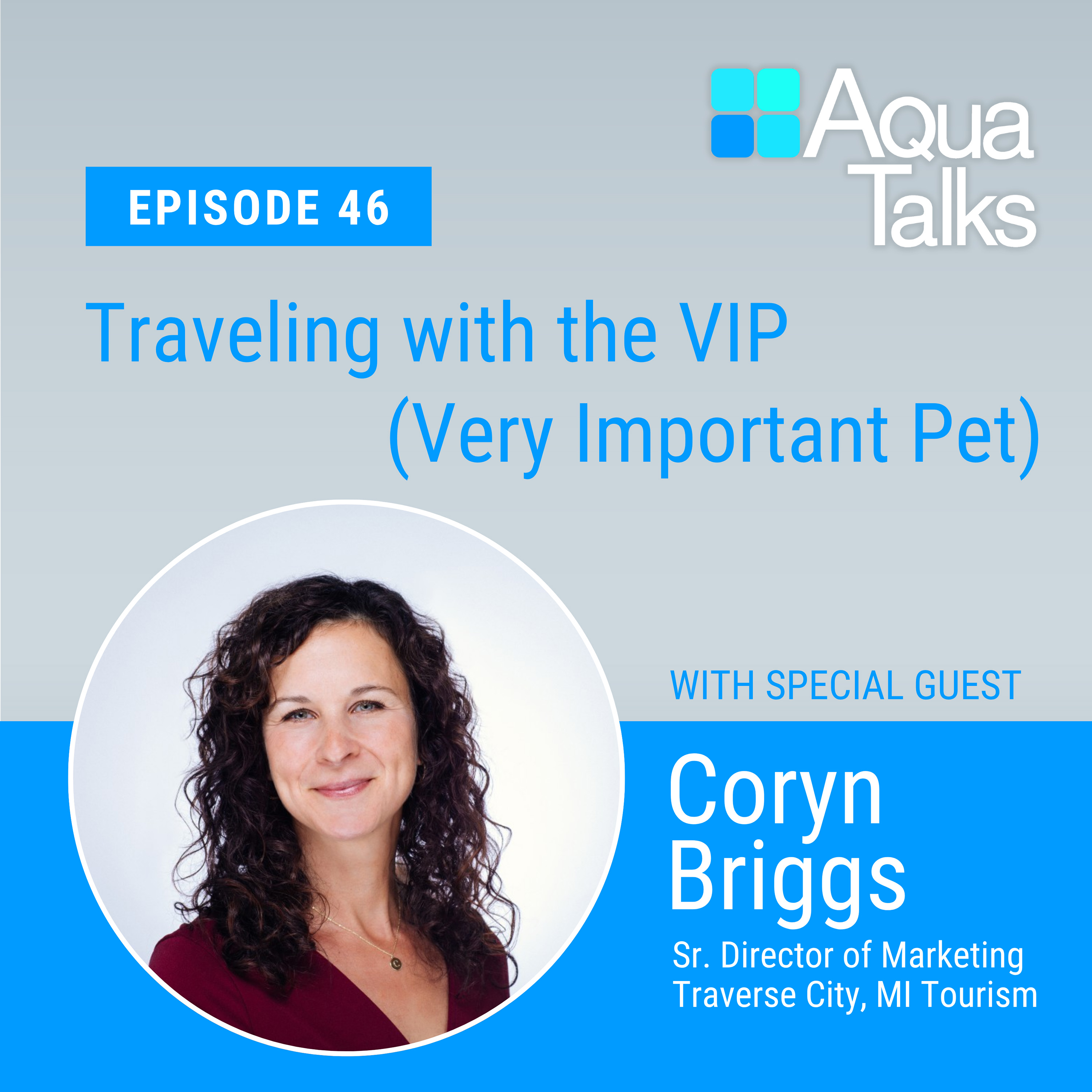
    Ep 46: Traveling with the VIP (Very Important Pet)

    Recorded live from the Etourism Conference in Louisville, this one's a fun reminder that the biggest travel trend of 2026 might be walking around on four legs. Coryn Briggs, Senior Director of Marketing at Traverse City Tourism, breaks down TripAdvisor's "VIP Travel" trend — which turns out to mean Very Important Pets, not very important people — and explains why dog and cat owners are increasingly building entire vacations around their animals. From there, Coryn gets into the stuff every DMO marketer is wrestling with: the agritourism boom (a natural fit for the self-proclaimed Cherry Capital of the World, with 50+ wineries to match), the real AI challenge of picking the right tools instead of just chasing every shiny new one, and the perennial grind of filling shoulder seasons in a four-distinct-seasons destination. She closes on Traverse City's north star — core memories — and the multigenerational families who keep coming back because of them. In This Episode: 00:06 - Introduction to Aqua Talks 01:15 - Introduction to Aqua Talks and Corinne Briggs 03:40 - Trends in Travel: The Rise of Pet-Friendly Vacations 04:48 - Emerging Trends in Travel and Agritourism 07:42 - Emerging Trends in Tourism 08:38 - Promoting Traverse City Tourism Key Takeaways: VIP = Very Important Pets. TripAdvisor's 2026 trend report flagged pet-centered travel as a fast-riser — strong with dog owners, now expanding to cat owners planning trips around their animals. Agritourism is having a moment, and it's on-brand for working farm destinations. Skillcations, farm stands, U-pick orchards — Coryn sees real runway here, especially tied to America's 250th and the Americana nostalgia angle. The AI challenge isn't keeping up — it's choosing. Just because a tool exists doesn't mean it fits your org. The work is evaluating which tools actually serve your team's efficiency or your consumer messaging. Shoulder seasons are the year-round battle. Summer (June–mid-September) and fall color carry the calendar; the November–mid-May stretch takes deliberate initiatives to drive visitation. Lead with core memories. Traverse City's positioning centers on multigenerational return visits — kids who vacationed there now bringing their own families back. 2026 anniversaries are marketing gold. The National Cherry Festival hits its 100th year, dovetailing nicely with the country's 250th.

    • Transcript
    • Chapters
  • #45
    May 26 · 29 min

    Ep 45: 13 Years in the Making — Inside Tempe's Rebrand and What Comes Next

    Episode Summary: Cristal Rodriguez, Tempe Tourism Larry catches up with Cristal Rodriguez, Director of Marketing at Tempe Tourism and a recent Marketer of the Year, for a conversation that covers solo travel, a rooftop renaissance, a 13-years-in-the-making rebrand, and the slightly terrifying reality of competing with ChatGPT for "best pizza in Tempe" searches. Cristal makes a strong case that Tempe isn't trying to out-Scottsdale Scottsdale or out-Phoenix Phoenix — it's carving its own lane as the more elevated, walkable, slower-paced cousin in the metro, and that positioning is finally clicking with the solo-traveler segment they've leaned hard into. The meatier marketing conversation is about life after the big rebrand reveal. Cristal is candid that plenty of DMOs nail the launch and then coast — she's deep in phase two/three, asking what comes after awareness. She and Larry get into the intangibility problem unique to destination marketing (you can't hold the product, attribution windows are a guessing game), the AI search hit on paid performance, and why the DMO community calling each other "colleagues, not competitors" is becoming a real survival strategy. Also: tequila, jalapeño margaritas, and a half-serious threat to push Larry into a Tempe pool live on Aqua Talks. Key Takeaways Solo travel is a serious lane, not a fringe trend. Tempe is intentionally building around what solo travelers actually want — safety, walkability, centrality, strong food and bar scenes — including dedicated solo-influencer partnerships and itinerary content built specifically for the audience. The rebrand was a two-year, all-hands-on-deck operation — and social led the launch. After 13 years untouched, the new Tempe brand kicked off on social channels first, with ads and the website rolling out in sequence. The shift in tone was POV-driven: less "things to try" and more "here's what we think you should try, and here's why." Phase two is the harder phase. Cristal flagged a pattern of DMOs nailing the rebrand reveal and then losing momentum. Tempe's current focus is sustaining post-launch energy and moving past awareness into deeper engagement — modeled in part on Visit Philly and LA, who keep pushing forward. The Canada case study Cristal can't stop watching. Canada's destination work that leans into the faults (yes, it's cold; yes, sometimes there's nothing to do) is, in her view, one of the smartest contrarian plays in destination marketing right now — and the metrics back it up. Positioning by contrast, not competition. Tempe sits intentionally between Scottsdale (luxury/spa/golf) and Phoenix (urban/fast-paced) and leans into being neither — slower, more elevated, off the beaten path. The DMOs in metro Phoenix actively collaborate rather than compete, sharing tactical intel as the AI-search landscape shifts under them. AI is rewriting the paid playbook in real time. Tempe's paid search took a hit last year as more travel research moves to ChatGPT and similar tools. Cristal's response: tighter cross-DMO collaboration to share what's working, faster pivoting, and accepting that the rules are getting rewritten week to week. Destination marketing's measurement problem is real. With no physical product to point at and attribution windows that can stretch six months, DMOs are forced to lean harder on data and analytics than almost any other marketing discipline — while accepting they'll never quite know which billboard sealed the deal. The ASU narrative is a gift and a curse. Tempe Tourism is actively working to reframe outsider perception of Tempe as a "college town" — particularly intra-state, where Phoenix, Tucson, and Flagstaff residents may not have visited since their own ASU days. The city has matured. The marketing is working to catch the audience up.

    • Transcript
    • Chapters
  • #44
    May 19 · 29 min

    Ep 44: Beyond Heads in Beds — Turning Geolocation Data Into Real ROI

    Larry sits down with Daniel Horsch, Senior Sales Director at Azira, for a wide-ranging conversation about what data can actually do for destination marketers when you stop chasing impressions and start asking better questions. Daniel describes Azira as "the Swiss" of the data world — neutral, flexible, and plugged in across channel partners, agencies, and direct clients — with geolocation data that's universal enough to translate across verticals but laser-focused on travel and hospitality. The bigger thread here is intentionality. Daniel makes the case that DMOs are getting pulled past the old "heads in beds" scoreboard and into harder questions: Are visitors actually shopping? Eating? Staying longer? Coming back? He shares a sharp example from his pre-Azira days running marketing for a DFW destination, where data showed a nearby high-affinity market was only staying 1.5 days — prompting a budget reallocation to longer-stay markets that drove real economic lift. He and Larry also riff on the realities of AI as a "coworker, not a captain," the death of analysis paralysis, and why no Zoom call will ever replace a real conversation at an event. Key Takeaways Geolocation data goes way beyond "did they see the ad." Azira's value sits in tying media exposure to actual in-market behavior — restaurants, shops, attractions, length of stay — which is exactly the proof point stakeholders are demanding from DMOs right now. Set the attribution expectation up front. A 30–60 day window for awareness campaigns vs. an immediate-return event-ticketing campaign are wildly different conversations. Daniel's first move with any partner is aligning on what "success" actually means before the first dollar runs. Polygon-and-pivot for fly markets. For destinations served by multiple airports, Azira polygons each airport to surface the real visitor makeup, then layers in where those flyers also travel — which surfaces both lookalike opportunities and net-new visitor pools competitors are already winning. Reallocate against length-of-stay, not just affinity. Daniel's DFW war story is a great reminder: a market that loves you but only stays 1.5 days may be costing you more than it's worth. Move that budget to 2–3 night markets and the downstream economic impact compounds. AI's biggest unlock for non-analysts is prompt-driven sense-making. Daniel is candid that he's "not a data analyst," but using AI to interrogate raw data sets has killed his analysis paralysis and given him real confidence walking into partner conversations. (Bonus: he and Larry agree AI is a coworker, not the boss.) The standout case study — turn a red-eye observation into 2,000+ visits. On a late arrival into Chicago, Daniel skipped the Uber, took the Metro, and spotted Fort Worth out-of-home placements (an existing Azira partner). He pitched a geofence layered on top of the existing OOH buy — capturing Metro riders at the station, then re-engaging them at work and home. The result: 2,000+ measured Chicago-origin visits to Fort Worth from a strategy that complemented (rather than replaced) what was already running. Relationships are still the platform. Both agreed: events like Etourism and Destinations International aren't networking nice-to-haves — they're where the real partnerships actually start, and where AI-era trust gets built face-to-face

    • Transcript
    • Chapters
  • #43
    May 12 · 22 min

    Ep 43: The Partnership Playbook — How Small DMOs Punch Above Their Weight

    Episode Summary: Ladona Weathers, Visit Table Rock Lake Larry catches up with Ladona Weathers from Visit Table Rock Lake — a marketing department of one running point for an 800-mile shoreline tucked into southwest Missouri (yes, more shoreline than California, and no, you can't drive around it). Ladona makes the case that small DMOs don't have to play small: her org consistently posts top-in-the-state ROI by leaning hard into partnerships, especially co-op work with Silver Dollar City, the wildly popular 1880s theme park right next door. The bigger conversation is about how authenticity is winning right now. With AI flooding travel research, Ladona argues storytelling from real owners and real visitors is what actually moves the needle — and that goes for influencer strategy too, where micro-influencers and unpolished voices are outperforming the trying-too-hard crowd. She also gets candid about the challenges nobody's talking about, like aging post-COVID resort inventory and the tricky dance of measured growth in a destination that exploded during the pandemic. In This Episode 00:06 - Introduction to Aqua Talks 04:03 - Exploring Table Rock Lake and Silver Dollar City 08:19 - Exploring Missouri's Caves 11:01 - Influencer Marketing and Authenticity in Destination Marketing 17:00 - Challenges in Tourism: Aging Resorts and Visitor Expectations Key Takeaways: Partnerships are the small-DMO superpower. Ladona's co-op with Silver Dollar City matched a surprise state tourism allocation and unlocked tactics (like podcast advertising) the budget couldn't normally support — driving measurable lift in county tax revenue. One org, three hats. Visit Table Rock Lake operates as the chamber, the DMO, and the economic development arm — a structure that makes stakeholder alignment dramatically easier than the typical siloed setup. Authenticity beats polish in influencer marketing. For a Midwestern drive-to market, audiences sniff out "trying to be an influencer" instantly. A single micro-influencer from Omaha pushed that city into their top 10 visitation markets within six months. AI is making real storytelling more valuable, not less. As travel planners get more LLM-generated content, firsthand voices from local operators and mom-and-pops cut through harder than ever. Sports-adjacent is a real positioning lane. Bass fishing, wake surfing, and lake sports don't fit traditional sports marketing, but partnering northward with Springfield (Cardinals minor league, indoor arena football) creates legit cross-promotion plays. The challenge nobody's discussing: aging lodging stock. Resorts built around the 1950s damming of the White River are turning over post-COVID, and today's visitor wants experience or a touch of luxury — not just "cheapest place on the lake." Measured growth > viral growth. After a COVID-era explosion, Table Rock is intentionally pacing itself to protect the environment that makes the destination work in the first place.

    • Transcript
    • Chapters
  • #42
    April 21 · 19 min

    Ep42 - Veteran Outreach That Works: From Awareness to Action

    In this episode of Aqua Talks, Larry Aldrich and Mady Dudley explore the role of marketing in veteran outreach and why connecting veterans to resources is both a responsibility and a strategic challenge. Drawing from Larry’s firsthand experience, the conversation highlights the gaps many veterans face when transitioning to civilian life—particularly around awareness of healthcare, education, and employment benefits available through the VA and related programs. The episode also breaks down how effective outreach is measured, not by profit, but by engagement—more veterans accessing websites, attending events, and utilizing services. From certifications and small business support to building trust and increasing participation, the discussion reinforces that successful veteran outreach requires clear communication, consistent engagement, and a mission-first mindset focused on service IN THIS EPISODE: 00:06 - Introduction to Aqua Talks 01:10 - Introduction to Veteran Outreach 08:39 - Transitioning from Military to Civilian Life 12:13 - Leadership and Veteran Outreach 17:52 - Exploring Veteran Outreach KEY TAKEAWAYS: Aqua Talks presents a platform for exploring innovative marketing strategies that resonate with audiences. Veteran outreach is essential for informing veterans about their benefits and available resources. Successful veteran outreach is measured by increased engagement and trust in the VA and its services. Being a certified veteran-owned business can significantly enhance opportunities for federal and state contracts. Understanding the transition from military to civilian life is critical for veterans seeking employment or business opportunities. Consistent communication and outreach efforts are vital to ensuring veterans are aware of and accessing their benefits.

    • Transcript
    • Chapters
  • #41
    April 14 · 18 min

    Ep 41 - From Hidden Gem to High Demand: How Influencer Strategy Is Driving PGEB’s Growth

    In this episode of Aqua Talks, Larry Aldrich and Mady Dudley break down how modern destination marketing is evolving—especially through influencer strategy and targeted audience growth. They highlight how travelers now rely heavily on social platforms for inspiration, making influencers a key driver of awareness and visitation rather than just a branding tactic. Using Punta Gorda/Englewood Beach (PGEB) as a case study, the conversation explores how Aqua strategically partners with influencers from specific feeder markets (like Chicago) to drive measurable travel demand. The episode also touches on broader trends like wellness travel and food-driven tourism, and how campaigns like “Pure Florida Flavor Coast” help position PGEB as a unique, experience-focused destination. IN THIS EPISODE: 00:06 - Introduction to Aqua Talks 01:13 - Exploring Wellness Trends in PR 04:32 - Exploring Wellness Retreats 08:58 - The Importance of Influencer Marketing in Destination Promotion 14:03 - Exploring the Hidden Gems of Punta Gorda and Englewood Beach 17:15 - Celebrating Culinary Excellence KEY TAKEAWAYS: This podcast episode delves into the innovative marketing strategies employed for Punta Gorda and Englewood Beach, demonstrating the importance of destination promotion. Listeners will learn about the role of influencers in enhancing destination visibility and attracting diverse visitor demographics. The hosts share insights on the Pure Florida Flavor Coast campaign, which highlights local culinary experiences and unique small businesses. The discussion emphasizes the significance of outdoor activities and natural beauty in promoting Punta Gorda and Englewood Beach as a travel destination. The episode explores the value of integrated marketing approaches in public relations, particularly in tourism marketing. The hosts reflect on their experiences and successes in destination marketing, providing practical insights for marketers and PR professionals.

    • Transcript
    • Chapters
  • #40
    April 7 · 58 min

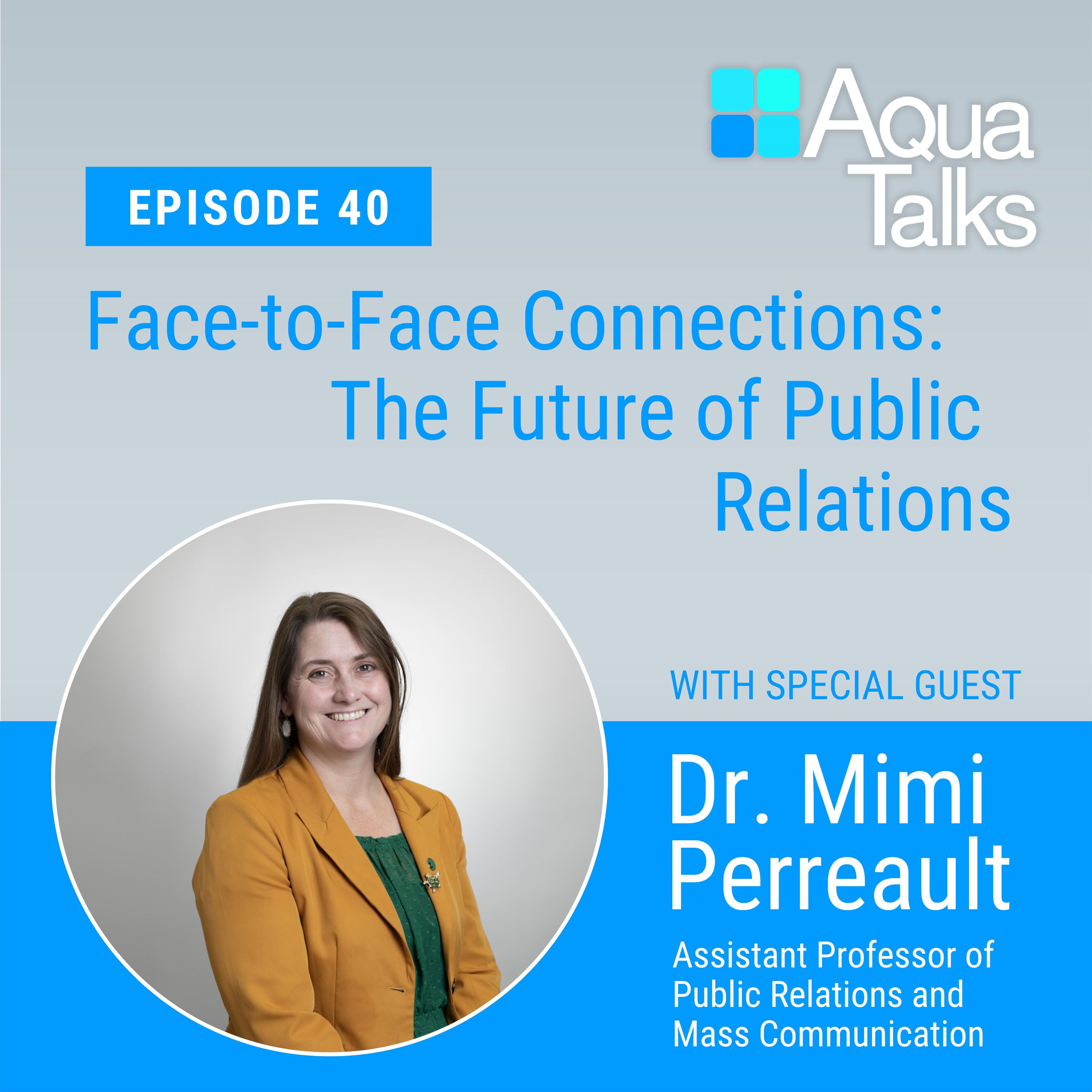
    Ep 40 - Face-to-Face Connections: The Future of Public Relations

    In this episode, Larry and Mady sit down with Dr. Mimi Perreault, Assistant Professor of Public Relations and Mass Communications at the University of South Florida, for a wide-ranging conversation about crisis communication — and what we keep getting wrong. Mimi draws on her background as a former journalist and PR pro to make the case for getting back to basics: face-to-face connection, authentic messaging, and knowing your audience well before a crisis ever hits. She talks through the real challenges of information fatigue, why social media is a niche tool — not a mass communication one — and how local journalism still plays an irreplaceable role when things go sideways. The conversation covers long-term recovery storytelling, a sharp look at when brands cross the line from helpful to opportunistic after a disaster, and hard-won lessons from the pandemic. Mimi also shares a standout case study about a North Carolina sheriff who called out misinformation head-on after Hurricane Helene — and why it worked. Oh, and Larry admits he'd be the first one running if aliens landed. If you work in marketing, PR, or communications — especially with destinations, airports, or community-facing brands — this one's packed with practical insight. IN THIS EPISODE: 00:07 - Introduction to Aqua Talks 02:39 - The Importance of Personal Connections in Public Relations 10:41 - Disaster Preparedness and Communication 17:37 - Crisis Communication and Preparedness 35:19 - Crisis Communication and Community Resilience 40:54 - The Impact of Empathy in Crisis Communication 46:11 - Communicating with Aliens: A New Era of Crisis Management 53:31 - The Role of Influencers in Crisis Communication KEY TAKEAWAYS: The discussion highlights the transformative power of marketing in establishing meaningful connections with audiences. Emphasis was placed on the importance of returning to fundamental communication practices post-pandemic, particularly face-to-face interactions. Public relations professionals are increasingly recognizing the necessity of balancing technology use with personal engagement to foster relationships. The episode underscores the significance of disaster preparedness communication and the necessity for individuals to be informed about risks in their environments. ABOUT THE GUEST: Dr. Mimi Perreault (LinkedIn) Dr. Mimi Perreault is an Assistant Professor of Media and Communications with a focus on public relations, journalism, and communications research and teaching. She brings a well-rounded background to the classroom and beyond, with hands-on experience as a writer, editor, and layout designer across print, broadcast, and digital platforms. Whether she's behind a camera, coordinating a team, or managing an event, Dr. Perreault combines academic depth with real-world communications versatility.

    • Transcript
    • Chapters
  • #39
    March 24 · 24 min

    Ep 39 - Case Study: Elevating Veteran Engagement in Marketing

    This podcast episode speaks to the intricate dynamics of marketing strategies, particularly as they pertain to the Veterans Experience Office (VEO) and its outreach initiatives. Co-hosts Mady Dudley and Larry Aldrich delve into the significance of effective communication in bridging the gap between veterans and the myriad services offered by the VA. We explore the evolution of our collaborative efforts in enhancing public trust and the pivotal role of data visualization in decision-making processes. Through our discussion, we seek to illuminate the importance of scalable creative infrastructure within the context of federal marketing endeavors. Join us as we unpack these profound insights and share actionable strategies aimed at fostering meaningful connections with our audience. IN THIS EPISODE 00:06 - Introduction to Aqua Talks 01:29 - Exploring Sauna Tourism and Fitness Trends 06:53 - Transitioning to Veteran Outreach 17:42 - Building Trust in Long-Term Contracts 22:28 - Impactful Outreach: Helping Veterans

    • Transcript
    • Chapters
  • #38
    March 17 · 29 min

    Ep 38 - Innovative Trends in Federal Marketing and Communications

    This episode of Aqua Talks centers around the imperative of adapting marketing strategies to meet the evolving needs of federal and local agencies. Our esteemed guest, Brandon Nickerson, Director of Federal Business Development at Sinclair Inc., engages in a comprehensive discussion about the recent trends in government budget priorities and the significant role of emerging technologies such as artificial intelligence and robotics in recruitment efforts. He elaborates on how Sinclair is uniquely positioned to bridge the gap between local insights and federal outreach, ensuring that marketing campaigns resonate effectively with target audiences. We delve into the innovative solutions Sinclair is implementing to enhance engagement and foster meaningful connections in a rapidly changing landscape. Join us as we unpack these vital topics, providing you with actionable insights to enhance your marketing endeavors. IN THIS EPISODE: 00:07 - Introduction to Aqua Talks 01:46 - Exploring Industry Trends and Challenges 09:50 - Transitioning from Local to Federal Marketing Strategies 14:50 - Emerging Strategies in Federal Marketing 25:26 - Transition to Amazing America 250 Program KEY TAKEAWAYS: The discussion emphasizes the critical importance of adapting marketing strategies to align with emerging industry trends and audience preferences. Brandon Nickerson elaborates on Sinclair's innovative approach to federal business development and their strategic partnerships aimed at enhancing recruitment efforts. The podcast highlights the significance of utilizing local knowledge and tailored marketing strategies to effectively address community-specific needs and challenges. Listeners are introduced to Sinclair's new initiatives, including the America 250 campaign, aimed at fostering nationwide engagement through custom content and localized outreach. The conversation reveals the pivotal role of advanced technology and data analytics in shaping contemporary marketing strategies within the federal government landscape.

    • Transcript
    • Chapters
  • #37
    March 10 · 29 min

    Ep 37 - The Evolution of Consumer Trust in the Age of Technology w/Howard Koval

    Today's discussion revolves around the critical importance of consumer trust in the rapidly advancing realm of technology, particularly with the integration of artificial intelligence in marketing strategies. We are joined by Howard Koval, Executive Vice President of Strategy and Business Development with TravelSpike, as we delve into the intricate relationship between technological adoption and the necessity for brands to cultivate trust among their audiences. Moreover, we examine the evolving landscape of marketing, where experiential content and data-driven strategies are becoming paramount for effectively engaging potential travelers. Our dialogue underscores the significance of leveraging insights derived from comprehensive data analysis to inform decision-making processes, thereby enhancing marketing efficacy. We invite you to join us in exploring these transformative ideas that are shaping the future of marketing and consumer engagement. IN THIS EPISODE: 00:07 - Introduction to Aqua Talks 07:51 - The Evolution of Digital Marketing 11:59 - The Shift to Content-Driven Marketing 19:11 - Emerging Trends in CTV Advertising 28:32 - Transitioning to New Strategies TAKEAWAYS: In the evolving landscape of marketing, establishing consumer trust remains a paramount challenge, especially with the rise of AI technologies. The importance of data in marketing cannot be overstated, as it serves as the currency that dictates strategic decision-making processes. Engaging audiences through emotional storytelling, particularly in the context of sports, fosters deeper connections and enhances brand visibility. As destinations adapt to the digital age, the creation of compelling, fresh content is essential to maintain audience engagement and relevance. ABOUT THE GUEST: Howard Koval - Executive Vice President, TravelSpike Howard Koval (LinkedIn) Howard Koval is Executive Vice President at TravelSpike and a respected voice in travel and tourism marketing, with more than 30 years of experience helping revolutionize the travel industry through data-driven strategy, personalization, and advanced media. He specializes in applying audience intelligence and identity-based solutions to better understand and influence traveler behavior. A frequent speaker at industry conferences, Howard shares insights on AI, connected TV, and the evolving traveler journey. His work focuses on helping tourism organizations adapt to changing consumer expectations and drive sustainable demand through smarter use of technology and data.

    • Transcript
    • Chapters
  • #36
    February 17 · 33 min

    Ep 36: Innovative Strategies for Engaging Veterans: The About Face Case Study

    The central theme of this podcast episode revolves around the About Face program, a vital initiative aimed at assisting veterans grappling with Post-Traumatic Stress Disorder (PTSD). As we engage in a comprehensive dialogue, hosts Larry Aldrich and Mady Dudley delve into the intricacies of this program, highlighting its significance in providing veterans with a platform to share their experiences and access much-needed resources. The discussion further explores the challenges and triumphs associated with the management of the About Face website, which serves as a documentary hub for veterans to recount their personal narratives. We emphasize the importance of approaching this sensitive subject with care and respect, ensuring that the voices of veterans are not only heard but valued. Ultimately, this episode serves to illuminate the broader implications of marketing communications within the federal space, particularly in fostering connections with those who have served our nation. IN THIS EPISODE: 00:07 - Introduction to Aqua Talks 03:10 - Transitioning to AI in Federal Government 11:51 - Approaching Veterans with Care and Understanding 16:47 - Understanding the Importance of Veteran Support Programs 21:03 - Understanding the About Face Program and VA Partnerships 32:30 - Transitioning to Federal Outreach and EAC Public Relations TAKEAWAYS: The Aqua Talks podcast serves as a platform for innovative marketing discussions, emphasizing the importance of making meaningful connections with audiences. Hosts Larry Aldrich and Mady Dudley delve into the unique challenges of marketing for federal agencies, particularly in relation to veterans' issues. The About Face program is pivotal in providing support for veterans dealing with PTSD, showcasing the importance of personal narratives in healing. Adapting to change within the federal landscape requires continuous learning and adaptation, fostering resilience within organizations. Utilizing AI tools has become essential for maintaining competitiveness in the evolving market of marketing and communications. The podcast highlights the emotional weight of working on veteran-related projects, emphasizing the necessity of delicacy and respect in outreach efforts.

    • Transcript
    • Chapters
  • #35
    February 10 · 19 min

    Ep 35: Unveiling the Power of PR: A Case Study on Daytona Beach International Airport

    The principal focus of this podcast episode is the in-depth exploration of the public relations strategies employed for Daytona Beach International Airport (DAB). Hosts Mady Dudley and Larry Aldrich delve into the intricacies of their collaboration with DAB, highlighting the significance of authentic messaging and the necessity of cultivating robust relationships with stakeholders. Throughout the discussion, they emphasize the airport's unique amenities and customer-centric initiatives that enhance the travel experience, thereby fostering a narrative that resonates with potential passengers. The episode also sheds light on the importance of targeted communication strategies that align with the specific goals of the airport, ensuring that their story is effectively conveyed across various media outlets. By sharing their experiences and insights, the hosts aim to inspire marketers and public relations professionals to adopt similar approaches in their own practices. IN THIS EPISODE: 00:07 - Introduction to Aqua Talks 03:42 - Public Relations Strategy for Daytona Beach International Airport 09:26 - Understanding PR and Authentic Messaging 13:52 - Impact of Unique Communications on Daytona Beach International Airport 16:52 - Transitioning Strategies in Public Relations TAKEAWAYS: In the realm of marketing, establishing authentic relationships with clients significantly enhances the effectiveness of public relations strategies. Daytona Beach International Airport exemplifies exceptional customer service through innovative programs that prioritize passenger experience and satisfaction. The collaboration among multiple visitor bureaus in Volusia County exemplifies the power of unity in marketing efforts to promote regional tourism effectively. Effective public relations necessitates a thorough understanding of the product being marketed to ensure a coherent and persuasive narrative is presented to the public. The integration of storytelling in public relations is vital, as it allows brands to communicate the human experience behind their services, fostering deeper connections with audiences. Continuous communication with airport leadership and stakeholders is crucial for aligning messaging and enhancing the overall public relations strategy.

    • Transcript
    • Chapters
Showing 1–20 of 21 episodes