Skip to content
Artwork for Apple News In Conversation
NewsNews Commentary

Apple News In Conversation

Apple News

Apple News In Conversation with Shumita Basu brings you interviews with some of the world’s best journalists and experts about the stories that impact our lives. Join us every week as we go behind the headlines.

Play
  • 27 episodes
  • weekly
  • Avg 28 min
  • English
Counted on this page — what you have heard stays on this device, so it is not something the list can be paged by.
  • Thursday · 32 min

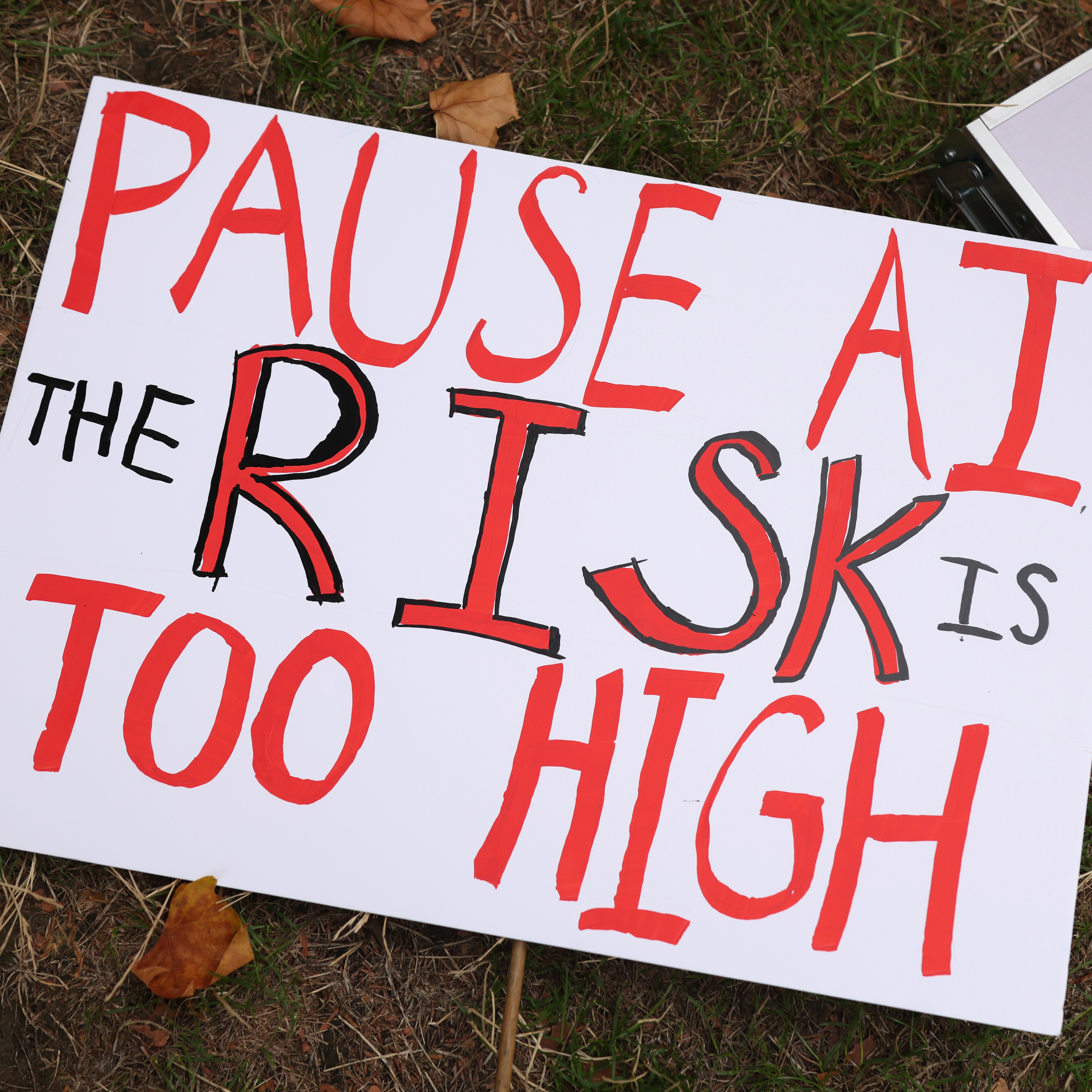
    The AI warnings are getting louder. Here’s what you need to know.

    Unsettling headlines about AI are dominating the news. In the past few weeks, an Anthropic researcher quit his job out of fear that the technology could “kill us all,” OpenAI revealed that its models have demonstrated “concerning behavior,” and four tech CEOs made an unprecedented call for a slowdown. Nilay Patel, editor in chief of The Verge and host of the Decoder podcast, last joined Apple News In Conversation in 2023, as ChatGPT exploded in popularity. He returns to the show to discuss what’s changed, what this technology can and can’t do, and why company rivals are asking the government for help.
  • September 10 · 32 min

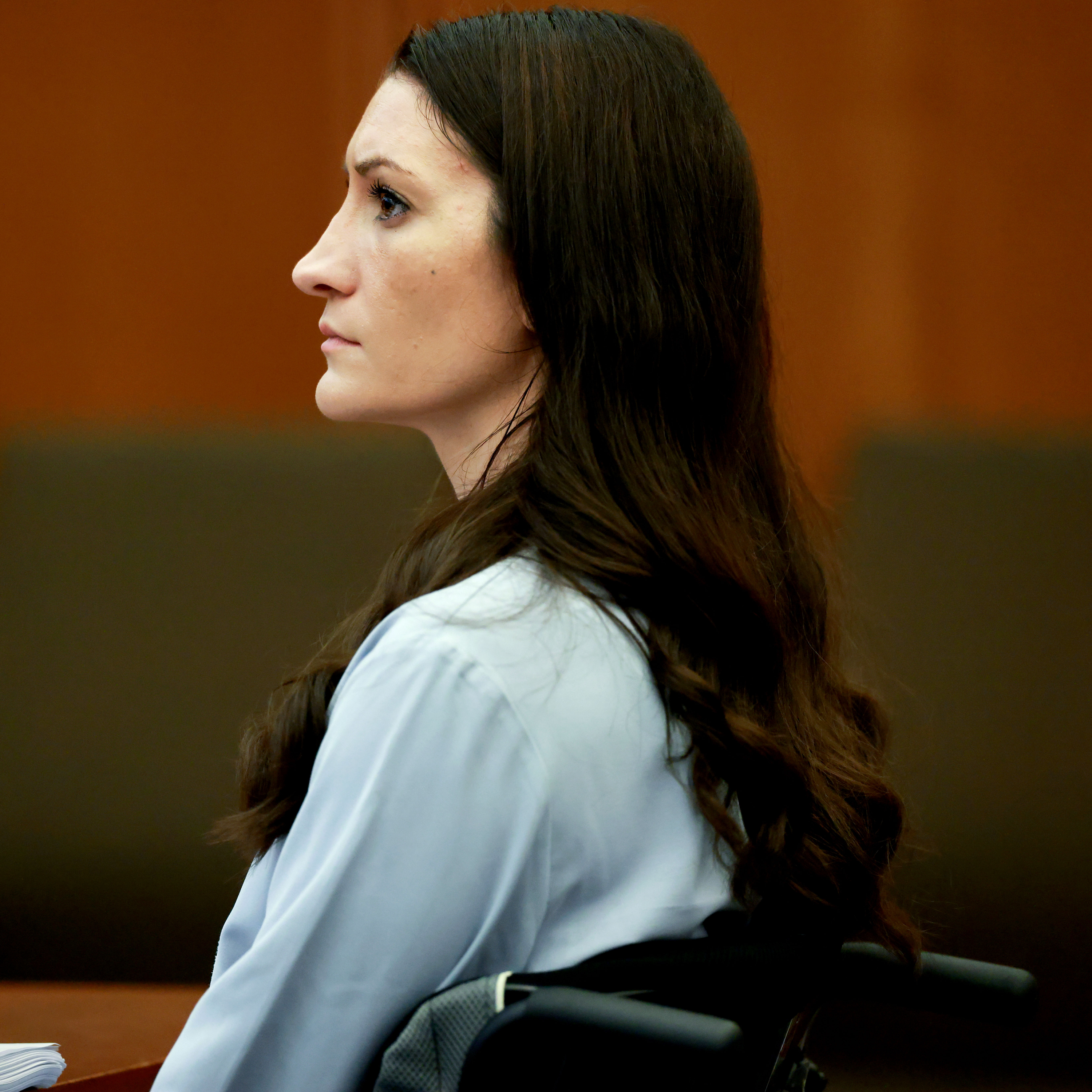
    The dark side of America’s obsession with the Lindsay Clancy trial

    Warning: This episode includes descriptions of violence against children, adult language, and mentions of suicide. If you or someone you know is struggling, contact the Suicide & Crisis Lifeline by calling or texting 988. The trial of Lindsay Clancy — the Massachusetts mother accused of murdering her three young children in 2023 — ended this month in a mistrial. Her defense didn’t dispute the killings but argued that Clancy wasn’t criminally responsible because she was suffering from severe postpartum psychosis and overmedication. The trial was live streamed and picked apart by people across the country. The New Yorker’s Jessica Winter has followed this case since the beginning, and she joins Apple News In Conversation host Shumita Basu to unpack why it became a national obsession — and what the fractured public response reveals about America.

  • September 3 · 32 min

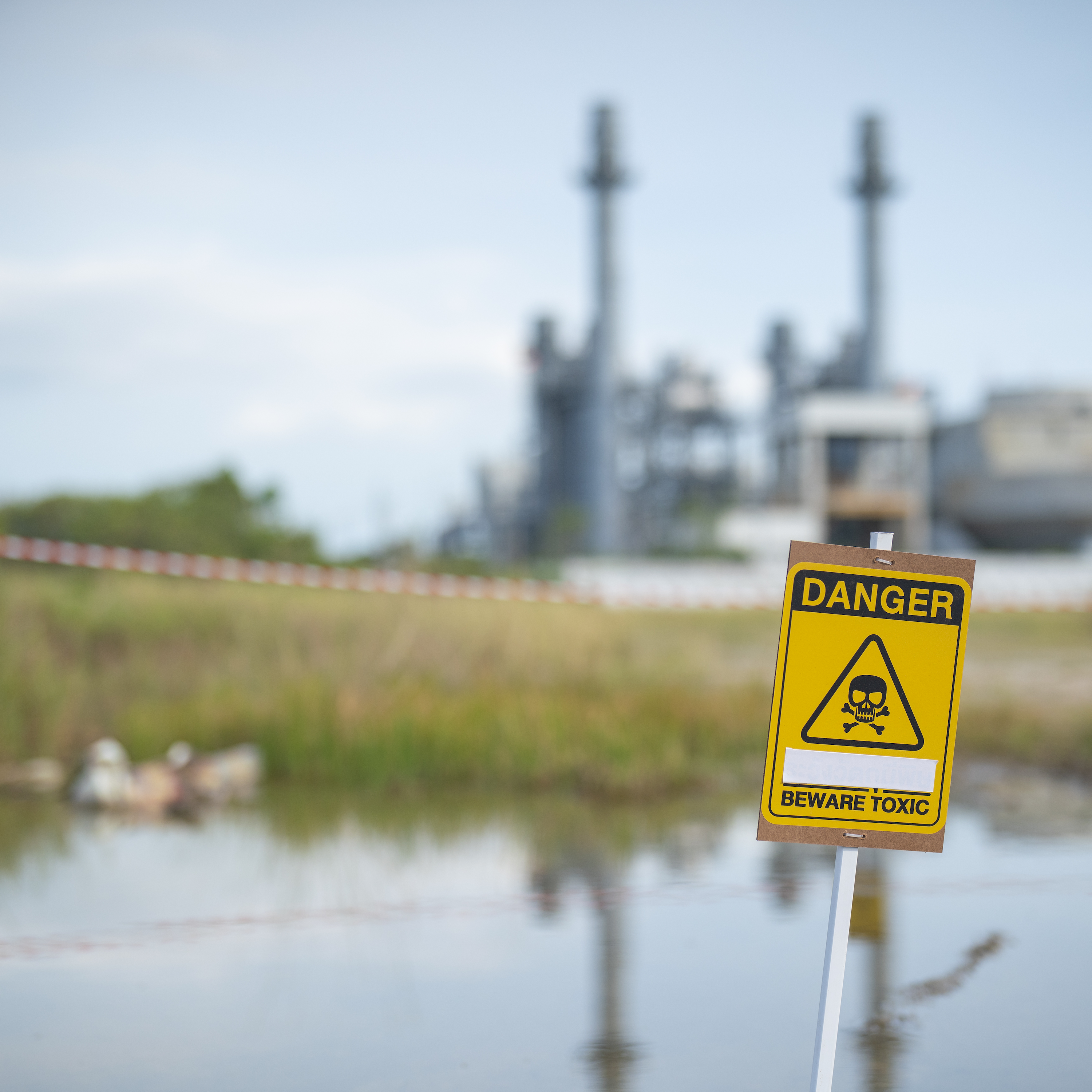
    Forever chemicals are hiding everywhere. These five habits can help you avoid them. (From the archives)

    This is an episode from our archives. It originally aired in May 2025. Forever chemicals, also known as PFAS, are found in virtually every corner of the world, including in most people’s bodies. These synthetic compounds have been linked to a wide range of health issues — from infertility to cancer to neurological problems — even at low levels of exposure. In a new book, They Poisoned the World: Life and Death in the Age of Forever Chemicals, investigative journalist Mariah Blake lays out how these toxic chemicals became so ubiquitous. Blake spoke with Apple News In Conversation host Shumita Basu about a group of unlikely activists fighting back against those responsible and offers practical tips to protect yourself.

  • August 27 · 31 min

    The real reason so many Americans are convinced sunscreen is dangerous

    For the past few years, a campaign against sunscreen has been building — with social-media influencers claiming that sunscreen itself, rather than the sun, is damaging people’s skin and harming their health. The misinformation is working: More than 16 million adults have cut back or stopped using sunscreen because of it. Meanwhile, skin-cancer rates continue to rise. Brian Underwood, beauty and grooming director at Men’s Health and Women’s Health, joins Apple News In Conversation guest host David Greene to share his reporting on who’s driving this movement, the confusing FDA report that helped fuel it, and what it will take to restore trust in sunscreen.

  • August 20 · 27 min

    Why men are suddenly so worried about their testosterone levels

    Testosterone prescriptions are at an all-time high in the U.S., and according to a survey by Men’s Health, 70% of men say their levels of the hormone are important to them. This increased attention to T has even reached the Pentagon, which announced mandatory testosterone screenings for troops over the age of 30. Michael Andor Brodeur, a Men’s Health contributor and author of the book Swole, joins Apple News In Conversation guest host David Greene to explain how testosterone transformed from solely a medical treatment into a cultural obsession — and what that shift reveals about the pressures American men face today.

  • August 13 · 35 min

    The uncomfortable reasons human waste keeps turning up in your lettuce

    This summer, the U.S. saw its largest cyclospora outbreak on record — with more than 22,000 suspected cases linked to contaminated iceberg lettuce, alongside a wave of other foodborne illnesses. Timothy D. Lytton, a law professor at Georgia State University and author of Outbreak: Foodborne Illness and the Struggle for Food Safety, joins Apple News In Conversation host David Greene to explain how America’s food-safety system actually works, how the system evolved, and what recent outbreaks reveal about the changes needed to make us all safer.

  • August 6 · 29 min

    This tick can give you a life-threatening allergy. It’s spreading across the U.S.

    Peak tick season is here — and the fastest-growing tick-borne illness in the country is alpha-gal syndrome, a condition that causes an often-severe allergy to red meat and other animal products. It’s primarily spread by lone-star ticks, once confined to the Southeast but now found as far north as Maine and Michigan. The syndrome can trigger a range of reactions — from hives to anaphylaxis — and at least one death has been attributed to it. New Yorker staff writer Burkhard Bilger, who has reported on the syndrome’s rise, joins Apple News In Conversation guest host David Greene to explain how it was discovered, why it can take years to diagnose, and how it’s reshaping the way people eat, work, and spend time outdoors.

  • July 30 · 29 min

    How America’s gun obsession really started

    This year, the U.S. has seen more than 270 mass shootings — and firearms remain the leading cause of death for American children and teens. But solutions appear largely out of reach. New York Times reporter Mike McIntire, a gun owner himself, traces how we got here in his new book, Ricochet: Guns, Greed, and the American Way of Violence. McIntire talks to Apple News In Conversation guest host David Greene about the surprising origins of the Second Amendment, how an obscure Democrat helped turn the National Rifle Association into a powerful lobby, and paths to reducing violence.

  • July 23 · 27 min

    Inside the revelations from Trump’s $2 billion financial disclosure

    President Trump earned more than $2 billion in his first year back in office. According to a mandatory financial disclosure released in June, most of that fortune came from cryptocurrency ventures. David Kirkpatrick, a staff writer at the New Yorker who has tracked Trump’s earnings for years, sat down with Apple News In Conversation guest host David Greene to unpack what the disclosure reveals about the president and his businesses — and the potential implications for everyday Americans.

  • July 16 · 25 min

    People are running their own experiments with GLP-1s — with stunning results

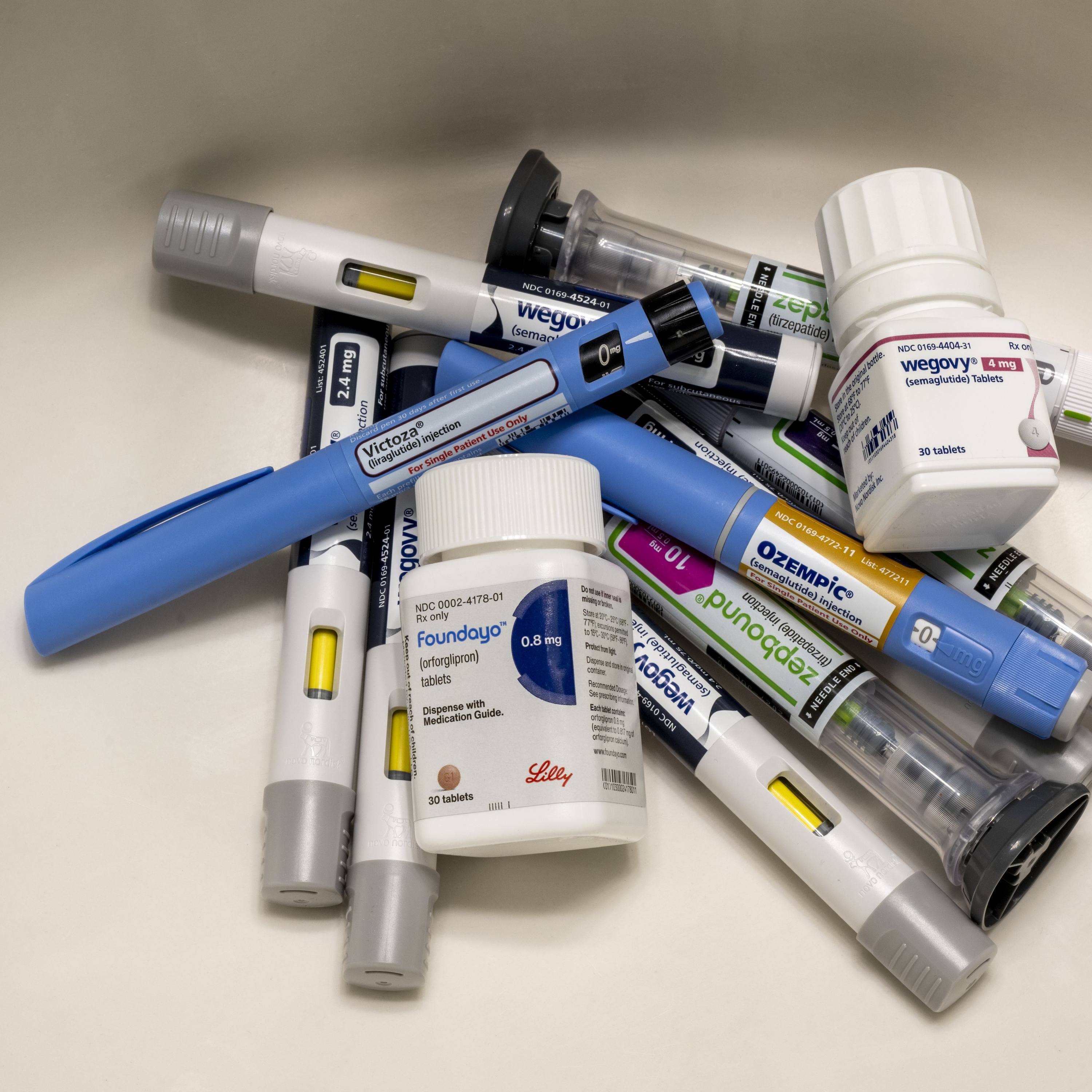
    GLP-1 drugs like Ozempic and Wegovy are being taken by millions of Americans. These medications have been approved for treating diabetes, obesity, and a small number of other chronic conditions. But even as experts are still learning how the drugs work, many people have found that they help with other disorders — from addiction to brain fog to arthritis — where anecdotal evidence is promising but the formal research hasn’t caught up. Julia Belluz, a contributing writer for the New York Times Opinion section and coauthor of Food Intelligence, joins Apple News In Conversation guest host David Greene to explain why what’s unfolding right now may be the largest uncontrolled drug experiment in modern history.

  • July 9 · 24 min

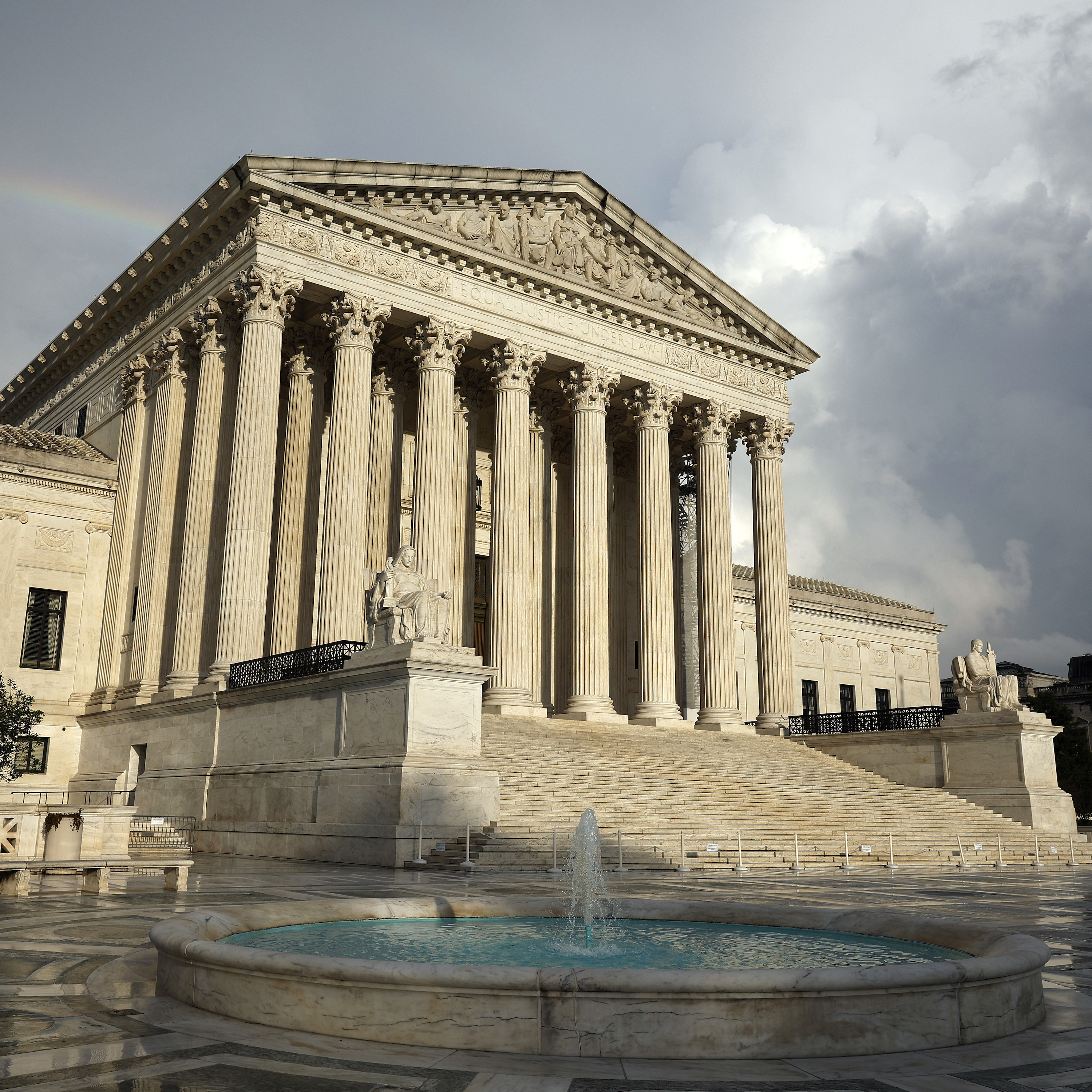
    The surprising ways the Supreme Court curbed Trump’s power

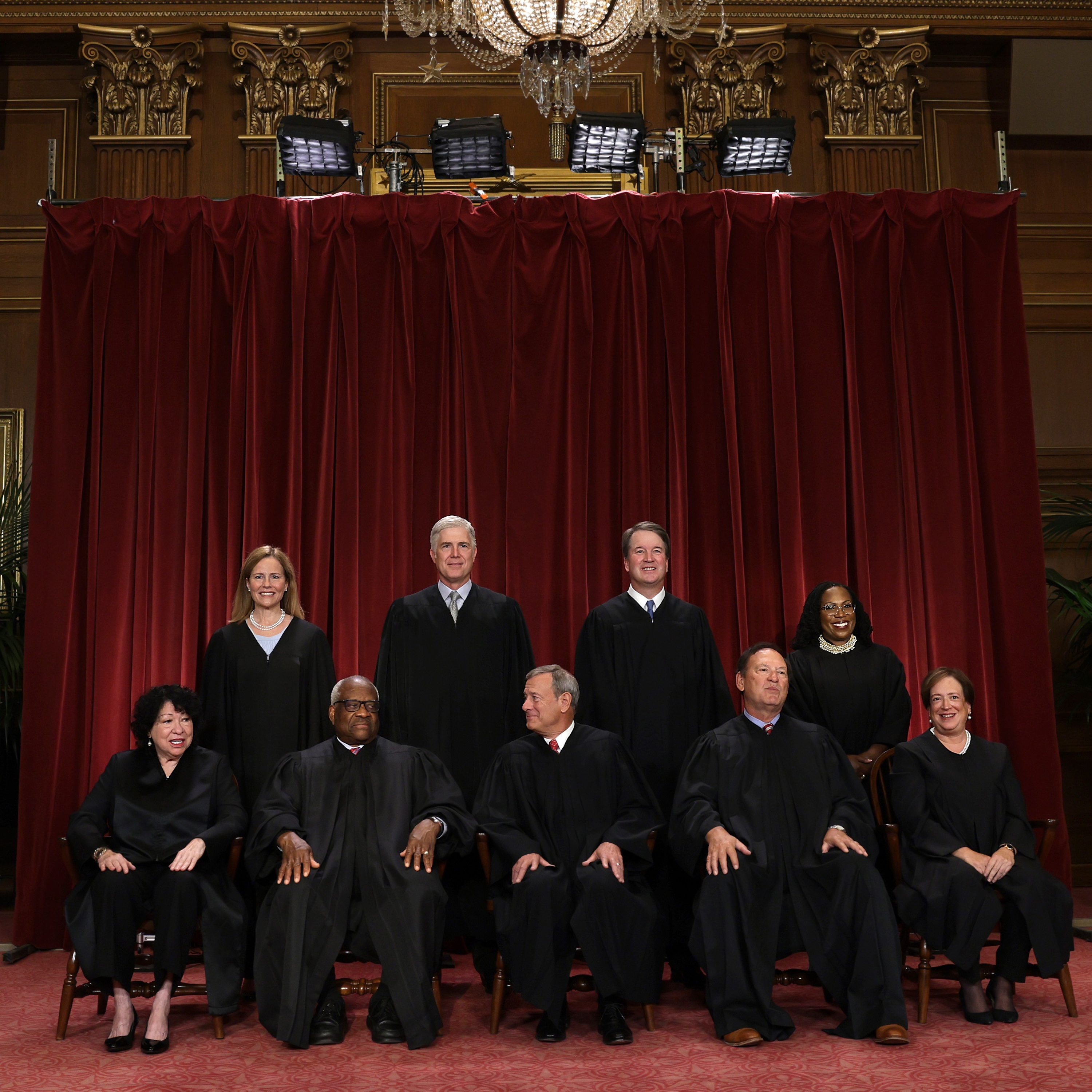
    The Supreme Court just wrapped one of its most consequential terms in recent memory — issuing major rulings on presidential power, birthright citizenship, and the rights of transgender athletes. But the story playing out in most headlines, legal analyst Sarah Isgur argues, is missing the bigger picture. Isgur is the editor of SCOTUSblog and the author of Last Branch Standing: A Potentially Surprising, Occasionally Witty Journey Inside Today’s Supreme Court. She joined Apple News In Conversation guest host David Greene to explain why she considers this the hardest term in the Roberts Court’s history, why Trump has lost far more cases than he’s won, and why the political framework most people use to understand the court tells only a fraction of the story.

  • July 2 · 30 min

    Why the Constitution is making our politics worse (From the archives)

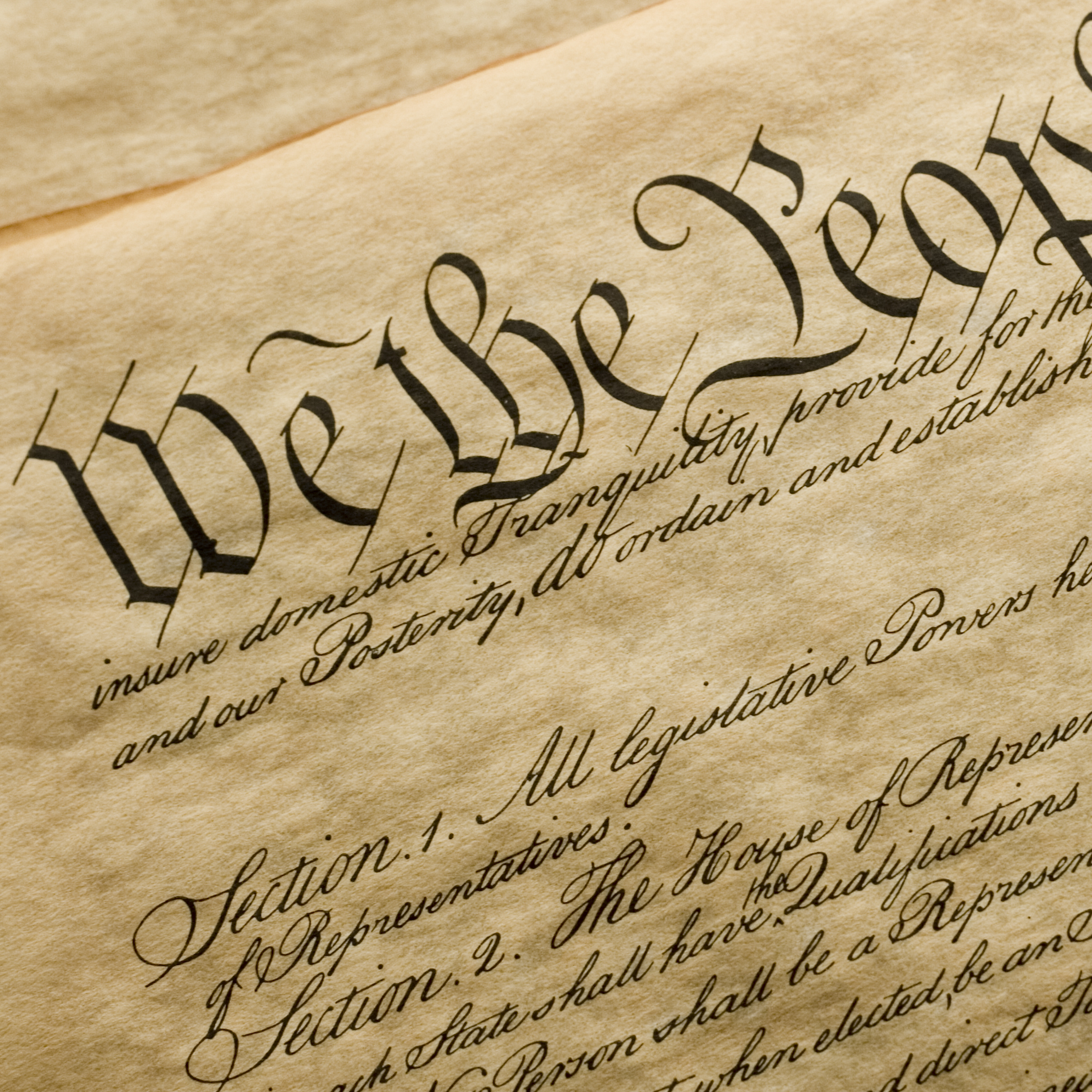
    This episode originally aired on Sept 18, 2025. The Constitution has been amended 27 times, but the last meaningful change was over half a century ago. In historian Jill Lepore’s book We the People: A History of the U.S. Constitution, she argues that the near impossibility of amendment in recent decades underlies many of today’s political crises, from polarization to battles over the courts. Lepore spoke with Apple News In Conversation host Shumita Basu about the history of constitutional revision and why the amendment process matters for the future of American democracy.

  • June 25 · 24 min

    The little-known forces quietly killing the college degree

    When New Yorker staff writer Jay Caspian Kang sat down to do his taxes, one question surfaced: Should he still be saving for his 9-year-old daughter’s college fund? What followed was a deeply reported series about the growing crisis in American higher education and the forces behind it — from AI to soaring tuition to a collapse in public trust in institutions. Kang speaks with Apple News In Conversation guest host David Greene about what colleges are actually for, whether they’re still delivering on their promises, and what the future of higher education might look like.

  • June 18 · 23 min

    The U.S. is turning 250. These songs unexpectedly changed American history.

    The United States turns 250 years old this summer — and there’s no shortage of ways to mark the moment. One of the most revealing lenses through which to view the country’s history may be music. Anna Harwell Celenza, professor at Johns Hopkins University and author of On the Record: Music That Changed America, joined Apple News In Conversation guest host David Greene to discuss the hidden political history of American music — from why “The Star-Spangled Banner” became the national anthem to how “Strange Fruit” helped pass anti-lynching legislation — and what music still has to say about democracy now.

  • June 11 · 26 min

    TV’s most beloved assistant coach says the World Cup is about to change America. Here’s how.

    This year’s World Cup will be the largest in history, with 48 teams and 104 matches — and, for the first time in more than 30 years, the tournament is being played on American soil. Brendan Hunt, co-creator, writer, and star of Ted Lasso and cohost of the Apple News Original podcast After the Whistle, joins Apple News In Conversation guest host David Greene to talk about how he fell in love with soccer as an adult, the U.S. Men’s National Team players he’ll be watching, and whether the United States is finally a soccer country.

  • June 4 · 24 min

    How the Texas floods forever changed one family

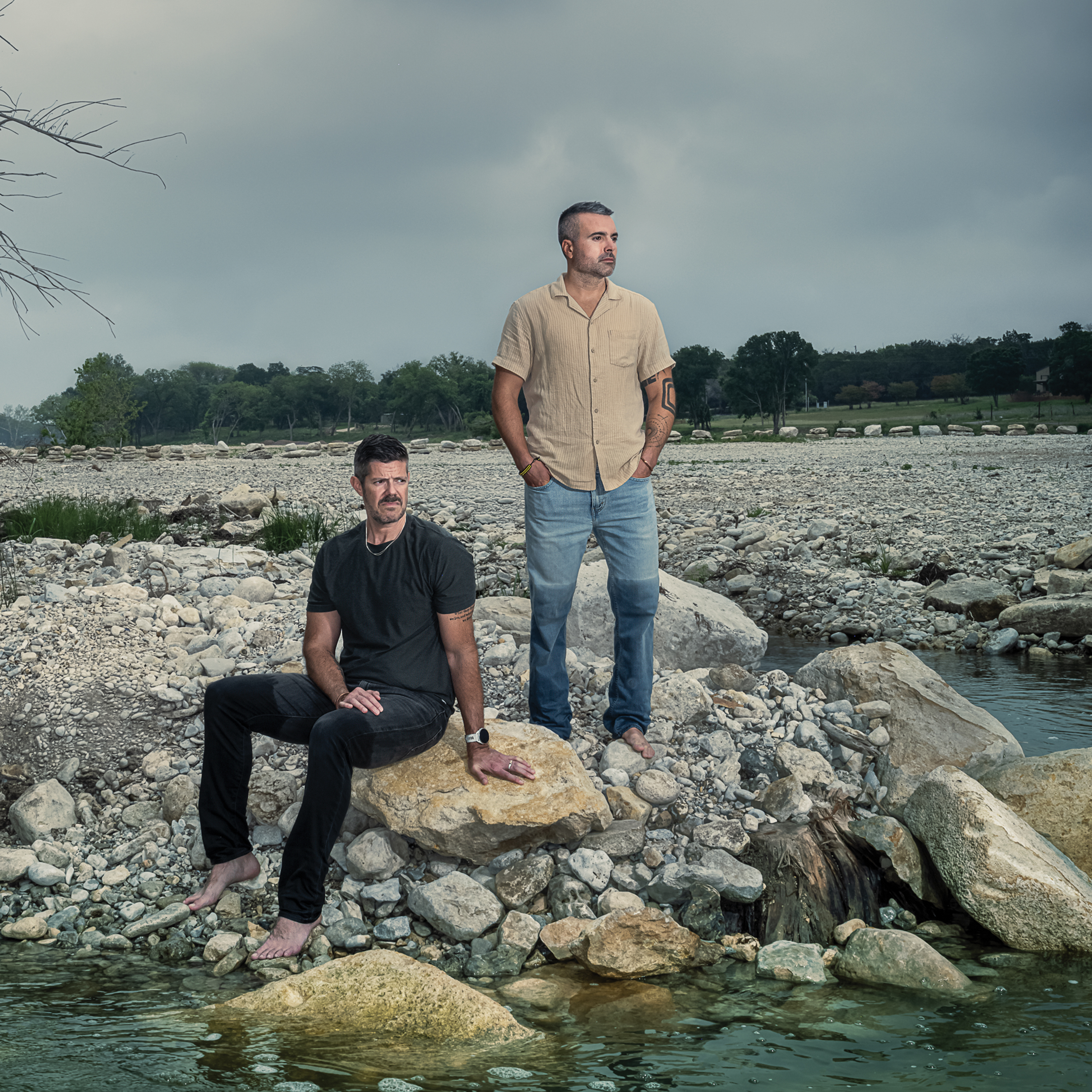
    On July 4, 2025, catastrophic flooding tore through Central Texas, killing more than 130 people and destroying communities along the Guadalupe River. Aaron Parsley, a senior editor at Texas Monthly, was there — and though he survived, his family suffered a devastating loss. His harrowing account of what happened when floodwaters overwhelmed their house and ripped them apart won the Pulitzer Prize for feature writing. Now he’s out with a new essay and a podcast about what their recovery has looked like. Parsley joined Apple News In Conversation guest host David Greene to talk about grief, the evolution of his faith, and what survival really means.

  • May 28 · 21 min

    How to navigate summer air travel when everything costs more

    The summer travel season is upon us — and this year is more complicated and more expensive than most. The war in Iran has driven up jet-fuel prices globally, and Spirit Airlines, one of the biggest budget carriers in the country, has just shut down. On top of that, a possible super El Niño could cause widespread disruptions. Zach Wichter, a consumer-travel reporter at USA Today, joins Apple News In Conversation guest host Sam Sanders to explain what it all means for travelers this summer — and his tips for how to fly smarter.

  • May 21 · 30 min

    Why America has more billionaires than ever (From the archives)

    This episode originally aired on July 10, 2025. Americans have a long history of obsession with the ultrarich, from Carnegie and Rockefeller to Bezos and Musk. And today, the gap between the rich and the poor is bigger than ever as the billionaire class has ascended to new heights. In his book, The Haves and Have-Yachts, New Yorker staff writer Evan Osnos explores the extravagant lifestyles of the wealthy and their outsize influence on politics. He sat down with Apple News In Conversation host Shumita Basu to talk about this unique moment — when billionaires are both resented and envied by the public — and what it means for the rest of us.

  • May 14 · 24 min

    How one Supreme Court decision could shift political power for decades

    At the end of April, the Supreme Court’s ruling on Louisiana v. Callais significantly weakened the Voting Rights Act. The decision made it easier for states to legally draw districts that reduce the voting power of Black voters and other minority groups. In response, several Republican-controlled Southern states have moved to redraw their congressional maps. Adam Serwer, a staff writer at The Atlantic, joins Apple News In Conversation guest host Sam Sanders to help explain this pivotal moment and the long history of voting rights in America.

  • May 7 · 39 min

    Rebroadcast: They work full-time jobs. Why are they homeless?

    This week, Brian Goldstone was awarded a Pulitzer Prize for his book, There Is No Place for Us, which is featured in this episode from our archives. Millions of Americans cannot afford housing despite working full-time jobs. They live in cars, shelters, or extended-stay hotels and often don’t qualify for assistance programs. Journalist and anthropologist Brian Goldstone follows five Atlanta families who are stuck in this cycle in his new book, There Is No Place for Us: Working and Homeless in America. Goldstone reveals how these parents and children are prevented from securing housing by steep rents, red tape, and predatory schemes. He spoke with Apple News In Conversation host Shumita Basu about how this crisis arose and ways to address it.

Showing 1–20 of 27 episodes