Skip to content
Artwork for Angels Stroke Heroes : Inspiring the Global Stroke Community

Angels Stroke Heroes : Inspiring the Global Stroke Community

The Angels Initiative

The Angels Stroke Heroes podcast series features individuals who inspire the global stroke community with their courage, vision, leadership, and hard work.

Play
  • 16 episodes
  • Avg 20 min
  • English
  • #16
    July 16 · 23 min

    The Rule of Three

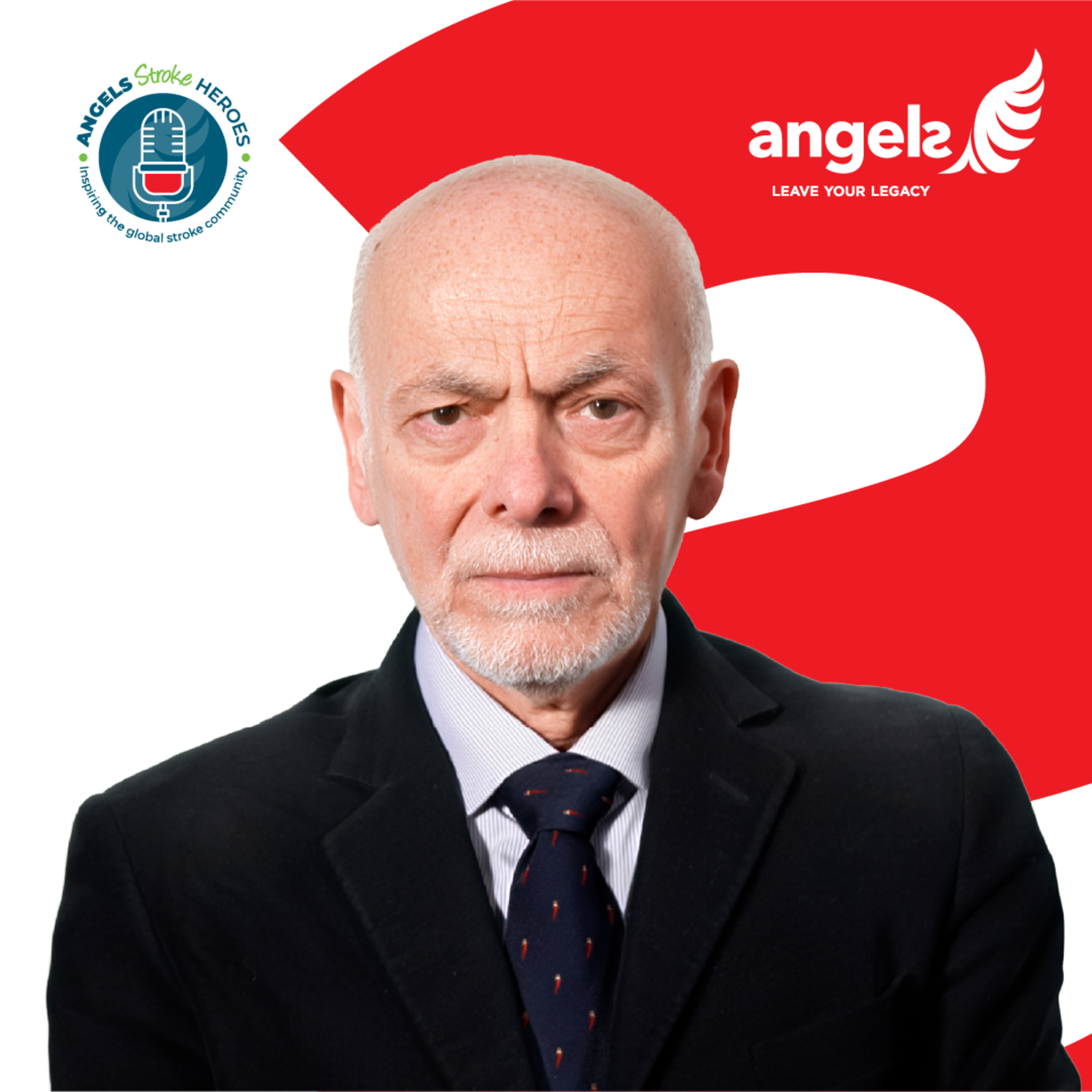
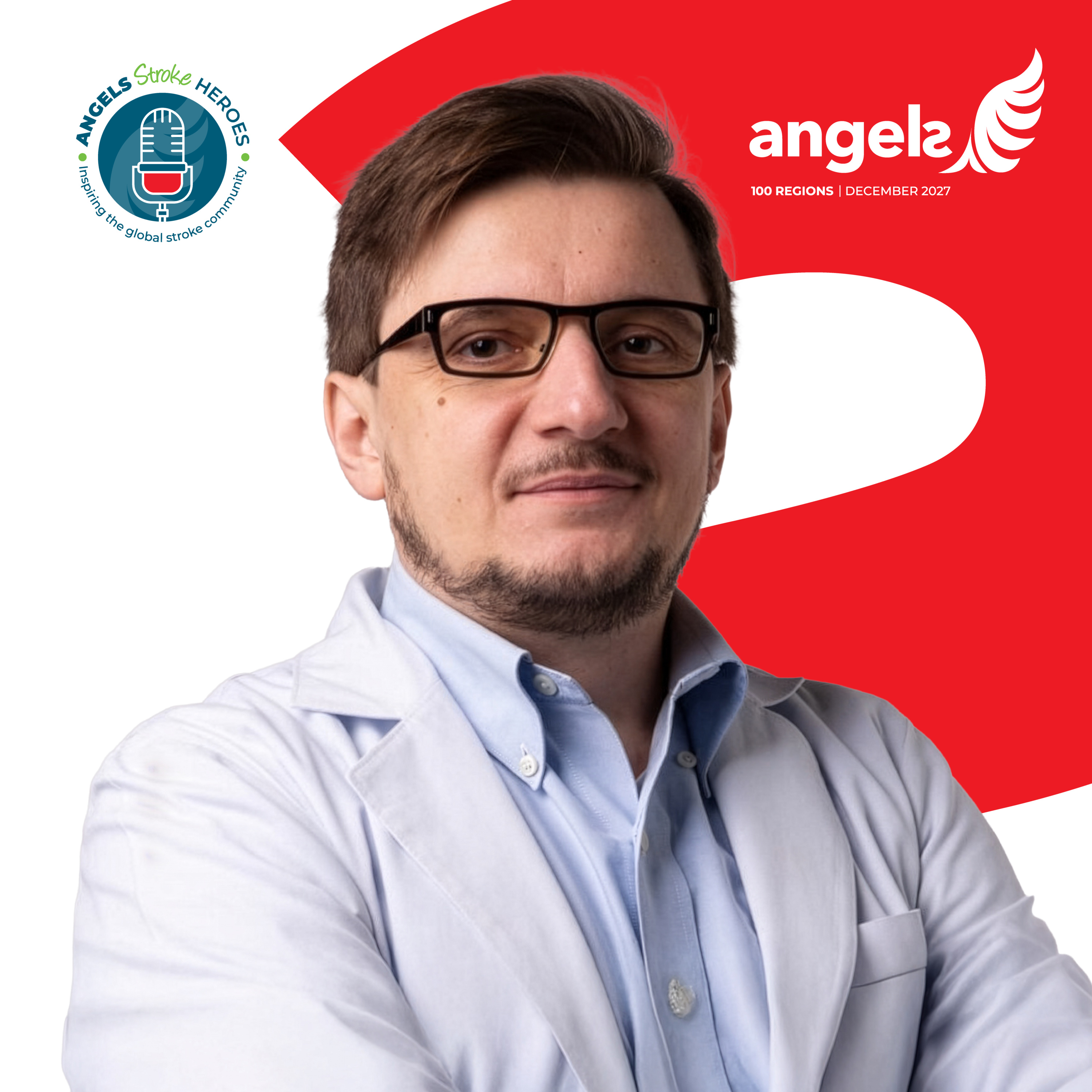
    Dr Sandor Nardai is a cerebrovascular disease specialist and chief of the biggest thrombectomy centre in Hungary. As a licensed interventional cardiologist, neurologist and neurointerventionist, he is making an outsized contribution to stroke care in his country. During a conversation recorded in Maastricht in May 2026, Sandor explained the “triple rule” that governs his career: “From the very first part of my career, I really wanted to do the three jobs you need to do at the university clinic. So teaching, research, and healing patients. First was research. But then medicine really was interesting, and I thought that, well, if I do a medical degree, I could still be a researcher. And education is just fully integrated into it because it's a medical school.” Sandor is associate professor and the head of Department of Neurointervention at the Semmelweis University Center of Neurosurgery and Neurointervention in Budapest, Hungary.  It’s a great job to be in, he says. In this episode: Committing to the triple task of research, teaching and healing What cardiologists and neurologists can learn from each other Learning together on the job The importance of going abroad Why stroke is fascinating Why interventionists have to be team players Important questions research must answer Studying for an MBA A day in his life Leaving a legacy Find out more about the Angels Initiative: www.angels-initiative.com
  • #15
    June 30 · 20 min

    In the right place at the right time

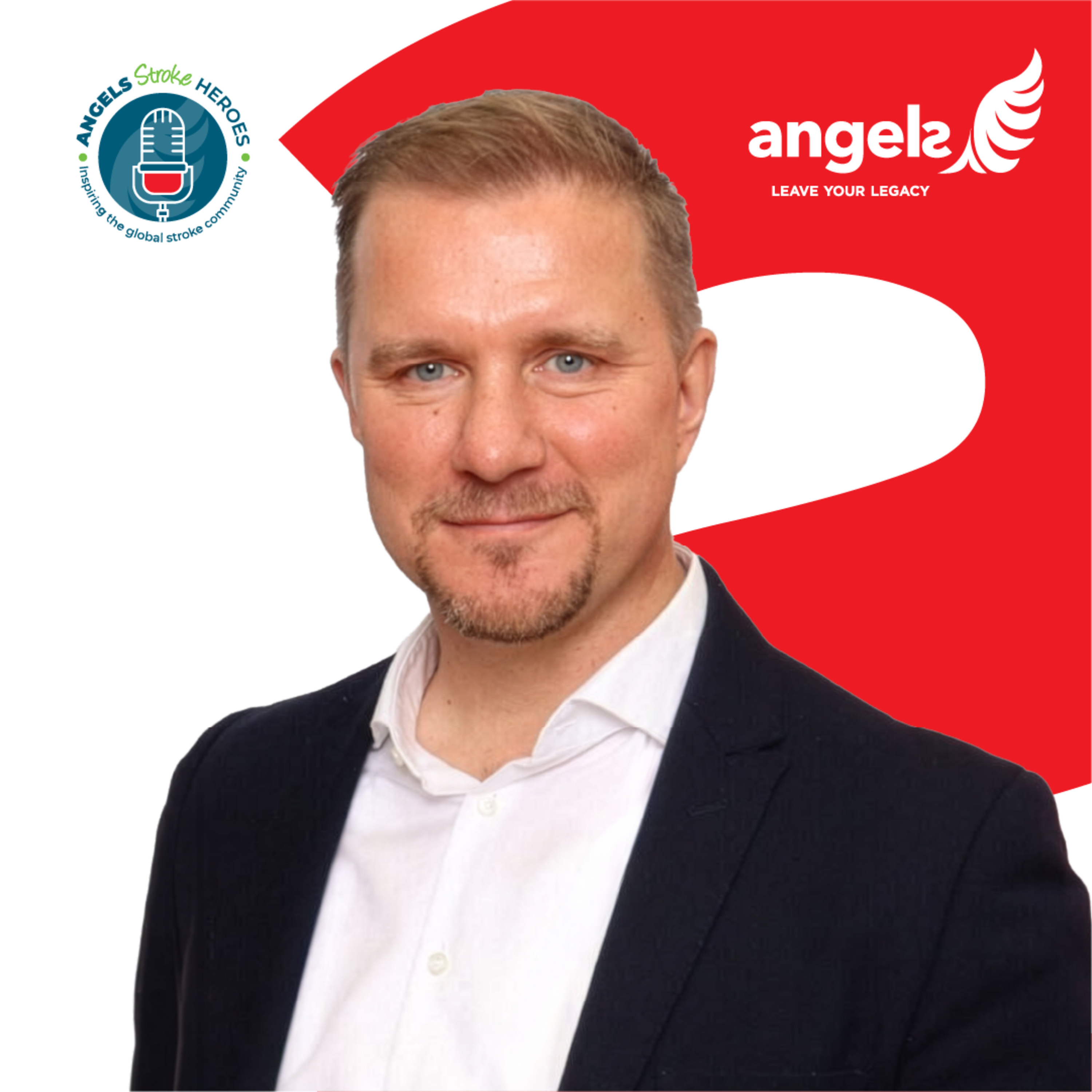
    In a conversation recorded in Maastricht during ESOC 2026, Latvian neurologist Kristaps Jurjāns explains how consistency earned Pauls Stradins Clinical University Hospital in Riga more diamond awards than any other hospital in the world. He says, “Mostly what gives us these awards is that we do it consistently. We do not drop our standards and our data shows this. I can trust everybody that works in our hospital with the stroke patients to provide acute care at the highest level.” He describes missing the cut to become an orthopedic surgeon, following his mom into neurology, just temporarily, and then forgetting all about surgery as he learned about stroke neurology from his mentor Professor Evija Miglāne. It’s “inevitability” that drives him, he says. “If I drop this, who's gonna pick it up? That’s the first question. And the next question is, so if somebody does, am I happy about it? If not, then you have to do it yourself. Finally, Kristaps explains how working out with a boxing coach eases the transition from hospital to the Jurjāns household which is currently occupied by three small boys including two-year-old twins. In this episode: Cycling from Brussels to Maastricht Getting an award for getting an award Why consistency matters “You have to rise or somebody dies” Choosing neurology (or not) Having doctors in the family Raising boys Getting in the ring “What else should I be doing?” Find out more about the Angels Initiative: www.angels-initiative.com
  • #14
    June 16 · 28 min

    All the world’s a stage

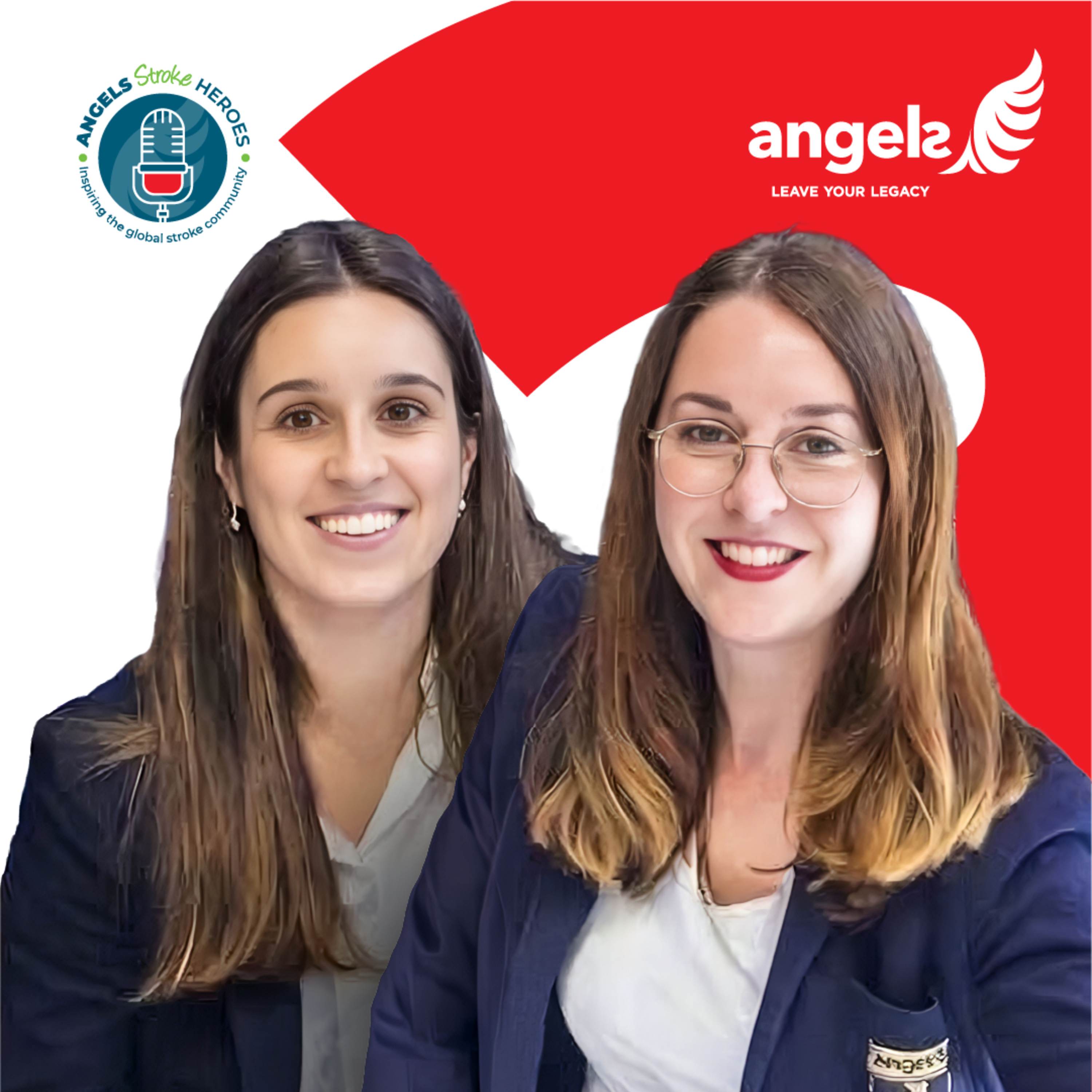
    In this episode recorded in Maastricht during ESOC 2026, Italian neurologist Professor Danilo Toni reflects on three decades of stroke care transformation in Italy. He describes a flourishing relationship between Angels and the Italian Stroke Association (of which he is a past president), the genius of the data activation program MonitorISA, and the Trojan Horse strategy that paved the way for the proliferation of stroke units in Italy. He recalls his role in the ECASS trials that fundamentally transformed stroke care, and outlines the most urgent questions that remain unanswered. A passionate actor who is currently playing King Lear in an offbeat amateur production, he shares his views on the benefits of being on stage: “Thanks to theater, you can show your emotion without any limitation, without any judgment, not your personal judgment toward yourself, nor the one toward the others ... It’s the best thing I could do for myself. And I always say it is better than any benzodiazepine and any anti-anxiety treatment and antidepressant treatment. And I definitely suggest to everyone should do it.” In this episode: First encounter with Angels The genius of MonitorISA Dramatic changes for stroke neurology in Italy Benefits of stroke unit care A Trojan Horse strategy Becoming a doctor and choosing neurology The focus on ICH Past trials and urgent unmet needs The gratitude of patients and their families The benefits of theatre Find out more about the Angels Initiative: www.angels-initiative.com
  • #13
    May 5 · 41 min

    A decade of Angels 

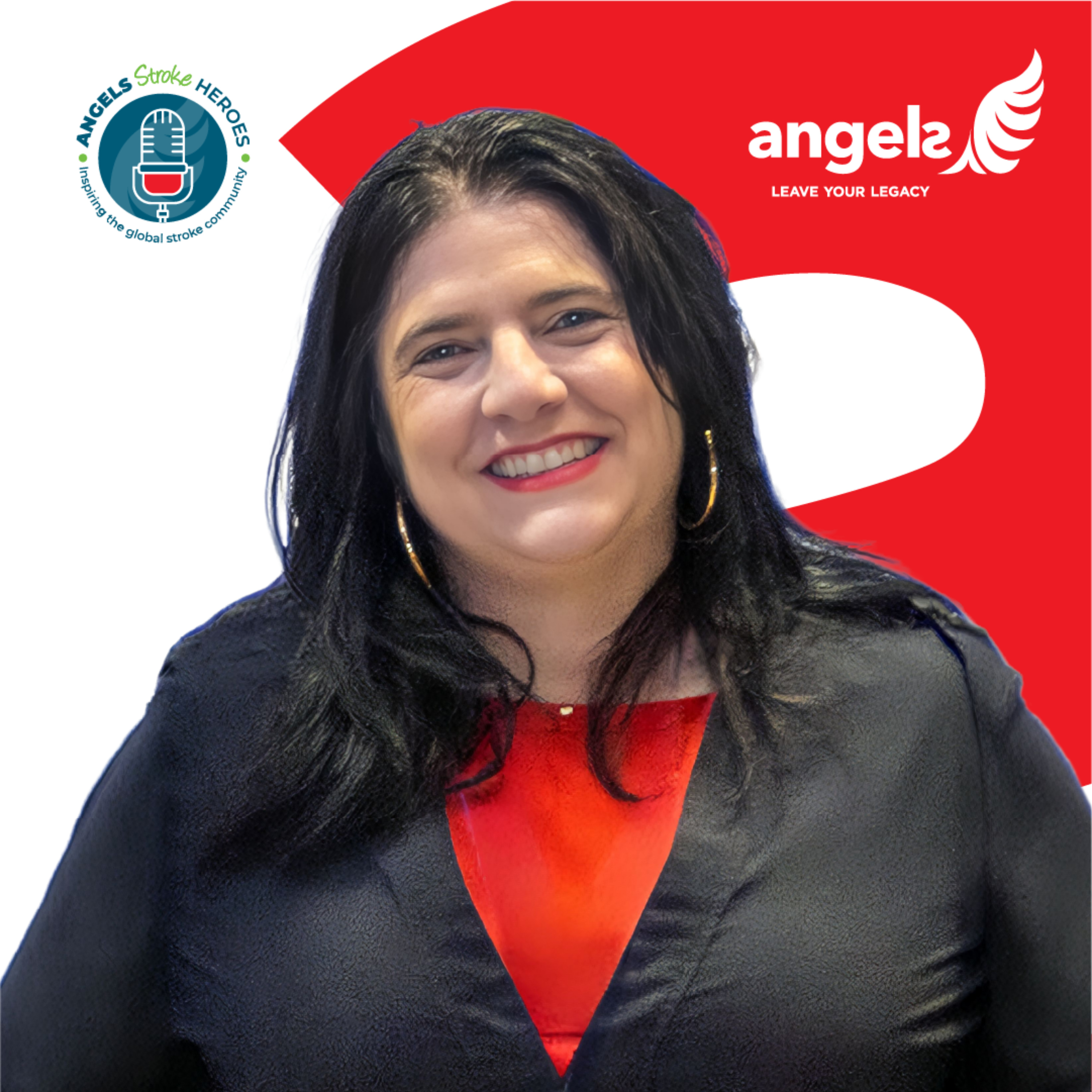
    The Angels Initiative is 10 years old. In a special birthday edition of the Angels Stroke Heroes podcast, we talk to project lead and cofounder Jan van der Merwe about a decade of Angels, the organization he and Thomas Fischer brought to life in May 2016. Ten years later, the Angels Initiative has reached every goal, and exceeded every target. It is estimated that more than 50 million stroke patients will receive evidence-based care in Angels hospitals by 2030. With over 300,000 registered users on the Angels website, it is the world’s largest stroke community, a truly global movement that spans multiple continents including Europe, Africa, Asia, and Latin America. Over 200,000 courses have been completed in our online learning platform, the Angels Academy. World-wide, more than 9,000 hospitals and 1,000 prehospital teams have met the standard for hospital and EMS awards. The target of 1,500 hospitals by December 2019 was reached in 2018, and the number of registered Angels hospitals now exceeds 10,000. The Angels-supported schools-based awareness program, FAST Heroes, has reached more than one million children and two million grandparents. And the strategy to convert 1000 Angels Regions by December 2027 overshot its target earlier this year. We asked Jan about the tragic event that became a trigger for an extraordinary intervention in stroke care, about the strategic model that underpins the organization, and about doing things for the right reasons. In this episode: God’s plan & doing things for the right reasons The devastating moment that led to the launch of Angels A multi-platform behavior change strategy Insights about complexity and time The real meaning of awards The power of communities A shocking experience that further shaped his understanding of the mission ‘They need not wait to see what others do’ The next 10 years Find out more about the Angels Initiative: www.angels-initiative.com
  • #12
    March 31 · 16 min

    ICH care bundle – a call to action

    Evidence that a combination of actions performed together can reduce death and disability in intracerebral haemorrhagic stroke (ICH) was a call to action for the Angels Initiative to devise a set of tools that supports and standardizes implementation. That task fell to Madeline Bucher and Ines Carvalho who, in this episode of the Angels Stroke Heroes podcast, join us to tell the story of designing a checklist for change. Intracerebral haemorrhage is the most serious and least treatable form of stroke. And while the past three to four decades saw great strides in the treatment of acute ischemic stroke, the fate of ICH patients remained largely unchanged, until the conclusion of studies such as the INTERACT3 clinical research project in 2023. INTERACT3 showed that timely administration of a care bundle that included lowering of systolic blood pressure, strict glucose control, treatment of fever, and rapid reversal of anticoagulation led to less disability, lower rates of death, and better overall quality of life. During ESOC 2025, INTERACT3 lead investigator and WSO president-elect Prof Craig Anderson made the case for the care bundle in a panel discussion with Professors Pachi Moniche and Robert Mikulik that was initiated and recorded by Angels. This discussion was the starting point for Madeline and Inês after they accepted a brief to create standardized tools to support the implementation of the ICH care bundle in hospitals. In this episode A call to action What was in the brief A multi-platform strategy Scripting the critical moves Ask the experts The five platforms in action More science, please Find out more about the Angels Initiative: www.angels-initiative.com
  • #11
    March 30 · 19 min

    Dr Sheila believes in you

    Prof Sheila Martins is founder and president of the Brazilian Stroke Network, Neurology Professor at Universidade Federal do Rio Grande do Sul, Coordinator of the Stroke Programme at Hospital de Clínicas de Porto Alegre, and Chief of Neurology and Neurosurgery Service at Hospital Moinhos de Vento (a private hospital affiliated to Johns Hopkins Institute).  In 2008, as advisor of the Ministry of Health, she started the organisation of the National Stroke Programme and has since dedicated herself to developing policy, building stroke units, and organising stroke systems not only in Brazil but around the world. She launched a WSO certification campaign for stroke centers in Latin America in 2021, expanding it to other developing counties after she assumed the WSO presidency in 2022. Prof Sheila is admired and adored by a generation of young stroke doctors whom she inspires and influences to change stroke care in their own hospitals and countries. In this episode of the Angels Stroke Heroes podcast, she talks about the importance of taking opportunities when they’re offered, about changing her mind about becoming an engineer, and about what drives her to continue working around the world to change outcomes for stroke patients. In this episode Inspiring young doctors in Latin America The importance of hearing ‘you can do it’ The opportunity that changed everything Not becoming an engineer The beauty of changing patient outcomes Making a difference in the world Working with the World Stroke Organization The love of dance, cinema and friends Find out more about the Angels Initiative: www.angels-initiative.com
  • #6
    February 17 · 13 min

    The human in the loop

    Dr Carlos Molina is stroke unit director at Vall d’Hebron University Hospital in Barcelona, and head of the stroke research group at its research institute. He’s also a leading explorer of AI-based technologies in stroke management, and clinical lead of UMBRELLA, an ambitious project that promises to revolutionize stroke care in Europe. Carlos is welcomed everywhere as a teacher about stroke and now also about the potential of AI-based technologies in stroke. But his own life lessons are learnt at sea; ocean sailing provides necessary balance in a life he likens to a fast-paced novel. “I need to see the sea every day,” he says, which is why his home in a small village north of Barcelona faces the ocean. A past winner of the Spirit of Excellence Award, Carlos believes that every finish line is the beginning of a new race. Asked about the next finish line for stroke, Carlos conjures up a bright future in which empathy, connection and compassion have never been more important – in a world in which “knowledge is everywhere”, but it’s wisdom that counts. He says, “I think we are starting a new era where we have the chance to be better humans.” In this episode · How artificial intelligence shapes the future of stroke care · We need the human in the loop · The sea is synonymous with life · Falling in love with the mysteries of the brain · Teamwork and individual challenges · The need to connect with people · Becoming better humans Find out more about the Angels Initiative: www.angels-initiative.com
  • #7
    February 17 · 18 min

    What love’s got to do with it

    Dr Claudio Jiménez is director of stroke at Simon Bolivar Hospital in Bogota, Colombia. A neurologist and neurophysiologist, he’s dedicated himself to the care of stroke patients, and to supporting the establishment of stroke centers and networks throughout Colombia. He says, “In Bogotá as a physician, you have a social responsibility. You can deny it. You can say, I don't want to do it, but you have it.” The fight for better access to stroke care has moulded him into a campaigner for social justice in healthcare, not only in Colombia but everywhere the healthcare system fails to care for people as it should. With a unique capacity for looking at the world and seeing both the science and the wonder, Claudio believes that it’s language that makes us human, and that poetry lights a candle in the mind. He says, “The world we build and live in was built by language, poetry and music. Our language gives us the ability to construct a universe inside the universe. We can only do the things we do as a society because we have language and we can communiticate.” Preserving language and, with it, the ability to say to others that you love them, is a driving force in his battle against stroke. In this episode · Saving brain tissue saves the social fabric · The social responsibility of a physician in Bogotá · Many gods, one science · Being raised by women · Building memories with his daughter · Why we need to read more poetry · What love’s got to do with it Find out more about the Angels Initiative: www.angels-initiative.com
  • #8
    February 17 · 15 min

    I’m doing what I love

    Meet the godfather of the Angels Regions strategy, Brazilian neurologist Dr Octávio Pontes Neto, whose home city of Ribeirão Preto became the world’s first Angels City in 2024, in a significant step towards making the world safe for stroke. “I’m very proud of this,” he says. “An Angels City, or Angels Region, is all about committing different players to the stroke cause. And in the end, this has been transformative.” Inspired by his grandmother, who was a piano teacher, Octávio became involved with music at an early age and almost made it his career, at one point having to choose between continuing at medical school or moving to São Paulo with his band. The decision to stick with medicine was partly influenced by losing his grandfather as a result of stroke. He says, “Looking back, I think it had a very strong impact on my decision to pursue my career in stroke. I’m happy I took this decision, because I really feel that I’m doing what I love, but the music stays with me.” As editor-in-chief of the World Stroke Academy, Octavio has taken an innovative approach to stroke education, as evidenced by the debut of the WSC Escape Room at last year’s World Stroke Congress in Barcelona. In this episode · An innovative approach to learning about stroke · The gap between clinical evidence and implementation · The world’s first Angels City · Inspiring Ituverava – an Angels Region by telestroke · Music as therapy · Being a present parent Find out more about the Angels Initiative: www.angels-initiative.com
  • #9
    February 17 · 16 min

    Stroke is women’s work

    Dr Valeria Caso is a neurologist from Italy whose leadership in roles that include past president of the ESO, and past president and co-chair of the Stroke Action Plan for Europe, has inspired many. She is also an outspoken advocate for gender equality in stroke care, and a role model especially for young female neurologists. Originally from Germany, she studied medicine in Italy where she met her husband of more than 30 years. The couple have two sons and enjoy living in the green heart of Italy, where the extended family regularly gathers for meals. Valeria fights hard to keep the impact of stroke on women on the agenda, and yes she does believe that for stroke in women to get the attention it deserves, we need more women in stroke. She says, “This male-guided world has to change because the vision of women will completely change the landscape.” ESO president-elect when the Angels Initiative was formally launched in 2016, she recognized an implementation partner in the journey to better stroke care and didn’t hesitate to give the new organization her endorsement. Lacking a mentor herself when she was a young doctor, Valeria values opportunities to give back. She says, “When people look at you and say I want to be inspired by you, you have to improve yourself.” In this episode : Supporting Ukrainian colleagues The need to listen / what women bring to stroke care Keeping stroke in women on the agenda Why we need more women in stroke Choices made by a young independent woman The alliance with Angels Family life in Umbria Spending time in nature Find out more about the Angels Initiative: www.angels-initiative.com
  • #10
    February 17 · 16 min

    The pursuit of unanswered questions

    In this episode we talk to Swiss neurologist Urs Fischer, who is the Director and Chairman of the Department of Neurology at the University Hospital Bern, Switzerland, president of the Swiss Neurological Society, and president-elect of the European Stroke Organization. He is also cofounder of the ESO ESMINT ESNR Stroke Winter School, and the Asian Stroke School, and actively involved in the European Stroke Master Program in Bern. What he really likes about these programs, is “the snowball effect.”, he says. “You have to reach the right people who then go home and motivate their colleagues to improve the stroke care in their hospital.” His interests have always straddled the human and natural sciences, Urs says of his decision to become a neurologist. “The brain is the interface between these two worlds and neurology is the perfect match.” He’s also a prominent clinical scientist who has described himself as being infected by the “trial virus”, constantly seeking to answer the next unanswered question about managing acute stroke. In this episode: · His vision for the European Stroke Organization · Starting the Stroke Winter School · The Stroke Master Program success story · Staying connected and building communities · Being infected by the “trial virus” · Becoming a neurologist/stroke physician · The importance of playing the cello Find out more about the Angels Initiative: www.angels-initiative.com
  • S1 · E5
    Dec 18, 2025 · 16 min

    Neurology is an action-packed adventure

    In this episode: Choosing between medicine and molecular biology The value of a single Stroke Society under single leadership Becoming a neurologist by chance Neurology is an action-packed adventure Better too fast than too slow Central organization and following rules Nature photography as a life-saving hobby Meet the doctor who is leading stroke care in the Czech Republic, Stroke Society chair Dr Aleš Tomek, chief of the cerebrovascular program at the 2nd Medical Faculty of Charles University in Prague, and deputy director of its Neurology Department. The. numbers speak for themselves. Out of the 47 accredited stroke centres in the country, 35 are ESO certified centres (second only to Germany), and 45 received ESO Angels Awards in 2024. Twenty-five were diamond hospitals. Five out of the country’s 14 self-governing regions have already reached Angels Region status, which means that over four million Czech citizens, that is almost 40 percent of the population, are officially living in safe communities for stroke. It's a remarkable achievement for a country whose predecessor state was under Soviet rule until 1989, although Soviet healthcare, despite being ill-equipped and under-resourced, was usually well-organized and prioritized equality, he said during a conversation recorded in Helsinki in May. In the last 15 years, stroke care in the Czech Republic has benefitted from central organization, mandatory quality indicator reporting, and coordination with the Ministry of Health, as well as the Czech affinity for rules. He says, “We like to follow strict rules, you know, and we impose them on ourselves frequently.” Find out more about the Angels Initiative www.angels-initiative.com
  • S1 · E4
    Dec 16, 2025 · 16 min

    Reshaping stroke care in Portugal

    In this episode: The role of a neurologist The gap between science and citizens A complex disease needs complex teams Growing up in Porto Becoming a neurologist and public health advocate The importance of sharing solutions Treating stroke in the middle of the Atlantic Meet Vitor Cruz, senior neurologist and Head of Department at Hospital Pedro Hispano, ULS Matosinhos, and President of the Portuguese Stroke Society. An innovator, compassionate leader and unifying force, he is reshaping stroke care in Portugal with his ability to bring together diverse healthcare teams under a shared vision of excellence. Vitor is a problem-solver for whom being a neurologist means a duty to look after the brains of citizens – and he means all citizens, from Lisbon to a group of tiny dots in the Atlantic Ocean. In a conversation recorded in Helsinki, where he received the 2025 Spirit of Excellence Award, he talks about growing up in Porto with parents who instilled a sense of social responsibility and becoming a public health advocate as well as the best doctor he can be. He says, “You have a a job as a single practicing doctor, but you have a responsibility as a group to move things forward.” He explains the need for bridging the gap between what is known and what is done (a task that starts with assembling a team “of people not like you”), how to treat acute stroke in the middle of the Atlantic, and about why patients are at the heart of all decision-making. Find out more about the Angels Initiative www.angels-initiative.com
  • S1 · E3
    Dec 10, 2025 · 17 min

    Dreaming a better future for Armenia

    In this episode: A duty towards country The stars that guide her “You have lost your ability to dream” A Soviet education The importance of empathy Progress in stroke care in Armenia Of dreams and travel Nune Yeghiazaryan is head of neurology at Erebouni Medical Center in Yerevan, president of the Armenia Stroke Council, and a member of the European Academy of Neurology, the ESO and the WSO. For over a decade, she has been answering the question, if not now, then when, if not you then who, and following that command has done more than define her professional life. The first time she attended the European Stroke Organization Conference (ESOC), in Barcelona in 2016, she was a shy, young doctor from Armenia who could scarcely believe that she was suddenly part of it all. Nine years on, we’re at ESOC 2025, where that same doctor is a nominee for the Spirit of Excellence Award, and stroke care in Armenia, though with some way to go, is already unrecognizable from 10 years ago. Her extraordinary story begins in a Soviet School where she is top of the class and destined to become a doctor ... “My parents and grandparents are very, very proud of me because I am the best in the school,” she recalls. “And in Soviet Armenia, it was accepted that the good pupils became either doctors or lawyers. But I’m a girl. And according to my grandfather, becoming a lawyer is not an appropriate profession for a girl . . .” Find out more about the Angels Initiative www.angels-initiative.com

  • S1 · E2
    Dec 9, 2025 · 16 min

    Transmitting passion to medicine

    In this episode: Medicine is emotional The schoolboy revelation that medicine is his home The second revelation: becoming dedicated to stroke Research to benefit recovery Working with Angels The mission to share knowledge Meet neurologist Dr Francisco Moniche, “Pachi” to his friends, of whom there are many in the global stroke community. A neurologist for close to two decades, he knew right from the start of his residency that stroke was what he calls “the best part”. With degenerative diseases such as multiple sclerosis or Parkinson’s, a doctor could try preserve and improve a patient’s quality of life. But by treating a stroke you could give someone back their life – and that is something this doctor cannot get enough of. Pachi is a stroke neurologist and researcher at Virgen del Rocío Hospital in Seville, the biggest hospital in southern Spain, famous among other things for the quality of its research. It is the country’s number one provider of mechnical thrombectomy, and a catalyst for stroke care excellence in the region - where it has helped many other hospitals improve their pathway. Pachi is a great friend of Angels, freqently getting involved in training, often in developing countries far from home. “Medicine is something absolutely emotional,” he says in a conversation about transmitting passion to medicine. “It’s much more than just putting a drug to a patient. Sometimes you go home and you are absolutely sad.” Find out more about the Angels Initiative www.angels-initiative.com

  • S1 · E1
    Dec 4, 2025 · 21 min

    A new story about stroke for Ukraine

    In this episode: Stroke care in Ukraine from the early 2000s Becoming a neurologist Stroke education outside Ukraine Making a decision to change the system Coorperation with the Ministry of Health Training the next generation of neurologists Something missing in the centre of Europe A family of stroke care reformers Ukrainian neurologist, Dmytro Lebedynets is head of the Stroke Center at Feofania Hospital in Kyiv, associate professor at Kharkiv National University, and founder of the Ukrainian Stroke Medicine Society. He steers a group of experts in neurology and neurosurgery in the Ukrainian Ministry of Health who in the past five years have made Ukraine an outstanding example of how to build and improve stroke care. While enrolled in the European Master Program in Stroke Medicine in Krems, Austria, Dmytro became aware that Ukrainian stroke care lagged far behind that in most of Europe. It made no sense. “Ukraine is in the center of Europe. Why should we be nowhere? So that’s why I decided okay, we need to do something.” In a conversation recorded during ESOC in Helsinki, Dmytro describes how, over the next five years, Ukraine would become an outstanding example of how to build and improve stroke care, and what it takes to keep improving while your country is at war. He also talks about the decision to follow his father into neurology, at first reluctantly, and then in turn inspiring his younger brother, Paolo, to become the third stroke care reformer in the Lebedynets family. Find out more about the Angels Initiative ⁠www.angels-initiative.com⁠

Showing 1–16 of 16 episodes