Artwork for All Things Sustainable
News

All Things Sustainable

S&P Global

Tune in to All Things Sustainable, a podcast from S&P Global (formerly ESG Insider). Each week we explore the critical sustainability topics transforming the business landscape. Join us every Friday for engaging interviews with global leaders and clear explanations of the latest sustainability headlines.

  • 352 episodes
  • Updated Friday

Episodes352

  • Apr 5, 2024 · 55 min

    CERAWeek: How energy transition discussions are shifting

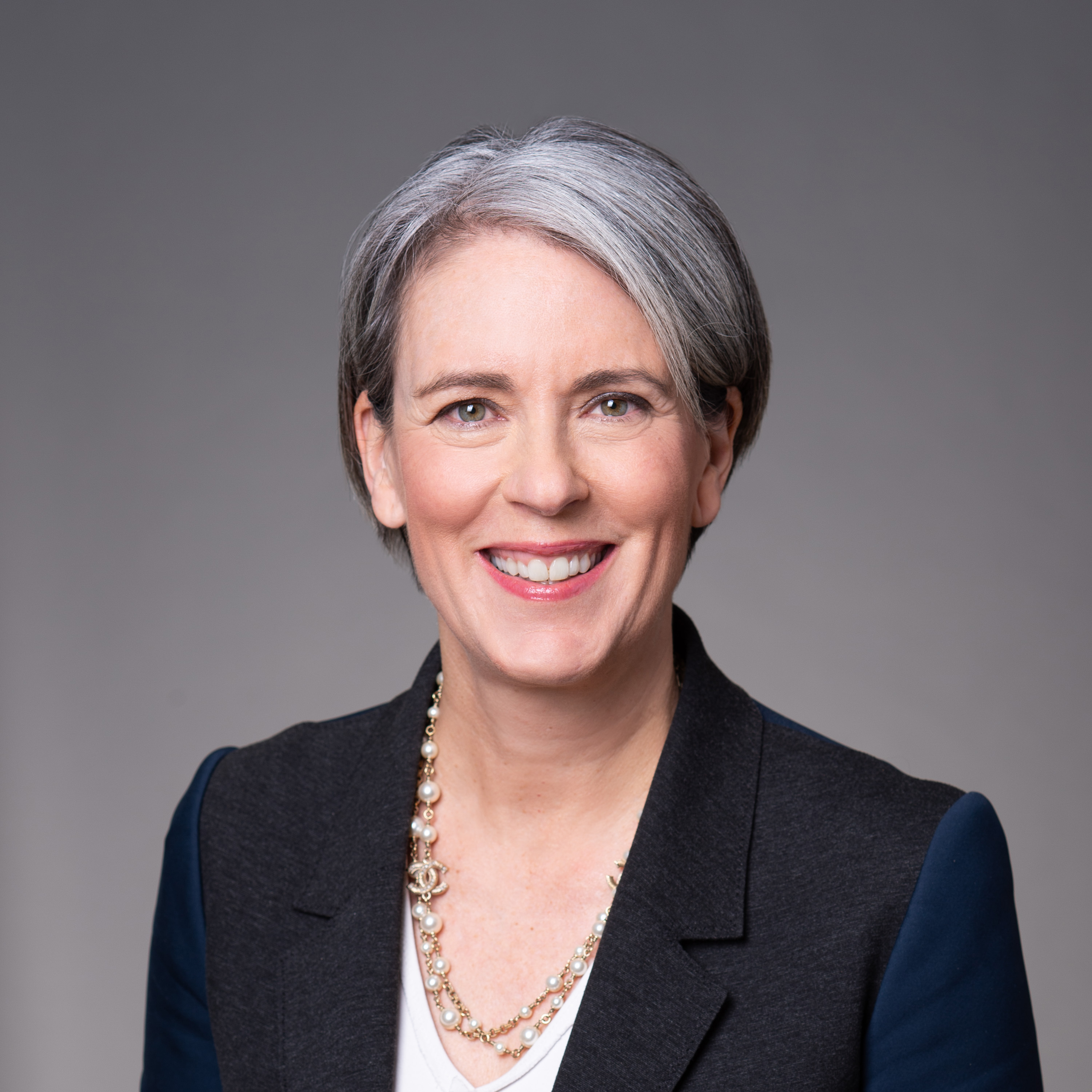
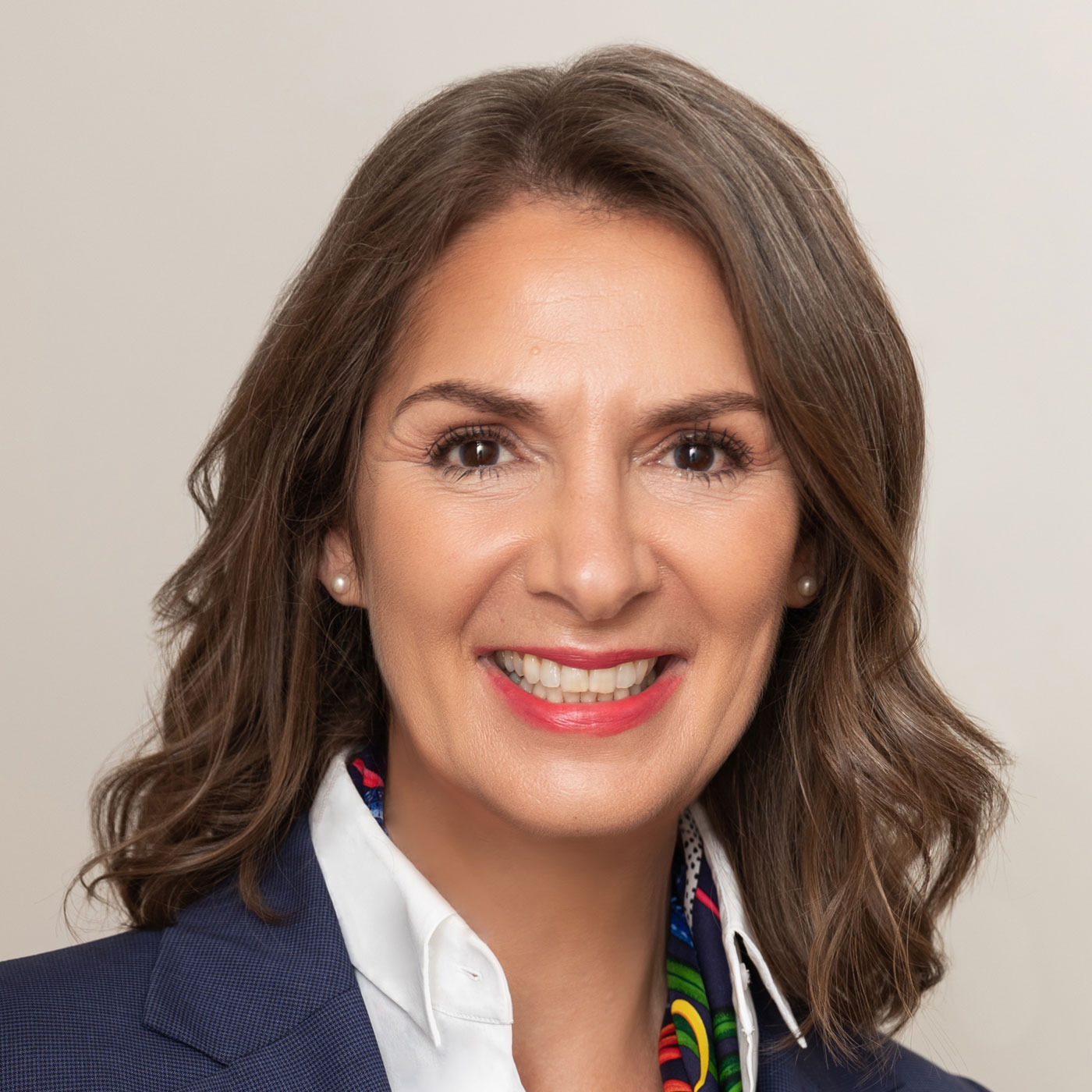
    This week the ESG Insider podcast is covering key themes from one of the world's largest energy conferences — the annual CERAWeek gathering hosted by S&P Global in Houston, Texas. The event convenes stakeholders from across sectors to discuss solutions to the biggest challenges facing the future of energy, the environment and climate — and the messaging from many speakers differed from what we hear about the pace of the energy transition at the climate or sustainability-focused events we have covered on this podcast. In this episode, we take the pulse of the global energy industry on the low-carbon transition on topics like energy policy, the path to net-zero and the role of AI and emerging technologies. Guests in today's episode include: *Arshad Mansoor, President and CEO of the Electric Power Research Institute, or EPRI *Lynda Clemmons, Chief Sustainability Officer at Texas-based utility NRG Energy *David Sandalow, Inaugural Fellow at the Center on Global Energy Policy and Director of Energy and Environment Concentration at Columbia University's School of International and Public Affairs *Cheryl D'Cruz-Young, a Senior Client Partner at Korn Ferry, a global organizational consulting firm *Heloisa Schmidt, Corporate Sustainability Manager with Bechtel, an engineering, procurement, construction, and project management company *Takajiro Ishikawa, President and CEO of Mitsubishi Heavy Industries America Listen to more CERAWeek coverage: CERAWeek: How cleantech companies are innovating to facilitate the energy transition https://www.spglobal.com/esg/podcasts/ceraweek-how-cleantech-companies-are-innovating-to-facilitate-the-energy-transition At CERAWeek, mapping one large utility's energy transition path: https://www.spglobal.com/esg/podcasts/at-ceraweek-mapping-one-large-utility-s-energy-transition-path CERAWeek: One big bank's solution to the energy tech finance gap: https://www.spglobal.com/esg/podcasts/ceraweek-one-big-bank-s-solution-to-the-energy-tech-finance-gap CERAWeek: How one of the world's largest mining companies approaches energy transition, nature: https://www.spglobal.com/esg/podcasts/ceraweek-how-one-of-the-world-s-largest-mining-companies-approaches-energy-transition-nature This piece was published by S&P Global Sustainable1, a part of S&P Global. Copyright ©2024 by S&P Global DISCLAIMER By accessing this Podcast, I acknowledge that S&P GLOBAL makes no warranty, guarantee, or representation as to the accuracy or sufficiency of the information featured in this Podcast. The information, opinions, and recommendations presented in this Podcast are for general information only and any reliance on the information provided in this Podcast is done at your own risk. This Podcast should not be considered professional advice. Unless specifically stated otherwise, S&P GLOBAL does not endorse, approve, recommend, or certify any information, product, process, service, or organization presented or mentioned in this Podcast, and information from this Podcast should not be referenced in any way to imply such approval or endorsement. The third party materials or content of any third party site referenced in this Podcast do not necessarily reflect the opinions, standards or policies of S&P GLOBAL. S&P GLOBAL assumes no responsibility or liability for the accuracy or completeness of the content contained in third party materials or on third party sites referenced in this Podcast or the compliance with applicable laws of such materials and/or links referenced herein. Moreover, S&P GLOBAL makes no warranty that this Podcast, or the server that makes it available, is free of viruses, worms, or other elements or codes that manifest contaminating or destructive properties.
  • Mar 29, 2024 · 24 min

    CERAWeek: How cleantech companies are innovating to facilitate the energy transition

    In this episode of the ESG Insider podcast, we're looking at the role that technological innovation will play in finding solutions for the low-carbon energy transition. This was a big topic at S&P Global's annual CERAWeek conference in Houston, Texas, and we sat down on the sidelines of the event with two CEOs running emerging technology companies that seek to facilitate the transition. We talk with Dr. Jennifer Holmgren about the outlook for innovation. Jennifer is CEO of LanzaTech, a cleantech company that is applying its carbon recycling technology to capture carbon and transform waste carbon into sustainable raw materials for everyday products. And as part of our ongoing Women in Leadership series of this podcast, she also talks about her path to the CEO role and shares her career advice. "There were lots of challenges from the first time I told somebody that I wanted to be a chemical engineer, and he literally laughed at me, until today," Jennifer says. She gives the following advice: "Don't carry any baggage with you. Laugh it off because baggage slows you down and we're not on a journey where you can afford to be slowed down." In the episode, we also speak to Dr. Enass Abo-Hamed, CEO and co-founder of H2GO Power, which is working to help facilitate the safe storage of green hydrogen. Enass talks about the challenges of green hydrogen and her advice for young entrepreneurs seeking to pursue similar projects. S&P Global's CERAWeek conference is one of the biggest events in the energy industry, convening global leaders to talk about energy and transition strategies. Listen to more CERAWeek coverage here: https://www.spglobal.com/esg/podcasts/at-ceraweek-mapping-one-large-utility-s-energy-transition-path Here: https://www.spglobal.com/esg/podcasts/ceraweek-one-big-bank-s-solution-to-the-energy-tech-finance-gap And here: https://www.spglobal.com/esg/podcasts/ceraweek-how-one-of-the-world-s-largest-mining-companies-approaches-energy-transition-nature Read S&P Global Sustainable1's new research "Women in leadership: What's the holdup?" here: https://www.spglobal.com/esg/insights/featured/special-editorial/women-in-leadership-what-s-the-holdup Listen to our podcast episode featuring Dr. Amani Abou-Zeid, Commissioner for Infrastructure and Energy of the African Union Commission here: https://www.spglobal.com/esg/podcasts/women-in-leadership-what-we-learned-talking-diversity-with-leaders-around-the-globe Tune into the podcast next week for more highlights from the event. This piece was published by S&P Global Sustainable1, a part of S&P Global. Copyright ©2024 by S&P Global DISCLAIMER By accessing this Podcast, I acknowledge that S&P GLOBAL makes no warranty, guarantee, or representation as to the accuracy or sufficiency of the information featured in this Podcast. The information, opinions, and recommendations presented in this Podcast are for general information only and any reliance on the information provided in this Podcast is done at your own risk. This Podcast should not be considered professional advice. Unless specifically stated otherwise, S&P GLOBAL does not endorse, approve, recommend, or certify any information, product, process, service, or organization presented or mentioned in this Podcast, and information from this Podcast should not be referenced in any way to imply such approval or endorsement. The third party materials or content of any third party site referenced in this Podcast do not necessarily reflect the opinions, standards or policies of S&P GLOBAL. S&P GLOBAL assumes no responsibility or liability for the accuracy or completeness of the content contained in third party materials or on third party sites referenced in this Podcast or the compliance with applicable laws of such materials and/or links referenced herein. Moreover, S&P GLOBAL makes no warranty that this Podcast, or the server that makes it available, is free of viruses, worms, or other elements or codes that manifest contaminating or destructive properties.

  • Mar 27, 2024 · 24 min

    Women in Leadership: Why Mercer CEO turned down the top role — twice

    To celebrate Women's History Month, we've relaunched our 'Women in Leadership' series of the ESG Insider podcast. Over the coming months, we'll speak with women CEOs and leaders from across industries and around the world. In today's episode, we talk with Martine Ferland, CEO of global consulting firm Mercer, which is a business of professional services firm Marsh McLennan. Martine retires from her role at the end of March 2024, and in the episode she discusses her decision to step down and her approach to leadership and longevity. She also talks about empathy and economics, or the idea of bringing emotional intelligence to business decisions — and why she turned down the CEO role twice before accepting on the third offer. Read the latest research on gender diversity in leadership from S&P Global Sustainable1 here: https://www.spglobal.com/esg/insights/featured/special-editorial/women-in-leadership-what-s-the-holdup Listen to our 2023 Women in Leadership podcast series here: https://www.spglobal.com/esg/insights/featured/special-editorial/women-in-leadership This piece was published by S&P Global Sustainable1, a part of S&P Global. Copyright ©2024 by S&P Global DISCLAIMER By accessing this Podcast, I acknowledge that S&P GLOBAL makes no warranty, guarantee, or representation as to the accuracy or sufficiency of the information featured in this Podcast. The information, opinions, and recommendations presented in this Podcast are for general information only and any reliance on the information provided in this Podcast is done at your own risk. This Podcast should not be considered professional advice. Unless specifically stated otherwise, S&P GLOBAL does not endorse, approve, recommend, or certify any information, product, process, service, or organization presented or mentioned in this Podcast, and information from this Podcast should not be referenced in any way to imply such approval or endorsement. The third party materials or content of any third party site referenced in this Podcast do not necessarily reflect the opinions, standards or policies of S&P GLOBAL. S&P GLOBAL assumes no responsibility or liability for the accuracy or completeness of the content contained in third party materials or on third party sites referenced in this Podcast or the compliance with applicable laws of such materials and/or links referenced herein. Moreover, S&P GLOBAL makes no warranty that this Podcast, or the server that makes it available, is free of viruses, worms, or other elements or codes that manifest contaminating or destructive properties.

  • Mar 22, 2024 · 20 min

    Why Water.org CEO says the world's water challenges are 'inherently solvable'

    Today is World Water Day, and we're talking with Gary White in the latest episode of the ESG Insider podcast. Gary is CEO of the nonprofit Water.org, which he co-founded with actor Matt Damon. Gary is also CEO and Co-Founder of impact investment manager WaterEquity. In the interview, he talks about the intersection of water challenges and climate change; the role of infrastructure in addressing water needs; and how finance can offer solutions to the water problems facing many low-income populations around the world. "Even though these challenges are immense, they're inherently solvable — we know how to make water safe, we know how to distribute it," Gary says. "It's not rocket science in terms of doing this, but it is about investment capital that's needed." Listen to our episode from COP28 featuring Gary White: https://www.spglobal.com/esg/podcasts/climate-adaptation-finance-data-and-nature-what-we-learned-at-cop28 Listen to our episode about the role of public-private collaboration in addressing water challenges: https://www.spglobal.com/esg/podcasts/at-cop28-solving-for-water-challenges-through-public-private-collaboration Read research from S&P Global Sustainable1 about the financial costs that climate hazards like water stress, flooding and drought pose for companies: https://www.spglobal.com/esg/insights/featured/special-editorial/quantifying-the-financial-costs-of-climate-change-physical-risks Listen to a replay of a webcast from S&P Global Sustainable1 about water risk: https://spgi-mkto.spglobal.com/BeyondESGwithFinancingSustainableWater-ODWebinarRegistration.html This piece was published by S&P Global Sustainable1, a part of S&P Global. Copyright ©2024 by S&P Global DISCLAIMER By accessing this Podcast, I acknowledge that S&P GLOBAL makes no warranty, guarantee, or representation as to the accuracy or sufficiency of the information featured in this Podcast. The information, opinions, and recommendations presented in this Podcast are for general information only and any reliance on the information provided in this Podcast is done at your own risk. This Podcast should not be considered professional advice. Unless specifically stated otherwise, S&P GLOBAL does not endorse, approve, recommend, or certify any information, product, process, service, or organization presented or mentioned in this Podcast, and information from this Podcast should not be referenced in any way to imply such approval or endorsement. The third party materials or content of any third party site referenced in this Podcast do not necessarily reflect the opinions, standards or policies of S&P GLOBAL. S&P GLOBAL assumes no responsibility or liability for the accuracy or completeness of the content contained in third party materials or on third party sites referenced in this Podcast or the compliance with applicable laws of such materials and/or links referenced herein. Moreover, S&P GLOBAL makes no warranty that this Podcast, or the server that makes it available, is free of viruses, worms, or other elements or codes that manifest contaminating or destructive properties.

  • Mar 21, 2024 · 17 min

    CERAWeek: One big bank's solution to the energy tech finance gap

    In this episode of the ESG Insider podcast, we sit down on the sidelines of CERAWeek with Ana Carolina Oliveira, Head of Sustainable Finance in the Americas for ING, a global banking and financial services corporation headquartered in Amsterdam. Ana explains how ING is working with companies across sectors to facilitate the low-carbon transition — including by financing emerging low-carbon technologies. "If you think about the $5 trillion that needs to be put every year to finance transition by 2030, believe it or not, this money is out there," Ana says. "The challenge is this mismatch between legacy risk-return profiles, the way banks were wired to look at risk-return for something now that still needs to be scaled and the technology sometimes still needs to be proven." S&P Global's CERAWeek conference is one of the biggest events in the energy industry, convening global leaders to talk about energy and transition strategies. Listen to more CERAWeek coverage here: https://www.spglobal.com/esg/podcasts/at-ceraweek-mapping-one-large-utility-s-energy-transition-path And here: https://www.spglobal.com/esg/podcasts/ceraweek-how-one-of-the-world-s-largest-mining-companies-approaches-energy-transition-nature Tune into the podcast next week for more highlights from the event. This piece was published by S&P Global Sustainable1, a part of S&P Global. Copyright ©2024 by S&P Global DISCLAIMER By accessing this Podcast, I acknowledge that S&P GLOBAL makes no warranty, guarantee, or representation as to the accuracy or sufficiency of the information featured in this Podcast. The information, opinions, and recommendations presented in this Podcast are for general information only and any reliance on the information provided in this Podcast is done at your own risk. This Podcast should not be considered professional advice. Unless specifically stated otherwise, S&P GLOBAL does not endorse, approve, recommend, or certify any information, product, process, service, or organization presented or mentioned in this Podcast, and information from this Podcast should not be referenced in any way to imply such approval or endorsement. The third party materials or content of any third party site referenced in this Podcast do not necessarily reflect the opinions, standards or policies of S&P GLOBAL. S&P GLOBAL assumes no responsibility or liability for the accuracy or completeness of the content contained in third party materials or on third party sites referenced in this Podcast or the compliance with applicable laws of such materials and/or links referenced herein. Moreover, S&P GLOBAL makes no warranty that this Podcast, or the server that makes it available, is free of viruses, worms, or other elements or codes that manifest contaminating or destructive properties.

  • Mar 20, 2024 · 16 min

    CERAWeek: How one of the world's largest mining companies approaches energy transition, nature

    In this special episode of the ESG Insider podcast, we sit down on the sidelines of CERAWeek with Sinead Kaufman, Chief Executive of Minerals at Rio Tinto, one of the world's largest mining companies. Rio Tinto was founded more than 150 years ago, and Sinead says the company is taking a long-term view in its approach to the energy transition, its engagement with local communities and its rising focus on nature. "When we look forward, we want to be part of the solution for the next 150 years," she says. "In two ways: How do we decarbonize our own business? And obviously there's a lot of technologies that are advancing really quickly to do that. And then the second is: How can we provide the materials that are needed for the energy transition?" S&P Global's CERAWeek conference in Houston is one of the biggest events in the energy industry, convening global leaders to talk about energy and transition strategies. Listen to more coverage from CERAWeek here: https://www.spglobal.com/esg/podcasts/at-ceraweek-mapping-one-large-utility-s-energy-transition-path And tune into the podcast later this week for more highlights from the event. This piece was published by S&P Global Sustainable1, a part of S&P Global. Copyright ©2024 by S&P Global DISCLAIMER By accessing this Podcast, I acknowledge that S&P GLOBAL makes no warranty, guarantee, or representation as to the accuracy or sufficiency of the information featured in this Podcast. The information, opinions, and recommendations presented in this Podcast are for general information only and any reliance on the information provided in this Podcast is done at your own risk. This Podcast should not be considered professional advice. Unless specifically stated otherwise, S&P GLOBAL does not endorse, approve, recommend, or certify any information, product, process, service, or organization presented or mentioned in this Podcast, and information from this Podcast should not be referenced in any way to imply such approval or endorsement. The third party materials or content of any third party site referenced in this Podcast do not necessarily reflect the opinions, standards or policies of S&P GLOBAL. S&P GLOBAL assumes no responsibility or liability for the accuracy or completeness of the content contained in third party materials or on third party sites referenced in this Podcast or the compliance with applicable laws of such materials and/or links referenced herein. Moreover, S&P GLOBAL makes no warranty that this Podcast, or the server that makes it available, is free of viruses, worms, or other elements or codes that manifest contaminating or destructive properties.

  • Mar 19, 2024 · 20 min

    At CERAWeek, mapping one large utility's energy transition path

    In this special episode of the ESG Insider podcast we sit down on the sidelines of CERAWeek with Phil Nevels, Director of Corporate Strategy for AES Corporation, a Fortune 500 energy company with operations in multiple regions including the US, Latin America and Asia. S&P Global's CERAWeek conference is one of the biggest events in the energy industry, convening global leaders to talk about energy and transition strategies. In the interview, Phil outlines steps AES is taking to achieve its net-zero goals, including phasing out coal-fired generation and building more renewables and gas-fired generation. Phil explains that renewable generation may not be an easy option for some locations and that transitioning from coal to gas can be a positive initial step. "Every country is going to be transitioning at different speeds, phases, stages, and we have to appreciate that and recognize that the approach is going to look different in every country," Phil says. "In many cases, the low-hanging fruit is transitioning from coal and fuel oil to natural gas." Tune into the podcast later this week for more highlights from CERAWeek. This piece was published by S&P Global Sustainable1, a part of S&P Global. Copyright ©2024 by S&P Global DISCLAIMER By accessing this Podcast, I acknowledge that S&P GLOBAL makes no warranty, guarantee, or representation as to the accuracy or sufficiency of the information featured in this Podcast. The information, opinions, and recommendations presented in this Podcast are for general information only and any reliance on the information provided in this Podcast is done at your own risk. This Podcast should not be considered professional advice. Unless specifically stated otherwise, S&P GLOBAL does not endorse, approve, recommend, or certify any information, product, process, service, or organization presented or mentioned in this Podcast, and information from this Podcast should not be referenced in any way to imply such approval or endorsement. The third party materials or content of any third party site referenced in this Podcast do not necessarily reflect the opinions, standards or policies of S&P GLOBAL. S&P GLOBAL assumes no responsibility or liability for the accuracy or completeness of the content contained in third party materials or on third party sites referenced in this Podcast or the compliance with applicable laws of such materials and/or links referenced herein. Moreover, S&P GLOBAL makes no warranty that this Podcast, or the server that makes it available, is free of viruses, worms, or other elements or codes that manifest contaminating or destructive properties.

  • Mar 15, 2024 · 29 min

    Unpacking the SEC's climate disclosure rule

    The US Securities and Exchange Commission on March 6 finalized a long-awaited rule requiring thousands of publicly traded companies to disclose certain climate-related information. The final rule takes a narrower approach than what the SEC proposed in 2022; it also marks a significant change in the level of climate-related information that publicly listed companies must disclose in the US. In this episode of the ESG Insider podcast, we explore key components of the SEC rule and its implications for investors and companies — as well as how it fits in the broader global climate disclosure landscape. We talk with Cynthia Hanawalt, a Director at the Sabin Center for Climate Change Law, a think tank at Columbia Law School; she gives us an overview of the rule's requirements. We speak to Bruno Sarda from professional services company EY, where he focuses on climate change and sustainability services. Bruno says a key message from the rule is that "climate risk is financial risk ... companies need to be ready to both measure, manage and communicate that risk." We hear from Kristina Wyatt, Deputy General Counsel and Chief Sustainability Officer at carbon accounting software company Persefoni, about how the rule fits into the broader global disclosure landscape. And to understand what's on the horizon for the rule, we hear from Elizabeth Dawson, a Partner at law firm Crowell & Moring where she is a leader on the ESG advisory team and Chair of the Sustainability Committee. Read research from S&P Global Sustainable1 about the current US landscape for corporate climate disclosure: https://www.spglobal.com/esg/insights/featured/special-editorial/after-sec-rulemaking-assessing-the-us-climate-disclosure-landscape Listen to the podcast episode we released when the SEC proposed its climate disclosure rule in 2022: https://www.spglobal.com/esg/podcasts/unpacking-implications-of-the-sec-s-proposed-climate-disclosure-rule This piece was published by S&P Global Sustainable1, a part of S&P Global. Copyright ©2024 by S&P Global DISCLAIMER By accessing this Podcast, I acknowledge that S&P GLOBAL makes no warranty, guarantee, or representation as to the accuracy or sufficiency of the information featured in this Podcast. The information, opinions, and recommendations presented in this Podcast are for general information only and any reliance on the information provided in this Podcast is done at your own risk. This Podcast should not be considered professional advice. Unless specifically stated otherwise, S&P GLOBAL does not endorse, approve, recommend, or certify any information, product, process, service, or organization presented or mentioned in this Podcast, and information from this Podcast should not be referenced in any way to imply such approval or endorsement. The third party materials or content of any third party site referenced in this Podcast do not necessarily reflect the opinions, standards or policies of S&P GLOBAL. S&P GLOBAL assumes no responsibility or liability for the accuracy or completeness of the content contained in third party materials or on third party sites referenced in this Podcast or the compliance with applicable laws of such materials and/or links referenced herein. Moreover, S&P GLOBAL makes no warranty that this Podcast, or the server that makes it available, is free of viruses, worms, or other elements or codes that manifest contaminating or destructive properties.

  • Mar 8, 2024 · 24 min

    Women in Leadership: Why Competent Boards CEO says diversity is essential for innovation

    To celebrate International Women's Day, we're relaunching our 'Women in Leadership' series of the ESG Insider podcast. Over the coming months, we'll speak with women CEOs and leaders from across industries and around the world. In today's episode, we talk to Helle Bank Jorgensen, CEO and Founder of Competent Boards, an organization that trains board directors and executives around the world in sustainability best practices. Helle discusses hurdles that contribute to a lack of gender parity in leadership roles, her personal path to the CEO role, and why boardroom diversity is essential. "If you only have people that think like you, you're not going to get that diversity of thought that will bring you ahead of the game," Helle says. Read the latest research on gender diversity in leadership from S&P Global Sustainable1: https://www.spglobal.com/esg/insights/featured/special-editorial/women-in-leadership-what-s-the-holdup Listen to our 2023 Women in Leadership podcast series: https://www.spglobal.com/esg/insights/featured/special-editorial/women-in-leadership This piece was published by S&P Global Sustainable1, a part of S&P Global. Copyright ©2024 by S&P Global DISCLAIMER By accessing this Podcast, I acknowledge that S&P GLOBAL makes no warranty, guarantee, or representation as to the accuracy or sufficiency of the information featured in this Podcast. The information, opinions, and recommendations presented in this Podcast are for general information only and any reliance on the information provided in this Podcast is done at your own risk. This Podcast should not be considered professional advice. Unless specifically stated otherwise, S&P GLOBAL does not endorse, approve, recommend, or certify any information, product, process, service, or organization presented or mentioned in this Podcast, and information from this Podcast should not be referenced in any way to imply such approval or endorsement. The third party materials or content of any third party site referenced in this Podcast do not necessarily reflect the opinions, standards or policies of S&P GLOBAL. S&P GLOBAL assumes no responsibility or liability for the accuracy or completeness of the content contained in third party materials or on third party sites referenced in this Podcast or the compliance with applicable laws of such materials and/or links referenced herein. Moreover, S&P GLOBAL makes no warranty that this Podcast, or the server that makes it available, is free of viruses, worms, or other elements or codes that manifest contaminating or destructive properties.

  • Mar 1, 2024 · 23 min

    Navigating the path to sustainable agriculture, food systems

    In this episode of the ESG Insider podcast we're exploring solutions to sustainability challenges in food systems and agriculture. Climate change poses risks to global food supply chains and agricultural production. At the same time, the world's growing population means food needs are increasing. We discuss sustainable agriculture trends with Michelle French, Director of Global Sustainability Programs at global commodities agriculture company ADM. Speaking on the sidelines of the GreenBiz conference in Phoenix in February, Michelle describes the challenges of tracking emissions associated with farming, the benefits of regenerative agriculture, and how ADM is working with farmers. Also in this episode, we hear from Troy Albright, Founder and CEO of a vertical, climate-controlled aeroponic farm in Phoenix that uses a technology that reduces land and water use while also helping address food insecurity. And we talk with Stephen Ritz, founder of the nonprofit organization Green Bronx Machine, which teaches students in hundreds of schools around the world how to grow food. Stephen explains how STEM programs can transform youth academically as well as their relationship to food and sustainability. Listen to our episode on how climate change is impacting the US economy, human health and agriculture: https://www.spglobal.com/esg/podcasts/how-climate-change-is-impacting-us-economy-human-health-and-agriculture Read more about supply chains in the S&P Global Supply Chain 2024 Look Forward report: https://www.spglobal.com/en/research-insights/featured/special-editorial/look-forward/look-forward-volume-2-2024 Learn about TPM, a conference S&P Global organizes for the trans-Pacific and global container shipping and logistics community: https://events.joc.com/tpm/about/index.html The GreenBiz conference is hosted by GreenBiz Group and S&P Global Sustainable1 is a sponsor. This piece was published by S&P Global Sustainable1, a part of S&P Global. Copyright ©2024 by S&P Global DISCLAIMER By accessing this Podcast, I acknowledge that S&P GLOBAL makes no warranty, guarantee, or representation as to the accuracy or sufficiency of the information featured in this Podcast. The information, opinions, and recommendations presented in this Podcast are for general information only and any reliance on the information provided in this Podcast is done at your own risk. This Podcast should not be considered professional advice. Unless specifically stated otherwise, S&P GLOBAL does not endorse, approve, recommend, or certify any information, product, process, service, or organization presented or mentioned in this Podcast, and information from this Podcast should not be referenced in any way to imply such approval or endorsement. The third party materials or content of any third party site referenced in this Podcast do not necessarily reflect the opinions, standards or policies of S&P GLOBAL. S&P GLOBAL assumes no responsibility or liability for the accuracy or completeness of the content contained in third party materials or on third party sites referenced in this Podcast or the compliance with applicable laws of such materials and/or links referenced herein. Moreover, S&P GLOBAL makes no warranty that this Podcast, or the server that makes it available, is free of viruses, worms, or other elements or codes that manifest contaminating or destructive properties.

  • Feb 23, 2024 · 21 min

    What will it take to decarbonize supply chains, reach net-zero?

    In this episode of the ESG Insider podcast, we explore how companies are moving from setting sustainability targets to figuring out how to reach those goals. A common refrain we heard at the annual GreenBiz conference in Phoenix, Arizona last week was: "What will it take?" For example, what will it take for companies to achieve net-zero goals and decarbonize supply chains — including those involved in transporting materials and products? We explore supply chain decarbonization with guests from several sectors. To understand the decarbonization challenges the freight and maritime shipping industry faces, we sit down with Sarah Mouriño, Senior Director of Sustainability for the Americas at DP World, one of the world's largest port operators. Sarah, who has more than two decades experience in the industry, tells us decarbonization is the "number one thing on every sustainability agenda for every major company" with a freight or maritime operation. Other guests in this episode include: - Robyn Luhning, Chief Sustainability Officer at big bank Wells Fargo -Abby Davidson, Managing Director at consulting company Engie Impact - Brenden McEneaney, Senior Vice President at real estate firm JLL - Annabelle Stamm, Senior Director of Sustainability Strategy at Edison Energy, which helps its clients navigate energy management - Debbie Lizt, Head of Global Sustainability at software company Intuit - Kevin Rabinovitch, Global Vice President of Sustainability and Chief Climate Officer at food company Mars Listen to our full interview with Intuit's Debbie Lizt exploring Intuit's approach to supplier engagement, AI and the just transition: https://www.spglobal.com/esg/podcasts/exploring-intuit-s-approach-to-supplier-engagement-ai-and-just-transition Listen to our full interview with Mars' Kevin Rabinovitch discussing how Mars is rethinking supply chains: https://www.spglobal.com/esg/podcasts/how-one-of-world-s-largest-food-companies-is-rethinking-supply-chains Listen to our interview on the sidelines of Davos on the topic of how AI becamse the buzzword at the World Econmic Forum's 2024 gathering: https://www.spglobal.com/esg/podcasts/how-ai-became-the-buzzword-at-davos The GreenBiz conference is hosted by GreenBiz Group and S&P Global Sustainable1 is a sponsor. Read more about supply chains in the S&P Global Supply Chain 2024 Look Forward report: https://www.spglobal.com/en/research-insights/featured/special-editorial/look-forward/look-forward-volume-2-2024 Learn about TPM, a conference S&P Global organizes for the trans-Pacific and global container shipping and logistics community: https://events.joc.com/tpm/about/index.html This piece was published by S&P Global Sustainable1, a part of S&P Global. Copyright ©2024 by S&P Global DISCLAIMER By accessing this Podcast, I acknowledge that S&P GLOBAL makes no warranty, guarantee, or representation as to the accuracy or sufficiency of the information featured in this Podcast. The information, opinions, and recommendations presented in this Podcast are for general information only and any reliance on the information provided in this Podcast is done at your own risk. This Podcast should not be considered professional advice. Unless specifically stated otherwise, S&P GLOBAL does not endorse, approve, recommend, or certify any information, product, process, service, or organization presented or mentioned in this Podcast, and information from this Podcast should not be referenced in any way to imply such approval or endorsement. The third party materials or content of any third party site referenced in this Podcast do not necessarily reflect the opinions, standards or policies of S&P GLOBAL. S&P GLOBAL assumes no responsibility or liability for the accuracy or completeness of the content contained in third party materials or on third party sites referenced in this Podcast or the compliance with applicable laws of such materials and/or links referenced herein. Moreover, S&P GLOBAL makes no warranty that this Podcast, or the server that makes it available, is free of viruses, worms, or other elements or codes that manifest contaminating or destructive properties.

  • Feb 21, 2024 · 12 min

    Exploring Intuit's approach to supplier engagement, AI and just transition

    In this episode of the ESG Insider podcast, we sit down with Debbie Lizt on the sidelines of the GreenBiz conference in Phoenix, Arizona. Debbie is Head of Global Sustainability at Intuit, one of the world's largest software companies. She describes how Intuit is engaging with suppliers on decarbonization, its approach to generative AI, and how the company is working to ensure a just transition to a low-carbon economy in communities. As part of its net-zero strategy, Intuit is working with suppliers to understand the challenges they face. "While we have these goals, we want our suppliers to join us on this journey," says Debbie. "We want to learn from them what would make it challenging for them so that we can identify opportunities to help remove some of those barriers." Listen to our interview at the GreenBiz conference with Mars on how one of the largest food and confectionary companies in the world is rethinking supply chains: https://www.spglobal.com/esg/podcasts/how-one-of-world-s-largest-food-companies-is-rethinking-supply-chains Listen to our interview on the sidelines of Davos with another of the world's largest software companies, SAP, to understand how the company is approaching collaboration: https://www.spglobal.com/esg/podcasts/how-one-of-the-world-s-biggest-software-companies-approaches-collaboration GreenBiz is hosted by GreenBiz Group and S&P Global Sustainable1 is a sponsor. This piece was published by S&P Global Sustainable1, a part of S&P Global. Copyright ©2024 by S&P Global DISCLAIMER By accessing this Podcast, I acknowledge that S&P GLOBAL makes no warranty, guarantee, or representation as to the accuracy or sufficiency of the information featured in this Podcast. The information, opinions, and recommendations presented in this Podcast are for general information only and any reliance on the information provided in this Podcast is done at your own risk. This Podcast should not be considered professional advice. Unless specifically stated otherwise, S&P GLOBAL does not endorse, approve, recommend, or certify any information, product, process, service, or organization presented or mentioned in this Podcast, and information from this Podcast should not be referenced in any way to imply such approval or endorsement. The third party materials or content of any third party site referenced in this Podcast do not necessarily reflect the opinions, standards or policies of S&P GLOBAL. S&P GLOBAL assumes no responsibility or liability for the accuracy or completeness of the content contained in third party materials or on third party sites referenced in this Podcast or the compliance with applicable laws of such materials and/or links referenced herein. Moreover, S&P GLOBAL makes no warranty that this Podcast, or the server that makes it available, is free of viruses, worms, or other elements or codes that manifest contaminating or destructive properties.

  • Feb 16, 2024 · 27 min

    How one of world's largest food companies is rethinking supply chains

    In this episode of the ESG Insider podcast, we sit down with Mars, one of the largest food and confectionary companies in the world, on the sidelines of the GreenBiz conference in Phoenix. Kevin Rabinovitch, Global Vice President of Sustainability & Chief Climate Officer at Mars, explains how the company is rethinking its supply chains as part of its decarbonization strategy and to address climate change and nature-related risks. "We have supply chains that weren't designed to ... tackle things like greenhouse gas emissions or, frankly, a lot of other sustainability issues," Kevin says. "At first, we thought of it as getting a better understanding of the supply chains we operate. But over time, what we've increasingly realized is that it's probably going to be as much about designing, redesigning supply chains into ways that are easier to manage and understand." "If we don't change what we're buying, or where we're buying it, or how we're buying it, or who we're buying it from, we're not going to make a lot of progress on our performance," Kevin adds. Listen to our episode about how the Rockefeller Foundation partners with stakeholders around the world to finance solutions to issues like climate change and food systems transformation: https://www.spglobal.com/esg/podcasts/breaking-down-silos-seeking-innovative-financing-solutions-to-big-sustainability-challenges GreenBiz is hosted by GreenBiz Group and S&P Global Sustainable1 is a sponsor. This piece was published by S&P Global Sustainable1, a part of S&P Global. Copyright ©2024 by S&P Global DISCLAIMER By accessing this Podcast, I acknowledge that S&P GLOBAL makes no warranty, guarantee, or representation as to the accuracy or sufficiency of the information featured in this Podcast. The information, opinions, and recommendations presented in this Podcast are for general information only and any reliance on the information provided in this Podcast is done at your own risk. This Podcast should not be considered professional advice. Unless specifically stated otherwise, S&P GLOBAL does not endorse, approve, recommend, or certify any information, product, process, service, or organization presented or mentioned in this Podcast, and information from this Podcast should not be referenced in any way to imply such approval or endorsement. The third party materials or content of any third party site referenced in this Podcast do not necessarily reflect the opinions, standards or policies of S&P GLOBAL. S&P GLOBAL assumes no responsibility or liability for the accuracy or completeness of the content contained in third party materials or on third party sites referenced in this Podcast or the compliance with applicable laws of such materials and/or links referenced herein. Moreover, S&P GLOBAL makes no warranty that this Podcast, or the server that makes it available, is free of viruses, worms, or other elements or codes that manifest contaminating or destructive properties.

  • Feb 14, 2024 · 15 min

    Breaking down silos: Seeking innovative financing solutions to big sustainability challenges

    A key theme emerging from interviews for the ESG Insider podcast is that solutions to big sustainability challenges require collaboration across silos. Today in Part III of our 'Breaking down silos' miniseries, we're talking to a major global philanthropic foundation about how it partners with stakeholders around the world to finance solutions to issues like climate change and food systems transformation. We sit down with Elizabeth Yee, Executive Vice President of Programs at the Rockefeller Foundation. "Philanthropy can't do it alone," Elizabeth says. "In order to achieve the changes that we want to see across the programmatic work we do — which is clean energy access and transition; which is understanding, pushing forward the field of climate and health; which is ensuring that food is both good for people and planet; and ensuring that we also build a more equitable and green financial system — the only way to achieve any of those systems transformations is to work in partnership with government, the private sector, philanthropies, other civil society actors to deliver on those outcomes." Listen to the first episode in our 'Breaking down silos' miniseries, about balancing the role of policy and the private sector in the energy transition: https://www.spglobal.com/esg/podcasts/breaking-down-silos-balancing-the-role-of-policy-and-private-sector-in-the-energy-transition Listen to the second episode in our 'Breaking down silos' miniseries, where we hear how one of the world's biggest software companies approaches collaboration: https://www.spglobal.com/esg/podcasts/how-one-of-the-world-s-biggest-software-companies-approaches-collaboration Listen to our interview with the Green Climate Fund: https://www.spglobal.com/esg/podcasts/as-cop28-kicks-off-talking-climate-finance-with-the-green-climate-fund This piece was published by S&P Global Sustainable1, a part of S&P Global. Copyright ©2024 by S&P Global DISCLAIMER By accessing this Podcast, I acknowledge that S&P GLOBAL makes no warranty, guarantee, or representation as to the accuracy or sufficiency of the information featured in this Podcast. The information, opinions, and recommendations presented in this Podcast are for general information only and any reliance on the information provided in this Podcast is done at your own risk. This Podcast should not be considered professional advice. Unless specifically stated otherwise, S&P GLOBAL does not endorse, approve, recommend, or certify any information, product, process, service, or organization presented or mentioned in this Podcast, and information from this Podcast should not be referenced in any way to imply such approval or endorsement. The third party materials or content of any third party site referenced in this Podcast do not necessarily reflect the opinions, standards or policies of S&P GLOBAL. S&P GLOBAL assumes no responsibility or liability for the accuracy or completeness of the content contained in third party materials or on third party sites referenced in this Podcast or the compliance with applicable laws of such materials and/or links referenced herein. Moreover, S&P GLOBAL makes no warranty that this Podcast, or the server that makes it available, is free of viruses, worms, or other elements or codes that manifest contaminating or destructive properties.

  • Feb 12, 2024 · 12 min

    Breaking down silos: How one of the world's biggest software companies approaches collaboration

    At the ESG Insider podcast, we've been hearing a key theme on repeat: Solutions to climate change and biodiversity loss require collaboration across silos. In this 'Breaking down silos' miniseries of the podcast, we're bringing you examples of how collaboration across different groups of stakeholders happens in practice. Today in Part II, we hear the perspective of one of the world's largest software companies in our interview with Stephen Jamieson, Global Head of Circular Economy Solutions at SAP. Stephen says a behavior shift is required to address big sustainability challenges. "The solutions to climate change, the solutions to biodiversity … it's in the behavior of how people are working and collaborating with businesses and how they consume products," Stephen says. And policy is "critical to enabling action," he tells us. "This then stimulates the rest of the activity — stimulates that need for businesses to innovate, to find solutions, to be able to go and drive the reframing of the value proposition, discovering reuse solutions, how to scale infrastructure," he says. Listen to our episode about how AI became the buzzword at Davos: https://www.spglobal.com/esg/podcasts/how-ai-became-the-buzzword-at-davos Listen to our episode about why nature was front and center on the Davos agenda: https://www.spglobal.com/esg/podcasts/nature-was-front-and-center-on-the-davos-agenda-here-s-why Listen to the first episode in our 'Breaking down silos' miniseries, where we talk to Jason Bordoff, Founding Director of the Center on Global Energy Policy at Columbia University's School of International and Public Affairs, about balancing the role of policy and the private sector in the energy transition: https://podcasts.apple.com/us/podcast/breaking-down-silos-balancing-the-role-of-policy/id1475521006?i=1000644772538 This piece was published by S&P Global Sustainable1, a part of S&P Global. Copyright ©2024 by S&P Global DISCLAIMER By accessing this Podcast, I acknowledge that S&P GLOBAL makes no warranty, guarantee, or representation as to the accuracy or sufficiency of the information featured in this Podcast. The information, opinions, and recommendations presented in this Podcast are for general information only and any reliance on the information provided in this Podcast is done at your own risk. This Podcast should not be considered professional advice. Unless specifically stated otherwise, S&P GLOBAL does not endorse, approve, recommend, or certify any information, product, process, service, or organization presented or mentioned in this Podcast, and information from this Podcast should not be referenced in any way to imply such approval or endorsement. The third party materials or content of any third party site referenced in this Podcast do not necessarily reflect the opinions, standards or policies of S&P GLOBAL. S&P GLOBAL assumes no responsibility or liability for the accuracy or completeness of the content contained in third party materials or on third party sites referenced in this Podcast or the compliance with applicable laws of such materials and/or links referenced herein. Moreover, S&P GLOBAL makes no warranty that this Podcast, or the server that makes it available, is free of viruses, worms, or other elements or codes that manifest contaminating or destructive properties.

  • Feb 9, 2024 · 18 min

    Breaking down silos: Balancing the role of policy and private sector in the energy transition

    At the ESG Insider podcast, we've been hearing one key theme on repeat: Solutions to big sustainability challenges like climate change and biodiversity loss require collaboration across silos. This idea is coming across loud and clear at the global events we cover, from Climate Week NYC to COP28 in Dubai to the World Economic Forum's annual gathering in Davos, Switzerland. In this 'Breaking down silos' miniseries of the podcast, we'll bring you examples of how collaboration across different groups of stakeholders happens in practice. Today in Part I, we hear the perspective of an academic with a policy background in an interview with Jason Bordoff. Jason is Founding Director of the Center on Global Energy Policy at Columbia University's School of International and Public Affairs, where he is a Professor of Professional Practice, and also Co-Founding Dean of the Columbia Climate School. Jason talks to us about the role of the private sector in the energy transition, which he says "has to be facilitated by policy." "We can't have a clean energy transition if we don't ensure reliability and security and affordability along the way," Jason says. Listen to our episode about how AI became the buzzword at Davos: https://www.spglobal.com/esg/podcasts/how-ai-became-the-buzzword-at-davos Listen to our episode about why nature was front and center on the Davos agenda: https://www.spglobal.com/esg/podcasts/nature-was-front-and-center-on-the-davos-agenda-here-s-why Listen to our episode about 2024 trends that sustainability leaders are watching: https://www.spglobal.com/esg/podcasts/2024-trends-that-sustainability-leaders-are-watching This piece was published by S&P Global Sustainable1, a part of S&P Global. Copyright ©2024 by S&P Global DISCLAIMER By accessing this Podcast, I acknowledge that S&P GLOBAL makes no warranty, guarantee, or representation as to the accuracy or sufficiency of the information featured in this Podcast. The information, opinions, and recommendations presented in this Podcast are for general information only and any reliance on the information provided in this Podcast is done at your own risk. This Podcast should not be considered professional advice. Unless specifically stated otherwise, S&P GLOBAL does not endorse, approve, recommend, or certify any information, product, process, service, or organization presented or mentioned in this Podcast, and information from this Podcast should not be referenced in any way to imply such approval or endorsement. The third party materials or content of any third party site referenced in this Podcast do not necessarily reflect the opinions, standards or policies of S&P GLOBAL. S&P GLOBAL assumes no responsibility or liability for the accuracy or completeness of the content contained in third party materials or on third party sites referenced in this Podcast or the compliance with applicable laws of such materials and/or links referenced herein. Moreover, S&P GLOBAL makes no warranty that this Podcast, or the server that makes it available, is free of viruses, worms, or other elements or codes that manifest contaminating or destructive properties.

  • Feb 2, 2024 · 21 min

    How the insurance industry is seeking solutions to climate change and nature loss

    Many companies have crafted climate-related strategies and taken steps to measure and manage their climate-related risks. Many companies are only in the early stages of understanding how nature relates to climate, but this topic has been steadily climbing the sustainability agenda. In today's episode of the ESG Insider podcast, we zoom in on how the insurance industry is managing the joint challenge of climate change and biodiversity loss — and what solutions it is bringing to the table. We speak to Rebekah Clement, Corporate Affairs Director at Lloyd's of London, a global specialist insurance and reinsurance marketplace. "The two are inextricably linked, and it is so, so important that we're looking at both of them in the round," Rebekah tells us. "I'd say that we are more advanced with respect to how we're looking at climate versus biodiversity. But ultimately, we need to really focus on how we can advance nature within what we do." We also talk to Regula Hess, Senior Advisor for Sustainable Finance at the World Wildlife Fund (WWF) in Switzerland and one of the authors of a 2023 report on how insurers can address climate and biodiversity risks. And we speak to Marcel Meyer, Partner and Switzerland Sustainability Lead at audit, consulting and advisory firm Deloitte, which co-wrote the report with the WWF. Listen to our episode about how nature showed up on the agenda at the World Economic Forum's annual meeting in Davos: https://www.spglobal.com/esg/podcasts/nature-was-front-and-center-on-the-davos-agenda-here-s-why Listen to our episode about the role of nature at the UN's COP28 biodiversity conference in Dubai: https://www.spglobal.com/esg/podcasts/what-to-expect-from-nature-and-climate-in-2024 And listen to our coverage of COP15, the UN's 2022 conference on biodiversity: https://www.spglobal.com/esg/podcasts/on-the-ground-at-cop15-how-business-is-getting-to-grips-with-biodiversity Read research from S&P Global Sustainable1about how the world's largest companies depend on nature and biodiversity: https://www.spglobal.com/esg/insights/featured/special-editorial/how-the-world-s-largest-companies-depend-on-nature-and-biodiversity This piece was published by S&P Global Sustainable1, a part of S&P Global. Copyright ©2024 by S&P Global DISCLAIMER By accessing this Podcast, I acknowledge that S&P GLOBAL makes no warranty, guarantee, or representation as to the accuracy or sufficiency of the information featured in this Podcast. The information, opinions, and recommendations presented in this Podcast are for general information only and any reliance on the information provided in this Podcast is done at your own risk. This Podcast should not be considered professional advice. Unless specifically stated otherwise, S&P GLOBAL does not endorse, approve, recommend, or certify any information, product, process, service, or organization presented or mentioned in this Podcast, and information from this Podcast should not be referenced in any way to imply such approval or endorsement. The third party materials or content of any third party site referenced in this Podcast do not necessarily reflect the opinions, standards or policies of S&P GLOBAL. S&P GLOBAL assumes no responsibility or liability for the accuracy or completeness of the content contained in third party materials or on third party sites referenced in this Podcast or the compliance with applicable laws of such materials and/or links referenced herein. Moreover, S&P GLOBAL makes no warranty that this Podcast, or the server that makes it available, is free of viruses, worms, or other elements or codes that manifest contaminating or destructive properties.

  • Jan 26, 2024 · 31 min

    Nature was front and center on the Davos agenda — here's why

    Last week, the World Economic Forum convened leaders from business, government and academia to discuss solutions to society's biggest challenges. The annual Davos meeting provides insight into some of the key ideas that will shape the year ahead, and in today's episode of the ESG Insider podcast, we bring you on-the-ground interviews about one of the biggest topics on the agenda — the importance of nature. WEF's Global Risks Report, released right before Davos, found that biodiversity loss, ecosystem collapse and natural resource shortages are among the top risks facing the world over the next decade. To learn more, we sit down with Akanksha Khatri, the World Economic Forum's Head of Nature and Biodiversity. "The economic case of why nature matters has been made," Akanksha tells us. "What we are missing today is the business case at the individual unit level, and that's what we are trying to do through the work we are leading on sector transitions to nature positive." We hear the company perspective on the importance of nature from Sarah Chapman, Global Chief Sustainability Officer at insurance and financial services company Manulife. Sarah describes Manulife Investment Management as the largest institutional manager of timberland in the world and the second-largest institutional manager of agriculture. And we sit down with Erika Thompson, a beekeeper known for her huge social media following under the handle @texasbeeworks, where she does live beehive removal and educates her millions of followers on the importance of bees in biodiversity and food systems. Listen to our episode about the how AI became the buzzword at Davos: https://www.spglobal.com/esg/podcasts/how-ai-became-the-buzzword-at-davos Listen to our coverage of COP15, the UN's 2022 conference on biodiversity: https://www.spglobal.com/esg/podcasts/on-the-ground-at-cop15-how-business-is-getting-to-grips-with-biodiversity Read about the sustainability trends S&P Global is watching in 2024: https://www.spglobal.com/esg/insights/featured/special-editorial/key-2024-sustainability-trends-driving-the-year-ahead This piece was published by S&P Global Sustainable1, a part of S&P Global. Copyright ©2024 by S&P Global DISCLAIMER By accessing this Podcast, I acknowledge that S&P GLOBAL makes no warranty, guarantee, or representation as to the accuracy or sufficiency of the information featured in this Podcast. The information, opinions, and recommendations presented in this Podcast are for general information only and any reliance on the information provided in this Podcast is done at your own risk. This Podcast should not be considered professional advice. Unless specifically stated otherwise, S&P GLOBAL does not endorse, approve, recommend, or certify any information, product, process, service, or organization presented or mentioned in this Podcast, and information from this Podcast should not be referenced in any way to imply such approval or endorsement. The third party materials or content of any third party site referenced in this Podcast do not necessarily reflect the opinions, standards or policies of S&P GLOBAL. S&P GLOBAL assumes no responsibility or liability for the accuracy or completeness of the content contained in third party materials or on third party sites referenced in this Podcast or the compliance with applicable laws of such materials and/or links referenced herein. Moreover, S&P GLOBAL makes no warranty that this Podcast, or the server that makes it available, is free of viruses, worms, or other elements or codes that manifest contaminating or destructive properties.

  • Jan 19, 2024 · 13 min

    How AI became the buzzword at Davos

    This week the ESG Insider podcast is bringing you on-the-ground coverage from Davos, Switzerland, where the annual World Economic Forum meeting just ended. This gathering convenes leaders from business, government and civil society to discuss solutions to some of the biggest challenges facing the world. And there is growing overlap between the Davos agenda and sustainability topics. In today's episode, we're focusing on artificial intelligence (AI), which became the buzzword at Davos this year. With the explosion of interest around AI, there was also a heavy focus on governance of the technology. We sit down with Rebeca Minguela, Founder and CEO of sustainability technology company Clarity AI. She talks about the importance of balancing the risks and opportunities AI presents as the technology reaches an inflection point. "There are a lot of concerns around the use of AI and more and more calls for regulation and slowing down the development," Rebeca says. "I believe that we can definitely mitigate our risk, and we should move as fast as we can — of course, with the necessary controls." We'll be back next week with coverage of more highlights from Davos on key topics like nature and the energy transition. Read research from S&P Global about the 2024 sustainability trends to watch: https://www.spglobal.com/esg/insights/featured/special-editorial/key-2024-sustainability-trends-driving-the-year-ahead Read more from S&P Global on the topic of AI: https://www.spglobal.com/en/research-insights/featured/artificial-intelligence-insights This piece was published by S&P Global Sustainable1, a part of S&P Global. Copyright ©2024 by S&P Global DISCLAIMER By accessing this Podcast, I acknowledge that S&P GLOBAL makes no warranty, guarantee, or representation as to the accuracy or sufficiency of the information featured in this Podcast. The information, opinions, and recommendations presented in this Podcast are for general information only and any reliance on the information provided in this Podcast is done at your own risk. This Podcast should not be considered professional advice. Unless specifically stated otherwise, S&P GLOBAL does not endorse, approve, recommend, or certify any information, product, process, service, or organization presented or mentioned in this Podcast, and information from this Podcast should not be referenced in any way to imply such approval or endorsement. The third party materials or content of any third party site referenced in this Podcast do not necessarily reflect the opinions, standards or policies of S&P GLOBAL. S&P GLOBAL assumes no responsibility or liability for the accuracy or completeness of the content contained in third party materials or on third party sites referenced in this Podcast or the compliance with applicable laws of such materials and/or links referenced herein. Moreover, S&P GLOBAL makes no warranty that this Podcast, or the server that makes it available, is free of viruses, worms, or other elements or codes that manifest contaminating or destructive properties.

  • Jan 12, 2024 · 29 min

    2024 trends that sustainability leaders are watching

    We're kicking off the New Year at the ESG Insider podcast with a look forward to the big trends driving the sustainability space for 2024. In the episode we speak to two sustainability leaders about the topics they're watching in the year ahead. Marina Severinovsky, Head of Sustainability North America at UK-based asset management firm Schroders, explains how investors are moving from climate transition commitments to solutions and implementation. "You've made the commitment, but now the hard work begins, and it's really the people who are responsible for the portfolios that have to think about how you put decarbonization into practice across multiple asset classes ... and do so in a way that doesn't impose on the integrity of the portfolio," Marina says. We also speak to Aniket Shah, Managing Director and Global Head of the Sustainability and Transition Strategy Team at financial services company Jefferies Group. Aniket shares his view on how investment approaches to sustainability are evolving. "ESG as a standalone part of the financial and business community may go away, and it may go away in the next year or two — and that's going to happen at the very same time as the underlying environmental, social and governance issues have never been as important as they are today for investors and for corporates," Aniket says. "We see this in the fund flow data — that flows into ESG-labeled funds, especially here in the United States, continue to decrease. And again, at the same time, there has never been more investment in solar, in wind, in electric vehicles, in battery storage, in climate resilience and climate adaptation." This piece was published by S&P Global Sustainable1, a part of S&P Global. Copyright ©2024 by S&P Global DISCLAIMER By accessing this Podcast, I acknowledge that S&P GLOBAL makes no warranty, guarantee, or representation as to the accuracy or sufficiency of the information featured in this Podcast. The information, opinions, and recommendations presented in this Podcast are for general information only and any reliance on the information provided in this Podcast is done at your own risk. This Podcast should not be considered professional advice. Unless specifically stated otherwise, S&P GLOBAL does not endorse, approve, recommend, or certify any information, product, process, service, or organization presented or mentioned in this Podcast, and information from this Podcast should not be referenced in any way to imply such approval or endorsement. The third party materials or content of any third party site referenced in this Podcast do not necessarily reflect the opinions, standards or policies of S&P GLOBAL. S&P GLOBAL assumes no responsibility or liability for the accuracy or completeness of the content contained in third party materials or on third party sites referenced in this Podcast or the compliance with applicable laws of such materials and/or links referenced herein. Moreover, S&P GLOBAL makes no warranty that this Podcast, or the server that makes it available, is free of viruses, worms, or other elements or codes that manifest contaminating or destructive properties.