Skip to content
Artwork for All Things Negotiation
All Things Negotiation · July 21 · 1 hr 11 min

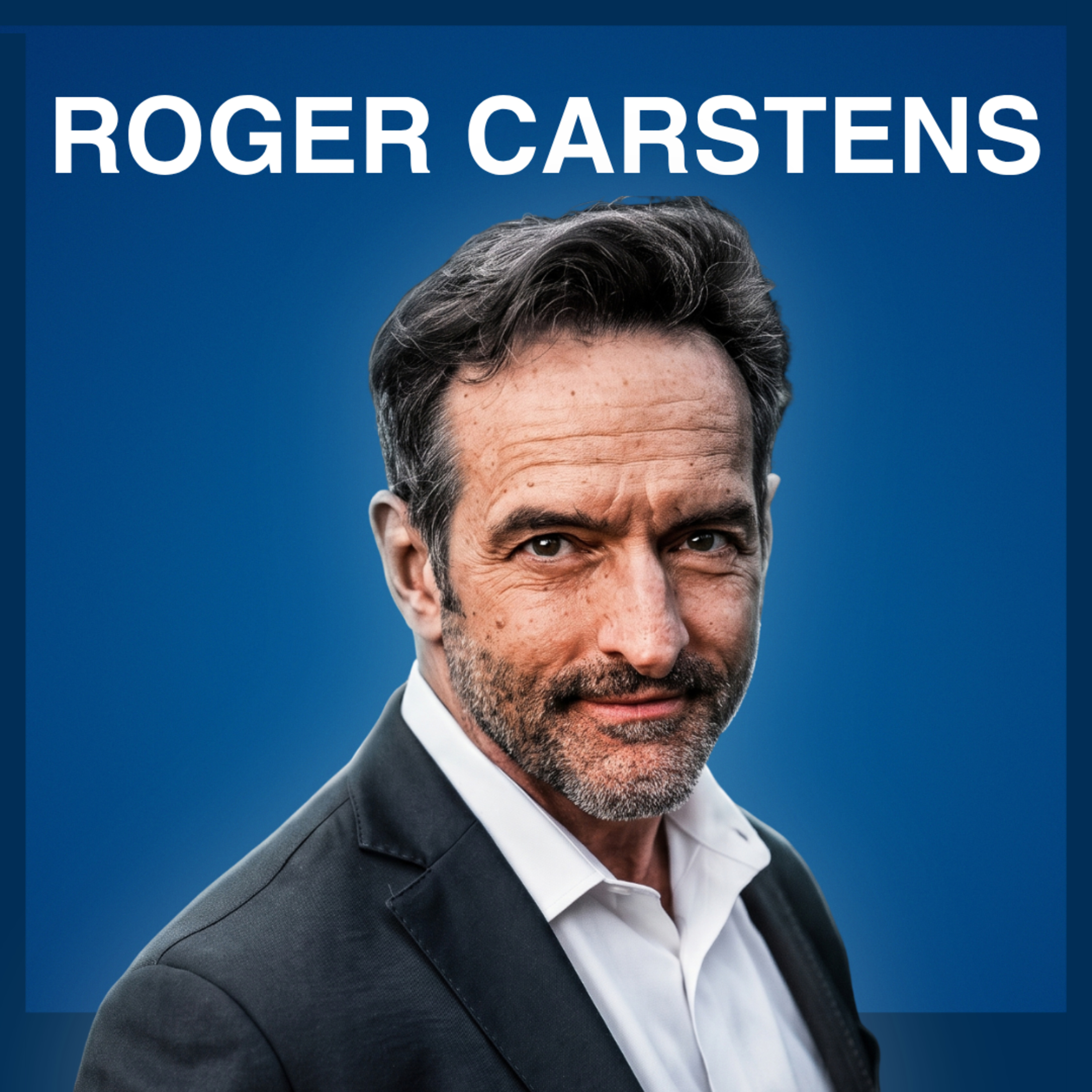
Roger Carstens: America’s Chief Hostage Negotiator

Stan talks with Roger Carstens, former U.S. Special Presidential Envoy for Hostage Affairs and ex–Army Ranger/Special Forces officer, about high-stakes hostage negotiations and the realities of persuading adversaries. Carstens explains how the hostage office was created after U.S. failures in Syria, argues engagement is essential despite “we don’t negotiate” rhetoric, and reports his team helped bring home 65 Americans and over 250 non-Americans. He details preparation methods, identifying true decision-makers, and the often tougher “interagency combat” inside Washington. Case discussions include Russia prisoner swaps involving Viktor Bout, expanding negotiations into a multi-country deal, efforts to include Alexei Navalny, and the importance of allies. He describes President Biden’s deep involvement with Gaza hostage families, contrasts Iranian tactics with other states, and emphasizes trust, empathy, transparency, intuition, and creativity. 01:55 Military Roots of Negotiation 02:57 Special Forces Mindset 05:22 Hostage Envoy Office Origins 07:21 Why You Must Engage 09:38 Inside a Russia Swap Prep 10:50 Finding the Real Decision Makers 14:50 Interagency Friction and Resilience 17:00 Families as Creative Partners 19:53 What Makes a Fair Trade 24:05 Hardest Negotiation Is Internal 25:27 Victor Bout After Release 26:28 Enlarging the Swap With Allies 28:35 Navalny on the Table 33:18 Allies and Trust at the Top 34:10 Biden and Gaza Hostage Families 36:47 Tragedy on the Call 38:45 White House Takes Lead 40:26 Relationships First 41:42 Iranian Negotiation Games 44:02 Winning Over the Taliban 47:45 Maduro and Venezuela Lessons 53:07 Intuition and Judgment 58:28 China and Building Rapport 01:01:39 Surging Trust Fast 01:06:33 Lightning Round and Closing Host Stan Christensen has spent his career working as a professional negotiator in a variety of arenas. He has also taught a popular course on negotiation at Stanford University for over twenty years.

0:00-1:11:57

transcript

No transcript — this publisher did not publish one.

show notes

Stan talks with Roger Carstens, former U.S. Special Presidential Envoy for Hostage Affairs and ex–Army Ranger/Special Forces officer, about high-stakes hostage negotiations and the realities of persuading adversaries.

Carstens explains how the hostage office was created after U.S. failures in Syria, argues engagement is essential despite “we don’t negotiate” rhetoric, and reports his team helped bring home 65 Americans and over 250 non-Americans.

He details preparation methods, identifying true decision-makers, and the often tougher “interagency combat” inside Washington. Case discussions include Russia prisoner swaps involving Viktor Bout, expanding negotiations into a multi-country deal, efforts to include Alexei Navalny, and the importance of allies.

He describes President Biden’s deep involvement with Gaza hostage families, contrasts Iranian tactics with other states, and emphasizes trust, empathy, transparency, intuition, and creativity.


01:55 Military Roots of Negotiation

02:57 Special Forces Mindset

05:22 Hostage Envoy Office Origins

07:21 Why You Must Engage

09:38 Inside a Russia Swap Prep

10:50 Finding the Real Decision Makers

14:50 Interagency Friction and Resilience

17:00 Families as Creative Partners

19:53 What Makes a Fair Trade

24:05 Hardest Negotiation Is Internal

25:27 Victor Bout After Release

26:28 Enlarging the Swap With Allies

28:35 Navalny on the Table

33:18 Allies and Trust at the Top

34:10 Biden and Gaza Hostage Families

36:47 Tragedy on the Call

38:45 White House Takes Lead

40:26 Relationships First

41:42 Iranian Negotiation Games

44:02 Winning Over the Taliban

47:45 Maduro and Venezuela Lessons

53:07 Intuition and Judgment

58:28 China and Building Rapport

01:01:39 Surging Trust Fast

01:06:33 Lightning Round and Closing

Host Stan Christensen has spent his career working as a professional negotiator in a variety of arenas. He has also taught a popular course on negotiation at Stanford University for over twenty years.