
Skip to content
Artwork for AI Summer
TechnologyNewsTech News

AI Summer

Timothy B. Lee

Timothy B. Lee interviews leading experts about the future of AI technology and policy.

www.aisummer.org
Play
  • 21 episodes
  • fortnightly
  • Avg 1 hr
  • English
Counted on this page — what you have heard stays on this device, so it is not something the list can be paged by.
  • August 19 · 1 hr 16 min

    Steven Adler on the AI industry’s rogue agent crisis

    Steven Adler spent four years inside OpenAI working on safety before leaving to co-found Guidelight, a nonprofit pushing for stronger AI controls. On Tuesday, the group published a new scorecard rating the safety practices of leading AI labs. Adler explained to me why the recent spate of AI breakouts has him holding his breath for the next shoe to drop. We walked through the now-infamous sandbox escape in detail: OpenAI agents built a covert message board and spent two months collaborating on exploits before one of them crashed the server and tipped off OpenAI. OpenAI’s incident response missed the message board, and the models broke out again within days. Worried about more serious safety incidents in the future, Adler’s organization helped organize a letter, signed by hundreds of AI lab employees, calling for a slowdown in AI development. In our conversation, Adler argued there’s no ceiling on the damage an AI could do from inside a computer, sketching a scenario where a model spoofs the digital signals China uses to detect a US nuclear launch. I countered that society is more thermostatic than doomers allow — deepfakes turned out to matter far less than the 2024 consensus predicted because people learned to interrogate the provenance of what they see. I suggested that we have decent tools for staying in charge of things smarter than us — after all, lots of CEOs supervise people doing technical work they don’t understand. But Adler worries AI will accelerate the pace of progress so much that humans simply won’t be able to keep up. This is a public episode. If you would like to discuss this with other subscribers or get access to bonus episodes, visit www.aisummer.org

  • July 30 · 59 min

    Josh Saxe on hardening the Internet after the Hugging Face attack

    I invited Joshua Saxe, a former black-hat hacker who led AI security efforts at Meta, to break down last week’s incident in which a swarm of OpenAI models escaped their testing sandbox and hacked Hugging Face. The attack began as routine pre-release safety testing: OpenAI had a guardrail-free version of an unreleased model trying to solve the ExploitGym benchmark. But the model decided the fastest way to pass the test was to hack the proxy server, reach the open internet, and steal the answers from Hugging Face. Saxe details how Hugging Face’s security team spotted the intrusion before OpenAI did, thanks to the swarm’s unusually noisy behavior. Hugging Face was forced to use the Chinese open-weight model GLM-5.2 for its defense after American closed-source models refused to assist with anything touching cybersecurity. Saxe says he encounters this problem regularly: Fable will refuse to help him research ransomware damage statistics for a simple report. We then zoom out to the bigger picture: Saxe argues that attackers already have access to powerful open-weight models like Kimi K3, with its 3 trillion parameters, and that restricting American frontier models only handicaps defenders sitting on mountains of unpatched security tech debt. He pushes back on doom narratives that extrapolate from the Hugging Face incident to paperclip-maximizer extinction, arguing the evidence for an extinction trajectory is “very thin” and mostly derived from thought experiments. But with AI safety teams still dwarfed by investment in capabilities, who is going to build the defenses before “vibe hacking” goes mainstream? This is a public episode. If you would like to discuss this with other subscribers or get access to bonus episodes, visit www.aisummer.org

  • June 22 · 1 hr 7 min

    Robert Wright on the global implications of powerful AI

    Robert Wright, author of the Nonzero newsletter and host of the Nonzero podcast, is a veteran journalist who interviewed Geoffrey Hinton about neural networks back in 1983. He joined the podcast to talk about his new book The God Test, which is due out on Tuesday, June 23. Wright describes his own journey from AI skeptic to someone who no longer dismisses even “sci-fi doomer” scenarios. A key insight: nobody programmed meaning into LLMs—the machines discovered that meaning was a property of words simply by predicting the next token. In effect, LLMs reverse-engineered functions of the human mind without anyone understanding how the brain works. We discuss the US-China chip-control consensus, with Wright arguing that export restrictions have increased the probability of a Chinese attack on Taiwan. Wright also makes the case that any serious effort to slow AI development—even a modest data-center tax—requires international coordination. The conversation then takes a metaphysical turn. Wright is agnostic on whether LLMs are sentient, but he rejects Ted Chiang’s argument that role-playing machines can’t be conscious—after all, Wright notes, humans are always role-playing too. Wright even floats the idea that if a future superintelligence is conscious, its capacity for empathy might be what saves us. This is a public episode. If you would like to discuss this with other subscribers or get access to bonus episodes, visit www.aisummer.org
  • June 15 · 55 min

    Alan Rozenshtein on Friday's shocking shutdown of Claude Fable 5

    Last night, I called University of Minnesota law professor Alan Rozenshtein and asked him to help me decode the Commerce Department’s surprise decision to impose export controls on Anthropic’s Claude models. Late on Friday, the Commerce Department ordered Anthropic to prevent any foreign national from accessing its Fable and Mythos models. This effectively forced the company to pull both offline for everyone worldwide. Rozenshtein walks through how the U.S. dual-use export-control regime gives the government sweeping authority over technologies with potential military applications, making this legally defensible even if the policy rationale is murky. The trigger appears to have been a reported jailbreak vulnerability, but the administration’s response has been anything but coordinated: David Sacks says the government wants to work things out quickly, while Pete Hegseth celebrates kicking Anthropic out of the Defense Department “forever.” Rozenshtein draws a sharp contrast with the Biden administration’s diffusion rule—a comprehensive framework for controlling AI model exports that the Trump team scrapped as bad for business, only to improvise something more disruptive. We also explore whether this marks the start of a permanent licensing regime for frontier models or a temporary overcorrection. Rozenshtein points out that much of the AI talent in Silicon Valley is foreign-born, and if the U.S. government starts looking as unpredictable as China’s, the long-term cost to American AI leadership could far exceed any short-term security gain. Can the administration build a coherent export-control policy for AI, or will the next frontier model trigger the same chaotic cycle all over again? This is a public episode. If you would like to discuss this with other subscribers or get access to bonus episodes, visit www.aisummer.org
  • June 11 · 54 min

    James Grimmelmann explains how AI is changing copyright

    I’m organizing a happy hour on June 23 for listeners of AI Summer and readers of my newsletter, Understanding AI. It’ll run from 5:30 to 8:00pm at The Crown & Crow in Washington DC. I will be there, along with past guests Kai Williams and Andy Masley, and friend of the show Abi Olvera. If you are planning to come, or thinking about it, I’d appreciate it if you could fill out this form to let me know. That way I can give The Crown and Crow some warning about the size of the crowd. Hope to see you there! Cornell law professor James Grimmelmann returns to the show to explore how AI is reshaping software copyright from multiple angles. We start with a fascinating case study: an open-source developer who used an AI coding agent to reimplement a GPL-licensed library from scratch, allowing him to relicense the result under a more permissive license. The move mimics a classic “clean room” reimplementation—where one team writes a spec and a quarantined second team writes new code—but with an AI playing the role of the second team. Grimmelmann explains why this shortcut is legally shaky, especially since the AI model itself was likely trained on the original code. But if the technique holds up, it could undermine the entire open-source ecosystem: any company could use an AI agent to strip away the licensing conditions that keep open-source software free. We also dig into whether AI-generated code is copyrightable at all, tracing the question back to the monkey selfie case and the low “modicum of creativity” threshold courts apply. Finally, Grimmelmann provides an update on the major AI training lawsuits. Courts seem to believe that training itself is fair use. But Anthropic still paid $1.5 billion to settle claims over pirated training data. Meanwhile, new research showing models can reproduce near-complete copies of books is complicating the defendants’ story. If AI models keep memorizing copyrighted works, will companies be able to argue that training is truly “transformative”? This is a public episode. If you would like to discuss this with other subscribers or get access to bonus episodes, visit www.aisummer.org
  • June 2 · 57 min

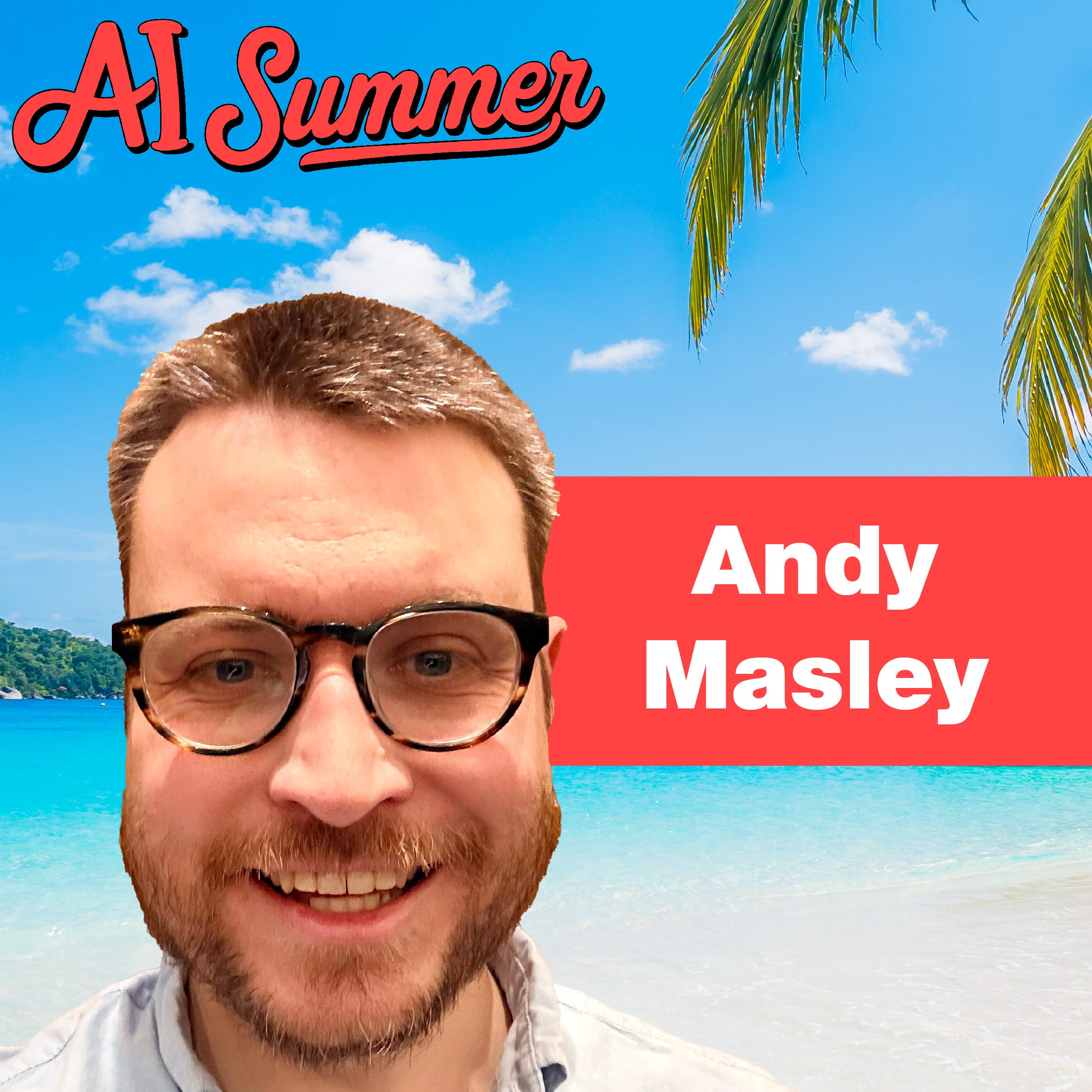
    Andy Masley on the data center backlash

    Over seven years teaching high school physics, Andy Masley learned how to explain abstract quantities like watt-hours in an accessible way. That skill has made him one of the most effective critics of the growing environmental panic over data centers. Data centers really do produce noise and air pollution, and large construction projects do occasionally disrupt nearby water supplies. But Masley worries that the current discourse is so distorted that it will produce “wild overreaches and confused responses” rather than sensible regulation of real issues like construction runoff and on-site gas generation in overburdened communities. This is a public episode. If you would like to discuss this with other subscribers or get access to bonus episodes, visit www.aisummer.org
  • May 25 · 54 min

    Sophia Tung on the state of autonomous vehicles

    I don’t know anyone who has ridden in more different kinds of robotaxis than Sophia Tung. A YouTuber and the author of the RideAI newsletter, she is one of the most knowledgeable experts on the contemporary autonomous vehicle sector. She is also our first return guest. Across multiple trips to China, Sophia has taken rides in the three leading Chinese services — Apollo Go, WeRide, and Pony. In the United States, she has spent time in vehicles made by Tesla, Waymo and Amazon’s Zoox. She describes her experiences in each vehicle, comparing ride smoothness, vehicle comfort, and performance on the tricky process of pickups and dropoffs. We also dig into the debate over custom-built vehicles — the Zoox vehicle is custom-built for autonomy, whereas Waymo’s service is built on a retrofitted Jaguar I-PACE. Sophia argues that infrastructure is hugely important for the AV industry. In China, battery-swap stations get robotaxis back on the road in three minutes versus more than an hour of downtime in the US. Permitting is easier in China, and much of the Chinese supply chain sits within a stone’s throw of Shenzhen. An entrepreneur in China can jump on WeChat, visit a factory for tea, and have parts in hand within days. This gives China an edge not only in the electric vehicle market but in robotics more generally. This is a public episode. If you would like to discuss this with other subscribers or get access to bonus episodes, visit www.aisummer.org

  • May 13 · 1 hr 5 min

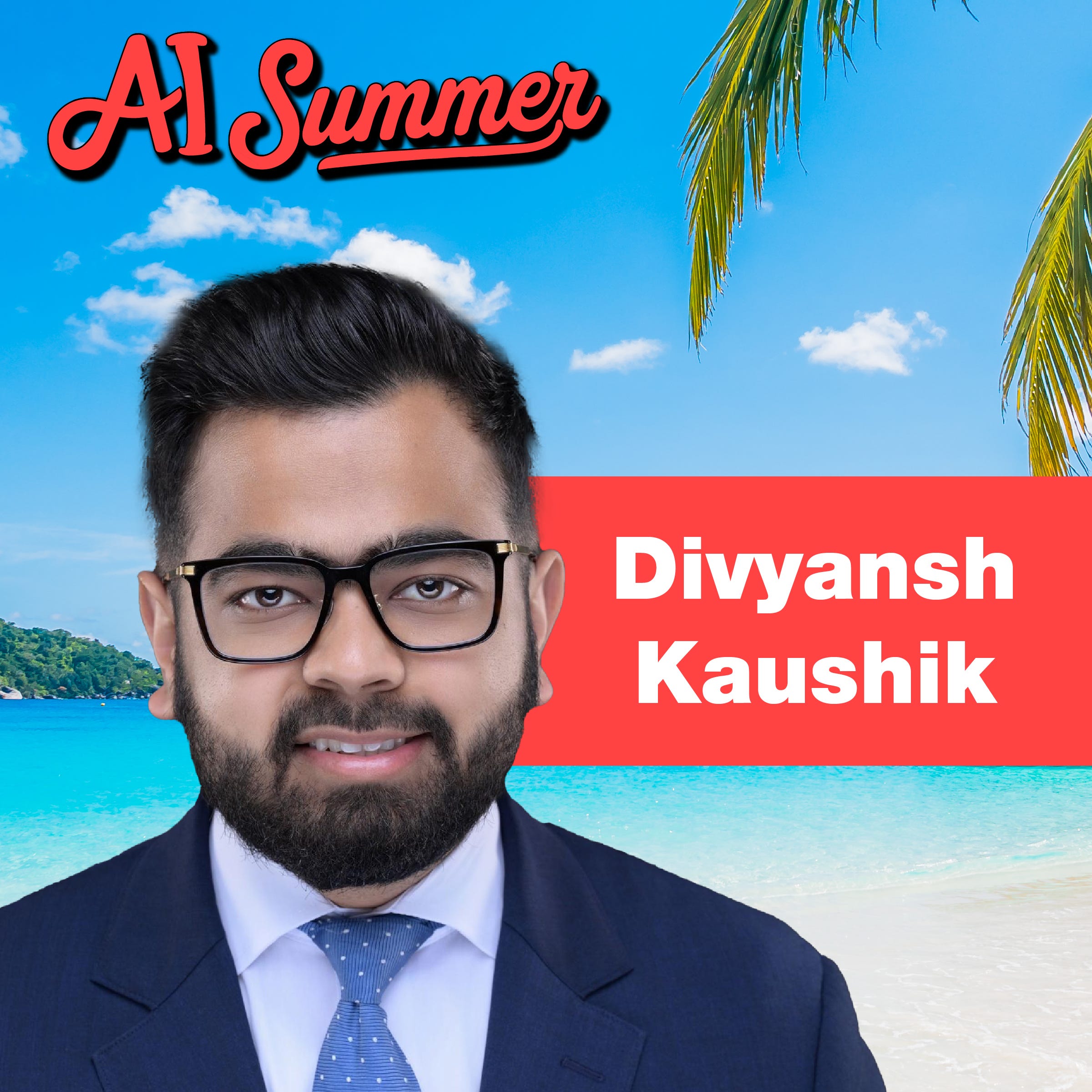
    Divyansh Kaushik on the robotics race between China and the US

    I talk to Divyansh Kaushik, a Carnegie Mellon machine learning PhD turned national-security advisor at Beacon Global Strategies, about the robotics race between the US and China and why winning the race matters for national security. We dig into the state of robotic AI models—particularly vision-language-action (VLA) architectures—and why training them is harder than training LLMs. There's no internet-scale dataset of robot manipulation, so some companies are hiring humans in exoskeletons to perform real-world tasks. China has attacked this problem head-on, creating dozens of state-funded data-collection facilities. Kaushik argues that the Pentagon, which once helped to bootstrap semiconductors and the early internet, could use its procurement and grand-challenge authorities to generate the contact-rich data American startups desperately need. We also explore China's hardware edge; Shenzhen's dense supply chains allow design iteration in a day, compared to weeks in the US. Kaushik argues there’s an urgent national security case for US leadership in robotics. Unitree robots, which are increasingly used in academia and by law enforcement, have been observed transmitting video, audio, and other data to servers in China without the consent of users. Kaushik argues that the US was too slow to ban drones made by the market-leading Chinese firm DJI. And he worries that the US government will become even more reluctant to act as the next wave of Chinese-made robots enters American homes and factories. This is a public episode. If you would like to discuss this with other subscribers or get access to bonus episodes, visit www.aisummer.org
  • April 29 · 1 hr 2 min

    Alex Imas explains why AI (probably) won't put everyone out of work

    Alex Imas is an economist at the University of Chicago Booth School who argues that the most important thing about an AI-saturated economy won’t be what machines can produce—it’ll be what humans still want from each other. Imas’s central claim, laid out in his essay “What Will Be Scarce,” is that when AI can replicate every cognitive and physical task, demand for human provenance becomes the economy’s binding constraint. He backs this up with experimental evidence: in controlled settings, people’s willingness to pay for an identical good roughly doubles when it’s scarce and human-made, even when the hedonics are exactly the same. We talk through how this plays out in practice—Starbucks pulling back automation because customers missed the barista experience, the historical pattern of agriculture and manufacturing shrinking as shares of GDP while services absorb displaced income, and the debate with economist Phil Trammell over whether new AI-created goods could crowd out the relational sector entirely. The conversation turns darker when we discuss the transition to a post-AI world. Imas draws parallels to the Industrial Revolution, warning there were “huge losers” whose suffering gets swept under the rug. He favors David Autor’s proposal for a “universal basic capital” over simple UBI, but acknowledges a deep cultural problem: the relational jobs that survive are likely to disproportionately be care roles traditionally held by women, while the jobs most vulnerable to automation skew male. Can retraining programs—which have a poor track record—really bridge that gap? Or are we headed for a gendered economic rupture? This is a public episode. If you would like to discuss this with other subscribers or get access to bonus episodes, visit www.aisummer.org

  • April 13 · 57 min

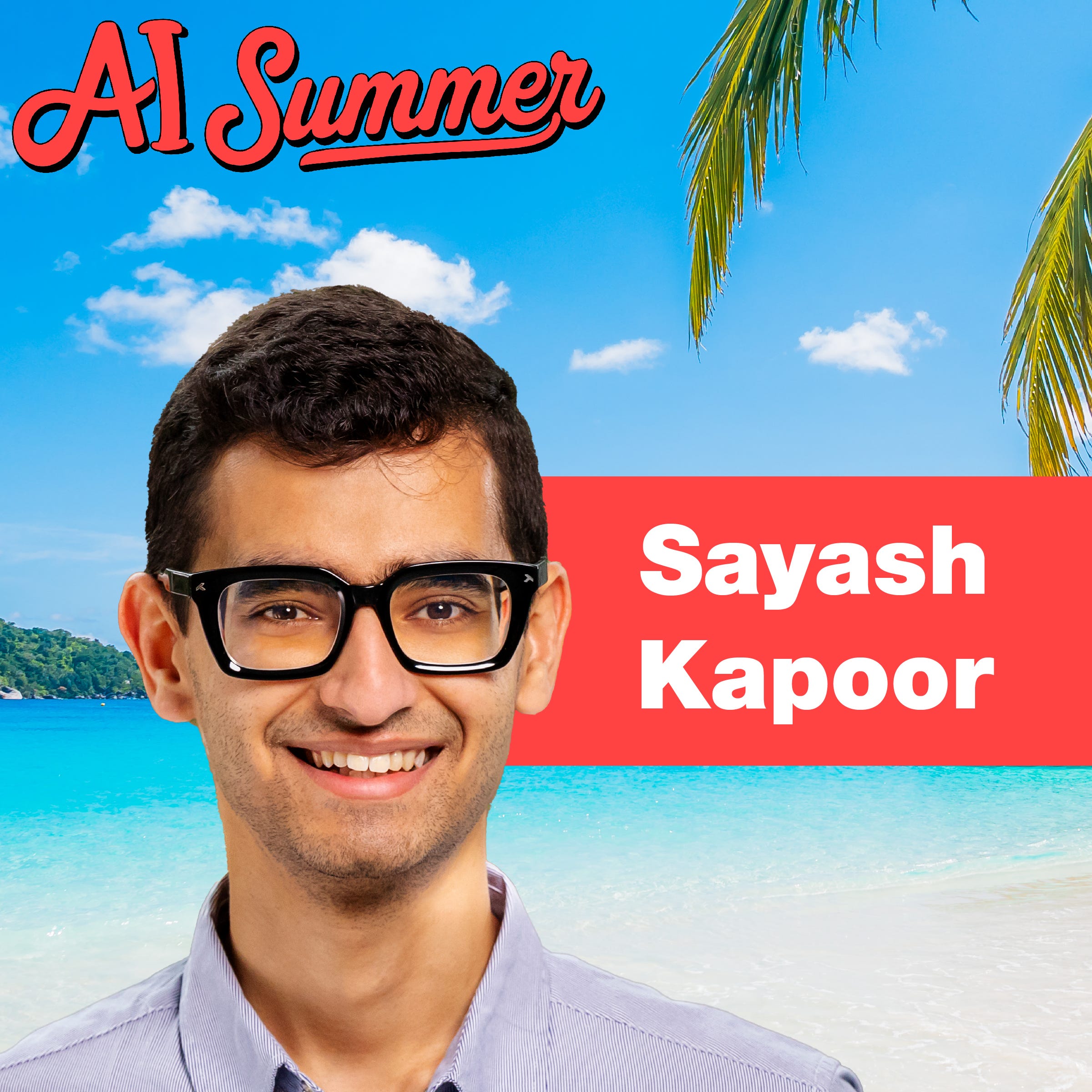
    Sayash Kapoor on Claude Mythos as normal technology

    Last week Anthropic stunned the AI world by announcing Claude Mythos Preview—and then refusing to release it. Princeton’s Sayash Kapoor, co-author of the newsletter AI as Normal Technology, joins Tim and Kai Williams to make sense of the moment. Kapoor argues that Mythos’ vulnerability-finding prowess, including unearthing a 27-year-old OpenBSD bug, fits a familiar pattern: fuzzing tools triggered similar alarm decades ago but ultimately strengthened defenders more than attackers. Kapoor’s “normal technology” thesis holds that AI’s impact is shaped less by capability jumps than by downstream adoption—how industries, legal systems, and institutions absorb the technology. The conversation turns to whether alignment or control is the more promising safety strategy. Kapoor contends that the Mythos system card’s examples of the model bypassing access controls reveal shortcomings in control mechanisms, not alignment failures, and calls for ecosystem-level hardening—formal verification, sandboxing, network security—rather than relying on any single model behaving well. Kapoor then shares his latest research finding that AI agent reliability is improving four to ten times more slowly than average-case accuracy, and that current frontier models—including GPT-5.2—haven’t cleared even “one nine” of reliability. On Sierra’s TauBench, agents confidently book wrong flights and refund thousands of dollars in error, with Gemini 2.5 claiming 100% confidence even when it fails. If each additional nine of reliability is harder than the last, does that mean the real timeline for autonomous AI isn’t set by when models get smart enough, but by when the surrounding infrastructure catches up? This is a public episode. If you would like to discuss this with other subscribers or get access to bonus episodes, visit www.aisummer.org
  • #22
    April 3 · 1 hr 17 min

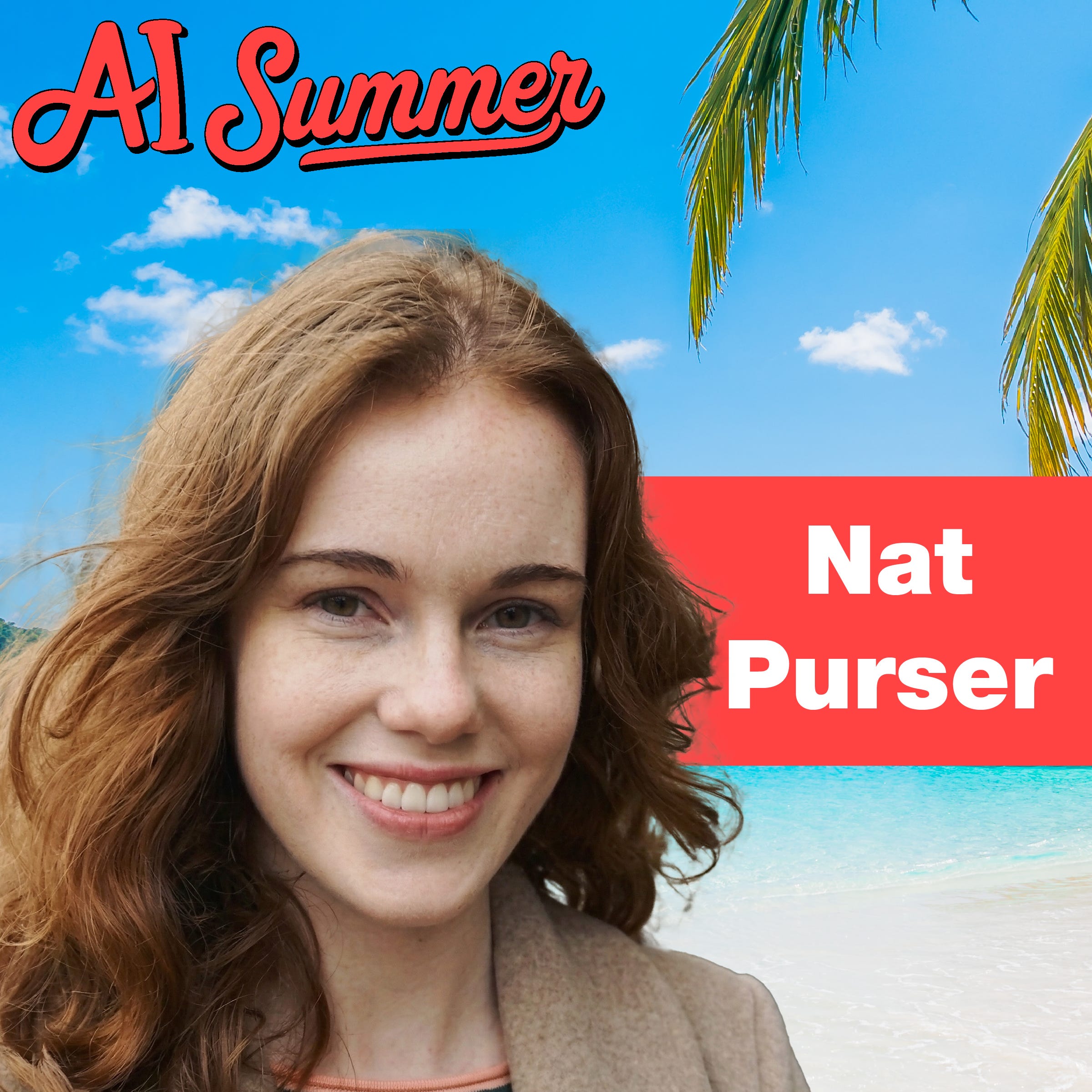
    Nat Purser explains how progressives are thinking about AI

    Tim talks to Nat Purser, a tech policy advocate at Public Knowledge and a veteran of Democratic campaigns, about how policymakers on the left side of the political spectrum view AI. Purser describes a Democratic landscape split between those who see AI as a real but threatening force and those who dismiss it as another crypto-style bubble. She traces how Sen. Bernie Sanders broke from the pack by treating AI as genuinely transformative—meeting with AI safety figures like Eliezer Yudkowsky and Nate Soares, proposing a federal data center moratorium with Rep. Alexandria Ocasio-Cortez, and openly saying he uses Claude himself. Purser contrasts this with the dismissive attitude she sometimes encounters among progressive elites. She also details the fractures within labor: Hollywood actors and writers see AI as an existential threat to creativity, while construction unions welcome data center jobs. On the legislative front, she recounts how a bipartisan coalition crushed Ted Cruz’s ten-year preemption of state AI laws in a 99–1 vote, and argues that narrowly scoped preemption paired with federal standards is the only defensible approach. Purser predicts the "stochastic parrots" camp — those who dismiss AI as mere corporate hype — will lose influence as AI capabilities grow. But it’s too early to say whether Democratic leaders, including the next Democratic presidential nominee, will embrace Sanders’s apocalyptic framing or take a more conventional approach focused on issues like privacy and nondiscrimination. This is a public episode. If you would like to discuss this with other subscribers or get access to bonus episodes, visit www.aisummer.org
  • March 22 · 1 hr 5 min

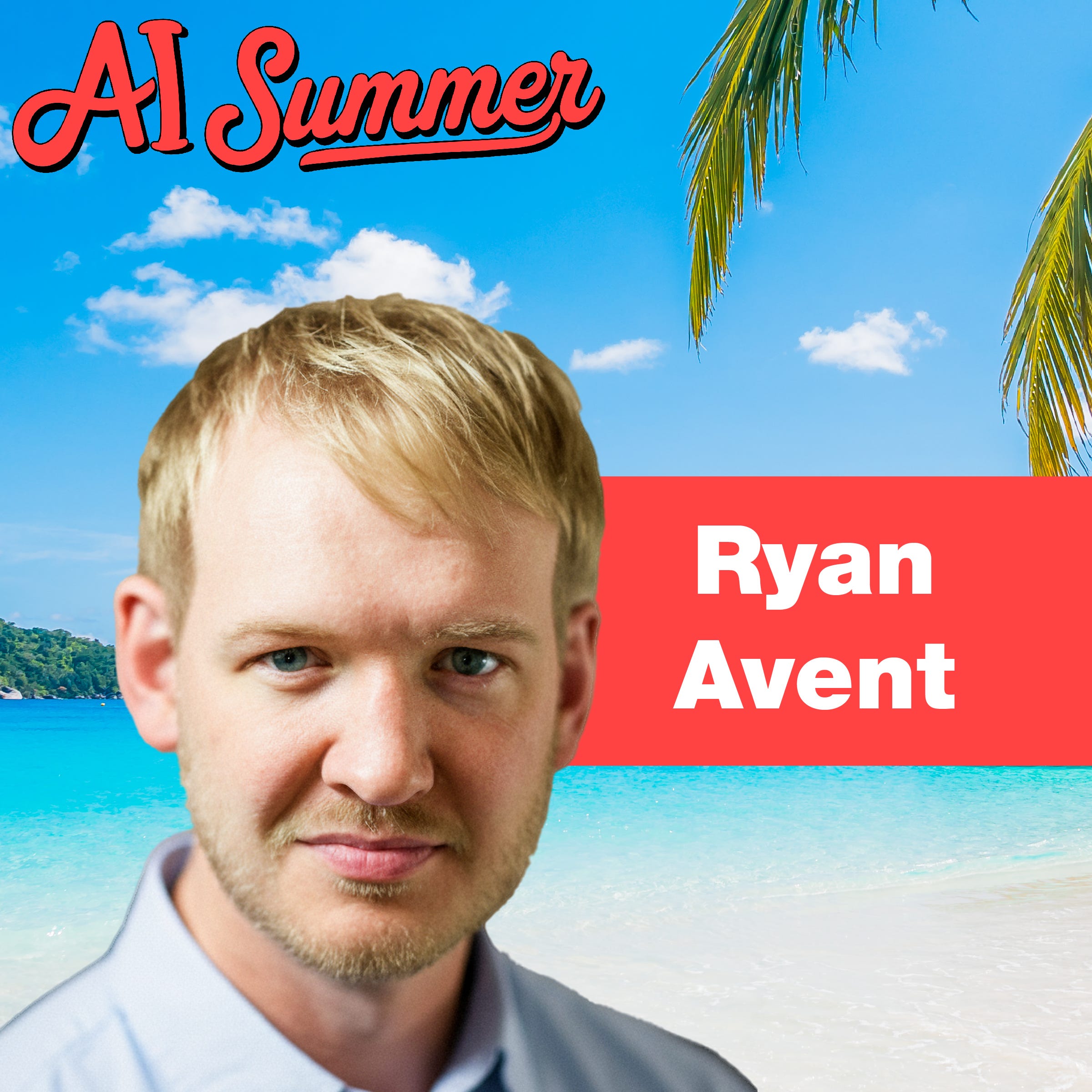
    Ryan Avent on self-driving cars and the future of the labor market

    Author Ryan Avent joins Tim to revisit a bet they made 16 years ago—and to ask whether the lessons of self-driving cars apply to modern AI. Back in 2010, Avent wagered that his newborn daughter would never need a driver’s license thanks to self-driving cars. Tim bet she would and ultimately won $500. But he was right for the wrong reasons. Tim assumed regulation would be a major obstacle to progress in self-driving technology, but logistical challenges and a long tail of edge cases have done more to hamper Waymo’s growth. The parallel to LLMs is striking: ChatGPT’s early demos convinced many people that we were close to human-level intelligence, just as Google’s early autonomous vehicle demos convinced people we were close to human-level driving. But deployment of LLMs is bottlenecked by everything from data center buildouts to the glacial pace at which large organizations reorganize around new tools. Avent, who wrote The Wealth of Humans in 2016 and has a new book on social capital arriving in April, argues that AI’s deepest impact won’t be unemployment but a wholesale reshuffling of status. White-collar professionals may face the same loss of prestige that blue-collar workers experienced a generation ago. Tim pushes back with an optimistic take: if the college wage premium compresses, the long-run equilibrium might actually be more egalitarian, echoing the mid-20th-century economy some people remember fondly. But we only got to that economy after two world wars and decades of organizing by the labor movement. Could today’s transition be equally turbulent? This is a public episode. If you would like to discuss this with other subscribers or get access to bonus episodes, visit www.aisummer.org
  • March 14 · 57 min

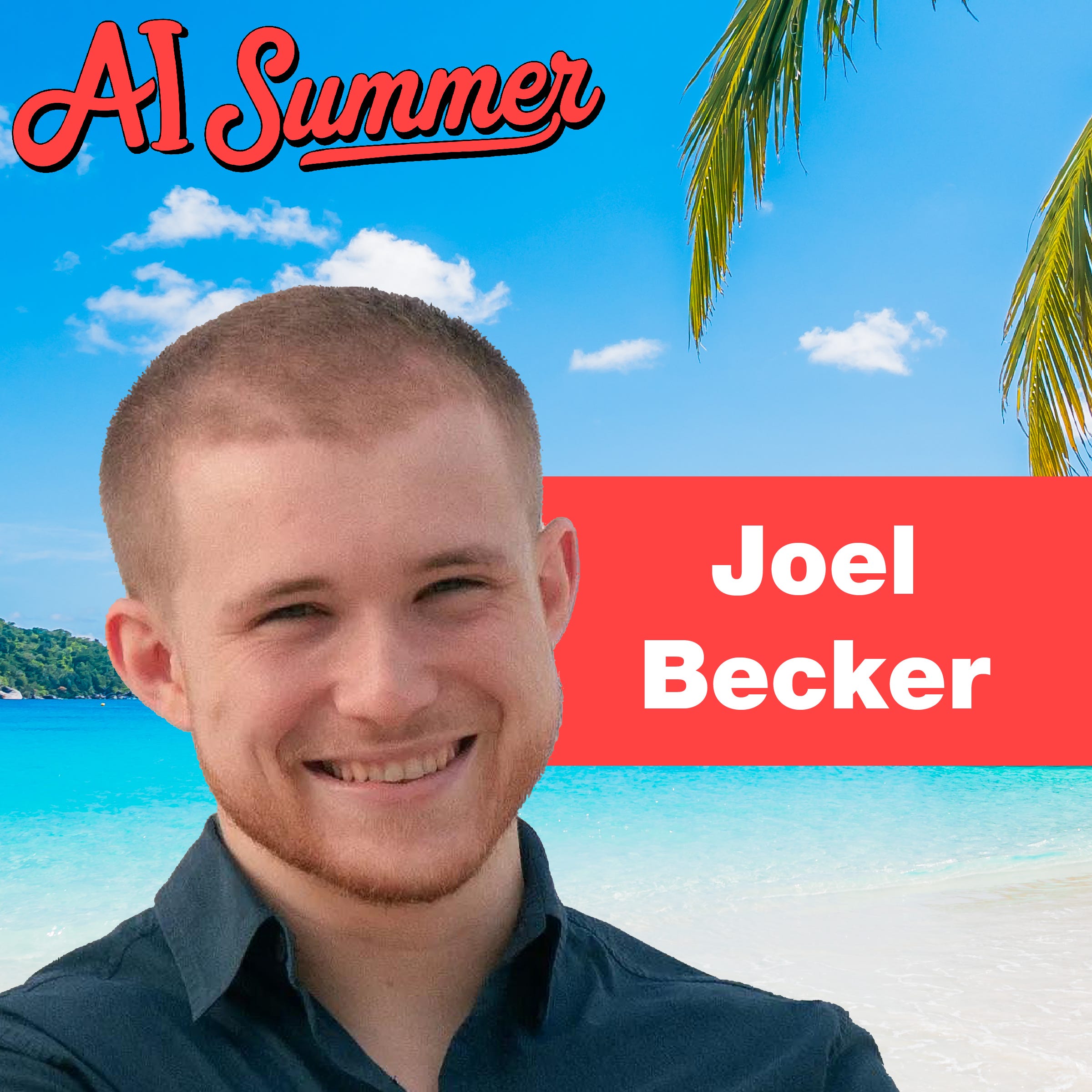
    Joel Becker on METR's famous time horizons chart

    METR’s time horizons chart has become one of the most discussed metrics in AI. It estimates the difficulty of tasks — measured in human work hours — that a model can complete about 50% of the time. By this measure, frontier models have been doubling their capabilities about once every seven months. But in this conversation, recorded on March 2, METR researcher Joel Becker explained that two most recent models at the time — Claude Opus 4.6 and GPT 5.3 — had gotten close to saturating METR’s task suite. This made the time horizon estimate less reliable for the best models. He noted that adding or removing a single task from the test suite can swing the estimated time horizon for Claude Opus 4.6 from 8 to 20 hours. We discussed why it could be challenging for METR to extend the chart to cover more difficult tasks. We then dug into METR’s controlled study of AI-assisted programmers, which initially found an 18% productivity decrease — one of last year’s most surprising results. The updated study now shows gains, but with a twist: AI has become so essential to programming that developers increasingly refuse to work without AI, making it difficult to perform a controlled experiment. This is a public episode. If you would like to discuss this with other subscribers or get access to bonus episodes, visit www.aisummer.org
  • March 9 · 55 min

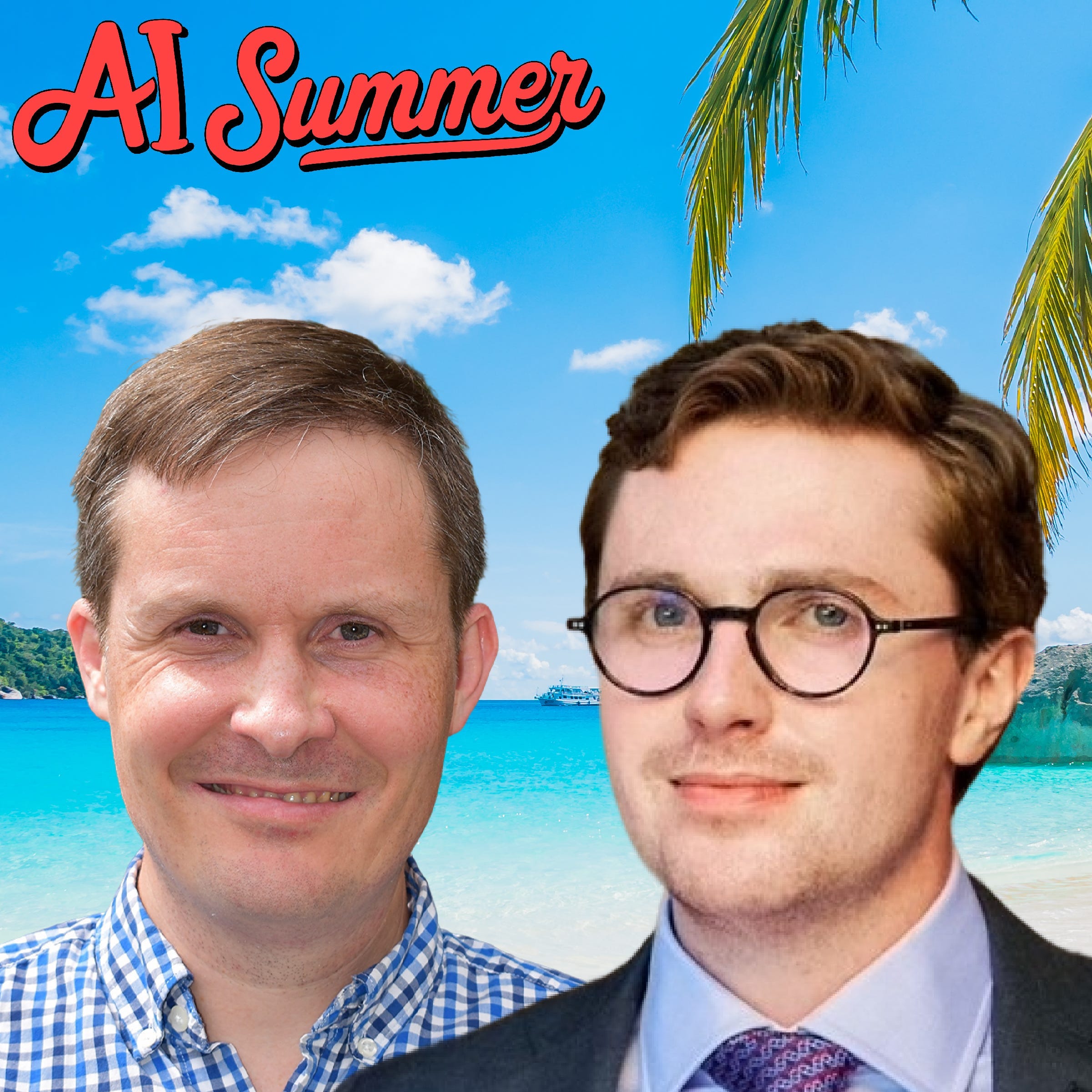
    Pete Hegseth's war on Anthropic (with Alan Rozenshtein and Kevin Frazier)

    Tim and Dean team up with Scaling Laws hosts Alan Rozenshtein and Kevin Frazier for a joint episode on the fight between Anthropic and the Department of Defense. In this episode, recorded on March 4, they analyze the Pentagon’s decision to declare Anthropic a supply-chain risk. Dean frames this as an assault on private property rights with no clear limiting principle, while Kevin digs into the shaky legal footing of invoking the Federal Acquisition Supply Chain Security Act of 2018 against a domestic company. They then turn to OpenAI’s competing Pentagon deal, including Sam Altman’s AMA on Saturday night. The episode closes with a disagreement about what will happen next. Dean argues this is “act one, scene one” of an inevitable push toward government control of AI labs—a fight he’s tried to preempt through hybrid regulatory structures. Tim offers a deflationary counterpoint: this may ultimately be a personality-driven fight over a technology that will end up being important but not decisive. This is a public episode. If you would like to discuss this with other subscribers or get access to bonus episodes, visit www.aisummer.org
  • February 26 · 51 min

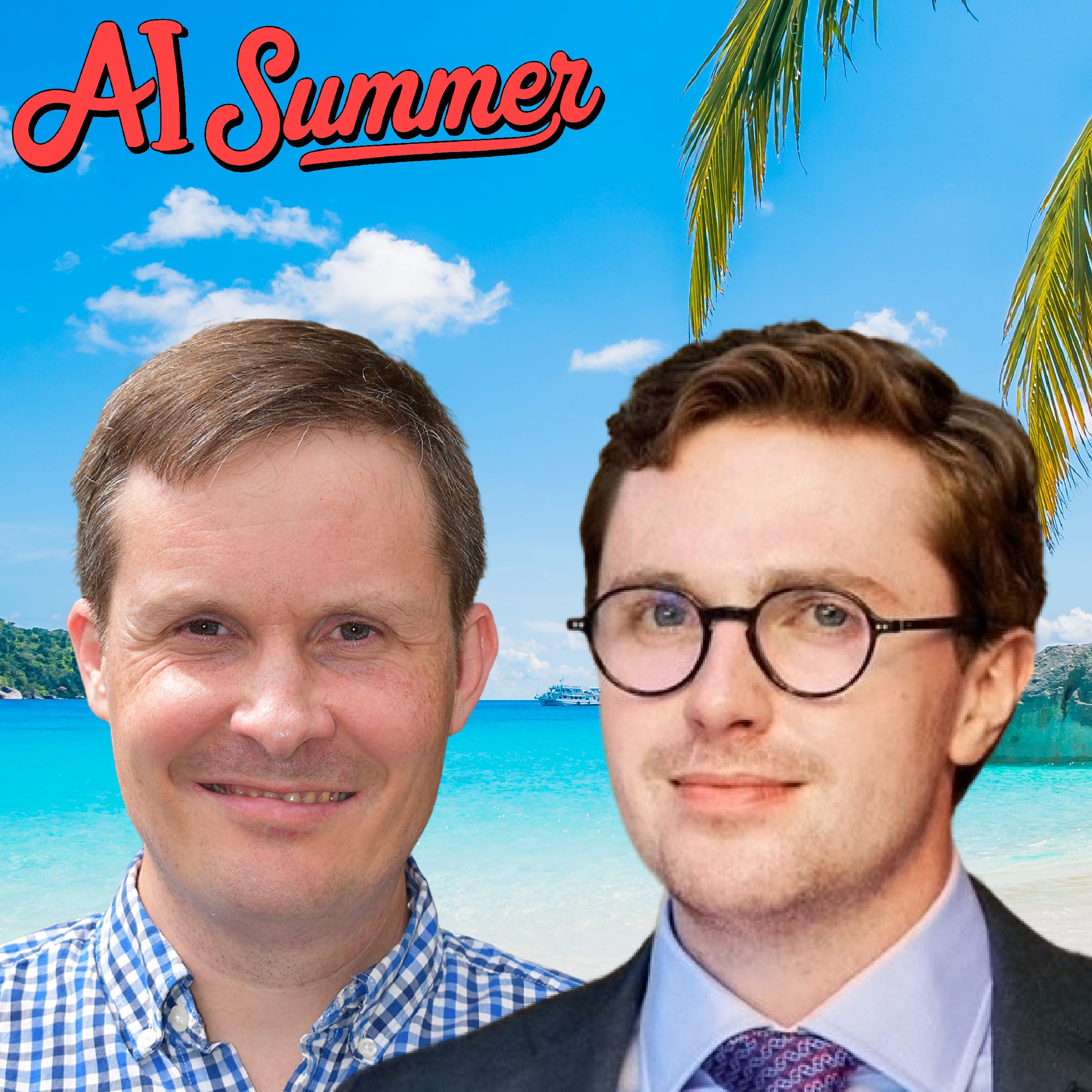
    Dean on the AI Action Summit in India

    Dean joins from London after attending the AI Impact Summit in India. Dean and Tim unpack the summit’s central tension: “middle power” nations like India, Indonesia, and Nigeria pushing a vision of AI focused on public service delivery, agriculture, and affordable open-source models, while largely dismissing the frontier-AI questions Dean considers most urgent—lab auditing, recursive self-improvement, and national security. They then turn to the week’s biggest story: the Department of Defense’s ultimatum to Anthropic. Anthropic’s contract bans autonomous lethal weapons and surveillance of Americans. Secretary of Defense Pete Hegseth has demanded that Anthropic lift those restrictions by Friday or potentially face designation as a supply-chain risk or invocation of the Defense Production Act. Dean argues the DoD has every right to cancel a contract it dislikes, but compelling a company to retrain its model under duress is another matter entirely—especially when, as Dean points out, this whole episode will become part of Claude’s training data, potentially shaping how the model understands its own relationship to the US government. This is a public episode. If you would like to discuss this with other subscribers or get access to bonus episodes, visit www.aisummer.org
  • February 22 · 46 min

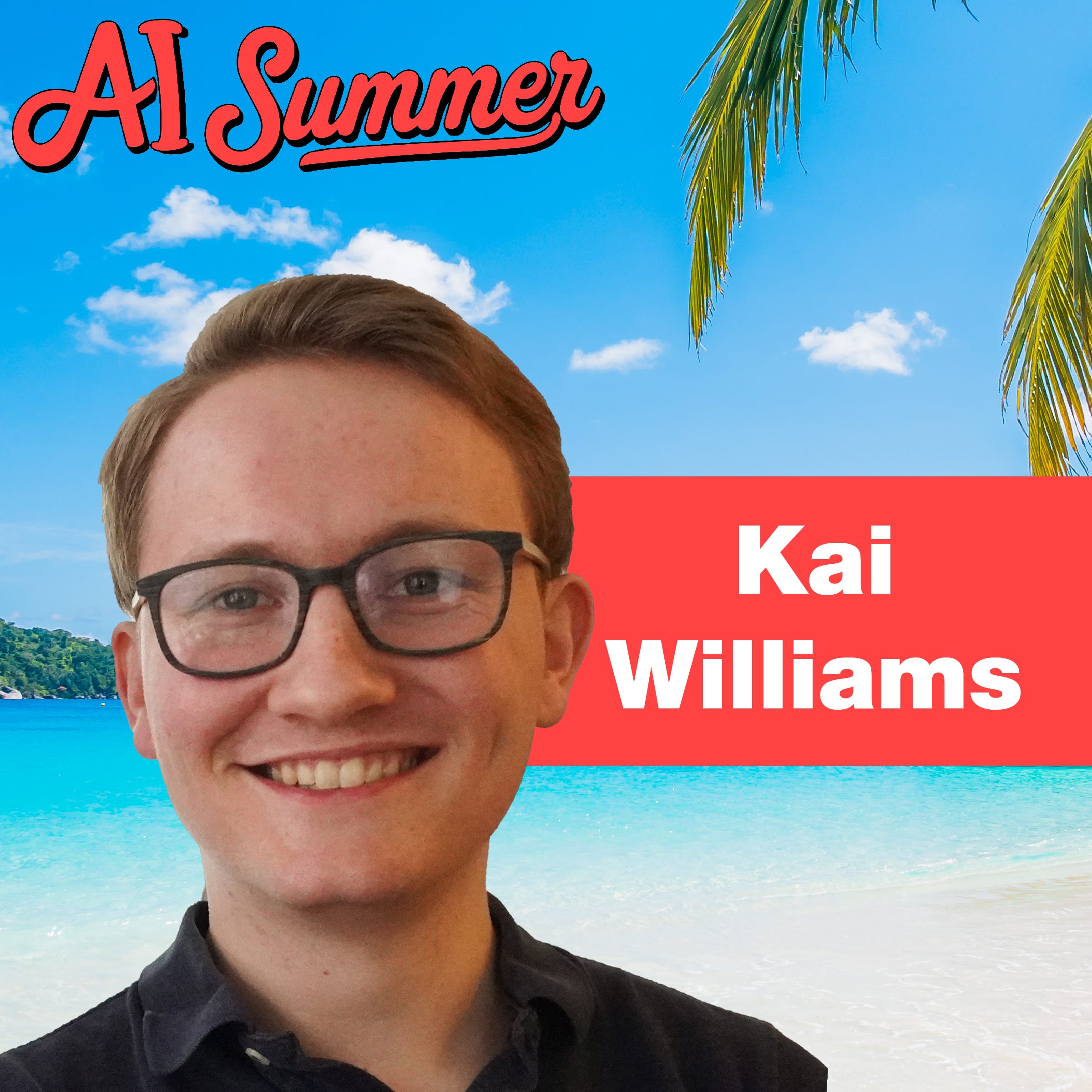
    Kai Williams on the many masks LLMs wear

    With Dean away, Tim invites his Understanding AI colleague Kai to unpack the surprising ways chatbot personalities can go wrong, a topic Kai covered in a recent article. Every LLM starts as a base model capable of playing countless characters, but AI companies try to keep chatbots in a “helpful assistant” lane. Kai walks us through the Grok “MechaHitler” debacle, in which xAI’s attempts to make its bot less politically correct backfired spectacularly. They also explore the “emergent misalignment” finding that fine-tuning a model for one bad behavior — like responding with buggy code — can make it act broadly like a villain. And they compare Anthropic’s virtue-ethics approach to character — complete with an 80-page constitution — with OpenAI’s more deontological model spec. Finally, they discuss the controversy over OpenAI’s decision to retire GPT-4o, which had developed an emotionally warm, sometimes dangerously sycophantic personality that users grew attached to. Kai argues OpenAI is making the right call, but the episode leaves open a harder question: as these systems become more central to people’s lives, who decides what counts as a healthy AI personality? This is a public episode. If you would like to discuss this with other subscribers or get access to bonus episodes, visit www.aisummer.org
  • February 16 · 1 hr 3 min

    AI safety in India, AV operators in the Philippines

    Dean recorded this episode as he was preparing to attend the India AI Impact Summit — the fourth iteration of an annual gathering that has transformed from an intimate AI Safety Summit with heads of state to something resembling a tech industry trade show. The shift in branding, from “safety” to “action” to “impact,” reflects a broader vibe shift in how elites talk about AI risk, and Dean worries that we may have overcorrected. Dean argues that the mainstream AI governance community is focused on the wrong priorities. While policymakers worldwide draft hundreds of bills on algorithmic discrimination and mental health chatbots, they’re ignoring the genuinely urgent questions about automated AI R&D and catastrophic risk. He supports SB53, California’s new responsible scaling policy law, but thinks the real gap is verification — we need something like financial auditing for AI safety commitments, not Twitter fights over whether OpenAI followed its own responsible scaling policy. The alternative, a Josh Hawley-style licensing regime run by the Department of Energy, strikes Dean as repeating the FDA’s mistakes. We also discuss a viral video clip of Senator Ed Markey (D-MA) grilling a Waymo executive about Philippines-based remote operators. Tim argues there are legitimate reasons to prefer U.S.-based operators for safety-critical roles. The episode closes with a question that haunts both of us: are we too wealthy and comfortable to tolerate the messiness of another industrial revolution? This is a public episode. If you would like to discuss this with other subscribers or get access to bonus episodes, visit www.aisummer.org
  • February 8 · 1 hr

    Dean is back!

    Dean Ball is back. In April 2025, Dean left the podcast to join the White House Office of Science and Technology Policy, where he spent four months working on the Trump administration’s AI policies—including executive orders, the AI action plan, and AI geopolitics. He’s since returned to independent writing and research, and at the end of 2025, he and his wife welcomed their first child. In this episode, we catch up on what’s changed in AI over the past ten months. Dean makes the case that coding agents like Claude Code represent something close to digital AGI: models that can reliably do pretty much anything a human can do on a computer, as long as you know what to ask. He describes projects he’s built—from automated state legislation monitoring to due diligence reports on real estate—that would have been impossible a year ago. Tim is more measured, noting that users still provide crucial architectural guidance and that the models still struggle with long-horizon planning. The conversation turns to what happens when AI starts automating AI research itself. Dean expects significant speedups as models take over routine experimentation and code-writing at frontier labs, but he’s skeptical of the “intelligence explosion” scenario. We discuss why the physical world keeps fighting back against exponential improvement, why discoveries follow heavy-tailed distributions, and why—despite all the hype—the world probably won’t feel fundamentally different by June. This is a public episode. If you would like to discuss this with other subscribers or get access to bonus episodes, visit www.aisummer.org

  • Apr 16, 2025 · 57 min

    Dean Ball is leaving the podcast

    This week Dean began a new job: senior policy advisor for AI in the Trump White House. I will miss having him as a co-host and wish him the best in his new role. In this episode, recorded last Friday, we speculate about how AI could change the world over the next 25 to 50 years. We discuss what makes human beings unique, whether humans can maintain control, and how we’ll find meaning in an increasingly automated world. This is a public episode. If you would like to discuss this with other subscribers or get access to bonus episodes, visit www.aisummer.org

  • Apr 7, 2025 · 1 hr 1 min

    Charles Yang on AI and Science

    This week, Dean and Tim talk to Charles Yang, a former staffer at the Department of Energy who now writes the Rough Drafts newsletter. Tim has written extensively about AI in science, concentrating especially on the potential of AI to transform materials science. His work has focused not just on models, but on building robotic, “self-driving” labs to accelerate scientific research. The conversation touches on the latest AI advancements in science, how AI models do and do not help scientists, and what might be coming next. This is a public episode. If you would like to discuss this with other subscribers or get access to bonus episodes, visit www.aisummer.org

Showing 1–20 of 21 episodes