Skip to content
Artwork for Engineering the Intelligent Enterprise

Engineering the Intelligent Enterprise

PRASAD BHONDE

Industrial technology explained through practical engineering and business decisions.

Hosted by Prasad Bhonde, this podcast examines AI agents, automation, cybersecurity, manufacturing systems, operational efficiency and emerging technologies. Each episode turns a complex technical development into clear lessons for engineers, technology leaders, founders and operations professionals.

Follow the show for grounded analysis of how intelligent systems are designed, governed and applied in real organisations.

Play
  • 39 episodes
  • daily
  • Avg 35 min
  • English
Counted on this page — what you have heard stays on this device, so it is not something the list can be paged by.
  • S1 · E1
    Tuesday · 44 min

    FIELD NOTE #053 | Certainty Is Usually Borrowed

    Most certainty starts life as an assumption. An assumption is made. The assumption works.The assumption survives. Eventually the assumption becomes knowledge. Or something very similar. ------ In this episode, we explore why organisations often inherit confidence more easily than evidence. Why conclusions travel further than context.And why some of the most influential beliefs inside a system are not actively defended. They are simply no longer inspected. A conversation about assumptions, familiarity, organisational memory and the quiet ways certainty is manufactured. ------ Stay Tuned… Regards, Top Voice Maido & Kon'nichiwa min'na! 👶🏻🧑🏻‍🦱👩🏻‍🦳 Wie Geht's guys? Mir geht's gut!!! ✌️🤘🙌 #SystemsThinking #DecisionMaking #Leadership #OrganisationalBehaviour

  • S1 · E1
    Sunday · 38 min

    Every Metric Has A Biography

    Most organisations discuss metrics as though they appeared fully formed. In reality, metrics usually begin as observations. Someone notices something important. Measure it. Report it. Track it. Over time the measurement becomes embedded in decision-making. The number survives.The original question may not. ------ In this episode we explore: • Why metrics accumulate authority • How organisational memory becomes embedded inside measurement systems • The difference between a metric and the question that created it • Why long-standing KPIs occasionally deserve historical review • A practical exercise for leaders, operators and decision-makers This is not a discussion about dashboards. It is a discussion about organisational memory. And what happens when measurements remain unchanged while the world around them evolves. ------ Source note: Every Metric Has A Biography. That is where enduring authority begins. ------ Stay Tuned… Regards, Top Voice Maido & Kon'nichiwa min'na! 👶🏻🧑🏻‍🦱👩🏻‍🦳 Wie Geht's guys? Mir geht's gut!!! ✌️🤘🙌 #SystemsThinking #Leadership #Operations #Management #Strategy

  • S1 · E1
    Saturday · 35 min

    The Queue Knows First

    What if the earliest warning signal in an organisation isn't a dashboard, but a queue? ------ Listener Value This episode explores why work waiting can reveal emerging organisational conditions before those conditions appear in reports, KPIs or management summaries. ------ Topics Covered Why queues deserve attention Observable signals versus retrospective reporting Capacity, decisions and accumulated work Systems thinking through operational observation The difference between evidence and explanation ------ Intended Audience Executives, operators, engineers, entrepreneurs, leaders and systems thinkers. ------ Source Note Based on Field Note #051 and writer-developed systems observations. ------ Invitation The next time a report surprises you, consider visiting the queue that met the problem first. ------ Stay Tuned… Regards, Top Voice Maido & Kon'nichiwa min'na! 👶🏻🧑🏻‍🦱👩🏻‍🦳 Wie Geht's guys? Mir geht's gut!!! ✌️🤘🙌 #FieldNotes #SystemsThinking #Operations #Leadership #DecisionMaking

  • S1 · E2
    August 28 · 23 min

    FIELD NOTE #028: The KPI Arrives After the Money Has Left | Most organisations measure the result. Fewer measure what happened on the way there.

    Episode Question What if the most important performance metric is not on the dashboard? ------ Listener Value Learn how process-level observations can expose friction long before monthly KPIs reveal it. ------ Topics Lagging versus observable indicators Process flow visibility Waiting as hidden operational cost Worksite observations Practical leadership questions ------ Source Note Based on observations supported by Lean Enterprise Institute material regarding process-level standards and indicators. ⁠[lean.org]⁠ (Proposed episode. Not recorded.) ------ Stay Tuned… Regards, Top Voice Maido & Kon'nichiwa min'na! 👶🏻🧑🏻‍🦱👩🏻‍🦳 Wie Geht's guys? Mir geht's gut!!! ✌️🤘🙌 #OperationalExcellence #LeanThinking #SystemsThinking #ContinuousImprovement #Leadership

  • S1 · E1
    August 27 · 30 min

    The Handover Is a Production Process

    Most handovers describe what happened. The better ones explain what still matters. ------ This episode explores a familiar operational pattern: An organisation completes the handover, then spends the next shift reconstructing context that already existed. ------ We discuss: activity versus context, the hidden cost of rediscovery, why systems compensate for missing information, four questions that improve continuity. The handover may be complete. The transfer of understanding may not be. ------ Stay Tuned… Regards, Top Voice Maido & Kon'nichiwa min'na! 👶🏻🧑🏻‍🦱👩🏻‍🦳 Wie Geht's guys? Mir geht's gut!!! ✌️🤘🙌 #Operations #Manufacturing #Leadership #SystemsThinking #OperationalExcellence

  • S1 · E1
    August 26 · 18 min

    Walking Is Sometimes a Material-Handling System | How much material movement is being done by people?

    What can a simple sketch reveal that performance reports often miss? ------ Learn how workstation layouts create hidden demands and how a ten-minute observation exercise can reveal them. ------ Topics Covered Hidden motion Workstation evolution Ergonomic thinking Point-of-use storage Practical observation methods Limits of motion analysis ------ Source Note OSHA Ergonomics: Solutions to Control Hazards. [osha.gov] ------ Invitation Next time you're on the floor, watch the path before you watch the metrics. —---- What follows is not an image prompt in the conventional AI-art sense. It is a visual communication brief designed to preserve the governing insight: Large industrial systems often receive broad corrections because one small local detail has not yet received attention. The image should not explain this. The image should allow the viewer to discover it. The moment of recognition is the entire objective. ------ Stay Tuned… Regards, Top Voice Maido & Kon'nichiwa min'na! 👶🏻🧑🏻‍🦱👩🏻‍🦳 Wie Geht's guys? Mir geht's gut!!! ✌️🤘🙌 #Manufacturing #Operations #LeanThinking #IndustrialEngineering #Ergonomics

  • S1 · E1
    August 25 · 23 min

    Why exceptional people can make weak processes look stronger than they are.

    Most organisations investigate visible failures. Fewer investigate the people quietly preventing failure every day. ------ In this Field Note, we explore a subtle operational paradox: ~ The best operator in a system may be hiding the weakest process. ~ Experienced people learn how to compensate for missing information, awkward handovers, unreliable equipment and imperfect sequencing. Over time, these recoveries become routine. Output remains acceptable. Targets are achieved. The process appears healthy. Yet much of that apparent stability may be manually created. This episode examines the difference between operator capability and process capability, and why observing the effort required to achieve a result can sometimes reveal more than the result itself. ------ We discuss: • Hidden recovery work • The invisible economy of workarounds • Why KPIs often measure outcomes rather than effort • How expertise can unintentionally conceal systemic weaknesses • Practical ways to identify process dependence before it becomes operational risk ------ Along the way, we explore a familiar industrial phenomenon: ~ Some temporary workarounds remain temporary for so long that eventually they acquire documentation. No blame. No hero narratives. No management theatre. Just a closer look at how real systems succeed, and the often invisible expertise that keeps them moving. A strong operator can support a weak process. A strong process reduces the need for support. If your most experienced operator took two weeks of leave tomorrow, which process would you inspect first? ------ Business Owners Board Members Plant Managers Manufacturing Leaders Reliability Engineers Operations Managers Continuous Improvement Professionals Systems Thinkers ------ Field Notes Short observations from operations, manufacturing, maintenance, reliability and organisational systems. Designed to help leaders see what they may already be looking at—but not yet noticing. ------ Stay Tuned… Regards, Top Voice Maido & Kon'nichiwa min'na! 👶🏻🧑🏻‍🦱👩🏻‍🦳 Wie Geht's guys? Mir geht's gut!!! ✌️🤘🙌 #OperationalExcellence #SystemsThinking #Leadership #Manufacturing #ContinuousImprovement

  • S1 · E1
    August 24 · 23 min

    When the Standard Exists Only in Someone's Memory

    When does expertise become a hidden operational dependency? In this episode, we examine an issue found across factories, plants, warehouses, utilities, and service operations: Processes that appear standardised but actually depend on a handful of experienced people carrying critical knowledge. Drawing from Lean principles surrounding standardised work, we discuss why undocumented sequences, settings, exceptions, and judgement calls can create variability, training challenges, and resilience risks. ------ Standardised work and operational consistency Knowledge transfer versus knowledge retention Tribal knowledge in industrial operations Training challenges and hidden dependencies Building resilient processes Practical field observations from operations environments ------ Select one process within your operation and ask:- Could this process continue performing at the same level if the most experienced operator was unavailable tomorrow? The answer often reveals whether the standard belongs to the organisation—or to individual memory. ------ Lean Enterprise Institute – Standardised Work https://www.lean.org/lexicon-terms/standardized-work/ ------ Operations become stronger when expertise remains valuable. They become resilient when expertise becomes transferable. ------ Stay Tuned… Regards, Top Voice Maido & Kon'nichiwa min'na! 👶🏻🧑🏻‍🦱👩🏻‍🦳 Wie Geht's guys? Mir geht's gut!!! ✌️🤘🙌 #Manufacturing #Operations #Lean #ContinuousImprovement #OperationalExcellence #IndustrialEngineering #Leadership #KnowledgeManagement #Quality #StandardisedWork

  • S1 · E1
    August 23 · 29 min

    When Preventive Maintenance Stops Preventing and Starts Repeating | The overlooked risk of maintenance intervals that outlive the evidence behind them.

    Most maintenance conversations begin with a familiar concern:Are we doing enough maintenance? This episode explores a different question:Are we still performing the right maintenance at the right interval for the right reason? Across industry, preventive maintenance schedules are often created with sound engineering judgment and practical experience. Yet operating environments rarely remain static. Production demands evolve. Duty cycles change. Assets age differently. Failure histories accumulate. New data becomes available. The maintenance schedule frequently remains exactly where it started. Over time, a recurring task can acquire a form of organisational authority. Not necessarily because it is continuously validated, but because it is continuously repeated. In this episode, we examine the distinction between reactive, preventive, and predictive maintenance using frameworks discussed by the National Institute of Standards and Technology (NIST), and explore a practical approach to reviewing maintenance intervals through evidence rather than familiarity. Because reliability is not simply about performing maintenance. It is about understanding whether the assumptions behind that maintenance still reflect operational reality. -------------------- Why maintenance intervals deserve the same scrutiny as the equipment they govern The differences between reactive, preventive, and predictive maintenance How "maintenance interval drift" can occur even when schedules never change The relationship between operating conditions, failure history, and maintenance frequency Why evidence and habit are not always the same thing A practical interval-review exercise that can be applied immediately -------------------- How often has it been performed? How often were no defects found? What does actual failure history suggest? Have operating conditions changed? Does the original rationale still exist? -------------------- Plant Leaders Maintenance Managers Reliability Engineers Operations Leaders Asset Management Professionals Continuous Improvement Practitioners Operational and Industrial Executives -------------------- Stay Tuned… Regards, Top Voice Maido & Kon'nichiwa min'na! 👶🏻🧑🏻‍🦱👩🏻‍🦳 Wie Geht's guys? Mir geht's gut!!! ✌️🤘🙌 #Maintenance #Reliability #Manufacturing #Operations #AssetManagement

  • S1 · E1
    August 22 · 26 min

    Fatigue Is Usually Investigated Too Late | The mistake becomes visible before the capacity constraint does.

    Fatigue Is a Capacity Constraint, Not a Character Flaw -------------------- Why do organisations often discover the person before discovering the pattern? This episode explores a simple but important distinction: An employee may commit the error. The surrounding operating conditions may influence where that error appears. Drawing from OSHA guidance on fatigue and demanding work schedules, we examine: fatigue as an operational question; visibility versus causation; repetitive work and concentration; why patterns are often harder to see than incidents; a practical review framework called the Capacity Pattern Check. This discussion does not claim that fatigue caused any specific event. Instead, it explores a question leaders can ask before reaching conclusions: -------------------- Are we investigating the event, or the conditions that made the event more likely to appear here? Source reference: OSHA Worker Fatigue guidance. [osha.gov], [osha.gov] Review one recent error by shift stage, task position and consecutive work periods before discussing retraining. -------------------- Stay Tuned… Regards, Top Voice Maido & Kon'nichiwa min'na! 👶🏻🧑🏻‍🦱👩🏻‍🦳Wie Geht's guys? Mir geht's gut!!! ✌️🤘🙌 #Leadership #HumanPerformance #OperationalExcellence #SystemsThinking #FieldNotes

  • S1 · E1
    August 21 · 39 min

    Failure Rarely Starts With the Alarm | What changed before the machine finally stopped?

    The Breakdown Started Long Before the Alarm -------------------- Why do teams notice a developing machine problem, yet lose it between shifts? -------------------- This proposed episode examines the space between “normal” and “stopped.” It introduces the Still-Running Abnormality Check, a simple handover diagnostic for recording changed noise, vibration, heat, quality and repeated adjustments. -------------------- Listeners will explore: why “still running” is not a condition assessment; what evidence should pass between shifts; how temporary adjustments can obscure recurrence; what the diagnostic can and cannot solve. For maintenance, operations, quality and automation teams seeking clearer conversations before failure. -------------------- Source note: NIST identifies temperature, noise and vibration as observed inputs in predictive maintenance. [nist.gov] -------------------- Stay Tuned… Regards, Top Voice Maido & Kon'nichiwa min'na! 👶🏻🧑🏻‍🦱👩🏻‍🦳 Wie Geht's guys? Mir geht's gut!!! ✌️🤘🙌 #ConditionMonitoring #Maintenance #Manufacturing #Reliability #IndustrialAutomation

  • S1 · E1
    August 20 · 29 min

    Nobody Owns the Handoff | Who owns the work while it changes departments?

    What happens after one department finishes, but before another can safely begin? This proposed episode of Machines With a Human Purpose examines a frequently overlooked operating boundary: the handoff itself. -------------------- Using Field Note #029 as its starting point, the episode would explore: why departmental completion and operational completion differ; what “ready to receive” should clarify; how sending and receiving ownership can be made visible; why acceptance, rejection and escalation need explicit routes; where the proposed Handoff Ownership Check remains limited. Relevant contexts include manufacturing, quality, maintenance, automation and AI-enabled workflows. These are application areas, not claims of universal failure. -------------------- For engineers, creators and curious minds asking not only what we can build, but what we should make operationally usable. Inspect one recurring handoff before listening: who can formally accept it? -------------------- Stay Tuned… Regards, Top Voice Maido & Kon'nichiwa min'na! 👶🏻🧑🏻‍🦱👩🏻‍🦳 Wie Geht's guys? Mir geht's gut!!! ✌️🤘🙌 #IndustrialAutomation #Manufacturing #SystemsEngineering #OperationalExcellence

  • S1 · E1
    August 19 · 52 min

    The Specification Nobody Rechecked

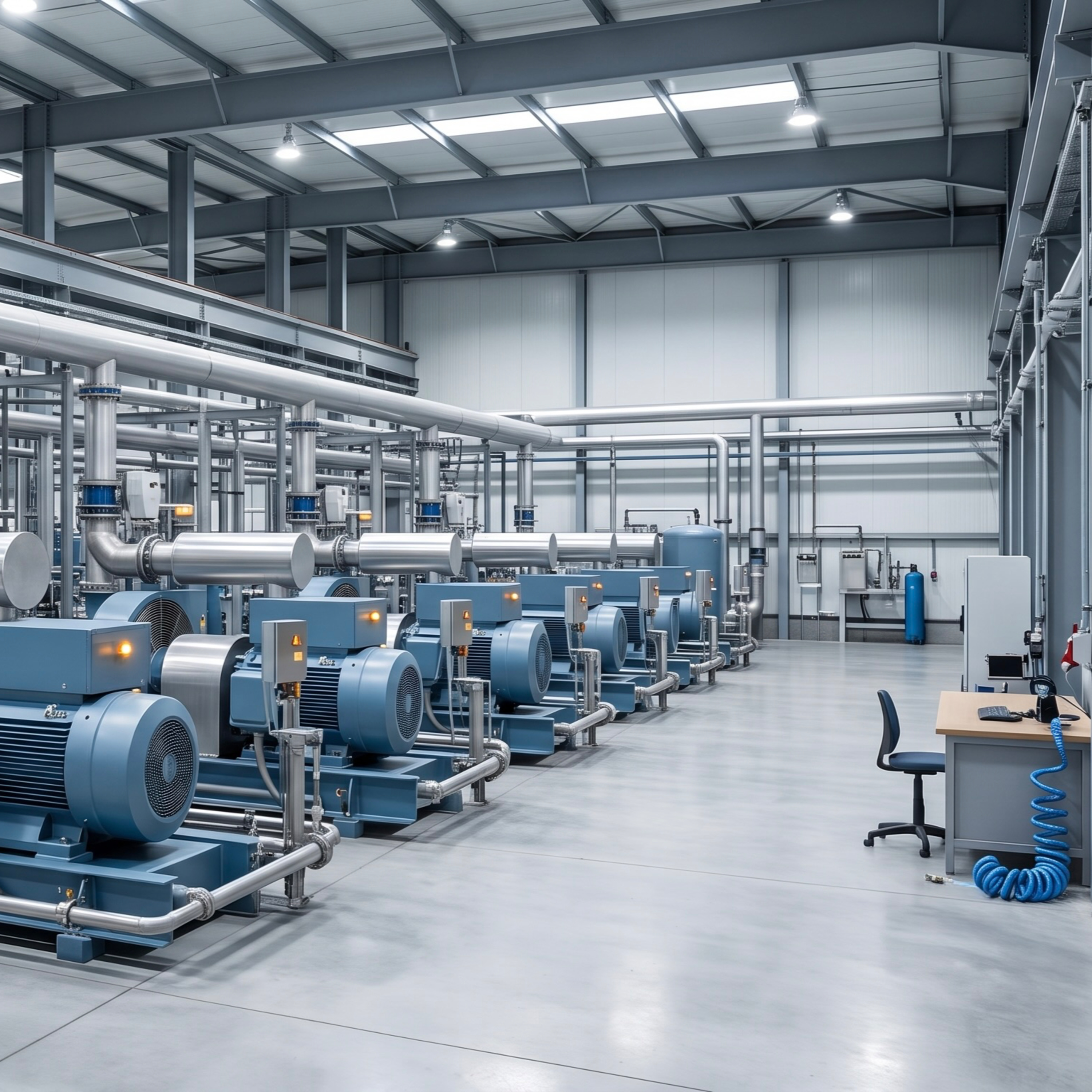
    A process can remain stable while the requirement governing it becomes outdated, poorly understood, or disconnected from its current end use. -------------------- In this episode of Machines With a Human Purpose, we examine a quiet industrial bottleneck: inherited specifications that continue to demand tighter tolerances, cleaner compressed air, longer testing, or heavier packaging without regular confirmation that those conditions remain necessary. -------------------- The episode begins with a specific DOE observation. Compressed-air quality should reflect the dryness and contaminant levels required by end uses, and overtreatment beyond those requirements wastes energy and money. [www1.eere.energy.gov] -------------------- From that bounded example, we introduce the Recheck Loop, a writer-developed diagnostic for examining one inherited requirement: Detect what is no longer clearly explained. Trace it to the need it serves. Compare it with the present operating requirement. Verify interpretations across responsible functions. Preserve legitimate protections. Record the evidence and decision. -------------------- This is not an argument for weakening specifications. Some requirements protect safety, compliance, reliability, or customer value and should remain firmly in place. The purpose is to distinguish deliberate protection from organisational inheritance. Because “we have always done it this way” may be historically accurate. It is simply not a complete engineering justification. -------------------- After listening, choose one specification and spend 30 minutes identifying its owner, purpose, end use, and supporting evidence. Change nothing until the appropriate validation and approval process is clear. -------------------- Source: DOE, Analyzing Your Compressed Air System -------------------- Machines With a Human Purpose explores mechanical design, industrial automation, collaborative robotics, AI, and bioprinting through one question: not only what can we build, but what should we build? -------------------- Stay Tuned… Regards, Top Voice Maido & Kon'nichiwa min'na! 👶🏻🧑🏻‍🦱👩🏻‍🦳 Wie Geht's guys? Mir geht's gut!!! ✌️🤘🙌 #Manufacturing #IndustrialEngineering #QualityEngineering #EnergyEfficiency #ContinuousImprovement

  • S1 · E1
    August 18 · 39 min

    Field Note #019: Diagnose Before Pressurising

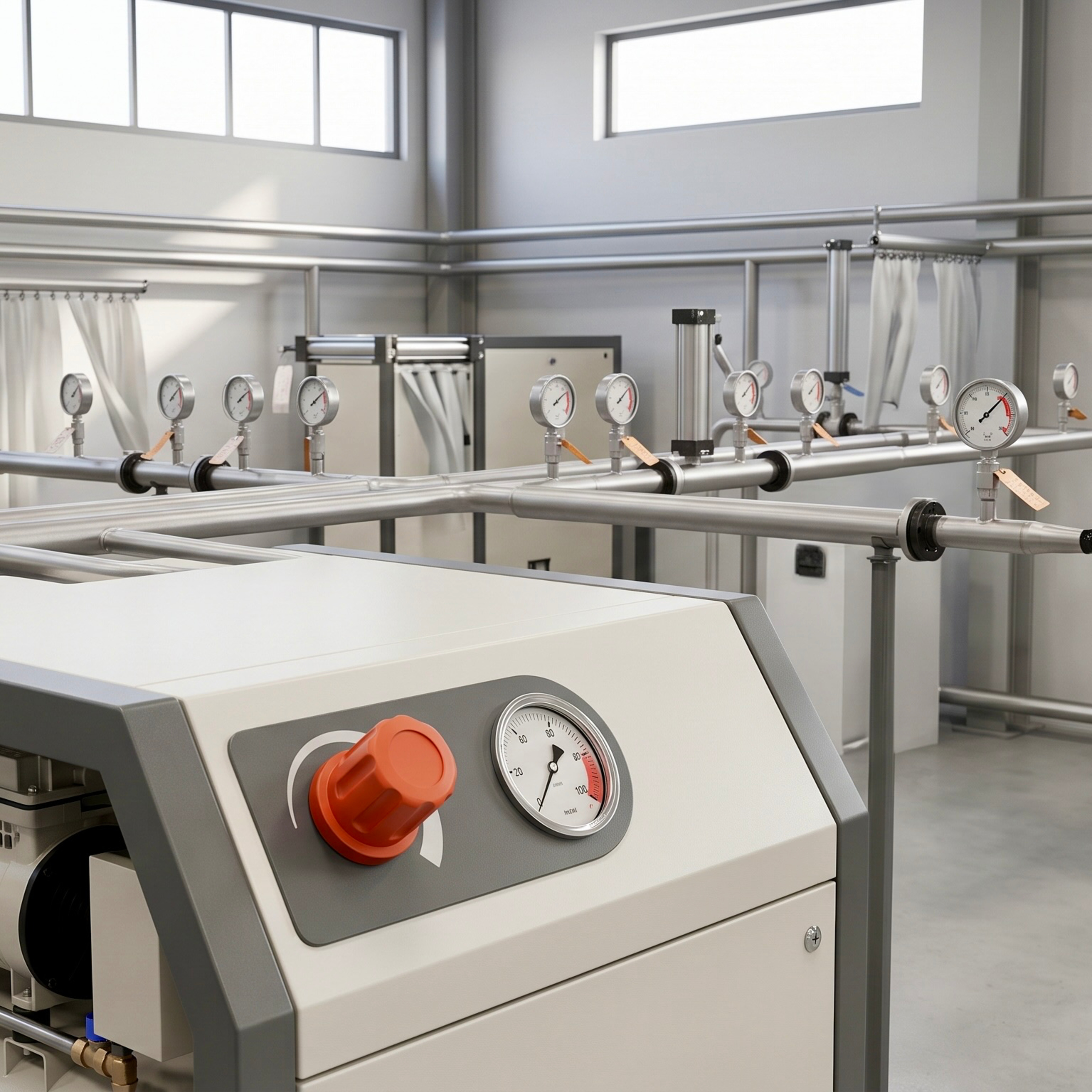
    One pneumatic application is underperforming. The compressor set point becomes the centre of attention. But is the system actually short of pressure, or is one section of the pressure path failing to deliver it? -------------------- In this episode we explore a recurring maintenance pattern highlighted by DOE compressed-air guidance: low or fluctuating end-use pressure is often misdiagnosed as inadequate compressor discharge pressure. The distinction sounds minor until a local problem receives a system-wide adjustment. -------------------- Using a practical Pressure-Path Diagnostic, we follow the route from symptom to measurement: • Detect the affected application • Verify its actual requirement • Measure pressure along the supply path • Compare readings under representative demand • Locate the significant pressure loss • Preserve the set point until the path is understood -------------------- We also discuss an uncomfortable industrial truth: successful adjustments can sometimes hide unsuccessful diagnoses. A higher set point may improve the symptom while leaving the mechanism unexplained. This episode does not provide a universal pressure setting, pressure-drop allowance or guaranteed improvement. The objective is simpler: learn how to ask a better question before changing a system that was never asked. -------------------- Field exercise: perform one two-point pressure measurement before the next set-point increase. Because not every pressure complaint belongs to the compressor. -------------------- Stay Tuned… Regards, Top Voice Maido & Kon'nichiwa min'na! 👶🏻🧑🏻‍🦱👩🏻‍🦳 Wie Geht's guys? Mir geht's gut!!! ✌️🤘🙌 #CompressedAir #IndustrialEfficiency #MaintenanceEngineering #FieldNotes

  • S1 · E1
    August 17 · 51 min

    The Audible Loss Method | What if the leak is not noise, but an ownerless task?

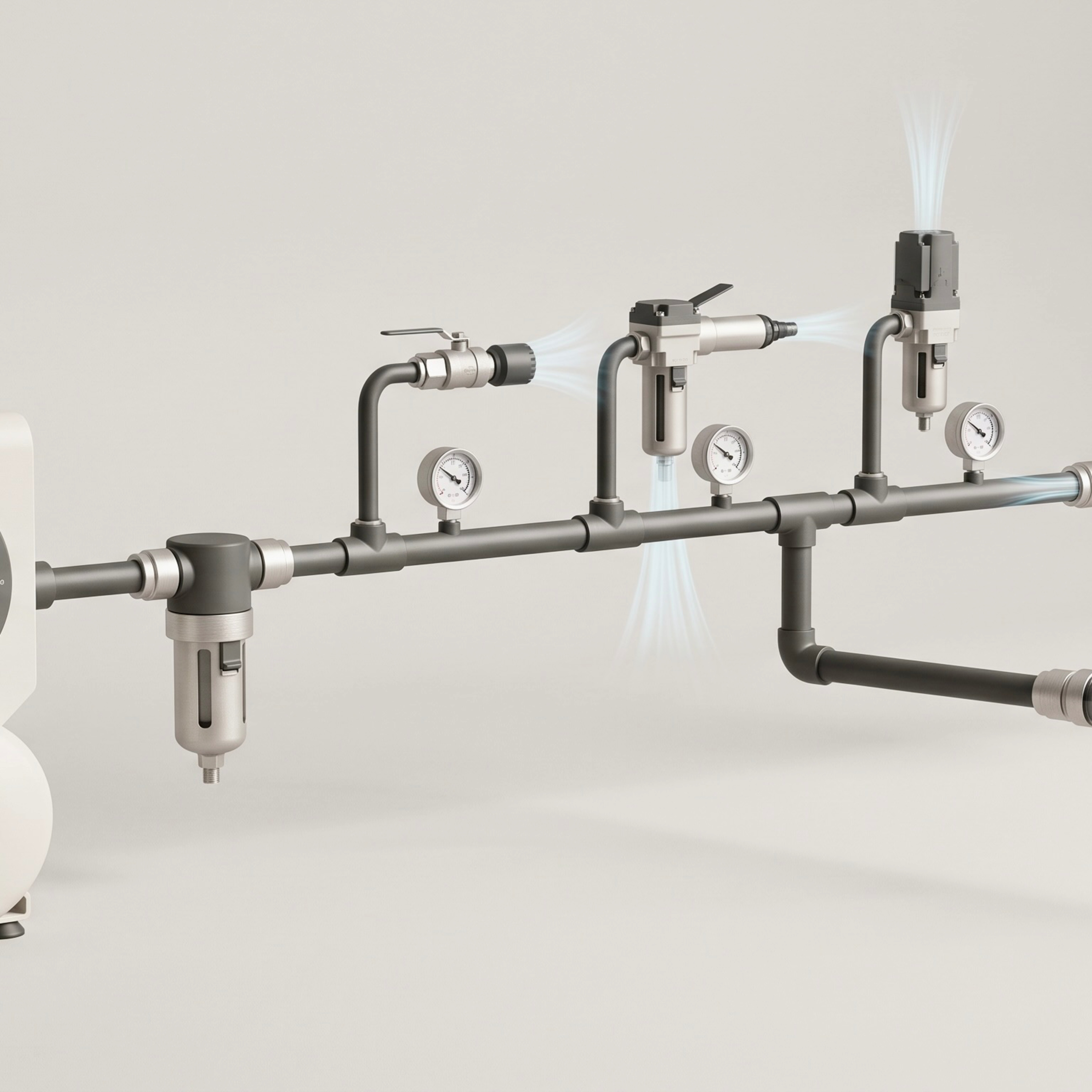
    In this episode of Machines With a Human Purpose, we examine a factory problem that often hides in plain sound: compressed-air leakage. -------------------- The U.S. Department of Energy describes leaks as a significant source of wasted energy and recommends a prevention program built around identification and tagging, tracking, repair, verification and employee involvement. Source : https://www.energy.gov/sites/prod/files/2014/05/f16/compressed_air3.pdf -------------------- We translate that guidance into The Audible Loss Method: Detect. Tag. Track. Repair. Verify. Involve. -------------------- It is a practical way to stop treating a hiss as part of the factory soundtrack and start treating it as an owned maintenance signal. Because a leak can be heard by everyone, reported by someone and still remain comfortably “in progress.” -------------------- No invented miracle savings. No heroic shutdown story. Just field awareness, clear ownership and one useful question for the next floor walk:- After the leak is heard, who owns the next action? -------------------- Stay Tuned… Regards, Top Voice Maido & Kon'nichiwa min'na! 👶🏻🧑🏻‍🦱👩🏻‍🦳 Wie Geht's guys? Mir geht's gut!!! ✌️🤘🙌 #IndustrialMaintenance #EnergyEfficiency #CompressedAir #FactoryOperations #MachinesWithAHumanPurpose

  • S1 · E1
    August 16 · 42 min

    A Workaround Is an Unpaid Process Designer | When a Workaround Hides the Real Process

    A process may appear reliable because an operator is quietly compensating for poor layout, unreliable information or an awkward sequence. --------------------- In this episode, Machines With a Human Purpose examines the difference between a process that works by design and one that works because someone has learned how to rescue it. --------------------- The central observation question is simple: What do you do here that is not written down? --------------------- We consider how to record the answer without blaming the operator, why undocumented action deserves investigation and why a workaround should not automatically be celebrated, formalised or condemned. --------------------- For engineers, creators and curious minds exploring technology through one essential question: not only what can we build, but what should we build? --------------------- Stay Tuned… Regards, Top Voice Maido & Kon'nichiwa min'na! 👶🏻🧑🏻‍🦱👩🏻‍🦳 Wie Geht's guys? Mir geht's gut!!! ✌️🤘🙌 #IndustrialEngineering #ProcessDesign #HumanCenteredDesign #Automation

  • S1 · E1
    August 15 · 36 min

    The Buffer That Forgot Why It Existed | How temporary inventory quietly becomes part of the operating system

    A supplier failed. A machine became unreliable. Demand briefly changed. Extra inventory was introduced as a temporary safeguard. ---------------------------------------------- The original problem eventually disappeared, but the buffer stayed. It gained a location, a replenishment rule and the unmistakable confidence of something nobody remembers approving. ---------------------------------------------- In this field note, we examine how temporary countermeasures become permanent operating costs and introduce a low-cost response: Give every buffer an owner Record the reason it exists Set a review date Define an exit condition This is not an argument for removing inventory blindly. It is an invitation to ensure that no buffer outlives its purpose by accident. We explore mechanical design, industrial automation, collaborative robotics, AI and bioprinting through one essential question: not only what can we build, but what should we build? ---------------------------------------------- Find one buffer in your operation and ask: What condition would allow this inventory to disappear? ---------------------------------------------- Stay Tuned… Regards, Top Voice Maido & Kon'nichiwa min'na! 👶🏻🧑🏻‍🦱👩🏻‍🦳 Wie Geht's guys? Mir geht's gut!!! ✌️🤘🙌 #MachinesWithAHumanPurpose #LeanManufacturing #IndustrialAutomation #InventoryManagement #Engineering #OperationalExcellence #ContinuousImprovement

  • S1 · E1
    August 14 · 41 min

    FIELD NOTE #015: When “Urgent” Work Makes Everything Late

    One urgent job enters the workflow. Priorities change, setups stop, people switch context and unfinished work begins collecting quietly. Then another urgent job arrives. ----------------- In this episode, the Quiet Architect examines how constant expediting can reduce completion reliability even while everyone appears exceptionally busy. ----------------- You will learn: why priority instability behaves like a hidden bottleneck how unfinished work grows when jobs repeatedly overtake one another how to introduce a visible frozen priority window the one question every exception should answer which simple indicators can reveal whether stability is improving ----------------- Practical question: If this urgent job moves forward, which existing commitment moves back? For the companion template and field notes, see the episode resources. ----------------- Stay Tuned… Regards, Top Voice Maido & Kon'nichiwa min'na! 👶🏻🧑🏻‍🦱👩🏻‍🦳 Wie Geht's guys? Mir geht's gut!!! ✌️🤘🙌 #OperationsManagement #ProcessImprovement #Workflow #Leadership #QuietArchitect

  • S1 · E1
    August 13 · 27 min

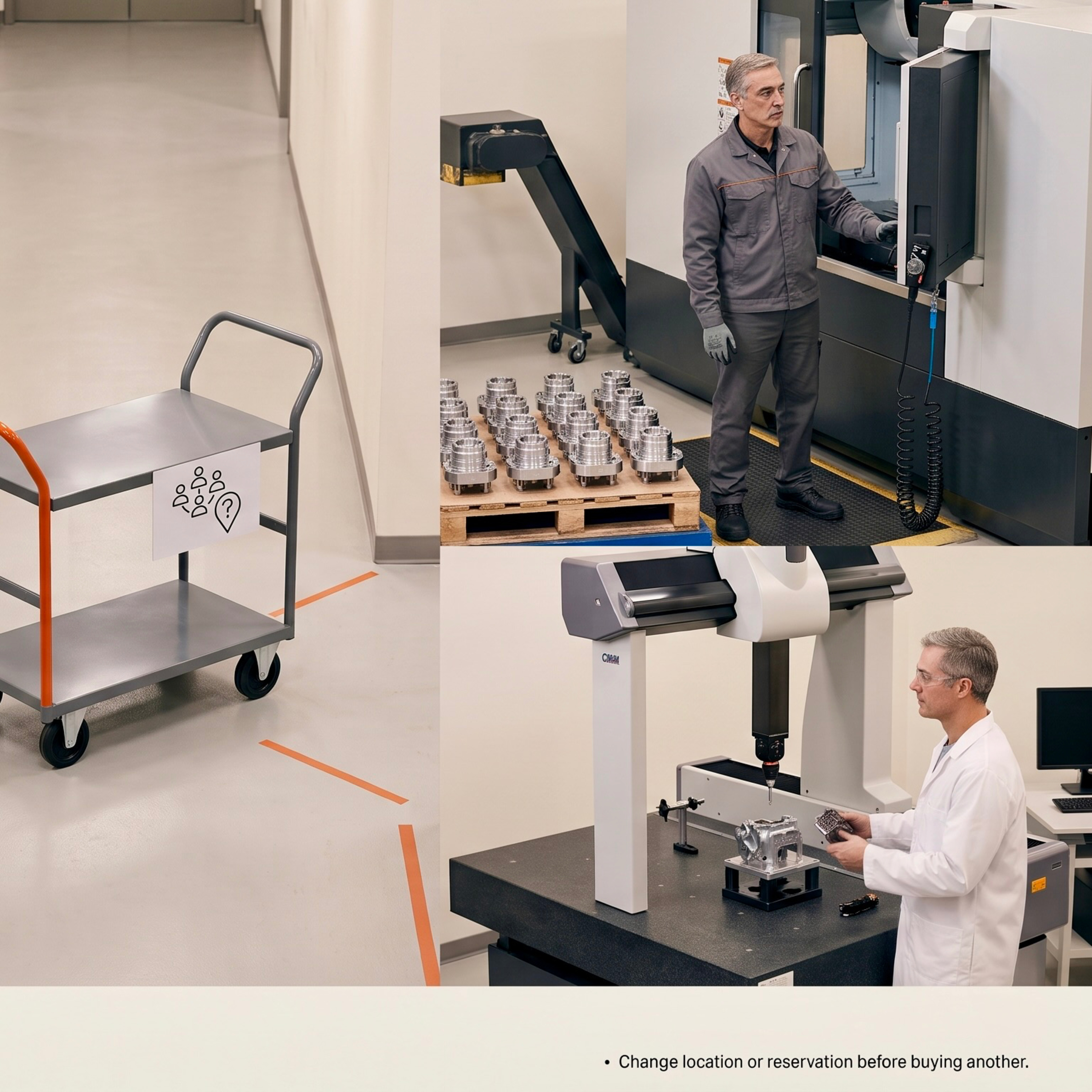
    The Costliest Tool May Be the One Shared by Everyone

    A modest gauge, trolley, scanner or lifting device can constrain several processes when their demand overlaps. ---------------------------------------------- This episode explains how to map shared-resource demand, improve location and introduce a simple reservation method before deciding whether another unit is genuinely necessary. ---------------------------------------------- Stay Tuned… Regards, Top Voice Maido & Kon'nichiwa min'na! 👶🏻🧑🏻‍🦱👩🏻‍🦳 Wie Geht's guys? Mir geht's gut!!! ✌️🤘🙌 #FieldNotes #Manufacturing #LeanManufacturing #OperationalExcellence #IndustrialEngineering

  • S1 · E1
    August 12 · 46 min

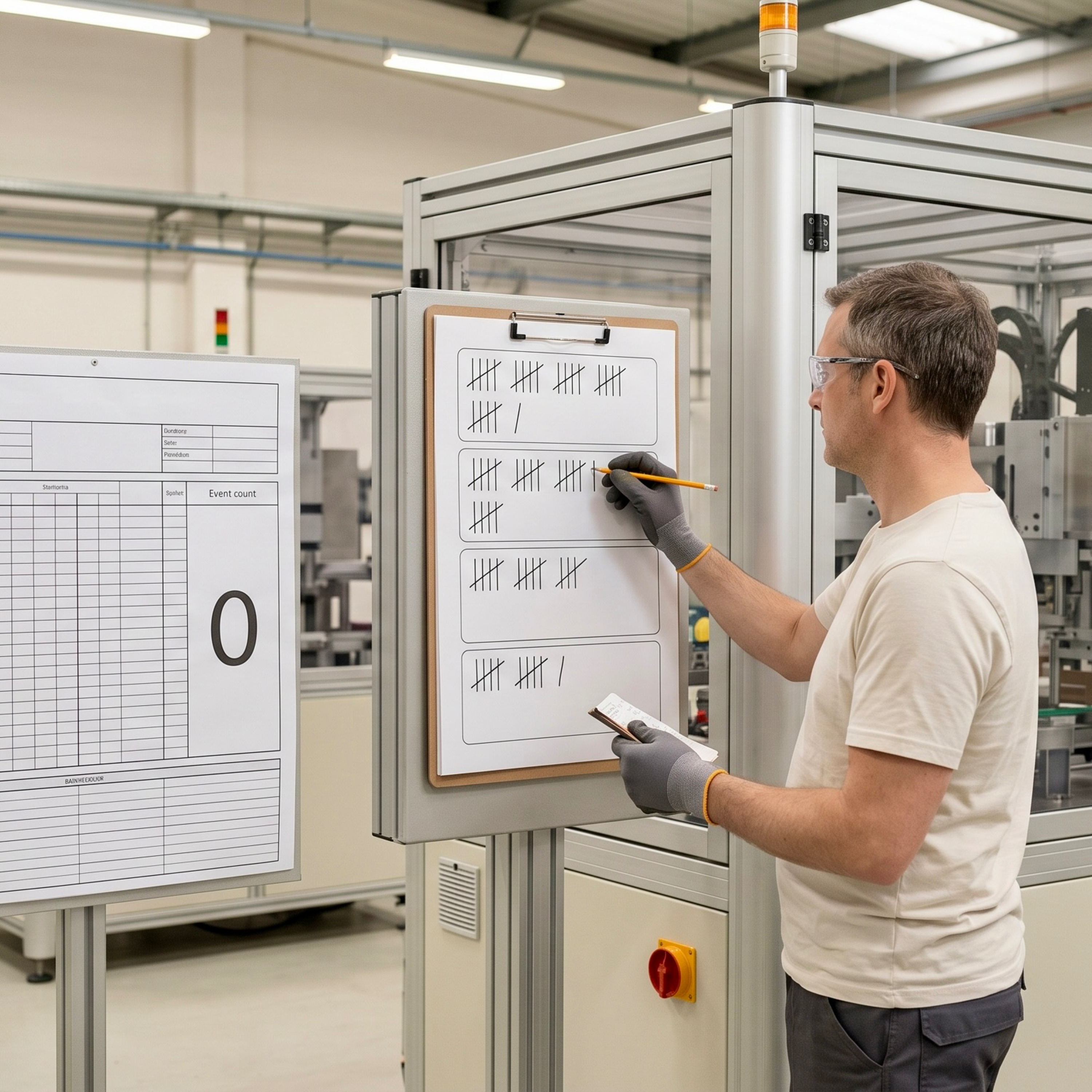
    FIELD NOTE #013: Why Small Stops Disappear From Big Reports

    Brief jams, sensor resets and material adjustments may seem too minor to report, yet repeatedly interrupt production flow. ---------------------------------------------- This episode explains how a simple machine-side tick sheet can reveal recurring causes without asking operators to calculate downtime while restoring the process. ---------------------------------------------- Stay Tuned… Regards, Top Voice Maido & Kon'nichiwa min'na! 👶🏻🧑🏻‍🦱👩🏻‍🦳 Wie Geht's guys? Mir geht's gut!!! ✌️🤘🙌 #FieldNote013 #Manufacturing #OperationalExcellence #LeanManufacturing #ContinuousImprovement #IndustrialEngineering

Showing 1–20 of 39 episodes