Skip to content
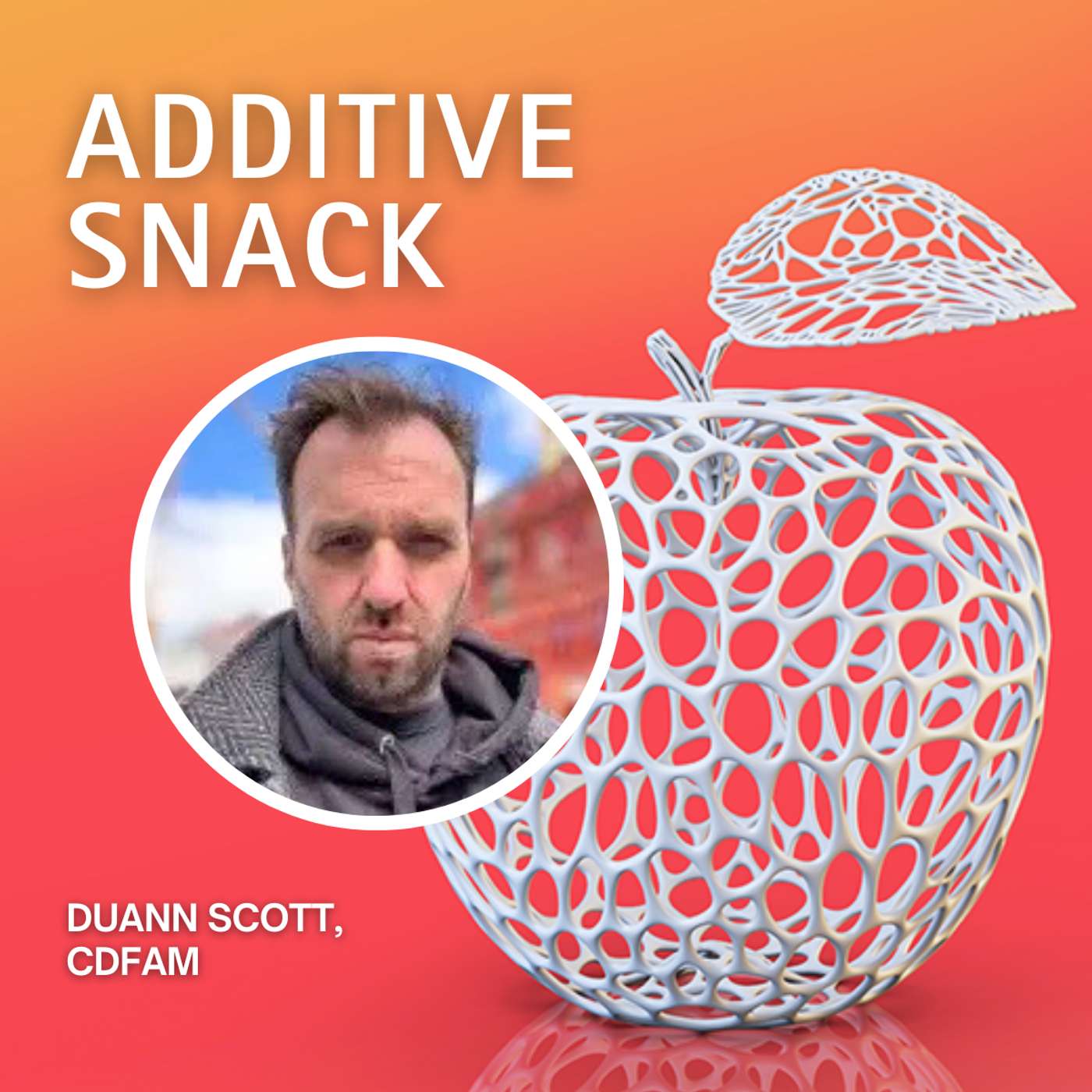
Artwork for Additive Snack
Additive Snack · March 4 · 56 min

AI Update in Additive Manufacturing: Design, Process, Workforce and Industry impact

Fabian Alefeld hosts Duann Scott on the Editor Snack podcast to discuss how AI is evolving in additive manufacturing, moving from “AI-washing” and impractical text-to-mesh hype toward more capable tools using language models, visual language models, surrogate models, and emerging foundational models. Scott describes testing tools by trying to make them fail and highlights a recent success with the Raven plugin for Rhino/Grasshopper, which generated a parametric VESA mount and tripod adapter from minimal prompts, then iteratively added fillets and an isogrid structure and produced a printable part within hours. They discuss constraints like missing engineering training data and design intent, the promise of AI for toolpath and process optimization (including transfer of parameter knowledge across materials), and the role of the 3MF format in capturing toolpath and metadata to enable richer, searchable datasets. Scott previews CDFAM events in Barcelona, DC, and Tokyo and emphasizes that progress requires significant data work and investment. 00:00 Welcome and Guest Intro 02:18 AI Hype to Real Progress 04:13 Testing AI Design Tools 04:46 Data Gaps and Design Intent 07:15 Two Paths for AI Design 10:15 Raven Grasshopper Breakthrough 13:17 Pushing Parametric Complexity 20:28 Limits of Black Box Optimization 22:40 Toolpath and Material Transfer 26:18 Alloy Discovery and Qualification 28:05 3MF Role Teaser 28:18 3MF Format Overview 29:17 Smarter Toolpath Extensions 32:31 Metadata for AI Training 35:43 Data Ownership and Synthetic Data 39:59 AI Impact on Additive 44:10 Workforce and Reshoring 47:22 What Is CDFAM 49:49 CDFAM Audience and Format 51:43 DC Event and Government 54:05 Wrap Up and Thanks

0:00-56:30

transcript

No transcript — this publisher did not publish one.

show notes

Fabian Alefeld hosts Duann Scott on the Editor Snack podcast to discuss how AI is evolving in additive manufacturing, moving from “AI-washing” and impractical text-to-mesh hype toward more capable tools using language models, visual language models, surrogate models, and emerging foundational models. Scott describes testing tools by trying to make them fail and highlights a recent success with the Raven plugin for Rhino/Grasshopper, which generated a parametric VESA mount and tripod adapter from minimal prompts, then iteratively added fillets and an isogrid structure and produced a printable part within hours. They discuss constraints like missing engineering training data and design intent, the promise of AI for toolpath and process optimization (including transfer of parameter knowledge across materials), and the role of the 3MF format in capturing toolpath and metadata to enable richer, searchable datasets. Scott previews CDFAM events in Barcelona, DC, and Tokyo and emphasizes that progress requires significant data work and investment.


00:00 Welcome and Guest Intro


02:18 AI Hype to Real Progress


04:13 Testing AI Design Tools


04:46 Data Gaps and Design Intent


07:15 Two Paths for AI Design


10:15 Raven Grasshopper Breakthrough


13:17 Pushing Parametric Complexity


20:28 Limits of Black Box Optimization


22:40 Toolpath and Material Transfer


26:18 Alloy Discovery and Qualification


28:05 3MF Role Teaser


28:18 3MF Format Overview


29:17 Smarter Toolpath Extensions


32:31 Metadata for AI Training


35:43 Data Ownership and Synthetic Data


39:59 AI Impact on Additive


44:10 Workforce and Reshoring


47:22 What Is CDFAM


49:49 CDFAM Audience and Format


51:43 DC Event and Government


54:05 Wrap Up and Thanks