Skip to content
Artwork for Additive Snack
Additive Snack · August 18 · 49 min

AI Is Getting Hot: Can Additive Manufacturing Help Cool It Down?

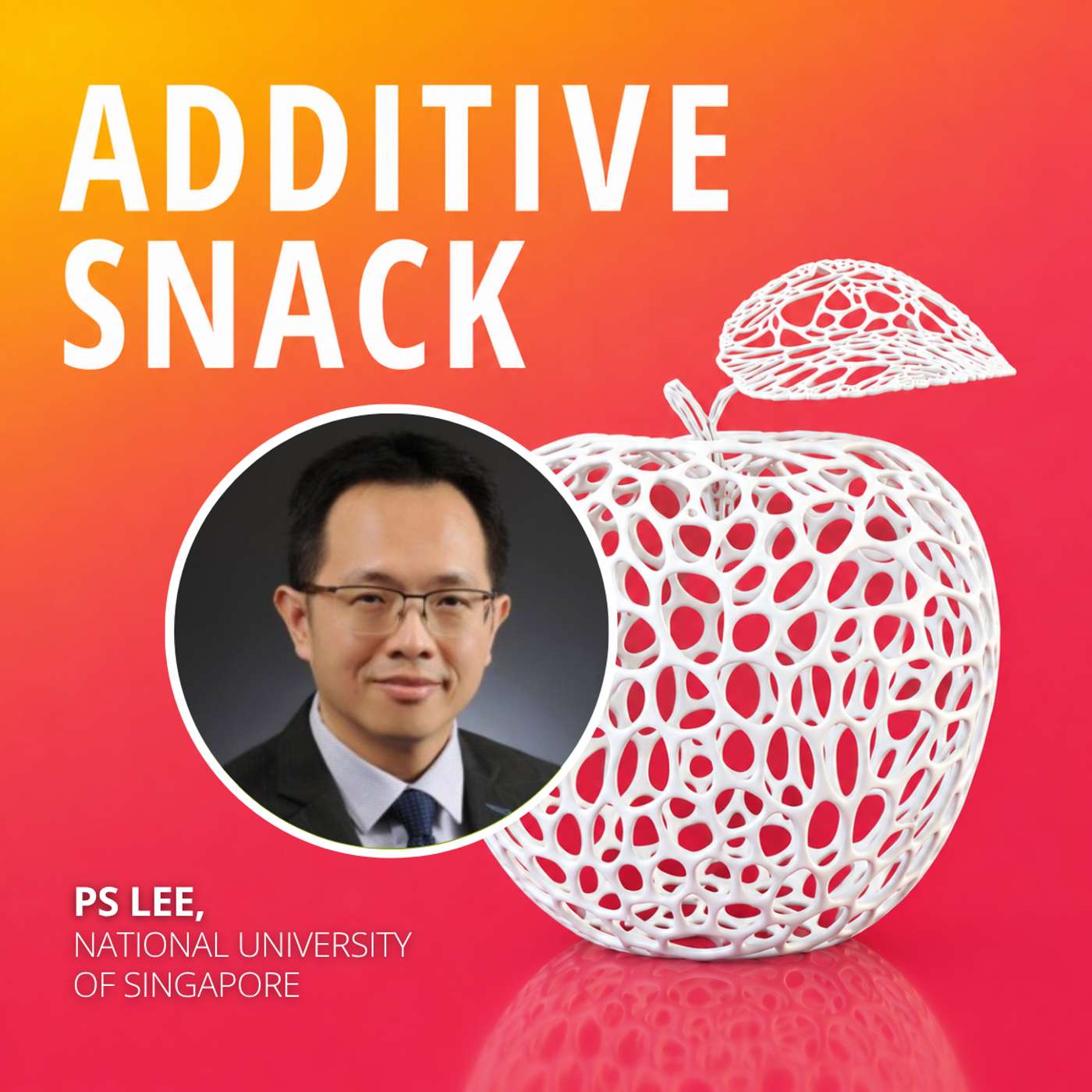
Host Fabian Alefeld interviews Professor PS Lee, Head of National University of Singapore Mechanical Engineering & Program Director of STDCT, and founder of CoolestDC, about heat as a key constraint in AI infrastructure as data centers shift from CPU-heavy to GPU-dense systems with higher power density, hotspots, and bursty workloads. Lee explains why cooling must be treated as an integrated “chip to grid” system spanning cold plates, racks, CDUs, piping, controls, and operations, and discusses single-phase versus two-phase direct-to-chip liquid cooling and the added need for condensation in closed loops. Professor Lee describes how additive manufacturing (AM) enables complex fin structures and unibody cold plates that reduce leakage risk, lower junction temperatures (~10°C), cut pumping power (60–70%+), and reduce material use, while requiring TCO evaluation. At NUS’s live testbed (22 liquid-cooled racks, ~500 kW), AM cold plates are being deployed and show promising thermal, power, and compute-performance improvements; future work includes two-phase cooling and broader system-level heat rejection, warm-water operation, and waste-heat reuse, plus a discussion of challenges and potential AM roles in space-based data centers. 02:13 Meet Professor Lee 05:26 Chip To Grid Cooling 10:22 Liquid Cooling Maturity 14:15 Two Phase Explained 18:12 Cold Plate Tradeoffs 20:40 AM Unibody Cold Plates 24:41 Benchmarking AM Gains 30:18 AM For CDUs 34:13 Inside STDC Testbed 38:09 Reliability And Leakage 39:00 Next Phase Roadmap 42:31 Orbital Data Centers

0:00-49:46

transcript

No transcript — this publisher did not publish one.

show notes

Host Fabian Alefeld interviews Professor PS Lee, Head of National University of Singapore Mechanical Engineering & Program Director of STDCT, and founder of CoolestDC, about heat as a key constraint in AI infrastructure as data centers shift from CPU-heavy to GPU-dense systems with higher power density, hotspots, and bursty workloads. Lee explains why cooling must be treated as an integrated “chip to grid” system spanning cold plates, racks, CDUs, piping, controls, and operations, and discusses single-phase versus two-phase direct-to-chip liquid cooling and the added need for condensation in closed loops.  

Professor Lee describes how additive manufacturing (AM) enables complex fin structures and unibody cold plates that reduce leakage risk, lower junction temperatures (~10°C), cut pumping power (60–70%+), and reduce material use, while requiring TCO evaluation. At NUS’s live testbed (22 liquid-cooled racks, ~500 kW), AM cold plates are being deployed and show promising thermal, power, and compute-performance improvements; future work includes two-phase cooling and broader system-level heat rejection, warm-water operation, and waste-heat reuse, plus a discussion of challenges and potential AM roles in space-based data centers. 

02:13 Meet Professor Lee 

05:26 Chip To Grid Cooling 

10:22 Liquid Cooling Maturity 

14:15 Two Phase Explained 

18:12 Cold Plate Tradeoffs 

20:40 AM Unibody Cold Plates 

24:41 Benchmarking AM Gains 

30:18 AM For CDUs 

34:13 Inside STDC Testbed 

38:09 Reliability And Leakage 

39:00 Next Phase Roadmap 

42:31 Orbital Data Centers