Skip to content
Artwork for Adapting Together
Kids & FamilyParenting

Adapting Together

Carmen Loke, Gan Xin Yi and Kevin Neoh

Adapting Together is a Malaysian podcast dedicated to raising awareness about autism and supporting families on this journey. It’s designed for parents, caregivers, educators, and the broader community to access reliable, local, and compassionate information about autism.

Play
  • 25 episodes
  • fortnightly
  • Avg 47 min
  • English
Counted on this page — what you have heard stays on this device, so it is not something the list can be paged by.
  • S1 · E42
    Saturday · 53 min

    EP 42: 当父母需要在工作与照顾孩子之间做选择 | When Parents Must Choose Between Work and Caring for Their Child

    This is another episode that is recorded in Mandarin. For parents raising a child with additional needs, stepping away from work can bring difficult questions about money, caregiving and their own future. In this episode, financial planner and fellow parent Kevin explores how to prepare financially, consider flexible alternatives, and make room for parents’ own wellbeing alongside their child’s needs. Whether you continue working or take a career break, the aim is to find an arrangement that supports your whole family. 💬 Have you considered taking a career break to care for your child? Share your thoughts and experiences in the comments. 🤝 Share this episode with a parent who may be facing a similar decision. 📩 Have a story to share or a topic you would like us to explore? Email us at adaptingtogetherpodcast@gmail.com. We would love to hear from you. 「我想多一点时间陪孩子,但如果不工作,家里的开销和孩子的治疗费用怎么办?」 对于养育有特殊需要孩子的父母来说,这可能是一个反复思考、却不容易回答的问题。继续工作,担心陪伴不够;暂时放下工作,又担心经济压力、职业发展,以及失去自己的生活重心。 这一集,我们和身为财务规划师、也是自闭症孩子爸爸的 Kevin,一起聊聊这个选择背后的现实与挣扎。从厘清自己真正需要的是什么,到盘点家庭开销与财务资源,再到夫妻之间的沟通,探讨如何为这个重要决定做好准备。 每个家庭的情况都不一样,继续工作或暂时停下来,都不代表你对孩子的爱比较多或比较少。希望这一集能陪你整理思绪,一步一步找到适合自己、孩子和整个家庭的方向。 💬 你是否也曾考虑过,为了陪伴孩子而暂时放下工作?或者,你找到了兼顾工作与家庭的方式?欢迎留言,和我们分享你的想法与经历。 🤝 如果你身边也有正在面对这个选择的父母,欢迎把这一集分享给他们,让他们知道,这份挣扎并不孤单。 📩 有想听我们讨论的话题,或想与我们分享你的故事?欢迎电邮至:adaptingtogetherpodcast@gmail.com 我们很期待听见你的声音。
  • October 17 · 21 min

    EP41: Growing Up With Autism - Clarance's Story

    What is it like growing up on the autism spectrum? And what can we learn when we take the time to listen to autistic individuals themselves? In this special episode of Adapting Together, Carmen sits down with Clarance, a 28-year-old autistic adult, as he shares his personal journey from childhood to adulthood. From experiencing communication difficulties and bullying in school to discovering his passion for languages, illustration, and comic books, Clarance opens up about the challenges he has faced, the support he has received from his family, and his dreams for the future. Through his story, we are reminded that every individual has unique strengths, interests, feelings, and aspirations that deserve to be understood and valued. Whether you are a parent, educator, therapist, or simply someone who wants to better understand autism, we hope this conversation encourages you to listen, reflect, and see beyond the diagnosis. 🎧 Tune in and hear Clarence's story, in his own words.

  • October 3 · 52 min

    EP 40: 💊 自闭症需要吃药吗?听听医生怎么说 | Does Autism Require Medication? Let Us Hear from a Doctor

    When medication is suggested for your child, it is natural to have questions and worries. In this episode, our guest paediatrician discusses when medication may help, possible side effects, and why ongoing support and follow-up matter. Kevin also shares his concerns as a parent and how conversations with his son’s doctor helped him understand the options. We hope this conversation helps families ask questions and make informed decisions together with their child’s doctor. This episode is recorded in Mandarin. For a discussion in English, listen to Episode 33 featuring Dr Ranjini. 清楚了解药物治疗 「医生建议孩子用药,我应该答应吗?」 听到“药物治疗”,许多家长首先想到的,是副作用、孩子的成长,以及一旦开始,是不是就要一直吃下去。面对这些担忧,我们需要的是更清楚的理解,以及可以安心提问的空间。 这一集《Adapting Together》,我们继续邀请儿科廖慧汶医生与我们聊聊自闭症孩子在同时面对注意力不足过动症(ADHD)、睡眠困难或自伤、攻击行为时,药物可能扮演什么角色。 本集讨论: • 药物针对的是什么?自闭症的核心特征与共存问题有什么不同? • 什么时候值得与医生讨论药物治疗?孩子的学习、关系和家庭生活为何都是考虑因素? • 开始用药后,为什么仍然需要行为支持、环境调整和生活技能训练? • 家长可以怎样观察食欲、睡眠、情绪与日常表现,并向医生反馈? • 为什么用药初期可能需要更频密的复诊? 药物治疗的决定,需要医生与家长共同讨论。家长可以提出疑问、表达担忧,也可以要求更多解释和时间,理解预期的帮助、可能的风险,以及接下来如何观察和跟进。 如果你或身边的家长正在面对这样的选择,希望这一集能帮助你整理问题,让下一次与医生的对话更清楚、更踏实。欢迎把节目分享给有需要的家庭。 廖慧汶医生也在上一集 (EP39)和我们分享和探讨自闭症和过动症共病的情况。 节目声明 本节目分享个人经历及专业观点,仅供教育与参考,不能替代个别医疗评估、诊断或治疗建议。每个孩子的情况与药物反应都不同。开始、调整或停止任何药物前,请与负责孩子治疗的医生讨论。

  • S1 · E39
    September 19 · 1 hr 3 min

    EP 39: 当孩子可能同时患自闭症+注意力不足过动症ASD+ADHD When a Child May Have Both Autism and ADHD (ASD + ADHD)

    This episode is conducted in Mandarin. What happens when a child has both Autism Spectrum Disorder (ASD) and Attention Deficit Hyperactivity Disorder (ADHD)? In this episode, we welcome back paediatrician Dr Annie Liau to help us understand how ASD and ADHD can co-exist, how they may affect a child’s learning, emotions and daily life, and what parents can do to support them. We also discuss practical strategies such as building routines, breaking tasks into smaller steps, allowing movement breaks, using specific praise, and helping a child regulate during a meltdown. Most importantly, there is no one-size-fits-all approach. Every child and every family is different, and support should be adapted to their individual needs. 这一集,我们再次以华语 / Mandarin进行。 如果孩子已经被诊断为自闭症(ASD),后来又发现有注意力不足过动症(ADHD)的特征,家长可能会疑惑:为什么两个情况会同时出现?这又会怎样影响孩子的学习、情绪和日常生活? 这一集,我们再次邀请儿科医生 Dr Annie Liau 廖慧汶医生,一起谈谈 ASD 与 ADHD 的分别、两者同时出现时可能面对的挑战,以及家长可以怎样在日常生活中给予更适合的支持。 我们也聊到一些实际方法,包括建立规律、把任务拆小、安排适当的休息和运动、具体地称赞孩子,以及在孩子情绪崩溃时,如何减少刺激、先帮助他们平静下来。 最重要的是,没有一种方法适合所有孩子。理解孩子真正的需要,才能找到适合他们和整个家庭的方式。 Resource: 联络Dr Annie's Facebook Book by Dr. Khurram Sadiq on AuDHD 王意中心理师关于AuDHD书籍

  • September 5 · 35 min

    EP38: Understanding Hippotherapy

    🐴 Understanding Hippotherapy In this episode of Adapting Together Podcast, we visit Happy Farms and sit down with Dr. Dev, co-founder of Happy Farm Psychotherapy Malaysia, to explore the world of hippotherapy. Hippotherapy is much more than simply riding a horse. Dr. Dev shares how the movement of a horse can be incorporated into therapy to provide postural and sensory-motor challenges, and explains how sessions are adapted according to each individual’s needs. We also talk about: 🐎 What hippotherapy actually looks like 🧠 The connection between movement, body awareness and development 👧 Who may benefit—and when hippotherapy may not be suitable ❤️ Helping children who are initially afraid of horses 👨‍👩‍👧 Why parents continue to play an important role outside therapy 🌱 The importance of keeping an open mind when exploring support for your child One message from this conversation particularly stands out: therapy is only one part of a child’s life. Meaningful time, interaction and connection with parents are things that cannot simply be outsourced. 🎧 Tune in to learn more about hippotherapy and hear Dr. Dev’s experiences working with children and families at Happy Farms. If you find this episode helpful, share it with another parent, caregiver or professional who may benefit from the conversation.

  • S1 · E37
    August 22 · 54 min

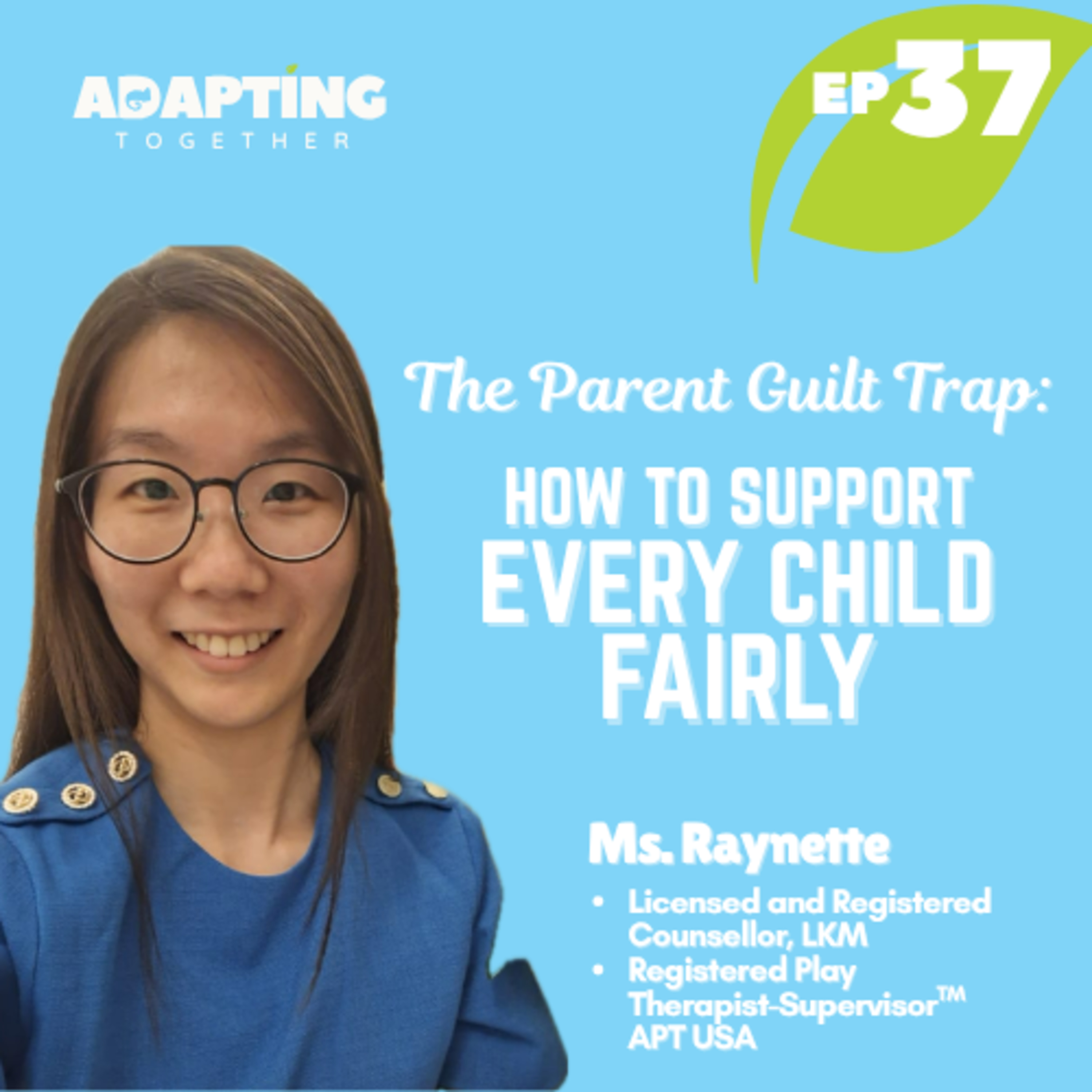
    EP 37: The Parents Guilt Trap - How to Support Every Child Fairly

    This conversation explores the often overlooked experience of siblings growing up alongside a neurodivergent child. Join Co-host Carmen, Kevin, and guest Ms. Raynette Soon, a Registered Play Therapist-Supervisor TM, as they discuss on the emotional impact on siblings, the signs parents may miss, and practical ways to respond with more connection and less guilt. Raynette shares how a systemic family lens helps parents see that every child in the household needs support, even when one child requires more care. This episode offers clear language, simple frameworks, and examples parents can use right away. Resource: ⁠Connect with Raynette⁠

  • S1 · E36
    August 8 · 49 min

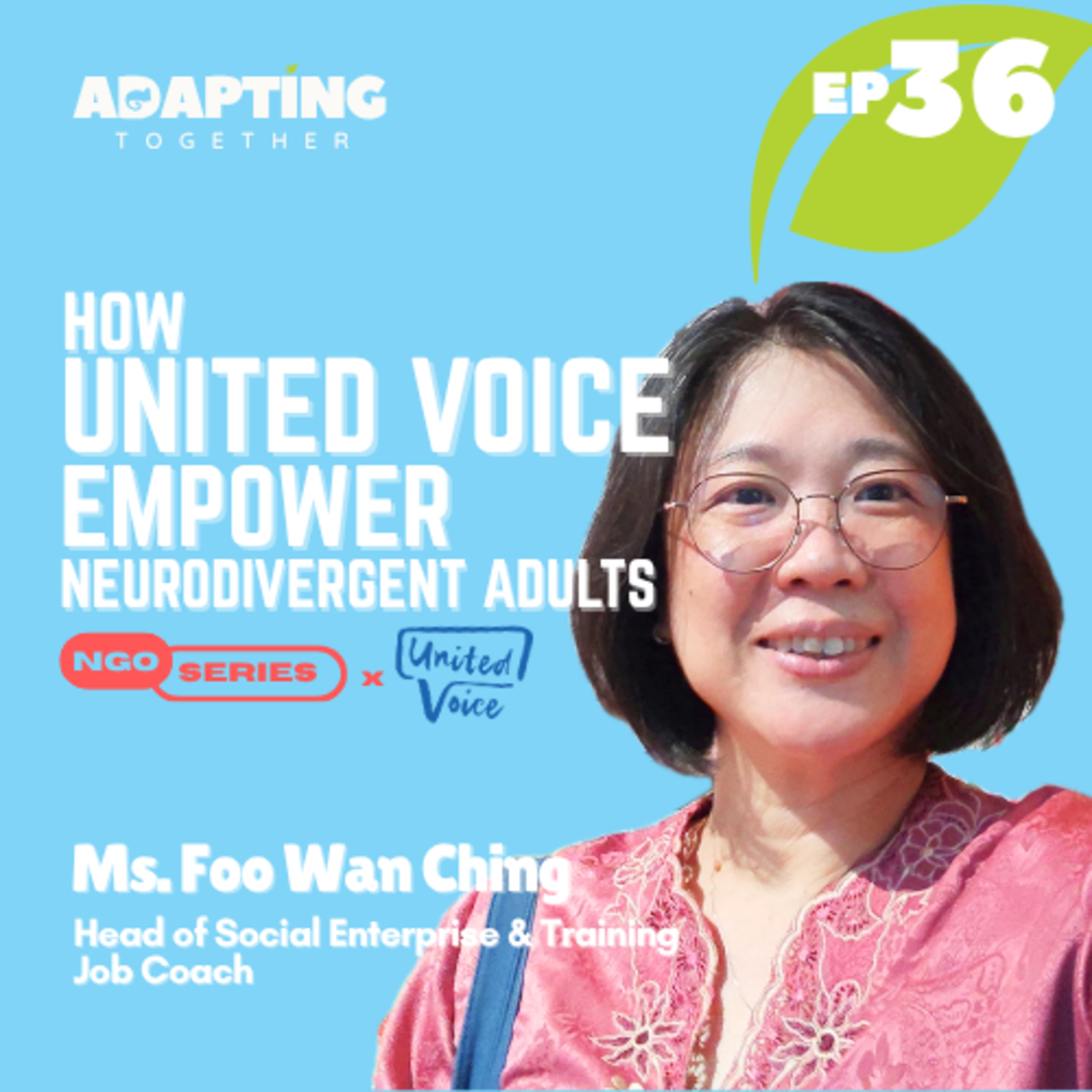
    EP36: How United Voice Empower Neurodivergent Adults

    In this first episode of our NGO Series, we sit down with Wan Ching, Head of Social Enterprise, Training & Job Coaching at Malaysia United Voice (UV)—Malaysia's first self-advocacy society led by adults with learning disabilities. Together, we explore what adulthood can look like for neurodivergent individuals and why preparing for adulthood starts much earlier than many families realize. In this episode, we discuss: 🎙️ What Malaysia United Voice does and its mission 💼 Employment opportunities and job coaching for adults with learning disabilities 🗣️ The importance of self-advocacy and independent living 🤝 Challenges families, employers, and communities face during the transition to adulthood 🌱 Practical advice for parents to prepare their children from a young age ✨ Inspiring stories of adults with learning disabilities speaking up, finding employment, and creating meaningful change If you'd like to support Malaysia United Voice through volunteering, donations, employment opportunities, or other contributions, please visit:🌐 Website: https://www.unitedvoice.com.my✉️ Email: unitedvoiceinfo@gmail.com📘 Facebook: https://www.facebook.com/unitedvoicemalaysiaEvery contribution helps create a more inclusive community for adults with learning disabilities.

  • S1 · E35
    July 25 · 53 min

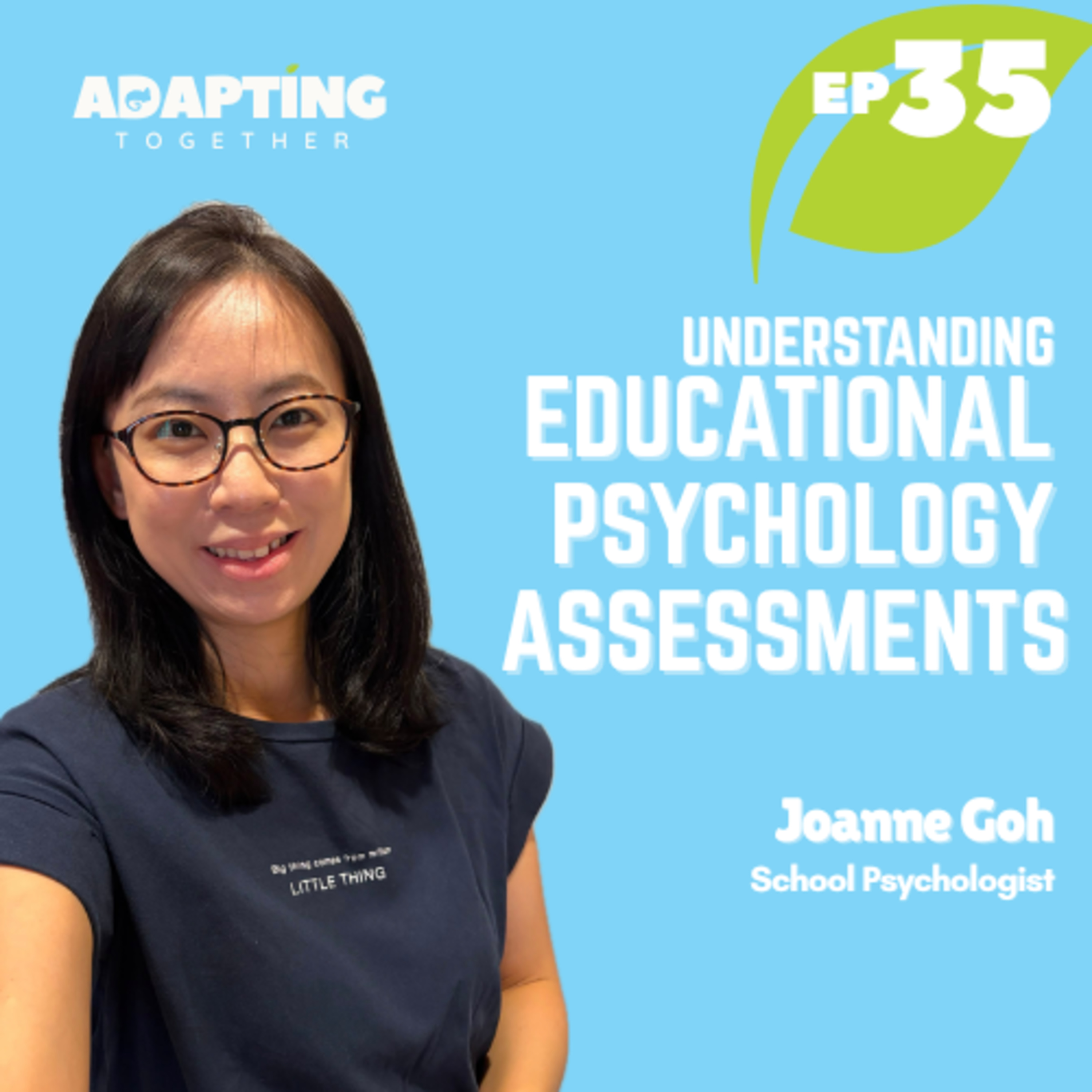
    EP 35: Understanding Educational Psychology Assessments

    Explore the importance of psychoeducational assessments in supporting children with learning and behavioral challenges. In this episode, Carmen and Kevin speaks with a School Psychologist, Joanne Goh to clarify common questions about the assessment process, what these evaluations reveal, and how they can positively shape a child’s educational journey. Educational psychology assessments are valuable tools for understanding a child’s learning profile and needs. When done well, they help families and educators move from uncertainty to clarity, and from concern to practical support. If you found this episode helpful, please follow or subscribe to Adapting Together so you won’t miss future conversations. If you know a parent, caregiver, teacher, or family member who may benefit from this episode, please share it with them. LinkedIn

  • S1 · E34
    July 11 · 41 min

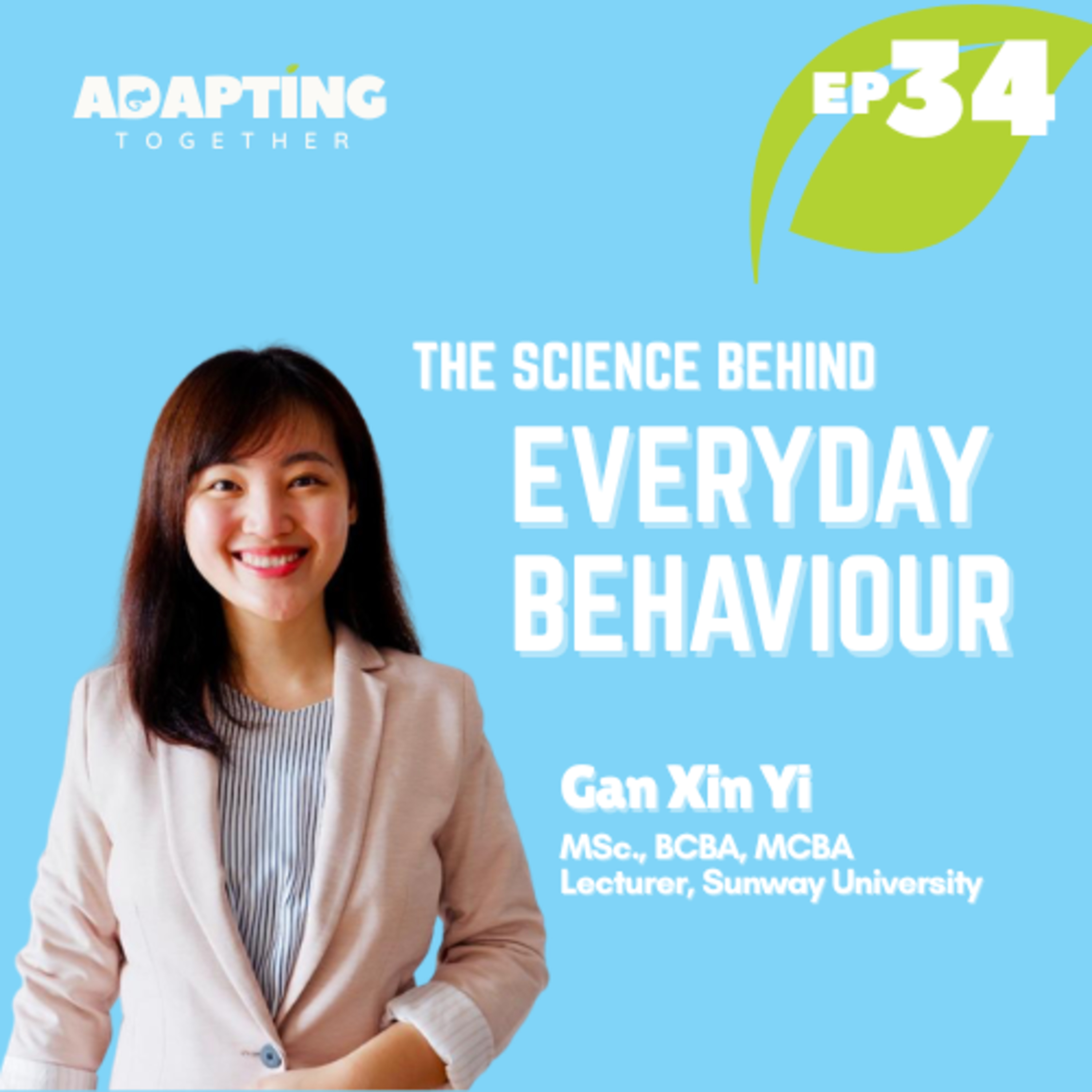
    EP 34: The Science Behind Everyday Behaviour

    Why does a child hit, scream, refuse an instruction, or suddenly melt down? Many of us instinctively focus on stopping the behaviour. But what if behaviour is actually communication? In this episode, Kevin speaks with Board Certified Behaviour Analyst (BCBA) Xin Yi to unpack the science behind everyday behaviour. Together, they explore why behaviour happens, how children learn from their environment, and why understanding the "why" behind a behaviour is often more important than simply trying to stop it. Whether you're a parent, caregiver, educator, or simply curious about Applied Behaviour Analysis (ABA), this conversation offers practical insights that can help you respond with greater understanding, curiosity, and confidence. In this episode, we discuss: Why behaviour is more than just "good" or "bad." The hidden reasons behind behaviours like hitting, tantrums, and meltdowns. How understanding the function of behaviour leads to better support and skill-building. The role of motivation, reinforcement, and teaching replacement behaviours. Common misconceptions about ABA and behaviour management. Every behaviour tells a story. When we learn to understand the message, we can better support the child behind it. If you found this episode helpful, we'd love your support. Follow or subscribe to Adapting Together so you won't miss future conversations. If you know another parent, caregiver, teacher, or family member who may benefit from this episode, please share it with them. We'd also love to hear from you. What topics would you like us to cover? What questions are you navigating in your autism journey? Leave us a comment, share your feedback, or email us at adaptingtogetherpodcast@gmail.com Your ideas and experiences help shape future episodes and support our growing community.

  • June 27 · 37 min

    EP 33: Autism and Medication

    💊 Should my child take medication for ADHD or autism?It's one of the most common and most emotional questions parents ask.In this episode, we sit down with Developmental Paediatrician Dr. Ragini to discuss the facts behind ADHD medication, including:• When should medication be considered?• How do stimulant and non-stimulant medications work?• What are the common side effects?• Is medication a lifelong commitment?• How can parents make an informed decision with their doctor?We also share real clinical experiences, common misconceptions, and practical guidance to help families weigh the benefits and risks with confidence.🎧 Listen now and empower yourself with evidence-based knowledge to make the best decision for your child.

  • S1 · E32
    June 13 · 40 min

    EP 32: Autism and ADHD

    In this episode, Kevin and Carmen are joined in Dr. Rajini's consultation room at ParkCity Medical Centre to explore two of the most commonly misunderstood areas in child development: Autism Spectrum Disorder (ASD) and Attention Deficit Hyperactivity Disorder (ADHD). Together with Dr. Rajini, we explore how ASD and ADHD can co-exist in children, how common this overlap is, and why it is often missed or misunderstood in early years. The discussion unpacks the similarities and differences between ASD and ADHD, and also touches on how diagnosis is not always a one-time label but an evolving understanding of a child’s developmental profile. The episode highlights practical considerations for parents and caregivers—especially around sleep, routine, nutrition, outdoor play, and behavioural strategies. 👩‍⚕️ Dr. Rajini's Profile and Appointment Page Got a question or topic you’d like us to cover? 📩 Drop us a message at ⁠adaptingtogetherpodcast@gmail.com ⁠. We'd love to hear from you.

  • S1 · E25
    May 30 · 52 min

    EP 31: Schooling Options Under The Ministry of Education Malaysia

    We know how challenging it can be to find the right educational path for your neurodivergent child. In this episode, we sit down with Dr. Shyielathy, a special education expert, who is an Academic Lecturer at the Institute of Teacher Education (Ipoh), to explore the schooling options available in Malaysia. How This Episode Can Be Insightful and Important: Understanding Options: Learn about the different programs and how they can meet your child's unique needs. Advocacy Tips: Discover how to effectively advocate for your child's rights and ensure they receive the support they deserve. Real-Life Insights: Hear stories and advice from Dr. Shy that resonate with your journey. Join us as we delve into practical strategies and insights to help you make informed decisions for your child's future. You're not alone in this journey, and together, we can create a supportive learning environment for your child. Resources: Dr. Shyielathy on LinkedIn Dr. Shyielathy Teaching IDEAS for Special Needs Dr. Shyielathy Facebook Page Related to Dasar Sifar Penolakan and Sukarelawan di dalam Kelas (SdK)

  • May 16 · 39 min

    EP 30: First Dental Visit

    A reminder for all of us: "Progress is not only about completing treatment, sometimes sitting comfortably on the chair is already a huge win" In this episode of Adapting Together Podcast, we sat down with Dr. Elaine Goh, a dentist and certified clinical hypnotherapist, to talk about how slowing down, building trust, and creating a safe environment can transform dental visits for children on the spectrum. We discussed: 🦷 How to prepare autistic children for dental visits 🦷 Reducing anxiety during appointments 🦷 The importance of early exposure and desensitization 🦷 What parents can do before, during, and after visits 🦷 Building trust instead of forcing compliance This episode is filled with practical strategies and heartfelt insights for families navigating dental care with autistic children. Whether you are a parent, caregiver, therapist, or educator, we hope this episode gives you practical ideas and reassurance that dental visits can become a safer and more positive experience over time.

    • Transcript
  • S1 · E29
    May 2 · 55 min

    EP 29: How Rock Climbing Supports Children with ASD

    In this episode of Adapting Together, we explore how rock climbing—specifically bouldering—can support children on the spectrum and how it could complement therapy. Joined by Dr. Cheryl, a former medical doctor turned climbing coach, we dive into how climbing helps children develop focus, body awareness, emotional regulation, and confidence—all through play-based activities. We also unpack common questions parents have: Does my child need any skills before starting? How do children handle fear and challenges on the wall? Can activities like climbing really support development? Through real stories and practical insights, this conversation highlights the importance of small wins, safe challenges, and allowing children the space to grow at their own pace. If you’ve ever wondered what your child might be good at—or how to support them beyond therapy—this episode offers a refreshing perspective. The episode ends with a peek of the safety briefing video and a 'tour' at the Batuu Kids gym . Appreciation to Batuu Climbing and Batuu Kids for providing the venue for this episode. Batuu is situated at 3 Damansara Mall, Jalan SS 20/27, Petaling Jaya, Selangor. Resources: More about Batuu Kids

    • Transcript
  • S1 · E28
    April 18 · 59 min

    EP 28: Supporting Social Skills in Children with Autism

    In this episode, Xin Yi and Kevin host Emma, a seasoned Speech Language Pathologist (Speech Therapist) to explore the intricacies of social skills in children with autism. Through engaging and interactive conversation, Emma highlights early signs, shares effective teaching strategies, and emphasizes the importance of understanding their unique social worlds. Her practical insights aim to nurture social development and foster meaningful peer interactions. In this episode: The core components of social skills: non-verbal communication, social-emotional reciprocity, and relationship building Early signs of social challenges in children with autism and how to recognize them The concept of joint attention: its significance and how to nurture it in children on the spectrum How theory of mind impacts social interactions and strategies to develop it The role of structured teaching programs like social thinking approaches and making social rules explicit Supporting children in preschool: understanding hidden rules and creating supportive peer environments Practical tips for parents and teachers: role play, reading social stories, and deliberate social opportunities

    • Transcript
  • S1 · E25
    April 4 · 1 hr 4 min

    EP 27: Bullying - Sign Every Parents Should Know

    This episode offers a comprehensive exploration of bullying, covering how it's defined, identified, and managed; particularly in the context of children with neurodivergent needs. With lively sharing from Registered Play Therapist and Counsellor, Ms. Raynette Soon, this episode offers parents and caregivers valuable, insightful information and practical tools for early recognition and intervention. What you will learn from this episode:- How to define bullying and its three core criteria- Types of bullying with examples and subtle distinctions - The vulnerability of neurodivergent children to bullying- Recognizing early warning signs- How to build assertiveness and boundary-setting skills- Differentiating normal social conflicts from unkind behaviors and bullying- Strategies parents and caregivers can adopt Connect with Raynette

    • Transcript
  • S1 · E26
    March 21 · 1 hr 2 min

    EP 26: Looking Back and Looking Forward

    26 bi-weekly episodes will translate into 52 weeks, equal to the first 1 Year Milestone! Join us as we celebrate a year of Adapting Together. In this special episode, Carmen, Xin Yi and Kevin reflects on the journey, sharing motivations, challenges, and memorable moments. Discover stories, feedbacks, future plans and how we've impacted the community. Main Topics Covered: Origins and motivations behind starting the podcast Key challenges faced in production and content creation Memorable episodes and impactful conversations Insights into future topics and expansion plans Audience feedback and community impact Have feedback? Welcome to reach out to us via our channels below: Email - adaptingtogetherpodcast@gmail.com Instagram - @AdaptingTogetherPodcast

    • Transcript
  • March 7 · 29 min

    EP 25: A Family's Journey From Shock to Strategy (Part 2)

    After a child’s diagnosis, therapy becomes part of daily life. Schedules get fuller. Commitments increase. And finances start to feel very real. In this episode of Adapting Together, we talk about: • What “financial stability” really means for families • Early warning signs your cash flow may be under pressure • Managing therapy costs alongside existing loans and commitments • Rising cost of living — and how to adapt without panic • Traditional budgeting vs a more realistic “spending plan” approach • How to adjust priorities without feeling like you’ve failed This conversation isn’t about being rich or poor. It’s about sustainability, awareness, and making intentional decisions for your family’s long-term wellbeing. If you’re feeling stretched but trying your best to make it work, this episode is for you. Listen now on Spotify & YouTube.

    • Transcript
  • S1 · E24
    February 21 · 27 min

    EP24: A Family's Journey From Shock to Strategy - Part 1

    Can We Afford This? The Real Cost of Autism Therapy After Diagnosis After an autism diagnosis, many parents are focused on understanding their child’s needs. But soon, another difficult question often follows, "Can we afford this?" In this episode of Adapting Together, we have a conversation with Kevin to explore the emotional and financial realities that families may face in the early stages after diagnosis. From initial speech and occupational therapy sessions to considering more intensive intervention programmes, therapy costs can quickly become a major concern. This episode touches on: The moment financial worry begins The pressure to “do the best” for a child The sustainability of ongoing therapy Avoiding rushed decisions during stressful periods Taking gradual, thoughtful steps instead of reacting out of fear We hope this angle offers an honest reflection on balancing urgency with practicality and reassurance for parents transitioning through similar uncertainties. If you are in the early phase after diagnosis and feeling overwhelmed by both emotion and finances, may this conversation remind you that you are not alone, and it is okay to move forward one step at a time. Have any feedback or suggestions? Send us an email here: adaptingtogetherpodcast@gmail.com

    • Transcript
  • S1 · E23
    February 7 · 47 min

    EP 23: Supporting Reading, Writing and Spelling in Autism

    Reading can be one of the most confusing and emotionally charged challenges for parents, especially when a child is navigating both autism and dyslexia. Many parents find themselves asking: Is my child struggling because of autism? Dyslexia? Or something else entirely? And how do I know what kind of help actually works? In this episode of Adapting Together, we sit down with Rachel, a Literacy Specialist who works closely with children with dyslexia and children on the autism spectrum. Drawing from her real-world experience, Rachel helps unpack what dyslexia really is, how it can look different in autistic children, and why early, accurate understanding matters so much. We explore how professionals assess children who may be facing overlapping challenges, what key patterns parents can look out for, and how reading difficulties related to dyslexia differ from autism-related learning differences. Rachel also shares practical, evidence-informed intervention approaches—along with a meaningful success story that shows what progress can look like when the right support is in place. Beyond therapy rooms, this conversation also looks at everyday life. We discuss how teachers can better support children in school, what parents can realistically do at home, and gentle strategies for encouraging children who feel frustrated, avoid reading, or have lost confidence. Most importantly, this episode is a reminder that reading struggles are not a reflection of a child’s intelligence or effort—and that parents are not alone in this journey. With the right understanding, support, and encouragement, progress ispossible. If you’re a parent feeling unsure about where to start, overwhelmed by conflicting advice, or simply looking for clarity and reassurance, this episode is for you.

    • Transcript
Showing 1–20 of 25 episodes