Skip to content
Artwork for 2 Dads 1 Movie
TV & FilmFilm ReviewsExplicit

2 Dads 1 Movie

Steve Paulo & Nic Briana

A podcast where two middle-aged dads sit around and shoot the shit about the movies of the '80s and '90s. One each episode.

Play
  • 23 episodes
  • weekly
  • Avg 1 hr 14 min
  • English
Counted on this page — what you have heard stays on this device, so it is not something the list can be paged by.
  • #77
    Wednesday · 1 hr 4 min

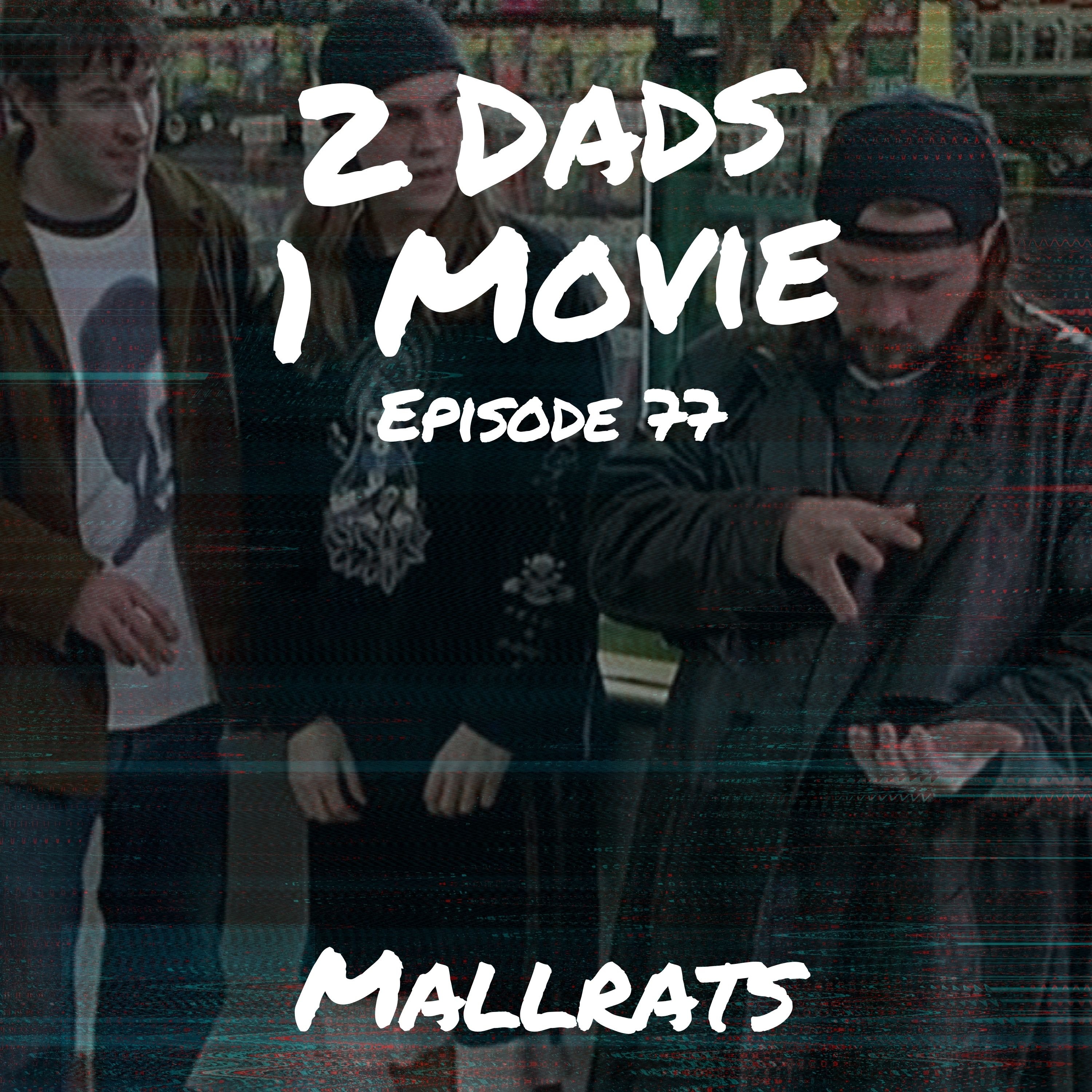
    Mallrats (1995)

    Kevin Smith followed Clerks with actual Miramax money, a whole mall, and Stan Lee, and thirty years later the result still splits every room it enters. Mallrats (1995) is Steve's pick, and he is not casual about it. He grabbed the VHS off a Blockbuster shelf around '96 purely because the cover art looked like a Star Wars poster, went straight from there into the rest of Smith's filmography, and dressed as Silent Bob for two different Halloweens in college, beard and wig and coat, pantomiming smoking weed and falling asleep if anyone asked him where Jay was. Nic had never seen it. He's on record as not a Smith guy, and about halfway through the movie his wife Jeanie grabbed his leg and told him that for his own health he wasn't allowed to watch any more Kevin Smith films for a while. He says he spent the runtime feeling like Ethan Suplee in front of the Magic Eye poster, standing there unable to see what everyone else claimed was right in front of him. Fair warning: this ends up being the widest the two of them have ever landed apart, and it isn't close. Which somehow doesn't stop it from being a great hang. They agree Shannen Doherty handles Smith's dialogue better than anybody else in the cast. Nic clocks Ben Affleck's enormous suit as the look of a Talking Heads cover band frontman. Steve has the entire DVD commentary loaded and ready, including the story of a network cropping a Coca-Cola cup out of a scene over a Pepsi deal, and the delicious fact that William Atherton passed on this as beneath him and then went and made Bio-Dome. There's a tangent about Magic Eye books as the official Christmas gift of relatives who don't really love you, a full defense of the stinkpalm as a small price to pay for the smiting of one's enemies, and genuine admiration for Brodie's ruling that the cookie stand is an autonomous unit for mid-mall snacking. Steve says Kevin Smith makes movies you either love or hate, with almost nobody stuck in the middle. Exhibit A was sitting right across the table. Advertising Inquiries: https://redcircle.com/brands

    • Transcript
  • #76
    August 26 · 1 hr 28 min

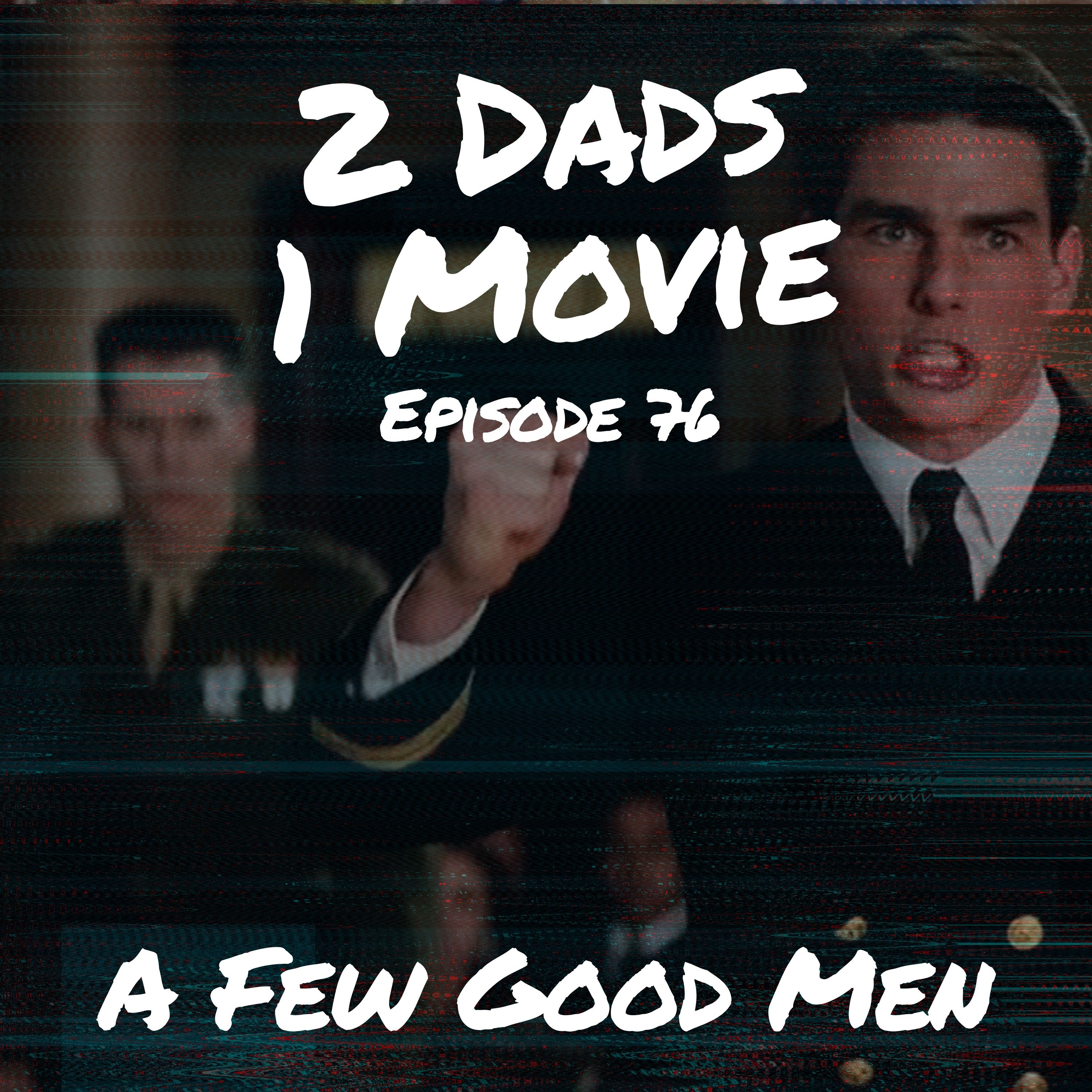
    A Few Good Men (1992)

    Nic's wife Jeanie has seen A Few Good Men at least ten times all the way through, and she stops for it every single time it turns up on television, so when she leaned on Nic to make it his pick, he made it his pick. She also came along for the ride, becoming the first guest in the history of the show, and she immediately proved her worth by lodging a formal complaint about Tom Cruise eating an apple during a work meeting. Finish your apple before your interview. It's not complicated. Nic caught the 1992 Rob Reiner and Aaron Sorkin courtroom machine in bits and pieces on cable in high school, back when an R-rated movie could air on TNT forever. Steve, a former stage actor and an unapologetic Sorkin guy who will tell you The American President is the best thing the man ever wrote, was thrilled to be made to watch it. He also shows up with a theory: Danny Caffey is just a nerdier Pete Mitchell, another Tom Cruise character with a dead, celebrated father whose exact job he now holds. Steve looked hard for a third example and came up empty. From there it's the small stuff, which is the good stuff. Steve declares Cruise's softball swing dogshit and can tell from the mechanics alone that nobody's dad ever screamed at him on a Little League field. Nic wonders whether the Marine Silent Drill Platoon is a waste of a guy who could be doing something more useful, and gets briskly corrected about which branch he's actually thinking of. There's a run at "hella not guilty" as a legal strategy, a demand to see the line item for how much the military spends on custom yellow tape, and a three-way pile-on about the line where Jo explains that Marines stand on the wall so nothing's going to hurt you today. Nobody in the room can stand it. Nic figures the whole thing should have ended with the cast holding hands and bowing. Steve has a word for that. It's a curtain call. Advertising Inquiries: https://redcircle.com/brands

    • Transcript
  • #75
    August 19 · 1 hr 18 min

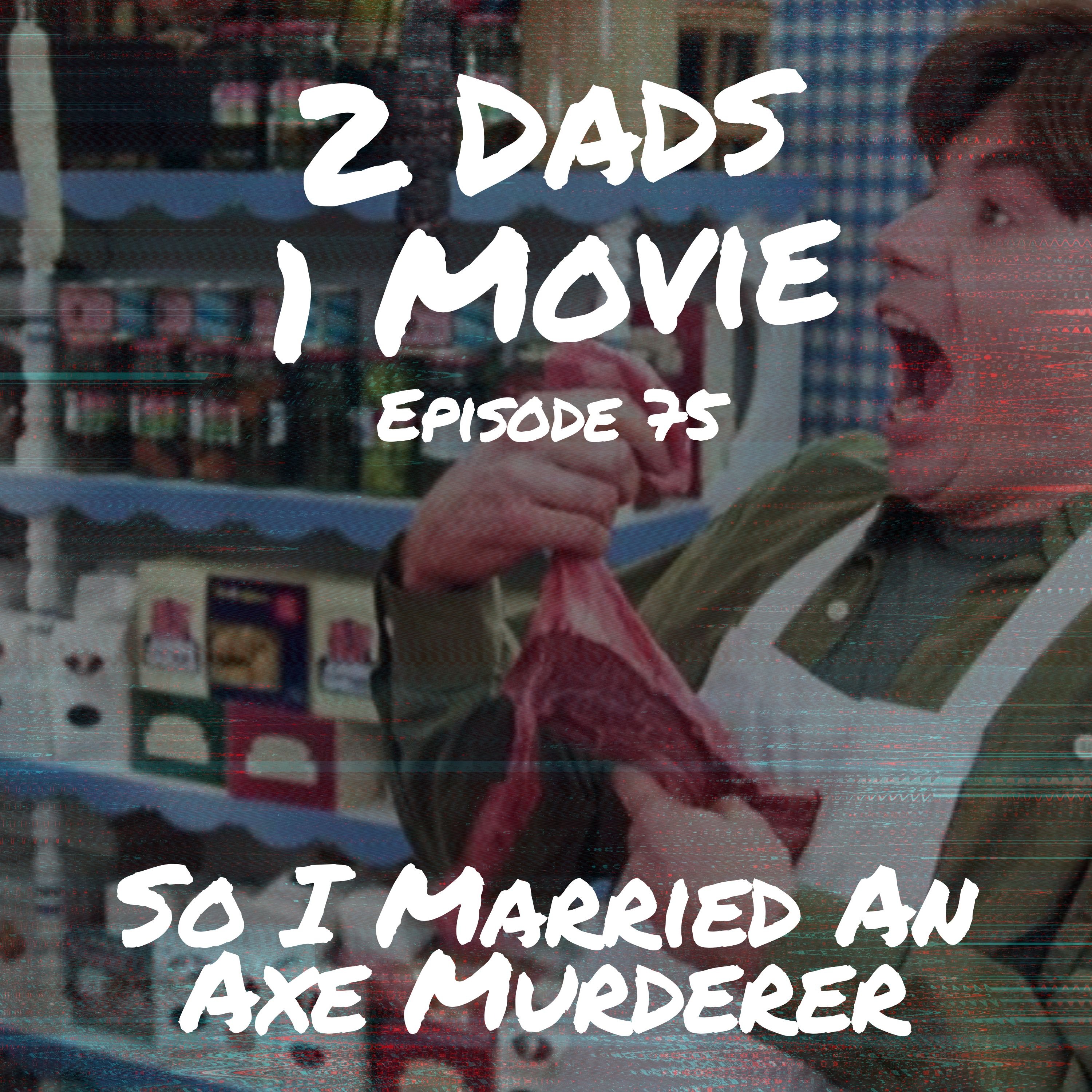
    So I Married An Axe Murderer (1993)

    Steve didn't fall in love with So I Married an Axe Murderer so much as marry into it. He caught the 1993 Mike Myers comedy in high school, thought "that wasn't bad," and moved on. Then he met his wife, who'd spent years trading quotes from it with her dad, and suddenly the whole thing landed. Two decades later, "negatory, good buddy" and "we've got a piper doon" are load-bearing phrases in his house. So yes, this one's Steve's pick. Nic shows up as a guy who knew every joke and had somehow never seen the ending, a casualty of what he calls the pregame movie, the thing playing while everybody gets ready to go out. What they get is a tour of a San Francisco that no longer exists. Nic identifies Roads Cafe as the real-life Vesuvio in North Beach and pegs the crowd as the Gen X version of the Foot Clan lair from the Ninja Turtles movie, all skate ramps and free cigarette machines. Steve is certain these people and the people in Singles would have hated each other on sight, and separately declares the cappuccino tracking shot the second-greatest follow shot in cinema history, behind only Henry and Karen walking into the Copa. Then the nitpicking, which is most of the fun. Steve cannot let go of the Band-Aid on Nancy Travis's finger, present in every scene, explained never. Nic diagnoses Myers's haircut as a pumpkin pie minus one slice, and objects to the "hello" bit on the grounds that he already has a hello guy in his life and it's Steve. Charlie dumped a woman for smelling exactly like vegetable soup, which triggers a full referendum on which soups a person could acceptably smell like. Nic clocks the honeymoon resort's name, Poet's Corner, as a neighborhood in Pleasant Hill. Steve gears up to nail the film on Bay Area geography and comes up empty, which visibly wounds him. Plus Phil Hartman as Vicky, Charles Grodin politely declining to have his vehicle commandeered, and a rigorous physics debate about surviving a rooftop hatchet fight after taking one in the nuts. Some movies you love on sight. Some you marry into. Advertising Inquiries: https://redcircle.com/brands

    • Transcript
  • #74
    August 12 · 1 hr 14 min

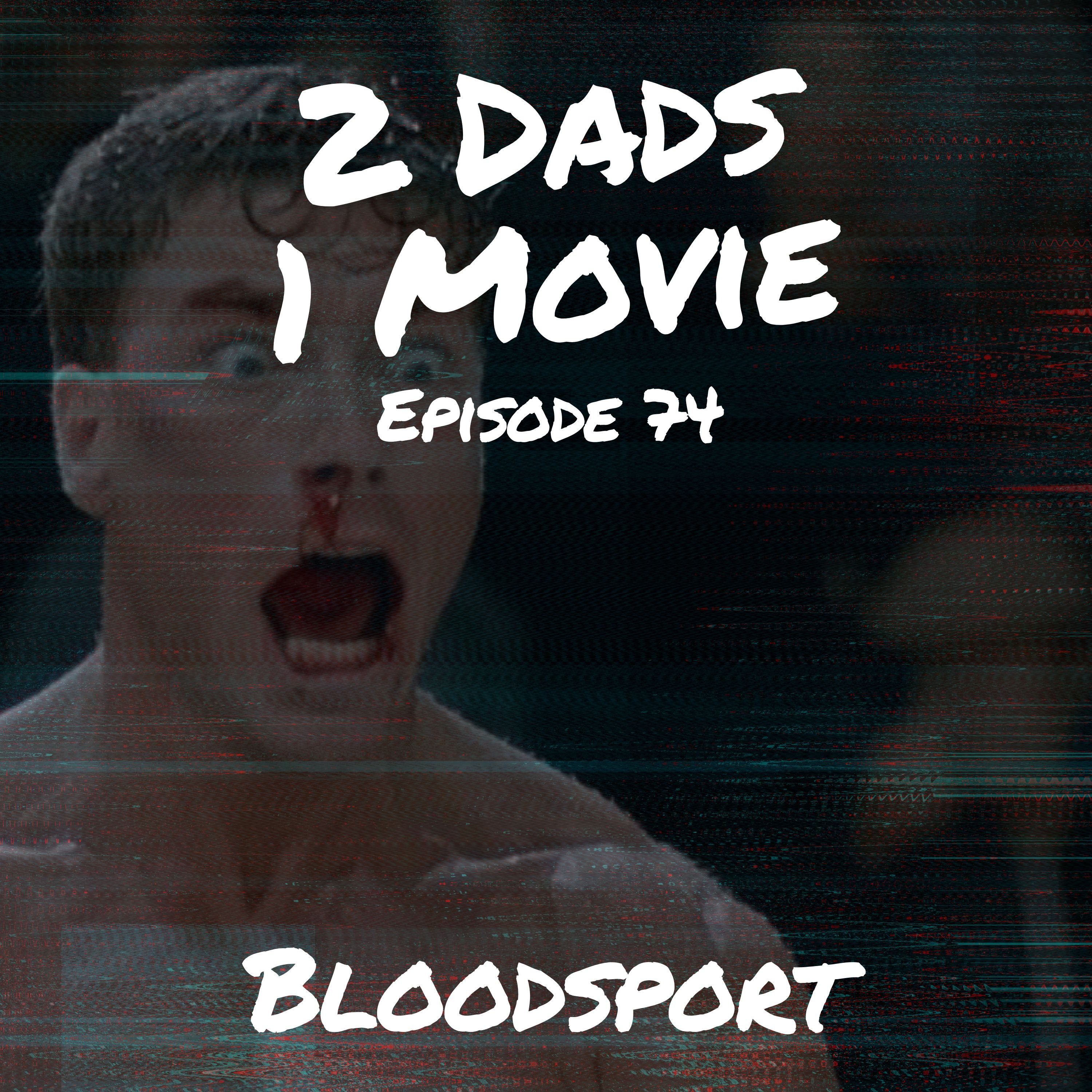
    Bloodsport (1988)

    Every kid who ever fed quarters into a Street Fighter II cabinet owes something to Bloodsport (1988), a Jean-Claude Van Damme movie made for $1.5 million that pulled in $63.5 million and earned its star a Razzie nomination for Worst New Star — which he lost, to Ronald McDonald, for playing himself in Mac and Me. Nic brought this one. He caught it in his young teens, back when it was getting passed around and there just weren't many movies about guys with wildly different fighting styles punching each other in a basement. Steve had never seen it, which is funny for a man who logged thousands of hours as a Ken player and once went eight or nine deep on a single quarter at a computer camp arcade — still, he says, the highlight of his entire life. So the whole episode is Steve connecting dots in real time. Guile is Frank Dux. Johnny Cage's splits are Van Damme's splits. Chun-Li is right there in Chong Li's name, one vowel away. Along the way there's Bolo Yeung wearing a South Korean flag while playing a character named like he's Chinese, a handler in half-tint aviators and a gold chain that Nic immediately claims as his kind of guy, and a young Frank Dux who climbs through a window in a New York Giants shirt and a San Francisco Giants hat. Steve cannot name a single human being on earth who roots for both. They clock the koi pond and blindfold training that get replayed later in case you forgot ten minutes ago. Steve counts the splits (five, contractually). He also calls Chekhov's dead best friend on Ray Jackson and stays mad it never fires. Nic maps out the kick where Frank boots a guy behind his own shoulder like a pirate punting his own parrot, which Steve figures would break your collarbone to maybe tickle the other guy's nose. Chong Li says brick don't hit back. He's not wrong. And then the closing title card claims 56 consecutive knockouts in one tournament, so Steve did the math on how many entrants that would take. Seventy-two quadrillion. Roughly nine million Earths' worth of people. Frank W. Dux: the elementary school kid who swore his dog was actually a wolf, except this one got a movie out of it. Advertising Inquiries: https://redcircle.com/brands

    • Transcript
  • #73
    August 5 · 1 hr 5 min

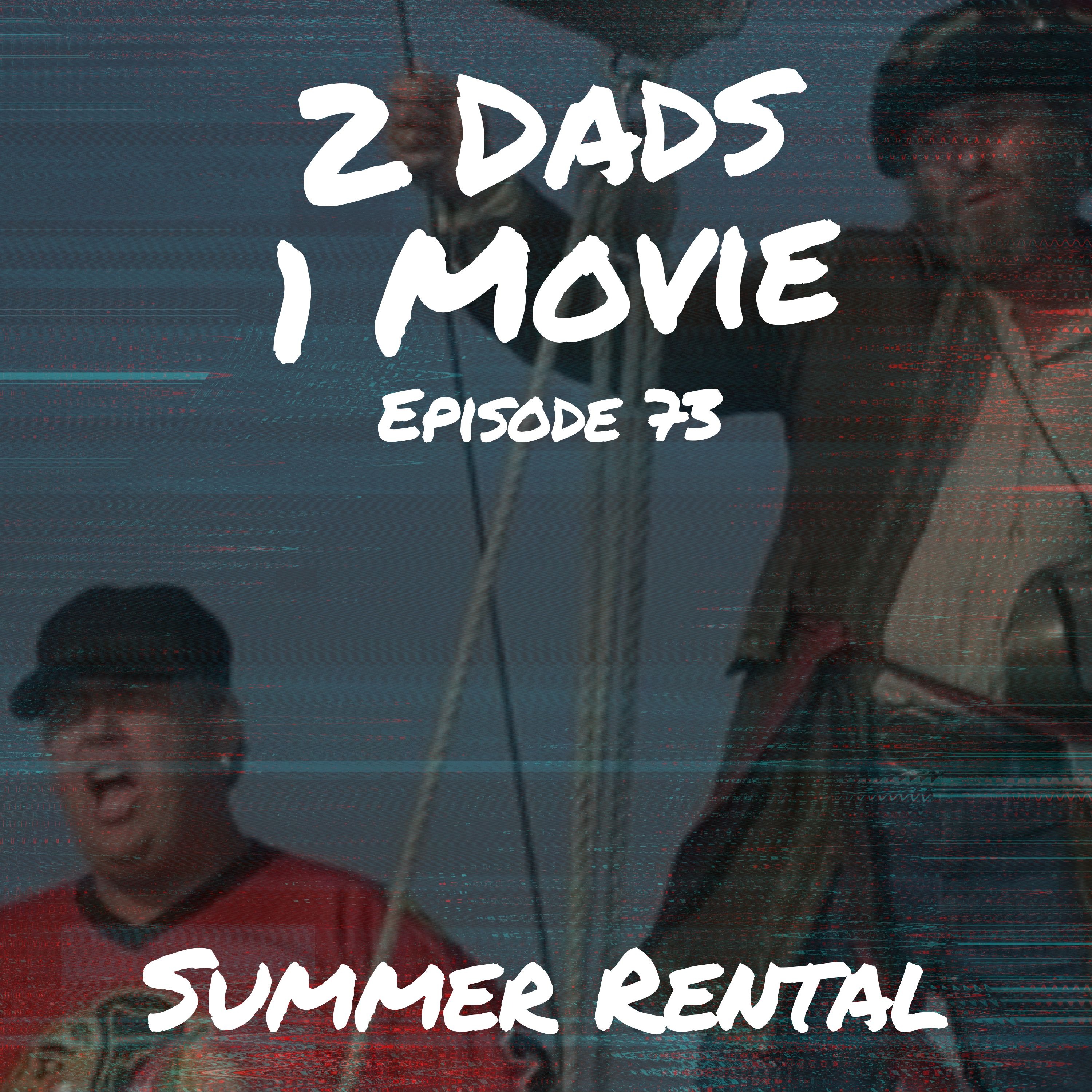
    Summer Rental (1985)

    There's a certain kind of movie you watched a thousand times as a kid on a VHS tape you personally wore out, and then discovered nobody else on earth remembers. For Steve, that's Summer Rental — the 1985 John Candy vacation comedy directed, improbably, by Carl Reiner. Mention it to people and they say, oh, the one with Dan Aykroyd? No. That's The Great Outdoors. Nic had the same crossed wires: he saw this one as a kid and liked it, but somewhere along the way his memory fused the two, so he showed up half-expecting the giant steak. Lobsters in this one. Mr. Surf and Turf himself. It's Steve's pick, and it takes Nic about thirteen minutes to sour on the protagonist. Jack Chester is an air traffic controller in 1985 Atlanta, which means, as Nic works out in real time, he scabbed through the 1981 strike. "I don't like Jack Chester anymore. Not a man of the people." Steve's response: let's go ahead and end it now. They don't. What follows is a tour of a movie that's at minimum a delight to describe — the hard-boiled egg that detonates across a car interior, a dash-mounted cup holder Nic sincerely admires, an Alan Silvestri score Nic awards a Steve point, and Richard Crenna as Al Pellet, a man Nic pegs as the villain on captain's-hat evidence alone ("that good '80s butthole look"). Rip Torn's Scully runs a floating restaurant where the fresh grouper, sautéed to a golden brown with a teasing hint of Dijon, comes out of a freezer chest as fish fingers that Nic figures have been frozen since the Carter administration. They split hard on the frisbee-to-the-groin gag: Nic considers it an insult to everyone involved, Steve shrugs it off as hacky. Plus detours into Nic's fishing charter nemesis who would not stop saying "a three-hour tour," Steve's Disneyland norovirus, and Steve's dad-brain snagging on a three-year-old aboard a racing sailboat with zero life vests. Mint-flavored toothpicks to hold us over. Welcome to Citrus Cove. Advertising Inquiries: https://redcircle.com/brands

    • Transcript
  • #72
    July 29 · 1 hr 17 min

    The Fifth Element (1997)

    In 1997, Luc Besson spent $90 million on a movie about a New York cab driver, a supreme being in thermal bandages, and four elemental stones that spend the entire runtime in the wrong hands. It made $264 million. That's The Fifth Element, and it's Nic's pick, partly because the show had somehow gone this long without a Gary Oldman movie. Nic saw it several times in theaters in '97 because he worked at one, quoted it into the ground with his high school friends, and still remembers a buddy reading the poster tagline aloud as "it must five it be found." Steve saw it once, found Chris Tucker aggressively annoying, and only warmed up to it years later in college, roughly the same way he eventually made peace with the Bob Hoskins Super Mario Bros. movie. Most of the episode is two dads trying to describe things that resist description. The benevolent aliens are giant turtles, or possibly something Gary Larson drew, waddling around because their spacesuits won't let them raise their arms. The Mangalores are just the pig guys. Zorg wears a plastic plate on his head that covers no wound and serves no purpose, so it has to be fashion. Jean Paul Gaultier did the costumes, which explains the flight attendants but not the cops, who land somewhere between Judge Dredd and the sumo suits from a corporate team-building retreat. The background population of the future consists entirely of overweight cops and supermodels, a world Nic diagnoses as "the King of Queens universe." Then there's the nitpicking, which is half the fun. Steve cannot forgive Zorg for flying away from Flohston Paradise without ever opening the case, and Nic points out that he doesn't leave a Taco Bell window without checking his bag. There is a phone book in the 23rd century. Human skin, according to the film's scientists, is grown by blasting a body with slightly greasy solar atoms. Nic's wife Jeannie clocked that the match meant to save all humanity had obviously already been struck, and this was after she watched the diva's concert dissolve into a firefight, turned to him, and said, "I'm sorry, I hate this." Leeloo Dallas, multipass. Advertising Inquiries: https://redcircle.com/brands

    • Transcript
  • #71
    July 22 · 1 hr 34 min

    The Big Lebowski (1998)

    In 1998 the Coen Brothers spent $15 million on a shaggy detective story where almost nothing happens, a rug gets peed on, and a middle-aged stoner named the Dude drinks nine White Russians while getting mistaken for a millionaire. That's The Big Lebowski, and it's Steve's pick, a movie he first caught the second it hit Blockbuster in college, when he showed up mostly for John Goodman and left with a lifelong favorite. He brought it to the pod half worried it might be a Boondock Saints situation, the kind of thing you loved as a teenager that curdles on rewatch. Good news: it held. Nic, meanwhile, comes to this one with actual credentials. He reveals he's descended from bowling royalty, his great-grandfather Archie Walsh, a New England candlepin legend enshrined in a Hall of Fame that Nic estimates is roughly the size of an armoire in the corner of a Holiday Inn. Steve counters with his own dad's bowling trophy, the one topped by a little guy bowling backward through his own legs, awarded for finishing dead last. From there it's a loving tour through everything that makes the movie tick. The dads marvel at how the Coens hand rich, pointless backstories to characters onscreen for three minutes, chief among them Larry's dad being a famous TV writer stuck in a steampunk iron lung, which sends Nic on a tangent about where exactly he'd like to be positioned in the house should he ever end up iron-lung-bound (spoiler: a back room, not the foyer). Steve offers up "Sobchaking," his personal verb for when you're not wrong, you're just an asshole, man. They clock Walter debating the tenets of National Socialism, the "say what you will" bit, purely to win a fight he's already lost, and both hold their breath through the second dream sequence, the two-minute bowling-porno-musical detour nobody needed and everybody is glad exists. There's Larry's homework, a Folgers can, and a stranger who orders a good sarsaparilla. The Dude abides. So did the dads. Advertising Inquiries: https://redcircle.com/brands

    • Transcript
  • #70
    July 15 · 1 hr 3 min

    First Blood (1982)

    In 1982, a drifter walks into a small Washington town looking for lunch and leaves it looking like a war zone. That's the setup for First Blood, Nic's pick this week, and the movie that gave the world John Rambo before the sequels turned him into a bow-and-arrow-wielding action figure. Nic came to the franchise backwards, through the bigger, splashier Part II, and only got around to the original years later. Steve, somehow, had never seen any of the Rambo movies front to back, just absorbed them by cultural osmosis, so this was a real first watch for him. What they found is a much quieter, sadder movie than either of them expected. Rambo shows up in town just trying to find an old war buddy, gets run out by a small-town sheriff who takes real issue with the flag patch on his jacket, and things spiral from there into arrests, flashbacks, and a jailhouse meltdown that turns into a one-man guerrilla campaign in the woods. Steve and Nic both get a kick out of Stallone's specific brand of unintentional comedy, the overexplaining, the simpleton sincerity, and they spend real time on the film's inventory of found objects: a tarp poncho, a stolen jacket turned scarecrow decoy, and eventually a truck with a machine gun in the back, which both dads agree is the turning point where the movie really takes off. Richard Crenna's Colonel Trautman gets singled out as the MVP, especially his opening monologue about what Rambo was trained to survive, and the dads dig into how much of the back half is really a two-hander between Trautman and Sheriff Teasle arguing about whether to let this man go or bring in two hundred body bags. They also trade theories on real-life Rambo inspirations, argue about how many rats is too many rats for one movie, and land in different places by the end: Nic still fully charmed by the character, Steve a little more skeptical once Rambo starts terrorizing a town that mostly just wanted him to leave. Grab a torch, mind the rats, and enjoy the ride. Advertising Inquiries: https://redcircle.com/brands

    • Transcript
  • #69
    July 8 · 1 hr 5 min

    The Birdcage (1996)

    The Birdcage is Steve's pick, and it's not close: this is a movie he and his wife Heather have been quoting to each since they first met, Steve having fallen in love with it as a theater kid in high school. Nic, on the other hand, had never seen it, despite a stated lifelong allegiance to who he now insists on calling "Bobby Williams" (a nickname that is, delightfully, sticking around for good). The 1996 comedy sends the dads to a South Beach drag club where Armond Goldman (Robin Williams) and his partner Albert (Nathan Lane) have to butch things up fast when their son brings home a senator's daughter. Steve and Nic get a kick out of the crash course in masculinity that follows: pinky down, don't dribble the mustard, and please, for the love of God, walk like John Wayne (who, it turns out, walked hella gay the whole time). Hank Azaria's Agador provides steady comic relief, and one particularly unhinged batch of sweet and sour peasant soup nearly gets referenced as often as the mustard bit does. Both dads agree Val, the son, is close to unbearable, though they land in very different places on the film as a whole this time around, more so than usual. Steve leans hard into the nostalgia, loving the parent-child dynamic even as he flags a couple of Robin Williams lines that hit differently in hindsight. Nic, watching cold and giving it his usual two-pass treatment, finds himself fighting a "Mrs. Doubtfire curse," where some of the best possible gags in this movie feel like they already happened in the other film few years earlier. Wine tannins get a genuinely educational aside, Christine Baranski gets her due, and by the time everyone's in drag sneaking past the paparazzi, this one's earned its spot as a South Beach classic. Come on, Gloria. Advertising Inquiries: https://redcircle.com/brands

    • Transcript
  • #68
    July 1 · 1 hr 6 min

    Troop Beverly Hills (1989)

    Shelley Long struts through 1989's Troop Beverly Hills in a fur coat, a cigarette holder, and a Rolls-Royce convertible, playing a soon-to-be-divorced socialite who takes over her daughter's floundering Girl Scouts knockoff mostly out of spite and boredom. It's Nic's pick, a movie his wife introduced him and his daughter to during the pandemic, while Steve grew up on it, owned it on VHS, and hadn't revisited it in over thirty years until this episode. Both dads geek out over the animated opening credits, designed, they discover mid-episode, by future Ren and Stimpy creator John K, and agree the original song "Cookie Time" is, against all odds, a banger. From there it's a parade of pure 1989: a rope bridge cut down by the cartoonishly evil troop leader Velda Plunder, a balance-beam rescue across a fallen log, a swamp full of water moccasins, and a cameo from Kareem Abdul-Jabbar that prompts Nic to point out this is the fourth time the podcast has run into Kareem across 68 episodes, against zero Tom Cruise sightings. Steve compares the movie's surprisingly restrained tailor character to Martin Short's Frahnk from Father of the Bride, while Nic marvels at the sheer volume of Beverly Hills cars on display and can't get over Velda referring to her victims as "little bimbesses." The two of them also build out a whole bit about Phyllis's pristine white mink coat being doomed the second it shows up on screen, debate whether the Lifesavers joke even works, and spend a solid stretch trying to figure out how anyone retied a rope bridge using nothing but rocks and good intentions. Nobody's holding this one up as a misunderstood classic, but it's exactly the kind of fully committed, cookie-selling, snake-fearing nonsense that sticks with you from childhood. Khaki wishes and cookie dreams, everybody. Advertising Inquiries: https://redcircle.com/brands

    • Transcript
  • #67
    June 24 · 1 hr 24 min

    Tombstone (1993)

    Tombstone (1993) is thirty-three years old, R-rated, and apparently the rare nineties western that's stayed alive the old-fashioned way, through pure word-of-mouth quotability, no memes or GIFs required (okay, except Curly Bill's "Well... bye."). That's Steve's pick, and it's personal. He fell for it as a teenager, rewatched it a couple times a year for most of his adult life, personally converted a few college friends into believers, and married into a household where his wife is every bit as obsessed (she made a childhood pilgrimage to the actual town of Tombstone, Arizona). Nic, somehow, had never seen it, despite owning half the dialogue secondhand through an early-2000s rap verse that turned out to be wall-to-wall Tombstone quotes. Twenty years of bobbing his head along to "smoke wagon" finally paid off. What follows is a tour through one of the most stacked casts either dad has encountered on this show, and a healthy chunk of the runtime is just pointing at the screen going "wait, that's also..." Kurt Russell gets credit for what Steve declares the single greatest mustache in cinema history, right before Wyatt Earp introduces himself by stealing a man's chair, his ego, and a quarter stake in the local casino, all in one scene. Val Kilmer's Doc Holliday turns into the unofficial MVP of the episode, one-liner after one-liner, including the dads' shared appreciation for "I've got a gun for the both of you" as a legitimately sound tactical philosophy. They debate breaking out the "missing or artificial limb" tag for the first time in a while over Virgil's ruined arm, and Nic spends a solid stretch lobbying for Powers Boothe to become a hereditary title, like the Dalai Lama, but with a better mustache. Underneath the body count, though, both dads keep circling back to the quiet, weirdly tender friendship at the center of it, the kind neither expected from a movie this violent. Steve calls it a top-five all-timer. Nic, a lifelong westerns skeptic, leaves a convert. Advertising Inquiries: https://redcircle.com/brands

    • Transcript
  • #66
    June 17 · 1 hr 13 min

    Office Space (1999)

    Twenty years of movies, twenty episodes, one final destination: a soul-crushing office park somewhere in generic suburban America. Office Space is Nic's pick to close out 2 Dads 2 Decades, and honestly, there's no better way to go out: a movie that gave an entire generation its workplace vocabulary before most of them had set foot in a workplace. Both dads know this one cold. For Nic, it was the put-it-on-before-you-go-out movie, the kind of thing you'd seen so many times the early parts were automatic. Steve caught it the same way a lot of people did: Comedy Central, late night, dorm room, falling asleep to the DVD menu looping. The conversation that follows is the kind you have when everyone already knows the movie and nobody needs the plot explained. Steve flags that Office Space might be the first film with an all-white cast and a completely sincere hip-hop soundtrack -- not ironic, not parodic, just what the characters actually listened to. They spend serious time on Gary Cole, who both dads agree is the secret weapon of the whole thing (Nic floats a case for listing him above David Herman in the opening credits and has a point). They argue, affectionately, about whether "no-talent ass clown" is a Mike Judge original or pre-existing slang, and land on Judge. Steve admits he has legitimately come around on Michael Bolton the musician, cites "Time, Love and Tenderness" as a genuine banger, and is not apologizing for it. There's a lengthy detour about going to a county fair hypnotist with his daughter that Nic will never fully live down. John C. McGinley pulling taffy with his hands while Bob Slydell beams with excitement over a guy who does nothing. Lawrence and his bottle opener. The printer dying to "Still" in a field. The Jump to Conclusions Mat getting the contempt it deserves. The federal pound-me-in-the-ass prison line? Yeah, they clock it. Doesn't hold up. What does hold up is Peter figuring out he'd rather swing a shovel outdoors than update bank software. Sometimes the answer really is that simple. Advertising Inquiries: https://redcircle.com/brands

    • Transcript
  • #65
    June 10 · 1 hr 5 min

    BASEketball (1998)

    BASEketball hit theaters in July 1998, about a month after Steve and Nic graduated high school, and promptly became the kind of pre-party background movie where, as Nic confesses, you're ultra familiar with the first twelve minutes and mildly surprised to learn there's a plot. It's Steve's pick to close out the penultimate year of 2 Dads 2 Decades (penultimate means second to last, as he likes to remind people), and both dads burned actual college hours trying to play the game in real life. The fatal flaw, they agree: psych-outs do not survive contact with reality. What the South Park guys and David Zucker actually built is a rapid-fire joke machine, and there are receipts from a vintage Parker and Stone interview claiming only about ten percent of the screenplay made it to screen. The dads also make the case that Matt Stone's "derp" here is the first derp in recorded media. A star is born. Then there's the money: a $25 million budget and an $18 million loss make this the biggest flop in show history, for a movie that cost more than the last five or six pod entries combined. The wall-to-wall athlete cameos produce a unified theory too: David Zucker simply has dirt on every '70s sports MVP. It really came out on O.J. Elsewhere, both dads reveal they independently wrote down every fake team name and compare lists like absolute dorks (Beers, Felons, Informants, Lemons). A locker room scene makes it two straight weeks of giant prosthetics on this podcast, prompting a sober review of the circulatory logistics; the phrase "dialysis erection" is used, and a CamelBak of blood is proposed. Nic recommends an Unsolved Mysteries episode for reasons that are, once again, hog-related, and Steve notes the pattern. And a full Xennial taxonomy session sorts the Steve Perry psych-out people from the Noonan people, settled by the Uncle Jesse test (Dukes of Hazzard or Full House, choose carefully). Twenty-eight years later, the game still doesn't work in real life. The Steve Perry psych-out? Undefeated. Advertising Inquiries: https://redcircle.com/brands

    • Transcript
  • #64
    June 3 · 1 hr 25 min

    Boogie Nights (1997)

    In 1997, a 26-year-old Paul Thomas Anderson somehow talked New Line into $15 million and final cut, then spent it on a two-and-a-half-hour epic about a well-hung busboy who becomes a porn legend, falls apart on cocaine, and winds up pushing a dead Corvette to the only father figure who ever actually loved him. That's Boogie Nights, and it's Nic's pick. It's his favorite movie of 1997 and one of his all-time favorites, the kind of thing a film-nerd drama buddy (shoutout Matt Chilbert) presses into your hands and says you have to see this. Steve, meanwhile, had never gotten around to it, which is wild for a guy who counts There Will Be Blood among his favorite films ever and watched One Battle After Another on the flight home from a work trip to New York. So this one's a treat: Nic finally brought Steve something he loved, maybe the first non-thriller pick that really landed for him. What you get is a loving, frequently filthy stroll through Anderson's San Fernando Valley. The dads geek out over how basically every speaking part in the first five minutes is a face you know cold, Luis Guzmán, Don Cheadle, John C. Reilly, Heather Graham, William H. Macy, and how each of these characters gets kicked around by the straight world before finding a home in Jack Horner's porn family. They clock the Star Wars deep cut buried in Buck's stereo sales pitch, swoon over Dirk explaining that his shirt is "imported Italian nylon," and spend a good while on Philip Seymour Hoffman turning Scotty J into the most heartbreaking guy at every party (the clipboard-chewing, the sad slice of wedding cake). Burt Reynolds saying "the Mr. Torpedo area" instead of the actual words gets its due, plus the backstory on how Leo passed for Titanic and handed Mark Wahlberg the role of a lifetime. And then there's the nitpicking, which is honestly half the fun. Steve files a formal grievance about Eddie's pool dive not being a real jackknife. Nic cannot get past Jack fretting over whether a baby's going to pee in the pool (sir, is that really your top concern?). They both white-knuckle the Alfred Molina scene, flinching at every single firecracker, which, as it turns out, wasn't even in the script. Consenting adults are consenting adults, the music is perfect, and somewhere under all the cocaine and chaos is a genuinely sweet movie about people who just want a family. Welcome to the Valley. Advertising Inquiries: https://redcircle.com/brands

    • Transcript
  • #63
    May 27 · 1 hr 25 min

    Swingers (1996)

    The dads land at 1996 in the 2 Dads 2 Decades run, and Steve has picked the movie that turned him into the guy who browbeat an entire cast party into watching it in late '97. Swingers is Jon Favreau's debut screenplay, Doug Liman's debut feature, a $200,000 picture that spent half its budget on music, and the closest thing Steve has to a sacred text. Nic caught it weeks later through that same friend-group trickle-down, saw the older cool guys he wanted to be, and has been quoting it ever since. What follows is a deep-tissue tour of a movie about, as Steve puts it, hanging out. The Vegas detour where Mike doubles down on 11 and gets buried for it. Favreau's actual grandmother at the next blackjack table getting offered free breakfast. Vince Vaughn's actual dad winning at the hundred-dollar table because that's what two hundred grand gets you in 1996. The Glenlivet-Glenfiddich-Glengarry escalation. "Hold on, Voltaire." The cocktail napkin pitch where Trent calls Mike the guy behind the guy behind the guy and somehow makes it sound like a compliment. The pair circle the things that make this movie hit so specifically: Rob and Mike's salami-and-OJ depression breakfast, the gun-at-the-Dresden detour, the Big Bad Voodoo Daddy Copa-shot homage that Steve has clocked from a screenwriter's angle, and the answering-machine sequence that should be taught in film schools. They land hard on Trent as a character who's casually problematic and a genuinely altruistic friend in the same breath, with the movie clear-eyed about which is which. Steve confesses he tells his kids a sanitized version of "you're so money and you don't even know it" pretty much daily. Two middle-aged dads watching twenty-six-year-olds figure out how to be okay, and recognizing every single one of them. Vegas, baby. Vegas. Advertising Inquiries: https://redcircle.com/brands

    • Transcript
  • #62
    May 20 · 1 hr 4 min

    Desperado (1995)

    Nic picks the movie, and he picks one that wormed into his teenage brain during the blockbuster-video era of the mid-'90s: 1995's Desperado, Robert Rodriguez's stylish, blood-spurting follow-up to El Mariachi and the second chapter of his unofficial Mariachi trilogy. Back then it played like a revelation. Two guns at once. A ponytail with strategic strands falling out. Salma Hayek crossing the street so beautifully two cars crash trying to look at her. The question this week is whether any of that still works, or whether it lands in the Boondock Saints-shaped pit of "I can't believe I thought this was cool." Steve, an admitted college-era insufferable film student, somehow never got around to this one despite worshipping Reservoir Dogs and Pulp Fiction, so he comes in fresh. What he finds is an Antonio Banderas vehicle so committed to looking awesome it occasionally forgets about gravity, physics, and bullet trajectories. Both dads spend a happy stretch cataloguing the moves: the wrist-flicking gun mime, the guitar-case rocket launcher operated like a Little League catcher dropping into stance, Danny Trejo dialing a payphone with the tip of a throwing knife. The cold open belongs to Steve Buscemi and his "world-class turds" speech. Quentin Tarantino swans in to tell a piss joke and later gets shot in the head for his trouble. The squibs work overtime. Then comes the second half, and both dads start finding cracks. There's a "make it look like an accident" line that derails Bucho's whole logic. There's a sex scene followed by El Mariachi inexplicably wearing his boots in bed. And there's a late-breaking family revelation that lands somewhere between homage and shrug. Whether any of it costs the movie its swagger is for Steve and Nic to argue. Desperado doesn't always make sense, but neither does throwing a knife into a bulletproof limo like it's a grenade. Advertising Inquiries: https://redcircle.com/brands

    • Transcript
  • #61
    May 13 · 59 min

    Clerks (1994)

    In 1994, a 23-year-old Kevin Smith maxed out every credit card he could open to make a movie about two guys talking shit behind a convenience store counter for 92 minutes. Steve has been a stan ever since. Clerks (1994) is Steve's pick, and he doesn't hide it. This was the movie that made teenage Steve start asking how movies actually get made. Nic, meanwhile, saw it once around '97, has only watched two other Kevin Smith joints in his entire life, and is essentially arriving as a tourist in the View Askewniverse. Two pretty different angles on the same black-and-white slacker artifact. The dads work through Dante's worst day at the QuikStop, where the rolling steel doors are gummed up, the cigarettes are flying, and basically everyone in this New Jersey town wants to buy a pack at all times. They appreciate the resourcefulness it takes to make a movie for $27,575, from "I assure you we are open" shoe-polished onto a tarp, to a three-person rooftop hockey game shot to sound like ten. They also can't ignore the limits of that resourcefulness, especially when Veronica is wrestling with Smith's dialogue like it's been dipped in Crisco. Steve has thoughts on what a more experienced writer-director would have rewritten on the fly. The Death Star contractor monologue gets full appreciation, mostly because the roofer who walks in to escalate it grounds the bit in something real. Olaf the metal singer gives us the phrase "making fuck" and earns a slow clap for ESL effort. Randall gets full credit for being the most committed kind of bad friend, and Caitlin Bree gets treated, as Nic puts it, fucking brutal for the crime of cheating on the worst guy in the world eight and a half times. Hi, can I get some cigarettes? Just cigarettes. Advertising Inquiries: https://redcircle.com/brands

    • Transcript
  • #60
    May 6 · 1 hr 26 min

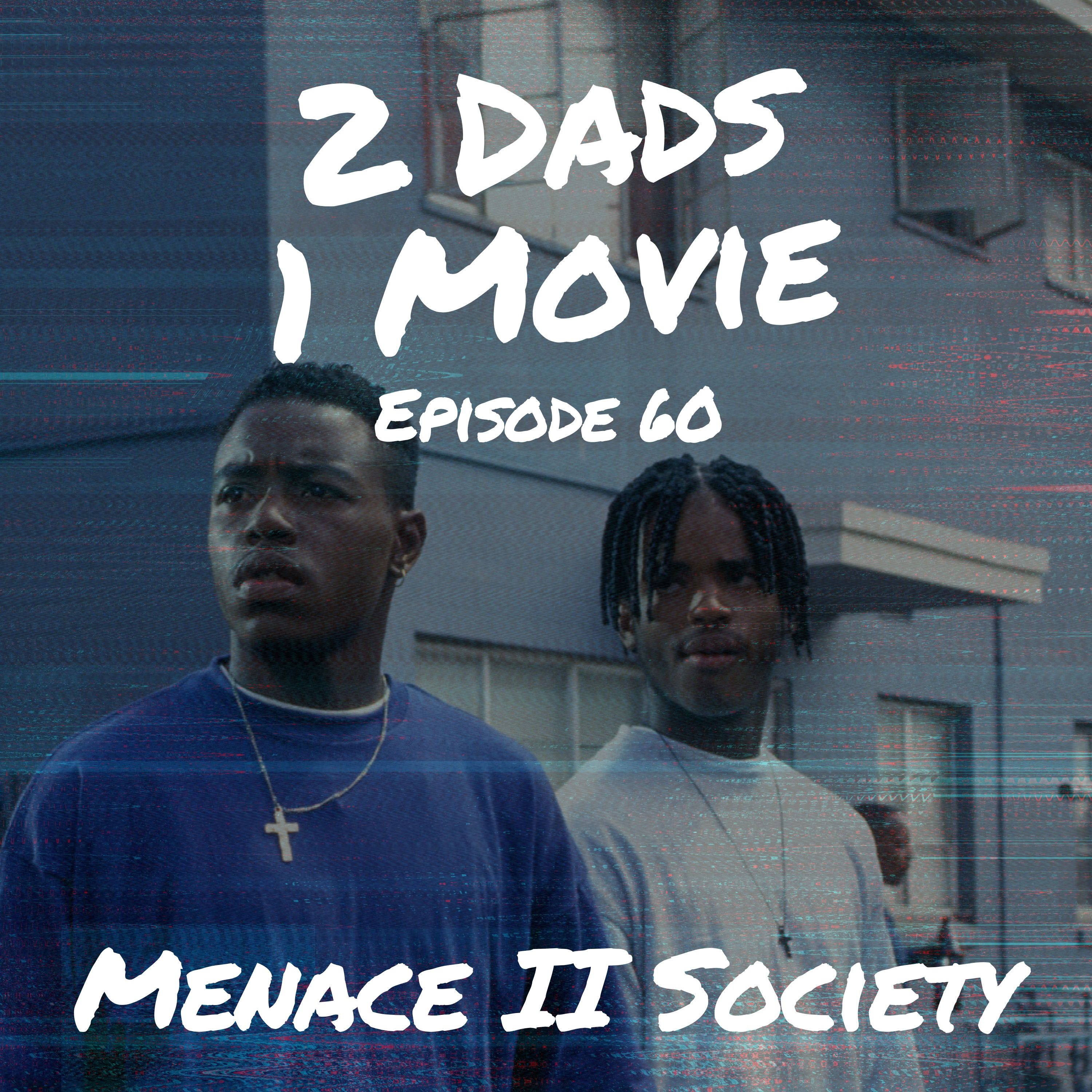
    Menace II Society (1993)

    Menace II Society opens with a cold truth and never looks away. For episode 60, Nic brings this Hughes Brothers gut-punch to the table -- a film he's been watching since high school, quoting with his college crew, absorbing into his bones -- and Steve arrives as a first-timer who's done his homework on the adjacent movies (Boyz n the Hood, Higher Learning, Colors) but not this one. He did, however, clock every frame of Don't Be a Menace to South Central While Drinking Your Juice in the Hood. Which, as it turns out, is an oddly solid primer. From the liquor store cold open -- where Lorenz Tate's O-Dog goes from zero to murder over one comment about his mother, delivering that line so dangerously quietly you know immediately the man behind the counter is finished -- both dads start cataloging the ways this movie has seeped into everything. Caine's voiceover narration echoing Goodfellas. The surveillance tape O-Dog keeps screening like a home movie. The Watts riots pixelated like a potato cam. Samuel L. Jackson's table-clearing card game being, per Caine, not the last time he watched his father kill someone. What strikes Steve most is how precisely the Hughes brothers construct their world around absence: no safety nets, no systems that work, and underneath every quiet scene, just off in the distance, sirens or helicopter rotors running on a loop. Nobody on screen reacts to them. That, he notes, is the point. Nic zeroes in on O-Dog as something almost metaphysical -- possibly the id made flesh, never seen alone, never seen without Caine, showing up from nowhere and going back there -- and floats a Fight Club theory that nobody can quite dismiss. They argue over the film's middle section, trade a story about four-dozen malt liquor varieties that veers into census methodology and sommelier portion sizes, and find genuine tenderness in Charles S. Dutton's two minutes of screen time ("Andre Iguodala bringing that ring to Golden State"), Jada Pinkett's impossible conversation with a five-year-old, and a prison visit that quietly hands Caine the only permission slip he ever needed. Episode 60. The dads are now deep into the '90s, and the movies aren't getting easier. Advertising Inquiries: https://redcircle.com/brands

    • Transcript
  • #59
    April 29 · 1 hr 20 min

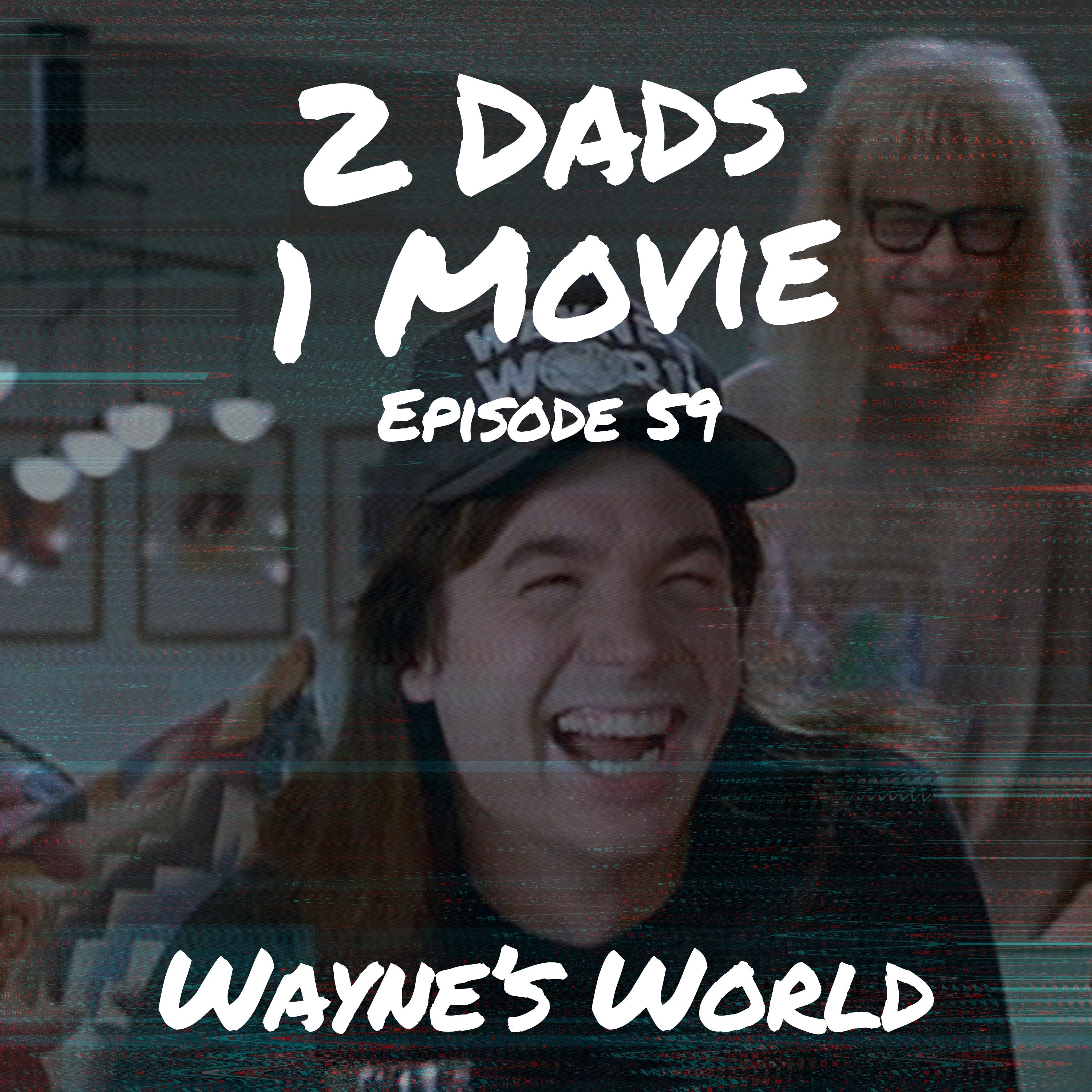
    Wayne's World (1992)

    Some movies leave a line or two rattling around in your head for years. Wayne's World (1992) apparently colonized Steve's entire personality. The man is 46 years old and recently said "exsqueeze me, baking powder" on a Zoom call with his direct reports. In a professional context. With no apparent regret. Steve picked this one as a deliberate palate cleanser after two heavy weeks, and it's hard to argue with the logic. Wayne's World is pure fun: Mike Myers and Dana Carvey in their element, a film that knew exactly what it was and executed it with loose, irreverent precision. Steve saw it in the theater as a kid, timing that was, as he points out, essentially perfect. Nic came to it slightly later on video, but the effect was the same. His 14-year-old daughter is currently in her own SNL phase, which tracks. The dads cover a lot of ground: Bohemian Rhapsody as genuine discovery (Steve's dad came home with a Queen's Greatest Hits tape shortly after), the sublime product placement scene that has somehow gotten funnier with age, and the eternal geographic mystery of who actually owns the Mirthmobile. Steve unpacks the champagne moment in Benjamin's penthouse with a level of specificity that Nic refers to as "The Sommelier Corner", and the correction is not wrong. Nic delivers a complete biography of the actor who plays Old Man Withers, which is a career résumé consisting almost entirely of roles like "Jail Bum," "Wino," and "Wino" again. Three times. There's real affection here for the supporting cast, a genuine appreciation for Tia Carrere doing her own vocals, and exactly the right amount of time spent on the three-ending finale. Plus: where else are you going to hear a spirited defense of Terry as a model of positive masculinity? Party on, Wayne. Party on Garth. Party on, Steve. Party on, Nic. Same thing, really. Advertising Inquiries: https://redcircle.com/brands

    • Transcript
  • #58
    April 22 · 1 hr 4 min

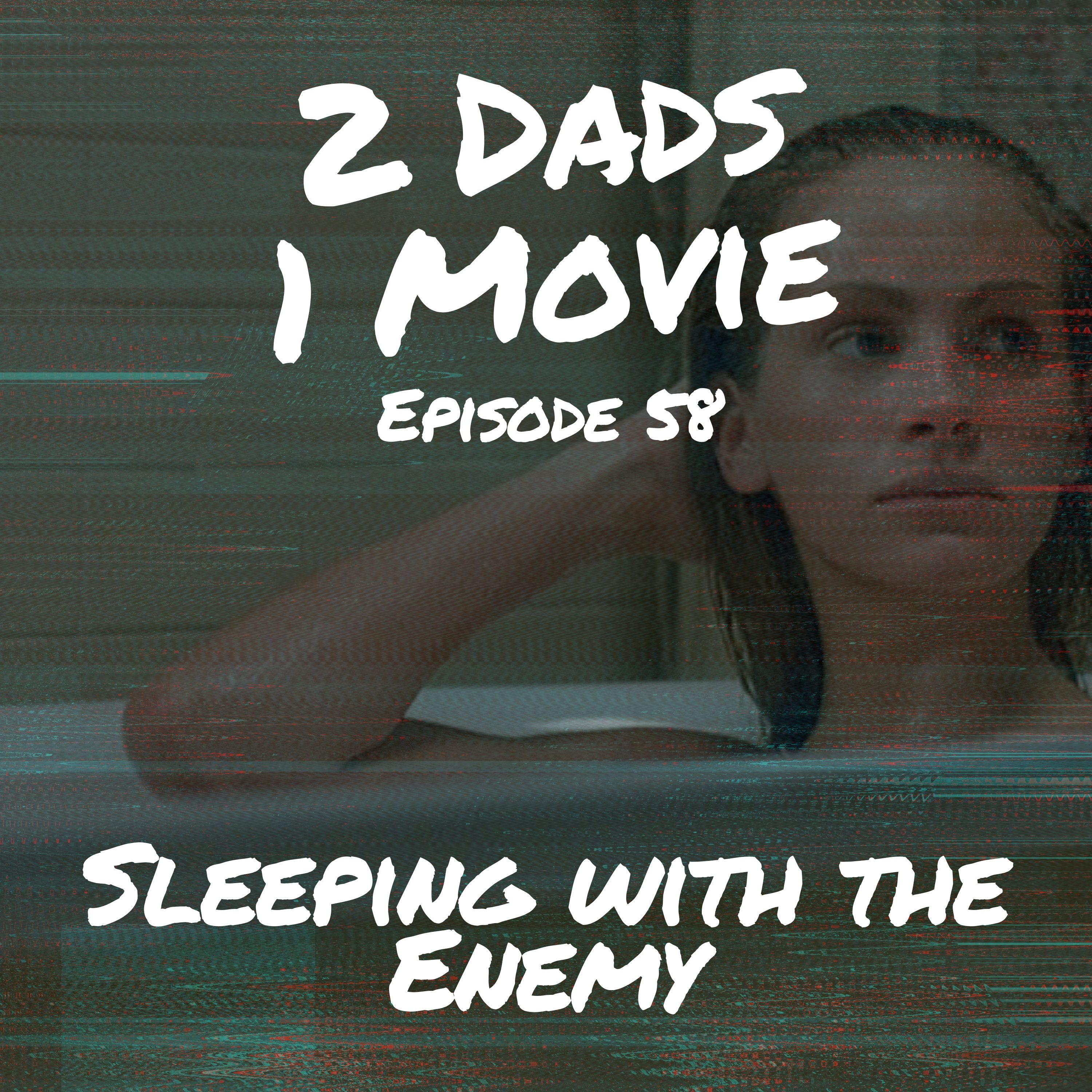
    Sleeping with the Enemy (1991)

    Sleeping with the Enemy (1991) lands on the podcast courtesy of Nic, who has a habit of bringing thrillers Steve has never seen. Pacific Heights, Cape Fear, The River Wild -- all Nic joints, all new to Steve. The streak continues. The setup: Julia Roberts is Laura, a woman living a gorgeous, terrible life on Cape Cod with a controlling husband named Martin who irons his soul right out of every room he enters. His towels are aligned to the millimeter. His reaction to a neighbor admiring the house is to accuse his wife of sleeping with him. His idea of a post-beating apology is lingerie and the words "I'm sorry we quarreled." Nic notes the New York Times would be proud of that phrasing, and that the lingerie is not exactly a gift. The movie opened by knocking Home Alone off the top of the box office after sixteen straight weeks -- and Steve immediately clocks that the opening score sounds suspiciously like John Williams by way of a holiday film. His read: someone heard what America was watching and said, "give me that Home Alone sound for the movie where America's sweetheart kills a man at the end." The Saturn Award nomination for Best Music is examined with appropriate skepticism. What works here is sharp: the foreshadowing that doesn't telegraph, the commitment to Laura as the one who saves herself (not Ben, who is unconscious and irrelevant by the time it matters, like a WWF referee who took the bump), and a third-act line to a 911 operator that nearly earned a bonus half-point from Steve on the spot. What doesn't work is Martin, who both dads agree is cartoonish to the point of farce -- Snidely Whiplash with a Versa Climber and Berlioz on the tape deck. The casting conversation alone is worth the runtime. Two men watch a movie and ask: who should have been in this? The answer keeps circling back to a Hollywood that wasn't ready to hand a starring vehicle to a woman and expect men to show up and play second. Martin gets what's coming to him. The ring twinkles on the floor. The Home Alone music has come full circle. Advertising Inquiries: https://redcircle.com/brands

    • Transcript
Showing 1–20 of 23 episodes