Skip to content
Artwork for 1A

1A

NPR

Listening to the news can feel like a journey. But 1A guides you beyond the headlines – and cuts through the noise. Let's get to the heart of the story, together – on 1A.

Support public media by joining NPR+ at plus.npr.org. You’ll get perks for over 25 NPR podcasts, including sponsor-free listening for 1A.
Play
  • 53 episodes
  • daily
  • Avg 50 min
  • English

Support the show

Goes straight to the publisher. podnod takes nothing.

Counted on this page — what you have heard stays on this device, so it is not something the list can be paged by.
  • August 21 · 1 hr 27 min

    The News Roundup For August 21, 2026

    The United States’ national debt has now surpassed $40 trillion, a milestone that forecasters thought the country wouldn’t reach for months. President Donald Trump drew the ire of many military families, lawmakers, and the public when he was asked if the deployment of the USS Lincoln to the Middle East had gone on too long. He responded by saying, “No no no no…not nearly long enough.” Florida State Rep. Angie Nixon pulled off one of the biggest upsets of this year’s primary season. The Democratic Socialist beat former Army intelligence officer Alexander Vindman by more than 12 points in the state’s Democratic Senate primary. And, in global news, President Donald Trump started this week by threatening Canada with drastic new tariffs, some as high as 50 percent, if negotiators from both countries didn’t reach a new trade deal. Reporting from The New York Times indicates that the U.S. Navy is helping tankers sneak through the Strait of Hormuz by turning their ship transponders off. American Officials say around 10 million barrels of oil are now making their way to global markets. And Trump is also pushing for another meeting with North Korean dictator Kim Jong Un, potentially as soon as this fall. The two last met in 2019 during the president’s first term. We cover the most important stories from around the world in the News Roundup. Find more of our programs online. Listen to 1A sponsor-free by signing up for 1A+ at plus.npr.org/the1a. See pcm.adswizz.com for information about our collection and use of personal data for sponsorship and to manage your podcast sponsorship preferences. NPR Privacy Policy

  • August 20 · 28 min

    The History And Legacy Of Hurricane Helene

    On the night of Sept. 27, 2024, Hurricane Helene dropped a historic wall of rain on the southern Appalachian mountains. Some 31 inches of water fell in three days. The Swannanoa River rose 27 feet. Roads, bridges, and entire communities – very little was left in the storm’s aftermath. More than 250 people died across the Southeast. More than a hundred of them in North Carolina alone. It was the deadliest hurricane to hit the continental United States since Katrina. We check in on how much western North Carolina has rebuilt in the nearly two years since the storm. And how far it still has to go. Find more of our programs online. Listen to 1A sponsor-free by signing up for 1A+ at plus.npr.org/the1a. See pcm.adswizz.com for information about our collection and use of personal data for sponsorship and to manage your podcast sponsorship preferences. NPR Privacy Policy
  • August 19 · 42 min

    Medicine: The Problems And Possibilities Of Peptides

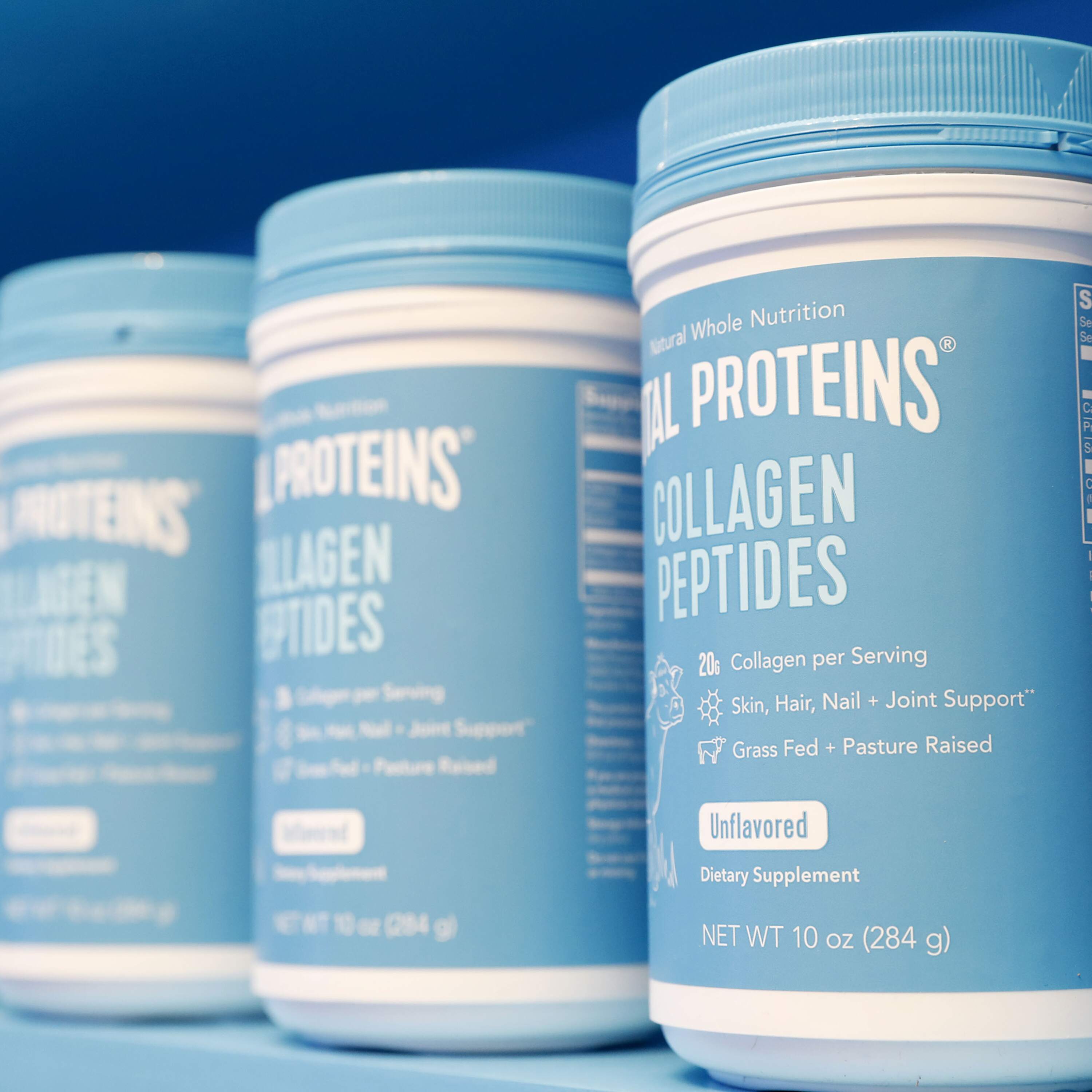
    If you have a favorite wellness podcaster or influencer, you’ve probably heard about peptides. These injectable compounds are comprised of a string of amino acids and promise effects like weight loss, better sleep, muscle growth and more. Given the potential benefits, it comes as no surprise that interest has exploded. The market is ready to provide. It’s already valued around $140 billion and by 2033 is projected to reach over $290 billion in value. Last month, an FDA advisory panel voted to make six peptides more accessible to the public. But scientists warned against this decision, saying there’s not enough data concerning their safety and effectiveness. Many people are already getting their hands on peptides through what’s been called the gray market. What does the FDA’s decision mean for access? And how safe are they really? Find more of our programs online. Listen to 1A sponsor-free by signing up for 1A+ at plus.npr.org/the1a. See pcm.adswizz.com for information about our collection and use of personal data for sponsorship and to manage your podcast sponsorship preferences. NPR Privacy Policy

  • August 18 · 44 min

    In Good Health: Finding A Primary Care Physician

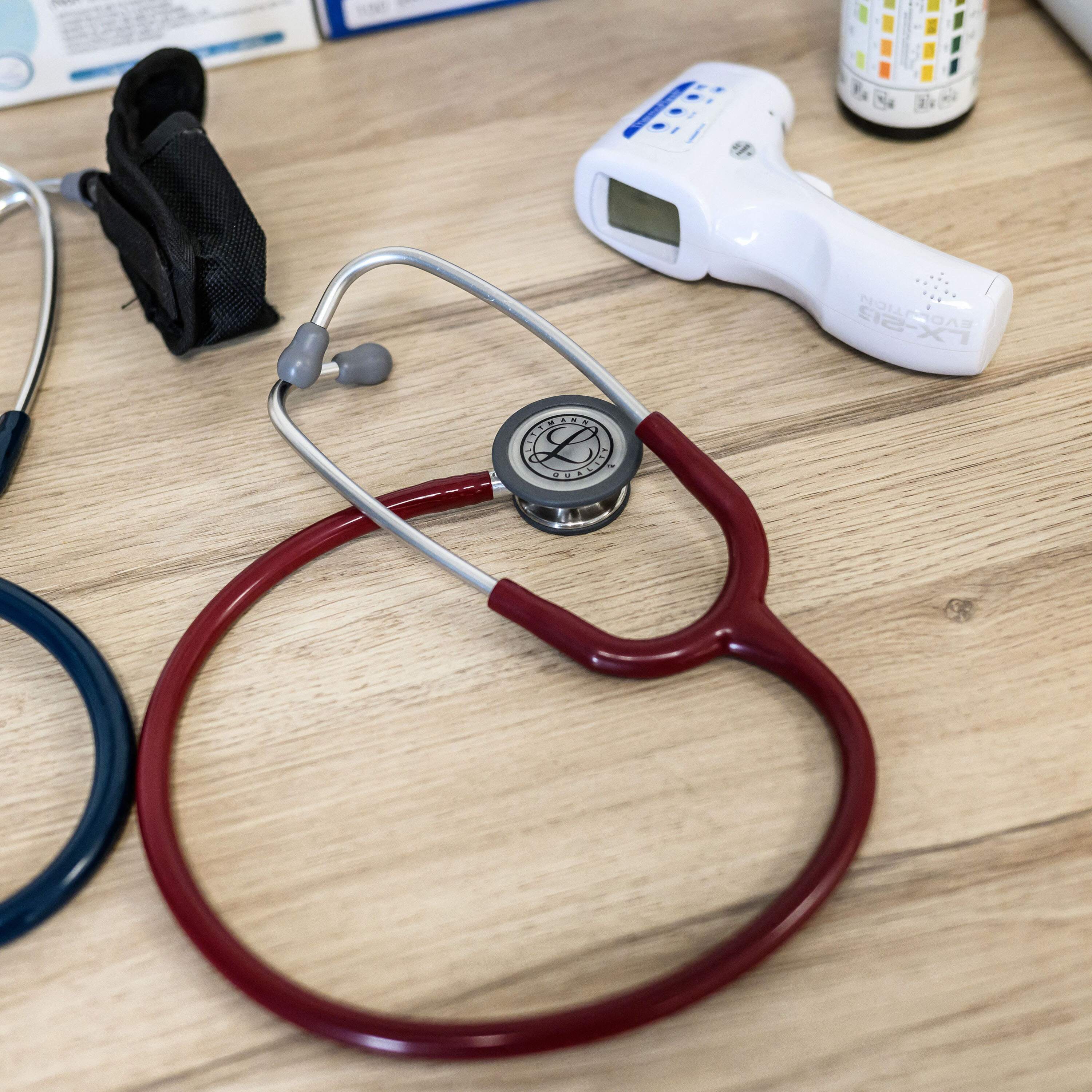
    When was the last time you went to the doctor? Not necessarily for something big, not for a broken finger or the flu. Just a checkup. A regular annual visit to make sure everything is ok with your health. For about a third of Americans, it’s probably been too long. In 2024, more than 100 million people did not have a regular primary doctor at all, according to the National Association of Community Health Centers. The outlook is particularly bleak for young people. More than a quarter of people aged 18 to 29 polled in a national survey this summer said they didn’t have a primary care doctor. And over half of them who did have a doctor said they skipped or didn’t schedule an annual wellness check up in the past year. But the blame shouldn’t fall solely on the patients. Primary care doctors are getting squeezed by the current healthcare system. There’s a growing shortage of primary care physicians. That can mean wait times of months just to get an appointment. For today’s installment of our series, “In Good Health,” we’re unpacking the state of primary care—and what to do if you don’t have access to it. Find more of our programs online. Listen to 1A sponsor-free by signing up for 1A+ at plus.npr.org/the1a. See pcm.adswizz.com for information about our collection and use of personal data for sponsorship and to manage your podcast sponsorship preferences. NPR Privacy Policy

  • August 17 · 44 min

    'If You Can Keep It': How Trump’s Getting Rich As President

    Donald Trump is adding billions of dollars to his personal fortune while he serves as president. In 2024, the president made about $600 million. In his first year of his second term in office, that number jumped to more than $2.2 billion. The latest White House disclosures show most of those earnings came from cryptocurrency and crypto-related businesses. He also continues to make millions from real estate and golf deals, many in foreign countries negotiating with the U.S. government he controls. And he’s received $117 million in legal settlements. In this edition of our series, “If You Can Keep It,” we take a look at the scale of President Trump’s personal enrichment during his second term. What happens when the line blurs between the president’s personal wealth and the interests of the country? Find more of our programs online. Listen to 1A sponsor-free by signing up for 1A+ at plus.npr.org/the1a. See pcm.adswizz.com for information about our collection and use of personal data for sponsorship and to manage your podcast sponsorship preferences. NPR Privacy Policy

  • August 14 · 1 hr 26 min

    The News Roundup for August 14, 2026

    Haitians that used to have Temporary Protected Status are facing a new reality in the United States. Immigration operations targeting members of this community are currently underway at the direction of the Department of Homeland Security. White House Press Secretary Karoline Leavitt announced this week she would be leaving her post within the Trump administration. And new reporting indicates that members of Congress are relying on AI chatbots to legislate more than ever before. And, in global news, despite President Donald Trump promising to keep the Strait of Hormuz open for boat traffic, the number of ships traversing the waterway has fallen to a new three-month low. As his country’s October elections approach, Israeli President Benjamin Netanyahu is trying to find the balance between appeasing Trump as he pushes for a solution in Gaza and keeping the Israeli right-wing happy. And this Saturday marks the five-year anniversary of the U.S. military withdrawal from Afghanistan. We cover the most important stories from around the world in the News Roundup. Find more of our programs online. Listen to 1A sponsor-free by signing up for 1A+ at plus.npr.org/the1a. See pcm.adswizz.com for information about our collection and use of personal data for sponsorship and to manage your podcast sponsorship preferences. NPR Privacy Policy

  • August 13 · 44 min

    Policy: The Trump Administration Wants To Make Big Changes To Head Start

    When Head Start was founded, the idea was simple: give low-income kids a running start before kindergarten — not just with preschool classes and childcare, but with health screenings and support for their families. Some 60 years later, it serves more than 750,000 children — and their families — every year. But the Trump administration thinks the program is too costly and inefficient. Last week, it proposed the most significant changes to Head Start in decades. The proposed rules would eliminate many of the federal standards for how programs are run and hand those decisions to the states. They would also cap how much programs can spend on administrative costs. Officials say the changes would save money and open up new slots for hundreds of thousands of kids. Critics say stripping these standards is the first step towards dismantling the program entirely. What does the evidence say about whether Head Start works? And what happens if those federal standards go away? Find more of our programs online. Listen to 1A sponsor-free by signing up for 1A+ at plus.npr.org/the1a. See pcm.adswizz.com for information about our collection and use of personal data for sponsorship and to manage your podcast sponsorship preferences. NPR Privacy Policy

  • August 12 · 43 min

    In Good Health: Why Measles Numbers Are On The Rise

    Nationwide, students, teachers, and parents are gearing up for the school year. And measles is spreading. The U.S. has already logged more cases this year than in all of 2025. It’s the highest count in 35 years. That’s in large part because measles vaccination rates have slipped below 95 percent – the threshold public health experts say is needed to stop community spread. Last week on CNN, Health and Human Services Secretary Robert F. Kennedy Jr. said children should be vaccinated for measles after being pressed on-camera, even as he used the same interview to push a debunked claim about respiratory syncytial virus. And on Monday, President Donald Trump signed an executive order aimed at upending the childhood vaccine schedule, including changes to the measles vaccine and others. But what will actually change at the doctor’s office? Find more of our programs online. Listen to 1A sponsor-free by signing up for 1A+ at plus.npr.org/the1a. See pcm.adswizz.com for information about our collection and use of personal data for sponsorship and to manage your podcast sponsorship preferences. NPR Privacy Policy

  • August 11 · 33 min

    Book: What The Wealthy Want With America

    Journalists often say, “Follow the money.” But what if we said, “Follow billions of dollars to understand who controls this country’s political policy, technology and culture” instead? Tesla CEO, Elon Musk dropped $200 million on the 2024 election and later headed up the now defunct Department of Government Efficiency.Amazon Founder Jeff Bezos’s company paid $48 million to license and distribute first lady Melania Trump’s documentary. And Facebook’s Mark Zuckerberg donated $1 million to the president’s inaugural fund and was appointed to the Trump’s Council of Advisors on Science and Technology to help shape national innovation and AI policy. Could the key to understanding the economic and political tides in the U.S. today come down to understanding the wealthiest among us? Find more of our programs online. Listen to 1A sponsor-free by signing up for 1A+ at plus.npr.org/the1a. See pcm.adswizz.com for information about our collection and use of personal data for sponsorship and to manage your podcast sponsorship preferences. NPR Privacy Policy

  • August 10 · 32 min

    'If You Can Keep It': The Direct Impact Of Local Elections

    From school board officials and city council members, to decisions over roads and disaster relief budgets, local elections make a direct impact on your day-to-day life. But state and local elections get less attention, less media coverage, and lower voter turnout. In November’s municipal elections in Dallas, Texas, some 14 council seats were up for the vote but turnout was just 8 percent. And average voter turnout for mayoral elections in the U.S. is 20 percent or less. What can voters do to stay more informed on a local level? Find more of our programs online. Listen to 1A sponsor-free by signing up for 1A+ at plus.npr.org/the1a. See pcm.adswizz.com for information about our collection and use of personal data for sponsorship and to manage your podcast sponsorship preferences. NPR Privacy Policy

  • August 7 · 1 hr 25 min

    The News Roundup for August 7, 2026

    Progressive Senate Candidate Abdul El-Sayed won his Michigan primary this week, sending a strong message to the Democratic party establishment that backed his opponent. Dr. Anthony Fauci was found in contempt of Congress on Thursday. The vote by the Senate Homeland Security Committee came after Fauci invoked his Fifth Amendment right over 100 times during a recent hearing. And reports indicate the U.S. missile stockpile is running low. President Trump and the Pentagon have denied the story. And, in global news, illegal settler activity is expanding across the occupied West Bank. And this week Israeli prosecutors charged a Jewish settler over the killing of a Palestinian community leader – the ⁠first such indictment in nearly three years. Following a rush of migrants from Morocco into the Spanish territory of Ceuta, the Spanish prime minister is facing criticism from other European Union leaders over his country’s immigration policy. And Russia is overhauling its military strategy, taking advantage of Ukraine’s current lack of missile interceptors. We cover the most important stories from around the world in the News Roundup. Find more of our programs online. Listen to 1A sponsor-free by signing up for 1A+ at plus.npr.org/the1a. See pcm.adswizz.com for information about our collection and use of personal data for sponsorship and to manage your podcast sponsorship preferences. NPR Privacy Policy
  • August 6 · 42 min

    AI: What AI Means For The Future Of American Education

    Artificial intelligence is rapidly changing how we work, live, and engage with the world. Whether that’s using ChatGPT to do our taxes or spending hours sifting through AI generated images on social media. It’s also reshaping our education system. Roughly half of U.S. students said they used AI in some way for school, according to a 2025 survey from the Rand Corporation. But some students aren’t on board. So, how are students and teachers around the country using this new tool? And what does this mean for the future of school, and how we define what it’s actually for? Find more of our programs online. Listen to 1A sponsor-free by signing up for 1A+ at plus.npr.org/the1a. See pcm.adswizz.com for information about our collection and use of personal data for sponsorship and to manage your podcast sponsorship preferences. NPR Privacy Policy

  • August 5 · 44 min

    Economy: Rising Grocery Prices Are Changing How Americans Shop

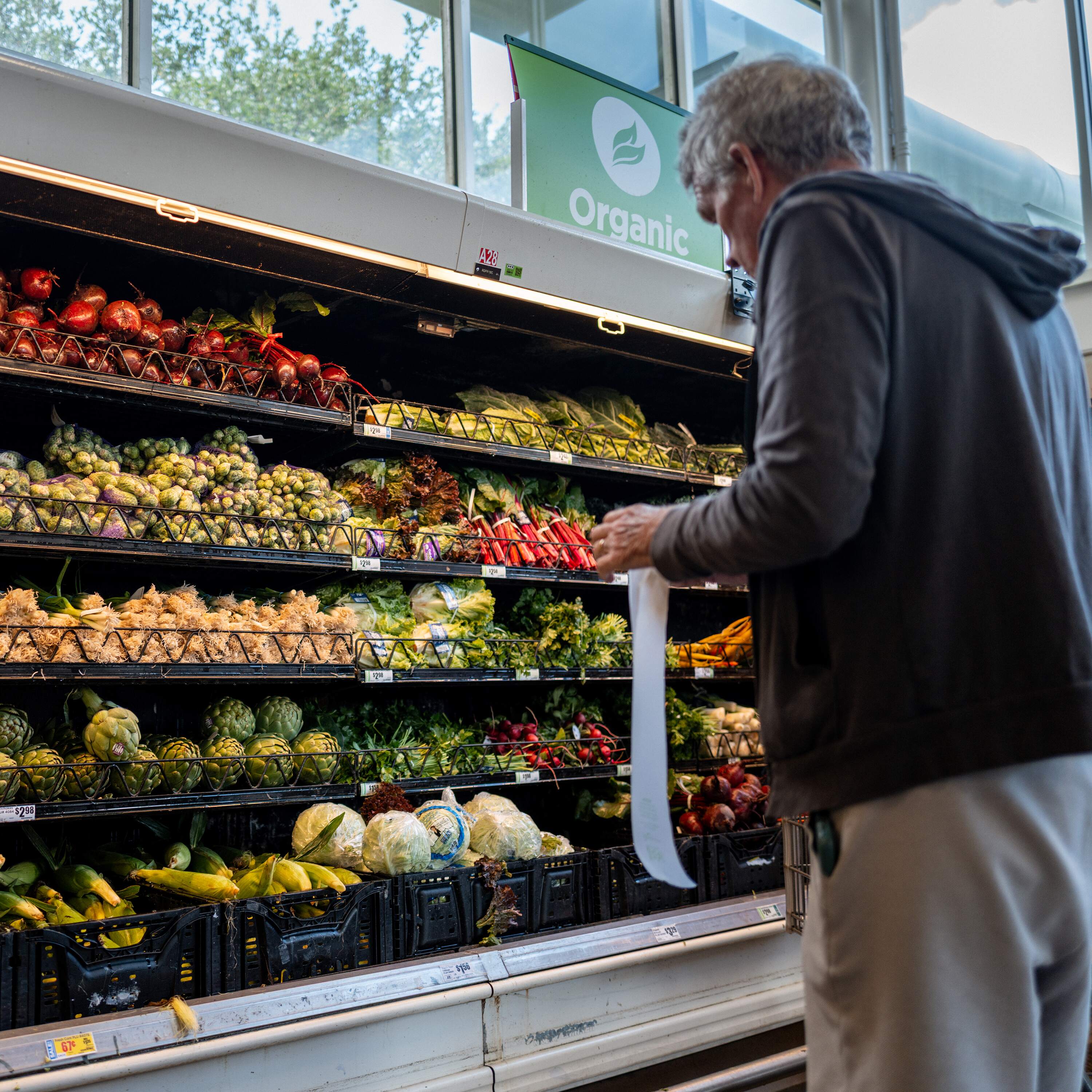
    Affording groceries is becoming a struggle for many Americans. Food prices are up 33 percent since 2019. That’s according to federal data analyzed by the Associated Press. It’s led some people to change their diets or where they shop. Others are taking more drastic measures by dipping into their savings or going into credit card debt. A 2025 survey from the Urban Institute found that one in four people using credit cards to buy food had trouble paying those bills. What’s behind the jump in grocery prices? How is it affecting Americans’ financial stability? And how is all of this affecting our economy as a whole? Find more of our programs online. Listen to 1A sponsor-free by signing up for 1A+ at plus.npr.org/the1a. See pcm.adswizz.com for information about our collection and use of personal data for sponsorship and to manage your podcast sponsorship preferences. NPR Privacy Policy

  • August 4 · 44 min

    AI: The Data Center Debate, Part Two

    Data centers. They’ve been all over the news. Last month, protesters showed up in 125 cities across the country on a single Saturday to demonstrate against these structures, either proposed or completed. But are the politicians listening? We sit down for the second part of our data center deep dive. This time, we talk politics. Why have data centers become a political flashpoint so quickly? And who is calling the shots at the local, state, and federal level? Find more of our programs online. Listen to 1A sponsor-free by signing up for 1A+ at plus.npr.org/the1a. See pcm.adswizz.com for information about our collection and use of personal data for sponsorship and to manage your podcast sponsorship preferences. NPR Privacy Policy

  • August 4 · 43 min

    'If You Can Keep It': Should Judges Be Elected?

    Should judges be elected? That’s the question Kansas voters are answering on the ballot this month. A constitutional amendment aims to change how judges are chosen in the state – abandoning the 68-year-old system of appointing judges. Proponents of the change say elections put the choice back in voters’ hands. And their arguments aren’t new: Republicans in Kansas have long argued for judicial elections. Critics of the amendment say elections politicize the process of picking judges. More than $10 million has been spent in total campaigning in Kansas – and those against the amendment are outspending those for it by huge margins. As part of our weekly series “If You Can Keep It,” we take closer look at how judges are picked in this country and what it means for the rulings they issue. Find more of our programs online. Listen to 1A sponsor-free by signing up for 1A+ at plus.npr.org/the1a. See pcm.adswizz.com for information about our collection and use of personal data for sponsorship and to manage your podcast sponsorship preferences. NPR Privacy Policy

  • July 31 · 1 hr 27 min

    The News Roundup For July 31, 2026

    Israeli Prime Minister Benjamin Netanyahu was in Washington this week for his first visit to the White House since the war in Iran began. Former CDC head Anthony Fauci invoked his Fifth Amendment rights as he sat in before Congress during a hearing led by Sen. Rand Paul concerning the doctor’s COVID diaries. And Temporary Protected Status lapsed for hundreds of thousands of Haitians living in the U.S. this week. We cover the most important stories from around the nation in the domestic hour of the News Roundup. And, in global news, reports suggest that Russia is assisting Iran target U.S. troops as the war between the United States and Iran rages. There are few if any signs of diplomacy from either Washington or Tehran. Meanwhile, Ukrainian President Volodymyr Zelenskyy was in Washington to meet with President Donald Trump. And in what could be a new normal, wildfires are raging across Spain and France. We cover the most important stories from around the world in the News Roundup. Find more of our programs online. Listen to 1A sponsor-free by signing up for 1A+ at plus.npr.org/the1a. See pcm.adswizz.com for information about our collection and use of personal data for sponsorship and to manage your podcast sponsorship preferences. NPR Privacy Policy

  • July 30 · 44 min

    AI: The AI Detection Tool Arms Race

    If you’ve been on the internet lately, you’ve probably been fooled by AI at least once. Don’t worry, you’re not alone. One poll by the data security company, All About Cookies, found that 77 percent of Americans have been duped by artificial intelligence at some point. Sometimes it can seem harmless – like that viral TikTok video of bunnies jumping on a trampoline, which raked in over 25 million likes. But AI has also been used maliciously, creating misinformation in the realm of politics, health, and breaking news events. The use of AI has also duped people within the creative fields – from music to visual art. And it’s being used within education as teachers raising concerns over widespread cheating. How can detection tools keep up with all the fast-changing technology and its varied uses? Find more of our programs online. Listen to 1A sponsor-free by signing up for 1A+ at plus.npr.org/the1a. See pcm.adswizz.com for information about our collection and use of personal data for sponsorship and to manage your podcast sponsorship preferences. NPR Privacy Policy

  • July 29 · 34 min

    Music: Glen Hansard On Making Music

    Irish singer-songwriter Glen Hansard died today in a motorcycle crash in Ireland at the age of 56. We sat down with him in April to talk about his storied career and his final album, "Don+t Settle – Transmissions East and West." Here's what we wrote about that conversation at the time. – The song “Falling Slowly” first debuted in the 2007 indie romance film “Once” starring Irish singer-songwriter Glen Hansard and Czech-Islandic singer-songwriter Markéta Irglová. It tells the story of a dramatized version of their own musical partnership. That song won an Oscar for best original song and the musical duo became a hit in the U.S. when they recorded and toured as The Swell Season. But long before any success stateside, Hansard was a fixture of the Irish music scene, first busking on Dublin streets at age 13. And in 1990 he formed the Irish rock group The Frames. Today, Hansard is reflecting on his decades of music-making and looking ahead. His new two-part album is called “Don+t Settle – Transmissions East and West.” He sits down with us to talk about the first part. Find more of our programs online. Listen to 1A sponsor-free by signing up for 1A+ at plus.npr.org/the1a. See pcm.adswizz.com for information about our collection and use of personal data for sponsorship and to manage your podcast sponsorship preferences. NPR Privacy Policy

  • July 28 · 44 min

    Pending: Navigating Uncertainty With Faith

    Navigating a challenging moment in a friendship. Weighing a new job or changing your career. Seeing news about instability in our politics. A confusing diagnosis at the doctor’s office. Tending to a loved one in the hospital or in hospice. Uncertainty strikes us in every part of our lives, big and small. And about three quarters of the world’s more than 8 billion people turn to faith. In this edition of our series, “Pending,” we look at faith. When can it help with uncertainty? And how can we use it, whatever that means for us, in the face of problems we think we can’t solve? Find more of our programs online. Listen to 1A sponsor-free by signing up for 1A+ at plus.npr.org/the1a. See pcm.adswizz.com for information about our collection and use of personal data for sponsorship and to manage your podcast sponsorship preferences. NPR Privacy Policy

  • July 27 · 44 min

    'If You Can Keep It': The Pentagon And Transparency

    At least 18 American service members have been killed and hundreds more wounded since the start of the Iran war. On Tuesday, President Donald Trump spoke little of the troops who’d recently been killed before giving updates on the war: We feel very badly, but you know those great people, those great patriots who are out there fighting that Iran cannot have a nuclear weapon. Iran has been very, very badly damaged. They’ve lost everything almost militarily. They’ve got very little left. They’ve got some missiles. They’ve got some drones. They’ve got some manufacturing ability, not much. We control the strait. They don’t control anything, so we’ll see what happens. We get into funding – whether Congress will exercise its powers over the flow of money and the president’s war powers. The Pentagon is shutting out the free press and even downplaying troop deaths. Those four service members killed in Jordan and Iraq last weekend? The Pentagon scrubbed them from the war casualty record less than a week later. The Trump administration said their deaths don’t count toward the official Iran war death toll because they were killed after the president declared a ceasefire in April. Over the weekend, after facing backlash from veterans and military families, the Pentagon restored those four soldiers killed in Iranian strikes last weekend to their casualty database and added more than 140 new wounded soldiers. Today on 1A, what responsibility does the Pentagon have to communicate transparently with the media and the American public? Find more of our programs online. Listen to 1A sponsor-free by signing up for 1A+ at plus.npr.org/the1a. See pcm.adswizz.com for information about our collection and use of personal data for sponsorship and to manage your podcast sponsorship preferences. NPR Privacy Policy

Showing 21–40 of 53 episodes