Skip to content
Artwork for With Good Reason
With Good Reason · June 18 · 51 min

Framing the Civil War

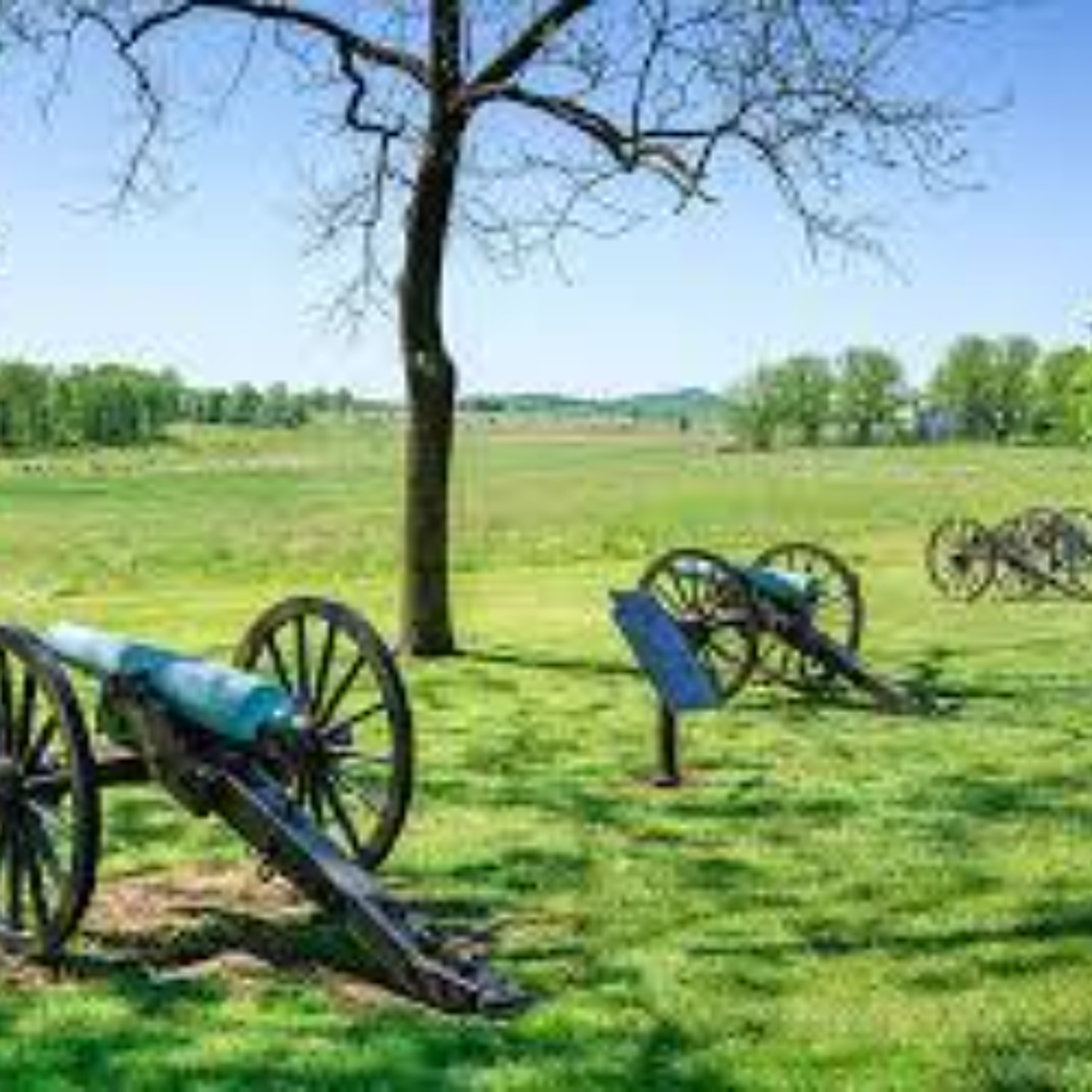
For nearly a century the National Park Service would tell you all about the civil war battles and tactics, but meticulously avoided the most explosive word in the American lexicon: Slavery. Former National Park Service Chief Historian Dwight Picaithley says that all changed in 1998, triggering thousands of protest letters and political threats. Later in the show: At the start of the Civil War, Frederick Douglass wrote and spoke harshly about Abraham Lincoln for not moving more quickly on emancipation. But in his new book Jonathan White reveals how Douglass came to become one of Lincoln’s greatest admirers. Plus: In A Wonderful Career in Crime, Frank Garmon tells the story of the only criminal to have been pardoned by two of the most prominent political foes of the day, President Abraham Lincoln and Jefferson Davis, president of the Confederate states.
0:00-51:56

transcript

No transcript — this publisher did not publish one.

show notes

For nearly a century the National Park Service would tell you all about the civil war battles and tactics, but meticulously avoided the most explosive word in the American lexicon: Slavery. Former National Park Service Chief Historian Dwight Picaithley says that all changed in 1998, triggering thousands of protest letters and political threats.

Later in the show: At the start of the Civil War, Frederick Douglass wrote and spoke harshly about Abraham Lincoln for not moving more quickly on emancipation. But in his new book Jonathan White reveals how Douglass came to become one of Lincoln’s greatest admirers. Plus: In A Wonderful Career in Crime, Frank Garmon tells the story of the only criminal to have been pardoned by two of the most prominent political foes of the day, President Abraham Lincoln and Jefferson Davis, president of the Confederate states.

more episodes

All episodes