Skip to content
Artwork for With Good Reason
With Good Reason · April 23 · 51 min

Eye in the Sky

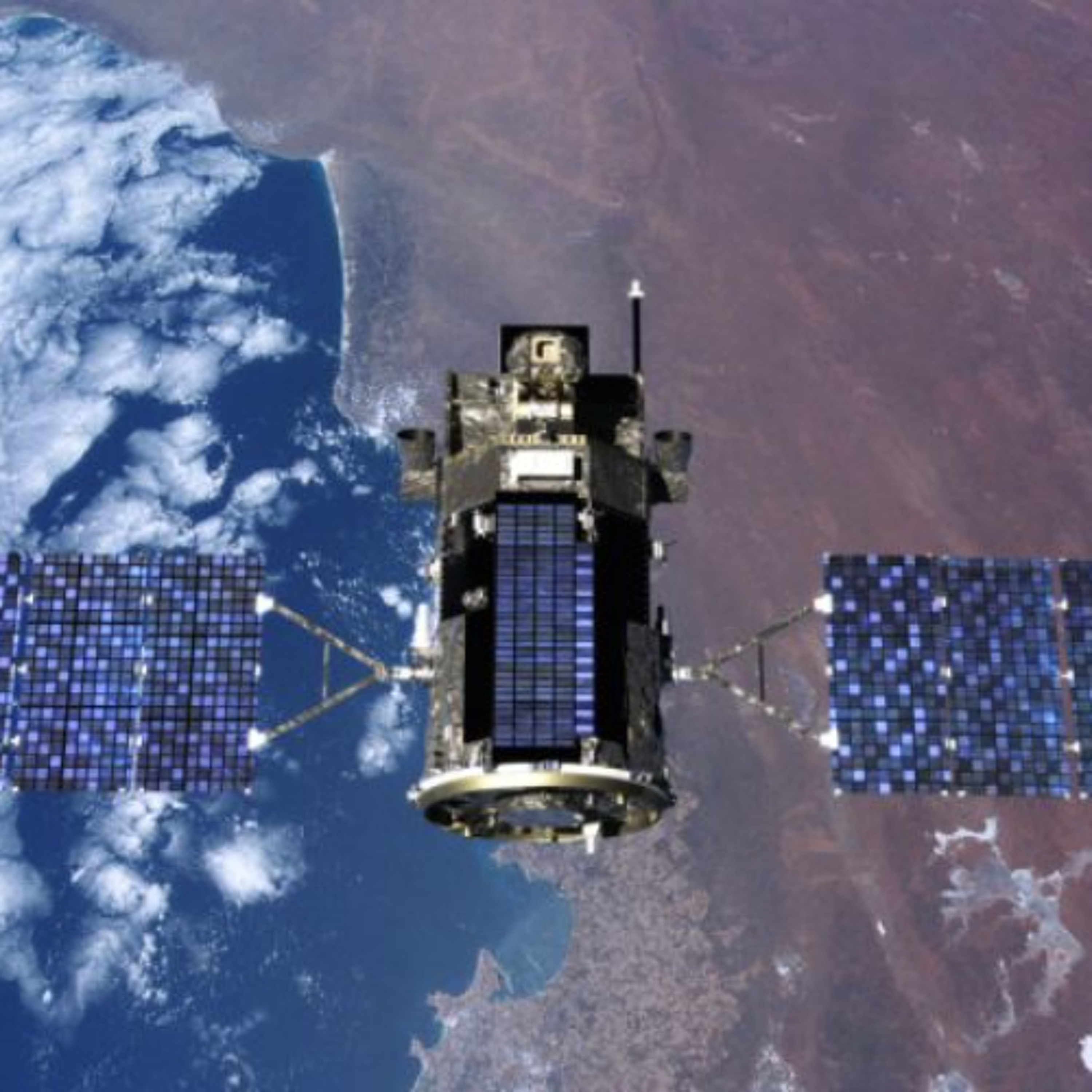
There’re over 10,000 active satellites orbiting Earth. And they do more than just power our phones and GPS, they’re giving us a whole new perspective on who we are. Dan Runfola sifts through countless satellite images to learn more about our human footprint and the evolution of society. And: Michael Shingledecker uses the James Webb Space Telescope to study ice layers that freeze in clouds of stardust. He says this cosmic ice is a key ingredient in the formation of the universe. Later in the show: At first glance, plankton might seem unimpressive. They’re tiny little brainless micro-organisms that drift with the tides and currents. But they play a huge role in the ocean carbon cycle. Scott Doney tracks plankton - from the Antarctic to the Caribbean - by using satellites to observe ocean color.


0:00-51:58

transcript

No transcript — this publisher did not publish one.

show notes

There’re over 10,000 active satellites orbiting Earth. And they do more than just power our phones and GPS, they’re giving us a whole new perspective on who we are. Dan Runfola sifts through countless satellite images to learn more about our human footprint and the evolution of society. And: Michael Shingledecker uses the James Webb Space Telescope to study ice layers that freeze in clouds of stardust. He says this cosmic ice is a key ingredient in the formation of the universe.

Later in the show: At first glance, plankton might seem unimpressive. They’re tiny little brainless micro-organisms that drift with the tides and currents. But they play a huge role in the ocean carbon cycle. Scott Doney tracks plankton - from the Antarctic to the Caribbean - by using satellites to observe ocean color.
more episodes

All episodes