Skip to content
Artwork for Weltgeist
Weltgeist · Saturday · 11 min

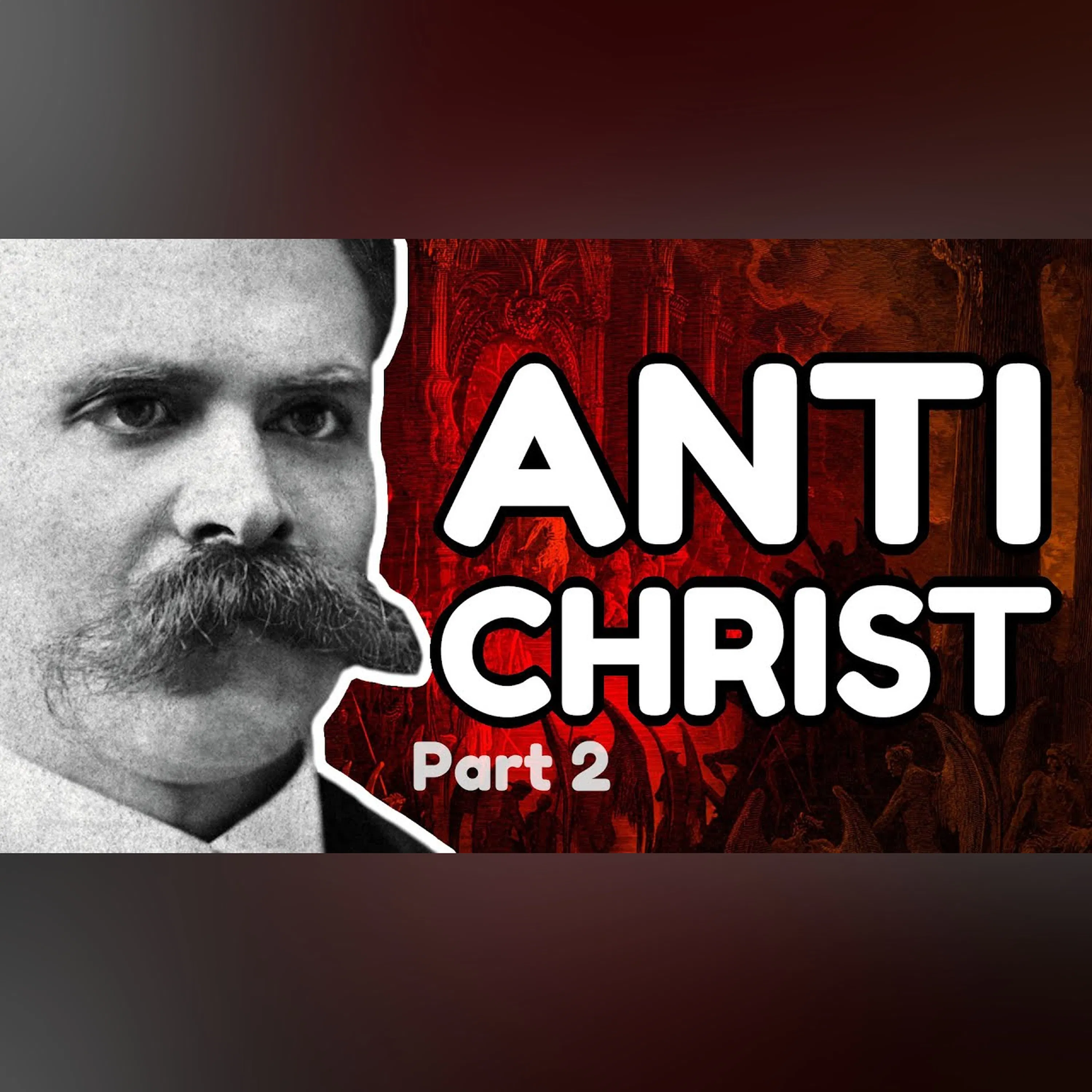
NIETZSCHE Explained: The Antichrist - The Problem with Pity (pt. 2)

WATCH: The Antichrist pt. 1: https://youtu.be/_V1NFlaO3TE Twilight of the Idols, the Weak vs. the Strong: https://youtu.be/ufd2QLenoAM In this part, we will go over the notion of pity and why Nietzsche thought that pity was one of the most harmful elements of Christianity. In earlier works, Nietzsche already spoke out against pity, or compassion. For example, in a paragraph of The Joyful Science, Nietzsche laments how pity leads us away from our own path and our individuality: pity as a distraction. Nietzsche’s demonization of pity or compassion is an obvious attack on Schopenhauer’s philosophy, which held that compassion is the root of all morality. In fact, he is probably directly alluding to Schopenhauer in the above passage. And it is true, that for Schopenhauer, supreme goodness consists in complete compassion for other people and animals, so much so, that the perfectly good person should forget his own individuality altogether! This is absolutely appalling to Nietzsche. In this formulation of pity, Nietzsche sees a denial of life, a resignation, a saying of No. A degeneration of man’s primal instinct: the will to power. Pity, driven to its ethical conclusion, will make you a part of the herd by stamping out your individuality. Pity is the primary virtue of slave morality. And it is therefore no coincidence that we find compassion, or “love thy neighbor” as the greatest commandment in Christianity. But this is not the whole story. There is another problem with pity. The reaction to pity, Nietzsche argues, is always disproportional to the cause. This makes pity extra insidious. Pity is the ultimate emotion of corruption, of degeneracy, because when we are being compassionate, we take the side of the weak and grant them a kind of power which they do not deserve. This, in turn, reflects badly on life itself. Learn more about your ad choices. Visit megaphone.fm/adchoices

0:00-11:51

transcript

No transcript — this publisher did not publish one.

show notes

WATCH:
The Antichrist pt. 1: https://youtu.be/_V1NFlaO3TE
Twilight of the Idols, the Weak vs. the Strong: https://youtu.be/ufd2QLenoAM

In this part, we will go over the notion of pity and why Nietzsche thought that pity was one of the most harmful elements of Christianity.

In earlier works, Nietzsche already spoke out against pity, or compassion. For example, in a paragraph of The Joyful Science, Nietzsche laments how pity leads us away from our own path and our individuality: pity as a distraction.

Nietzsche’s demonization of pity or compassion is an obvious attack on Schopenhauer’s philosophy, which held that compassion is the root of all morality. In fact, he is probably directly alluding to Schopenhauer in the above passage. And it is true, that for Schopenhauer, supreme goodness consists in complete compassion for other people and animals, so much so, that the perfectly good person should forget his own individuality altogether!

This is absolutely appalling to Nietzsche. In this formulation of pity, Nietzsche sees a denial of life, a resignation, a saying of No. A degeneration of man’s primal instinct: the will to power.

Pity, driven to its ethical conclusion, will make you a part of the herd by stamping out your individuality. Pity is the primary virtue of slave morality.

And it is therefore no coincidence that we find compassion, or “love thy neighbor” as the greatest commandment in Christianity.

But this is not the whole story. There is another problem with pity.

The reaction to pity, Nietzsche argues, is always disproportional to the cause. This makes pity extra insidious. Pity is the ultimate emotion of corruption, of degeneracy, because when we are being compassionate, we take the side of the weak and grant them a kind of power which they do not deserve. This, in turn, reflects badly on life itself.

Learn more about your ad choices. Visit megaphone.fm/adchoices

links3