Artwork for Ways to Change the World with Krishnan Guru-Murthy
Society & Culture

Ways to Change the World with Krishnan Guru-Murthy

Channel 4 News

How can you change the world? Join Krishnan Guru-Murthy and his guest of the week as they explore the big ideas influencing how we think, act and live.

  • 20 episodes
  • Updated Friday
  • Explicit

Episodes20

  • Friday · 36 min

    "We're heading over the cliff" - Former SpaceX and Google insider’s warning

    Former Silicon Valley insider Dex Hunter-Torricke spent years advising some of the most influential figures in tech, from Google and Facebook to SpaceX. Now, the founder of The Center for Tomorrow, he is sounding the alarm about the future being built by the industry he once helped champion. In this episode of Ways to Change the World, Krishnan Guru-Murthy speaks to Dex Hunter-Torricke about why he believes society is unprepared for the impact of artificial intelligence, the growing power of Big Tech, and the political influence of Silicon Valley’s leaders. Drawing on his experience working alongside figures including Elon Musk and Mark Zuckerberg, he reflects on what changed inside the tech industry, why he feels betrayed by its direction, and why he fears AI could deepen inequality, fuel social unrest and transform the global balance of power. From online safety and regulation to jobs, democracy and the future of international cooperation, this is a conversation about whether technology is really changing the world for the better, and what must happen if we are to avoid the dangers he believes lie ahead.
  • July 24 · 29 min

    Is university a waste of time? Euan Blair on the future of education and AI

    Artificial intelligence is transforming the workplace. Employers are rethinking how they hire, train and retain staff, while workers face growing uncertainty about which skills will matter in the future. As technology accelerates, long-established assumptions about education, careers and social mobility are being challenged. Euan Blair believes Britain needs a radical rethink. As founder and chief executive of the skills and apprenticeship company Multiverse, and the son of former Prime Minister Tony Blair, he argues that the country has become too reliant on traditional academic pathways and is failing to equip people for a rapidly changing economy. In this conversation, Blair explains why he believes universities are no longer the reliable route to opportunity they once were, why apprenticeships and workplace learning should play a much bigger role in education, and how artificial intelligence is already changing recruitment and career progression. In this episode of Ways to Change the World, Krishnan Guru-Murthy speaks to Euan Blair about apprenticeships, artificial intelligence, social mobility, and why he believes the future of education lies beyond the university lecture hall.

  • July 17 · 42 min

    Trump, Gaza and the end of human rights as we know it

    Democracy is under pressure. Human rights are increasingly contested. And around the world, authoritarian leaders are gaining ground. In this episode of Ways to Change the World, Krishnan Guru-Murthy speaks to Binaifer Nowrojee, president of the Open Society Foundations, one of the world's most influential human rights organisations. From documenting sexual violence during the Rwandan genocide to leading a global network dedicated to democracy, justice and human rights. Nowrojee reflects on the growing backlash against women's rights, the mounting pressure facing civil society groups, and the future of international law in the aftermath of conflicts from Ukraine to Gaza. She also discusses the controversy surrounding billionaire philanthropy, why she believes human rights are not in retreat, and the reasons she remains hopeful about the next generation's willingness to fight for freedom and dignity. Drawing on her own experience growing up under authoritarian rule in Kenya, she argues that progress is rarely linear - but that the struggle for justice is never finished.

  • July 10 · 51 min

    How social media DESTROYED childhood and how to get it back - Jonathan Haidt

    In this episode of Ways to Change the World, Krishnan Guru-Murthy speaks to the social psychologist whose work helped ignite a global rethink of childhood in the smartphone age. Jonathan Haidt, author of The Anxious Generation, argues that social media has fundamentally reshaped the lives of young people – driving rising rates of anxiety and depression, fragmenting attention spans and replacing real-world play with screen time. As Britain follows Australia in introducing restrictions on social media use for children, Haidt explains why he believes an entire generation has been caught up in a “great rewiring of childhood”, why girls and boys have been affected differently, and what parents can do to push back. They also discuss whether social media is fuelling political polarisation, why governments are finally taking action, and whether it's possible to reclaim our attention from the platforms competing for it. This conversation includes references to suicide, self harm, sexual activities and offensive language.

  • July 3 · 47 min

    Carlo Rovelli: Are we sleepwalking towards nuclear war?

    We're closer to nuclear catastrophe than at any point since the Cold War. That's the warning from theoretical physicist Carlo Rovelli. Drawing on his new book “85 Seconds to Midnight”, Rovelli argues that fear, not strength, is driving a dangerous new global arms race. He explains why he believes humanity has forgotten the lessons of Hiroshima, why today's rearmament risks repeating the mistakes of history, and how artificial intelligence could make the threat of nuclear war even greater. In this episode of Ways to Change the World, Krishnan Guru-Murthy speaks to theoretical physicist and bestselling author Carlo Rovelli about nuclear weapons, the morality of science, AI, international cooperation and why he believes humanity's greatest enemy is its own irrationality.

  • June 26 · 44 min

    How the "cult of success" created Trump and Musk - Obama’s speechwriter

    From the White House situation room, to shaping the Obama administration's national security communication - few people have had a closer view of the forces shaping modern America than Ben Rhodes. As Barack Obama's speechwriter and Deputy National Security Adviser, Rhodes helped craft some of the defining messages of the Obama era and played a central role in major foreign policy decisions, including the Iran nuclear deal. Now, in his new book All We Say, he argues that speeches reveal the enduring battle over American identity, who belongs, who holds power, and what kind of country America wants to be. In this episode of Ways to Change the World, Krishnan Guru-Murthy talks to Ben about why Donald Trump succeeded where others failed, whether speeches still matter in the age of social media, the backlash to Barack Obama, the rise of populism, and the lessons history offers for today's political turmoil. They also discuss Gaza, Israel, Iran, the future of the Democratic Party, and whether politics has lost the ability to tell a compelling story about where society is heading next.

  • June 19 · 48 min

    What Gareth Southgate can teach Britain - ‘Dear England’ writer James Graham 

    At a time when Britain feels increasingly fragmented, playwright and screenwriter James Graham believes the country faces a deeper crisis than politics alone can explain. From the collapse of community spaces and growing loneliness to the impact of AI, social media and declining trust in institutions, Graham argues that Britain is losing the social bonds that once held it together. But he also believes there's a way back. In this episode of Ways to Change the World, Krishnan Guru-Murthy speaks to the writer behind Sherwood, Dear England and Brexit: The Uncivil War about national identity, class, culture, storytelling and why Gareth Southgate may offer a model for rebuilding social cohesion. They discuss the future of the arts, the rise of populism, whether politics has lost the ability to tell a compelling story, and what happens when a society stops creating shared experiences.

  • June 5 · 45 min

    His parents were killed on Oct 7th. He chose reconciliation over revenge.

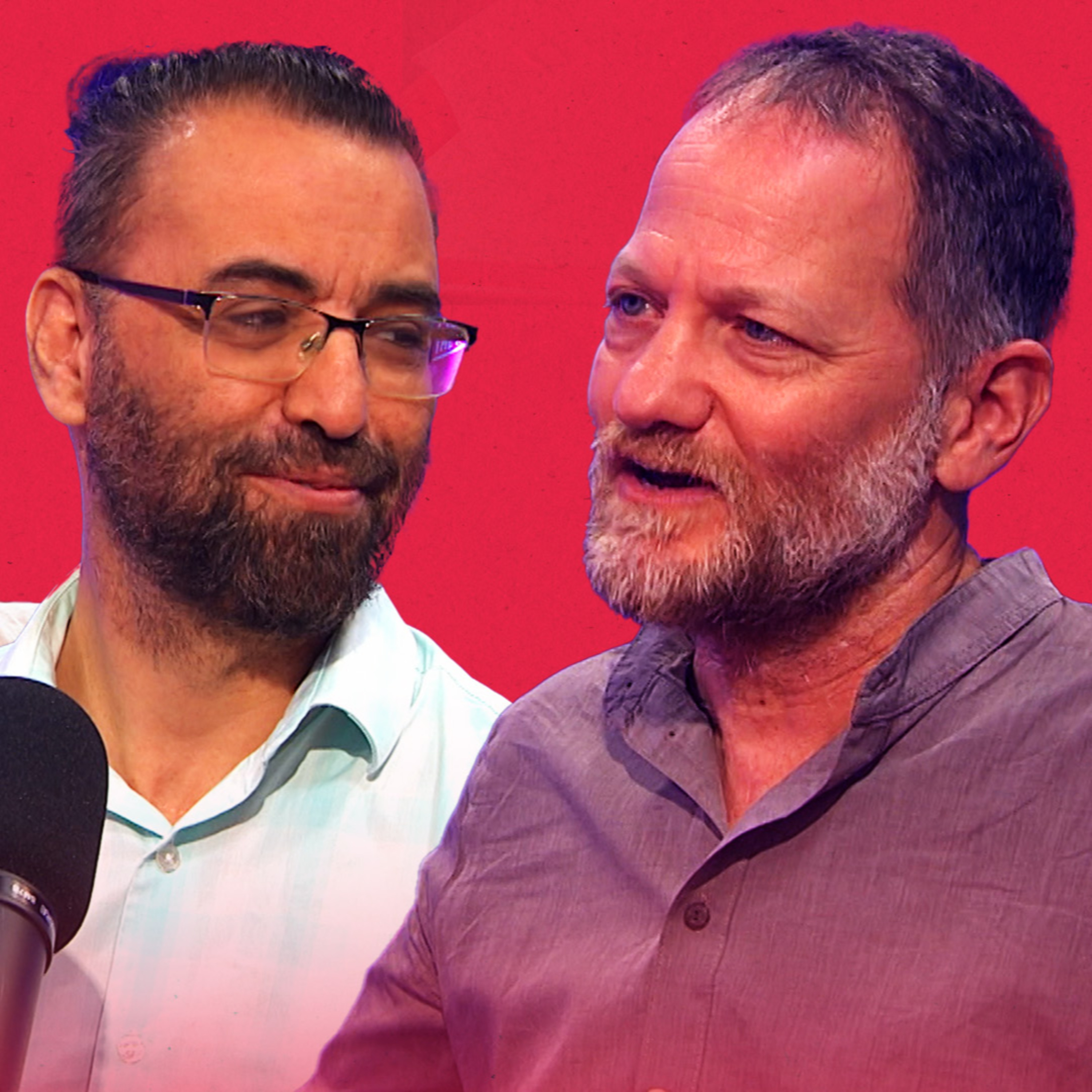
    What does it mean to choose peace after unimaginable loss? In this episode of Ways to Change the World, Krishnan Guru-Murthy speaks to Aziz Abu Sarah and Maoz Inon, peace activists and co-authors of "The Future Is Peace: A Shared Journey Across the Holy Land".Abu Sarah is a Palestinian whose brother died after being tortured in an Israeli prison. Inon is an Israeli whose parents were killed in the 7 October attacks. Instead of turning further towards hatred, they have built an unlikely friendship rooted in empathy, forgiveness and a shared determination to imagine a different future. Together, they reflect on grief, revenge, political failure and why they believe peace is not naïve, but necessary.

  • May 29 · 48 min

    Is ‘colourblindness’ a myth? Kimberlé Crenshaw on the 'war on woke'

    In this episode of Ways to Change the World, Krishnan Guru-Murthy speaks to Kimberlé Crenshaw, one of the most influential thinkers on race who coined the term intersectionality. Crenshaw has spent decades challenging how we understand inequality — and why it persists today.Crenshaw’s new memoir, Backtalker, is a blunt origin story of the lived experiences that shaped her work - from childhood moments of exclusion to confronting discrimination at Harvard, and the early instincts that led her to question power.The conversation explores the growing backlash against her ideas, from political attacks on critical race theory to efforts to erase or distort the language of inequality. Crenshaw argues that this is not just a cultural debate, but a fight over history, truth and democracy itself.Her solution is as simple as it is risky: talk back.

  • May 22 · 37 min

    Karen Hao exposes how AI bros are building an EMPIRE to control the future

    Artificial intelligence is often sold as inevitable — a force that will transform our lives for the better. But Karen Hao believes that story is too simple, and too convenient. An author and journalist, she has spent years investigating the people behind the AI boom. In her book Empire of AI, she argues that the technology is not just being built — it’s being shaped by a small group of companies driven by competition and a desire for dominance. In this episode, Krishnan delves into whether she is now an activist as she continues to challenge the idea that AI’s future is already written. So, who really decides how AI develops — and is it too late to change course?

  • May 15 · 1 hr 8 min

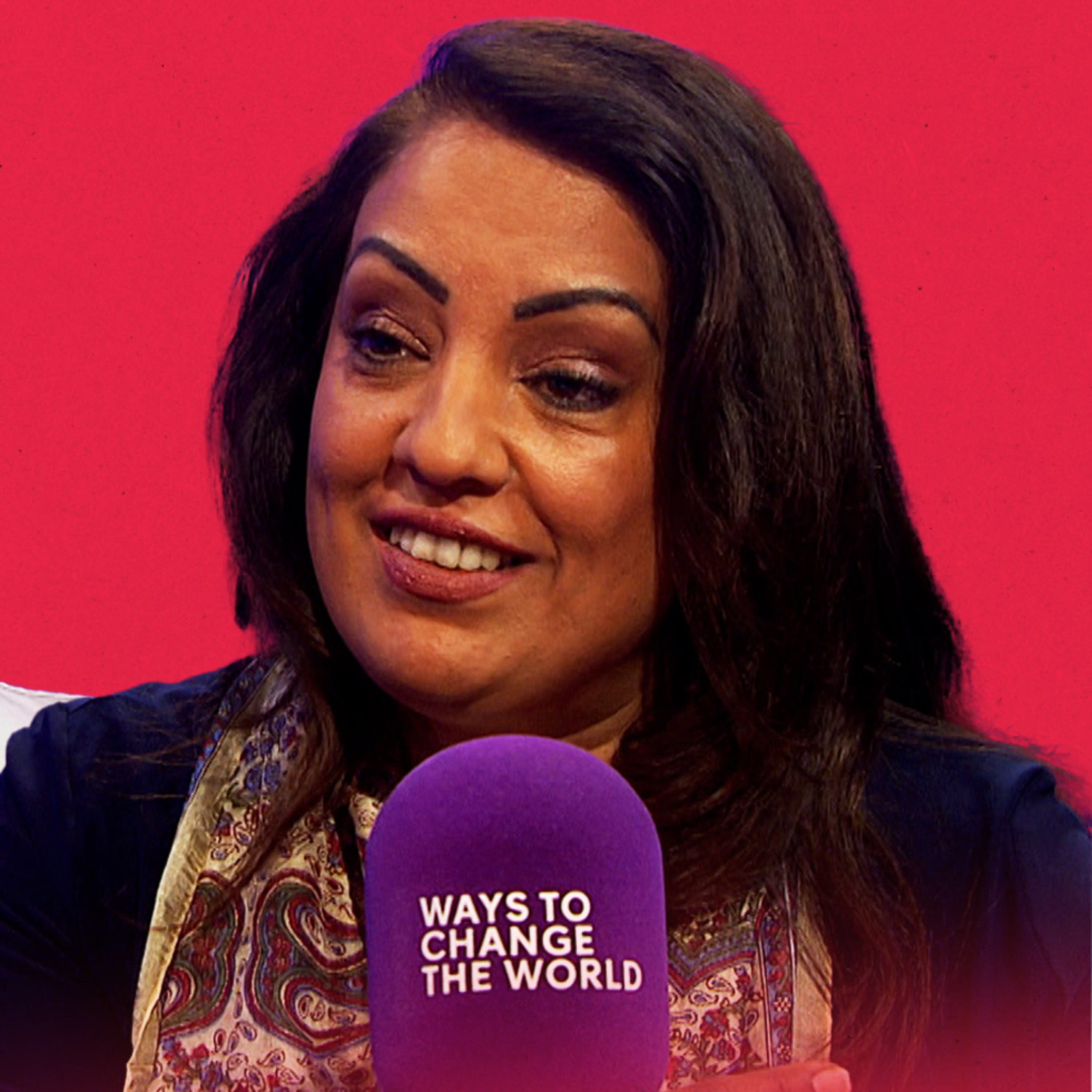
    How society is structured to 'keep people in poverty' - Labour MP Naz Shah 

    Naz Shah first came to public attention through her campaign to free her mother, who was imprisoned after killing an abusive partner - a case that raised difficult questions about domestic violence, justice and the way the system treats women who fight back. Before entering politics, her early life was marked by poverty, abuse and coercion. She was sent to Pakistan as a child, forced into marriage as a teenager, and later returned to the UK to care for her younger siblings while her mother served a long prison sentence. She has since written extensively about her experiences in her memoir Honoured, and built a political career rooted in her formative years. Since 2015, she has been the Labour MP for Bradford West, advocating on issues including violence against women, poverty and inequality. In this episode of Ways to Change the World, Krishnan Guru-Murthy speaks to Naz Shah about honour, shame and the silence that surrounds abuse, the structural inequalities that shape life chances, and why she believes education is the key to changing the world. This episode includes conversation around abuse, sexual exploitation and suicide.

  • May 4 · 1 hr

    Anthropic co-founder: AI impact ‘10x larger and 10x faster than industrial revolution’

    Artificial intelligence is evolving faster than ever - and the debate over AI safety, regulation, and control is intensifying. In this episode of Ways to Change the World, Krishnan Guru-Murthy speaks to Jack Clark, co-founder and Head of Policy at Anthropic, the company behind the Claude AI systems. A former journalist turned AI insider, Clark has been at the centre of some of the biggest debates shaping the future of this technology - from safety and regulation to the race between innovation and control. They discuss Clark’s journey from reporting on AI to building it, his decision to leave OpenAI over concerns about safety, and the growing fear that powerful systems are outpacing our ability to manage them. From warning governments at the UN to grappling with the risks as a father, Clark reflects on the tension at the heart of his work: what does it mean to build something you believe could be dangerous?

  • May 1 · 39 min

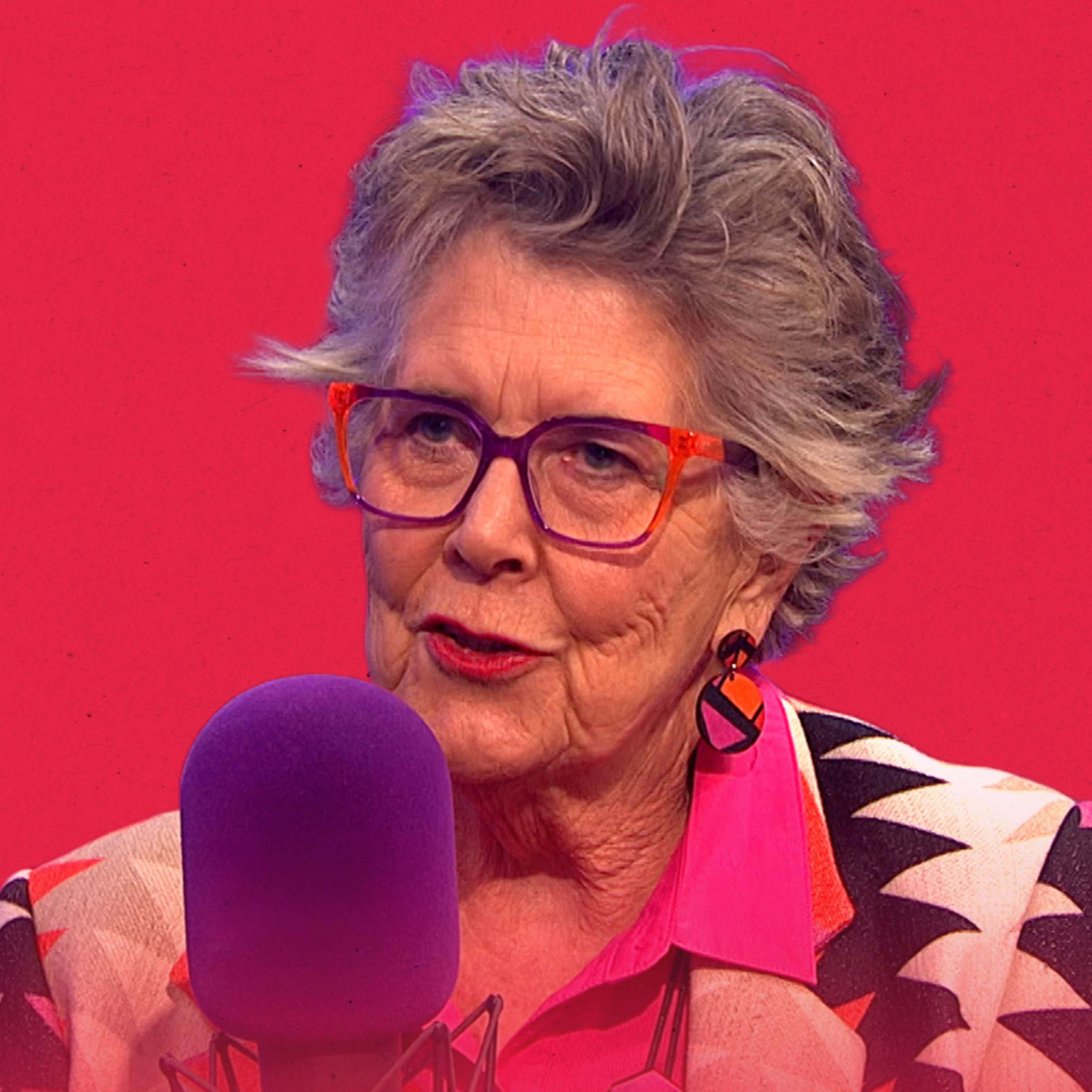
    Prue Leith: How to grow old without fear

    Prue Leith may be best known as a judge on The Great British Bake Off, but her influence reaches far beyond television. She founded a leading cookery school, built a Michelin-starred restaurant, spent decades shaping national policy on food education and public health, and has written extensively on ageing. This year she also served as a judge for The British Book Awards. In this episode of Ways to Change the World, she speaks to Krishnan Guru-Murthy, reflecting on her latest new book ‘Being Old… and Learning to Love It!’ and talks frankly about growing older, staying relevant, finding happiness, and why she believes ageing can be liberating. Prue also discusses childhood nutrition, school food, her campaigns with Jamie Oliver, weight-loss injections, why she refuses to exercise, and the realities of caring for a parent with dementia. This conversation includes discussion around suicide.

  • April 24 · 45 min

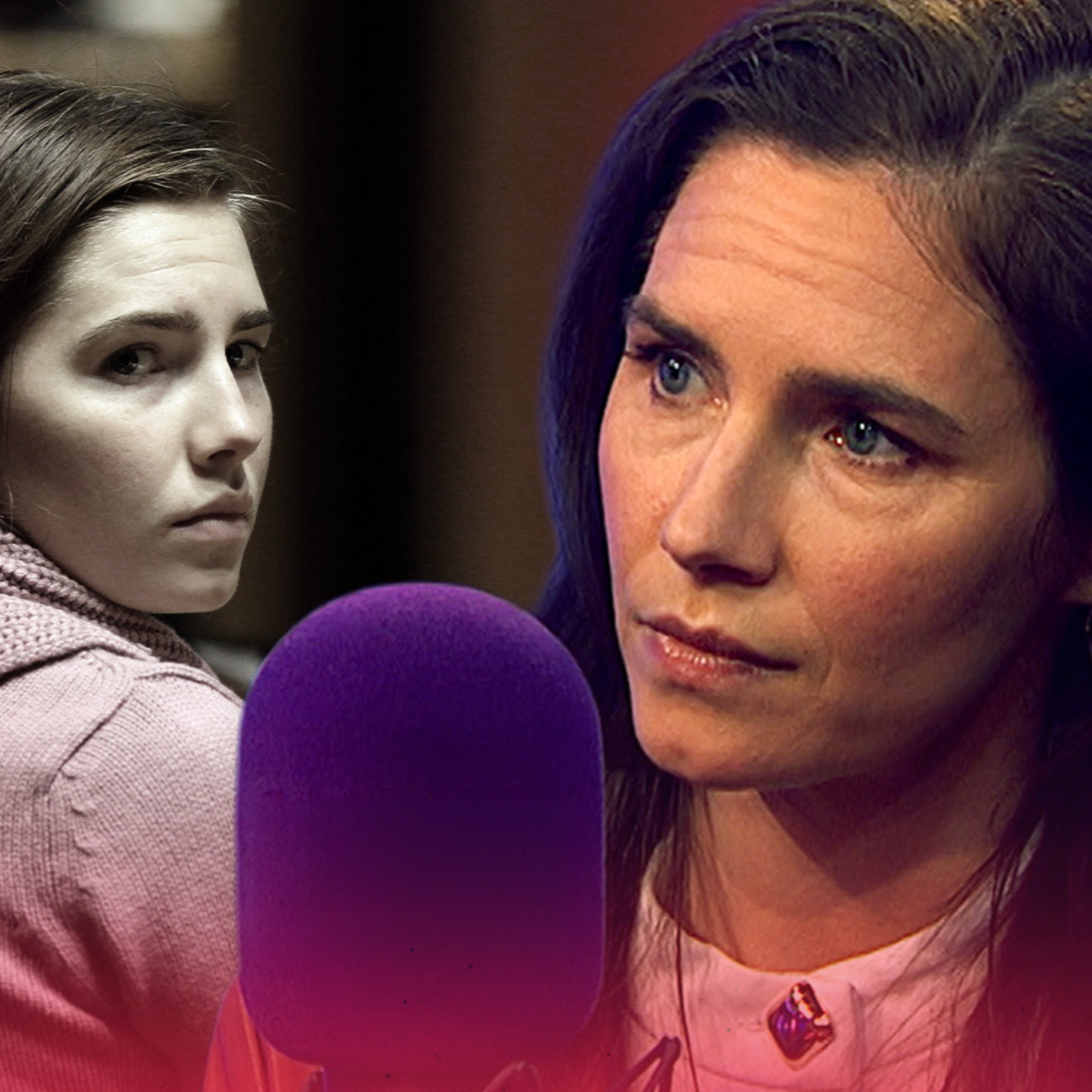
    Amanda Knox: the cost of being wrongfully convicted

    Amanda Knox became internationally known following the 2007 murder of Meredith Kercher in Pereugia, Italy, and the years of legal proceedings and media scrutiny that followed. Knox was found guilty of Meredith’s murder in 2009 but was ultimately acquitted in 2015. She has since written and spoken extensively about her experience, and has advocated for others who may have been falsely imprisoned. Her latest documentary, Mouth of the Wolf, sees her return to Perugia, where she spent four years in prison - and confront Giuliano Mignini, the prosecutor who sent her to prison more than 15 years ago. In this episode of Ways to Change the World, Krishnan Guru-Murthy speaks to Knox about accountability in the justice system, the importance of admitting when institutions get it wrong, and the lasting stigma that follows even after innocence is proven.

  • March 20 · 46 min

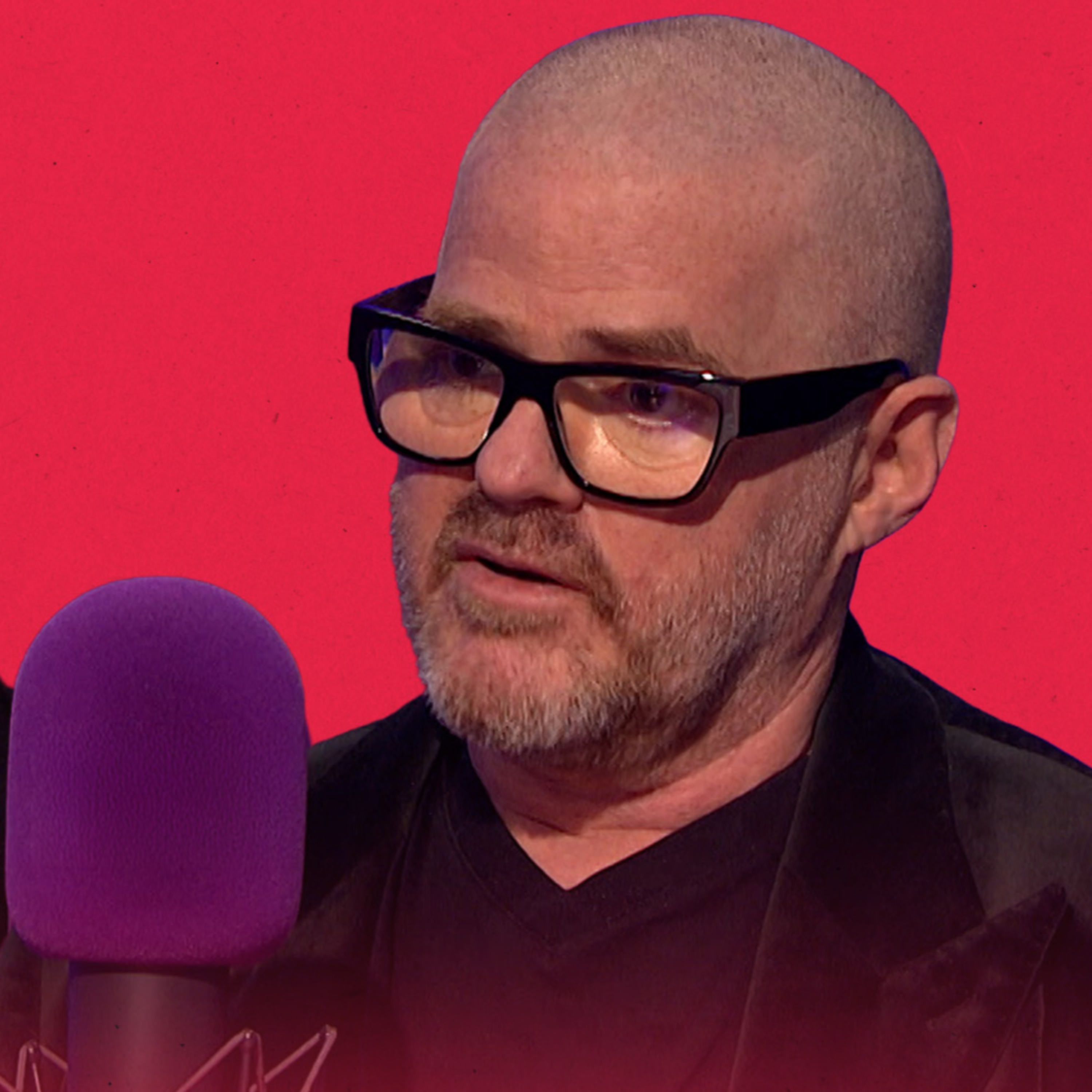
    How bipolar and ADHD shaped Heston Blumenthal’s creative genius

    Heston Blumenthal is one of the world’s most innovative chefs, known for transforming the way we think about food, flavour and the dining experience. From his self-taught beginnings to building one of the most celebrated restaurants in the world, his career has been defined by curiosity, experimentation and a refusal to follow convention. But beyond the kitchen, Blumenthal has also been navigating deeply personal mental health challenges that almost led him to death at one point. In 2023, Heston was sectioned after his wife called medical professionals following a severe manic episode and bipolar diagnosis. On this episode of Ways to Change the World, Krishnan Guru-Murthy speaks to Heston Blumenthal about his approach to mindful and sustainable eating, living with ADHD and bipolar disorder, and why he is determined to challenge stigma.

  • March 13 · 41 min

    Eric Schlosser: Why the real cost of cheap food is hidden

    My guest this week is Eric Schlosser, the investigative journalist and author whose work has fundamentally changed how we think about what we eat. Fast Food Nation was a landmark book that exposed the abuse of animals and the exploitation of workers at the heart of America's food industry. Now, 25 years after it was first published, Schlosser says he is astonished that not only has the industry failed to improve, in many ways it has gotten worse. And yet, despite this, he still believes change is possible.

  • March 6 · 38 min

    Ece Temelkuran: democracies don’t collapse overnight

    Warning: moderate strong language Ece Temelkaran is an award-winning journalist and novelist who has spent years warning that the collapse of democracy rarely announces itself with a bang. Instead, it happens gradually - institution is weaken, truth is eroded and what once felt unthinkable becomes normal. Ece knows this first hand. After being fired from her newspaper in Turkey amid mounting political pressure, she watched her country slide towards what she says is authoritarianism, a story she believes is no longer uniquely Turkish but part of a wider global pattern. In her writing, she argues that the real danger isn't just strong men or populist leaders, but how easily societies adapt to them. Her latest book, Nation of Strangers, explores belonging and exile. But beneath it lies the same urgent question that has defined much of her work. How do democracies fail? And can they still be saved? On this episode of Ways to Change the World, Krishnan Guru-Murthy speaks to Ece about democratic backsliding, the moral crisis she believes sits at the heart of modern politics, the experience of exile, and why rebuilding democracy may require not just political change, but a deeper transformation in how we see ourselves and each other. This interview was recorded on 13 February 2026.

  • February 27 · 41 min

    Guardian editor Katharine Viner: “Facts are essential, but they’re not enough”

    Katharine Viner has spent the past decade running one of the most influential news organisations in the world, steering it through profound industry change, digital upheaval and intense political pressure. She became the first woman to lead The Guardian in its 205-year history. Under her editorship the paper has transformed its funding model, expanded globally, and fought to preserve the idea of independent public interest journalism at a time when trust in the media is under sustained strain. On this episode of Ways to Change the World, Krishnan Guru-Murthy speaks to Katharine about defending liberal values in a polarised age, navigating internal editorial battles during turbulent political moments, and why The Guardian sees itself as a global mainstream newsroom.

  • February 20 · 42 min

    ‘We are being beaten into submission with lies’ - writer George Saunders on Trump, truth and power

    “It's really a deep irony that this guy who has really never set foot in a normal American street was mistaken as a man of the people”, writer George Saunders says of the US President, Donald Trump. His work has long centred on the very people who live with the consequences of decisions made far above them, ordinary and fallible individuals navigating increasingly hostile conditions. In a world marked by political lies, climate denial and the erosion of shared reality, Saunders’ fiction interrogates moral ambiguity, human weakness and the forces that draw individuals toward destructive choices. In this episode of Ways to Change the World, Krishnan Guru-Murthy speaks to Saunders about the collapse of truth in public life, why satire no longer pierces political leaders who feel no shame, and whether storytelling can still help us understand one another in an age of polarisation.

  • February 13 · 37 min

    Clara Mattei: capitalism is not natural - it’s enforced

    Clara Mattei is an economist who wants us to rethink the idea that capitalism is simply the natural order of things. She is an author and professor of economics whose work explores how economic ideas become tools of power, shaping policy while masking the political decisions beneath. Her new book, Escape from Capitalism, argues that many of the problems that we see as inevitable - poverty, unemployment, inflation - are built into the system and shored up by models and theories designed to convince us that there is no alternative. On this episode of Ways to Change the World, Krishnan Guru-Murthy speaks to Mattei about whether there is an alternative to capitalism.