Skip to content
Artwork for Volts
Volts · August 19 · 1 hr 2 min

He helped Uruguay decarbonize. Can he help other countries do the same?

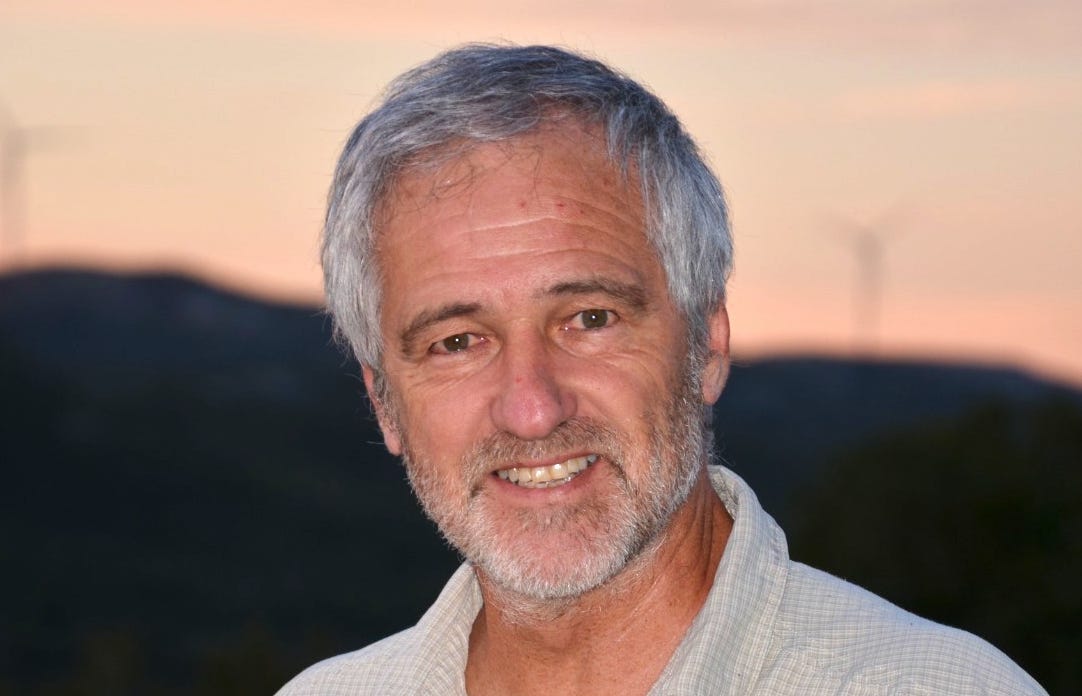
This is a public episode. If you'd like to discuss this with other subscribers or get access to bonus episodes, visit www.volts.wtf/subscribe Ramón Méndez Galain helped Uruguay decarbonize its grid (today it’s 98% fossil-free) while keeping the utility public and letting private capital foot the bill. Now he’s trying to export the same playbook across the global South. We talk through how Uruguay pulled it off — the hydro “battery” for wind & solar “baseload,” the cross-party political deal, the market redesign — and what actually transfers to countries without the same advantages. We also discuss why, seven years on, no other country has followed Uruguay’s path. Chapters: 00:00 – Introduction 03:09 – From particle physics to a nuclear proposal 05:46 – Taking the job as energy secretary 07:00 – The 2008 crisis: drought, expensive oil, blackouts 09:26 – Getting every party to sign the same plan 12:51 – Why climate was not the lead argument 15:42 – Attracting private capital without privatizing 20:22 – What a public utility made possible 23:06 – Planning a grid where wind and solar are the base load 29:26 – Thermal plants as insurance, and the last 2 percent 32:36 – EVs, smart meters, and building an electrostate 37:33 – Why bills fell less than generation costs 39:46 – What transfers to other countries 44:15 – Optimum curtailment, Colombia, and Haiti 50:51 – The political work, and the argument against the dominant narrative 56:36 – The Global South and the NDC as development catalyst

0:00-1:02:13

transcript

No transcript — this publisher did not publish one.

show notes

This is a public episode. If you'd like to discuss this with other subscribers or get access to bonus episodes, visit www.volts.wtf/subscribe

Ramón Méndez Galain helped Uruguay decarbonize its grid (today it’s 98% fossil-free) while keeping the utility public and letting private capital foot the bill. Now he’s trying to export the same playbook across the global South. We talk through how Uruguay pulled it off — the hydro “battery” for wind & solar “baseload,” the cross-party political deal, the market redesign — and what actually transfers to countries without the same advantages. We also discuss why, seven years on, no other country has followed Uruguay’s path.

Chapters:

00:00 – Introduction

03:09 – From particle physics to a nuclear proposal

05:46 – Taking the job as energy secretary

07:00 – The 2008 crisis: drought, expensive oil, blackouts

09:26 – Getting every party to sign the same plan

12:51 – Why climate was not the lead argument

15:42 – Attracting private capital without privatizing

20:22 – What a public utility made possible

23:06 – Planning a grid where wind and solar are the base load

29:26 – Thermal plants as insurance, and the last 2 percent

32:36 – EVs, smart meters, and building an electrostate

37:33 – Why bills fell less than generation costs

39:46 – What transfers to other countries

44:15 – Optimum curtailment, Colombia, and Haiti

50:51 – The political work, and the argument against the dominant narrative

56:36 – The Global South and the NDC as development catalyst

links1