
Skip to content
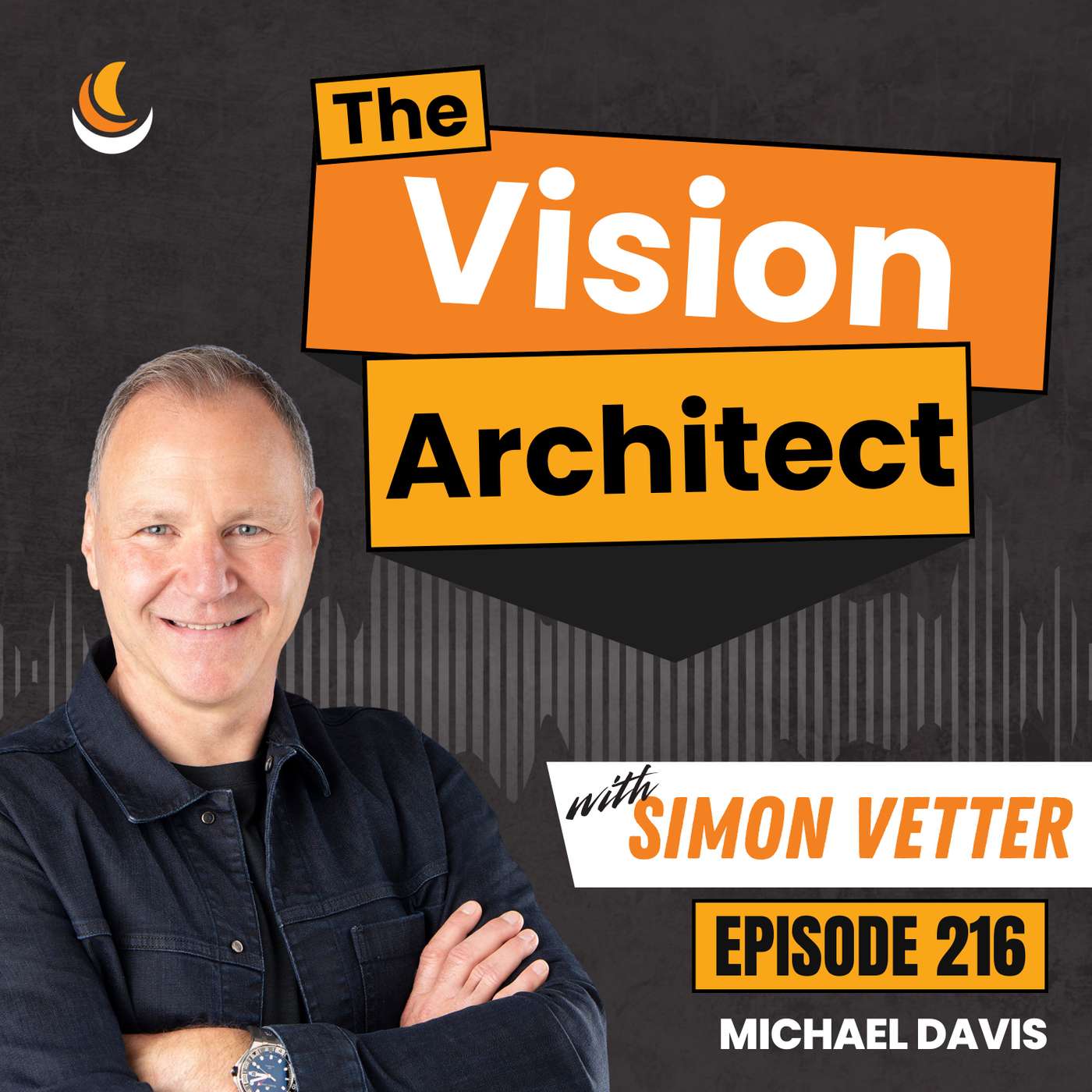
Artwork for The Vision Architect
The Vision Architect · October 14 · 38 min

Michael Davis: Crafting a Vision That Ignites Commitment | #216

If you've frozen before speaking or watched a slide deck thud, it's not the data. Michael Davis spent 25 years avoiding audiences after first-grade humiliation, then rebuilt via Toastmasters. Presentations fail because speakers work on the wrong story. The Story Power Trio's three: first, the self-story — childhood messages script confidence. Second, the audience's story: interviews, surveys, AI scans of social posts, Glassdoor reviews. The delivered story: eight elements — relatable character, goal, motive, conflict, stakes, resolution lesson. Davis uses stories to sell a future: two parallel scenarios — nothing changes vs. the team acts — and let people choose. Highlights Rehearse a story 250 times and it sounds like a conversation, not a performance. Executives lose audiences by delivering information; interpretation and personal relevance are what people want. The audience's story, not your slides, decides whether your message breaks through. Eight story elements in order create impact: character, goal, motive, conflict, stakes, resolution. Scripts absorbed in childhood feel permanent but behave like sticky notes, and can be rewritten. Research audience pain points through interviews and AI scans of reviews before writing a word. Important Concepts and Frameworks Story Power Trio — The three stories that matter: the one you tell yourself, the audience's story, and the story you deliver. Self-Story — The limiting narrative absorbed in childhood that shapes your energy, voice and willingness to speak up. Audience Story — What listeners already believe, fear and want; unclear audience stories block even great presentations. Eight Story Elements — Relatable character, goal, motive, conflict, stakes and resolution, sequenced in order for maximum neurological impact. Future Story — Two parallel scenarios, one if nothing changes, one if action is taken, letting audiences choose the vision. Commander's Intent — Military planning tool with three parts: the mission, the tasks, and the desired outcome. https://www.army.mil/ Tools & Resources Mentioned Toastmasters — Practice club where speakers build reps in a safe, encouraging room; the driving range for speakers. https://www.toastmasters.org/ AI Audience Research — Scanning posts, demographics and reviews with AI to surface common audience concerns before you speak. Glassdoor — Review site cited as a source for uncovering an audience's real challenges and frustrations. https://www.glassdoor.com/ LinkedIn — Where Michael Davis spends time and invites listeners to connect and reach out. https://www.linkedin.com/ Speaking CPR — Michael Davis's coaching site, where he can be reached at michael@speakingcpr.com. https://speakingcpr.com Calls to Action Before your next presentation, write down the story you're telling yourself about speaking, then question whether it's still true. Ask five to ten people who will be in the room what their three biggest concerns and challenges are right now. Rehearse your core story in small increments, folding in audience reactions and feedback rather than rewriting everything at once. Turn your vision into two scenarios, one if nothing changes and one if action is taken, and let people choose which future they want. Key Quotes "So many people want to rush by the struggle in their story, but that's where the emotional connection is made." — Michael Davis (2) "What I need is your interpretation of that information and how it applies to me, my team, my division." — Michael Davis (2) "This is proven science that when you are willing to share relatable, painful experiences, people are drawn to you." — Michael Davis (2) "You're not stuck, you're scripted, and scripts can be rewritten." — Michael Davis (2) "And I believe Toastmasters is the driving range for golf pros for speakers." — Simon Vetter "When leaders use more sensory rich emotional language instead of business jargon, they significantly engage their audience better." — Simon Vetter Chapters 00:00 — From First-Grade Humiliation to TEDx Stage 02:31 — Reps, Not Talent: Why a Practice Club Rewires the Fear 06:07 — Why Slides Fail: Information Isn't Interpretation 07:00 — Taking Off the Armor: What Actually Makes a Speech Land 09:25 — The Story You Tell Yourself Before You Ever Speak 15:02 — Reading the Room: The Audience Has a Story Too 17:55 — The Eight Elements Every Story Needs, In Order 21:36 — Selling a Future With Two Competing Scenarios 26:26 — 250 Rehearsals: How Small Rewrites Build a Talk 36:35 — You're Not Stuck, You're Scripted This Episode's Guest: Michael Davis LinkedIn: https://www.linkedin.com/in/michaeldavisspeakingcpr/ Website: https://speakingcpr.com About the Host: Simon Vetter LinkedIn: https://www.linkedin.com/in/simonvetter1 Website: https://simonvetter.com/

0:00 · From First-Grade Humiliation to TEDx Stage-38:15

transcript

No transcript — this publisher did not publish one.

show notes

If you've frozen before speaking or watched a slide deck thud, it's not the data. Michael Davis spent 25 years avoiding audiences after first-grade humiliation, then rebuilt via Toastmasters. Presentations fail because speakers work on the wrong story. The Story Power Trio's three: first, the self-story — childhood messages script confidence. Second, the audience's story: interviews, surveys, AI scans of social posts, Glassdoor reviews. The delivered story: eight elements — relatable character, goal, motive, conflict, stakes, resolution lesson. Davis uses stories to sell a future: two parallel scenarios — nothing changes vs. the team acts — and let people choose.

Highlights

  • Rehearse a story 250 times and it sounds like a conversation, not a performance.
  • Executives lose audiences by delivering information; interpretation and personal relevance are what people want.
  • The audience's story, not your slides, decides whether your message breaks through.
  • Eight story elements in order create impact: character, goal, motive, conflict, stakes, resolution.
  • Scripts absorbed in childhood feel permanent but behave like sticky notes, and can be rewritten.
  • Research audience pain points through interviews and AI scans of reviews before writing a word.

Important Concepts and Frameworks

  • Story Power Trio — The three stories that matter: the one you tell yourself, the audience's story, and the story you deliver.
  • Self-Story — The limiting narrative absorbed in childhood that shapes your energy, voice and willingness to speak up.
  • Audience Story — What listeners already believe, fear and want; unclear audience stories block even great presentations.
  • Eight Story Elements — Relatable character, goal, motive, conflict, stakes and resolution, sequenced in order for maximum neurological impact.
  • Future Story — Two parallel scenarios, one if nothing changes, one if action is taken, letting audiences choose the vision.
  • Commander's Intent — Military planning tool with three parts: the mission, the tasks, and the desired outcome. https://www.army.mil/

Tools & Resources Mentioned

  • Toastmasters — Practice club where speakers build reps in a safe, encouraging room; the driving range for speakers. https://www.toastmasters.org/
  • AI Audience Research — Scanning posts, demographics and reviews with AI to surface common audience concerns before you speak.
  • Glassdoor — Review site cited as a source for uncovering an audience's real challenges and frustrations. https://www.glassdoor.com/
  • LinkedIn — Where Michael Davis spends time and invites listeners to connect and reach out. https://www.linkedin.com/
  • Speaking CPR — Michael Davis's coaching site, where he can be reached at michael@speakingcpr.com. https://speakingcpr.com

Calls to Action

  1. Before your next presentation, write down the story you're telling yourself about speaking, then question whether it's still true.
  2. Ask five to ten people who will be in the room what their three biggest concerns and challenges are right now.
  3. Rehearse your core story in small increments, folding in audience reactions and feedback rather than rewriting everything at once.
  4. Turn your vision into two scenarios, one if nothing changes and one if action is taken, and let people choose which future they want.

Key Quotes

  • "So many people want to rush by the struggle in their story, but that's where the emotional connection is made." — Michael Davis (2)
  • "What I need is your interpretation of that information and how it applies to me, my team, my division." — Michael Davis (2)
  • "This is proven science that when you are willing to share relatable, painful experiences, people are drawn to you." — Michael Davis (2)
  • "You're not stuck, you're scripted, and scripts can be rewritten." — Michael Davis (2)
  • "And I believe Toastmasters is the driving range for golf pros for speakers." — Simon Vetter
  • "When leaders use more sensory rich emotional language instead of business jargon, they significantly engage their audience better." — Simon Vetter

Chapters

00:00 — From First-Grade Humiliation to TEDx Stage
02:31 — Reps, Not Talent: Why a Practice Club Rewires the Fear
06:07 — Why Slides Fail: Information Isn't Interpretation
07:00 — Taking Off the Armor: What Actually Makes a Speech Land
09:25 — The Story You Tell Yourself Before You Ever Speak
15:02 — Reading the Room: The Audience Has a Story Too
17:55 — The Eight Elements Every Story Needs, In Order
21:36 — Selling a Future With Two Competing Scenarios
26:26 — 250 Rehearsals: How Small Rewrites Build a Talk
36:35 — You're Not Stuck, You're Scripted


This Episode's Guest: Michael Davis
LinkedIn: https://www.linkedin.com/in/michaeldavisspeakingcpr/
Website: https://speakingcpr.com


About the Host: Simon Vetter
LinkedIn: https://www.linkedin.com/in/simonvetter1
Website: https://simonvetter.com/

links8

chapters

10 chapters