transcript
show notes
"Many leaders know the language of change. They know the language that they're supposed to say. They understand the rhetoric that is supposed to come out. Their actions don't back it up."
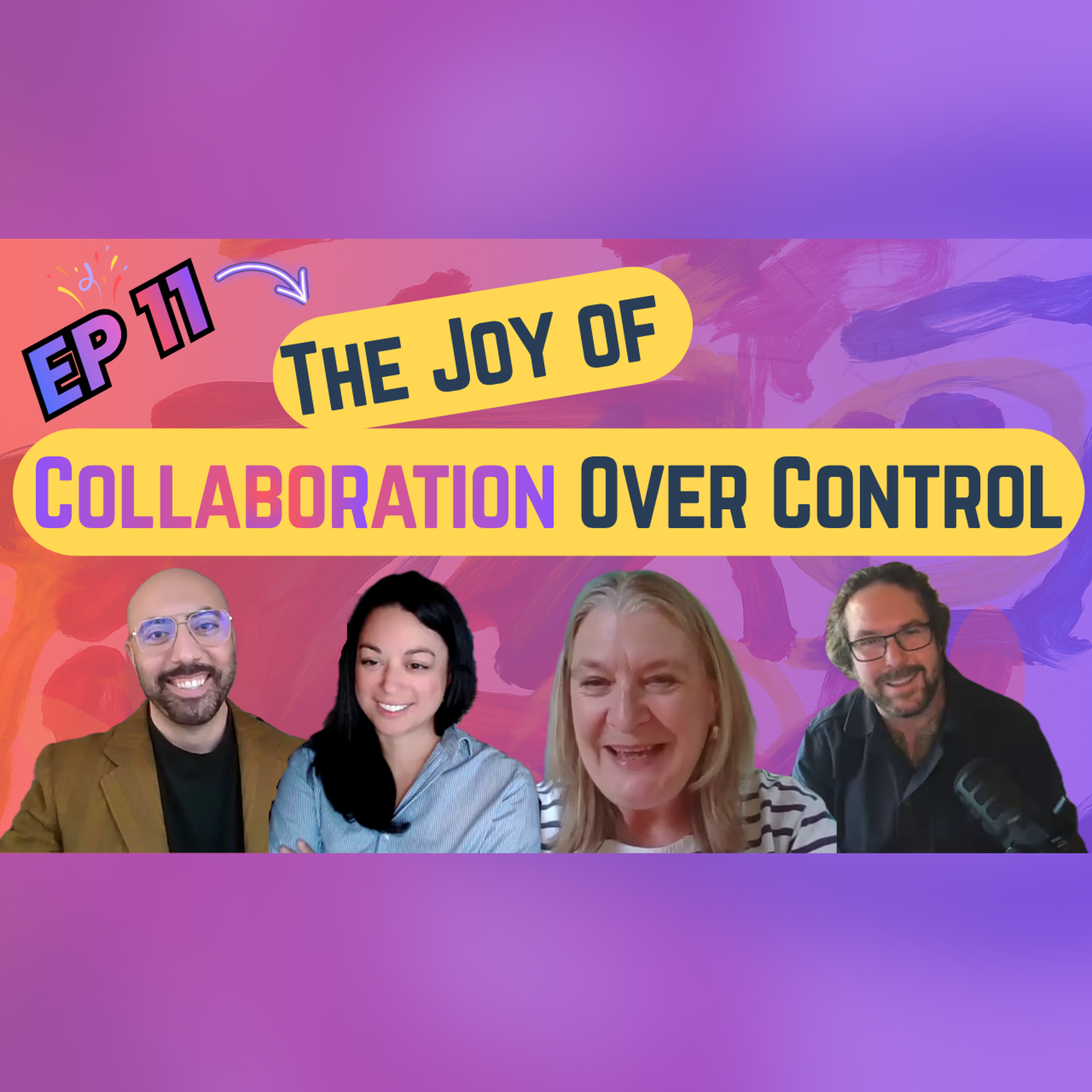
Ahmed Ibrahim, twenty years in the NGO sector in East Africa, joins Kim Kucinskas and Thomas Jepson-Lay. He puts trust at the centre of leading through cuts, and names the gap between the people who set the strategy and the operations, finance and HR teams who have to carry it. He describes a region where the money has fallen to a fraction of what it was while displacement has gone from half a million people to more than three million, and organisations that cut from the bottom up. Donor fatigue is the popular word; what he lives with is justification fatigue and change fatigue. His rule: when you ask me to do more, tell me also what to stop. Thomas on why everyone agrees something has to drop until it is their thing, why the funding cuts were the trigger and not the cause, and why leaders who know the language of change still have to back it up with what they do. Kim on the moment money gets scarce and the mission and your own people end up at odds. It lands on trust, and on why trust is expensive.
Honest thinking, challenging assumptions, shared without scripts and without talking points.
Chapters:
(00:00) Cold open
(00:50) Ahmed Ibrahim joins
(02:13) East Africa, then and now
(06:54) What fills the gap
(08:19) Cutting from the bottom up
(12:49) Stuck in the middle
(15:40) Tell me what to stop
(17:14) Change, but not my part
(18:00) Leading through it
(19:42) Strategy and the back office
(21:55) One incident, new rules
(23:42) Strategic operations
(28:11) When values clash
(29:07) Alignment and attunement
(31:53) The trigger, not the cause
(34:06) Everything is going right?
(39:04) Trust and emotional labour
(41:50) Trust is expensive
(44:36) Reflections
(48:08) The Hot Debrief