Skip to content
Artwork for The Regenaissance Podcast
The Regenaissance Podcast · July 22 · 1 hr 31 min

America Has Perfect Soil for Garlic, So Why Is It All Imported? - Cottage Pastures | #119

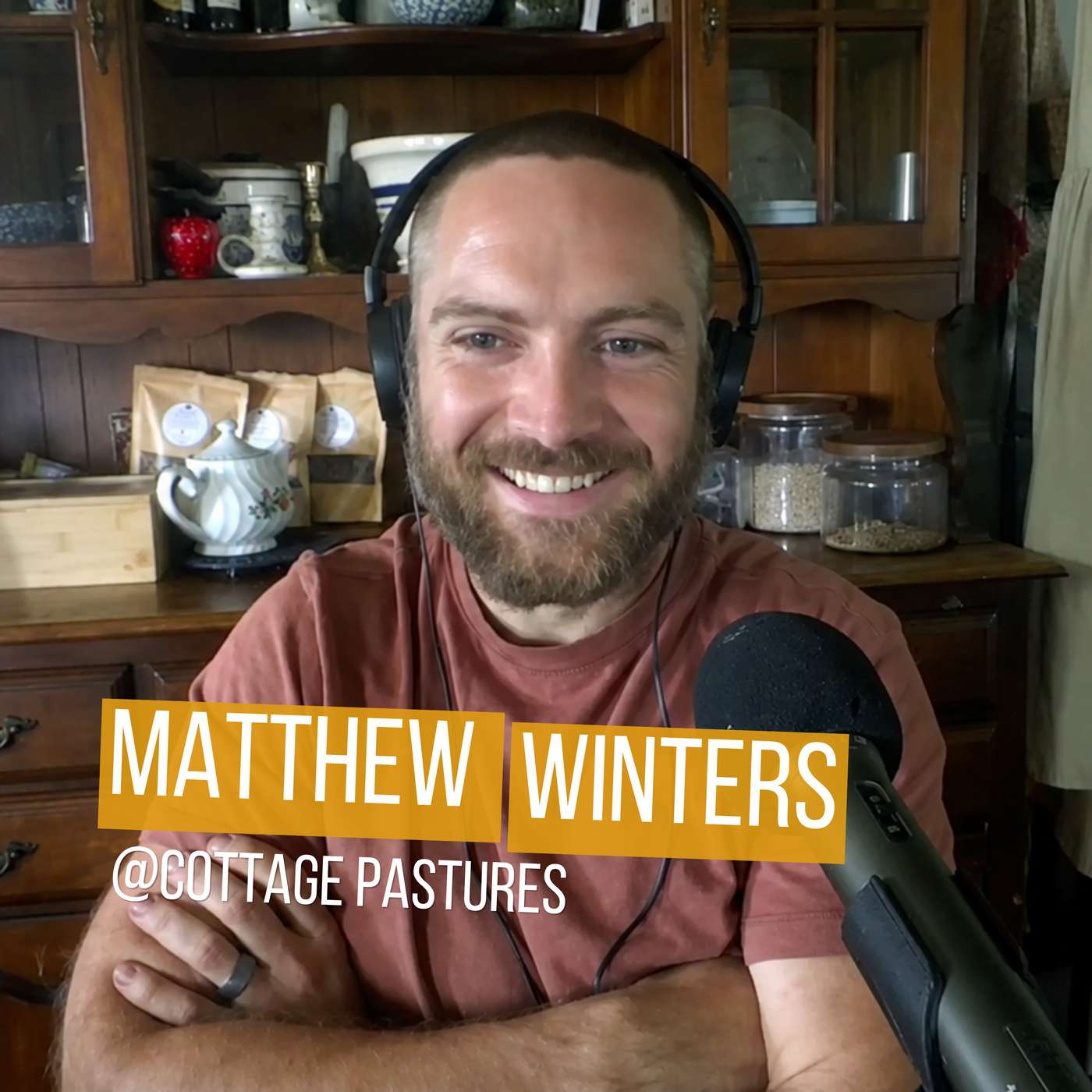
Matthew runs Cottage Pastures on 26 acres in Switzerland County, Indiana, raising pigs, chickens, cattle, and sheep alongside garlic and herbs - everything sold under the name is raised on the farm itself. He and his wife bought the property in 2022 and built it up from a homesteading project into a full working farm. Our conversation centers on garlic: despite ideal growing conditions across the Midwest, most garlic sold in the U.S. is imported, and a soil-borne fungal disease can make land unable to grow garlic for 20 to 40 years once it takes hold. This is a risk Cottage Pastures is now soil-testing to get ahead of. We talk through how the farm accidentally ended up growing 20-plus garlic varieties, why the economics of commodity crops crowd out specialty ones like garlic, and what it costs to raise and ship chicken nationwide as a direct-to-consumer farm. Matthew also gets into why pre-orders rather than outside financing keep the farm's cash flow working, how he decides what to raise or cut as the operation grows, and what it looks like to raise kids alongside farm work without compelling them to help. Key topics: - Why most U.S. garlic and herbs are imported despite favorable growing conditions - A soil-borne fungal disease that can end garlic production on a piece of land for decades - How Cottage Pastures accidentally became a 20-plus variety garlic farm - The real cost of raising and processing chicken for direct-to-consumer sale - Grass-fed and grass-finished labeling: domestic vs. imported - Deciding what to raise, expand, or cut as the farm scales - Raising kids on the farm without compelling their help - Plans for a 2027 regional farm-share model in Cincinnati/Louisville Timestamps 0:00 – Intro + catch-up, farm rebrand to Cottage Pastures 2:30 – Why the family moved to Switzerland County, Indiana 15:00 – Daily schedule: full-time job plus farm work 19:00 – Garlic harvest race against incoming rain 27:00 – Cost of shipping meat nationwide 31:00 – Why most U.S. herbs and garlic are imported 44:00 – How the farm ended up with 20-plus garlic varieties 48:00 – Fungal disease risk and soil testing plans 58:00 – Real cost of raising and processing chicken 1:07:00 – Grass-fed and grass-finished: domestic vs. imported 1:12:00 – Deciding what to raise, expand, or cut 1:16:00 – Plans for a 2027 regional farm-share program 1:19:00 – Raising kids on the farm 1:26:00 – Closing thoughts on local food and staying hopeful Links: https://cottagepastures.com/about/ https://www.instagram.com/cottagepastures/ https://www.facebook.com/CottagePastures/?ref=PROFILE_EDIT_xav_ig_profile_page_web# https://podcasts.apple.com/us/podcast/episode-6-interview-with-carissa-a-year-in-review/id1700604702?i=1000628016269 The Regenaissance Podcast explores the people, farms, and ideas rebuilding our food system from the ground up.

0:00-1:31:27

transcript

No transcript — this publisher did not publish one.

show notes

Matthew runs Cottage Pastures on 26 acres in Switzerland County, Indiana, raising pigs, chickens, cattle, and sheep alongside garlic and herbs - everything sold under the name is raised on the farm itself. He and his wife bought the property in 2022 and built it up from a homesteading project into a full working farm. 

Our conversation centers on garlic: despite ideal growing conditions across the Midwest, most garlic sold in the U.S. is imported, and a soil-borne fungal disease can make land unable to grow garlic for 20 to 40 years once it takes hold. This is a risk Cottage Pastures is now soil-testing to get ahead of. We talk through how the farm accidentally ended up growing 20-plus garlic varieties, why the economics of commodity crops crowd out specialty ones like garlic, and what it costs to raise and ship chicken nationwide as a direct-to-consumer farm. 

Matthew also gets into why pre-orders rather than outside financing keep the farm's cash flow working, how he decides what to raise or cut as the operation grows, and what it looks like to raise kids alongside farm work without compelling them to help.

Key topics:
- Why most U.S. garlic and herbs are imported despite favorable growing conditions
- A soil-borne fungal disease that can end garlic production on a piece of land for decades
- How Cottage Pastures accidentally became a 20-plus variety garlic farm
- The real cost of raising and processing chicken for direct-to-consumer sale
- Grass-fed and grass-finished labeling: domestic vs. imported
- Deciding what to raise, expand, or cut as the farm scales
- Raising kids on the farm without compelling their help
- Plans for a 2027 regional farm-share model in Cincinnati/Louisville

Timestamps
0:00 – Intro + catch-up, farm rebrand to Cottage Pastures 
2:30 – Why the family moved to Switzerland County, Indiana 
15:00 – Daily schedule: full-time job plus farm work 
19:00 – Garlic harvest race against incoming rain 
27:00 – Cost of shipping meat nationwide 
31:00 – Why most U.S. herbs and garlic are imported 
44:00 – How the farm ended up with 20-plus garlic varieties 
48:00 – Fungal disease risk and soil testing plans 
58:00 – Real cost of raising and processing chicken 
1:07:00 – Grass-fed and grass-finished: domestic vs. imported 
1:12:00 – Deciding what to raise, expand, or cut 
1:16:00 – Plans for a 2027 regional farm-share program 
1:19:00 – Raising kids on the farm 
1:26:00 – Closing thoughts on local food and staying hopeful

Links:
https://cottagepastures.com/about/
https://www.instagram.com/cottagepastures/
https://www.facebook.com/CottagePastures/?ref=PROFILE_EDIT_xav_ig_profile_page_web#
https://podcasts.apple.com/us/podcast/episode-6-interview-with-carissa-a-year-in-review/id1700604702?i=1000628016269

The Regenaissance Podcast explores the people, farms, and ideas rebuilding our food system from the ground up.