Skip to content
Artwork for The Rabbit Hole: Conspiracy Theories
The Rabbit Hole: Conspiracy Theories · August 12 · 53 min

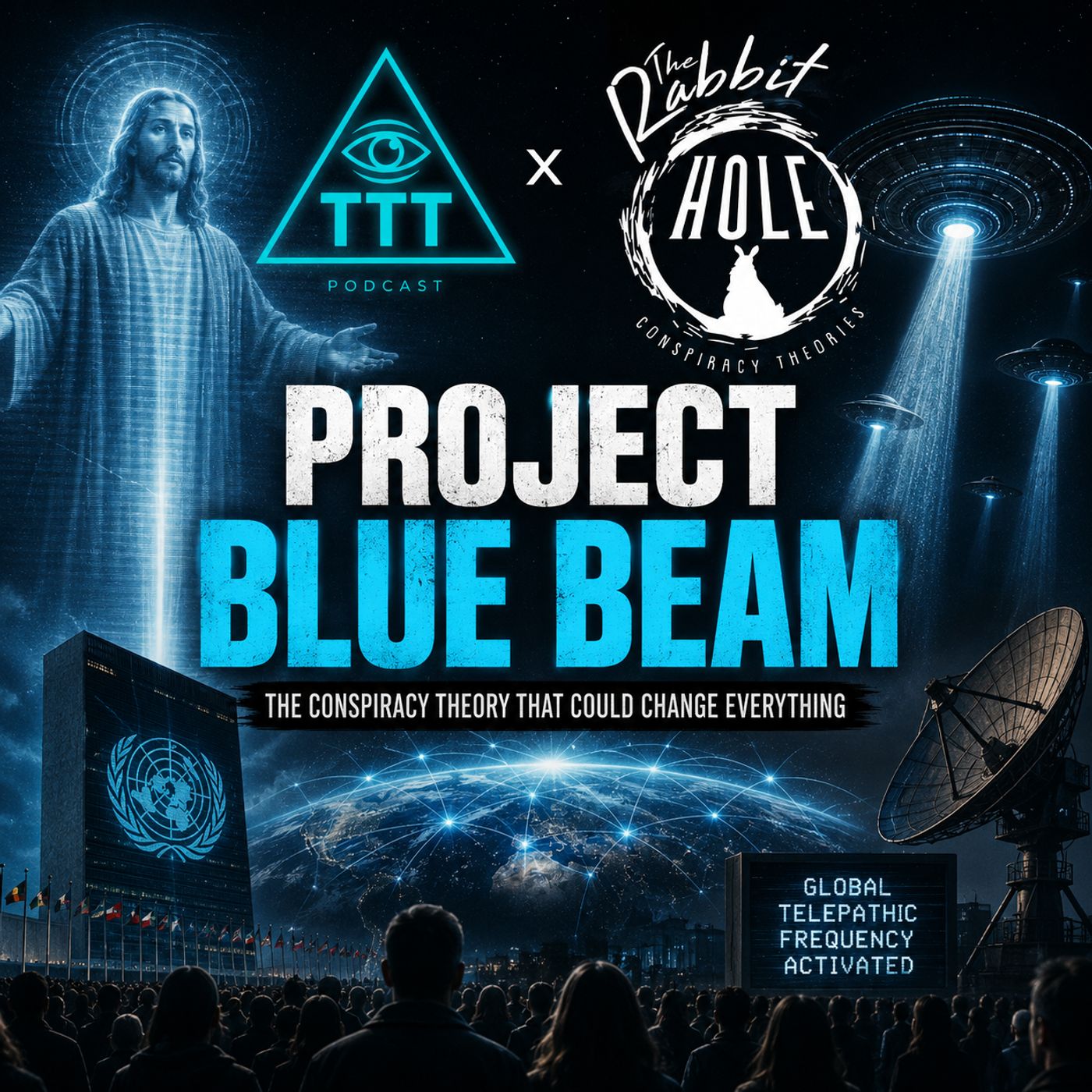
Project Blue Beam: The Conspiracy Theory That Could Change Everything

What if the greatest event in human history wasn't divine—but engineered? In this episode of The Rabbit Hole: Conspiracy Theories, I'm joined by Beard Laws and Luther Grimwood from the Triple T Podcast to explore one of the most controversial modern conspiracy theories ever proposed: Project Blue Beam. Originally introduced by Canadian journalist Serge Monast in the 1990s, Project Blue Beam claims that powerful global organizations could use advanced technology to orchestrate a false spiritual awakening, a fake alien invasion, and ultimately establish a New World Order. We examine where the theory came from, the four stages Monast outlined, and whether today's technology makes any of these claims more believable than when they were first proposed. Along the way, we discuss holographic projections, simulated religious events, mind control, artificial intelligence, satellite technology, and the cultural fascination surrounding one of the internet's most enduring conspiracy theories. Whether you're hearing about Project Blue Beam for the first time or have been down this rabbit hole before, this episode offers an entertaining look at the origins, claims, and criticisms of the theory. In this episode, we discuss: The origins of Project Blue Beam and Serge Monast The alleged connection to a New World Order The theory of a technologically simulated Second Coming Claims of a staged alien invasion The idea of worldwide telepathic mind control The four phases of Project Blue Beam Whether modern technology could make parts of the theory possible Why this conspiracy theory continues to captivate people decades later Our thoughts on how plausible—or implausible—the theory really is Check out The TTT Podcast here: https://podcasts.apple.com/us/podcast/the-ttt-podcast/id1744025849 Hosted by Simplecast, an AdsWizz company. See pcm.adswizz.com for information about our collection and use of personal data for advertising.

0:00-53:58

transcript

No transcript — this publisher did not publish one.

show notes

What if the greatest event in human history wasn't divine—but engineered?

In this episode of The Rabbit Hole: Conspiracy Theories, I'm joined by Beard Laws and Luther Grimwood from the Triple T Podcast to explore one of the most controversial modern conspiracy theories ever proposed: Project Blue Beam.

Originally introduced by Canadian journalist Serge Monast in the 1990s, Project Blue Beam claims that powerful global organizations could use advanced technology to orchestrate a false spiritual awakening, a fake alien invasion, and ultimately establish a New World Order. We examine where the theory came from, the four stages Monast outlined, and whether today's technology makes any of these claims more believable than when they were first proposed.

Along the way, we discuss holographic projections, simulated religious events, mind control, artificial intelligence, satellite technology, and the cultural fascination surrounding one of the internet's most enduring conspiracy theories.

Whether you're hearing about Project Blue Beam for the first time or have been down this rabbit hole before, this episode offers an entertaining look at the origins, claims, and criticisms of the theory.

In this episode, we discuss:

The origins of Project Blue Beam and Serge Monast

The alleged connection to a New World Order

The theory of a technologically simulated Second Coming

Claims of a staged alien invasion

The idea of worldwide telepathic mind control

The four phases of Project Blue Beam

Whether modern technology could make parts of the theory possible

Why this conspiracy theory continues to captivate people decades later

Our thoughts on how plausible—or implausible—the theory really is

Check out The TTT Podcast here:

https://podcasts.apple.com/us/podcast/the-ttt-podcast/id1744025849


Hosted by Simplecast, an AdsWizz company. See pcm.adswizz.com for information about our collection and use of personal data for advertising.

links1