Skip to content
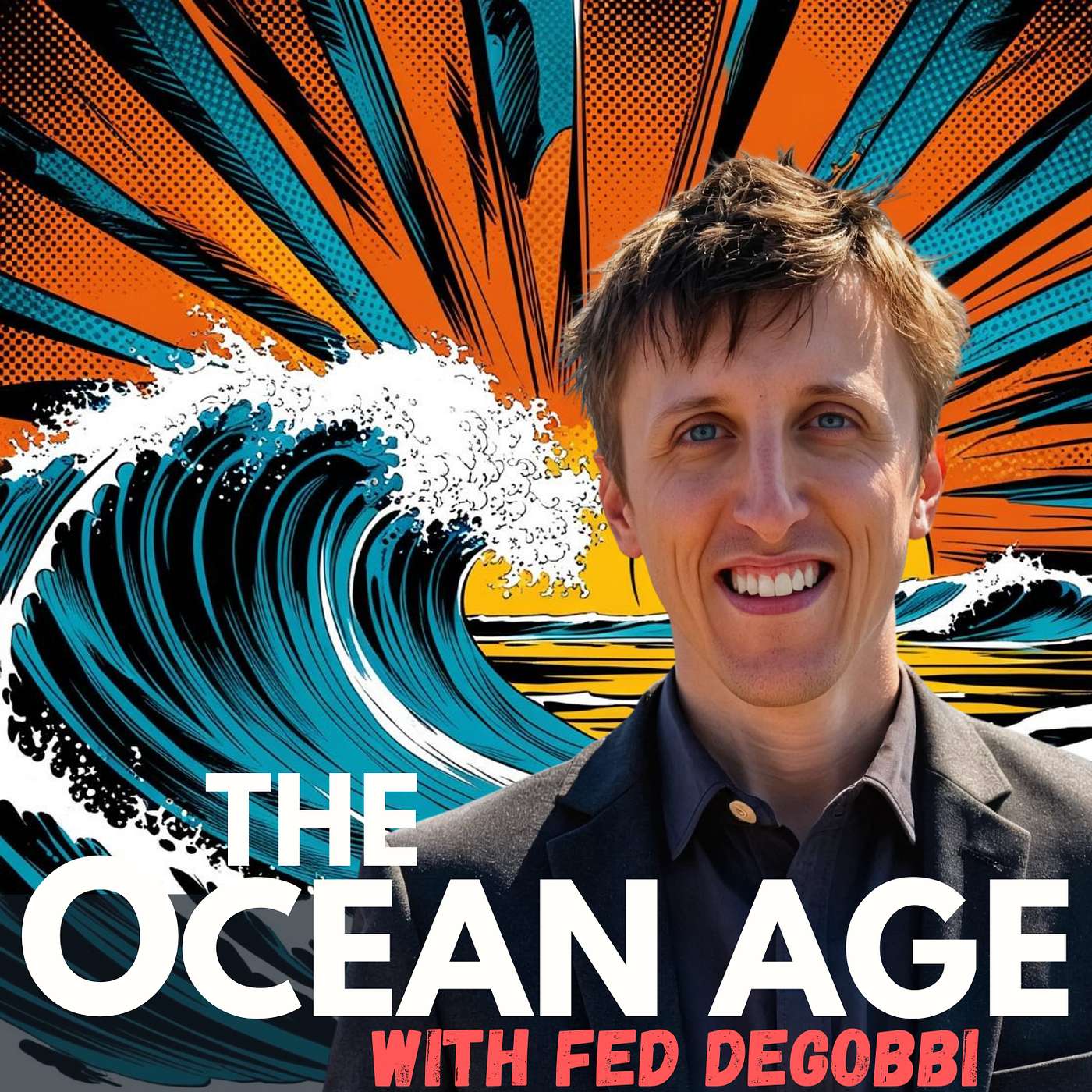
Artwork for The Ocean Age
The Ocean Age · Today · 1 hr 2 min

#49: Jerome Ternynck (Rypples) – Your Vision at Planetary Scale

Getting your ocean technology to work is only half the job. Scaling it is where many founders get stuck. In this episode, Jerome Ternynck, who scaled SmartRecruiters to around $1.5 billion before selling it to SAP, shares what it takes. You’ll hear how to pick a problem worth ten years of your life, why one market beats two, and how to make hard calls rather than optimise for a slow death. Jerome's bio: Jerome founded SmartRecruiters, the global hiring platform connecting 150 million people to jobs every year, later acquired by SAP. A serial founder and operator whose track record includes multiple successful exits and delivering a 100x return to early shareholders. Today, as the co-founder and CEO of Rypples, an ocean-focused impact investment company, he’s on a mission to help accelerate the transition to a sustainable world. He firmly believes we can be the first sustainable generation. We just have to do more, faster. Jerome’s current focus with Rypples is to catalyse ocean innovation by helping bold entrepreneurs scale ocean-positive solutions. Timestamps: 00:00:00 - Introduction 00:03:34 - From a 90-day job to a recruitment agency in Prague 00:07:35 - Where to build a blue economy company 00:09:02 - Trading a MacBook for 20,000 CVs 00:10:56 - Risk, resilience, and the Stockdale paradox 00:18:43 - Why ocean founders need a 10-year vision and ruthless focus 00:23:18 - Thirty years on, one problem and finding a good enemy 00:28:37 - From recruiting to the blue economy 00:31:19 - The missing middle between VC and private equity 00:38:18 - Why Rypples is a holding company, not a fund 00:45:54 - Make your Series B optional 00:49:42 - Advice for blue economy investors Useful Links & Resources: Jerome on LinkedIn Rypples website Rypples on LinkedIn Get in touch with The Ocean Age's host Fed DeGobbi on LinkedIn, X or by emailing directly at fed@oceanage.co Please send in your feedback: what do you want to hear more or less of? Any suggestions? Would love to hear what you think!

0:00-1:02:56

transcript

No transcript — this publisher did not publish one.

show notes

Getting your ocean technology to work is only half the job. Scaling it is where many founders get stuck. In this episode, Jerome Ternynck, who scaled SmartRecruiters to around $1.5 billion before selling it to SAP, shares what it takes. You’ll hear how to pick a problem worth ten years of your life, why one market beats two, and how to make hard calls rather than optimise for a slow death.

Jerome's bio:

Jerome founded SmartRecruiters, the global hiring platform connecting 150 million people to jobs every year, later acquired by SAP. A serial founder and operator whose track record includes multiple successful exits and delivering a 100x return to early shareholders.

Today, as the co-founder and CEO of Rypples, an ocean-focused impact investment company, he’s on a mission to help accelerate the transition to a sustainable world. He firmly believes we can be the first sustainable generation. We just have to do more, faster.

Jerome’s current focus with Rypples is to catalyse ocean innovation by helping bold entrepreneurs scale ocean-positive solutions. 

Timestamps:

00:00:00 - Introduction
00:03:34 - From a 90-day job to a recruitment agency in Prague
00:07:35 - Where to build a blue economy company
00:09:02 - Trading a MacBook for 20,000 CVs
00:10:56 - Risk, resilience, and the Stockdale paradox
00:18:43 - Why ocean founders need a 10-year vision and ruthless focus
00:23:18 - Thirty years on, one problem and finding a good enemy
00:28:37 - From recruiting to the blue economy
00:31:19 - The missing middle between VC and private equity
00:38:18 - Why Rypples is a holding company, not a fund
00:45:54 - Make your Series B optional
00:49:42 - Advice for blue economy investors

Useful Links & Resources:

Get in touch with The Ocean Age's host Fed DeGobbi on LinkedIn, X or by emailing directly at fed@oceanage.co

Please send in your feedback: what do you want to hear more or less of? Any suggestions? Would love to hear what you think!

links6