Artwork for The Music Business Buddy
Music

The Music Business Buddy

Jonny Amos

The Music Business Buddy is a podcast about the future of music careers.

Each episode explores how artists and creators are navigating today’s evolving music industry — from AI and streaming to publishing, sync licensing, branding and fan growth.

Featuring conversations with music executives, creatives, entrepreneurs and innovators, the show offers practical insights into how the modern music business really works.

The Music Business Buddy is hosted by award winning UK based music professional Jonny Amos. Author of The Music Business For Music Creators (Routledge, 2024), Jonny is a music industry consultant, artist manager, producer and educator. 


  • 109 episodes
  • Updated July 28

Support the show

Goes straight to the publisher. podnod takes nothing.

Episodes109

  • July 28 · 52 min

    Episode 108: Can Music Escape The Algorithm? (with Keith Jopling)

    You can feel it happening: a quiet revolt against the feed. When music becomes something we scroll past, count, and optimise, we lose the part that actually nourishes us. So I sit down with Keith Jopling, former Spotify global head of strategy and one of the UK’s sharpest music industry thinkers, to talk about the surprisingly radical idea at the heart of his book Body Of Work. We start with the album and why it refuses to die. Keith breaks down what campaigns like Charli XCX’s Brat reveal about culture, timing, and the return of album-era moments, especially among younger fans. From Taylor Swift to Billie Eilish to Olivia Rodrigo, we explore why cohesive projects still matter even when “album consumption” is difficult to measure in the streaming era, and why physical formats like vinyl and CDs can be part fandom, part merch, and part a genuine route back to attention and meaning. Then we get practical for creators: what constitutes a hit record in 2026? We look at how charts have become more industry-facing, what streaming numbers can and cannot tell you, and why the most honest metric might be the song your crowd sings back the loudest. We also challenge the obsession with measurement, including the growing pressure to treat music as a set of financial metrics, and land on the real antidotes: live music, better craft, and rituals like listening parties that make music communal again. If you care about the future of the music business, the creator economy, and the health of music culture, press play. Subscribe, share this with a music obsessive, and leave a review with the last album you listened to front-to-back. https://www.songsommelier.com https://www.songsommelier.com/body-of-work Reach out to me ! Support the show Enjoyed this episode? Subscribe to The Music Business Buddy Brief for weekly insights on the future of the music industry, AI, artist development, rights and the creator economy. The podcast explains what's happening. The newsletter explains why it matters. Join The Music Business Buddy Brief for exclusive weekly insights on the future of the music industry. Subscribe: https://themusicbusinessbuddy.beehiiv.com Websites www.jonnyamos.com https://themusicbusinessbuddy.buzzsprout.com Instagram https://www.instagram.com/themusicbusinessbuddypodcast/ https://www.instagram.com/jonny_amos/ Email jonnyamos@me.com Newsletter Sign Up https://themusicbusinessbuddy.beehiiv.com
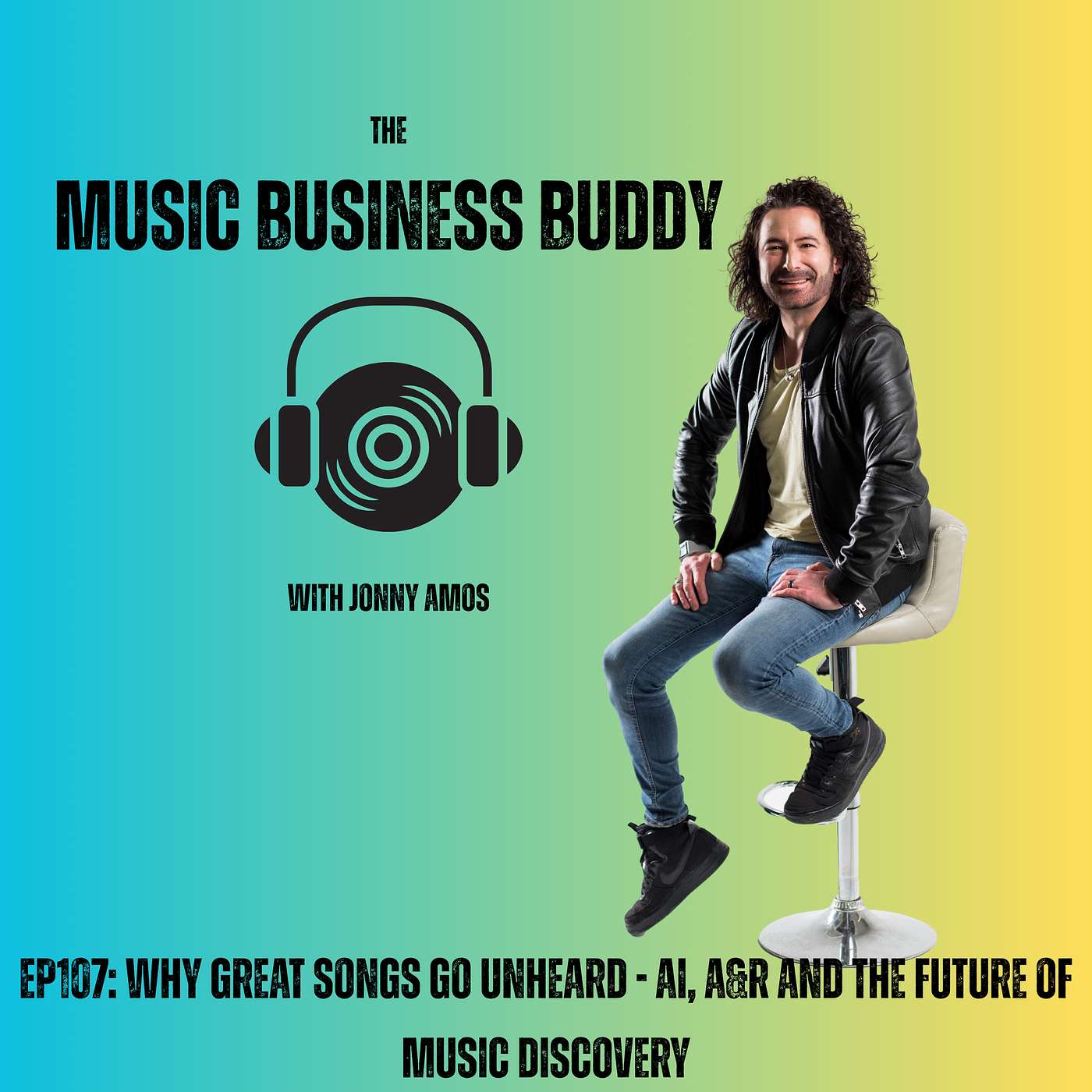
  • July 21 · 39 min

    Episode 107: Why Great Songs Go Unheard (And How AI Can Help Them Find Their Audience)

    A song can be great and still miss its audience, simply because nobody knows where to place it. That problem sits at the heart of my conversation with Zotz - the strategist, music executive, and CEO of Rocketship Music, a new platform built to help artists understand exactly where their track fits before they spend money promoting it. We talk about the practical reality of modern music marketing for independent artists: choosing a “single”, defining genre and mood, writing targeting, and making decisions with tiny budgets while the industry often waits for TikTok or streaming algorithms to pick winners. Maxwell explains how Rocketship compares your music to similar releases across decades, then uses that historical context to point towards likely audiences and smarter next steps. The goal is not to replace taste or creativity, but to stop creators shooting in the dark and to reduce wasted spend on the wrong channels. We also go deep on what responsible AI in the music industry looks like. Rocketship is not an AI music generator, and Zotz breaks down the legal and ethical hurdles of building “AI that listens” without training on copyrighted recordings in the way most people assume. From there we explore where AI genuinely helps musicians today: saving time on workflows, improving planning, and freeing artists to focus on writing, recording, and performing. Finally, we look ahead to a market where AI increases the volume of new music and raises the stakes for human artists. Our shared takeaway: fandom, live connection, and knowing who truly resonates with your work becomes even more important. If you enjoy these deep dives into A&R, artist development, and music tech, subscribe, share the episode, and leave a review. What’s the one question you wish you could answer about your audience right now? https://rocketship.music Reach out to me ! Support the show Enjoyed this episode? Subscribe to The Music Business Buddy Brief for weekly insights on the future of the music industry, AI, artist development, rights and the creator economy. The podcast explains what's happening. The newsletter explains why it matters. Join The Music Business Buddy Brief for exclusive weekly insights on the future of the music industry. Subscribe: https://themusicbusinessbuddy.beehiiv.com Websites www.jonnyamos.com https://themusicbusinessbuddy.buzzsprout.com Instagram https://www.instagram.com/themusicbusinessbuddypodcast/ https://www.instagram.com/jonny_amos/ Email jonnyamos@me.com Newsletter Sign Up https://themusicbusinessbuddy.beehiiv.com

  • July 14 · 11 min

    Episode 106: Can AI And Music Rights Coexist?

    AI music tools are moving fast, but one issue keeps poisoning the well: models trained on copyrighted songs with little or no visibility into what went in. When creators cannot see the training data, they cannot consent, negotiate, or get paid, and we end up stuck in a bleak loop of scrape first and litigate later. I want a better outcome, and I think we already have a blueprint hiding in plain sight. I unpack how legal sampling works through TrackLib and why it is more than a niche producer tool. It is a rights and provenance system: pick from a cleared catalogue, create, clear before release, and ensure credit and compensation reach the right people. Then I map that logic onto generative AI in the music industry with a licence-first approach: opt-in training catalogues for labels, publishers, artists, and other rights holders; a training provenance database that shows what was included; revenue participation through royalties or usage-based payouts; influence reporting; and clear commercial rights so users know what they can release. We also face the tough questions head-on: scale, value allocation across millions of training tracks, the difference between influence and copying, and the competitive pressure that makes unlicensed scraping tempting. I point to early proof-of-concept signals, including companies pursuing licensed training and partnerships with major rights holders and organisations, and I explain why moving beyond a flawed declaration model matters. If you care about music copyright, AI training data transparency, and building fair royalties for creators, listen through and tell me where you land. Subscribe, share with a creator friend, and leave a review so more people can join the conversation. Reach out to me ! Support the show Enjoyed this episode? Subscribe to The Music Business Buddy Brief for weekly insights on the future of the music industry, AI, artist development, rights and the creator economy. The podcast explains what's happening. The newsletter explains why it matters. Join The Music Business Buddy Brief for exclusive weekly insights on the future of the music industry. Subscribe: https://themusicbusinessbuddy.beehiiv.com Websites www.jonnyamos.com https://themusicbusinessbuddy.buzzsprout.com Instagram https://www.instagram.com/themusicbusinessbuddypodcast/ https://www.instagram.com/jonny_amos/ Email jonnyamos@me.com Newsletter Sign Up https://themusicbusinessbuddy.beehiiv.com

  • July 7 · 14 min

    Episode 105: How Micro-Licensing Could Change The Music Industry

    You can feel it happening: people are watching less legacy television, and the internet is filling the gap with an endless stream of short-form video, livestreams, indie games, podcasts, and creator-led brands. That shift doesn’t just change how audiences consume media, it changes how music needs to be licensed. I’m looking at micro licensing, a model that could become a major force over the next five to ten years as the modern music industry scrambles to match the speed and scale of the creator economy. We unpack what micro licensing actually means in practice: moving away from a slow, negotiation-heavy sync licensing process built for rare, high-value placements, and towards instant clearance for thousands (or even millions) of smaller uses. I talk through why the pricing model matters, why creators sometimes default to AI-generated music when licensing is too hard, and how a long-tail revenue economy could create meaningful income for rights holders if the infrastructure is right. Then we get honest about the risks: value dilution, messy global rights, and the growing chaos around AI ownership and attribution. I also explore what could make this workable at scale, including strong metadata, smarter rights databases, and API-driven licensing that distributors could potentially plug into. Finally, I share a standout early market mover I’ve been researching, and why I’m pushing for independent artists, songwriters, and producers to be included rather than left behind. If you want to understand where music licensing is heading and how to prepare your catalogue for what’s next, listen now. Subscribe, share this with a fellow creator, and leave a review with your take: does micro licensing empower independents, or does it risk making music feel disposable? Reach out to me ! Support the show Enjoyed this episode? Subscribe to The Music Business Buddy Brief for weekly insights on the future of the music industry, AI, artist development, rights and the creator economy. The podcast explains what's happening. The newsletter explains why it matters. Join The Music Business Buddy Brief for exclusive weekly insights on the future of the music industry. Subscribe: https://themusicbusinessbuddy.beehiiv.com Websites www.jonnyamos.com https://themusicbusinessbuddy.buzzsprout.com Instagram https://www.instagram.com/themusicbusinessbuddypodcast/ https://www.instagram.com/jonny_amos/ Email jonnyamos@me.com Newsletter Sign Up https://themusicbusinessbuddy.beehiiv.com

  • June 30 · 55 min

    Episode 104: What Sustainable Artist Development Really Looks Like (With John Hart)

    Most artists don’t fail because they lack talent. They fail because they rush, chase the wrong signals, or hand over control before they understand what they own. I’m joined by John Hart, A&R consultant and artist management specialist, for a straight-talking look at what sustainable artist development really means in today’s music industry. We get specific about what a good manager looks for and it’s not “who might get a hit”. John explains why he backs long-term career potential, why songwriting still sits at the centre of modern revenue, and how authenticity is built through clear identity rather than rigid genre rules. We also dig into audience thinking: who your fans are, what they value, and how that should shape everything from your visuals to your live strategy. From there we go deep on deal structures and rights. We talk publishing deals that fund recording, working with producers as true creative partners, and why keeping control of masters can open up options later through licensing deals, catalogue value, and smarter investment. We also cover the unglamorous money: neighbouring rights, mechanicals, and metadata, plus the mistakes artists make by releasing too early and treating Spotify like a shop instead of a discovery platform. We finish with the big shifts ahead, including AI, market fragmentation, and the resilience you need to survive rejection and keep moving. If you’re building a serious independent music career, hit subscribe, share this with an artist mate, and leave a review. Which part of your career needs a clearer plan right now? Reach out to me ! Support the show Enjoyed this episode? Subscribe to The Music Business Buddy Brief for weekly insights on the future of the music industry, AI, artist development, rights and the creator economy. The podcast explains what's happening. The newsletter explains why it matters. Join The Music Business Buddy Brief for exclusive weekly insights on the future of the music industry. Subscribe: https://themusicbusinessbuddy.beehiiv.com Websites www.jonnyamos.com https://themusicbusinessbuddy.buzzsprout.com Instagram https://www.instagram.com/themusicbusinessbuddypodcast/ https://www.instagram.com/jonny_amos/ Email jonnyamos@me.com Newsletter Sign Up https://themusicbusinessbuddy.beehiiv.com

  • June 23 · 27 min

    Episode 103: What Great Music Producers Actually Do (With TenRoc)

    Most music producers spend years trying to be louder, faster, and more impressive in the room. Tenroc argues the opposite;l the real edge is knowing what the song needs, then doing only that. Jonny Amos sits down with the New York songwriter-producer behind work connected to artists like Jon Bellion, Rihanna, the Jonas Brothers and Julia Michaels, and pulls back the curtain on how modern sessions actually function. We dig into the messy, practical question every producer faces - am I here to write, to build tracks, to programme drums, to play instruments, or to get out of the way? Tenroc explains how he reads the room, protects the creative flow, and builds relationships that last even when the song never gets released. He also shares a personal turning point: moving from behind-the-scenes work into putting out an album as an artist, driven by a clear sense of purpose. If you love craft, you will enjoy the nerdy details. Tenroc breaks down how he learned “commercial” sound through chart study and reverse-engineering, why emotion is often innate, and how tools like GarageBand, Logic Pro and FL Studio shaped his workflow. We also tackle the underrated skill that gets producers paid: finishing songs, using song structure to hold attention, and understanding when a verse, pre-chorus, hook, or bridge should appear. Finally, we talk music publishing in plain language - what a good publisher actually does, and why taste and collaborator fit matter more than chasing the biggest name on paper. If you want practical music production advice, major label session reality, and a clearer path for artist development, press play, then subscribe, share with a producer friend, and leave us a review. Reach out to me ! Support the show Enjoyed this episode? Subscribe to The Music Business Buddy Brief for weekly insights on the future of the music industry, AI, artist development, rights and the creator economy. The podcast explains what's happening. The newsletter explains why it matters. Join The Music Business Buddy Brief for exclusive weekly insights on the future of the music industry. Subscribe: https://themusicbusinessbuddy.beehiiv.com Websites www.jonnyamos.com https://themusicbusinessbuddy.buzzsprout.com Instagram https://www.instagram.com/themusicbusinessbuddypodcast/ https://www.instagram.com/jonny_amos/ Email jonnyamos@me.com Newsletter Sign Up https://themusicbusinessbuddy.beehiiv.com

  • June 16 · 43 min

    Episode 102: The Future Of Music Industry Careers - Lessons From The Next Generation

    The music industry does not just need more songs and artists. It needs more people who understand how the whole machine fits together and who can help artists build sustainable careers. That is why I brought three of my former students onto the podcast: Natalie Brown, Lotty Evans and Chris Beswick. They have just finished their degrees at BIMM University in Birmingham (UK) and they already sound like the next wave of UK music executives. We get into what they actually want from the next few years, from freelancing in music marketing and branding to artist management and development, to music journalism and editorial pathways. They talk honestly about competition, building a portfolio career and why “getting in” often starts with showing your work in public. We also dig into how education changes your music business understanding, especially around publishing vs distribution, copyright, contracts and the practical value of music law when you are trying to protect artists early. Then we turn the spotlight onto emerging artists: the common mistakes they see, the pressure to rush into “professional mode”, and why identity usually needs time to grow from the music before the visuals and strategy can really land. We talk social media consistency, choosing bandmates with aligned goals and treating artwork, photography and story as creative output rather than an afterthought. If you want a clear look at modern music industry careers, artist development and what actually makes someone employable in music, hit play. Subscribe, share this with a mate who is trying to break in, and leave a review with the biggest lesson you are taking away. Chris Beswick - Artist Development Professional https://chrisbeswickmusic.wixsite.com/portfolio Instagram @chrisbeswickmusic Tik Tok @chrisbeswickmusic Natalie Brown - Media and Marketing Professional https://www.morethanjustmusicblog.com Instagram @morethanjustmusicblog Tik Tok @x_natalie_b Lotty Evans - Freelance Music Marketer Photography, PR, Marketing and Journalism under her professional brand Charlie Brook Media. www.melomaniablog.co.uk I'm Losing It @imlosingitfanzine online Instagram @charliebr00k TikTok @.charliebr00k Reach out to me ! Support the show Enjoyed this episode? Subscribe to The Music Business Buddy Brief for weekly insights on the future of the music industry, AI, artist development, rights and the creator economy. The podcast explains what's happening. The newsletter explains why it matters. Join The Music Business Buddy Brief for exclusive weekly insights on the future of the music industry. Subscribe: https://themusicbusinessbuddy.beehiiv.com Websites www.jonnyamos.com https://themusicbusinessbuddy.buzzsprout.com Instagram https://www.instagram.com/themusicbusinessbuddypodcast/ https://www.instagram.com/jonny_amos/ Email jonnyamos@me.com Newsletter Sign Up https://themusicbusinessbuddy.beehiiv.com

  • June 9 · 33 min

    Episode 101: How Independent Artists Build Funding Without Giving Away Ownership

    When you approach crowdfunding with a plan, it becomes one of the most powerful tools an independent artist can use to fund an album, a tour, a music video, or the next career step without handing over control. I am joined by Ella Kuijpers and Remy Van Leeuwen, the founders of Crowdable; a crowdfunding platform built specifically for music. Remy and Ella kindly explain why their work is as much about hands on strategic support as it is about raising capital, and what “success” looks like behind the scenes. We talk through the practical mechanics that many artists miss: setting a realistic funding goal, building a clear project page with video and story, choosing rewards you can actually deliver, and communicating with urgency across socials, newsletters, and gigs. One of the most useful frameworks they share is the three group rollout: start with close friends and family to create momentum, then widen to peers and existing fans, and only then reach future fans who do not know you yet. We also get into the emotional side, including the fear of asking for money, and how to reframe a donation as giving supporters a real chance to be part of the work. Along the way, we place music crowdfunding in the wider UK music industry funding landscape as a tool that can sit alongside grants, distributor deals, and label investment, while also proving you have an engaged fan base. If you’re planning a crowdfunding campaign or wondering whether it can fit your artist business model, you’ll leave with a clearer strategy and fewer pitfalls. Subscribe, share this with an artist friend, and leave a review with the project you’d crowdfund next. https://www.crowdable.co.uk/ Reach out to me ! Support the show Enjoyed this episode? Subscribe to The Music Business Buddy Brief for weekly insights on the future of the music industry, AI, artist development, rights and the creator economy. The podcast explains what's happening. The newsletter explains why it matters. Join The Music Business Buddy Brief for exclusive weekly insights on the future of the music industry. Subscribe: https://themusicbusinessbuddy.beehiiv.com Websites www.jonnyamos.com https://themusicbusinessbuddy.buzzsprout.com Instagram https://www.instagram.com/themusicbusinessbuddypodcast/ https://www.instagram.com/jonny_amos/ Email jonnyamos@me.com Newsletter Sign Up https://themusicbusinessbuddy.beehiiv.com

  • June 2 · 18 min

    Episode 100: What 100 Music Industry Conversations Taught Me

    Episode 100 is a landmark for me, so I went back through the first 99 conversations and pulled out the 10 biggest lessons I want every music creator to use into 2026. If you make songs, release recordings, or collaborate with anyone at all, this is the practical checklist that helps you protect your work, get your royalties paid, and avoid the silent mistakes that cost artists money for years. We start with the unglamorous stuff that decides whether you get paid: song splits, ownership clarity, and registering the right rights in the right places. I talk through why works registration and recording registration are not the same thing, how bad metadata leads to unclaimed royalties and black boxing, and how identifiers like ISWC and ISRC help connect the dots. If you are independent without a label or publisher, I explain why the responsibility lands on you and how to make that manageable. Then we zoom out to the reality of streaming and discovery, where old music competes with new releases and dormant tracks can explode later through playlists, sync, or algorithmic momentum. I also share why music fintech is becoming a real funding route, why catalogue value matters, and what to consider before you lock rights away in long deals. Finally, we get tactical: think globally, embrace AI tools to save time and sharpen strategy, listen to seasoned professionals, map your next 12 to 24 months, build your team your way, and stop waiting to be picked. If this helps, subscribe, share it with one music maker who needs it, and leave a review so more creators can find the show. Reach out to me ! Support the show Enjoyed this episode? Subscribe to The Music Business Buddy Brief for weekly insights on the future of the music industry, AI, artist development, rights and the creator economy. The podcast explains what's happening. The newsletter explains why it matters. Join The Music Business Buddy Brief for exclusive weekly insights on the future of the music industry. Subscribe: https://themusicbusinessbuddy.beehiiv.com Websites www.jonnyamos.com https://themusicbusinessbuddy.buzzsprout.com Instagram https://www.instagram.com/themusicbusinessbuddypodcast/ https://www.instagram.com/jonny_amos/ Email jonnyamos@me.com Newsletter Sign Up https://themusicbusinessbuddy.beehiiv.com

  • May 26 · 42 min

    Episode 99: Why India Is Becoming Music’s Next Global Powerhouse

    Royalties don’t disappear, they get stuck. When the data can’t identify you, the system can’t pay you, even if the money has been collected. That’s why I wanted to bring on Amit Dubey from Beat Street Music and Publishing in Mumbai, India; a specialist in the unglamorous back end of the music business - rights documentation, metadata accuracy, publishing administration, royalty tracking, and recovery. We dig into how India’s music rights ecosystem compares with the UK and US, starting with the basics: composition rights, sound recording rights, and usage. From there, Amit explains the real gap in India, not structure but execution. We talk IPRS membership, why many creators still misunderstand music publishing, and the three reasons royalties end up in a “black box”: unclear splits, poor metadata, and missing registrations. If you’ve ever wondered why a track can trend and still not pay properly, this conversation gives you a checklist mindset. We also look ahead at what could improve next: stronger reporting practices across radio, TV, OTT, and public performances, wider cue sheet adoption, and a culture of data discipline at the source. Amit breaks down Sangeet Dwar, India’s push towards a single licensing window for public performance, and we finish on how independent music is growing and how streaming economics and short-form platforms are reshaping creative choices. If you care about the Indian music industry, music publishing, copyright, and getting paid fairly from royalties, you’ll want this one. If it helps, subscribe, share it with one music creator, and leave a review telling us what topic you want next. https://beatstreetmusic.co Reach out to me ! Support the show Enjoyed this episode? Subscribe to The Music Business Buddy Brief for weekly insights on the future of the music industry, AI, artist development, rights and the creator economy. The podcast explains what's happening. The newsletter explains why it matters. Join The Music Business Buddy Brief for exclusive weekly insights on the future of the music industry. Subscribe: https://themusicbusinessbuddy.beehiiv.com Websites www.jonnyamos.com https://themusicbusinessbuddy.buzzsprout.com Instagram https://www.instagram.com/themusicbusinessbuddypodcast/ https://www.instagram.com/jonny_amos/ Email jonnyamos@me.com Newsletter Sign Up https://themusicbusinessbuddy.beehiiv.com

  • May 19 · 15 min

    Episode 98: Music Royalties Explained - Distribution vs Publishing

    Confusing distribution with publishing is one of the fastest ways to lose time, miss money, and second guess every release decision you make. I’m Jonny Amos - host of The Music Business Buddy and I’m stripping it back to basics so you can clearly separate what a music distributor does from what a music publisher does, without the jargon and without the myths. We start with the core distinction the industry actually cares about: the sound recording (master rights) versus the underlying song (composition copyright, meaning lyrics, melody, and harmony). From there, I explain how music distribution works in practice, from getting your recorded music onto Spotify, Apple Music and other streaming platforms, to why accurate metadata, credits, artwork and scheduling affect how you appear in searches, libraries and playlists. Distributors may offer extra services, but their main job is access and reporting for the master side. Then we move to music publishing, including why it’s even called “publishing” in the first place, what publishers do for songwriters, and why collection societies and PRO systems do not always catch everything without help. I break down the key publishing income streams, especially performance royalties and mechanical royalties, and I clarify the part that trips people up most: where streaming royalties sit, why both your distributor and PROs can be involved, and how the typical 80/20 split between recording and songwriting tends to work. If you found this useful, subscribe, share it with an artist friend who’s about to release music, and leave a review so more creators can find the show. What’s the one part of distribution or publishing you still want unpacked? Reach out to me ! Support the show Enjoyed this episode? Subscribe to The Music Business Buddy Brief for weekly insights on the future of the music industry, AI, artist development, rights and the creator economy. The podcast explains what's happening. The newsletter explains why it matters. Join The Music Business Buddy Brief for exclusive weekly insights on the future of the music industry. Subscribe: https://themusicbusinessbuddy.beehiiv.com Websites www.jonnyamos.com https://themusicbusinessbuddy.buzzsprout.com Instagram https://www.instagram.com/themusicbusinessbuddypodcast/ https://www.instagram.com/jonny_amos/ Email jonnyamos@me.com Newsletter Sign Up https://themusicbusinessbuddy.beehiiv.com

  • May 12 · 47 min

    Episode 97: How Artists Build Real Fans In China (Platforms, Strategy & What Actually Works)

    China can look like the biggest opportunity in music and the easiest place to get lost. I sit down with Jonathan Heeter, who runs Middle8, an outsourced China division for Western labels and artists, to translate what actually works on the ground and what Western playbooks get wrong. We map the Chinese music streaming landscape through Tencent’s QQ Music ecosystem and NetEase Cloud Music, then dig into why discovery algorithms can feel more sophisticated while staying stubbornly opaque. The real unlock is measurement: when public streaming data is limited, engagement becomes the signal. Jonathan explains why comments on tracks matter, what “memetic behaviour” looks like across Chinese platforms, and how that turns into measurable fandom you can take to promoters and brands. From there we move into monetisation and deal structure. China’s music business often operates holistically, optimising total revenue across streaming, touring, brand partnerships and IP, rather than treating each income stream as a silo. We also get practical about sync licensing in China, why buyouts are common, and why commissioned brand integrations can be far more lucrative than chasing back-end pennies. Finally, we cover must-know platforms for music marketing in China, including Red Note (Xiaohongshu), WeChat, Bilibili and Weibo, plus the realities of expensive paid media and real-name verification rules. If you’re an artist, manager, label or publisher building a China strategy, this is your roadmap. Subscribe for more music business insight, share this with someone planning an international campaign, and leave a review with the one China question you still want answered. https://middle8.agency Reach out to me ! Support the show Enjoyed this episode? Subscribe to The Music Business Buddy Brief for weekly insights on the future of the music industry, AI, artist development, rights and the creator economy. The podcast explains what's happening. The newsletter explains why it matters. Join The Music Business Buddy Brief for exclusive weekly insights on the future of the music industry. Subscribe: https://themusicbusinessbuddy.beehiiv.com Websites www.jonnyamos.com https://themusicbusinessbuddy.buzzsprout.com Instagram https://www.instagram.com/themusicbusinessbuddypodcast/ https://www.instagram.com/jonny_amos/ Email jonnyamos@me.com Newsletter Sign Up https://themusicbusinessbuddy.beehiiv.com

  • May 5 · 36 min

    Episode 96: How Indie X Turn Fans Into Income (Artist Ownership & Revenue Strategy)

    The fastest way to stall a music career is to build a following you can’t reach. I sit down with Jack McCarthy from IndieX to get practical about artist ownership: how attention becomes data, how data becomes relationships, and how relationships become reliable income that does not vanish between releases and tours. We talk through a simple framework that turns the fuzzy idea of a “fan base” into something you can measure and improve: audiences on social platforms, contacts on your email list or text list, customers who buy directly, and repeat customers who come back. From there, we get into real-world music marketing moves that pull people closer, from live show list-building to online offers like early access, tour location prompts, and creative drops that feel aligned with your art. Jack also explains the “revenue roller coaster” and why so many artists ride painful spikes around albums and touring. The alternative is always-on e-commerce marketing: lightweight campaigns throughout the year, smart calendars, and a clear customer journey that builds cash flow over time. We also get honest about streaming revenue, how to use streaming data as leverage, and why direct-to-fan should mean fewer middlemen, not new ones hiding behind shiny platforms. If you want a more sustainable music business built on fan data, e-commerce, and direct-to-consumer strategy, hit play, then subscribe, share this with one artist friend, and leave us a review. https://indepreneur.io/services/ Reach out to me ! Support the show Enjoyed this episode? Subscribe to The Music Business Buddy Brief for weekly insights on the future of the music industry, AI, artist development, rights and the creator economy. The podcast explains what's happening. The newsletter explains why it matters. Join The Music Business Buddy Brief for exclusive weekly insights on the future of the music industry. Subscribe: https://themusicbusinessbuddy.beehiiv.com Websites www.jonnyamos.com https://themusicbusinessbuddy.buzzsprout.com Instagram https://www.instagram.com/themusicbusinessbuddypodcast/ https://www.instagram.com/jonny_amos/ Email jonnyamos@me.com Newsletter Sign Up https://themusicbusinessbuddy.beehiiv.com

  • April 28 · 44 min

    Episode 95: How SongPot AI is Changing Music Discovery (And What It Means for Sync & Creators)

    You can feel the right track in your bones, but finding it inside a giant catalogue can still be painfully slow. That gap between what we mean and what search engines can understand is where sync licensing briefs stall, temp tracks take over, and great back catalogue gets left behind. I'm joined by Tiangu Zhu, founder of Songpot, to unpack a simple but ambitious goal: building AI that truly understands music as a language, not just as metadata. We talk through the real-world problems music supervisors and media teams face when words fail. Genre, mood and “danceability” are subjective, tagging is inconsistent, and a song rarely fits neatly into a few labels. Tiangu explains how AI music discovery can analyse audio itself to reveal “unspoken similarities”, helping libraries and rights holders improve music search, speed up clearance workflows, and deliver better matches for sync licensing. We also get into how Songpot can sit in the stack as a platform or an API for more tech-native companies. Then we flip to the creator side. Tiangu makes a clear case for human-centred generative AI: not replacing artists, but acting like a new instrument for producers and musicians. From prototyping ideas faster to turning a hummed melody plus a style into an instant draft, the focus stays on helping creators translate what’s in their head into something they can actually hear, share, and refine. If you care about music supervision, music libraries, catalogue value, music information retrieval, or practical AI tools for music production, this conversation will stretch your thinking. Subscribe for more, share this with a friend in sync or production, and leave a review if you want us to keep bringing you guests building the future of the music industry. https://songpot.art Reach out to me ! Support the show Enjoyed this episode? Subscribe to The Music Business Buddy Brief for weekly insights on the future of the music industry, AI, artist development, rights and the creator economy. The podcast explains what's happening. The newsletter explains why it matters. Join The Music Business Buddy Brief for exclusive weekly insights on the future of the music industry. Subscribe: https://themusicbusinessbuddy.beehiiv.com Websites www.jonnyamos.com https://themusicbusinessbuddy.buzzsprout.com Instagram https://www.instagram.com/themusicbusinessbuddypodcast/ https://www.instagram.com/jonny_amos/ Email jonnyamos@me.com Newsletter Sign Up https://themusicbusinessbuddy.beehiiv.com

  • April 21 · 16 min

    Episode 94: How To Build A Music Fanbase From Zero

    The leap from making songs to building a career isn’t magic — it’s momentum you can engineer. I pull back the curtain on how to launch a brand-new artist from zero data to investable, using a practical framework that blends creative clarity with disciplined execution. No hype, no guesswork, just a repeatable path that lowers risk and raises opportunity. I start by nailing the lane: genre, subculture, and the core emotional promise that tells fans who you are at a glance. From there, we move into building in public, where behaviour beats vanity metrics. Watch time, comments, shares, and saves reveal what resonates before a single hits DSPs. Then we lay out a 36-week release plan: six singles, one every six weeks, supported by identity-led short-form content and optimised distribution on Spotify and Apple Music. You’ll learn why user-curated playlists are the first real lever, how a 10%+ save rate and listener-to-follower conversion flag a true lead single, and which analytics tools give you clean, comparable data. Press matters too — not for bragging rights, but for web presence that algorithms can read. We explain how consistent blog features and reviews feed natural language processing, helping platforms map your music to the right listeners. With one full cycle complete, we repeat with informed variables, compounding what works and dropping what doesn’t. That foundation leads to proof: one hundred local tickets, organic merch sales, early subscriptions, and the moment you “catch” algorithmic support on Discover Weekly and Release Radar. Finally, we show how to package the narrative for partners — growth curves, peer benchmarks, release discipline, revenue per fan, and a clear plan for deploying capital across touring, content, and marketing. You stop pitching potential and start pitching acceleration. If you’re serious about turning art into a sustainable business, this roadmap gives you the steps, signals, and language partners trust. Subscribe, share with a fellow creator, and leave a review with the one metric you plan to track next — what will you measure first? Reach out to me ! Support the show Enjoyed this episode? Subscribe to The Music Business Buddy Brief for weekly insights on the future of the music industry, AI, artist development, rights and the creator economy. The podcast explains what's happening. The newsletter explains why it matters. Join The Music Business Buddy Brief for exclusive weekly insights on the future of the music industry. Subscribe: https://themusicbusinessbuddy.beehiiv.com Websites www.jonnyamos.com https://themusicbusinessbuddy.buzzsprout.com Instagram https://www.instagram.com/themusicbusinessbuddypodcast/ https://www.instagram.com/jonny_amos/ Email jonnyamos@me.com Newsletter Sign Up https://themusicbusinessbuddy.beehiiv.com

  • April 16 · 34 min

    Episode 93: Inside Hit-Making With Grammy-Winning A&R Pete Ganbarg

    Hits don’t happen by accident. They happen when the right singer meets the right song and a focused team executes without ego. That’s the throughline of my conversation with Pete Ganbarg—a two-time Grammy-winning A&R leader whose fingerprints are on era-defining records and publishing wins—spanning artist development, writer mentorship, and the power of aligned campaigns. We start with the essentials: what makes an artist investable today. Pete is blunt about work ethic, output, and urgency in a short attention span world. From there, we bridge the recorded and publishing sides. He treats writers like artists, investing patience and guidance until they can “ride the bike” solo. That approach has generated heavyweight copyrights and resilient careers, supported by smart admin partnerships and precise registrations across ASCAP, BMI, and global sub-publishers. As the landscape shifts—piracy, social feeds, streaming, and now AI—Pete’s stance is steady. A&R doesn’t change: great songs plus great voices. He sees AI as a tool, like sampling or synths, provided provenance is trackable and creators are paid. The public cares about what they feel, not how a track was made. To show what execution looks like, Pete breaks down the Daughtry debut: five people, six weeks, crystal roles, seven million albums. That’s what happens when a team plays its positions and the music lands seamlessly with listeners. We also dig into Pete’s path from chart-obsessed fan to A&R chief, the advice he’d give his 18-year-old self, and the “invisible fingerprints” philosophy—do the work so well no one knows your name, only the artist’s. Finally, we explore Rock and Roll High School, the podcast he launched to teach music history to young teams that has grown into a living archive of first-person stories from the creators behind the songs we love. Context sharpens ears; literacy in the past fuels better signings and smarter strategies today. If you care about building a durable music career—artist or writer—this is a masterclass in development, royalties, rights, teamwork, and taste. Subscribe, share with a creative friend, and leave a review telling us the biggest lesson you’re taking into your next release. Reach out to me ! Support the show Enjoyed this episode? Subscribe to The Music Business Buddy Brief for weekly insights on the future of the music industry, AI, artist development, rights and the creator economy. The podcast explains what's happening. The newsletter explains why it matters. Join The Music Business Buddy Brief for exclusive weekly insights on the future of the music industry. Subscribe: https://themusicbusinessbuddy.beehiiv.com Websites www.jonnyamos.com https://themusicbusinessbuddy.buzzsprout.com Instagram https://www.instagram.com/themusicbusinessbuddypodcast/ https://www.instagram.com/jonny_amos/ Email jonnyamos@me.com Newsletter Sign Up https://themusicbusinessbuddy.beehiiv.com

  • April 7 · 39 min

    Episode 92: Why Artists Don’t Need Permission Anymore

    What if the power in music has already shifted—and you just need the receipts to prove it? We sit down with Nashville and LA veteran Jason Hollis to unpack a modern blueprint for building leverage, owning your audience, and turning proof into power. From MySpace-era heat maps to TikTok verse-to-chorus teasers, Jason shows how artists can create undeniable momentum that attracts partners on their terms. We dig into the tactical steps that transform interest into leverage: mapping tours to real fan demand, stacking analytics you can walk into any negotiation with, and sparking buzz that leads to multiple offers instead of one fragile bet. Jason shares the Pink Spiders playbook, including the art of generating industry attention without begging for it, and the critical lesson of guarding rights such as digital likeness when the papers hit the table. The conversation moves from mindset to method. Jason argues for a no-permission approach: start today, be consistent, and show up prepared like a pro. He breaks down how posting work-in-progress snippets invites fans into the creative process and turns casual followers into early superfans who move streams, pre-saves, and tickets. We compare the textures of Nashville and Los Angeles—songwriter culture and access versus sprawling networks—and then zoom out to the internet’s bigger promise: you can build a global career from any bedroom with the right content and cadence. Confidence in elite rooms takes practice, not posturing. Jason explains how to present ideas clearly, set the tone the second you enter, and match the discipline of A-list talent. He makes a compelling case for studying music history—Motown’s systems under Berry Gordy, Andrew Loog Oldham’s marketing instincts—so you can borrow blueprints, speak the same creative shorthand, and spot cycles before they hit the charts. If you’re ready to trade permission for proof and strategy for guesswork, this one’s your map. If this resonated, follow the show, share it with a friend who’s building, and leave a quick review so more artists can find it. Got a question about the music business? Send it our way and tell us what you want to hear next. https://www.instagram.com/itshollis/ Reach out to me ! Support the show Enjoyed this episode? Subscribe to The Music Business Buddy Brief for weekly insights on the future of the music industry, AI, artist development, rights and the creator economy. The podcast explains what's happening. The newsletter explains why it matters. Join The Music Business Buddy Brief for exclusive weekly insights on the future of the music industry. Subscribe: https://themusicbusinessbuddy.beehiiv.com Websites www.jonnyamos.com https://themusicbusinessbuddy.buzzsprout.com Instagram https://www.instagram.com/themusicbusinessbuddypodcast/ https://www.instagram.com/jonny_amos/ Email jonnyamos@me.com Newsletter Sign Up https://themusicbusinessbuddy.beehiiv.com

  • March 31 · 50 min

    Episode 91: How to Become a Session Drummer (Real Career Path with Collette Williams)

    The path from rehearsal room to global stages is rarely straight, and Collette Williams shows how grit, honesty, and community can bend the line in your favour. I sit down with the session drummer and multi-instrumentalist to unpack the craft behind TV appearances, the leap from drum tech to the Blossoms live setup, and the mindset that turns fear into fuel when the brief suddenly changes. Collette opens the door on the contrast between mimed TV performances and fully live broadcasts: the glued hi-hats, the choreography of movement, the pressure of one-take camera cuts, and the pure rush of playing Later… with Jools Holland while your heroes watch from the balcony. Then we trace the moment networking met readiness: a chance meeting with Blossoms’ tour manager led to drum tech gigs at Reading and Leeds, a seat on percussion and backing vocals, and finally a bold shift to acoustic guitar and keys when the new album demanded it. She didn’t posture—she negotiated for support, practised with intent, and walked on at Gunnersbury Park in front of 50,000. We also rewind to Rews, the heavy-rock duo that became the first signing to Marshall Records. The secret wasn’t hype; it was relentless touring, authentic conversations at the merch desk, and a fan-first approach that attracted management, booking power, and a label partnership. Along the way, Colette shares clear, hard-won lessons for music creators about networking that sticks, artist development, session etiquette, and building a patchwork career that includes teaching and side hustles without losing artistic momentum. Her most personal chapter challenges a stubborn industry myth. Performing at seven months pregnant, her waters broke mid-show; plans changed, but the mission didn’t. Visibility can be a conversation as much as a spotlight. With candour and warmth, Colette shows how to balance touring and parenting with supportive teams, flexible logistics, and a focus on what matters most: presence over perfection. If you found value in this story, follow the show, share it with a friend who needs the nudge, and leave a review so more creators can find it. Reach out to me ! Support the show Enjoyed this episode? Subscribe to The Music Business Buddy Brief for weekly insights on the future of the music industry, AI, artist development, rights and the creator economy. The podcast explains what's happening. The newsletter explains why it matters. Join The Music Business Buddy Brief for exclusive weekly insights on the future of the music industry. Subscribe: https://themusicbusinessbuddy.beehiiv.com Websites www.jonnyamos.com https://themusicbusinessbuddy.buzzsprout.com Instagram https://www.instagram.com/themusicbusinessbuddypodcast/ https://www.instagram.com/jonny_amos/ Email jonnyamos@me.com Newsletter Sign Up https://themusicbusinessbuddy.beehiiv.com

  • March 25 · 40 min

    Episode 90: How to Release Music Independently (Tools, Strategy & Startup Insights)

    Your song is done. The artwork is perfect. Now what? We sit down with Adriano and James, the creators of Release Assist, to unpack a smarter way to launch music without drowning in choices. Their goal-led approach replaces vague hopes with a clear plan: define what success looks like, connect your data sources, and align every touch point—timing, metadata, pitching, distributor strategy—to the audience you actually want. What makes their vision refreshing is the mix of human guidance and practical tech. Think of it like lane assist for your release: forecasting the best window by genre and season, highlighting metadata fixes that help algorithms recognise your track, and nudging you toward consistent storytelling across platforms. They push back on the idea that ads are the only answer. Paid media can work, but real traction shows up when your visuals, captions and cadence speak to a listener’s values, not to “everyone.” We also explore a bigger mission: cutting through opacity in music. From royalty confusion to shifting gatekeepers, too many decisions are hidden from the artists funding their own careers. Adriano and James want to give independents the same quality of tools labels use—and to build a community layer that connects artists with collaborators, sync routes and mentors without the usual gatekeeping. The long-term vision is bold yet practical: an operating system for independent music careers that starts at release day and expands outward. If you’re tired of releasing into the void, this conversation will help you turn chaos into a plan you can execute. Subscribe for more practical music business insights, share this episode with a friend who’s about to drop a single, and leave a review to tell us what you want Release Assist to solve next. https://www.releaseassist.com Reach out to me ! Support the show Enjoyed this episode? Subscribe to The Music Business Buddy Brief for weekly insights on the future of the music industry, AI, artist development, rights and the creator economy. The podcast explains what's happening. The newsletter explains why it matters. Join The Music Business Buddy Brief for exclusive weekly insights on the future of the music industry. Subscribe: https://themusicbusinessbuddy.beehiiv.com Websites www.jonnyamos.com https://themusicbusinessbuddy.buzzsprout.com Instagram https://www.instagram.com/themusicbusinessbuddypodcast/ https://www.instagram.com/jonny_amos/ Email jonnyamos@me.com Newsletter Sign Up https://themusicbusinessbuddy.beehiiv.com

  • March 18 · 19 min

    Episode 89: How Fintech is Changing Artist Funding (What Artists Need to Know)

    Money talks in music, but the language is changing—and fast. We dive into how fintech is rewiring artist funding, why streaming didn’t fix the economics, and how data has quietly turned songs and catalogues into investable assets with predictable cash flows. From real-world catalogue deals to creator-first banking tools, we unpack what’s happening on the finance rails beneath the industry and what it means for your next release, tour, or campaign. We start by tracing the arc from the CD boom to the streaming era, highlighting the core problem: subscription prices set too low to sustain healthy payouts across the ecosystem. That’s where fintech steps in. Instead of judging artists by credit scores, new platforms evaluate streams, fan engagement, and merch velocity to underwrite advances and revenue-sharing deals. We explore the strategic upside of these options for independent and mid-tier artists, including how modest annual earnings can unlock funding when the underlying data is consistent. Then we zoom in on catalogue financing and why investors are hungry for rights. Better analytics reduce risk, streaming creates durable income, and targeted marketing can lift revenue post-deal. We also address blockchain’s practical wins—smart contracts, automated splits, transparent ownership—beyond the hype cycles. Throughout, we keep labels in the conversation: their expertise and infrastructure remain valuable, while fintech expands choice, speed, and clarity for creators who need runway without surrendering their entire future. If you’re weighing ownership against growth, or wondering how to use your data as leverage, this is your field guide to the new money map of music. Subscribe, share with a friend who’s planning their next release, and leave a review telling us what funding path you’d take and why. Reach out to me ! Support the show Enjoyed this episode? Subscribe to The Music Business Buddy Brief for weekly insights on the future of the music industry, AI, artist development, rights and the creator economy. The podcast explains what's happening. The newsletter explains why it matters. Join The Music Business Buddy Brief for exclusive weekly insights on the future of the music industry. Subscribe: https://themusicbusinessbuddy.beehiiv.com Websites www.jonnyamos.com https://themusicbusinessbuddy.buzzsprout.com Instagram https://www.instagram.com/themusicbusinessbuddypodcast/ https://www.instagram.com/jonny_amos/ Email jonnyamos@me.com Newsletter Sign Up https://themusicbusinessbuddy.beehiiv.com