Skip to content
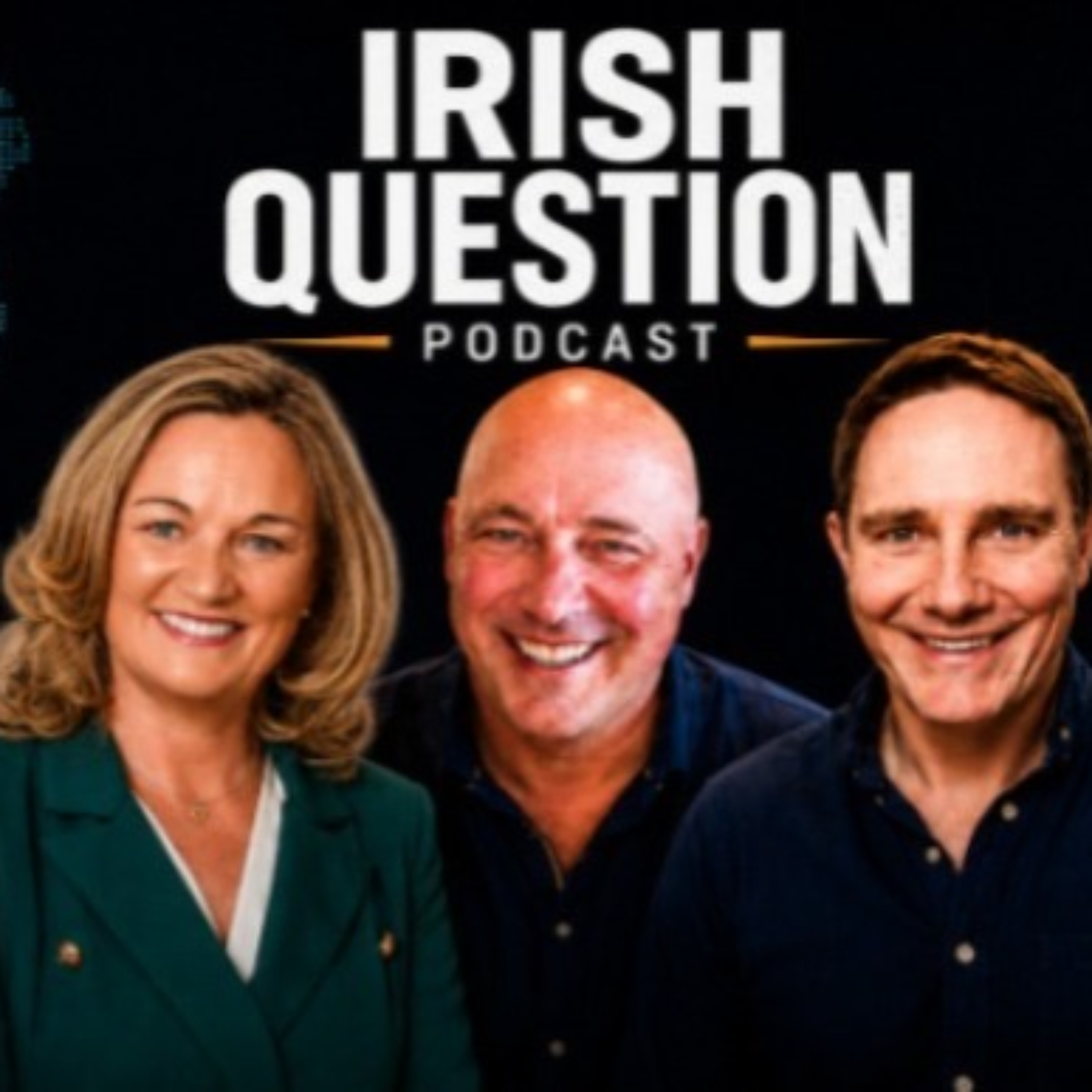
Artwork for The Irish Question
The Irish Question · Monday · 1 hr 2 min

Is Ireland Next?

Is Ireland learning the right lessons from France? Are trade unions demanding policies their own members will have to pay for? And why is supporting young families so far down the political agenda? Paul Treyvaud, Elaine Mullally and Nick Delehanty return for a packed episode of The Irish Question, covering immigration, Ireland’s demographic future, public-sector strikes, gender legislation, climate politics and more. The discussion opens with the tragic church accident in Ecuador before turning to footage of unrest in France. The panel debates integration, political leadership and social cohesion, asking what Ireland should learn from the experiences of other European countries. Nick then discusses the Irish Government’s long-term demographic projections: falling fertility, an ageing population and the role of migration in sustaining the workforce. The conversation turns to housing costs, the pressures facing young couples and whether government should do more to make starting a family affordable. Paul proposes redirecting resources towards parents, while Elaine argues that decades of housing and economic policy have undermined family life. A lively disagreement follows over public-sector strikes and the role of trade unions. Elaine makes the case for supporting nurses, teachers, prison officers and other workers seeking better pay. Nick challenges the unions’ wider spending and taxation agenda, discussing school meals, schoolbooks, childcare, welfare, carbon taxes and proposals affecting self-employed PRSI. Paul asks whether the self-employed should organise their own response, before the panel considers the relationship between public-sector pay and productivity. On immigration and accommodation, Elaine discusses a renewed planning application in Durrow, County Laois, and calls for ministers to engage directly with local residents. Nick questions whether changes to IPAS spending represent an overall reduction in costs or a shift towards larger centres and other accommodation budgets. The discussion also covers sentencing, freedom of expression, reporting restrictions and the panel’s concerns about equal treatment before the law. The hosts examine Ruth Coppinger’s proposed gender-recognition changes, including the proposed use of an “X” marker on official documents and birth certificates. They debate parental decision-making, children’s interests, the Government’s likely response and the wider influence of campaigning organisations and academia on policy. Internationally, the panel discusses British military-readiness warnings, the war in Ukraine and the possibility of negotiations involving Trump, Putin and Xi. They then turn to Mary Robinson’s comments on gender and climate leadership, Greta Thunberg’s activism, Irish climate targets and Nick’s argument that affordable energy deserves greater political priority. 00:00 Welcome & the tragic church accident in Ecuador 02:02 Unrest in France: what should Ireland learn? 11:27 Falling birth rates, immigration & Ireland’s future 16:32 Welfare, solar grants & public-sector strikes 20:08 Trade unions: spending demands & who pays 24:54 Should higher public-sector pay mean more productivity? 25:52 IPAS in Durrow: planning & community concerns 30:36 IPAS spending, larger centres & homeless accommodation 32:28 Sentencing, free speech & equal treatment 37:37 Ruth Coppinger’s bill: “X” markers & birth certificates 43:33 Gender recognition & the wider legal debate 45:52 Academia, NGOs & family policy 48:15 Britain’s war warnings, Ukraine & diplomacy 52:31 Mary Robinson, Greta Thunberg & climate politics 55:16 Nick’s case for cheaper energy 57:05 Leo Varadkar: solutions from the sidelines? 59:00 NBC’s Today show comes to Kenmare 1:00:41 Final thoughts & goodbye #TheIrishQuestion #IrishPolitics #Ireland

0:00-1:02:16

transcript

No transcript — this publisher did not publish one.

show notes

Is Ireland learning the right lessons from France? Are trade unions demanding policies their own members will have to pay for? And why is supporting young families so far down the political agenda?

Paul Treyvaud, Elaine Mullally and Nick Delehanty return for a packed episode of The Irish Question, covering immigration, Ireland’s demographic future, public-sector strikes, gender legislation, climate politics and more.

The discussion opens with the tragic church accident in Ecuador before turning to footage of unrest in France. The panel debates integration, political leadership and social cohesion, asking what Ireland should learn from the experiences of other European countries.

Nick then discusses the Irish Government’s long-term demographic projections: falling fertility, an ageing population and the role of migration in sustaining the workforce. The conversation turns to housing costs, the pressures facing young couples and whether government should do more to make starting a family affordable. Paul proposes redirecting resources towards parents, while Elaine argues that decades of housing and economic policy have undermined family life.

A lively disagreement follows over public-sector strikes and the role of trade unions. Elaine makes the case for supporting nurses, teachers, prison officers and other workers seeking better pay. Nick challenges the unions’ wider spending and taxation agenda, discussing school meals, schoolbooks, childcare, welfare, carbon taxes and proposals affecting self-employed PRSI. Paul asks whether the self-employed should organise their own response, before the panel considers the relationship between public-sector pay and productivity.

On immigration and accommodation, Elaine discusses a renewed planning application in Durrow, County Laois, and calls for ministers to engage directly with local residents. Nick questions whether changes to IPAS spending represent an overall reduction in costs or a shift towards larger centres and other accommodation budgets. The discussion also covers sentencing, freedom of expression, reporting restrictions and the panel’s concerns about equal treatment before the law.

The hosts examine Ruth Coppinger’s proposed gender-recognition changes, including the proposed use of an “X” marker on official documents and birth certificates. They debate parental decision-making, children’s interests, the Government’s likely response and the wider influence of campaigning organisations and academia on policy.

Internationally, the panel discusses British military-readiness warnings, the war in Ukraine and the possibility of negotiations involving Trump, Putin and Xi. They then turn to Mary Robinson’s comments on gender and climate leadership, Greta Thunberg’s activism, Irish climate targets and Nick’s argument that affordable energy deserves greater political priority.


00:00 Welcome & the tragic church accident in Ecuador
02:02 Unrest in France: what should Ireland learn?
11:27 Falling birth rates, immigration & Ireland’s future
16:32 Welfare, solar grants & public-sector strikes
20:08 Trade unions: spending demands & who pays
24:54 Should higher public-sector pay mean more productivity?
25:52 IPAS in Durrow: planning & community concerns
30:36 IPAS spending, larger centres & homeless accommodation
32:28 Sentencing, free speech & equal treatment
37:37 Ruth Coppinger’s bill: “X” markers & birth certificates
43:33 Gender recognition & the wider legal debate
45:52 Academia, NGOs & family policy
48:15 Britain’s war warnings, Ukraine & diplomacy
52:31 Mary Robinson, Greta Thunberg & climate politics
55:16 Nick’s case for cheaper energy
57:05 Leo Varadkar: solutions from the sidelines?
59:00 NBC’s Today show comes to Kenmare
1:00:41 Final thoughts & goodbye

#TheIrishQuestion #IrishPolitics #Ireland

more episodes

All episodes