Skip to content
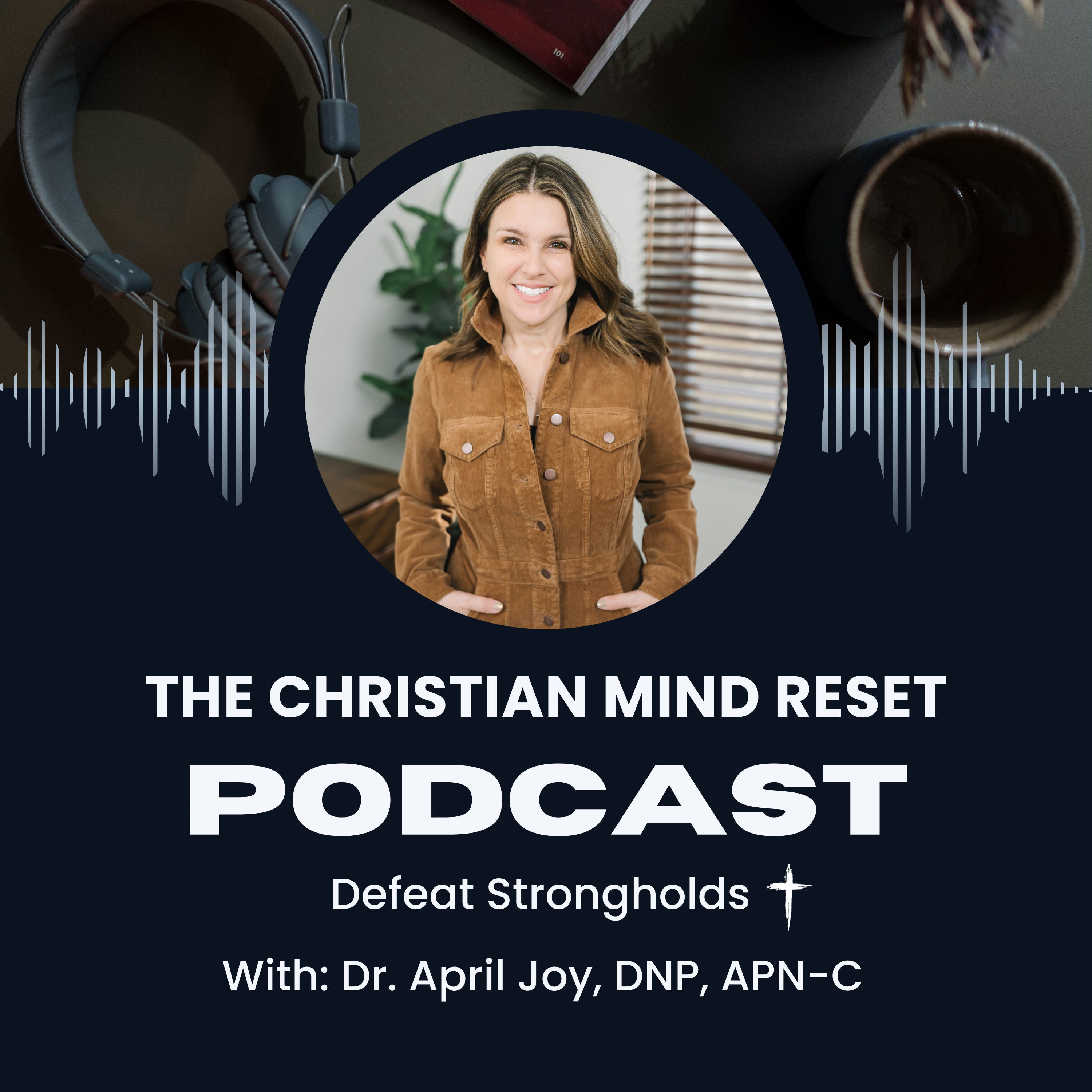
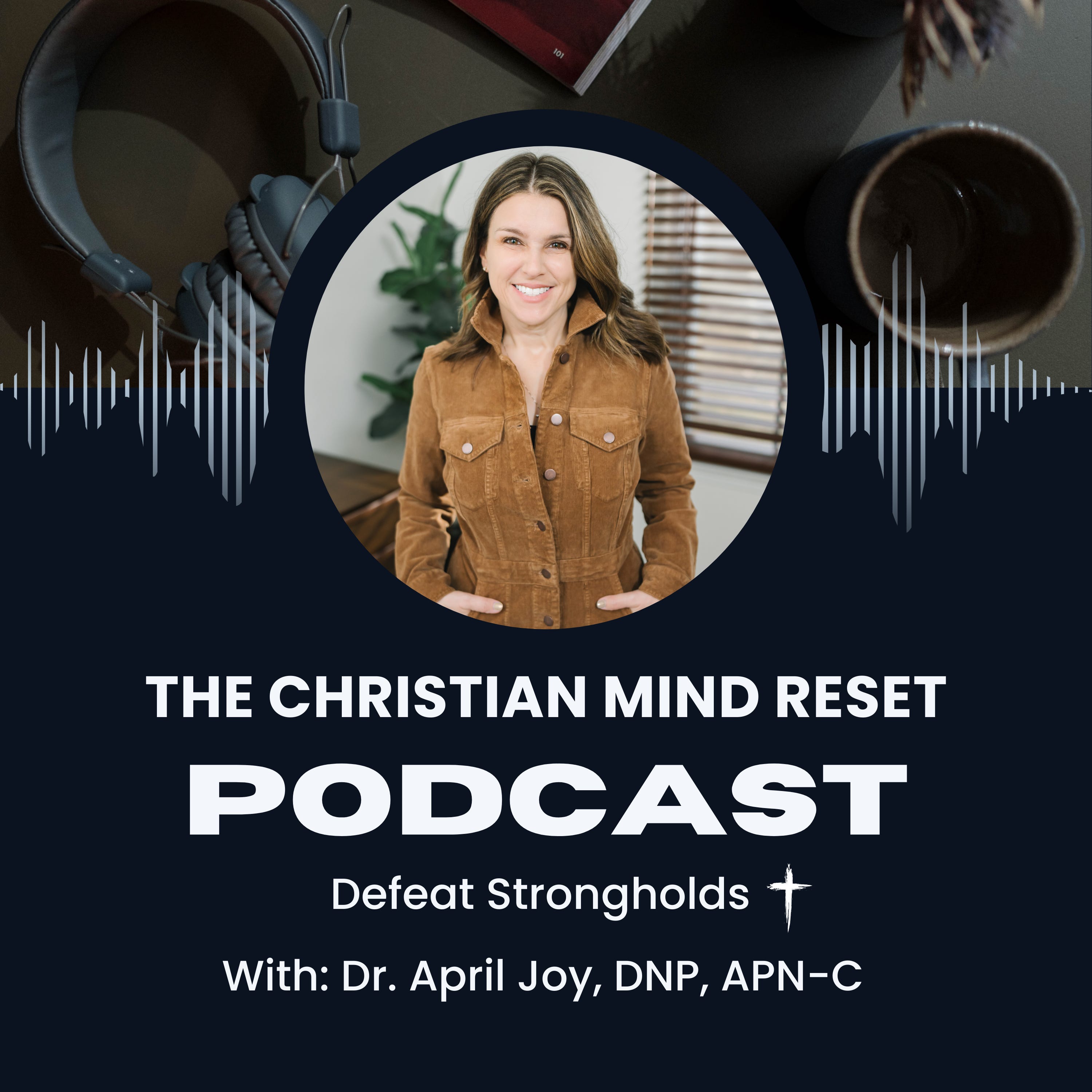
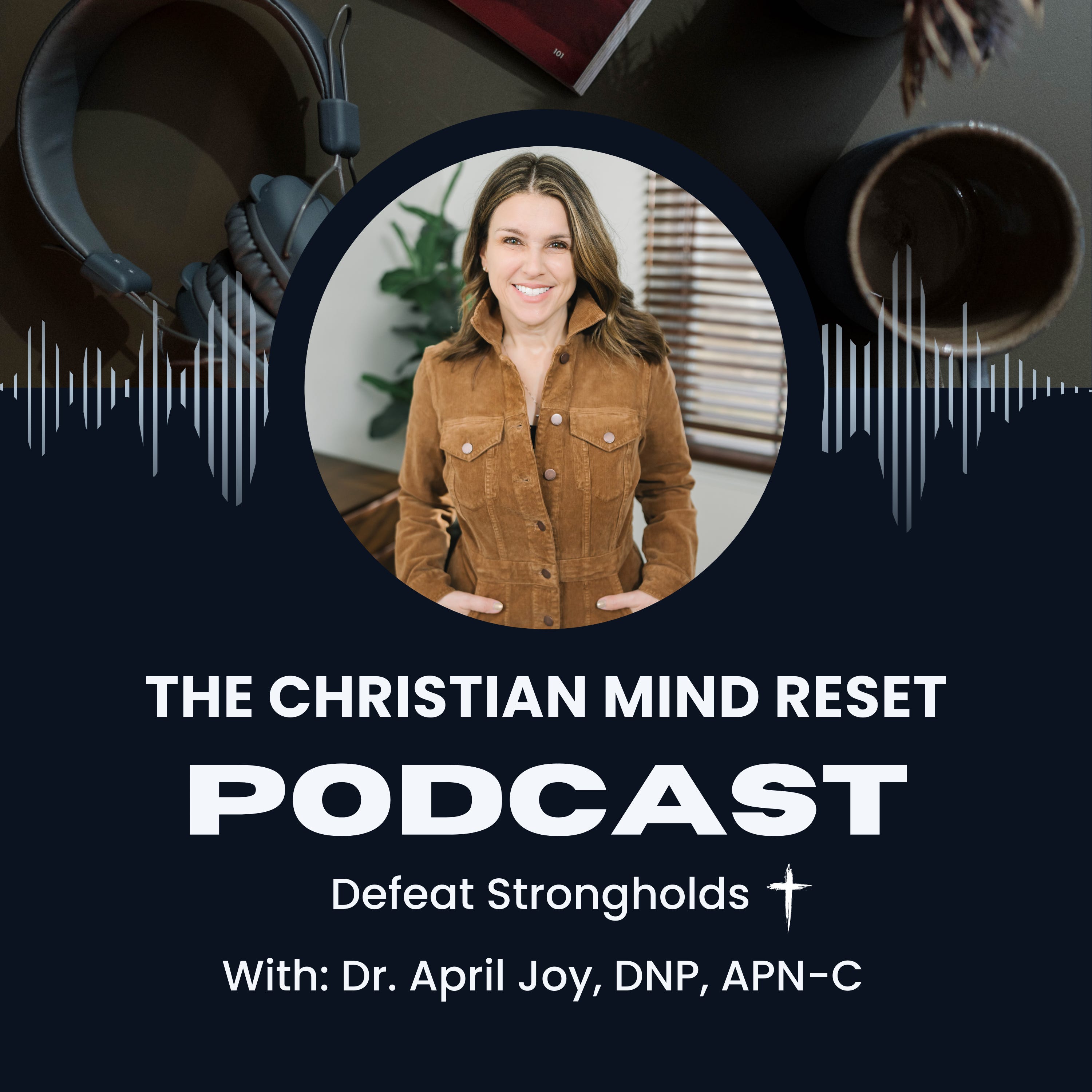
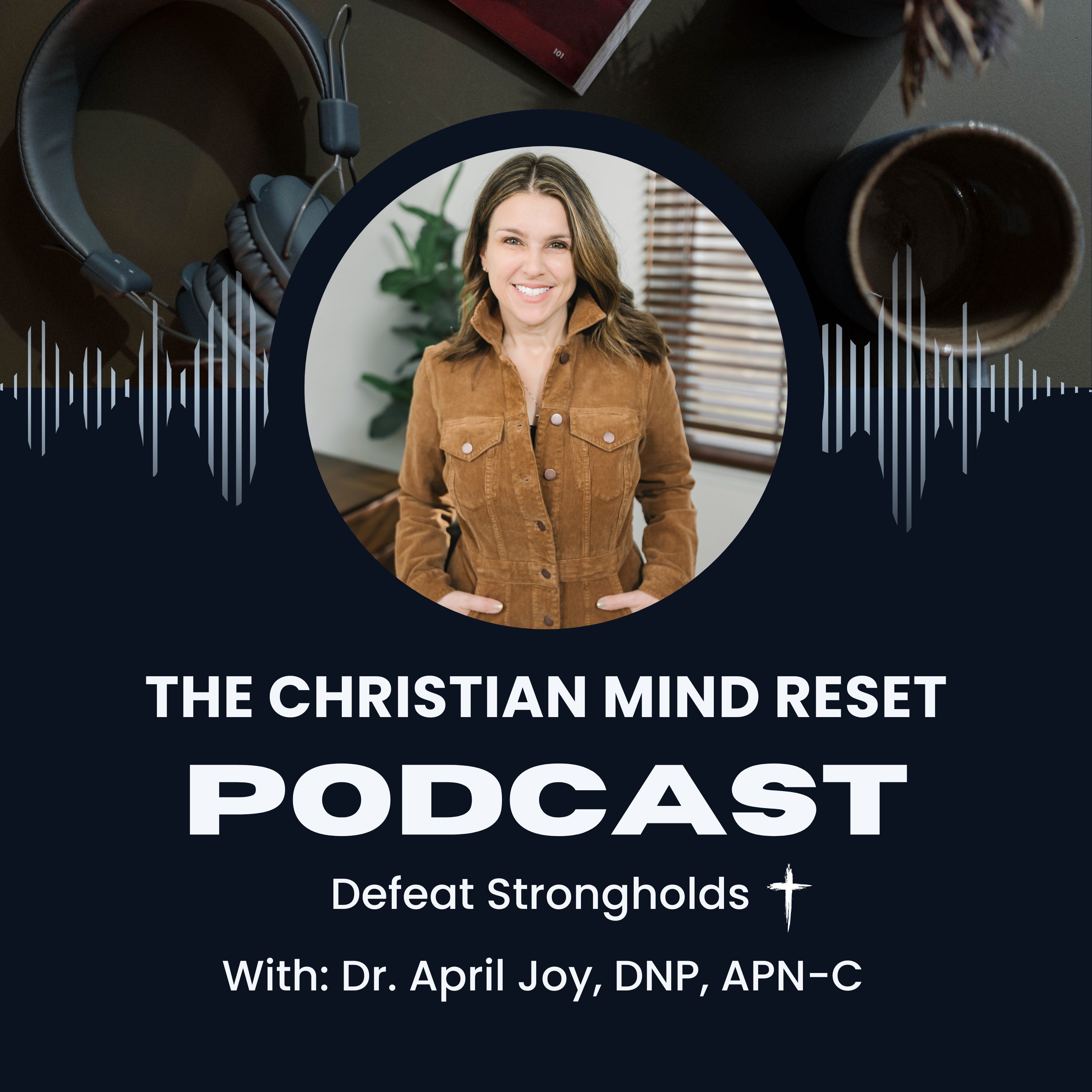
Artwork for The Christian Mind Reset
The Christian Mind Reset · Wednesday · 1 hr 2 min

Your Brain on Hope: The Psychology, Neuroscience, and Bible Study of Perseverance

Episode 26, Season 1 Show Notes What does it mean to “strengthen yourself in the Lord,” and what can David’s life teach us about persevering through suffering? In this episode of The Christian Mind Reset, Dr. April Joy explores perseverance through the life of David, with a particular focus on 1 Samuel 30:6 and the Psalms. Throughout David’s life, readers see a consistent pattern of returning to God through prayer, worship, gratitude, remembering God’s faithfulness, and fixing his hope on the Lord, even in seasons of fear, betrayal, grief, and waiting. Drawing from Scripture alongside current research in psychology and neuroscience, this episode examines how practices woven throughout David’s life align with what is known about hope, attention, memory, metacognition, worship, and emotional resilience. Rather than placing confidence in psychological techniques, the episode points listeners back to the biblical truth that lasting perseverance is found by continually returning to God, who is the source of our hope and strength. Whether listeners are walking through disappointment, suffering, uncertainty, or simply finding it difficult to keep going, this episode offers biblical encouragement and practical insight for persevering while keeping their eyes fixed on Christ. In This Episode * What it means to strengthen yourself in the Lord * Perseverance through the life of David * Hope through the lens of psychology and neuroscience * Remembering God’s faithfulness * Metacognition and biblical self-talk * Worship, music, and the brain * Gratitude, prayer, and redirecting attention * Fixing our eyes on Jesus * Persevering through difficult seasons with hope anchored in God Scriptures * 1 Samuel 24 * 1 Samuel 30:6 * Psalm 23 * Psalm 27:13 * Psalm 42:5 * Psalm 56:3–4 * Isaiah 40:29–31 * Romans 5:3–5 * James 1:2–4 * Galatians 6:9 * Hebrews 12:1–2 Connect with Dr. April Joy: Substack: The Christian Mind Reset If you liked today’s episode, please subscribe, leave a review, follow, like, or share. You can find me on Instagram at @thechristianpsychnp and also on Instagram and Substack at The Christian Mind Reset for more Scripture, neuroscience, and practical tips for renewing your mind. Listen to The Christian Mind Reset on Apple, Spotify, and Substack. My eBook, The Christian Mind Reset: A 28-Day Psalms Guide to Biblical Meditation, Neuroscience, and Renewing Your Mind, is available in my Stan Store at https://stan.store/thechristianpsychnp and on my Substack. References * Chanda, M. L., & Levitin, D. J. (2013). The neurochemistry of music. Trends in Cognitive Sciences. * Fleming, S. M., Dolan, R. J., & Frith, C. D. (2012). Metacognition: Computation, biology and function.Philosophical Transactions of the Royal Society B. * Gross, J. J. (2015). Emotion regulation: Current status and future prospects. Psychological Inquiry. * Koelsch, S. (2014). Brain correlates of music-evoked emotions. Nature Reviews Neuroscience. * Kross, E., et al. (2014). Self-talk as a regulatory mechanism: How you do it matters. Journal of Personality and Social Psychology. * Kross, E., & Ayduk, O. (2017). Self-distancing: Theory, research, and current directions. Advances in Experimental Social Psychology. * Müller, T. H., et al. (2021). Dissociable neural systems for recoverable versus unrecoverable effort. Nature Communications. * Roediger, H. L., III, & Karpicke, J. D. (2006). Test-enhanced learning: Taking memory tests improves long-term retention. Psychological Science. * Snyder, C. R. (2002). Hope theory: Rainbows in the mind. Psychological Inquiry. * Vickers, J. N. (2016). Origins and current issues in Quiet Eye research. Current Issues in Sport Science. Disclaimer: This podcast/letter is for informational purposes only. It contains general information, drawn from my experience, research, and best practices. It is not health care advice, and is not intended to replace the counsel of your health care provider. Consult your provider before starting any new treatments or making changes to your health routine. This message does not constitute a provider-patient relationship between us. If you are experiencing significant anxiety, distress, or need support, please seek care from a qualified healthcare professional. You may also consider reaching out to a licensed Christian counselor or pastor for additional support. Emails, portal messages, text messages, and other communications are not monitored and will not receive a response in an emergency or crisis, or regarding medical or therapy advice. These methods should never be used for medical advice, therapy, urgent, crisis, emergent, or time-sensitive concerns. If you are experiencing a medical or psychiatric emergency, are in crisis, have thoughts of harming yourself or others, or feel unsafe, call 911 (US), contact your local emergency services, or go to the nearest emergency room or hospital immediately. This is a public episode. If you would like to discuss this with other subscribers or get access to bonus episodes, visit thechristianmindreset.substack.com

0:00-1:02:51

transcript

No transcript — this publisher did not publish one.

show notes

Episode 26, Season 1

Show Notes

What does it mean to “strengthen yourself in the Lord,” and what can David’s life teach us about persevering through suffering?

In this episode of The Christian Mind Reset, Dr. April Joy explores perseverance through the life of David, with a particular focus on 1 Samuel 30:6 and the Psalms. Throughout David’s life, readers see a consistent pattern of returning to God through prayer, worship, gratitude, remembering God’s faithfulness, and fixing his hope on the Lord, even in seasons of fear, betrayal, grief, and waiting.

Drawing from Scripture alongside current research in psychology and neuroscience, this episode examines how practices woven throughout David’s life align with what is known about hope, attention, memory, metacognition, worship, and emotional resilience. Rather than placing confidence in psychological techniques, the episode points listeners back to the biblical truth that lasting perseverance is found by continually returning to God, who is the source of our hope and strength.

Whether listeners are walking through disappointment, suffering, uncertainty, or simply finding it difficult to keep going, this episode offers biblical encouragement and practical insight for persevering while keeping their eyes fixed on Christ.

In This Episode

* What it means to strengthen yourself in the Lord

* Perseverance through the life of David

* Hope through the lens of psychology and neuroscience

* Remembering God’s faithfulness

* Metacognition and biblical self-talk

* Worship, music, and the brain

* Gratitude, prayer, and redirecting attention

* Fixing our eyes on Jesus

* Persevering through difficult seasons with hope anchored in God

Scriptures

* 1 Samuel 24

* 1 Samuel 30:6

* Psalm 23

* Psalm 27:13

* Psalm 42:5

* Psalm 56:3–4

* Isaiah 40:29–31

* Romans 5:3–5

* James 1:2–4

* Galatians 6:9

* Hebrews 12:1–2

Connect with Dr. April Joy:

Substack: The Christian Mind Reset

If you liked today’s episode, please subscribe, leave a review, follow, like, or share. You can find me on Instagram at @thechristianpsychnp and also on Instagram and Substack at The Christian Mind Reset for more Scripture, neuroscience, and practical tips for renewing your mind.

Listen to The Christian Mind Reset on Apple, Spotify, and Substack.

My eBook, The Christian Mind Reset: A 28-Day Psalms Guide to Biblical Meditation, Neuroscience, and Renewing Your Mind, is available in my Stan Store at https://stan.store/thechristianpsychnp and on my Substack.

References

* Chanda, M. L., & Levitin, D. J. (2013). The neurochemistry of music. Trends in Cognitive Sciences.

* Fleming, S. M., Dolan, R. J., & Frith, C. D. (2012). Metacognition: Computation, biology and function.Philosophical Transactions of the Royal Society B.

* Gross, J. J. (2015). Emotion regulation: Current status and future prospects. Psychological Inquiry.

* Koelsch, S. (2014). Brain correlates of music-evoked emotions. Nature Reviews Neuroscience.

* Kross, E., et al. (2014). Self-talk as a regulatory mechanism: How you do it matters. Journal of Personality and Social Psychology.

* Kross, E., & Ayduk, O. (2017). Self-distancing: Theory, research, and current directions. Advances in Experimental Social Psychology.

* Müller, T. H., et al. (2021). Dissociable neural systems for recoverable versus unrecoverable effort. Nature Communications.

* Roediger, H. L., III, & Karpicke, J. D. (2006). Test-enhanced learning: Taking memory tests improves long-term retention. Psychological Science.

* Snyder, C. R. (2002). Hope theory: Rainbows in the mind. Psychological Inquiry.

* Vickers, J. N. (2016). Origins and current issues in Quiet Eye research. Current Issues in Sport Science.

Disclaimer: This podcast/letter is for informational purposes only. It contains general information, drawn from my experience, research, and best practices. It is not health care advice, and is not intended to replace the counsel of your health care provider. Consult your provider before starting any new treatments or making changes to your health routine. This message does not constitute a provider-patient relationship between us.

If you are experiencing significant anxiety, distress, or need support, please seek care from a qualified healthcare professional. You may also consider reaching out to a licensed Christian counselor or pastor for additional support.

Emails, portal messages, text messages, and other communications are not monitored and will not receive a response in an emergency or crisis, or regarding medical or therapy advice. These methods should never be used for medical advice, therapy, urgent, crisis, emergent, or time-sensitive concerns. If you are experiencing a medical or psychiatric emergency, are in crisis, have thoughts of harming yourself or others, or feel unsafe, call 911 (US), contact your local emergency services, or go to the nearest emergency room or hospital immediately.


This is a public episode. If you would like to discuss this with other subscribers or get access to bonus episodes, visit thechristianmindreset.substack.com
links4