Skip to content
Artwork for The Cheeky Natives
Society & Culture

The Cheeky Natives

The Cheeky Natives

The Cheeky Natives is a literary podcast primarily focused on the review, curatorship and archiving of Black literature.

The show is hosted by the cheeky duo, Dr Alma-Nalisha Cele and Advocate Letlhogonolo Mokgoroane. 


  • 20 episodes
  • Updated April 17

Support the show

Goes straight to the publisher. podnod takes nothing.

Episodes20

  • April 17 · 36 min

    Dr Kopano Matlwa: Bosadi

    Send us Fan Mail Most women endure silence and sacrifice because of societal expectations — but what if that silence is a form of violence? Dr. Kopano Matlwa, acclaimed author and public health physician, unpacks the hidden costs of womanhood, the trauma of Gender Based Violence, and the myth of the perfect family in her powerful novel Bosadi. This conversation challenges us to confront uncomfortable truths and rethink the narratives we’ve inherited about gender, resilience, and survival. You’ll discover how Bosadi explores the architecture of sacrifice and the emotional toll of living in a society that normalises misogyny and violence. Dr. Matlwa shares her insights on the complex relationships between mothers and daughters, the silent wounds of migrant domestic workers, and the dangerous ways community complicity enables abuse. We break down the importance of naming, the symbolism behind her titles, and her deliberate choice to speak uncomfortable truths through storytelling. We delve into the themes of faith and endurance that often silence women, revealing how religious and cultural pressures can act as tools of gaslighting and control. Perfect for readers, activists, and anyone committed to ending Gender Based Violence, Bosadi is a mirror held up to society—demanding reflection and action. If you're ready to challenge the status quo and empower women’s voices, this episode will inspire you to start conversations that matter. Support the show follow us on social media @cheekynatives

  • March 20 · 52 min

    Nadia Davids: Cape Fever

    Send us Fan Mail We sat down with Nadia Davis, author of Cape Fever, to honour the quiet strength and resilience that hidden stories bring to our lives. In a beautifully tender conversation, we explored themes of silent resistance, personal empowerment, and the power of internal archives. We explored narratives that challenge conventional tales of survival and authentic connection. Nadia reflected on her journey—from a storyteller navigating silencing systems to an author embracing her agency and unique voice. Much of the conversation was an excavation of hidden knowledge, unspoken histories, and the ongoing process of reclaiming agency. We discussed why personal narratives remain incomplete without meaningful introspection and genuine growth. This powerful episode, is an invitation to you, our listener, to reconsider what personal empowerment means in a world marked by silence, erasure, and resilience. Join us as we invoke the journey into stories of hidden strength and the ways we reclaim our narratives in 2026. Because sometimes, the most powerful stories are those where people choose their agency—and each other—on their own terms. Support the show follow us on social media @cheekynatives

  • March 6 · 46 min

    Siphokazi Jonas: Weeping Becomes a River

    Send us Fan Mail We sat down with Siphokazi Jonas, author of "Weeping Becomes a River," to honour the wisdom and relatability that poetry brings to our lives. Together, we explored themes of cultural reclamation, personal transformation, and linguistic identity. Our conversation journeyed through narratives that challenge traditional tales of resilience and genuine connection. Siphokazi reflected on her evolution—from a poet navigating discordant worlds to a storyteller embracing her heritage and authentic voice. We delved deeper into themes of grief, unspoken histories, and the ongoing process of redefining belonging. We discussed why cultural narratives remain incomplete without meaningful dialogue and real growth. In this episode, we invite you, our listener, to reconsider what cultural healing means in a world marked by chaos, disillusionment, and disenchantment. Join us as we explore stories of identity and the ways we make meaning in 2026. Because sometimes, the most powerful stories are those where people choose their heritage—and each other—on their own terms. Support the show follow us on social media @cheekynatives

  • February 6 · 43 min

    Zibu Sithole: Love, Zola

    Send us Fan Mail In the final installation of the acclaimed trilogy, Zibu Sithole, the acclaimed author of the beloved Zola series, reveals why she’s choosing to tell stories of gentle, soft Black love. We journeyed with characters who challenged the traditional narratives of suffering and resilience by prioritising self-love and genuine connection. In a heartfelt conversation, Zibu reflects on Zola’s incredible evolution from a self-centred dreamer to a woman embracing her independence and true happiness. We explored the themes of forgiveness, unspoken hurts, and redefining happiness, examining why love isn’t enough without effective communication and real growth. In an all -encompassing conversation, Zibu shared her insights on why fiction is such a powerful vessel for social change, especially when addressing complex relationships: fathers and sons navigating absence, women reclaiming their narratives, and generational shifts in codes of commitment. This episode is an invitation for you as a reader to redefine what a happy ending means in a world full of chaos, disillusionment and disenchantment. Join us as we explore how stories about love can, and should, look different in 2026. Because sometimes, the most powerful love stories are the ones where people choose themselves, and each other, on their own terms. Support the show follow us on social media @cheekynatives
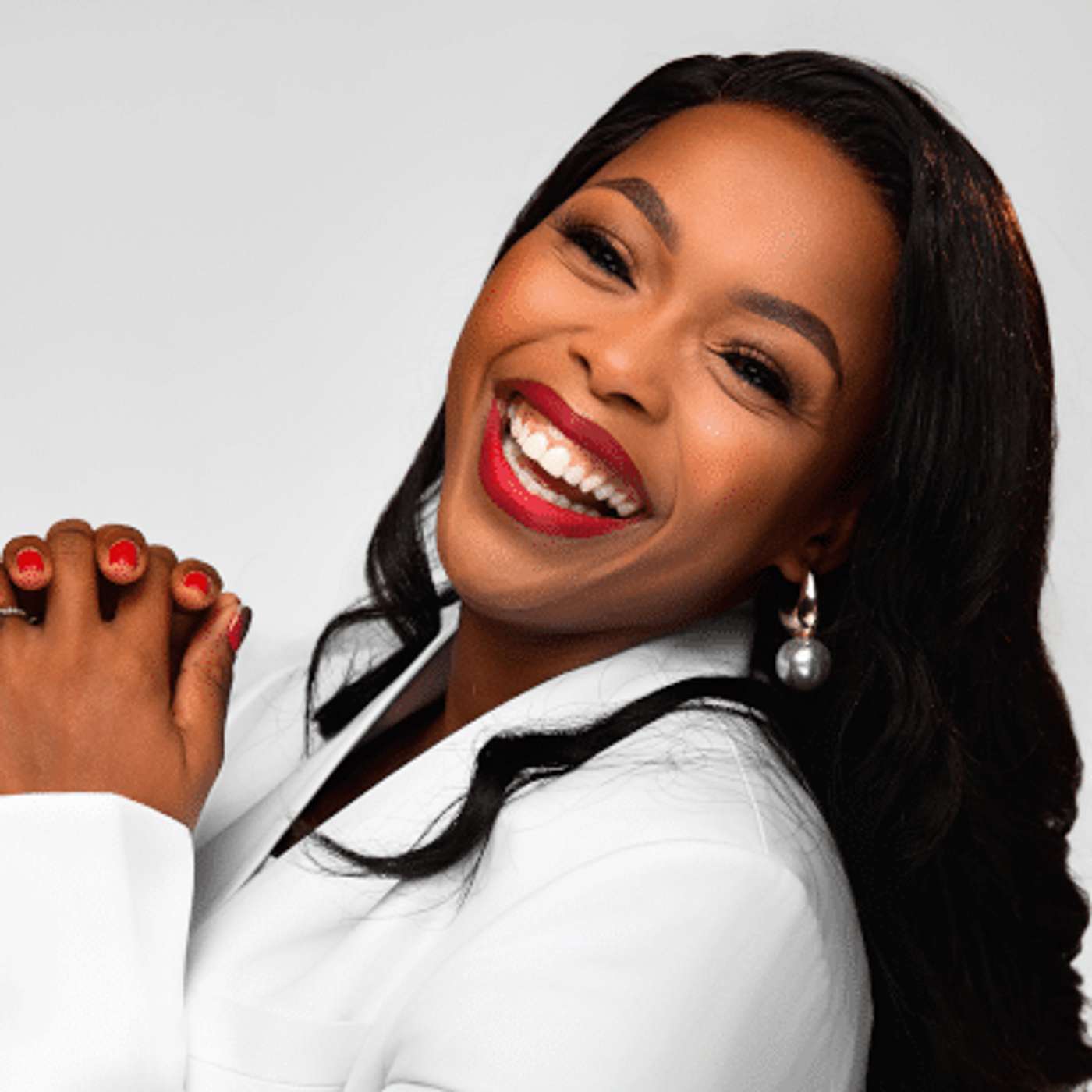
  • January 23 · 53 min

    Frank Thabani Sayi: No Safer Kinder Hatred: How Racial Hatred and Ethnic Violence Shaped Zimbabwe

    Send us Fan Mail Frank Sayi grew up in Rhodesia, now Zimbabwe, in the 1970s. His childhood straddled two very significant periods in his country's history, both of which heavily influenced his memoir. The first was the war of liberation (1975-1979), closely followed by the post-independence internecine war (1981-1987). Frank and his two older sisters, Thoko and Gift, lived with their grandmother, a stern, wise, mercurial matriarch, capable of intimidating severity, and her son Uncle Sami while Frank's mother, the main breadwinner, lived in the city. Through the connection of the narratives of these two major wars, Frank offers a comprehensive view of a turbulent history with the ongoing consequences of his country’s political violence. Gukurahundi and it’s unacknowledged history is explored, reflecting on what it means to be a people who’s pain has been ignored and erased. The memoir is intricately woven around the lives of the members of Frank's immediate family, whom he uses to foreground the tragic lives of a people caught within the web of war. He walks us through the disconnection between memory and reality especially in the aftermath of war, displacement and personal loss. Grief permeates throughout the book, anticipatory and rituals around it as we witness the emotional toll of expecting loss prior to its occurrence. Written at the intersection of love and abuse, Frank’s memoir explores how these dynamic shape relationships and identities. Frank writes tenderly about the struggle to find belonging in fractured families and communities In this episode we engage in a profound conversation with Frank Sayi. The discussion delves into the complexities of identity, home, and the lingering effects of colonialism in Zimbabwe and South Africa. Frank shares his personal experiences of displacement and the struggle to reconcile his past with his present, emphasising the theme of returning home to a place that feels both familiar and alien. He articulates the idea that the language of violence and colonialism has shaped the narratives surrounding black identity, complicating the relationship between self and memory. Support the show follow us on social media @cheekynatives

  • Nov 7, 2025 · 57 min

    Nozipho Tshabalala: After the Fires

    Send us Fan Mail As a high-performing, excellence-driven, successful black woman, being in control of everything in her life was crucial to her survival and success for Nozipho Tshabalala. For much of her life, it had always served her well until it no longer did. The book begins with her receiving the news of her mother’s passing while she stood on the biggest stage of her career. This formative event sends her into a spiral which asks her to reevaluate her ideas of success and the price of these achievements. We sat down in conversation with Nozipho Tshabalala about her story of burning, of breaking, of becoming. Having described the writing this memoir as an act of deep vulnerability — a labour of love, we were interested in the process of unbecoming and breaking open the things held tightly to for so long. We explored the journey of soul-searching and discovering new and old but also one of truth- for ourselves and our loved ones. Much of the book centres around confrontation, of self, of narrative and of hidden pain with a journey towards healing made possible by this. Nozipho like so many of us, stands at the crossroads between certainty and trust, between holding on and finally releasing what no longer serves you, and invites us with truth and vulnerability to come along. Beyond the things she has let go of, After the Fires is an exploration of the things we find within ourselves, our loved ones and our journeys to becoming. It honours the complexity of womanhood while celebrating the possibility of becoming exactly who you were meant to be, even when that person looks nothing like what you imagined. In a beautiful, tender conversation, we sojourn with Nozipho to the other side, after the fires finding freedom, clarity, and a reclamation of voice and self. Nozipho demonstrates how surrender becomes not an act of defeat but a pathway to freedom. Support the show follow us on social media @cheekynatives

  • Sep 6, 2025 · 39 min

    Andile Cele: Braids & Migraines

    Send us Fan Mail In the captivating 100th episode, we engaged in a profound conversation with Andile Cele, the author of the compelling debut novel Braids and Migraines. This enlightening discussion delved into a rich exploration of identity, mental health, and the complexity of human relationships. Braids and Migraines chronicles the journey of a young girl navigating life in a post-apartheid township while battling personal and societal challenges. Despite the promise of a post-racial South Africa, the protagonist experiences the violence of racism, misogynoir and microagressions at school with white women at the centre of this violence. The episode concludes with a hopeful reflection on the book's potential impact, emphasizing the power of literature to heal and initiate change. Support the show follow us on social media @cheekynatives

  • Aug 15, 2025 · 57 min

    Djamila Ribeiro: Where We Stand

    Send us Fan Mail “Part theory, part manifesto, part history” – this book sparked a black feminist movement in Brazil. Patricia Hill Collins writes: “Where We Stand boldly claims a space for Black feminism in Brazil. This long-awaited translation offers new audiences a rare opportunity to encounter the rich ideas of an emerging generation of Black women academics and activists who are fearless in pushing for social change.” Djamila Ribeiro is an activist, writer and coordinator of the Plural Feminisms initiative. She is a university professor who has worked at several institutions, such as the Pontifical Catholic University of São Paulo and New York University. Ribeiro is the curator of the Feminismos Plurais Collection and the author of books on Black feminism, anti-racism, and her own life story. Her works, translated into several languages, have sold over 1 million copies. In a society shaped by the legacies of enslavement, white supremacy, and sexism, who has the right to a voice? In this book, Djamila Ribeiro brings forth a powerful disruption into conversations on the intersection between race, power and identity: the concept of “speaking place.” With a particular focus on her native Brazil, Ribeiro uses the speaking place to introduce the the idea that everyone has a social position in the world and that what we can say, and how it is received by others, depends on it. Ribeiro chronicles the evolution of Black feminist, exploring the ways that Black women have been silenced, ignored, and punished for speaking. Building on feminist standpoint theory, and in conversation with the works of Sojourner Truth, bell hooks, Audre Lorde, and others, Ribeiro joins the Cheeky Natives to invite all of us to recognise where we stand, to imagine geographies different from those we’ve inherited, and to speak a more humane world into being. Support the show follow us on social media @cheekynatives

  • Jul 11, 2025 · 54 min

    Onyi Nwabineli: Allow Me to Introduce Myself

    Send us Fan Mail In a world where the lines between privacy and exposure blur increasingly, Onyi Nwabineli's latest novel, "Allow Me to Introduce Myself," offers a profound exploration of identity, familial bonds, and the often untidy experiences of coming of age. The novel centers around the complex world of Anuri, a child raised in the public eye as the offspring of a popular mommy blogger. It is with this backdrop that discussions about identity, the cost of lost privacy, and the pursuit of autonomy in an increasingly digital world percolate. Onyi keenly addresses these issues, weaving them intricately into Anuri's journey. Throughout the book, grief and identity are ever present. Onyi also challenges traditional narratives of coming of age, highlighting that identity formation doesn't stop when one reaches adulthood. Onyi highlights the privilege and importance in the luxury to make mistakes away from the limelight. Onyi writes so tenderly on the significance of chosen family, showing them as a refuge and a source of unconditional love. The novel beautifully portrays the support Anuri receives from her friends and her aunt illustrating the undervalued contribution of friendship to one's life. One of the novels standout moments is Onyi's use of language as a tool to discuss the importance of cultural identity. In an ode to a long and rich cultural tradition, her characters names are deliberately thought out and decided, accompanied by a decision not to include a glossary for non-English terms, encouraging readers to engage actively and seek understanding, much like how English language dominance often keeps its terms undefined. In the podcast, Onyi reflects on the 'untidy' ending of the book, mirroring real life's unpredictability. In a thought provoking conversation, Onyi invites readers to embrace complexity and imperfection in life's narratives. Support the show follow us on social media @cheekynatives

  • Jun 21, 2025 · 50 min

    Obligations to the Wounded: Mubanga Kalimamukwento

    Send us Fan Mail We sat down for a candid and vulnerable discussion on rebellion, compliance and the intricacies of language and place with Mubanga Kalimamukwento, author of the prize winning Obligations to the Wounded. The collection transcends physical spaces and time with Mubanga navigating the interplay of memory and geographical place. Her stories, woven in rich narratives, explore the landscapes and lives of Zambian women. In an ode to a rich oratory history we explored literary devices and cultural references within her stories.Central to her collection is the theme of rebellious women—those who defy societal norms. Mubanga explores what it means to reimagine the futures of such women, asking readers to contemplate the costs of rebellion and compliance. Mubanga offers a unique narrative lens in her writing, showing a child's perspective. She draws on her own childhood experiences with grief and loss to blend childlike observation with adult articulation. In this juxtaposition, there is the contrast of the raw, unfiltered view of a child alongside the nuanced understanding of an adult. In a wide ranging collection covering themes of identity, loss and becoming, Mubanga writes tenderly and vulnerably, often leaving the reader to ponder. We sat down with to reflect on the meaning of community, obligation and writing in the in between spaces. Support the show follow us on social media @cheekynatives

  • May 30, 2025 · 37 min

    Abi Daré: And So I Roar

    Send us Fan Mail In ‘The Girl With The Louding Voice’, the book ends with Adunni winning the scholarship and her dream of school seems close to fruition. In this triumphant book that breaks the curse of the sophomore novel, Adunni and Ms Tia are back. This story unfolds over the course of 24 hours, with Adunni being forced to return to her home village just hours before the new school year commences. As Adunni returns to Ikati, she meets other young women and girls who are similarly forced to account for the crimes: essentially being women and so forced to bear the brunt of society’s blame and anger. In a testament to the power of female friendship, we see the relationship between Adunni and Tia evolve, from saviour-rescuee to friends. Despite their differences, these two forge a friendship which sustains the other, providing comfort during some of the most difficult moments in their lives. In this novel, Tia is forced to confront her history and the estrangement from her family as a result. Adunni’s own complicated family relationships are brought to the fore. An additional layer is the climate crisis and the disproportionate ways in which women are affected. This book offers a searing commentary on climate change and social injustices which arise. Abi Daré won the inaugural Climate fiction prize for her novel And So I Roar. Tackling themes of patriarchy, tragedy and justice, Abi Dare is at her best in this sophomore novel. Support the show follow us on social media @cheekynatives

  • Apr 18, 2025 · 48 min

    Zukiswa Wanner: Love Marry Kill

    Send us Fan Mail In Zukiswa Wanner’s latest novel, we are confronted with couples battling secrets, betrayals and endings. This book is a meditation on the weight of betrayal, difficult choices and navigating moral quandaries. The characters are flawed, making bad choices and yet still remain relatable. This page turner deftly manages to deal with a wealth of topics including gendered social behaviour, infidelity and difficult choices. We meet Akani and Owami, who are battling interpersonal and communal pressures while trying to navigate black life. Cultural attitudes and the explanations we give to ourselves and others are the subject of a nuanced critique in this book. Zukiswa asks what becomes of a society where men have license to behave unaccountably and what this does to society’s fabric. Interestingly, the women in this book are themselves portrayed to be flawed, human and multifaceted. Additionally, Zukiswa explores contemporary and relevant topics such as gender-based violence, the grooming, and sexual abuse. Despite the heavy themes, Zukiswa’s writing ensures that the reader never feels preached to. Support the show follow us on social media @cheekynatives

  • Mar 28, 2025 · 43 min

    Iris Mwanza: The Lions’ Den

    Send us Fan Mail Set in Zambia, this novel introduces us to a young lawyer, named Grace and her client Wilbess (Bessy). After a string of unfortunate events, Bessy has been arrested for having sex with another man. A crime according to Zambian laws which prohibit same sex relations. Following Grace’s initial visit, Bessy disappears from custody without a trace. Thus begins Grace’s fight for justice and reform of a system which subjects the most vulnerable individuals to systemic violence and corruption. Grace is tenacious, having grown up in a village and almost being the victim of gendered violence, she is moved by this case. Despite being well-intentioned, her temper often gets in the way of her quest for justice. She is also subjected to sexism and other forms of discrimination because of her age and background. This fight takes place against the backdrop of the HIV epidemic in Zambia and the stigmatisation of people living with HIV. The author avoids prevailing stereotypes around this disease and humanizes the experiences of those affected without passing moral judgements. This is a fast paced legal thriller which engages with the themes of queerphobia, interpersonal and state sanctioned violence and family-chosen and biological. Although humorous and entertaining in many parts, the book is ultimately heartbreaking as readers are forced to confront the violence of queerphobia and what it means to have your humantity at the mercy of people’s morality and judgement. Support the show follow us on social media @cheekynatives

  • Feb 21, 2025 · 58 min

    Aiwanose Odafen: We Were Girls Once

    Send us Fan Mail We Were Girls Once is the sequel to Tomorrow I Become a Woman, honing in on the lives of Ego, Zina, and Eriife, the daughters of Uju, Chinelo, and Adaugo from the first book. It explores their journey of they transition from being girls to women. Ego, who moves to the United Kingdom to further her studies but despite experiencing relative success while working in a firm, she is constantly haunted by past: familial and institutional violence and its ripple effects. Ego is a woman robbed of the joy of becoming. Zina is also a prisoner of the past, stuck in a tense relationship with her mother. Despite this, she is a renowned actress who is famous and publicly admired. Eriife whom we encounter last in consumed by the realm of political life in Nigeria. There is a loss she mourns in her personal life, which she compensates for with the pursuit of influence, power and wealth. Despite this bubble that these things afford her, Nigeria still deals with her as harshly as it does to those far less wealthy and privileged. This is a profound tale of the beauty of women’s friendship, as a conduit for growth, healing and justice. Zina helps Ego confront a serious injustice in the past and in doing so find closure. Despite their differences and disappointments, they come together for Eriife in her hour of need. Odafen explores the themes of family, politics, community, class dynamics and religion in this book. Odafen’s, We Were Girls Once is an ode to the timeless strength and beauty of female friendship. Support the show follow us on social media @cheekynatives

  • Jan 31, 2025 · 1 hr 9 min

    Professor Barbara Boswell: The Comrade's Wife

    Send us Fan Mail The Comrade’s Wife follows a turbulent marriage between a rising politician and an academic, told through her life and lens. The novel features a whirlwind romance between a charming rapscallion and a maiden fair who has been wronged in her past. With deliciously crafted sentences, Boswell's prose is thought-provoking and emotionally impactful. Anita is not only a victim of workplace injustice and discrimination due to race and gender, but has her own unfortunate experience with gender-based violence, as well. There are those who would say that it sounds contrived that so much can go so wrong for one person but this is a reality that many women face. We sat with Barbara Boswell to talk about this novel. Support the show follow us on social media @cheekynatives

  • Jan 10, 2025 · 51 min

    Omolola Ijeoma Ogunyemi: Jollof Rice and Other Revolutions

    Send us Fan Mail In this collection of interconnected stories, we are introduced to four women: Solape, Remi, Nonso and Aisha whose lives trajectories are bound by friendship, loss and the business of life. Spanning diverse geographical locations and time period, this collection traverses the past and looks to the future. In an ode to globalisation and the rapidly shrinking nature of the world, the story begins in Nigeria and ends in the United States. Interestingly, each story explores a different character and allows us to look into their interior lives. In all these stories, Ogunyemi explores the ways in which women grow, change and come to a place of peace in differing and often difficult situations. Ogunyemi explores the themes of friendship, racism, family and evolving political structures in this collection. The titular story forms the bedrock for this exploration, at once espousing grief, loss and the myriads of ways in which this continent and its leaders can break your heart. Food is central point of this book and Ogunyemi uses it as an ode to the various locations covered in this book. Using beautiful, evocative language Ogunyemi writes a layered, articulate account of kinship, love and grief. We sat down with Omolola Ogunyemi to discuss the timely collection of short stories. Support the show follow us on social media @cheekynatives

  • Dec 20, 2024 · 50 min

    Zibu Sithole: I Do ... Don't I?

    Send us Fan Mail I Do… Don’t I? is the eagerly awaited sequel to the The Thing with Zola. In it there is a continuation of the love story between Zola and Mbali, traversing the unique location of Kigali and Johannesburg while navigating the complications of a long-distance relationship and the underlying question of commitment. Will they say I do? Zola's teenage sister adds to the drama as we encounter her in the midst of a cannon life event. Okuhle is not exempt from the drama of the book as she faces her own demons in love and family. Additionally, the elders in this book serve their own dramatic lessons in this book. We sat with Zibu Sithole to discuss her sophomore novel, writing black love and flawed characters. In this conversation we discuss explored the themes of love, humour and family in the South African context. Support the show follow us on social media @cheekynatives

  • Oct 18, 2024 · 50 min

    Damilare Kuku: Only Big Bumbum Matters Tomorrow

    Send us Fan Mail In Only Big Bum Bum Matters Tomorrow, Damilare Kuku introduces a protagonist, Témì with big plans for a drastic change to her appearance in the form of a BBL. In her debut novel, Damilare examines familial relationships, beauty standards and the quest for desirability in modern day Nigeria. Témì is a young university student, grappling with her body image all while navigating loss and complex family dynamics including her older sister’s sudden disappearance prior. Her journey towards the BBL unravels a slew of other issues including the weight of physical beauty, the desire to be attractive and what it means to reach for unattainable beauty standards. The women in this book are deeply flawed but incredibly relatable, a testament to the authors skill. They live full and interesting lives while making challenging decisions in a life full of difficulties. Once again, Damilare disarms the reading by infusing humour in writing these challenging themes. Deeply observant and thought-provoking, Damilare scratches beyond the surface of what it means to be a woman striving for beauty and by extension a sense of self, in contemporary Nigeria. We sat down with Damilare Kuku to discuss self identification, beauty standards and the quest for beauty while navigating familial relationships Support the show follow us on social media @cheekynatives

  • Sep 27, 2024 · 1 hr 13 min

    Damilare Kuku: Nearly All the Men in Lagos Are Mad

    Send us Fan Mail In a collection of 12 short stories, Damilare Kuku demonstrates the almost Sisyphean task that is navigating love, relationships and life in Lagos. Damilare deftly uses humour and wit to explore the difficult themes of love, loss, friendship and romance, often catching the reader unaware. As a testament to the universality of these stories, as reader you or someone you know may have encountered one of the mad men Damilare has written about. Of course the women are not exempt from the afflictions of humanity, many of them being difficult and somewhat exhausting in a node to the realities of the women we do know in our daily life. Most striking is the depiction of sex and agency displayed by these women particularly in the face of misogyny and patriarchy. Damilare draws the reader in, using both humour and sensitivity as she explores what it means to live and love in a place like Lagos. We sat down with Damilare to discuss her break out collection. Support the show follow us on social media @cheekynatives

  • Sep 13, 2024 · 1 hr 13 min

    Tessa Dooms and Lynsey Ebony Chutel: Coloured: How Classification Became Culture

    Send us Fan Mail Coloured as an ethnicity and racial demographic is intertwined with the creation of today’s South Africa. Yet often coloured communities are disdained as people with no clear heritage or culture – as not "black enough" or "white enough". Coloured by Tessa Dooms and Lynsey Ebony Chutel, challenges this notion and presents a different angle to that narrative. It delves into the history of coloured people as descendants of indigenous Africans and a people whose identity was shaped by colonisation, slavery and apartheid. Coloured as an ethnicity was again in the spotlight following Tyla’s brilliant rise to fame on both side of the Atlantic this year. In South Africa, there has been a problematic discourse that disparages the Coloured identity as inherently lacking, in culture, heritage and ultimately place in our democracy. Tessa Dooms and Lynsey Ebony Chutel, challenge this prevailing idea and bring forth a different way to view this incredibly varied and rich community. In a powerful exposition, Tessa and Lynsey delve into the history of people shaped by colonisation, slavery and apartheid. Spurred by the death of Nathaniel Julies, a young Coloured boy following a shooting by the police. #ColouredLivesMatter began to circulate on social media in response to this violence. Tessa and Lynsey sought to address the cultural alienation that young Coloured people continue to experience in South Africa by looking deeply into the history of Coloured history, ancestry and political placement in South Africa. In working through the conundrum of Coloured identity, it becomes clear that it cannot be distilled in racial classification. We sat down with Tessa and Lynsey to discuss the complexities of Coloured identity beyond the tropes and stereotypes. We spoke about the work of understanding the realities of Coloured identities, experiences and setting. Written as a mirror to both reader and subject matter, this book is a love letter to Coloured people. Support the show follow us on social media @cheekynatives