AI Drone Agents for Autonomous Navigation
transcript
show notes
This story was originally published on HackerNoon at: https://hackernoon.com/ai-drone-agents-for-autonomous-navigation.
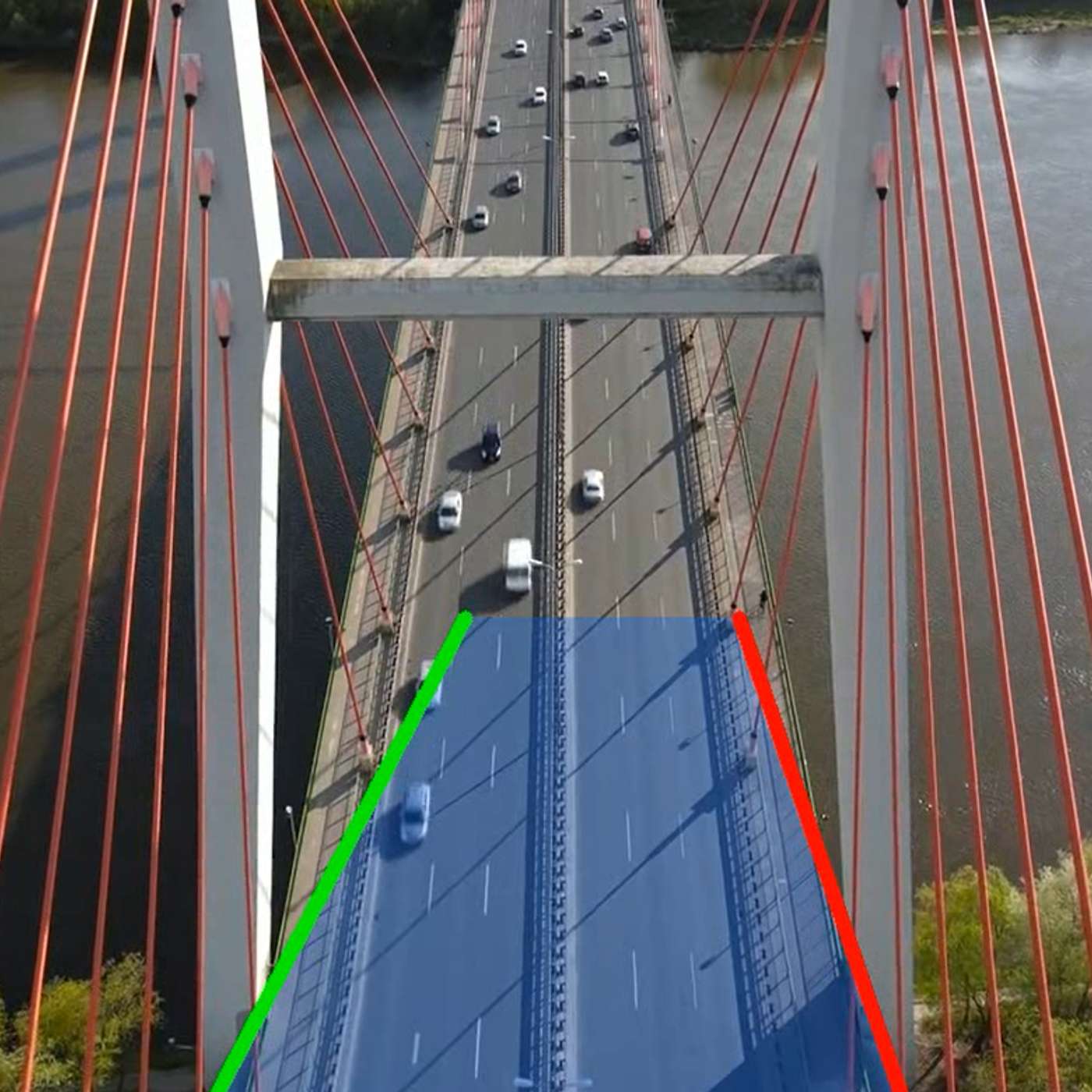
This article is a builder's tour of how AI and autonomy come together to make a drone navigate on its own, and the classical stack that actually flies today.
Check more stories related to tech-stories at: https://hackernoon.com/c/tech-stories.
You can also check exclusive content about #drone, #drone-technology, #ai, #ai-agents, #autonomous-systems, #navigation, #ai-drone-agents, #autonomous-navigation, and more.
This story was written by: @vishwagw. Learn more about this writer by checking @vishwagw's about page,
and for more stories, please visit hackernoon.com.
Drone navigation = determining position, orientation, and trajectory, then moving safely from A to B. It's a fusion of sensors, algorithms, and comms.
The field evolved through four eras: manual control → GPS waypoints → sensor fusion → AI-driven autonomy.
A working autonomous-drone system has four layers: perception (cameras, IMU, GPS/RTK, SLAM, VIO), processing (onboard AI compute), control (PX4/ArduPilot via MAVLink), and communication.
The AI layer spans deep learning (CNNs, RNNs, transformers) for perception and reinforcement learning for navigation policies, with A*, RRT, and PRM doing path planning.
Hardware in 2025 centers on NVIDIA Jetson Orin/Xavier class compute, global-shutter/HDR/IR cameras, and MEMS or fiber-optic IMUs.
The newer "AI agent" framing is real but specific: VLN (natural-language navigation) and VLA (end-to-end vision-language-action) models like AutoFly and GRaD-Nav++ are moving from lab to onboard — but they still struggle with the high-frequency reactive control that keeps a drone from hitting things.
Build in simulation first (Gazebo, AirSim), test in tethered → indoor → outdoor stages, and treat airspace regulation and cybersecurity as first-class, not afterthoughts.