Quantum brief week 41 2026
Strict US Sovereign Procurement & Benchmarking Mandates: The US Department of Energy launched the $215 million Quantum Genesis Q Competition with a rigid 2028 deadline requiring 100 logical qubits capable of error-free operation. Concurrently, DARPA advanced four hardware vendors—Atom Computing, Diraq, IBM, and IonQ—into Stage C of its Quantum Benchmarking Initiative (QBI) for empirical verification of utility-scale claims.
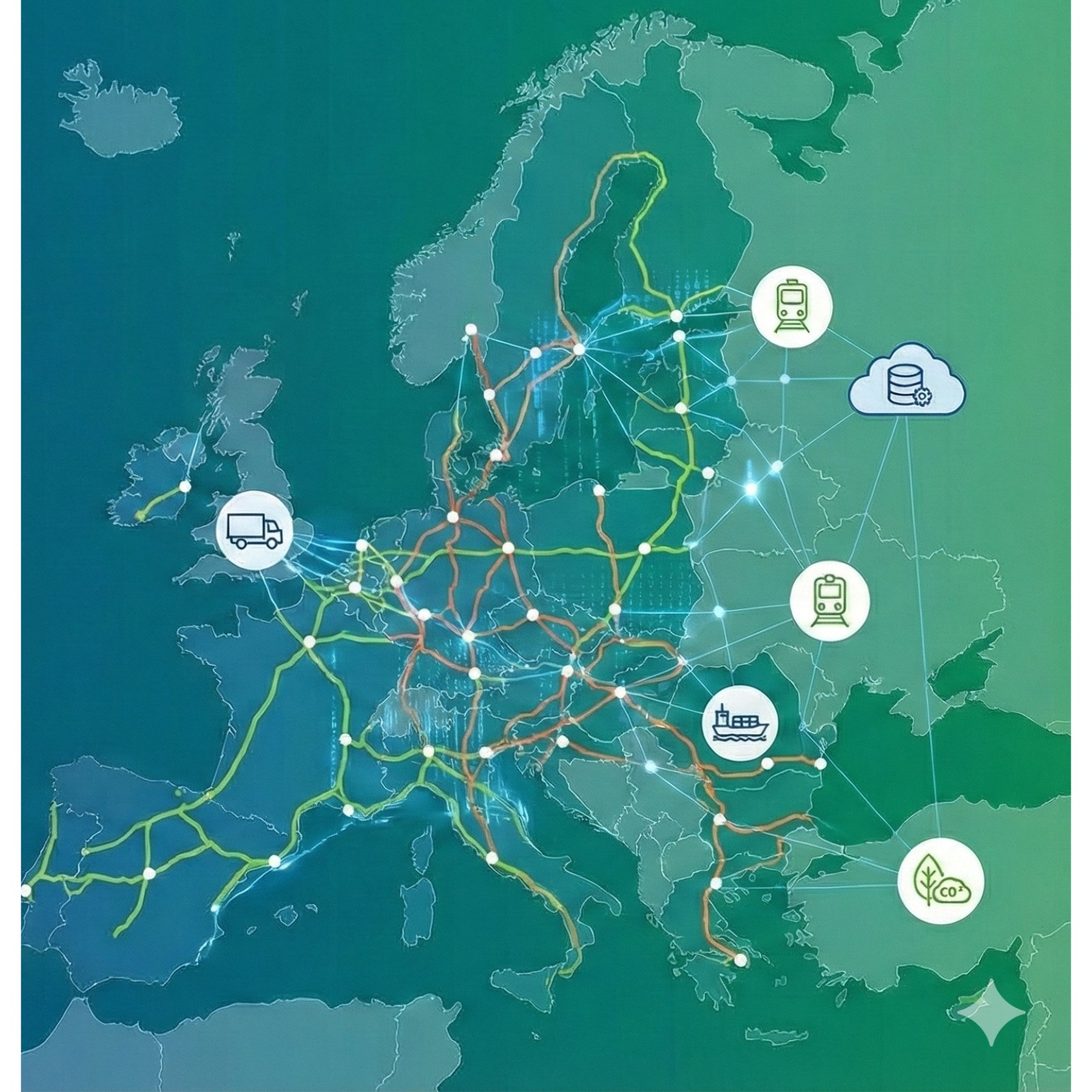
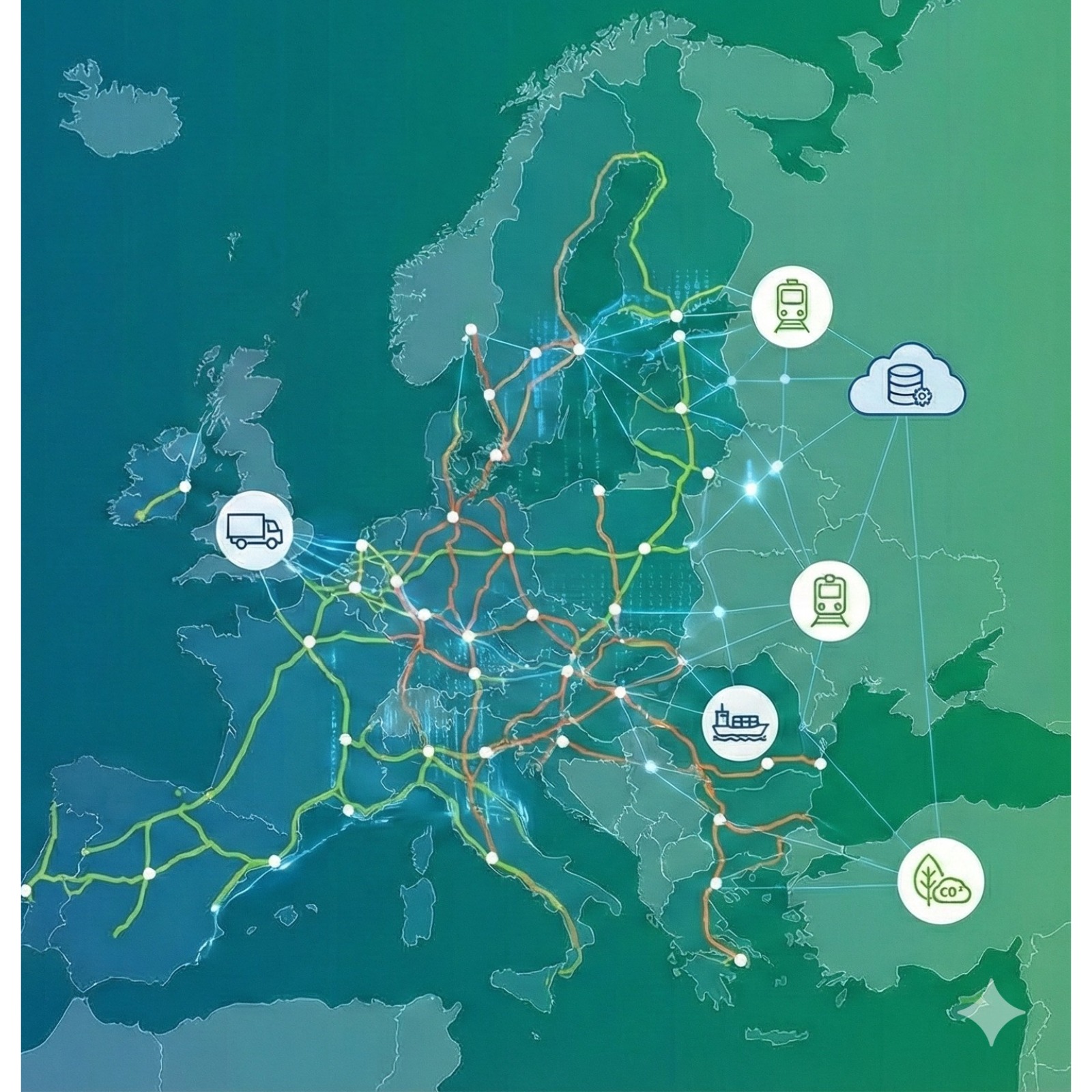
European Stack Integration & Continental Quantum Internet: Europe's Chips Joint Undertaking is funding sovereign classical-quantum stack co-design, including the technical integration of SiPearl's Rhea1 CPUs with Quobly's silicon spin qubits. Additionally, the European Commission awarded €47.5 million to the Quantum Internet Alliance (led by TU Delft) to build a full-stack quantum internet prototype under the EuroQCI framework.
Accelerating Post-Quantum Cryptography (PQC) & Blockchain Liabilities: SWIFT restructured its Supervisory Board to direct post-quantum migration across 12,500 financial institutions, while immutable blockchains accumulated an estimated $57 billion to $135 billion in retroactive cryptographic migration debt. In response, commercial security firms like SEALSQ and WISeSat unveiled space-based quantum-safe root-of-trust satellite architectures.
Chalmers Breakthrough in Passive Magnetic Field Sculpting: Physicists at Chalmers University (anchored by WACQT) published "Magnetic Omniconversion" in Science Advances, utilizing superconducting and ferromagnetic metamaterials to passively shape uniform magnetic fields below 1 Kelvin. This innovation eliminates bulky electromagnetic coils, significantly reducing thermal loads inside cryogenic dilution refrigerators.
Distributed Multi-QPU Execution & Qudit Error Suppression: Researchers from Oak Ridge National Laboratory and Quantum Brilliance demonstrated a 93.6% parallel efficiency distributing molecular simulations across discrete room-temperature diamond NV processors. On the theoretical front, extending error correction codes to 13-dimensional qudits nearly doubled fault-tolerant code-capacity thresholds to 10.0%.
0:00-21:10